Versatile Process Control and Scalability Features
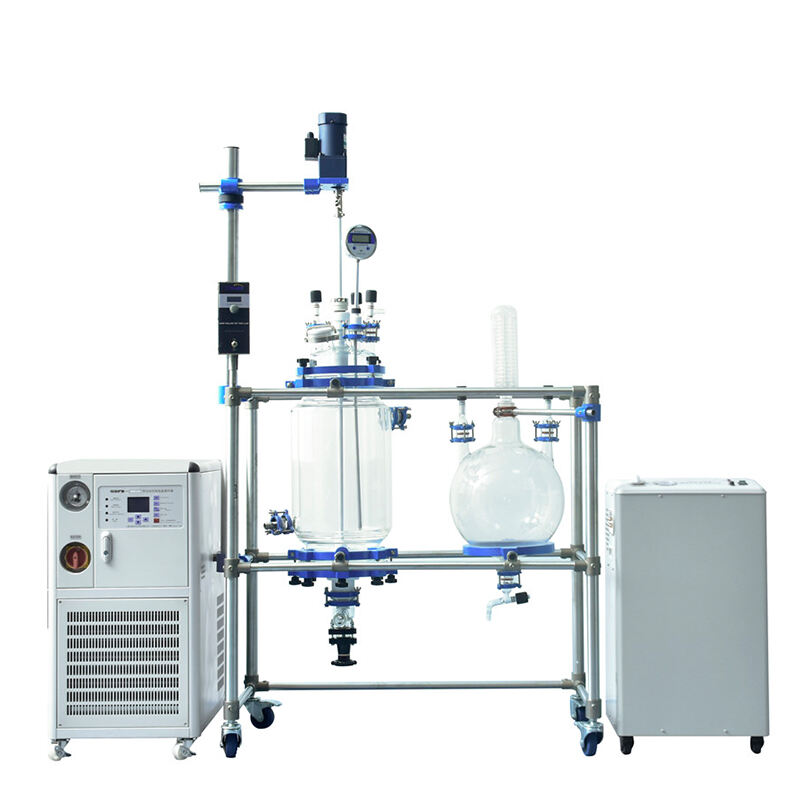
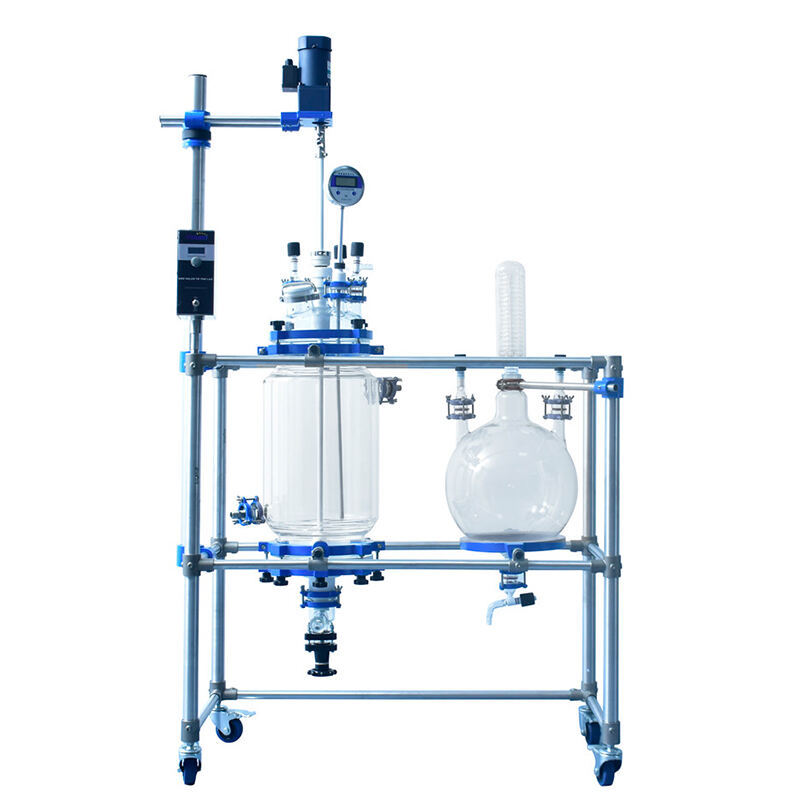
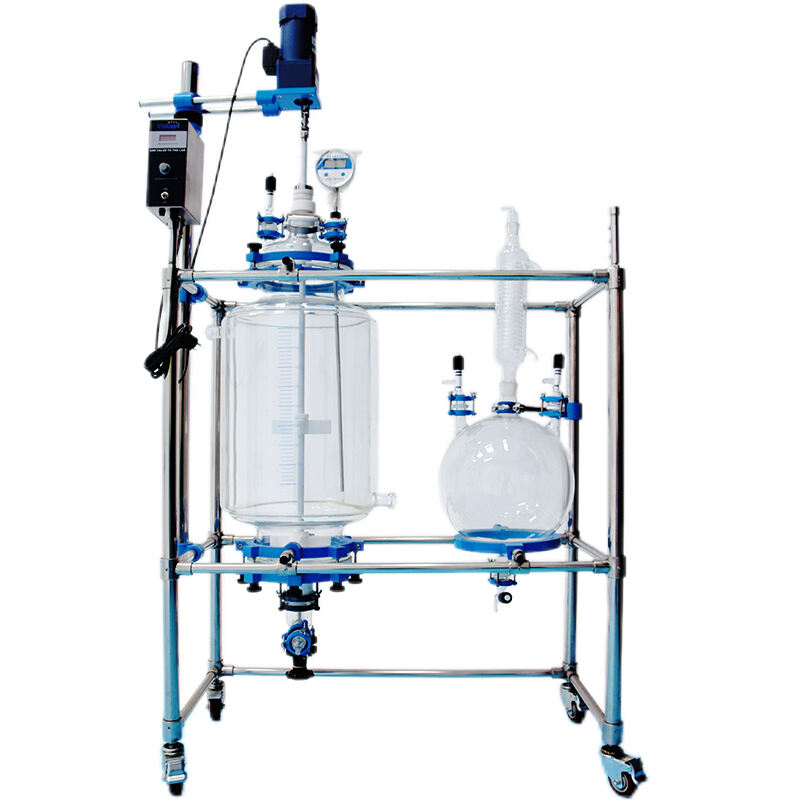
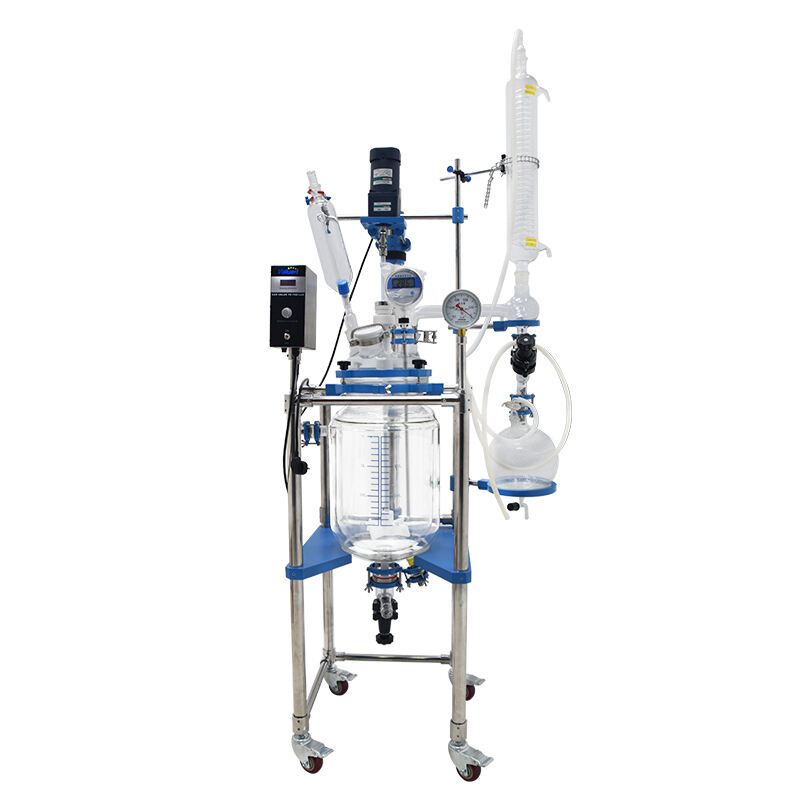
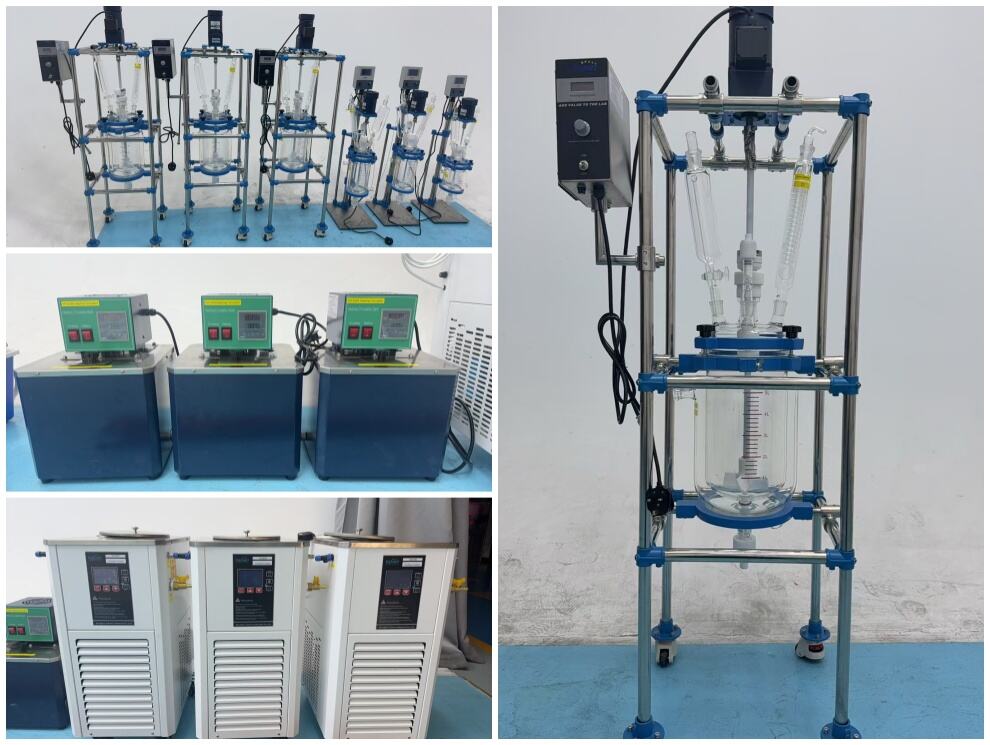
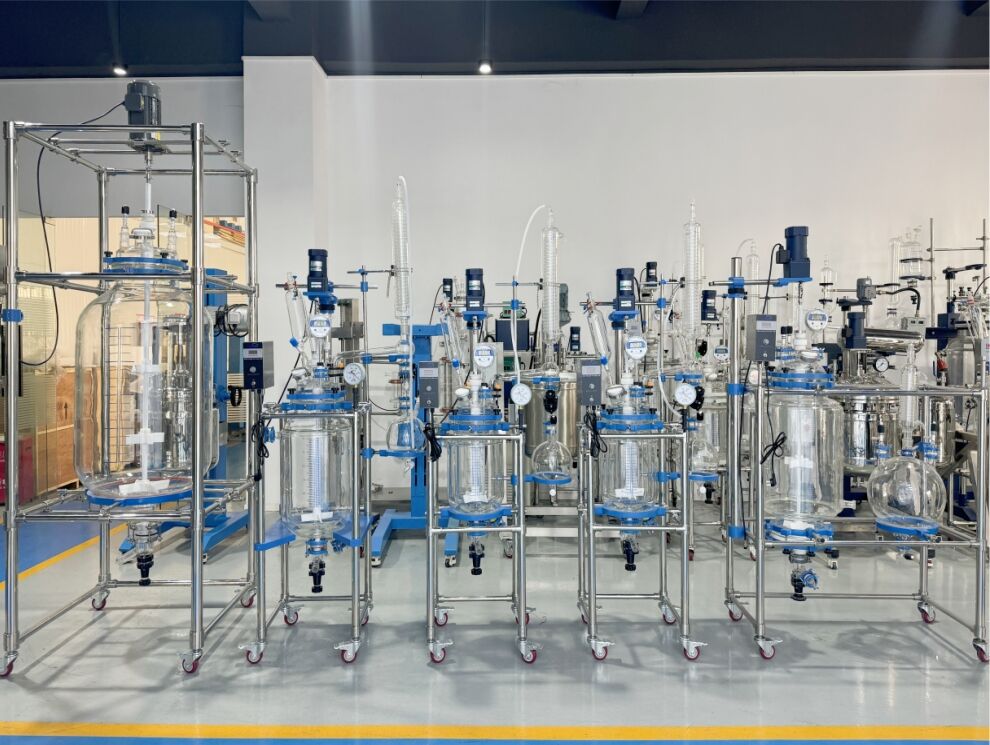
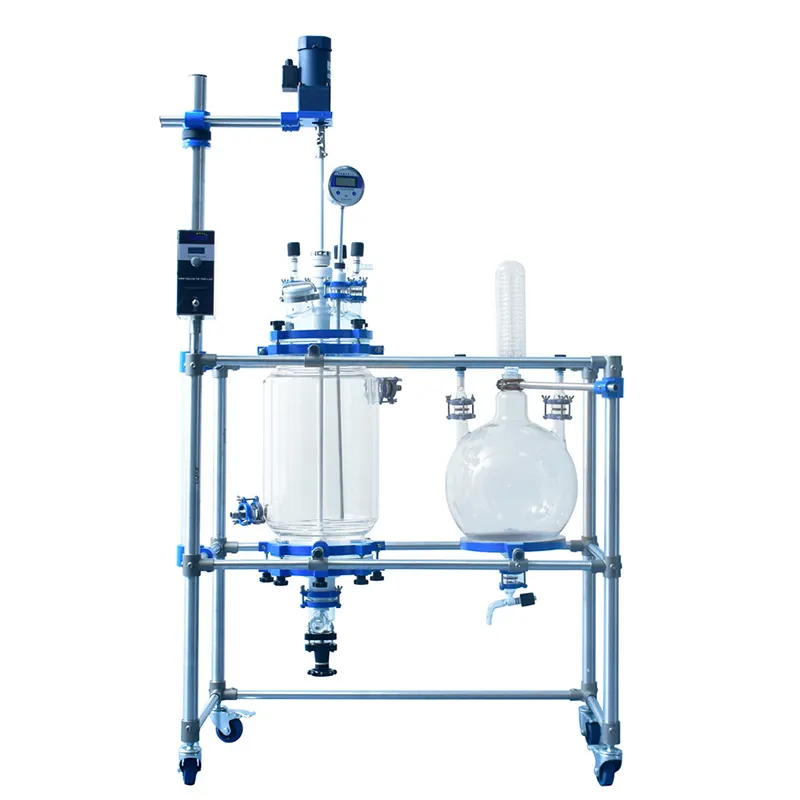
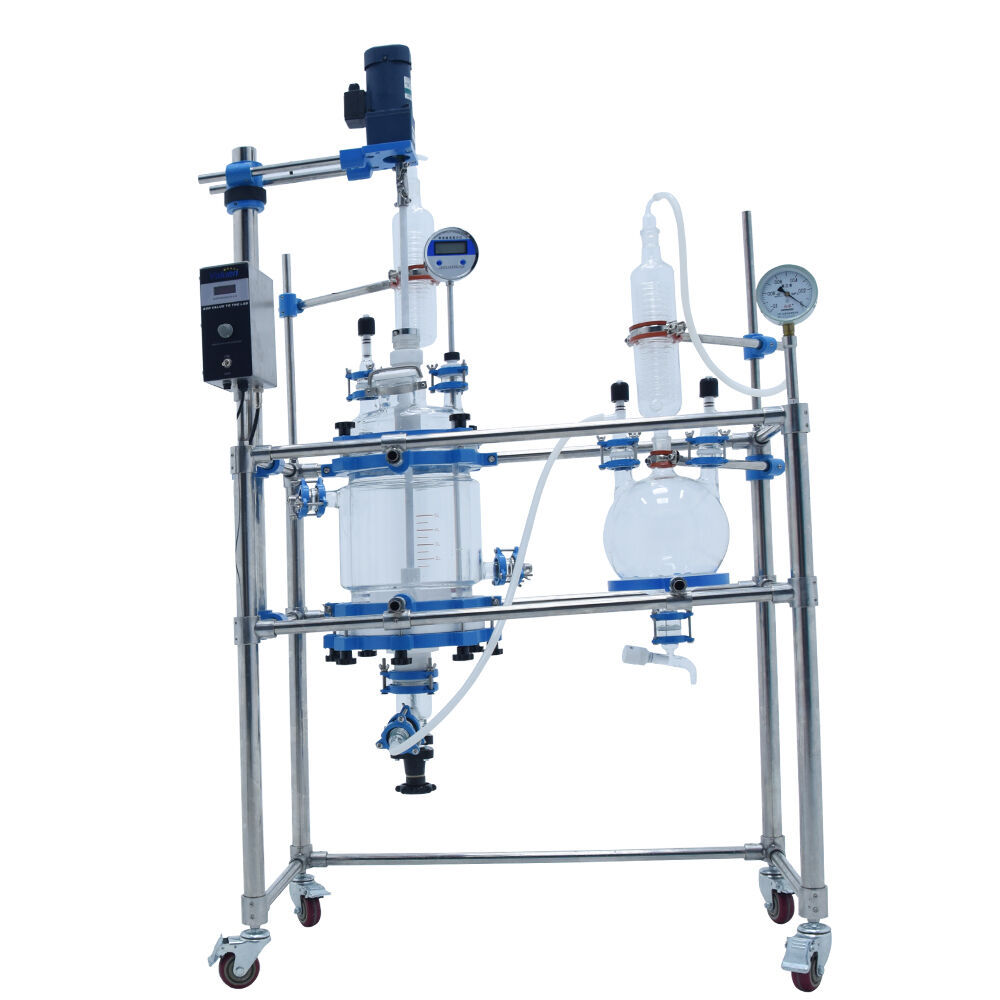
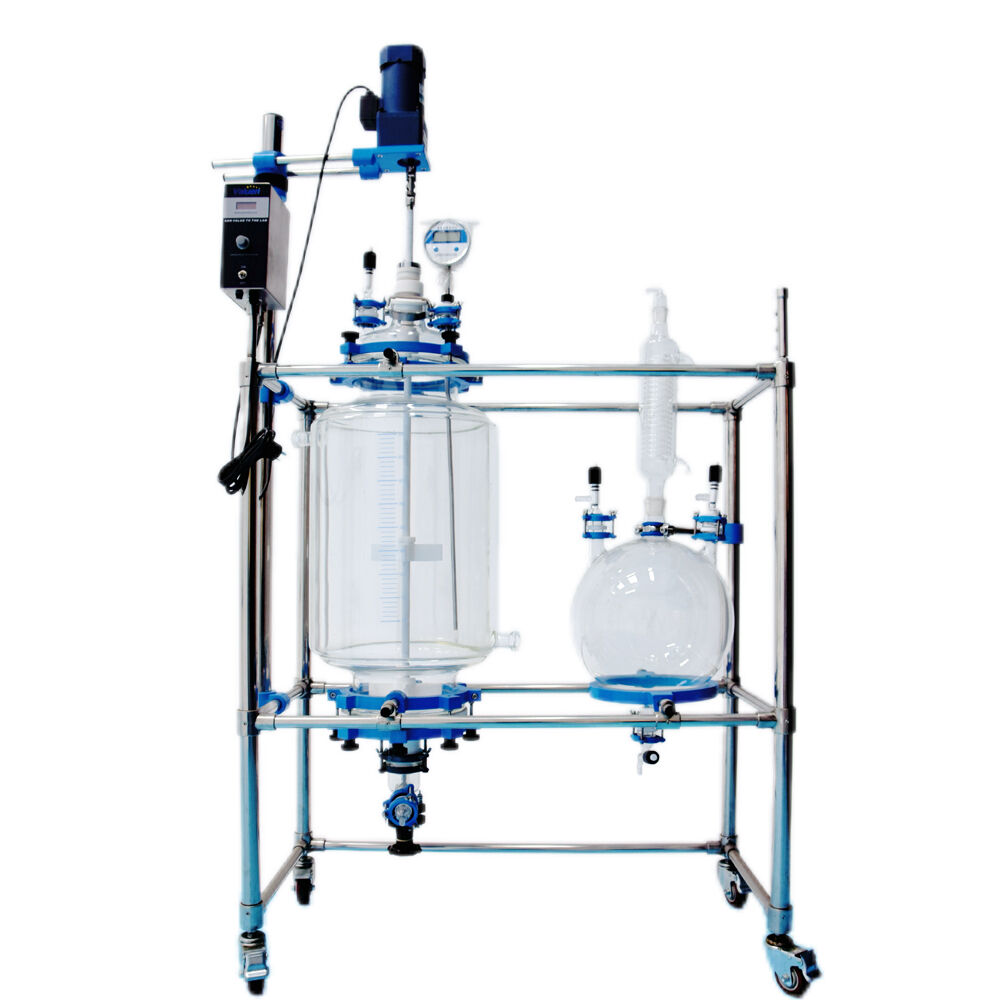
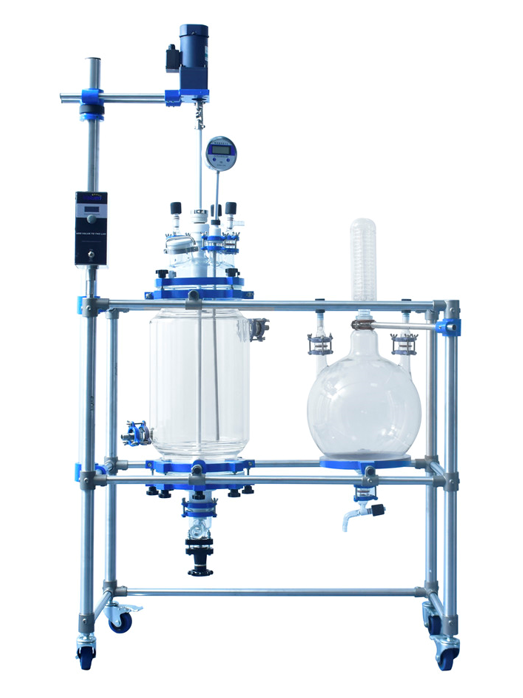
The versatile process control and scalability features integrated into chemical glass crystallization reactors establish these systems as indispensable tools for research institutions and industrial facilities pursuing efficient process development and reliable production scaling. The comprehensive control system encompasses agitation speed regulation, addition rate control for anti-solvent crystallization, pH monitoring, and conductivity measurement capabilities that provide complete process oversight and optimization opportunities. Variable agitation systems offer precise control over mixing intensity and patterns, allowing operators to influence crystal size distribution, morphology, and agglomeration behavior through carefully managed fluid dynamics. The reactor design accommodates multiple agitation configurations including overhead stirrers, magnetic stirrers, and specialized impeller designs optimized for specific crystallization applications. Automated addition systems enable controlled introduction of anti-solvents, pH adjustment reagents, or seed crystals according to programmable schedules that ensure reproducible process execution. The modular accessory system allows users to customize reactor configurations for specific applications, incorporating features such as online particle size analyzers, turbidity sensors, and sampling ports that enhance process monitoring capabilities. Data acquisition and logging systems capture critical process parameters continuously, creating comprehensive process records that support process validation, troubleshooting activities, and regulatory compliance documentation. The scalability advantage becomes apparent when transitioning from laboratory development to pilot production, as the process parameters and control strategies developed in chemical glass crystallization reactors translate directly to larger manufacturing systems. Geometric scaling relationships help predict mixing requirements, heat transfer characteristics, and mass transfer rates in larger vessels based on data collected from glass reactor experiments. Process simulation capabilities allow researchers to model different operating conditions and predict crystallization outcomes before conducting expensive pilot-scale trials. The reactor's flexibility supports diverse crystallization techniques including batch cooling, continuous crystallization, and hybrid processes that combine multiple crystallization mechanisms for optimized product characteristics. Integration capabilities with laboratory automation systems enable remote monitoring, automated data collection, and unattended operation during long crystallization cycles that may extend for hours or days. The chemical glass crystallization reactor serves as an ideal platform for method development, process optimization, and technology transfer activities that bridge the gap between laboratory research and commercial production.
 EN
EN