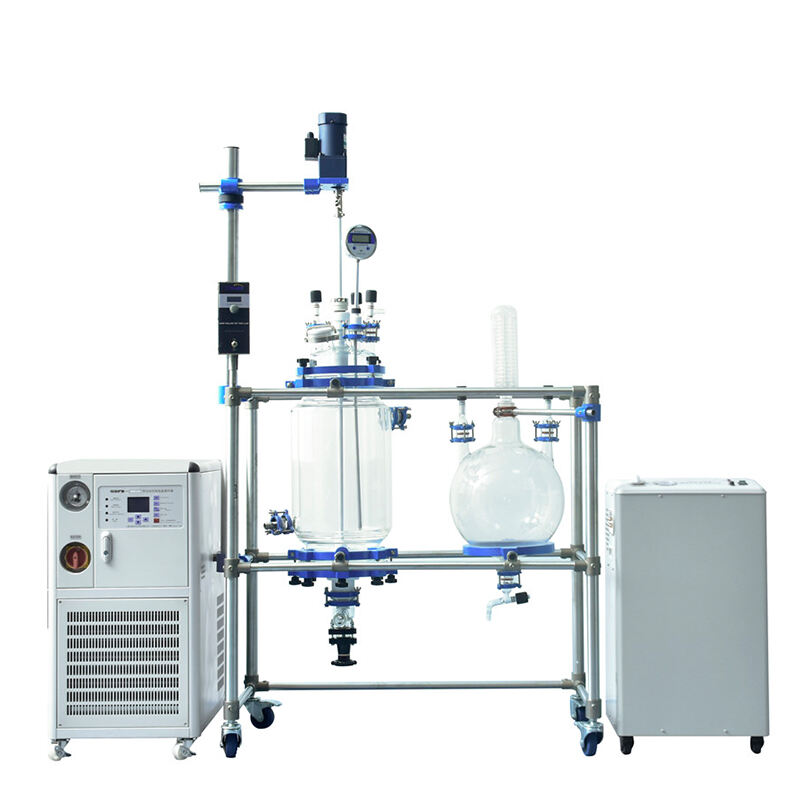
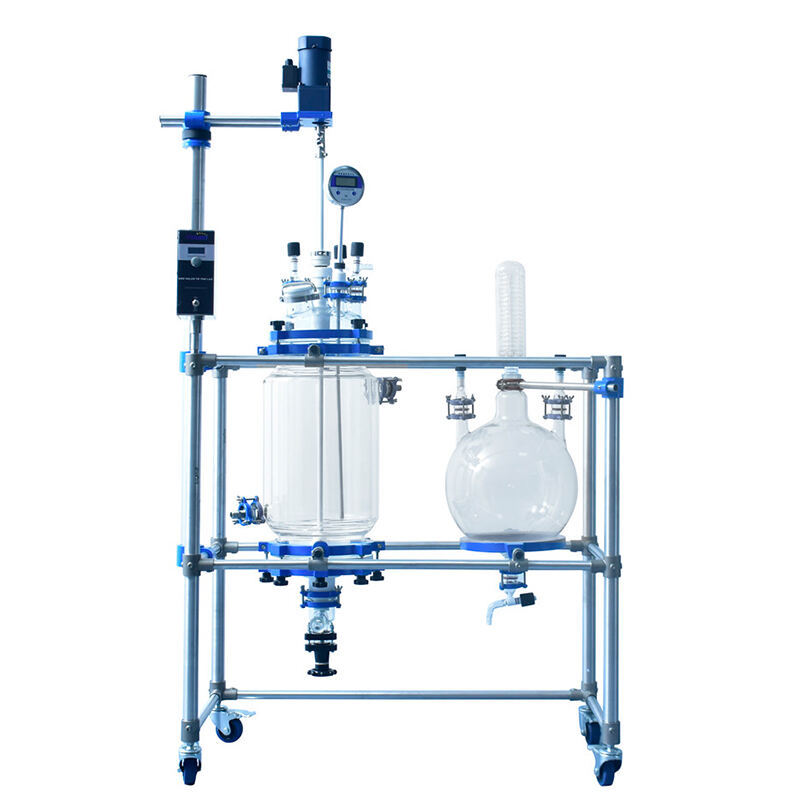
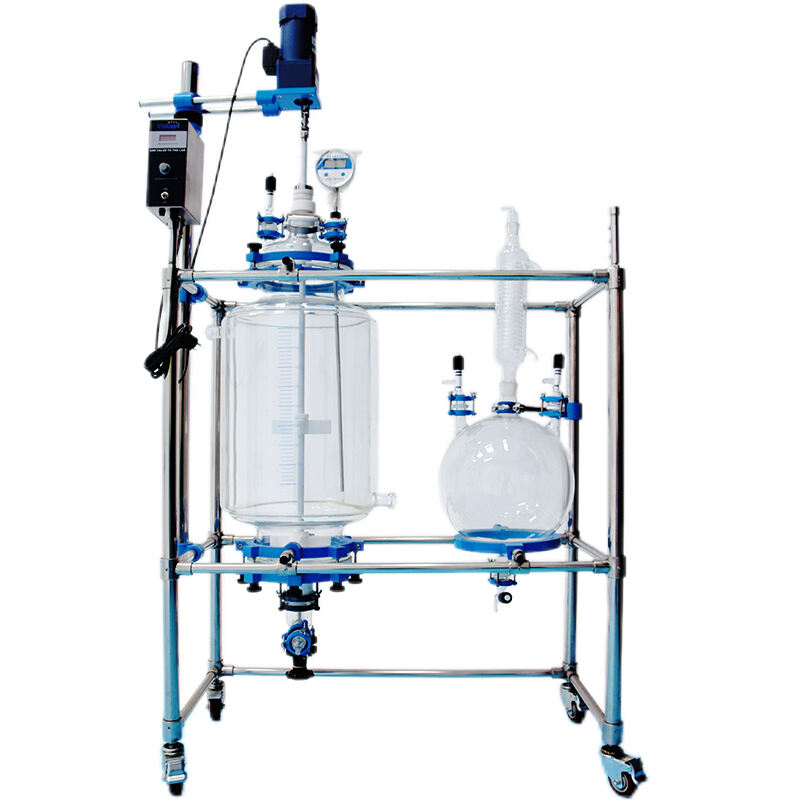
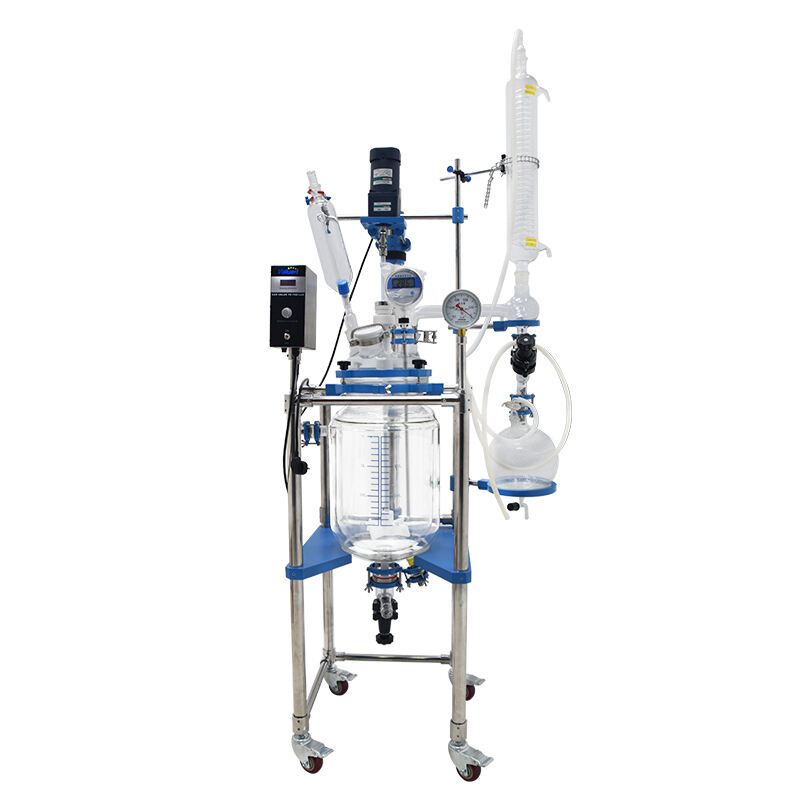
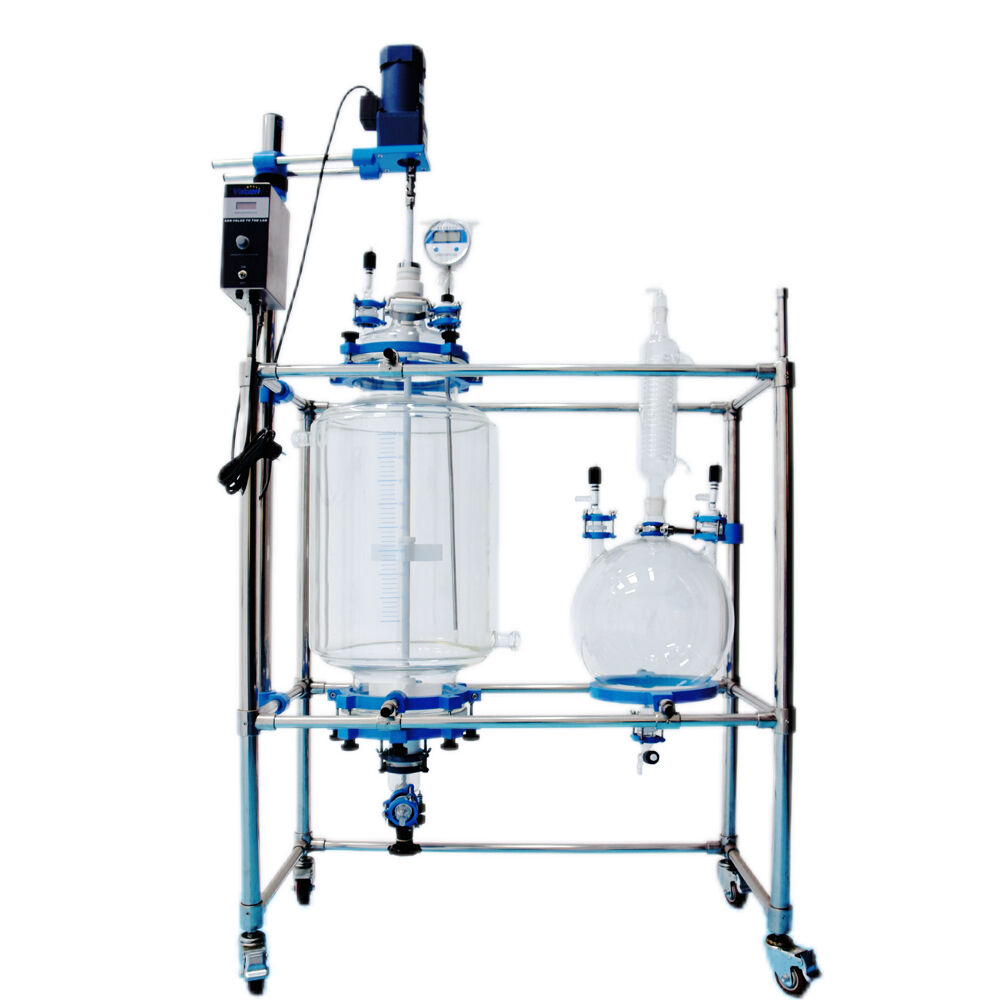
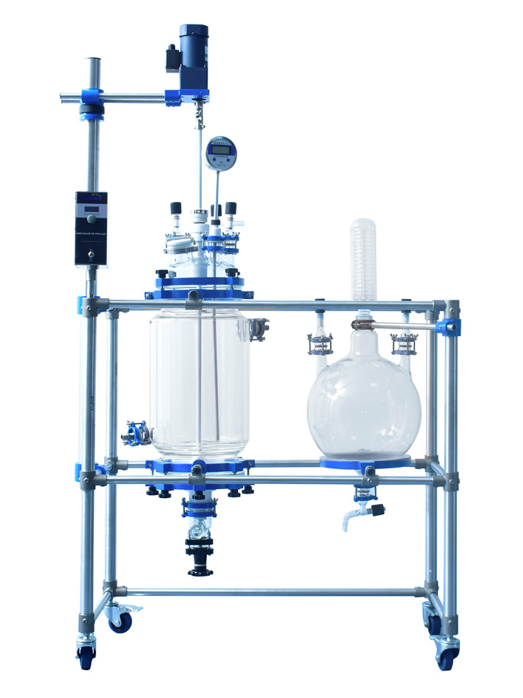
glass crystallization reactor
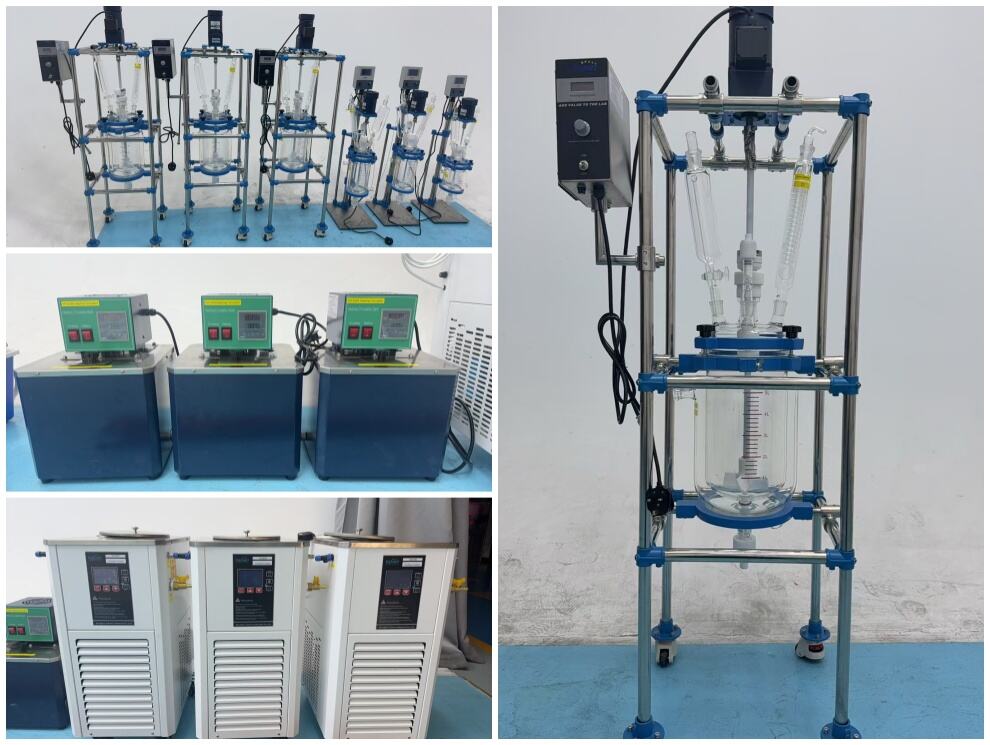
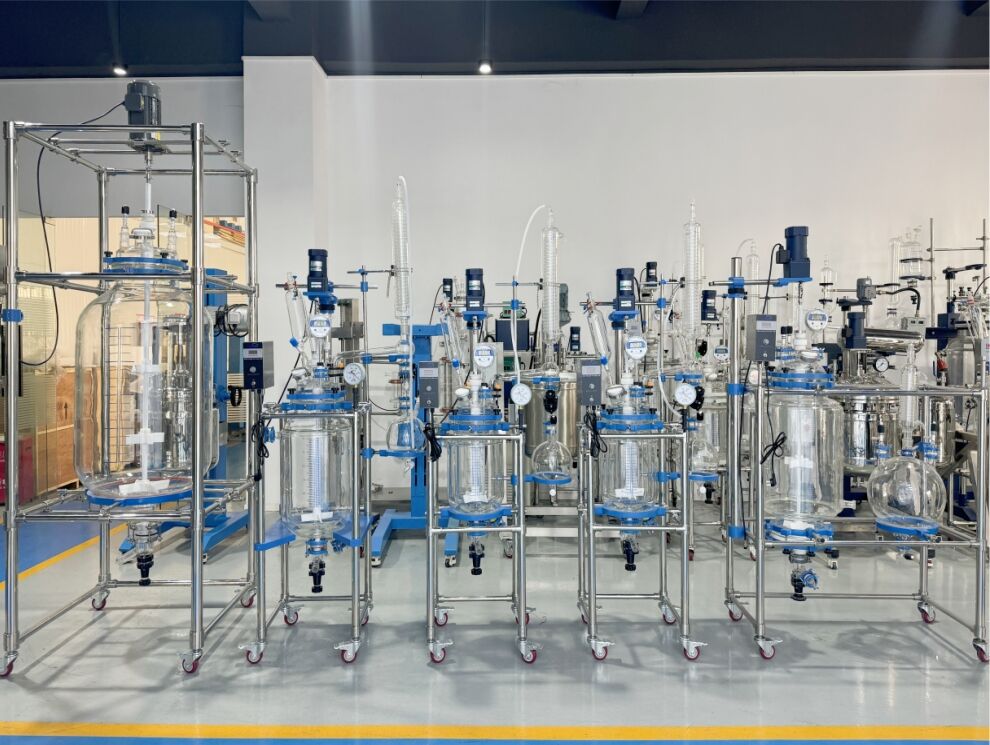
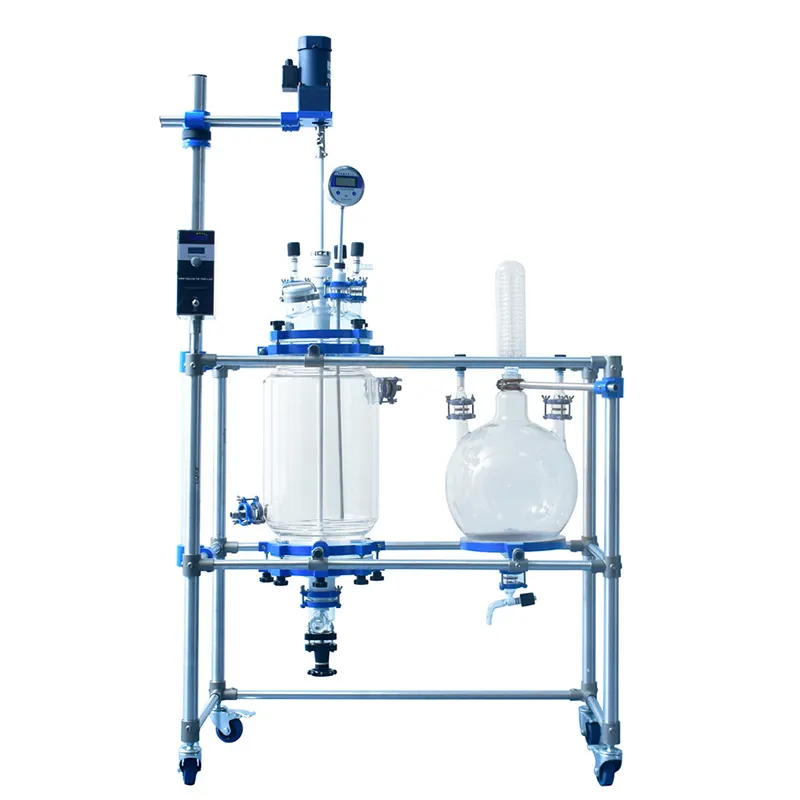
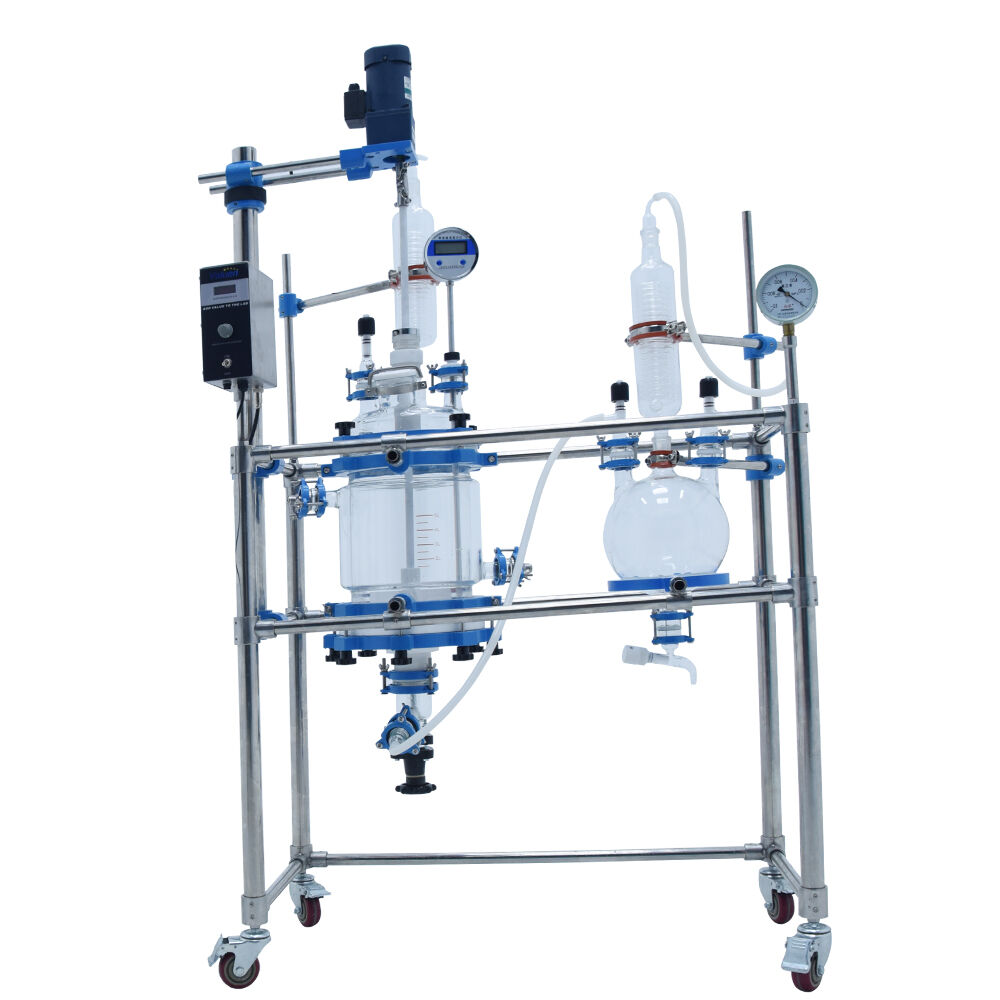
The glass crystallization reactor stands as a sophisticated piece of laboratory equipment designed to facilitate controlled crystallization processes across various industries. This specialized reactor combines advanced engineering with precise temperature control, stirring mechanisms, and monitoring systems to create optimal conditions for crystal formation. The glass crystallization reactor utilizes high-quality borosilicate glass construction, providing excellent chemical resistance and thermal stability while offering complete visibility of the crystallization process. The reactor's primary function involves creating controlled environments where dissolved substances can undergo systematic crystal formation through carefully managed cooling, concentration, or precipitation methods. Modern glass crystallization reactor systems incorporate advanced features such as automated temperature programming, variable stirring speeds, and integrated monitoring systems that track critical parameters throughout the crystallization cycle. The technology behind these reactors focuses on maintaining uniform conditions that promote consistent crystal size, shape, and purity. Temperature control systems in glass crystallization reactor units typically offer precision within ±0.1°C, ensuring reproducible results across multiple batches. The vessel design incorporates specialized baffles and stirring configurations that enhance mass transfer and heat distribution, preventing localized hot spots that could affect crystal quality. Many glass crystallization reactor models include ports for sampling, pH monitoring, and addition of reagents during the process. The reactor's transparency allows operators to visually monitor crystal formation, nucleation patterns, and growth rates in real-time. This visibility proves crucial for process optimization and quality control. The glass crystallization reactor finds applications in pharmaceutical research, chemical synthesis, materials science, and food processing industries. These reactors support both batch and continuous crystallization processes, with capacities ranging from laboratory-scale units handling milliliters to industrial systems processing hundreds of liters. Safety features integrated into glass crystallization reactor designs include pressure relief systems, emergency cooling protocols, and robust support structures that protect against thermal shock and mechanical stress during operation.
 EN
EN