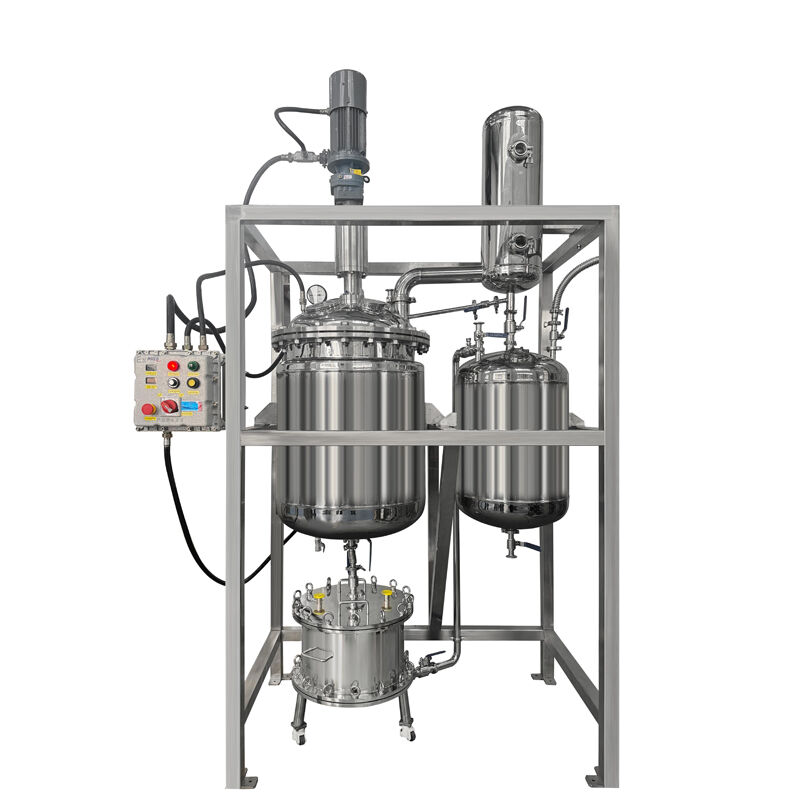
Stainless Steel Industrial Crystallization Reactors - Advanced Equipment for Precision Crystal Formation

Get a Free Quote

Our representative will contact you soon.
Email
Name
Contact Number
Company Name
Message
0/1000

stainless steel industrial crystallization reactor

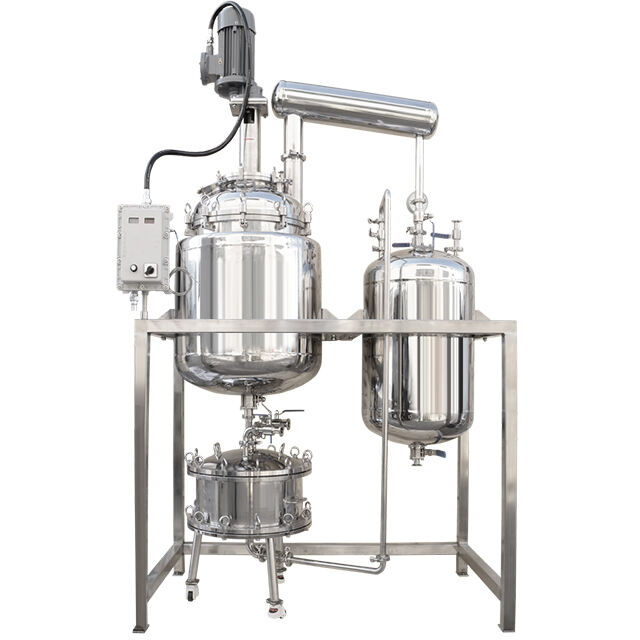
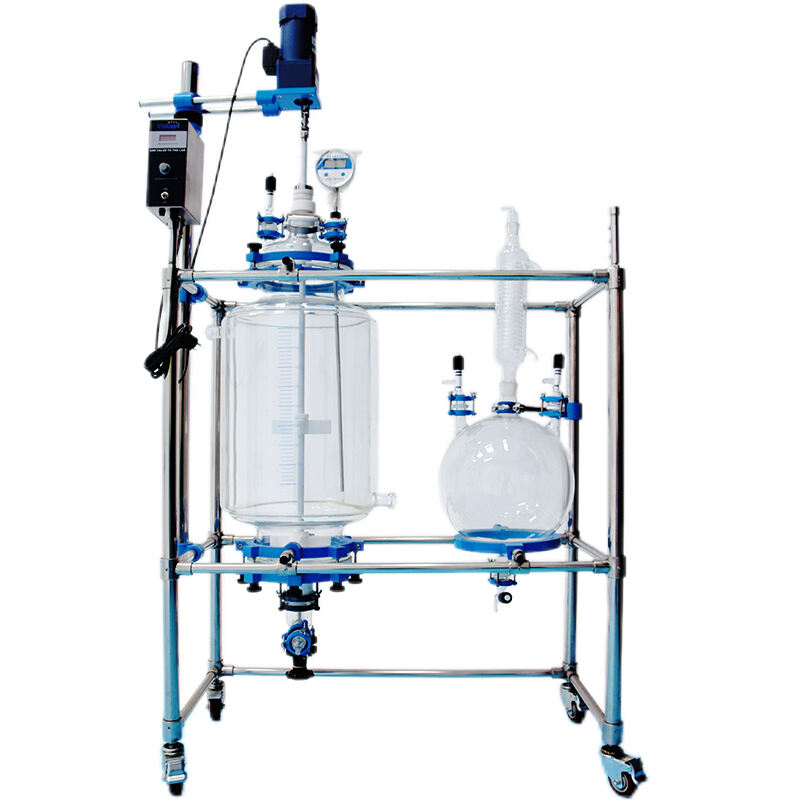
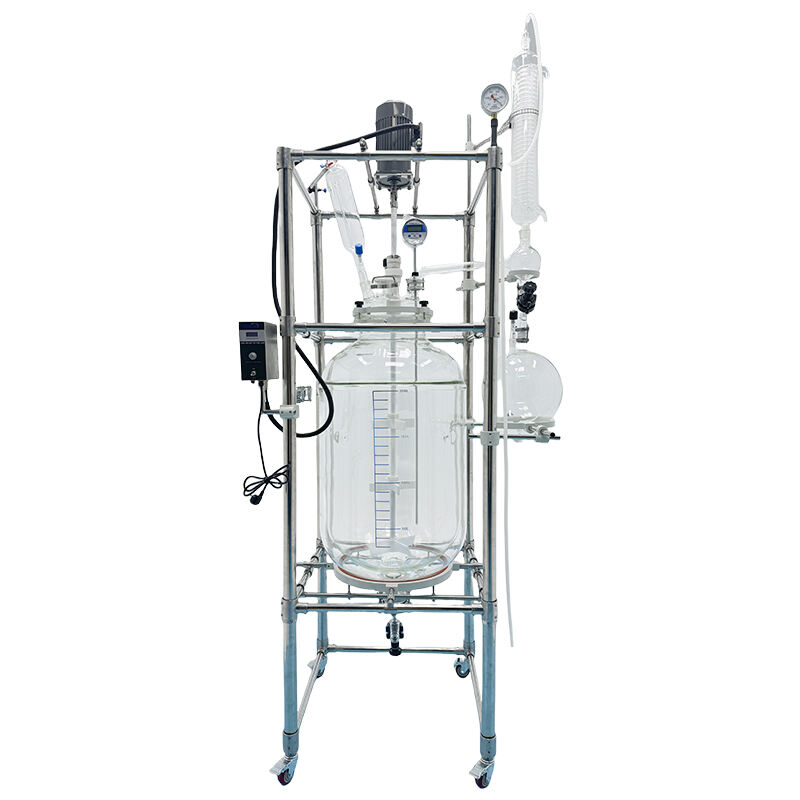
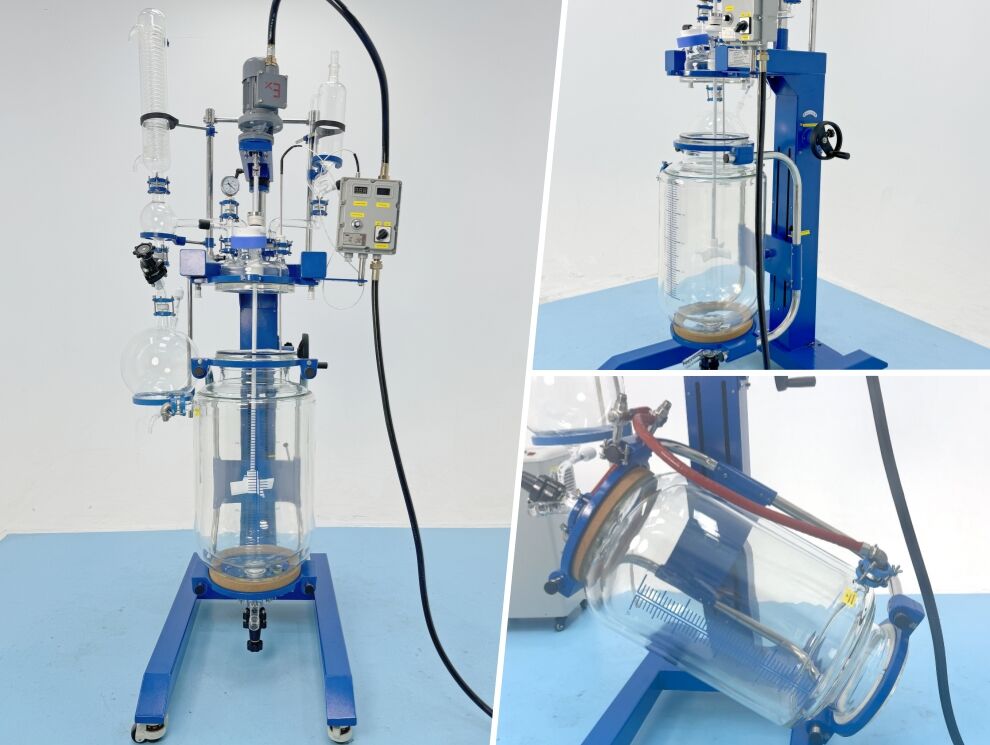
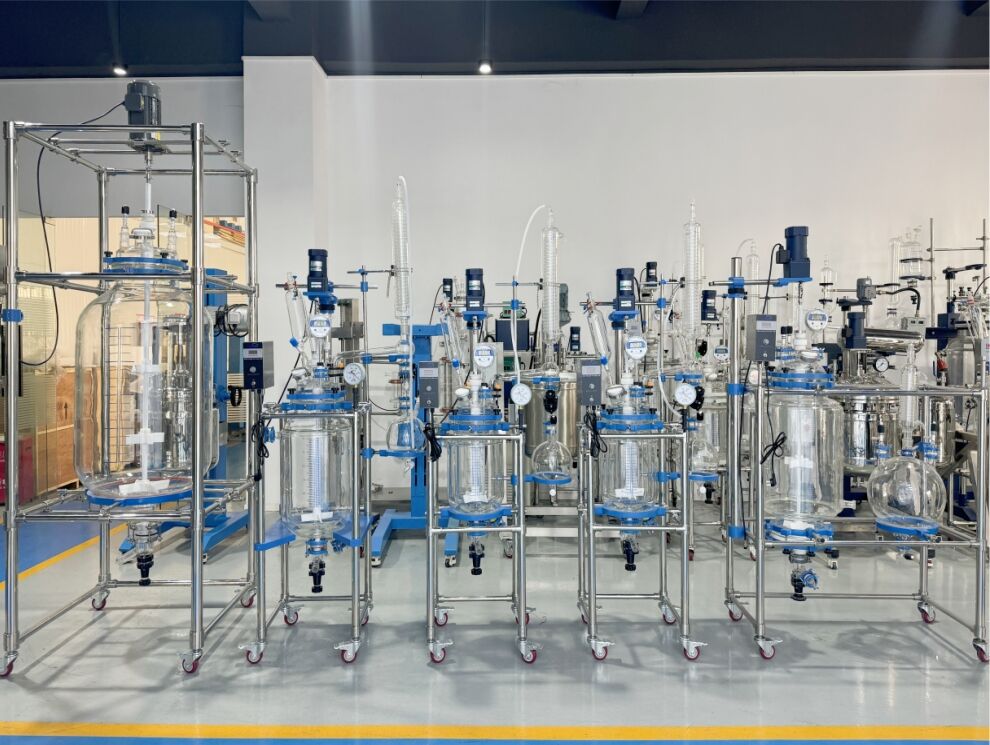
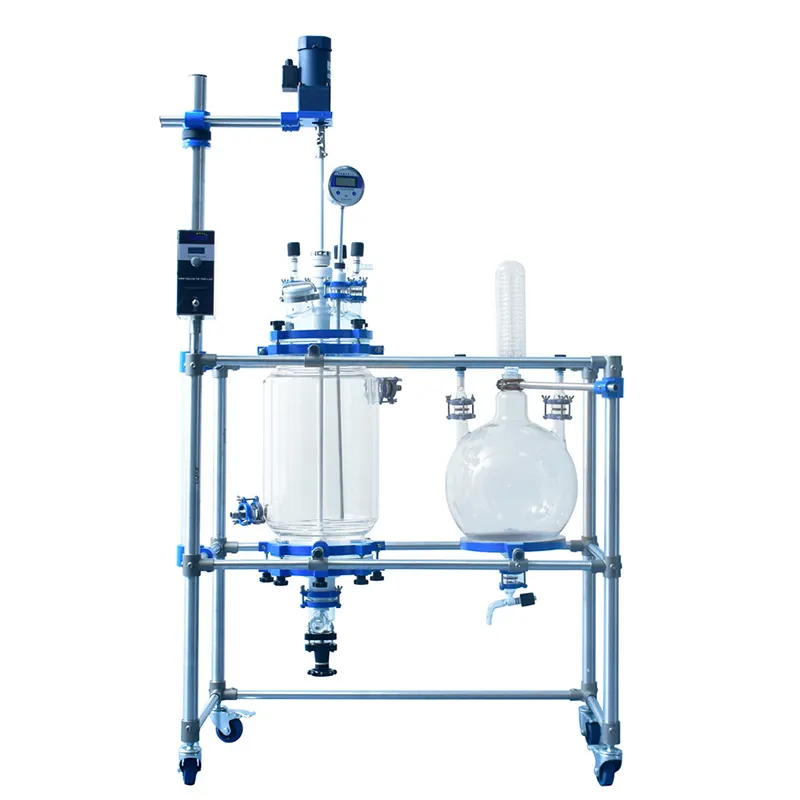
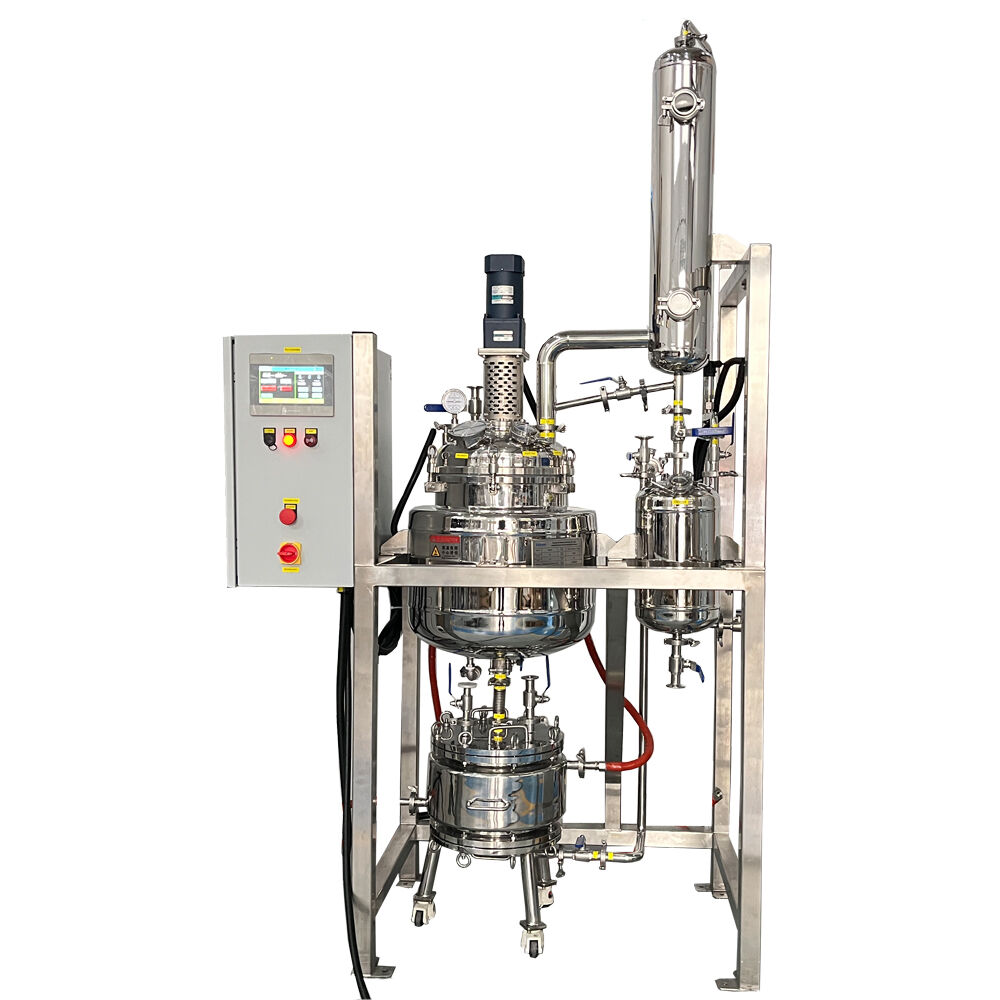
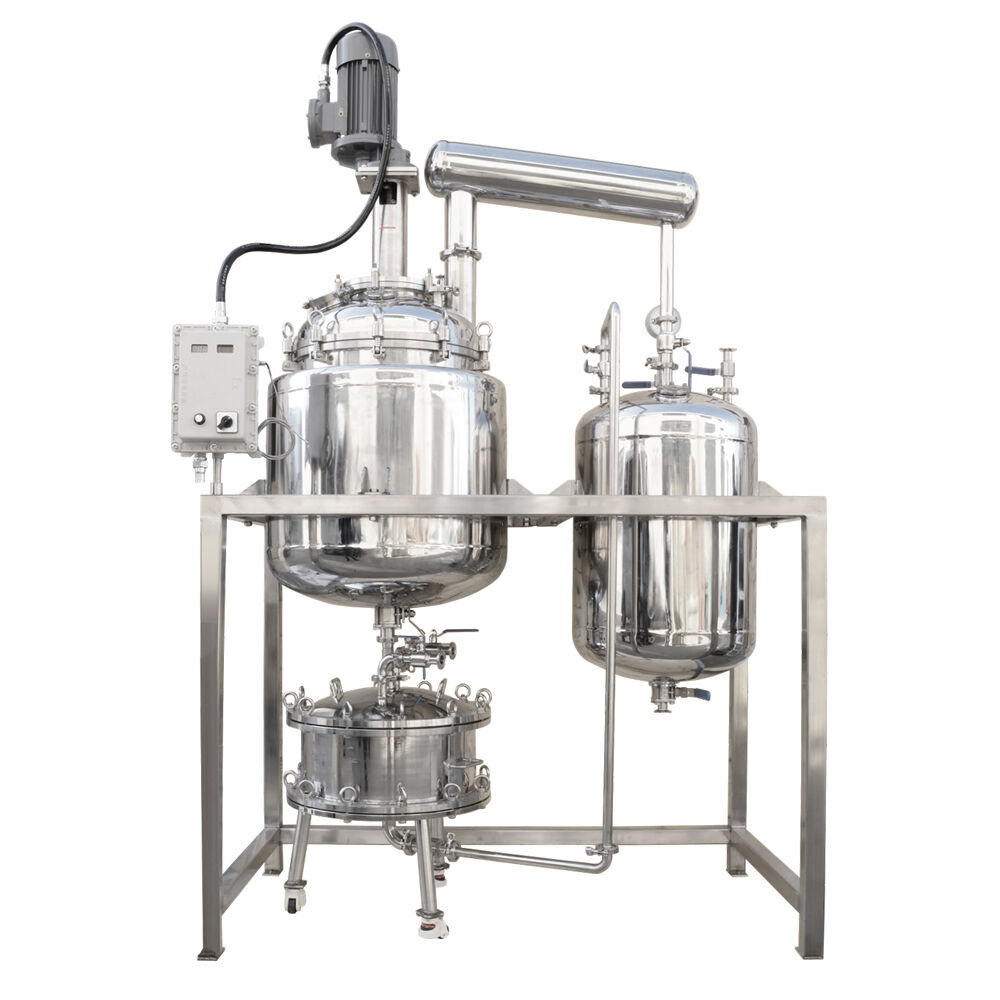
The stainless steel industrial crystallization reactor represents a sophisticated piece of equipment designed for controlled crystallization processes across various industrial sectors. This specialized vessel facilitates the formation of crystals from solutions through precise temperature, pressure, and concentration management. The primary function of a stainless steel industrial crystallization reactor involves creating optimal conditions for crystal nucleation and growth, enabling manufacturers to produce high-quality crystalline products with consistent properties. The reactor's stainless steel construction provides exceptional corrosion resistance, making it suitable for handling aggressive chemicals and maintaining product purity throughout the crystallization cycle. Modern stainless steel industrial crystallization reactors incorporate advanced technological features including programmable temperature profiles, automated stirring systems, and real-time monitoring capabilities. These reactors utilize sophisticated heat exchange systems that allow for precise thermal control during both heating and cooling phases of the crystallization process. The equipment typically features jacketed vessels with efficient heat transfer surfaces, ensuring uniform temperature distribution throughout the reaction mass. Advanced control systems enable operators to maintain optimal supersaturation levels, controlling crystal size distribution and morphology. Applications for stainless steel industrial crystallization reactors span numerous industries including pharmaceuticals, chemicals, food processing, and specialty materials manufacturing. In pharmaceutical production, these reactors ensure consistent drug substance crystal formation with controlled polymorphic properties. Chemical manufacturers utilize these systems for producing high-purity inorganic and organic compounds. Food industry applications include sugar refining, salt production, and specialty ingredient crystallization. The versatility of stainless steel industrial crystallization reactors makes them indispensable for research and development facilities where new crystallization processes are developed and optimized before scale-up to commercial production levels.

New Products

Stainless steel industrial crystallization reactors offer numerous practical benefits that directly impact production efficiency and product quality. The corrosion-resistant properties of stainless steel construction eliminate contamination risks, ensuring that crystallized products maintain their purity specifications throughout the entire process cycle. This material choice significantly reduces maintenance requirements compared to other reactor materials, as stainless steel resists chemical attack from acids, bases, and organic solvents commonly used in crystallization processes. The smooth interior surfaces of stainless steel industrial crystallization reactors prevent product buildup and facilitate thorough cleaning between batches, supporting good manufacturing practices and regulatory compliance. Temperature control capabilities represent another major advantage, as these reactors provide precise thermal management essential for controlling crystal nucleation and growth rates. Operators can implement complex temperature profiles that optimize crystal size distribution and eliminate unwanted polymorphic forms. The robust construction of stainless steel industrial crystallization reactors enables operation under varied pressure conditions, expanding the range of crystallization techniques that can be employed. Vacuum crystallization, atmospheric crystallization, and pressurized crystallization all become feasible with properly designed stainless steel vessels. Energy efficiency benefits arise from the excellent heat transfer properties of stainless steel, reducing heating and cooling costs while maintaining precise temperature control. The durability of stainless steel construction translates to longer equipment lifespan, reducing capital replacement costs and maximizing return on investment. Scalability advantages allow manufacturers to use similar stainless steel industrial crystallization reactor designs from laboratory scale through full production scale, ensuring process consistency during scale-up activities. Safety benefits include the ability to contain hazardous materials securely, with stainless steel providing excellent mechanical strength and chemical compatibility. The versatility of stainless steel industrial crystallization reactors accommodates diverse crystallization methods including cooling crystallization, evaporative crystallization, and anti-solvent crystallization, making them suitable for a wide range of products and processes.

Tips And Tricks

Jacketed Glass Reactors: A Comprehensive Guide for Buyers

11

Apr

Jacketed Glass Reactors: A Comprehensive Guide for Buyers

Jacketed glass reactors are specialized vessels designed for precise temperature control during chemical reactions. Industries rely on these reactors to ensure consistent results in processes like synthesis and crystallization. Their transparent desi...
View More
Unlocking the Power of Jacketed Glass Reactors in Chemical Processing

16

Apr

Unlocking the Power of Jacketed Glass Reactors in Chemical Processing

How Jacketed Glass Reactors Work: Design, Components, and Functionality Definition and Core Components of Jacketed Glass Reactors Jacketed glass reactors are specialized systems featuring a primary reaction vessel encased in an outer thermal-regula...
View More
Why Jacketed Glass Reactors are Essential for Your Lab

16

Apr

Why Jacketed Glass Reactors are Essential for Your Lab

Superior Temperature Control for Consistent Reaction Conditions Jacketed glass reactors achieve ±0.5°C temperature stability through their double-wall design, ensuring precise and consistent reaction conditions critical for sensitive che...
View More
How to Select a Crystallization Reactor for Pharmaceutical Crystallization?

08

May

How to Select a Crystallization Reactor for Pharmaceutical Crystallization?

Selecting the right crystallization reactor for pharmaceutical crystallization is a critical decision that directly impacts product purity, yield, process efficiency, and regulatory compliance. Pharmaceutical crystallization is not simply about preci...
View More

Get a Free Quote

Our representative will contact you soon.
Email
Name
Contact Number
Company Name
Message
0/1000

stainless steel industrial crystallization reactor

Advanced Temperature Control and Heat Transfer Technology

Advanced Temperature Control and Heat Transfer Technology

The sophisticated temperature control system integrated into stainless steel industrial crystallization reactors provides unparalleled precision in managing crystallization processes. This advanced technology utilizes multi-zone heating and cooling systems that create uniform temperature distribution throughout the reactor volume, eliminating hot spots that could cause uncontrolled nucleation or crystal defects. The heat transfer efficiency of stainless steel construction, combined with optimized jacket designs, enables rapid temperature changes while maintaining exceptional stability during steady-state operations. Programmable temperature profiles allow operators to implement complex crystallization strategies, including controlled cooling rates, temperature cycling, and seeding protocols that optimize crystal quality and yield. The thermal management system responds quickly to process changes, automatically adjusting heating or cooling inputs to maintain target temperatures within tight tolerances. This level of control proves particularly valuable in pharmaceutical applications where crystal polymorphism must be carefully managed to ensure consistent drug performance. The temperature monitoring system provides comprehensive data logging capabilities, supporting process validation requirements and enabling continuous process improvement initiatives. Stainless steel industrial crystallization reactors equipped with this advanced temperature control technology deliver consistent results batch after batch, reducing production variability and improving overall process economics. The system's ability to maintain precise temperature control during both heating and cooling phases enables manufacturers to implement sophisticated crystallization techniques that produce crystals with optimal size distribution, morphology, and purity specifications.
Superior Corrosion Resistance and Material Compatibility

Superior Corrosion Resistance and Material Compatibility

The exceptional corrosion resistance of stainless steel industrial crystallization reactors provides unprecedented material compatibility across diverse chemical environments and processing conditions. High-grade stainless steel construction withstands exposure to aggressive acids, caustic solutions, organic solvents, and oxidizing agents without compromising structural integrity or introducing metallic contamination into crystallized products. This superior chemical resistance eliminates the need for protective coatings that could eventually degrade and contaminate products, ensuring long-term reliability and consistent product purity. The passive oxide layer naturally formed on stainless steel surfaces provides self-healing protection against corrosion, maintaining equipment performance even under challenging operating conditions. Stainless steel industrial crystallization reactors demonstrate exceptional resistance to stress corrosion cracking, pitting corrosion, and crevice corrosion, common failure modes that affect other reactor materials. The material's compatibility with cleaning and sanitization chemicals enables thorough equipment cleaning between product changeovers, supporting flexible manufacturing operations and preventing cross-contamination. This corrosion resistance extends equipment service life significantly compared to carbon steel or other materials, reducing replacement costs and minimizing production downtime. The stable surface characteristics of stainless steel prevent unwanted catalytic reactions that could affect crystal formation or introduce impurities. Food-grade stainless steel options ensure compliance with strict food safety regulations, making these reactors suitable for edible crystal production including salt, sugar, and food additives. The material's resistance to thermal shock and thermal cycling maintains structural integrity during repeated heating and cooling cycles, essential for crystallization processes requiring temperature variations. This superior material performance makes stainless steel industrial crystallization reactors the preferred choice for manufacturers requiring long-term reliability, consistent product quality, and minimal maintenance requirements.
Versatile Design and Scalable Configuration Options

Versatile Design and Scalable Configuration Options

The versatile design capabilities of stainless steel industrial crystallization reactors accommodate diverse crystallization requirements and enable seamless process scaling from laboratory development through full commercial production. Modular construction approaches allow manufacturers to customize reactor configurations with various agitation systems, heat transfer options, and instrumentation packages tailored to specific crystallization applications. The scalable design philosophy ensures that process parameters developed in small-scale stainless steel industrial crystallization reactors translate effectively to larger production units, minimizing scale-up risks and reducing development timelines. Multiple agitation options including anchor, paddle, and turbine impellers provide optimal mixing characteristics for different crystal types and viscosity ranges. Variable-speed drive systems enable precise control of agitation intensity, supporting delicate crystal handling requirements while ensuring adequate mass and heat transfer throughout the reactor volume. Port configurations accommodate various feeding systems, sampling devices, and analytical instruments, enabling comprehensive process monitoring and control. The reactor design incorporates features supporting different crystallization modes including batch, semi-batch, and continuous operation, providing operational flexibility to meet changing production demands. Stainless steel industrial crystallization reactors can be configured with external circulation systems, ultrasonic devices, and specialized seeding mechanisms to enhance crystallization performance and product quality. The robust construction supports operation across wide pressure and temperature ranges, enabling vacuum crystallization for heat-sensitive materials and pressurized operation for volatile solvents. Automated control integration capabilities allow these reactors to operate as part of larger process control systems, supporting Industry 4.0 initiatives and advanced manufacturing concepts. The standardized design approach facilitates maintenance activities and spare parts management, reducing lifecycle costs and improving equipment availability. This versatility makes stainless steel industrial crystallization reactors suitable for research facilities, pilot plants, and full-scale production operations across pharmaceutical, chemical, food, and specialty materials industries.

Get a Free Quote

Our representative will contact you soon.
Email
Name
Contact Number
Company Name
Message
0/1000