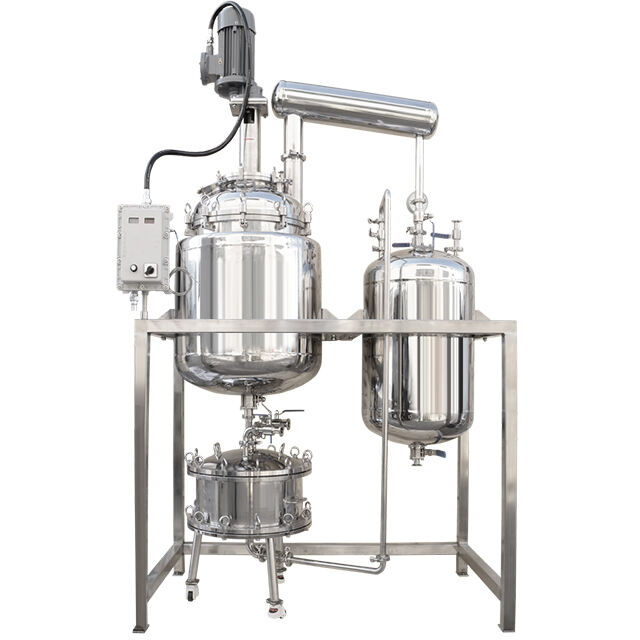
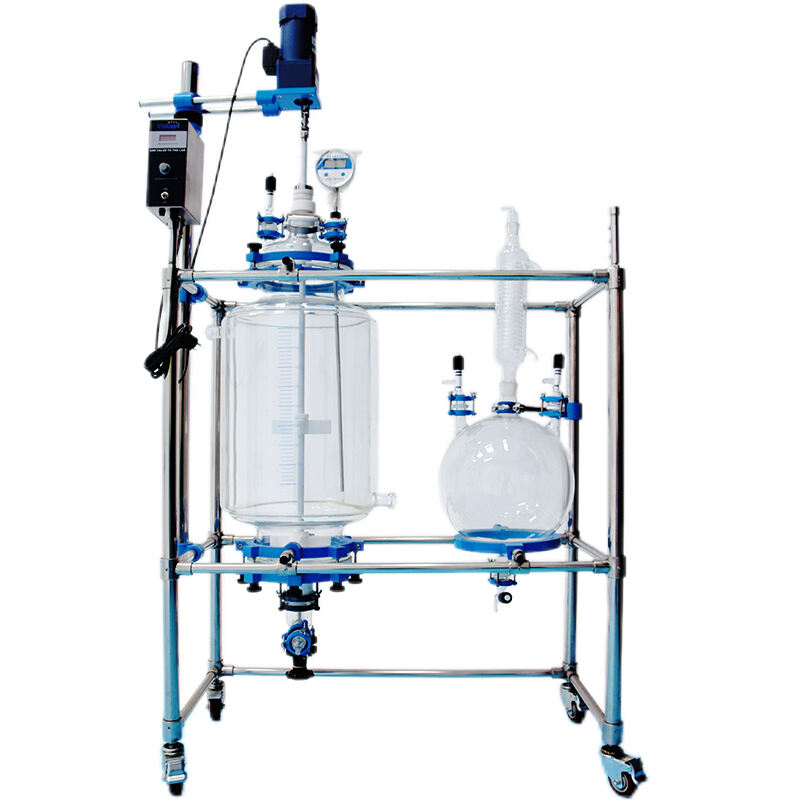
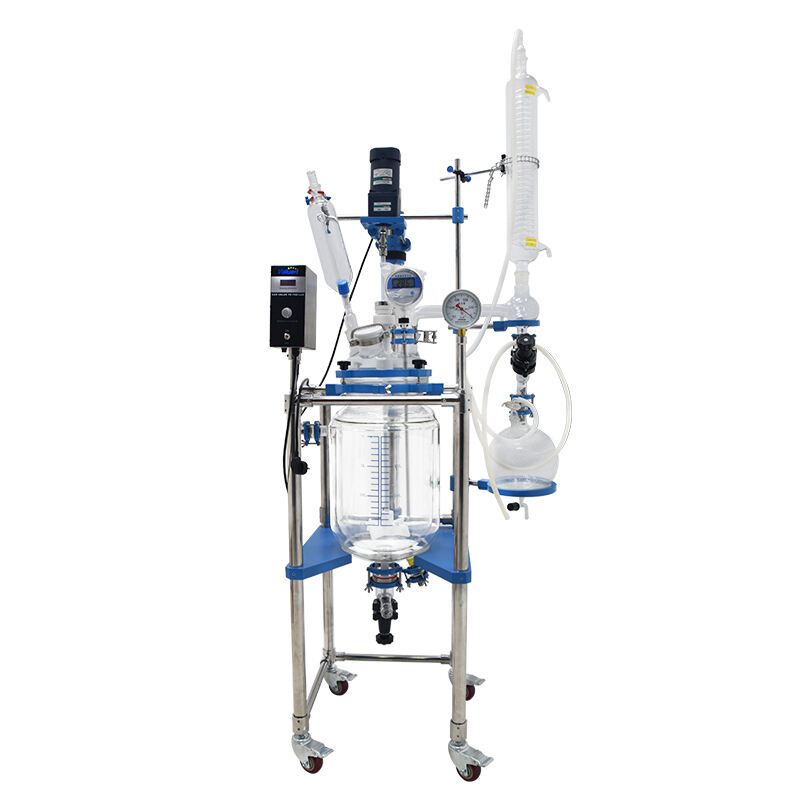
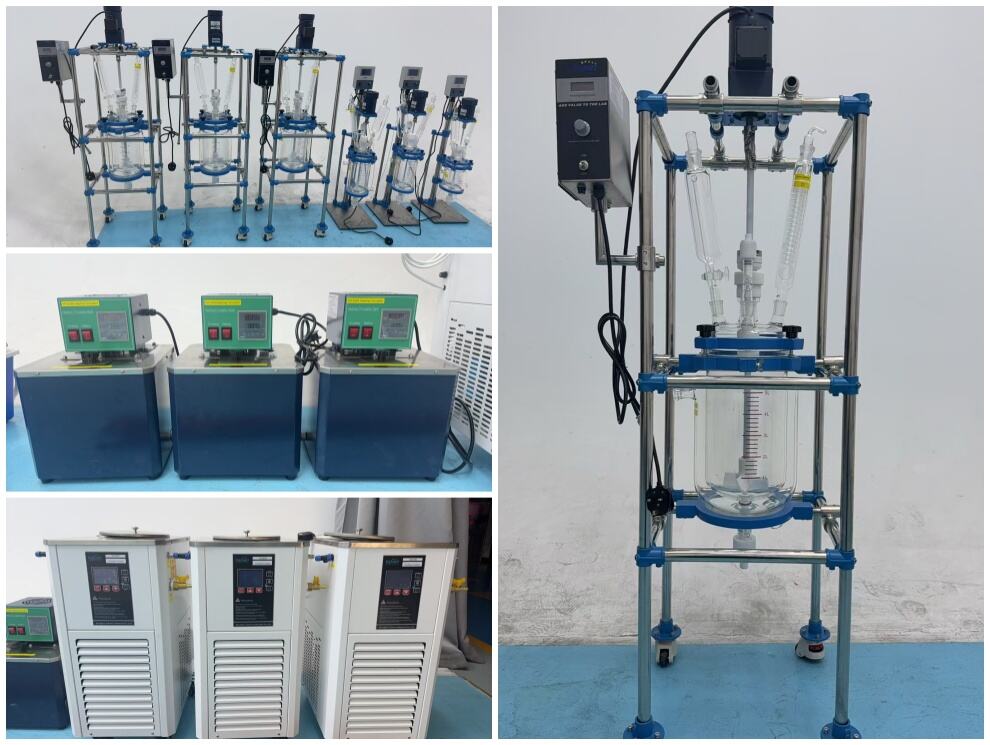
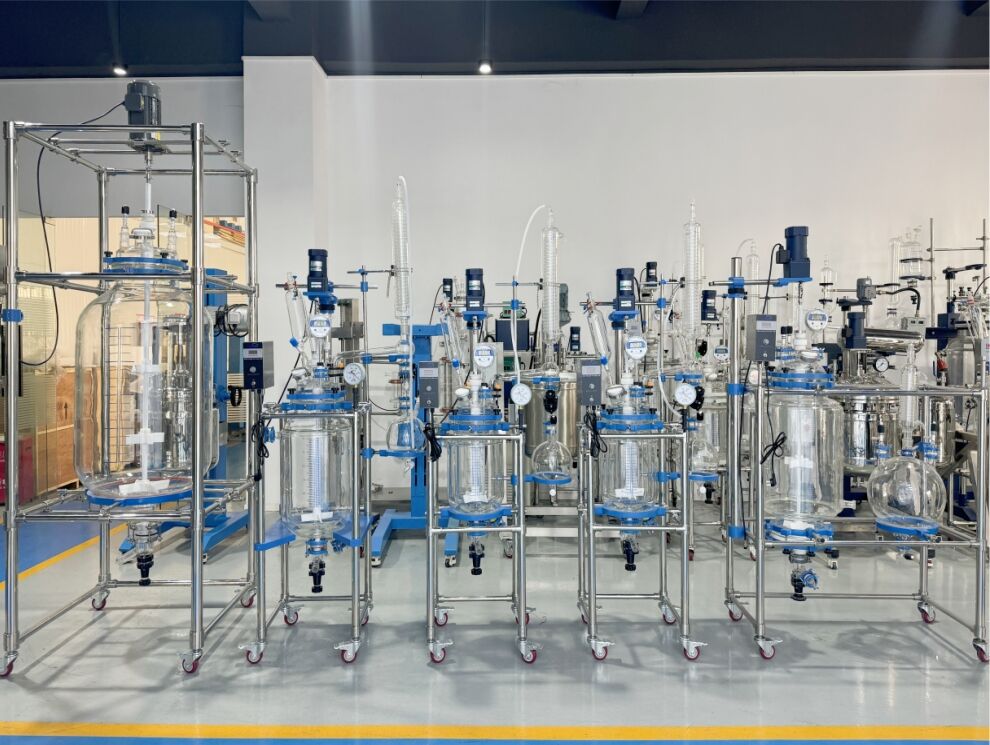
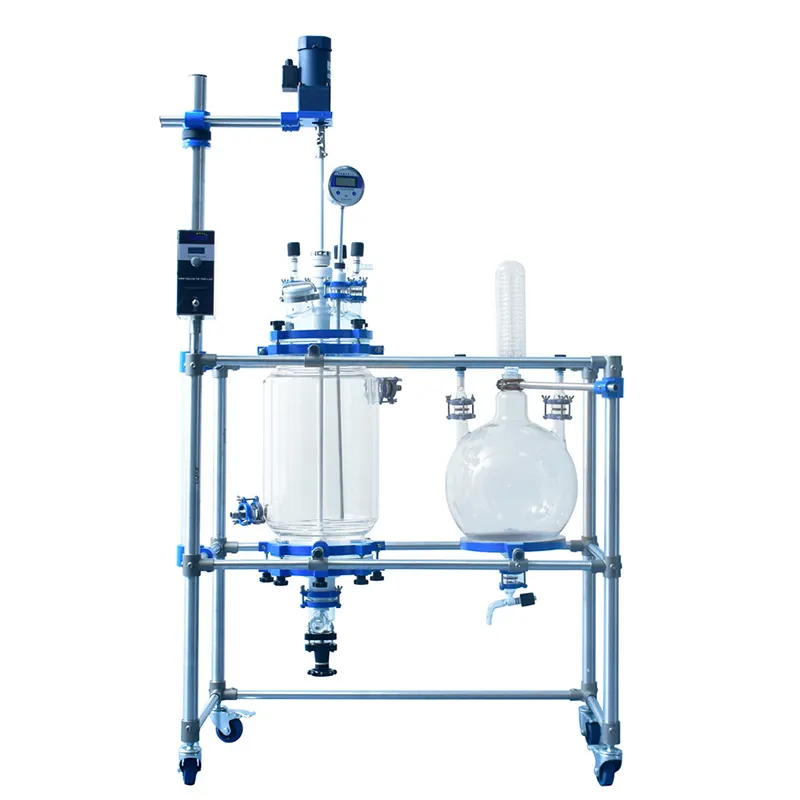
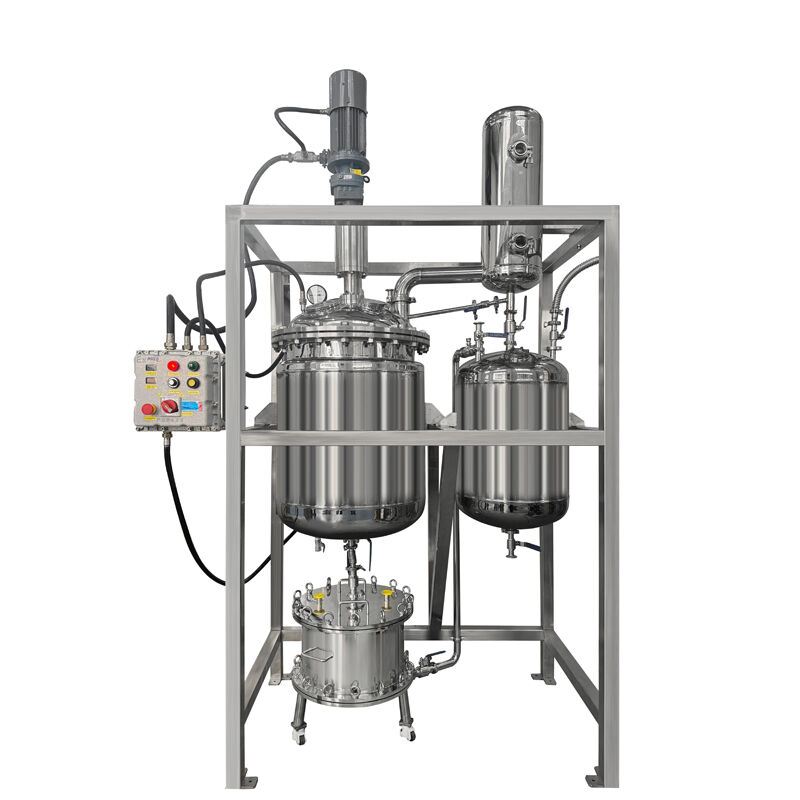
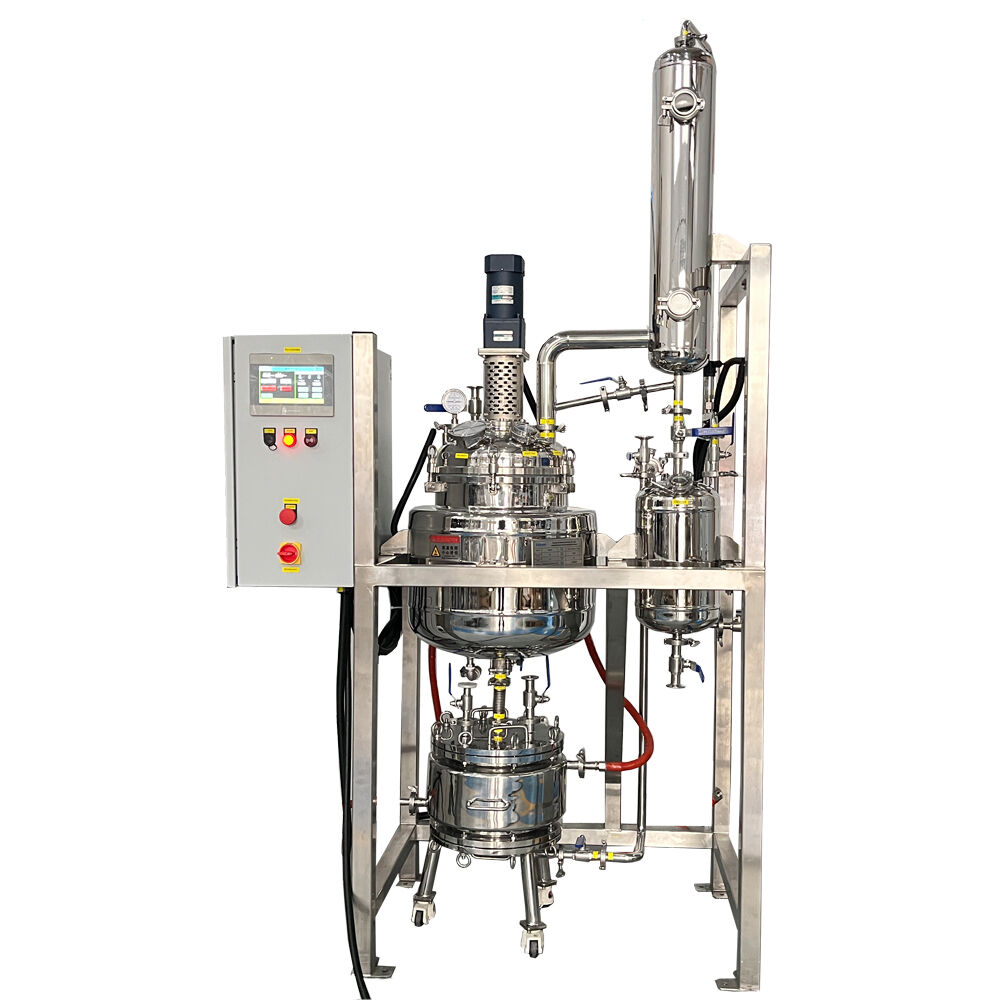
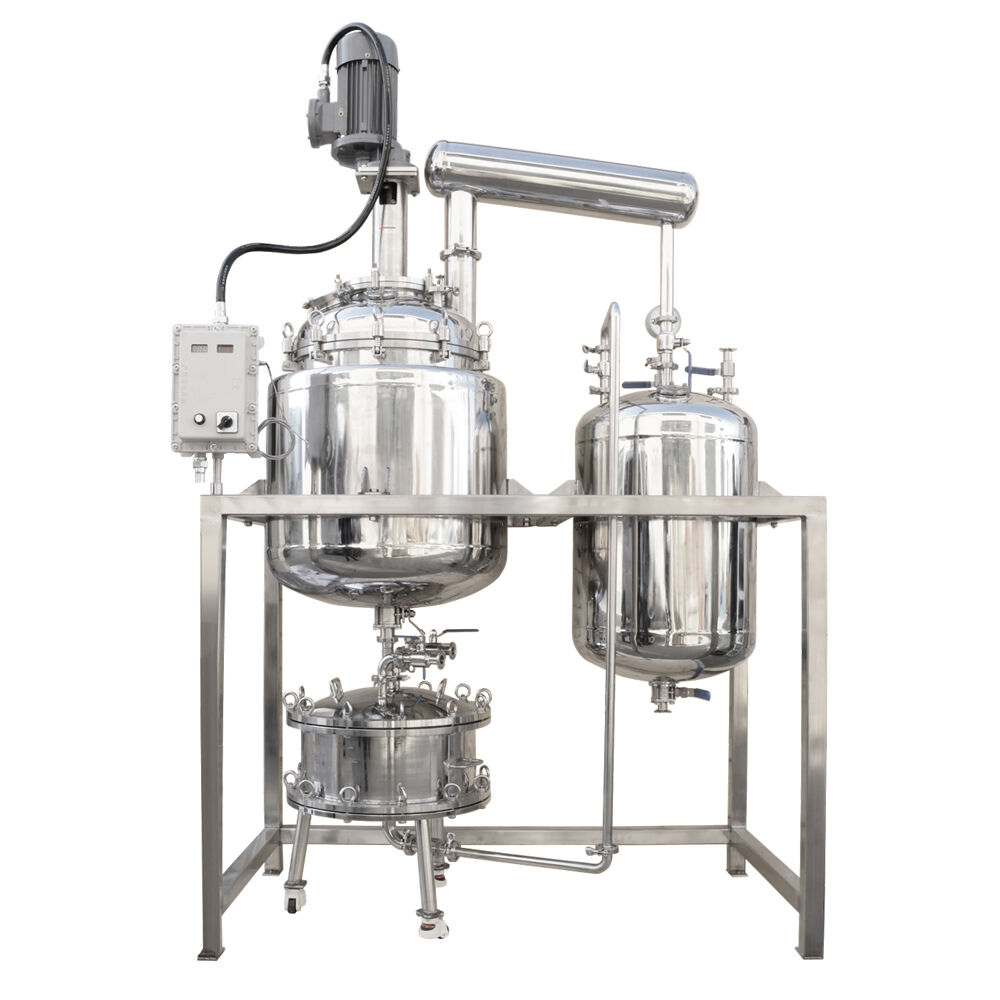
stainless steel small crystallization reactor
The stainless steel small crystallization reactor represents a sophisticated piece of laboratory and industrial equipment designed to facilitate controlled crystallization processes across various chemical and pharmaceutical applications. This specialized vessel combines robust stainless steel construction with advanced process control capabilities to deliver consistent, high-quality crystal formation results. The stainless steel small crystallization reactor serves as the cornerstone for research facilities, pilot plants, and small-scale production operations requiring precise temperature and mixing control during crystallization procedures. Its primary function centers on providing a controlled environment where dissolved substances can form crystals under carefully monitored conditions, enabling researchers and manufacturers to optimize crystal size, purity, and morphology. The technological features of the stainless steel small crystallization reactor include integrated temperature control systems, variable speed agitation mechanisms, and precise monitoring instrumentation that allows operators to maintain optimal conditions throughout the crystallization cycle. The reactor's stainless steel construction ensures chemical compatibility with a wide range of solvents and reagents while providing excellent corrosion resistance and easy cleaning capabilities. Advanced jacketed designs enable efficient heat transfer for both heating and cooling operations, while specialized impeller configurations ensure uniform mixing and nucleation control. Modern stainless steel small crystallization reactor units incorporate digital control panels with programmable logic controllers that allow for automated operation sequences and data logging capabilities. Applications for the stainless steel small crystallization reactor span numerous industries including pharmaceuticals, fine chemicals, food processing, and materials science research. In pharmaceutical manufacturing, these reactors facilitate the production of active pharmaceutical ingredients with controlled particle size distributions and crystal habits that directly impact drug bioavailability and stability. Chemical processing facilities utilize these systems for purification processes, salt formation reactions, and specialty chemical production where crystal quality determines product performance and market value.
 EN
EN