Versatile Applications Across Multiple Industries
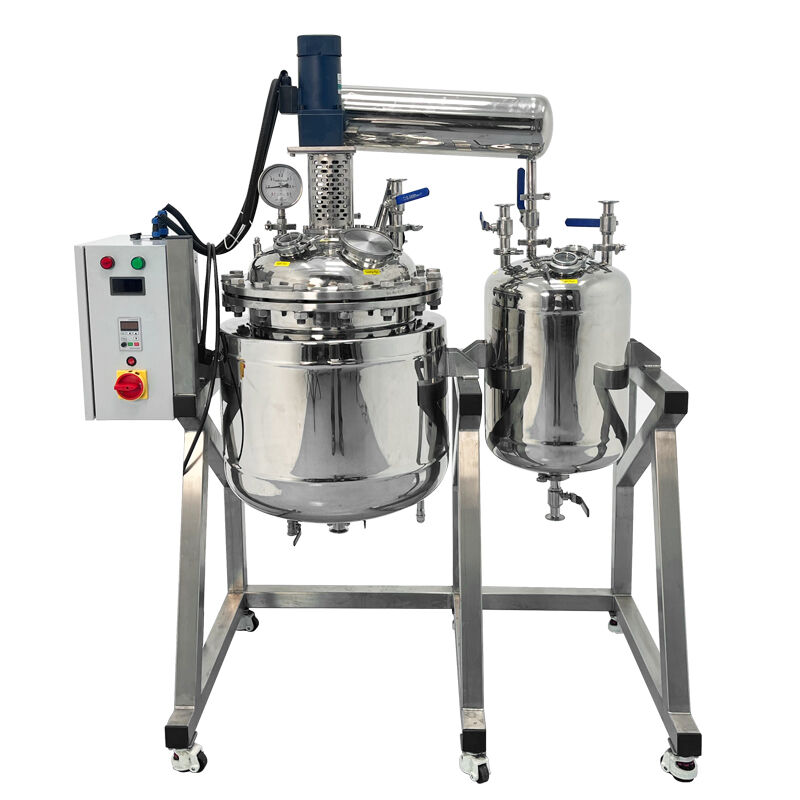
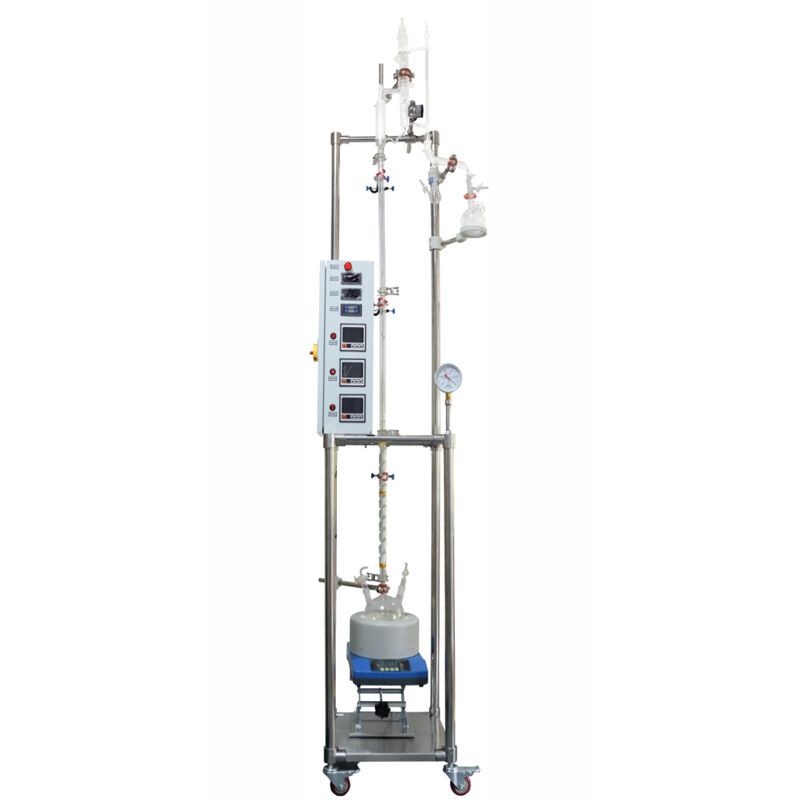
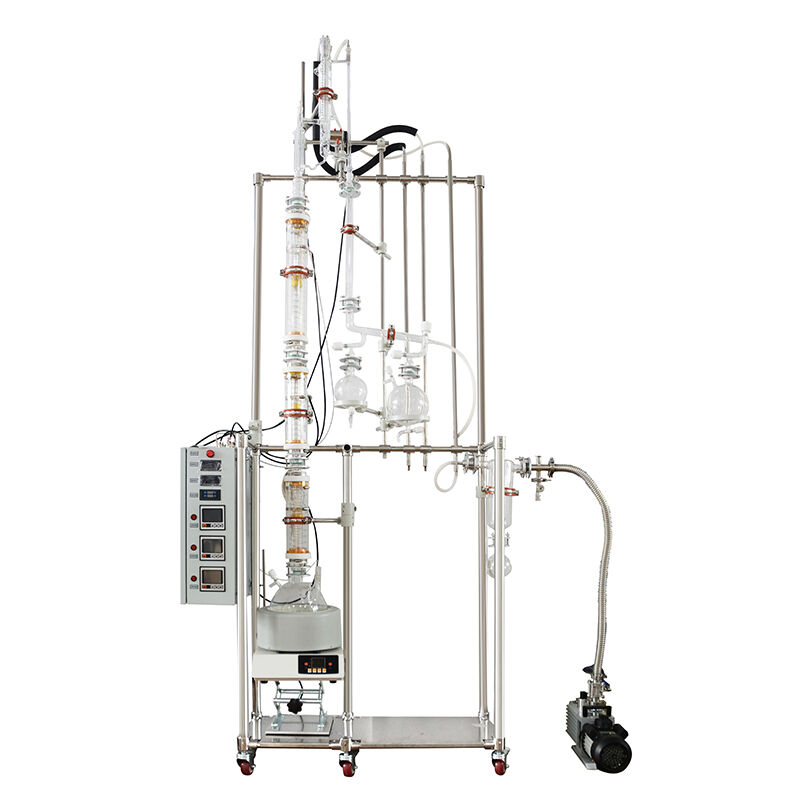
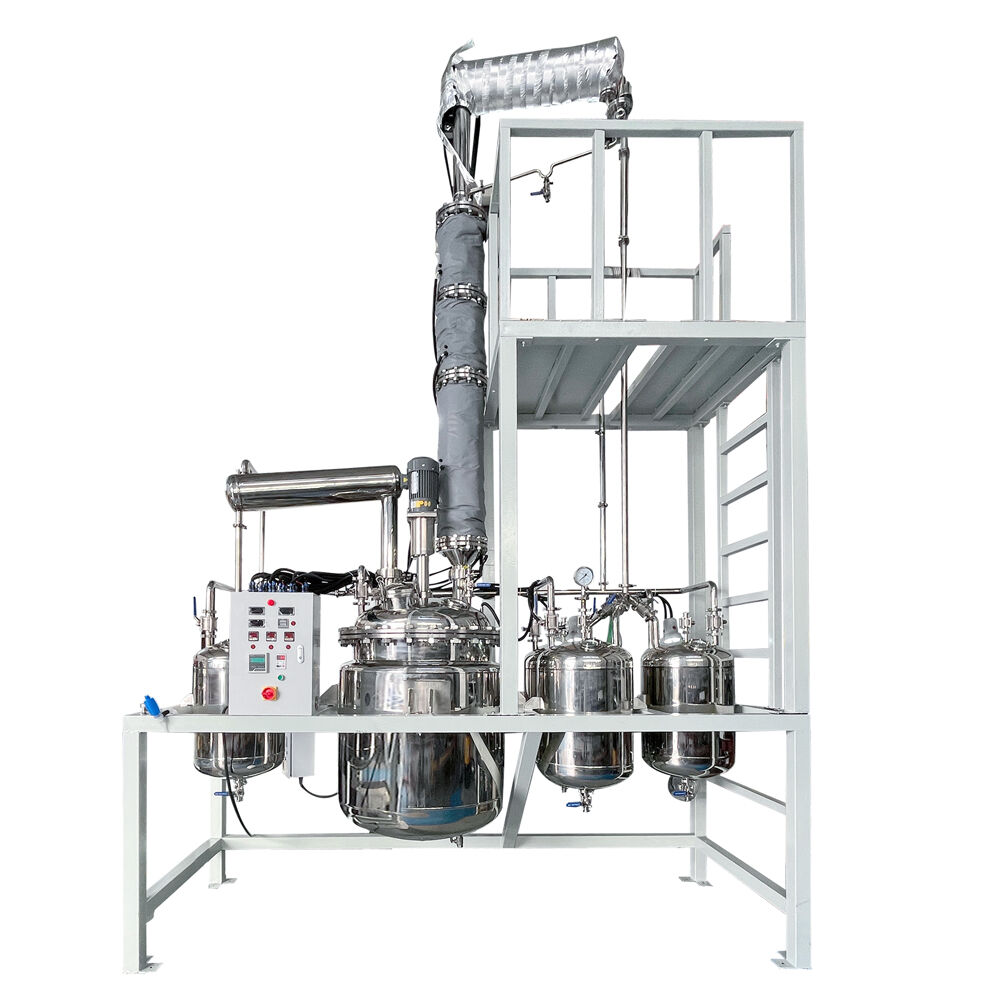
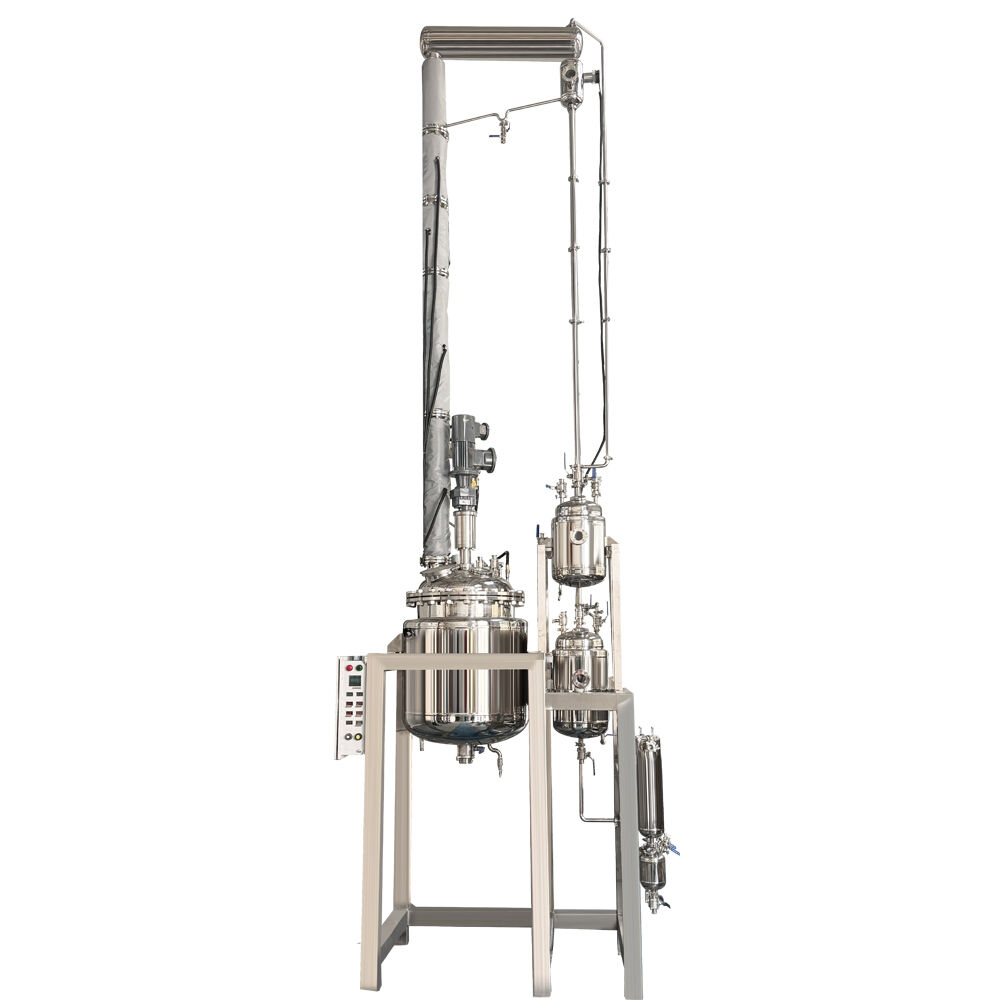
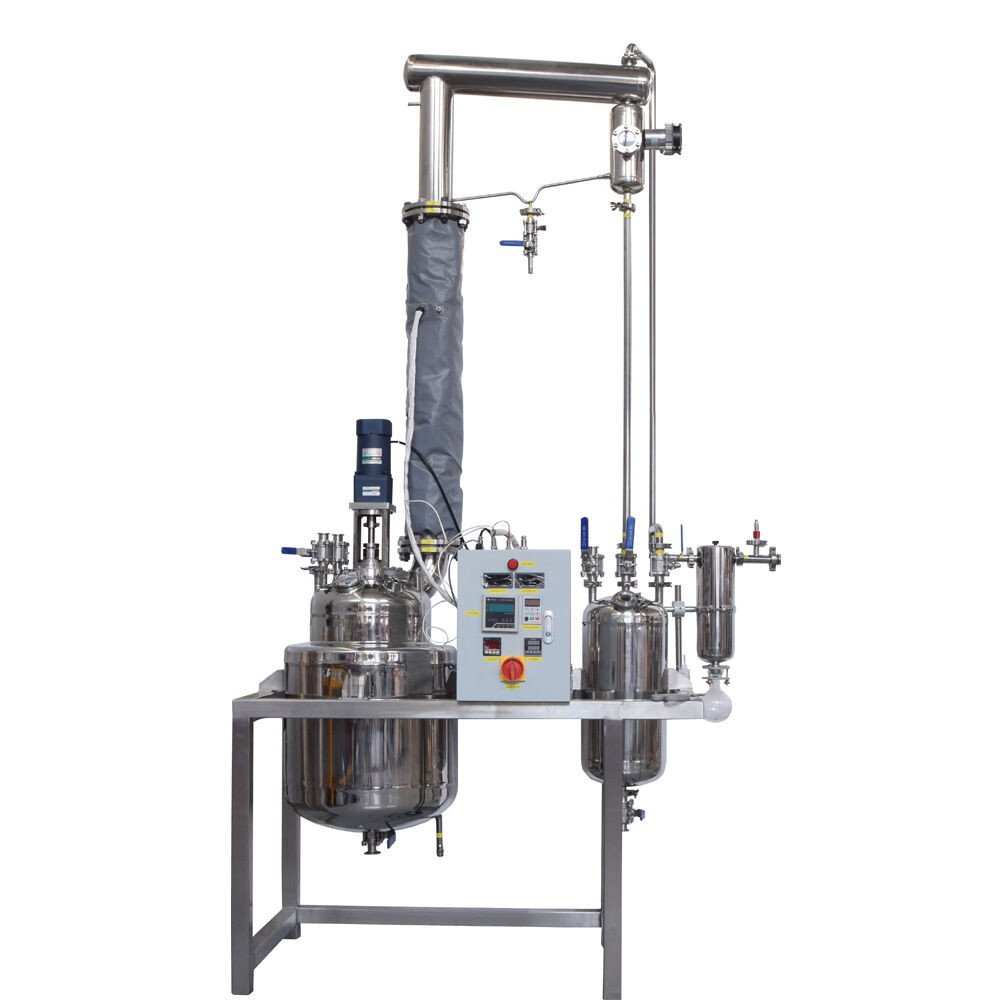
The versatile applications of microscale fractional distillation span an impressive range of industries and research fields, demonstrating the technology's adaptability and universal value across diverse separation challenges. In pharmaceutical and biotechnology industries, microscale fractional distillation serves critical roles in drug development processes, enabling the purification of active pharmaceutical ingredients, intermediates, and metabolites when only small quantities are available during research phases. This capability accelerates drug discovery timelines by allowing comprehensive analysis and purification of compounds that would be impossible to process using conventional methods due to quantity limitations. The technology proves invaluable for analyzing impurity profiles, conducting stability studies, and developing purification protocols for scale-up manufacturing processes. Academic and research institutions leverage microscale fractional distillation for educational purposes and cutting-edge research projects where sample conservation is essential. Chemistry departments use these systems to teach separation principles while providing students with hands-on experience using state-of-the-art equipment. Research laboratories investigating novel synthetic pathways, natural product isolation, and environmental analysis benefit from the ability to work with precious samples without material waste. The essential oils and fragrance industries represent another significant application area, where microscale fractional distillation enables the analysis and purification of expensive botanical extracts and synthetic fragrance compounds. Perfumers and flavor chemists can evaluate new formulations and isolate specific components without consuming large quantities of valuable materials. Environmental testing laboratories employ microscale fractional distillation for analyzing trace contaminants in water, soil, and air samples, where sample volumes may be limited and contamination levels require sensitive analytical techniques. The petroleum and chemical industries utilize this technology for analyzing crude oil fractions, developing new fuel formulations, and quality control testing of specialized chemical products. Food and beverage industries apply microscale fractional distillation for analyzing flavor compounds, essential oils, and alcohol content in products where sample integrity and quantity preservation are crucial. Forensic laboratories benefit from the technology's ability to separate and analyze trace evidence materials, providing critical information while preserving evidence for additional testing. The versatility extends to specialized applications in materials science, where researchers investigate polymer compositions, analyze additive packages, and develop new formulations using minimal sample quantities while achieving comprehensive separation and analysis results.
 EN
EN