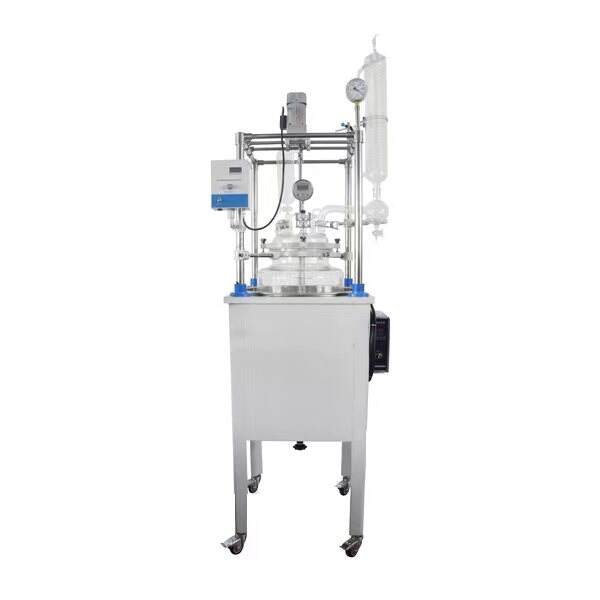
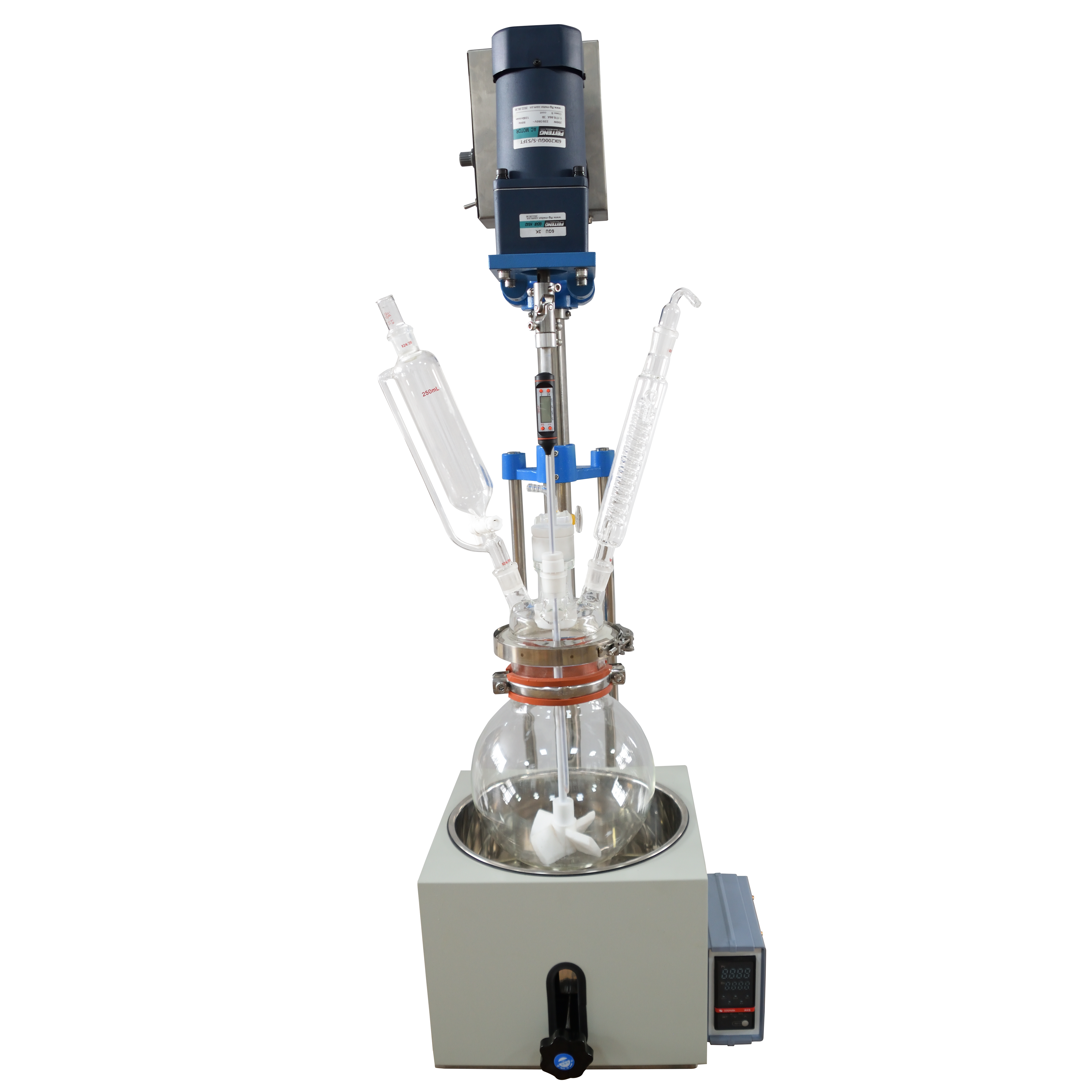
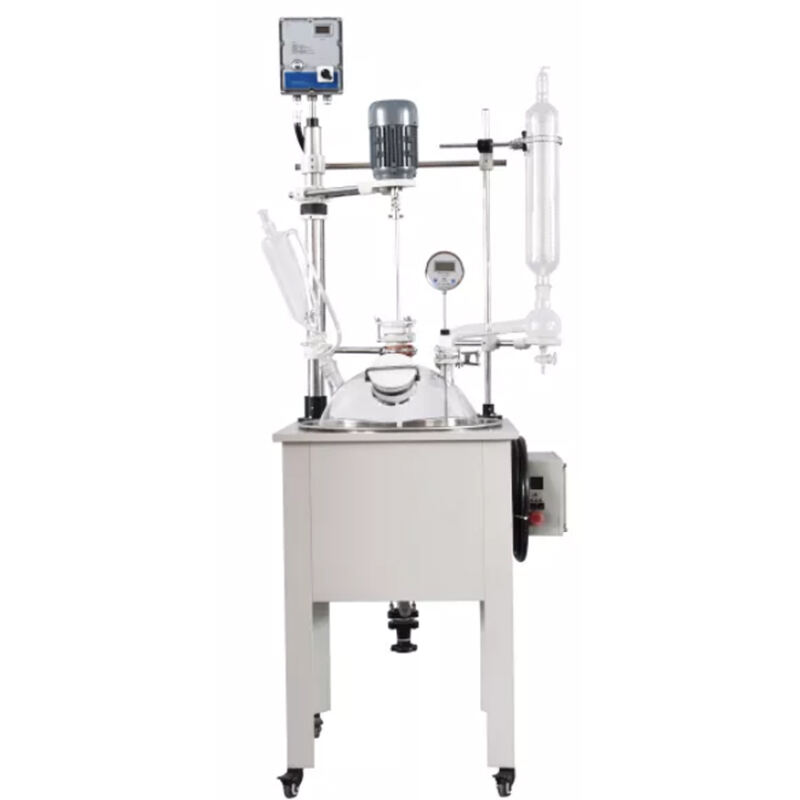
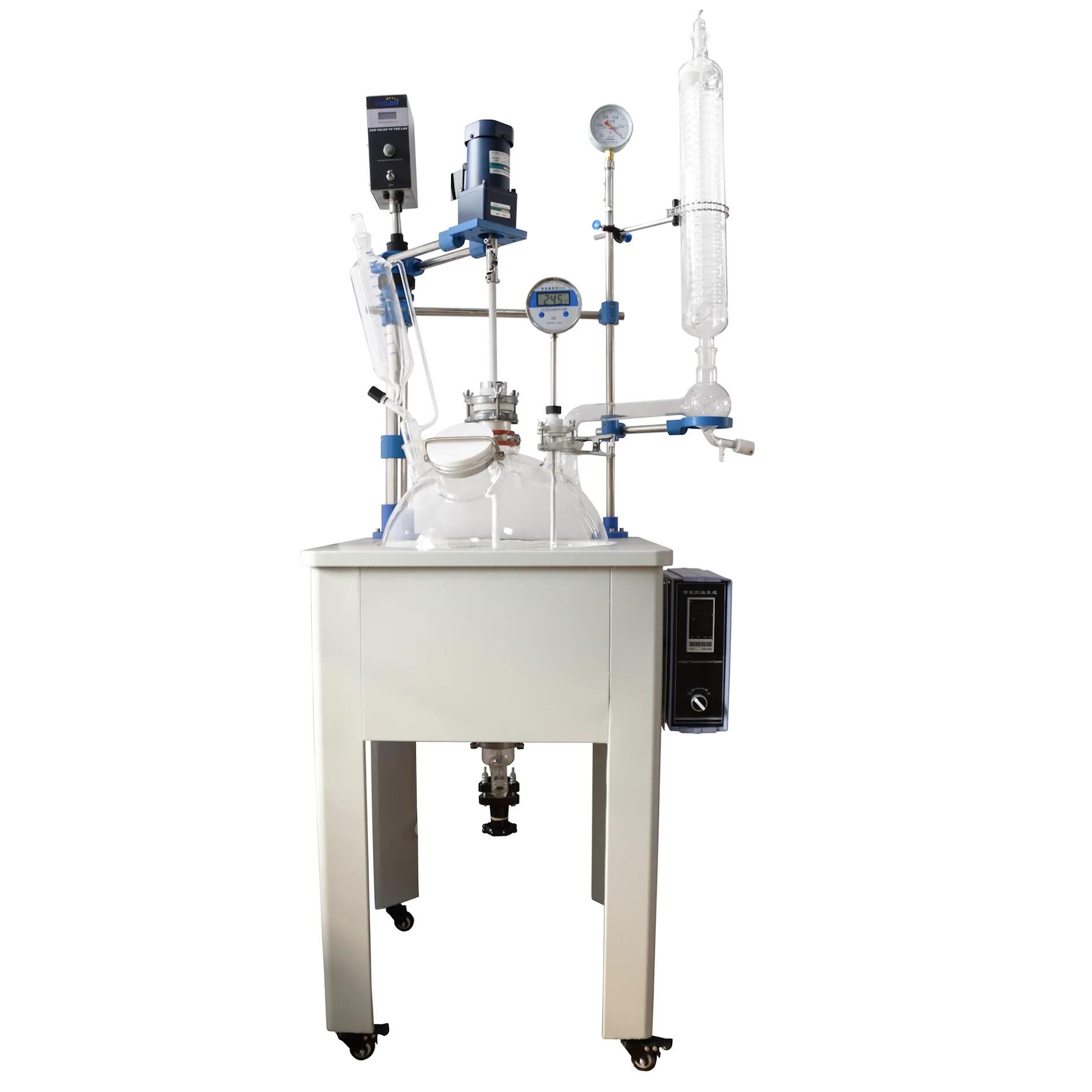
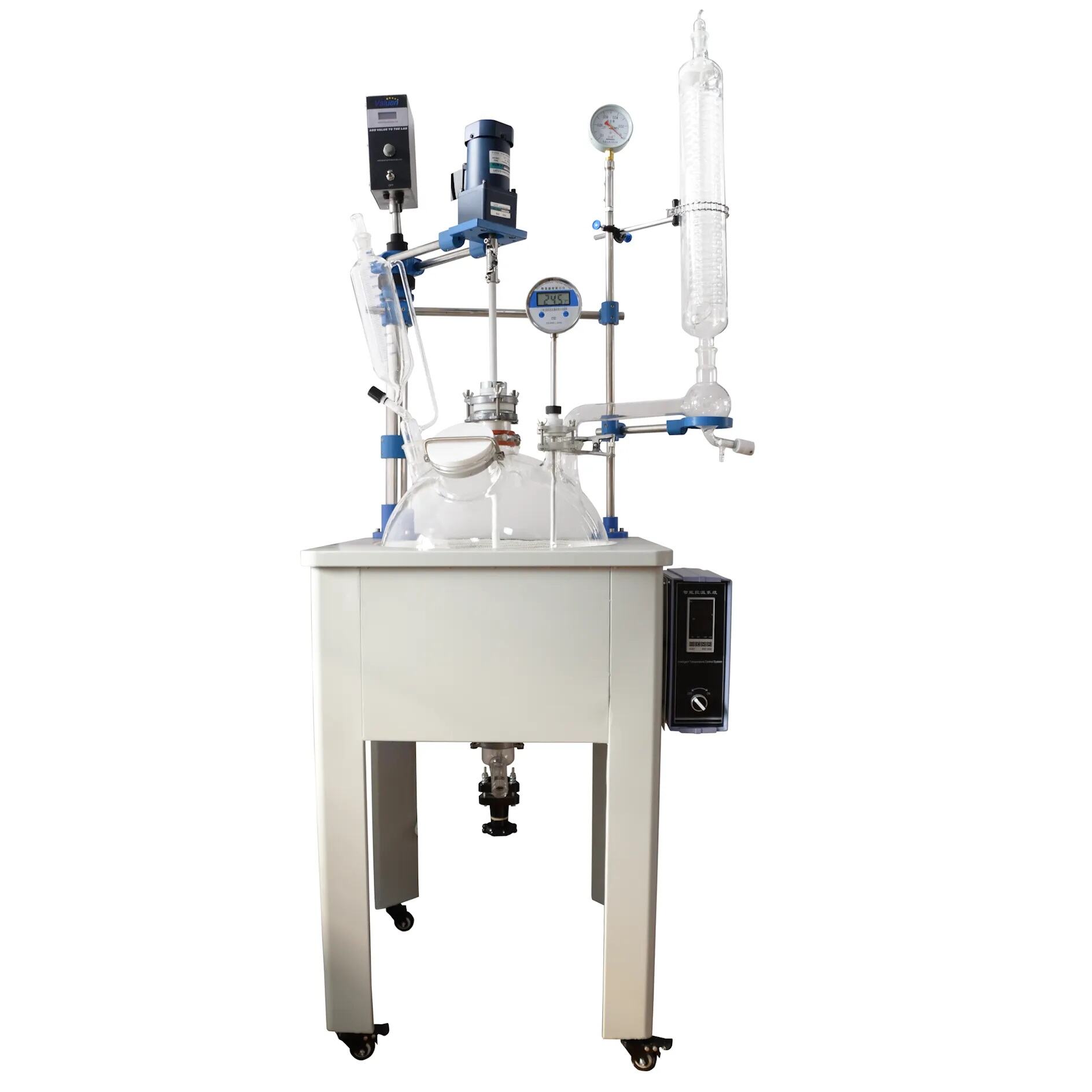
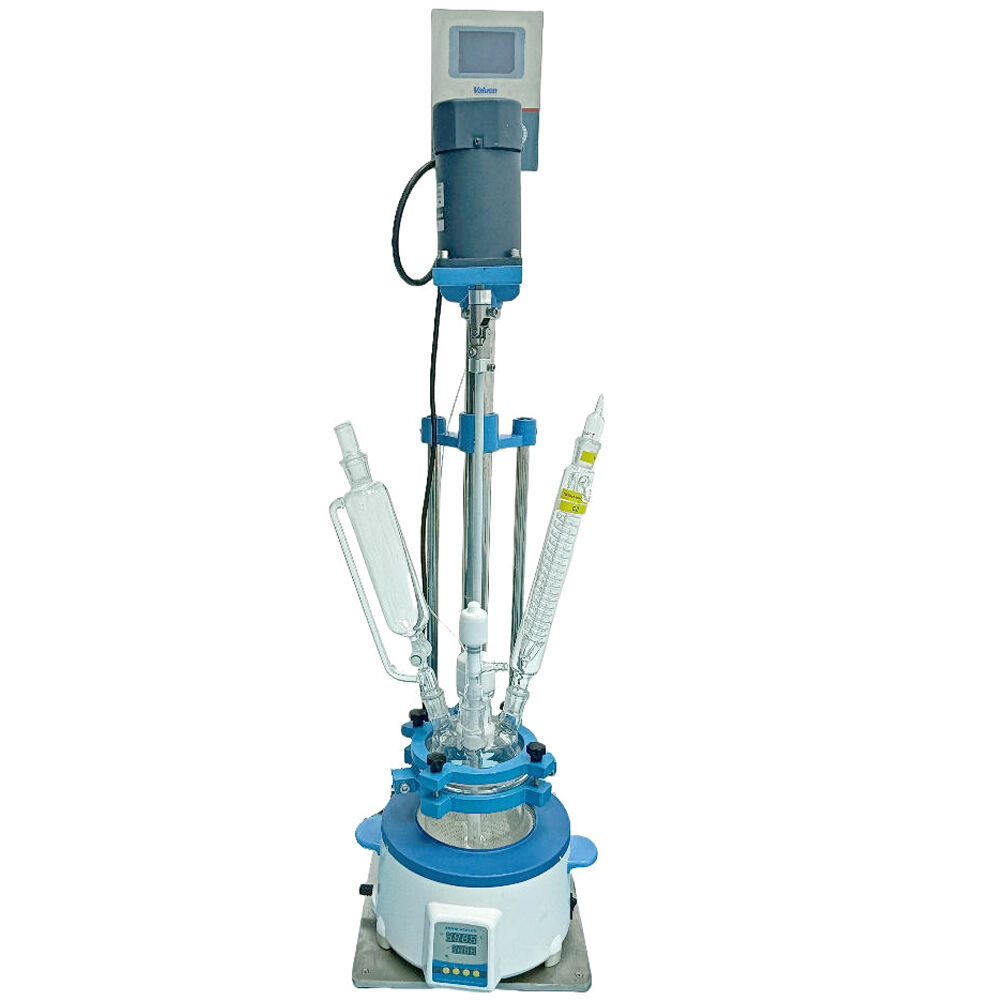
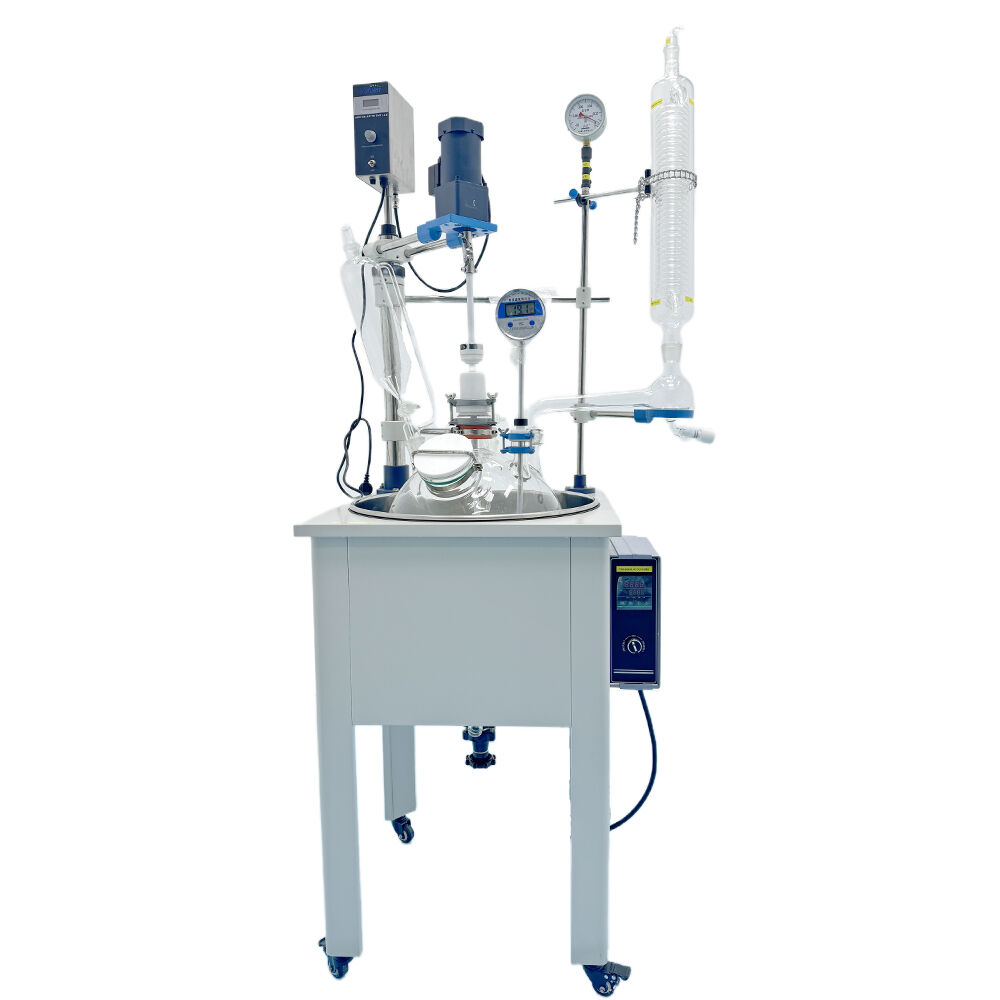
single layer glass reactor
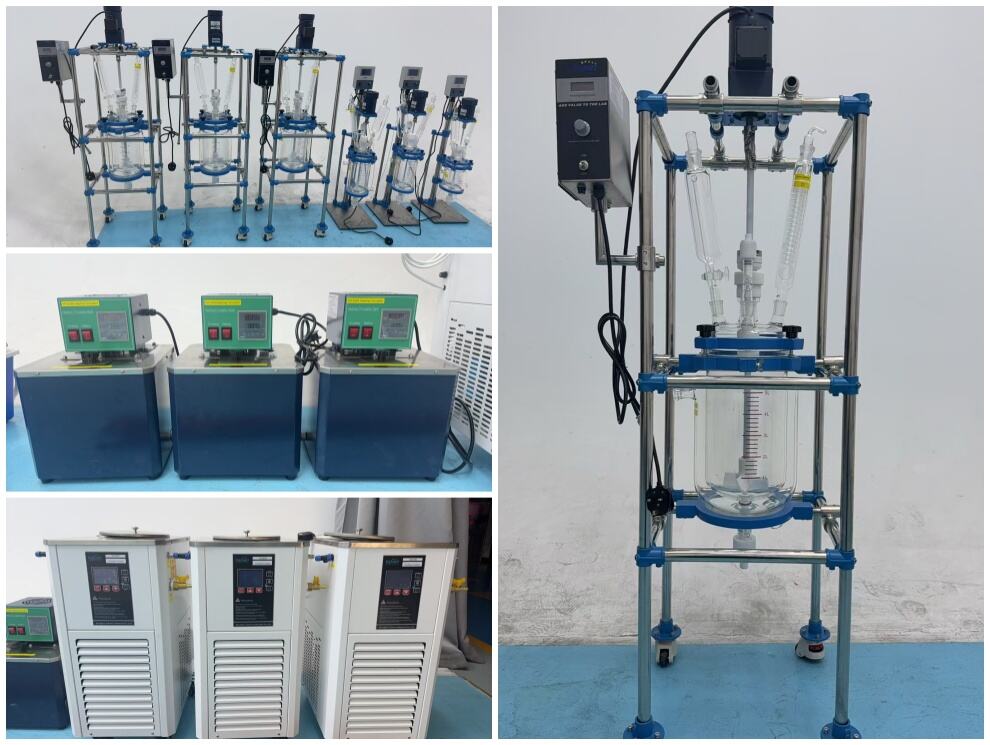
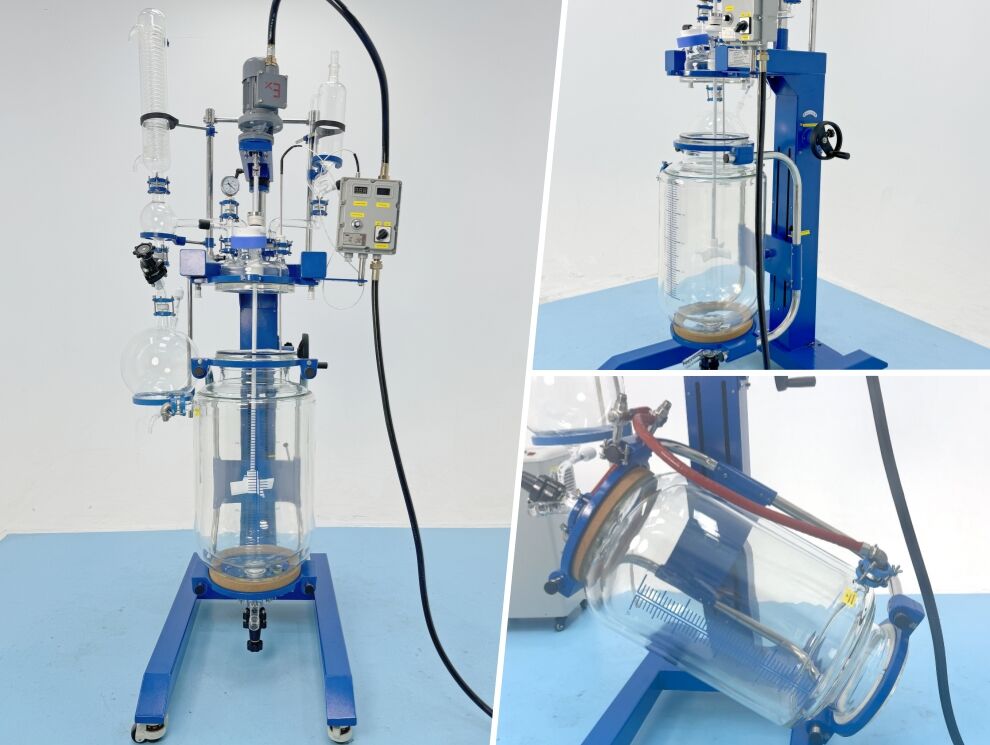
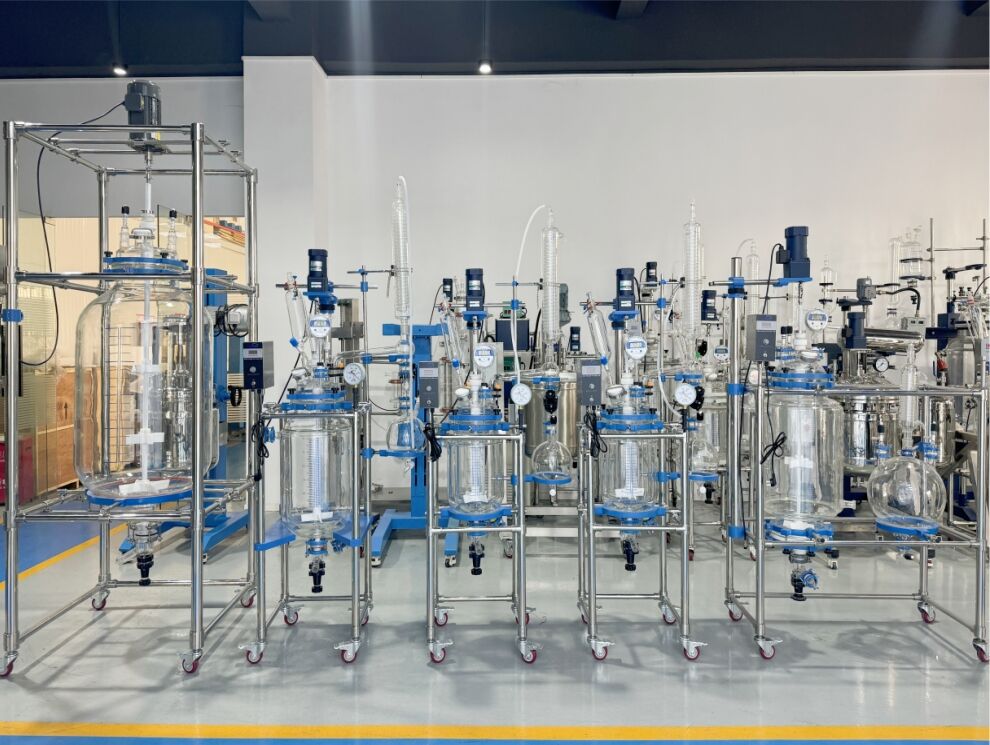
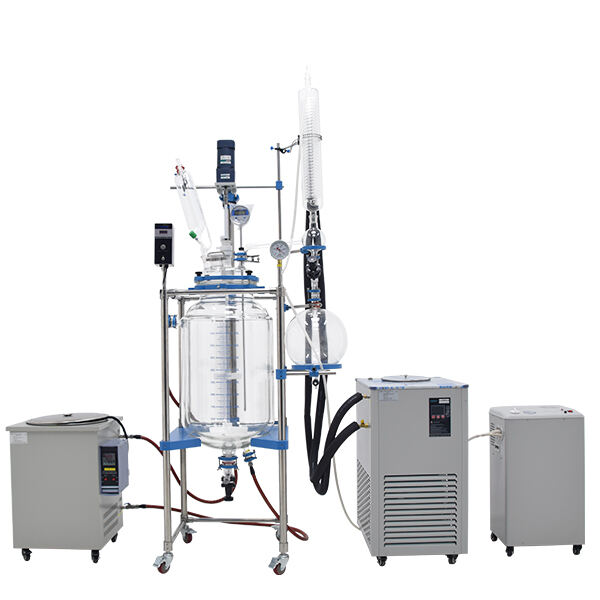
A single layer glass reactor represents a fundamental piece of laboratory equipment designed for chemical synthesis, material processing, and research applications. This versatile apparatus consists of a cylindrical glass vessel with a single wall construction that allows researchers to observe reactions in real-time while maintaining precise control over experimental conditions. The single layer glass reactor operates as a multipurpose reaction vessel capable of handling various chemical processes including mixing, heating, cooling, distillation, and crystallization procedures. The transparent borosilicate glass construction provides excellent chemical resistance and thermal stability, making it suitable for a wide range of solvents and reagents. The reactor features multiple ports and connections that accommodate different accessories such as stirring mechanisms, temperature sensors, reflux condensers, and addition funnels. Modern single layer glass reactor designs incorporate advanced stirring systems with variable speed control, ensuring optimal mixing efficiency for different viscosities and reaction types. The heating and cooling capabilities are typically managed through external bath systems that circulate thermal fluids around the reactor vessel. Temperature control accuracy remains crucial for reproducible results, with many systems offering precise digital regulation within narrow tolerances. Safety features include pressure relief valves, secure clamping systems, and robust support structures that prevent accidents during operation. The single layer glass reactor finds extensive applications in pharmaceutical development, chemical research, educational institutions, and small-scale production facilities. Research teams utilize these reactors for method development, process optimization, and quality control testing. The equipment supports both atmospheric and reduced pressure operations, expanding its utility for vacuum distillation and degassing procedures. Maintenance requirements remain minimal due to the smooth glass surfaces that resist contamination and facilitate thorough cleaning between experiments.
 EN
EN