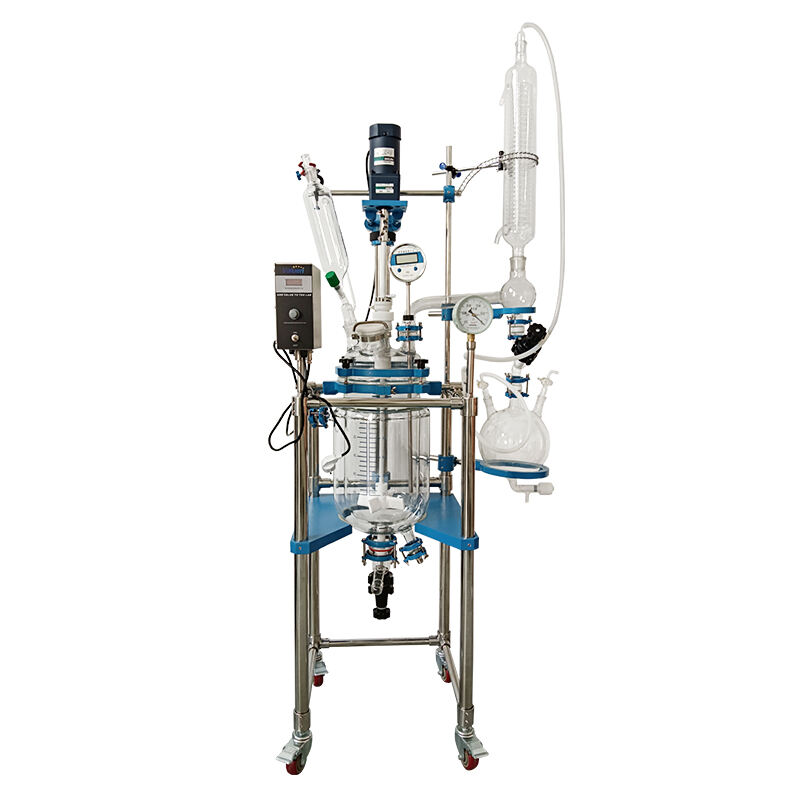
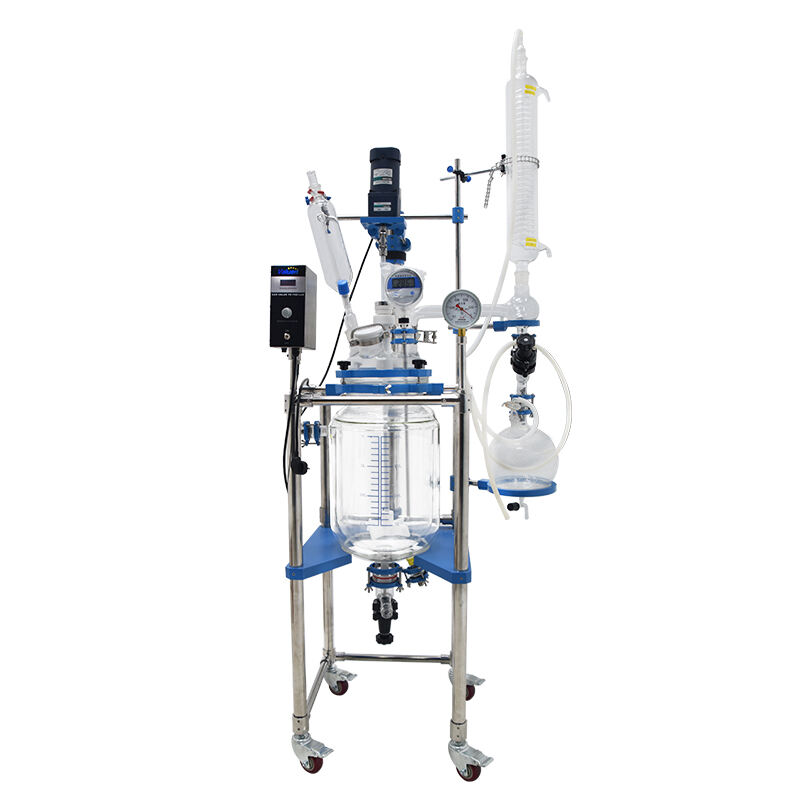
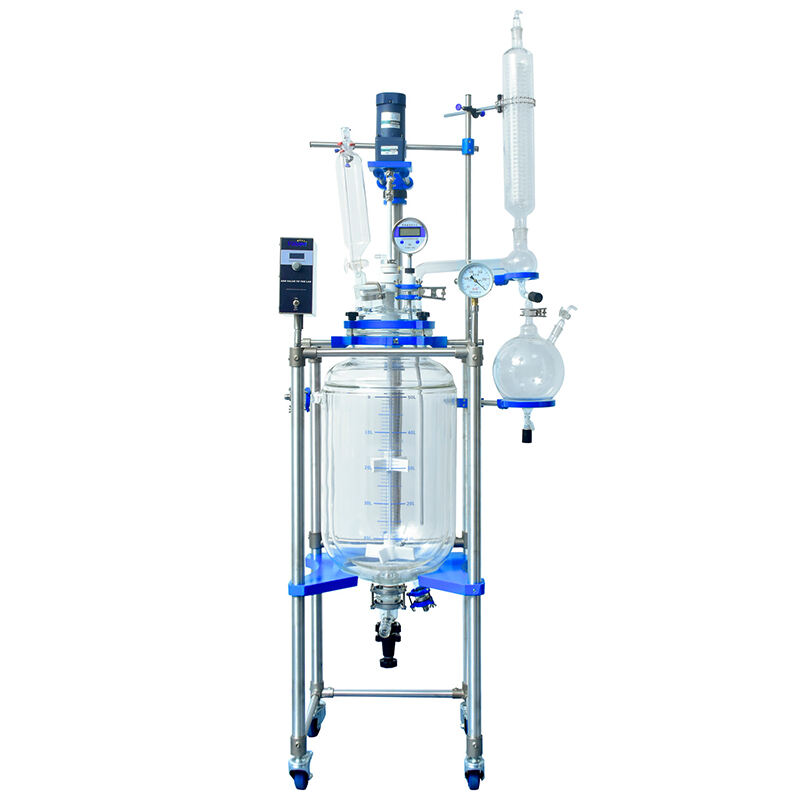
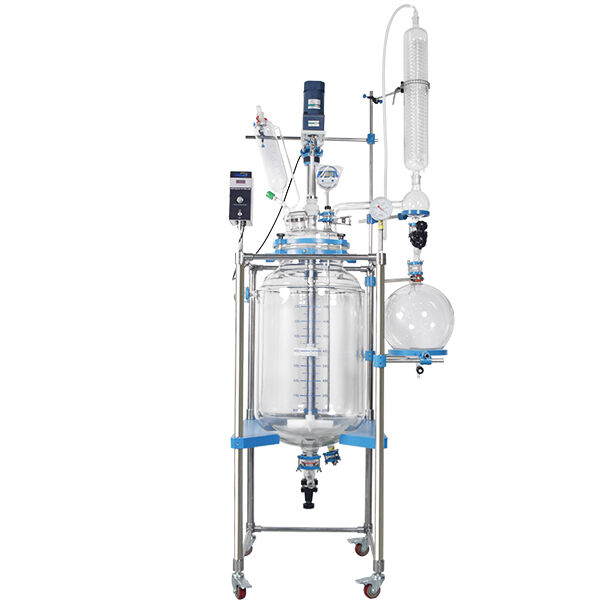
pilot glass reactor
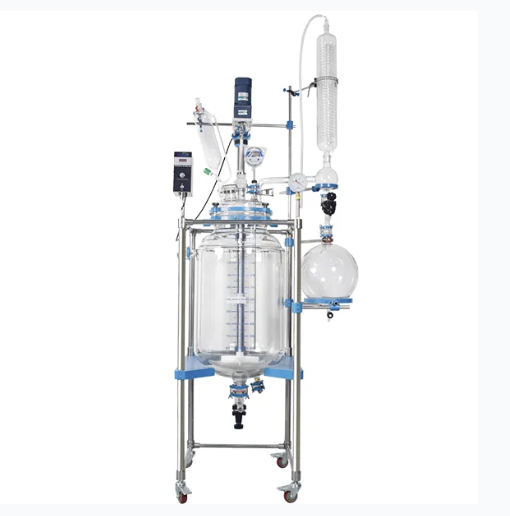
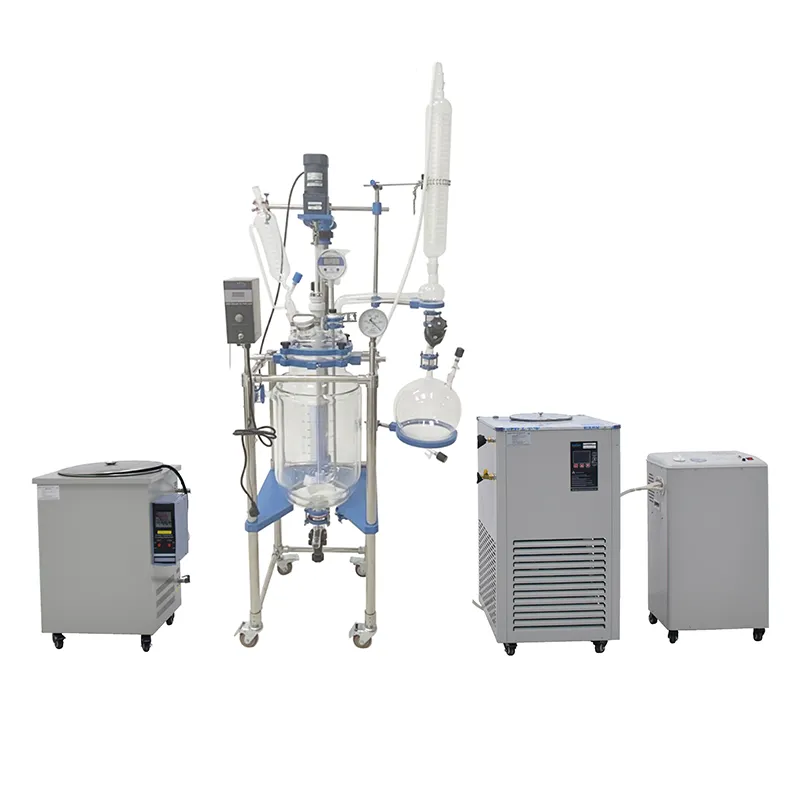
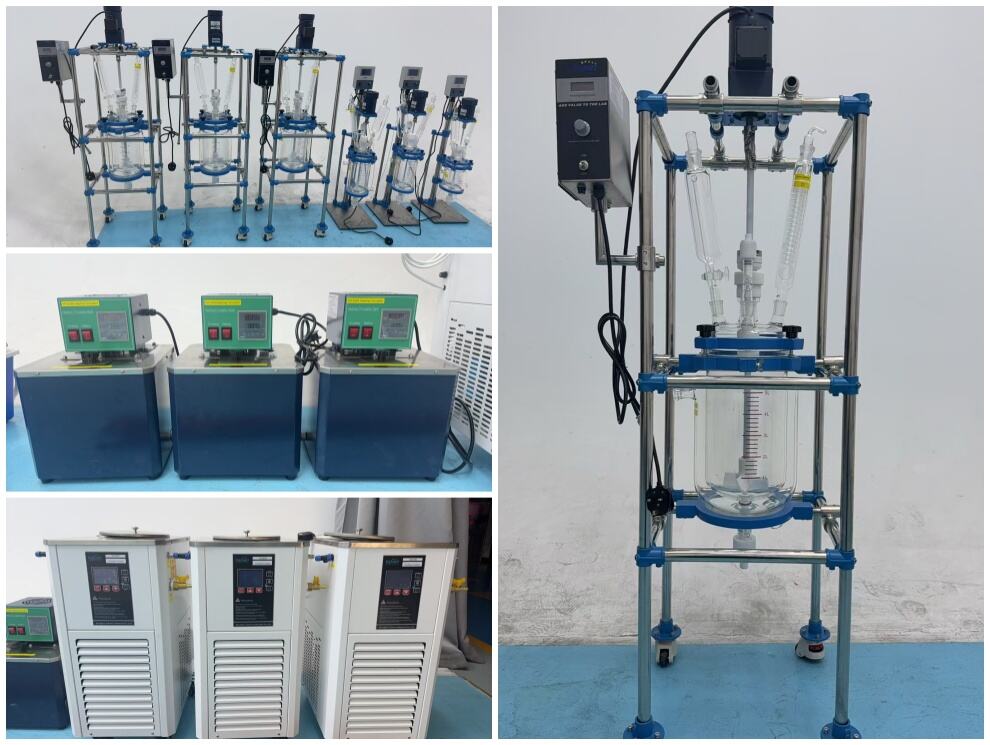
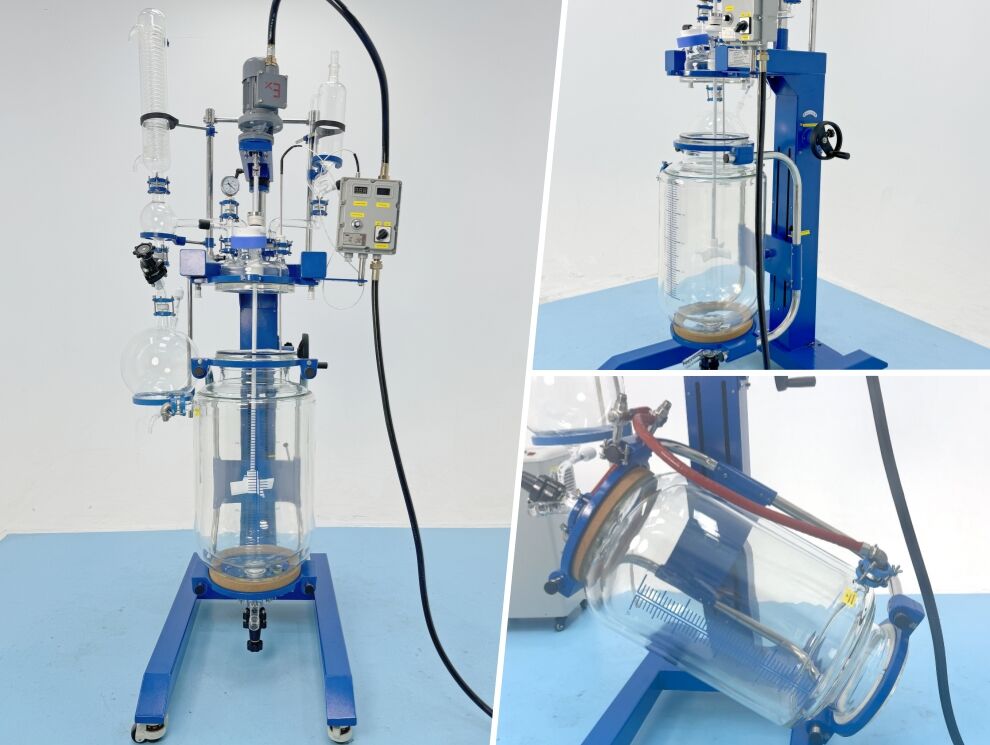
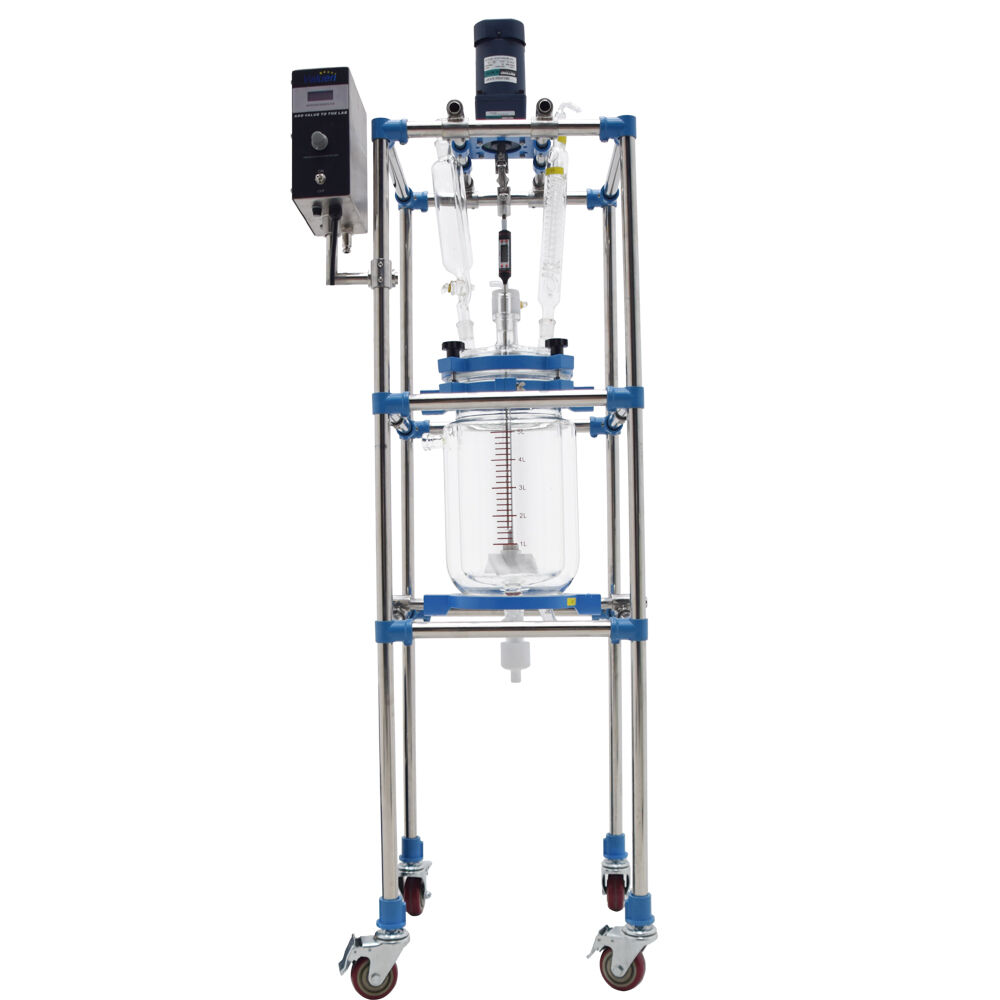
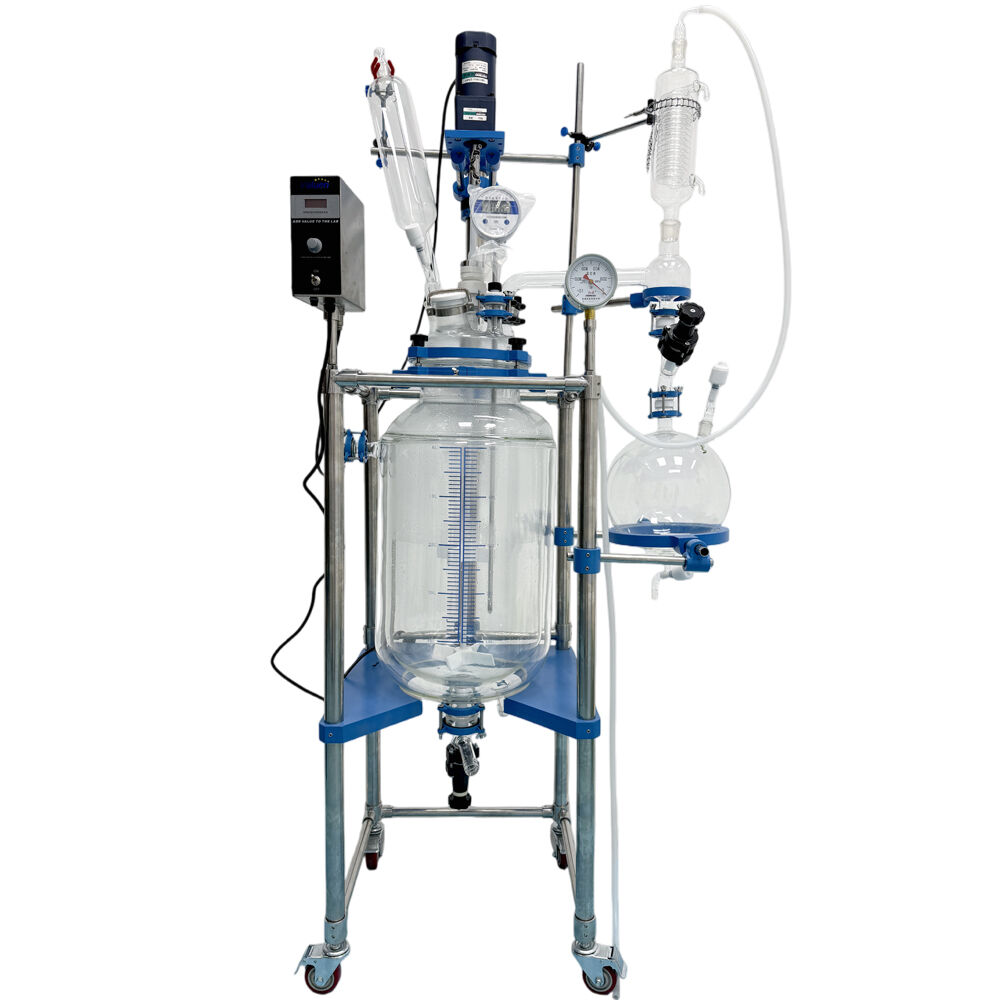
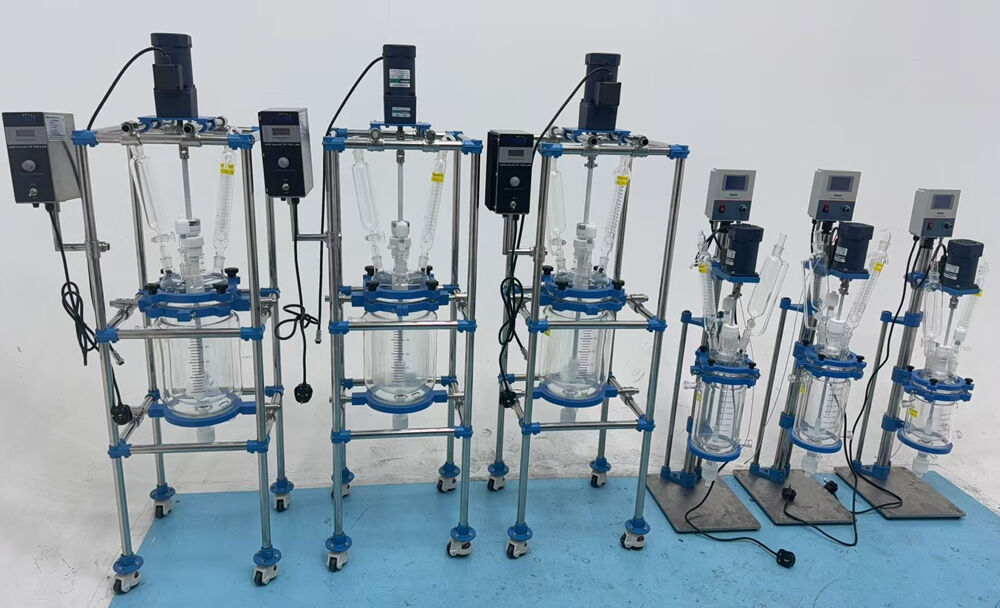
A pilot glass reactor represents a sophisticated laboratory instrument designed for chemical synthesis, process development, and research applications in controlled environments. This versatile equipment combines the transparency of borosilicate glass with advanced temperature and pressure control systems, enabling researchers to observe reactions in real-time while maintaining precise operational parameters. The pilot glass reactor serves as an essential bridge between small-scale laboratory experiments and full-scale industrial production, offering scalable solutions for pharmaceutical, chemical, and biotechnology industries. The reactor's construction typically features high-quality borosilicate glass vessels that provide excellent chemical resistance and thermal stability, making it suitable for various reaction types including crystallization, distillation, extraction, and synthesis processes. Modern pilot glass reactor systems incorporate digital control interfaces that monitor and adjust temperature, pressure, stirring speed, and other critical parameters automatically. The transparent nature of glass construction allows continuous visual monitoring of reaction progress, color changes, and phase separations without interrupting the process. These reactors commonly include multiple ports for adding reagents, sampling, and connecting auxiliary equipment such as condensers, heating mantles, and vacuum systems. The modular design of contemporary pilot glass reactor units enables easy customization and expansion based on specific research requirements. Safety features include pressure relief valves, temperature sensors, and emergency shutdown systems to protect both operators and equipment during operation. The pilot glass reactor typically operates within temperature ranges from -80°C to 300°C and pressure ranges suitable for various reaction conditions. This equipment proves invaluable for process optimization, reaction kinetics studies, and method development before scaling up to production levels.
 EN
EN