Professional 100L Glass Reactor - Advanced Chemical Processing Equipment for Laboratory and Pilot Scale Applications

Get a Free Quote

Our representative will contact you soon.
Email
Name
Contact Number
Company Name
Message
0/1000

100l glass reactor

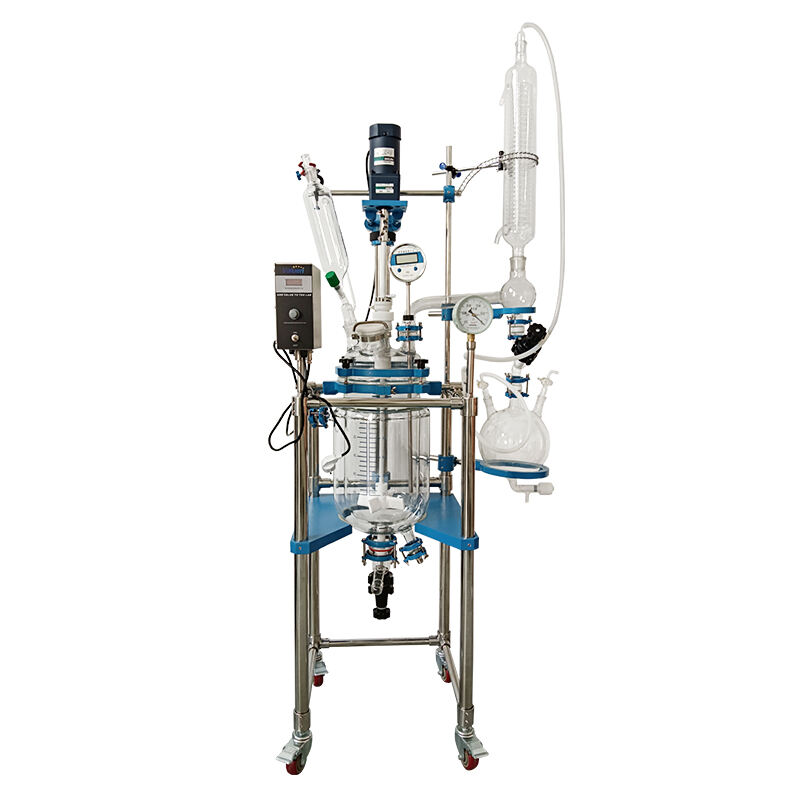
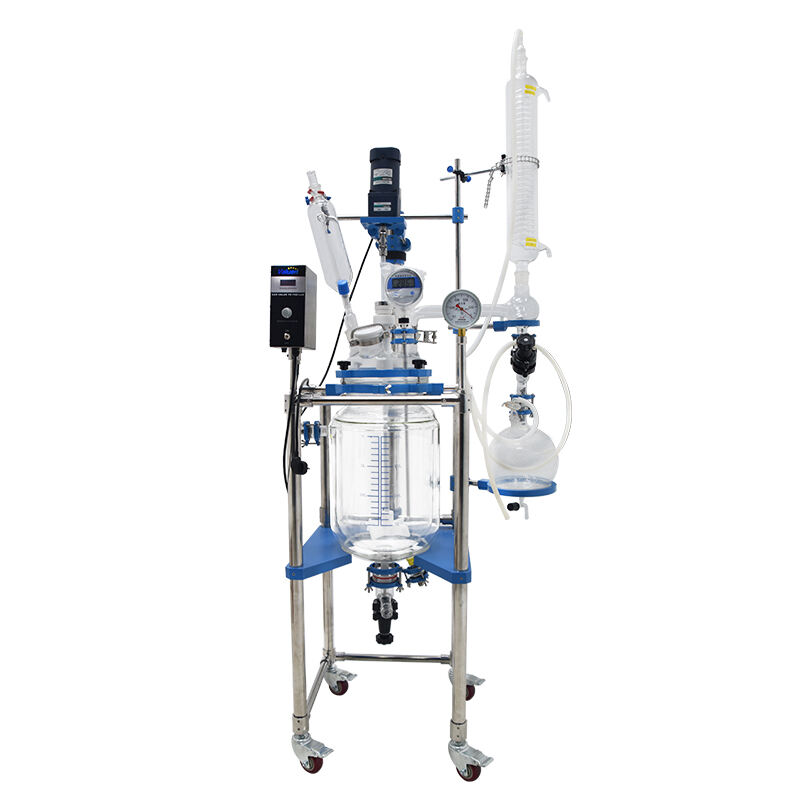
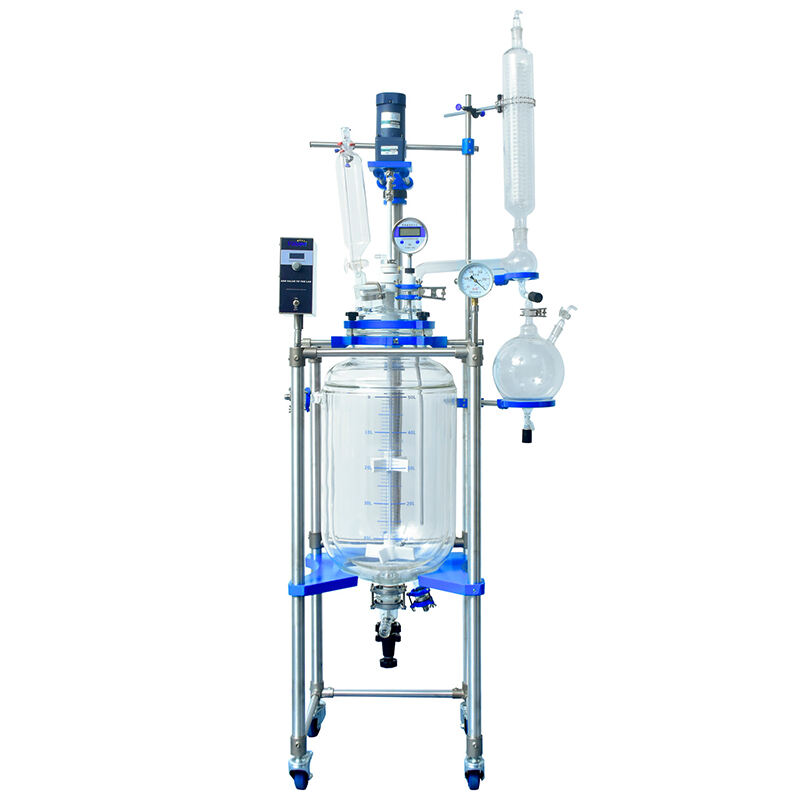
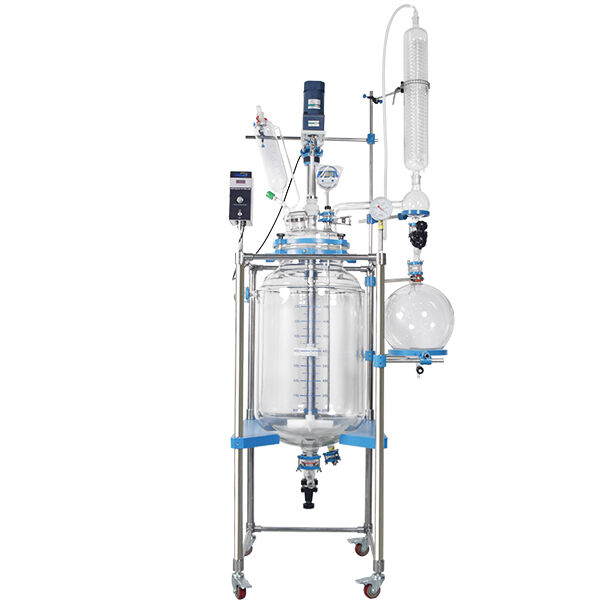
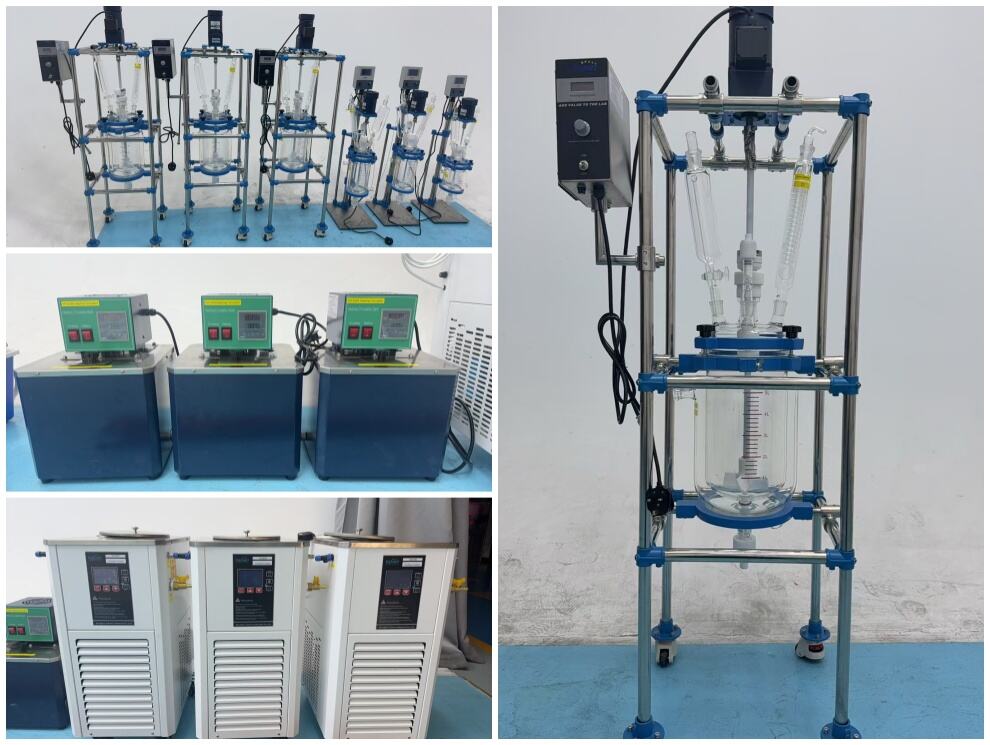
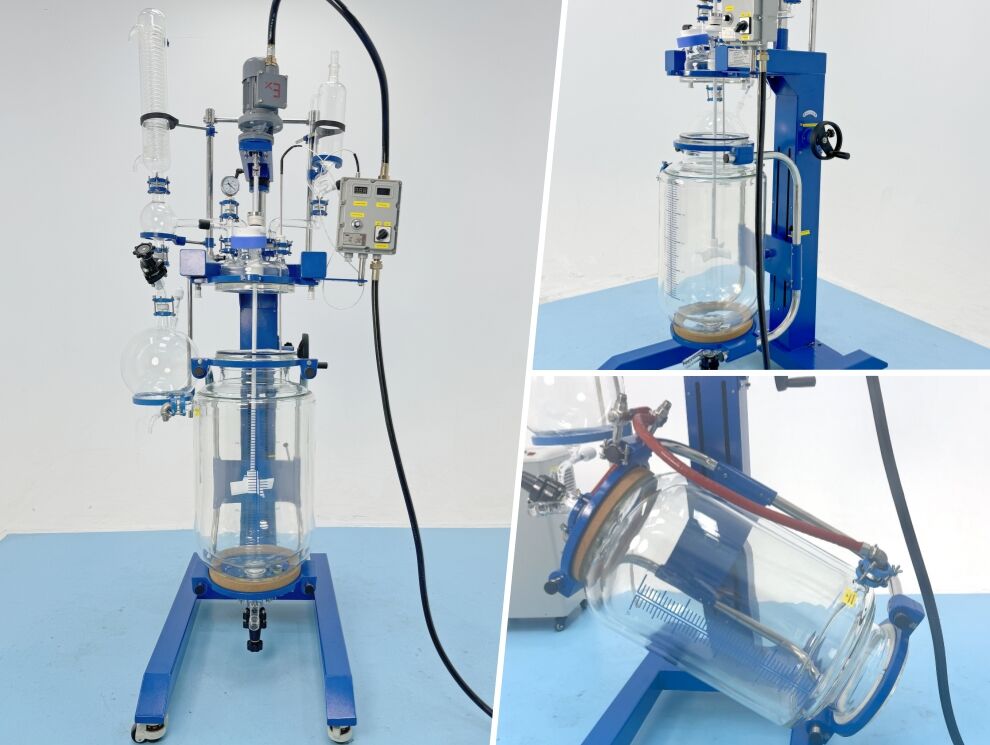
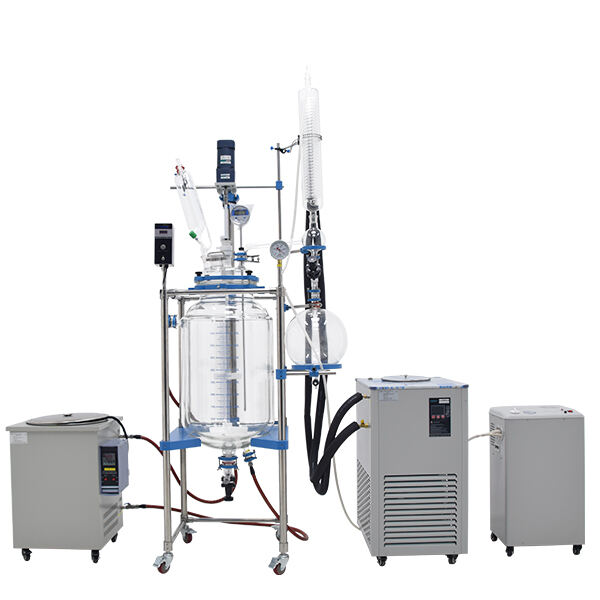
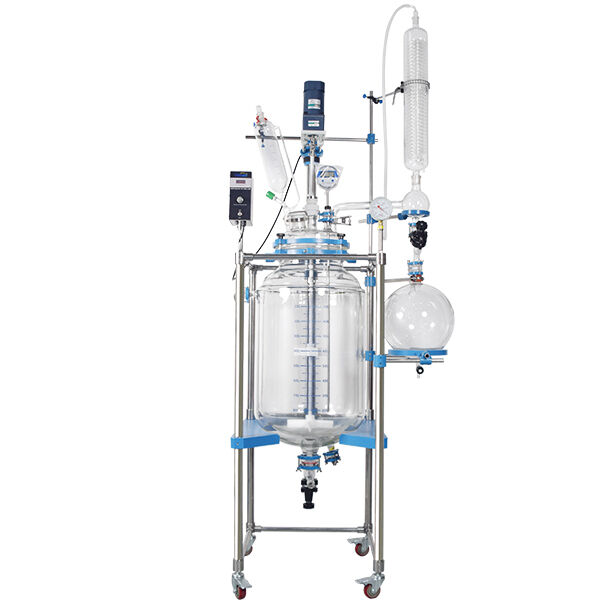
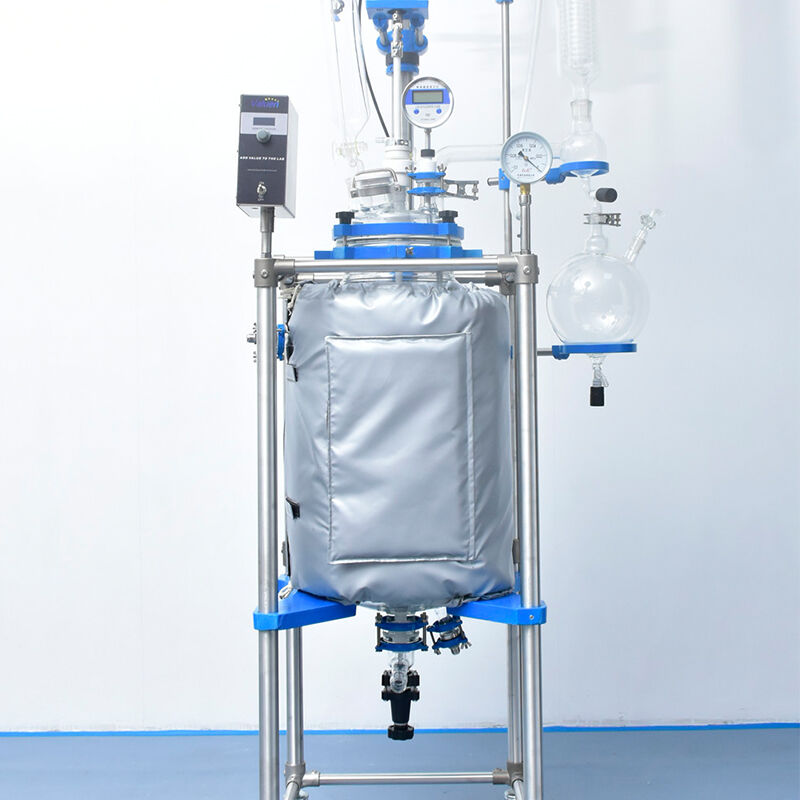
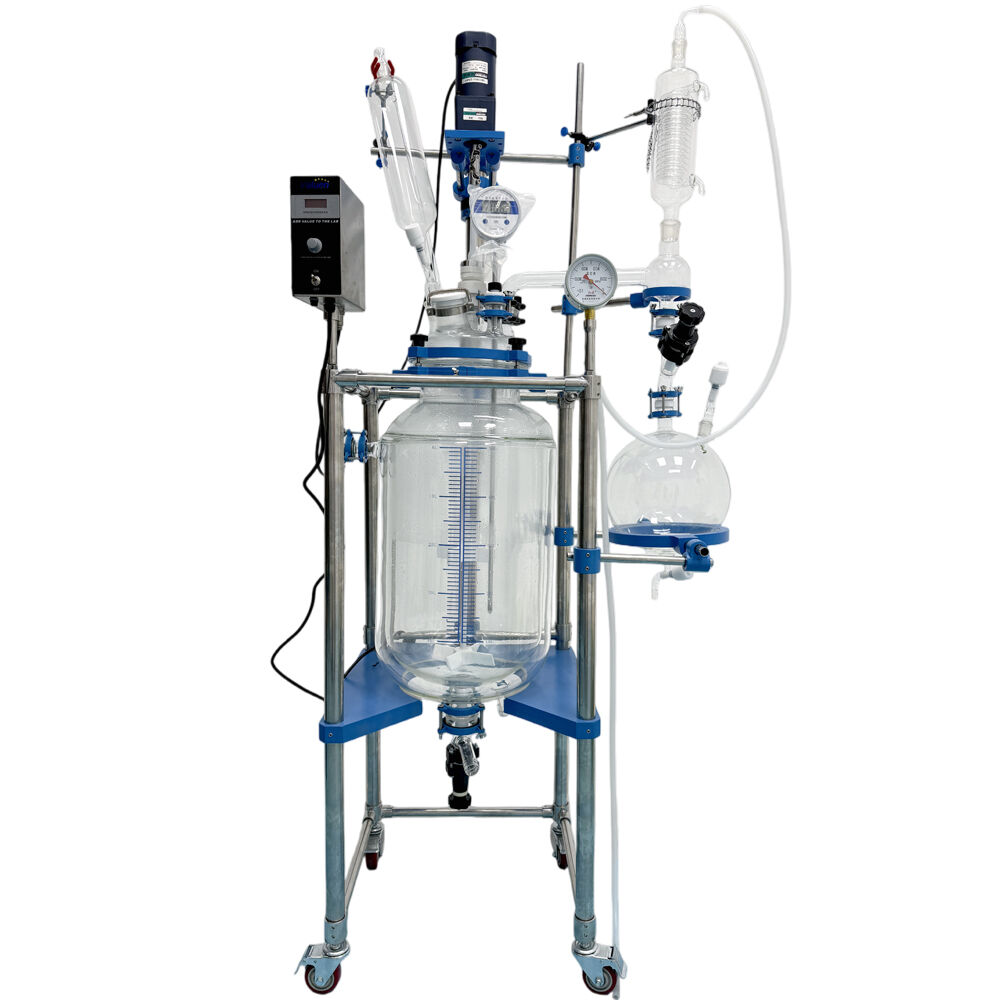
The 100l glass reactor represents a cutting-edge solution for chemical synthesis, pharmaceutical manufacturing, and research applications requiring precise control and optimal visibility. This sophisticated piece of equipment combines advanced engineering with practical functionality to deliver exceptional performance in laboratory and pilot-scale operations. The 100l glass reactor features a robust borosilicate glass construction that provides excellent chemical resistance and thermal stability, making it suitable for a wide range of chemical processes and reactions. The reactor vessel incorporates multiple ports and connections that enable seamless integration of temperature sensors, stirring mechanisms, reflux condensers, and addition funnels. The transparent glass design allows operators to monitor reaction progress visually, providing real-time observation of color changes, precipitation formation, and phase separations. The 100l glass reactor utilizes advanced heating and cooling systems that maintain precise temperature control throughout the reaction process, ensuring optimal conditions for chemical transformations. The integrated stirring system delivers consistent mixing performance, promoting uniform heat distribution and efficient mass transfer within the reaction mixture. Digital control panels provide intuitive operation and monitoring capabilities, allowing researchers to program complex reaction sequences and maintain detailed process records. Safety features include pressure relief systems, emergency shutdown mechanisms, and protective shields that ensure operator protection during high-risk procedures. The modular design of the 100l glass reactor facilitates easy maintenance and component replacement, minimizing downtime and reducing operational costs. Vacuum capabilities enable distillation processes, solvent removal, and atmospheric control for sensitive reactions. The reactor supports various operational modes including batch processing, continuous flow, and semi-batch operations, providing flexibility for diverse manufacturing requirements.

New Products

The 100l glass reactor delivers numerous practical benefits that make it an invaluable asset for chemical processing facilities and research laboratories. First, the transparent glass construction provides unmatched visibility during reaction processes, allowing operators to identify potential issues before they become critical problems. This visual monitoring capability reduces the risk of failed batches and improves overall process reliability. The excellent chemical resistance of borosilicate glass ensures compatibility with acids, bases, organic solvents, and corrosive reagents, eliminating concerns about container degradation or contamination. Temperature control precision represents another significant advantage, as the 100l glass reactor maintains reaction conditions within narrow tolerances, resulting in higher product yields and improved consistency. The integrated heating and cooling systems respond quickly to temperature adjustments, providing operators with responsive control over exothermic and endothermic reactions. Cleaning and maintenance procedures are simplified due to the smooth glass surfaces that resist residue buildup and allow thorough sanitization between batches. The 100l glass reactor supports easy scalability from laboratory development to pilot production, enabling seamless process transfer and reducing development timelines. Vacuum capabilities expand operational flexibility by enabling distillation, concentration, and atmospheric control functions within a single system. The reactor accommodates various stirring configurations and speeds, optimizing mixing efficiency for different viscosities and reaction types. Digital controls eliminate guesswork by providing precise parameter monitoring and automated process execution, reducing operator error and improving reproducibility. Cost-effectiveness emerges from the reactor's durability, low maintenance requirements, and ability to handle multiple process types without specialized equipment changes. The modular design allows for customization and upgrades, ensuring the 100l glass reactor can adapt to evolving process requirements. Safety features protect both operators and equipment, reducing insurance costs and regulatory compliance concerns. Energy efficiency results from optimized heating systems and insulation properties that minimize power consumption during extended operations. The reactor's versatility enables facilities to consolidate multiple processes into a single platform, reducing capital equipment investments and facility space requirements.

Latest News

Why Jacketed Glass Reactors are Essential for Your Lab

29

Oct

Why Jacketed Glass Reactors are Essential for Your Lab

Superior Temperature Control for Consistent Reaction ConditionsJacketed glass reactors achieve ±0.5°C temperature stability through their double-wall design, ensuring precise and consistent reaction conditions critical for sensitive chemic...
View More
How Does a Stainless Steel Reactor Improve Reaction Efficiency and Safety

12

Nov

How Does a Stainless Steel Reactor Improve Reaction Efficiency and Safety

Chemical processing industries rely heavily on precise reaction control and optimal safety measures to achieve consistent production outcomes. The selection of appropriate reactor materials and design features directly impacts both operational effici...
View More
How to Optimize Reactor Performance with Stainless Steel Material Selection and Mixing Design

12

Nov

How to Optimize Reactor Performance with Stainless Steel Material Selection and Mixing Design

Industrial chemical processing demands precise control over reaction conditions, temperature management, and material compatibility. The selection of appropriate reactor systems significantly impacts product quality, operational efficiency, and long-...
View More
Rotary and Liftable Stainless Steel Reactor vs Fixed Reactor: Which Is Better?

20

Jan

Rotary and Liftable Stainless Steel Reactor vs Fixed Reactor: Which Is Better?

Modern industrial processing demands precision, efficiency, and adaptability in chemical reactions and material processing. The choice between a rotary and liftable stainless steel reactor versus a traditional fixed reactor represents a critical deci...
View More

Get a Free Quote

Our representative will contact you soon.
Email
Name
Contact Number
Company Name
Message
0/1000

100l glass reactor

Advanced Temperature Control System for Optimal Reaction Performance

Advanced Temperature Control System for Optimal Reaction Performance

The 100l glass reactor incorporates a sophisticated temperature control system that sets new standards for precision and reliability in chemical processing applications. This advanced thermal management technology utilizes state-of-the-art heating elements and cooling circuits that work in perfect harmony to maintain reaction temperatures within extremely tight tolerances, typically achieving accuracy levels of plus or minus 0.1 degrees Celsius. The system responds rapidly to temperature changes, enabling precise control over exothermic reactions that could otherwise lead to runaway conditions or product degradation. The heating elements are strategically positioned to ensure uniform heat distribution throughout the reactor vessel, eliminating hot spots that could cause localized overheating or uneven reaction kinetics. The integrated cooling system provides immediate temperature reduction capabilities, essential for quenching reactions or managing unexpected thermal excursions. Digital temperature controllers feature programmable profiles that allow operators to execute complex heating and cooling sequences automatically, improving process consistency and reducing the need for constant manual supervision. The 100l glass reactor temperature control system includes multiple redundant safety features, including over-temperature protection, emergency cooling activation, and automatic shutdown mechanisms that protect both the reaction contents and the equipment itself. Advanced insulation materials minimize heat loss to the environment, improving energy efficiency and reducing operational costs while maintaining stable internal conditions. The system supports both ambient and elevated pressure operations, providing flexibility for reactions requiring specific atmospheric conditions. Temperature mapping capabilities ensure uniform thermal conditions across the entire reactor volume, critical for scaling up processes from laboratory to production environments. Real-time temperature monitoring and data logging features provide complete documentation of thermal profiles, supporting quality assurance requirements and regulatory compliance obligations. The robust construction of the temperature control system ensures reliable long-term operation with minimal maintenance requirements, making the 100l glass reactor a dependable choice for continuous manufacturing operations.
Superior Chemical Compatibility and Corrosion Resistance

Superior Chemical Compatibility and Corrosion Resistance

The 100l glass reactor construction utilizes premium borosilicate glass that delivers exceptional chemical compatibility and corrosion resistance across an extensive range of chemical environments and processing conditions. This specialized glass composition withstands aggressive acids, strong bases, organic solvents, and corrosive reagents without degradation, ensuring long-term reliability and preventing contamination of valuable reaction products. The non-porous surface of the glass reactor prevents absorption of chemicals or retention of residues, enabling complete cleaning between batches and eliminating cross-contamination risks that could compromise product quality. Unlike metallic reactors that may suffer from corrosion, galvanic effects, or catalytic interference, the 100l glass reactor provides an inert environment that preserves reaction selectivity and product purity. The smooth internal surfaces facilitate thorough cleaning and sterilization procedures, meeting stringent pharmaceutical and food-grade manufacturing requirements. Chemical resistance testing demonstrates the reactor's ability to withstand prolonged exposure to challenging environments without surface etching, cracking, or dimensional changes that could affect performance. The glass construction eliminates concerns about metal leaching into reaction mixtures, particularly important for pharmaceutical applications where trace metal contamination must be minimized. Thermal shock resistance allows the 100l glass reactor to handle rapid temperature changes without cracking or failure, providing operational flexibility for processes requiring quick heating or cooling cycles. The transparent nature of the glass enables visual inspection for any signs of wear or damage, allowing preventive maintenance to be scheduled before issues affect production. Surface treatments and coatings can be applied to enhance specific properties without compromising the fundamental chemical resistance of the reactor vessel. The reactor's compatibility with both aqueous and organic systems makes it suitable for diverse applications including synthesis, crystallization, extraction, and purification processes. Quality assurance protocols ensure each 100l glass reactor meets strict specifications for chemical resistance and mechanical integrity before delivery to customers. Long-term performance data confirms that properly maintained glass reactors can provide decades of reliable service, making them a cost-effective investment for facilities requiring dependable chemical processing equipment.
Versatile Modular Design with Comprehensive Process Integration

Versatile Modular Design with Comprehensive Process Integration

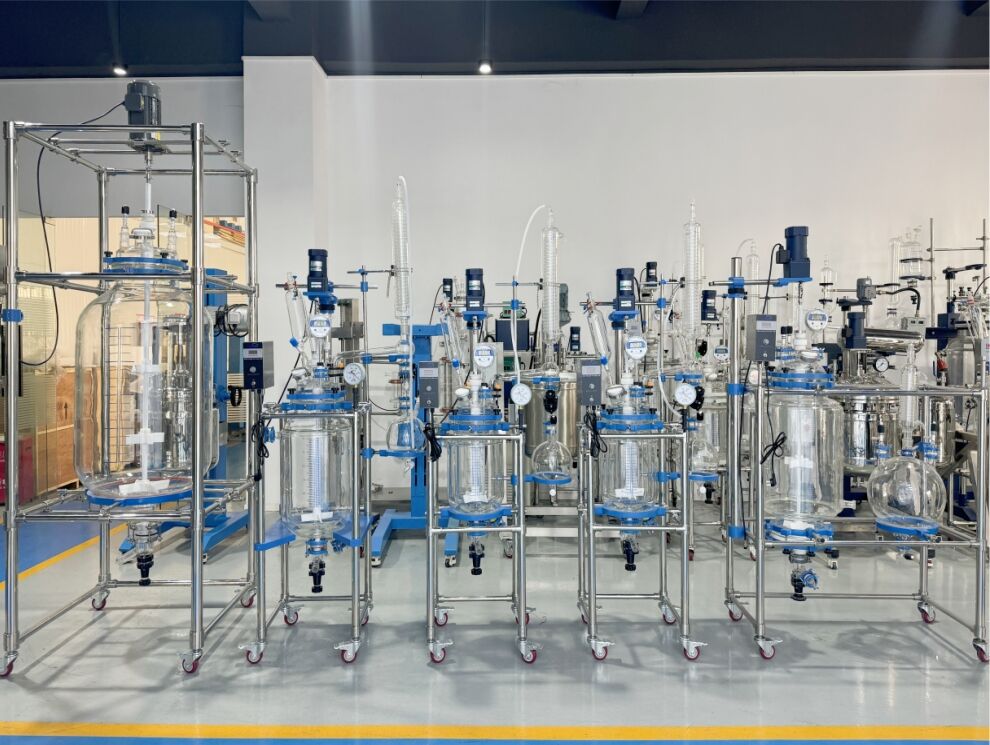
The 100l glass reactor features an innovative modular design philosophy that provides unmatched flexibility and adaptability for diverse chemical processing applications and operational requirements. This comprehensive approach to reactor engineering enables seamless integration of multiple process components, accessories, and control systems within a unified platform that can be customized to meet specific manufacturing needs. The reactor vessel incorporates numerous standardized ports and connections that accommodate various accessories including reflux condensers, addition funnels, temperature probes, pressure sensors, and sampling systems without requiring custom modifications or specialized fittings. The modular stirring system supports different impeller configurations, shaft materials, and drive mechanisms to optimize mixing performance for applications ranging from low-viscosity solutions to thick suspensions and paste-like materials. Heating and cooling modules can be independently selected and configured to match specific thermal requirements, whether for simple temperature maintenance or complex multi-stage thermal profiles. The 100l glass reactor control system utilizes modular components that allow facilities to choose the appropriate level of automation and data collection capabilities based on their operational needs and budget constraints. Vacuum systems, distillation columns, and separation equipment integrate seamlessly with the reactor platform, enabling complex multi-step processes to be executed within a single coordinated system. The modular approach facilitates easy maintenance and component replacement, as individual modules can be serviced or upgraded without disrupting the entire system or requiring extensive downtime. Standardized interfaces ensure compatibility with accessories from multiple suppliers, providing procurement flexibility and preventing vendor lock-in situations. The design accommodates future expansion and capability enhancement, allowing facilities to add functionality as their processes evolve or production requirements change. Safety systems integrate comprehensively across all modules, providing coordinated protection and emergency response capabilities that ensure operator safety and equipment protection. Quality control and data collection systems work seamlessly with all reactor components, providing comprehensive process monitoring and documentation capabilities required for regulatory compliance and quality assurance programs. The modular design philosophy extends to installation and commissioning, as pre-configured modules reduce on-site assembly time and minimize the risk of integration errors that could affect system performance or reliability.

Get a Free Quote

Our representative will contact you soon.
Email
Name
Contact Number
Company Name
Message
0/1000