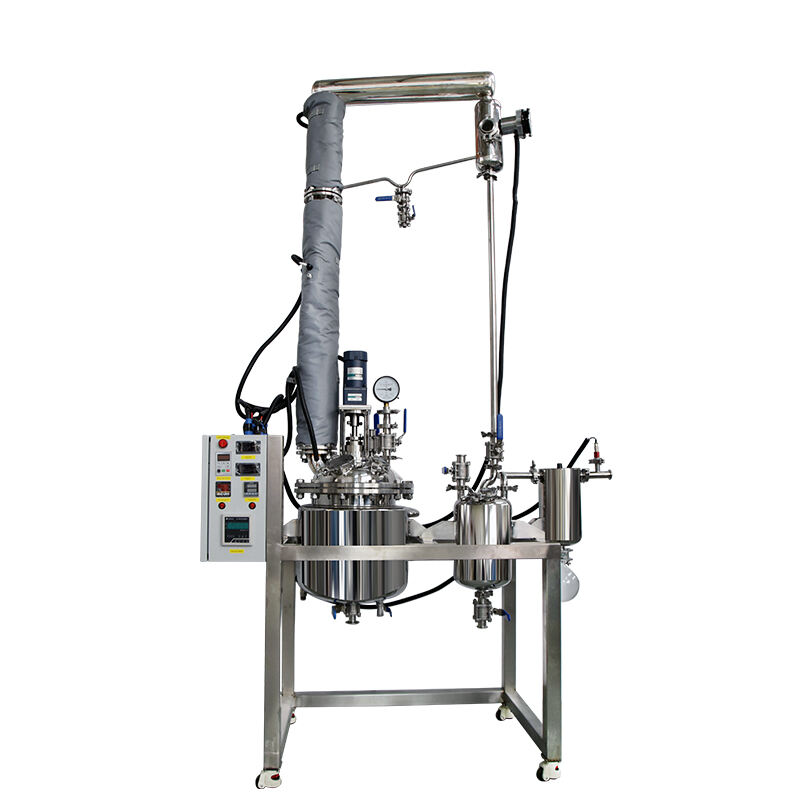
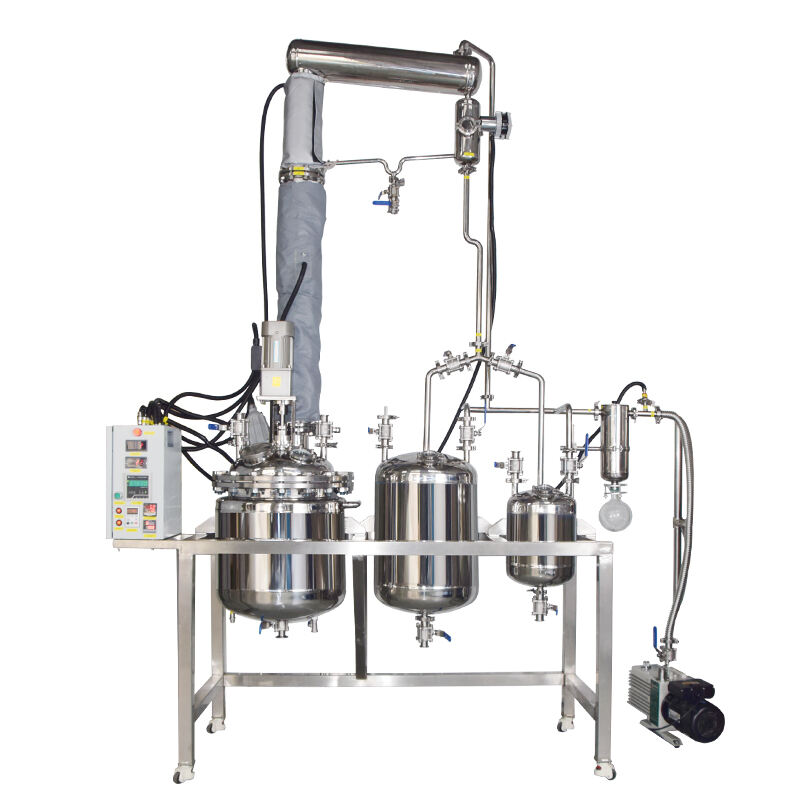
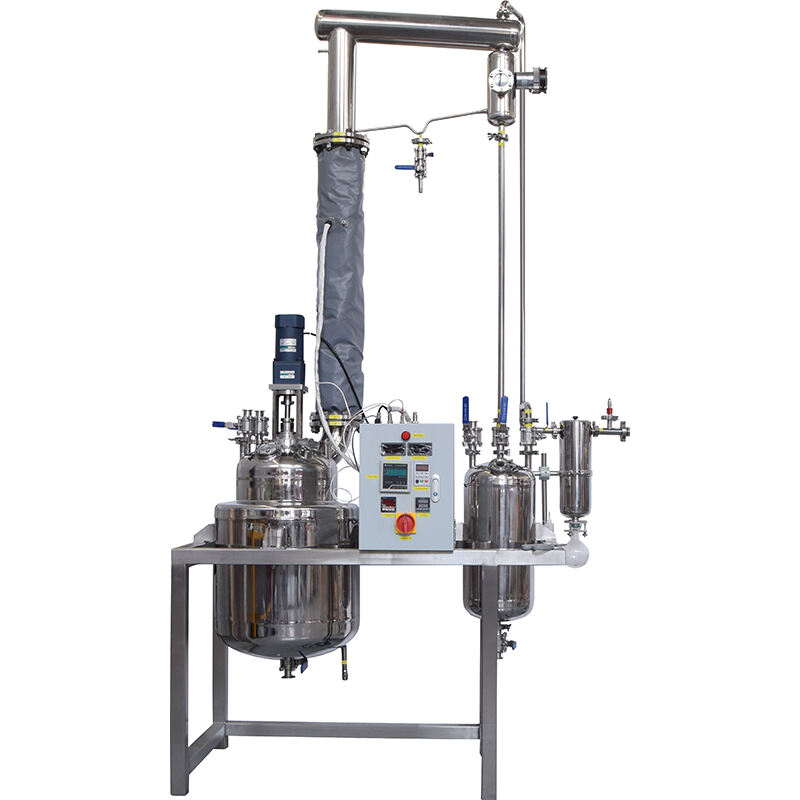
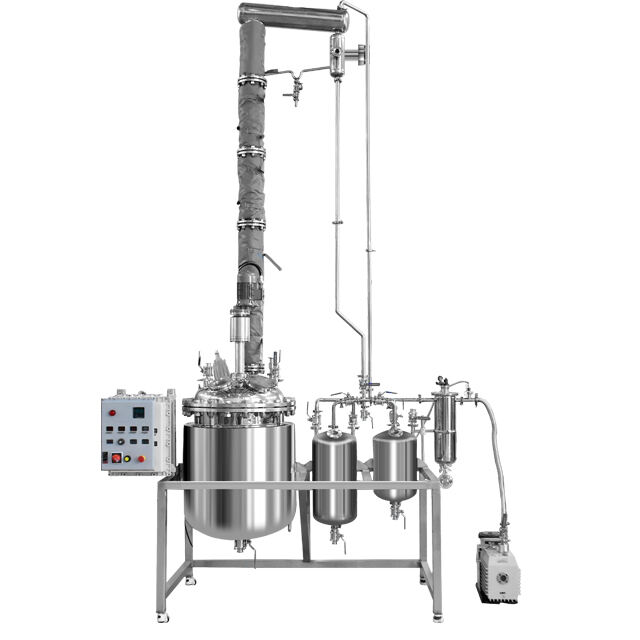
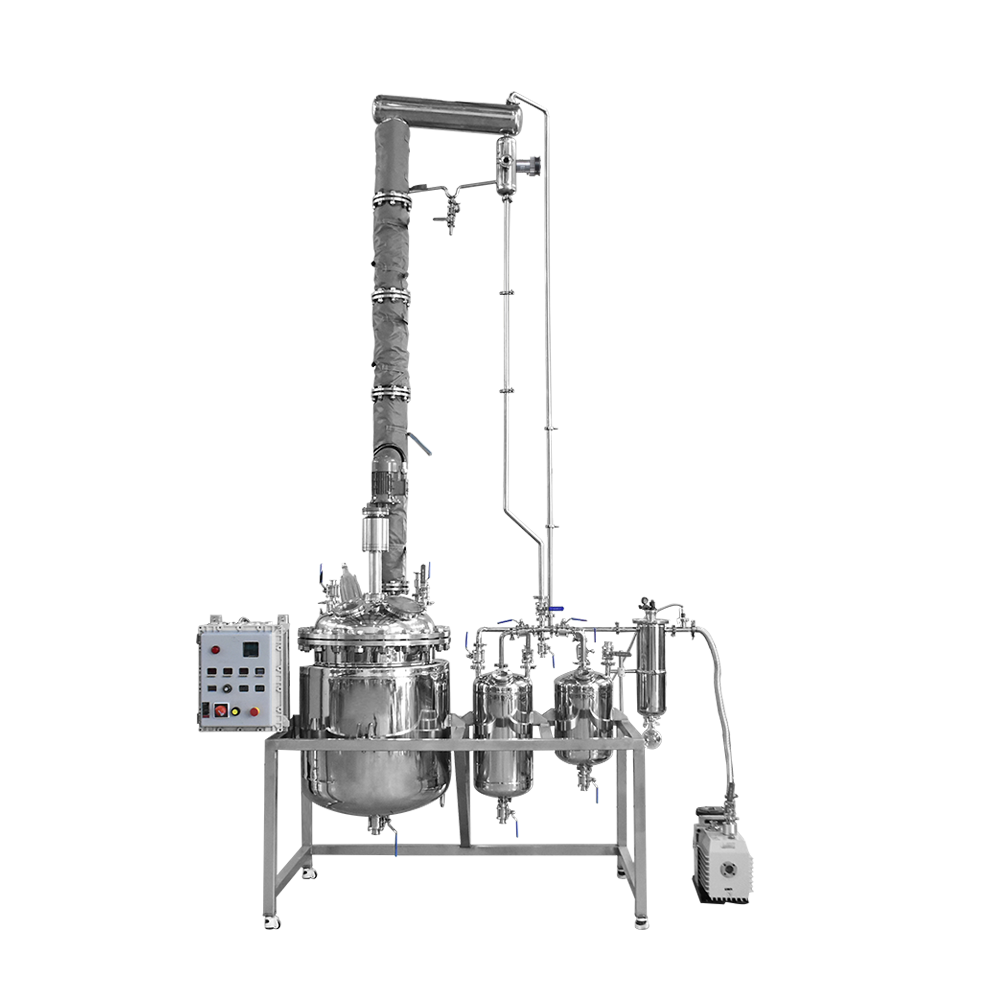
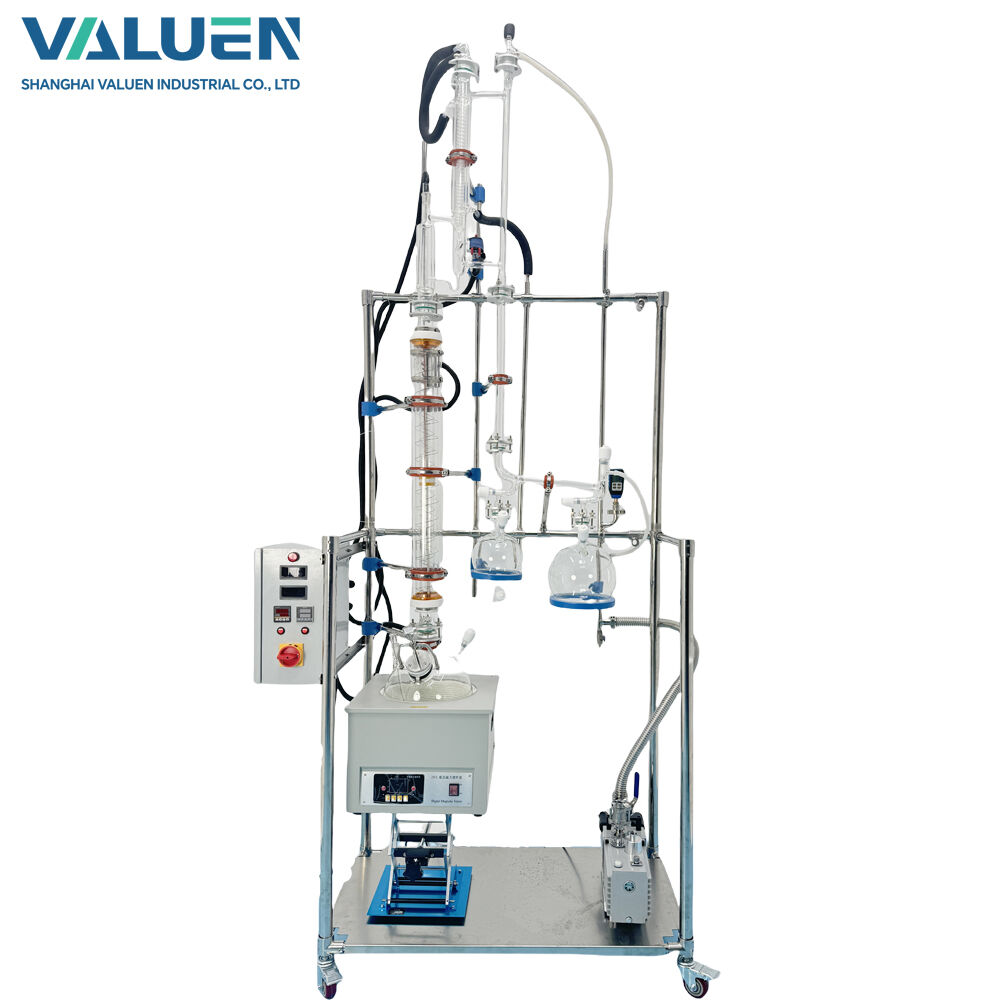
rectification reactor
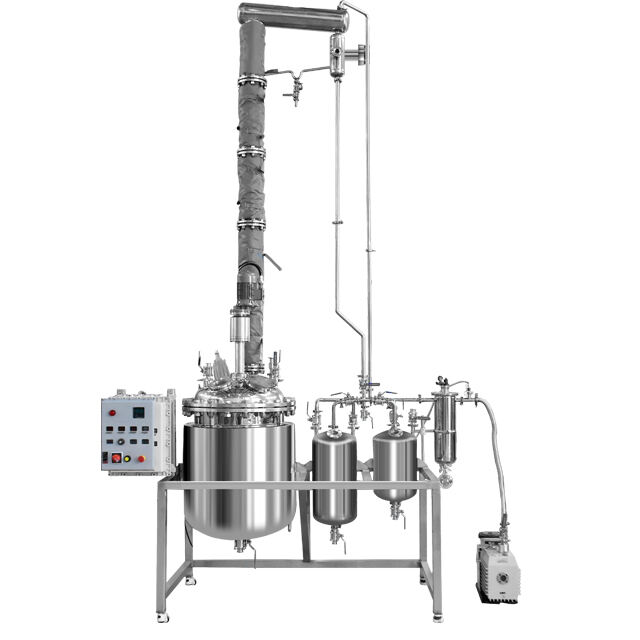
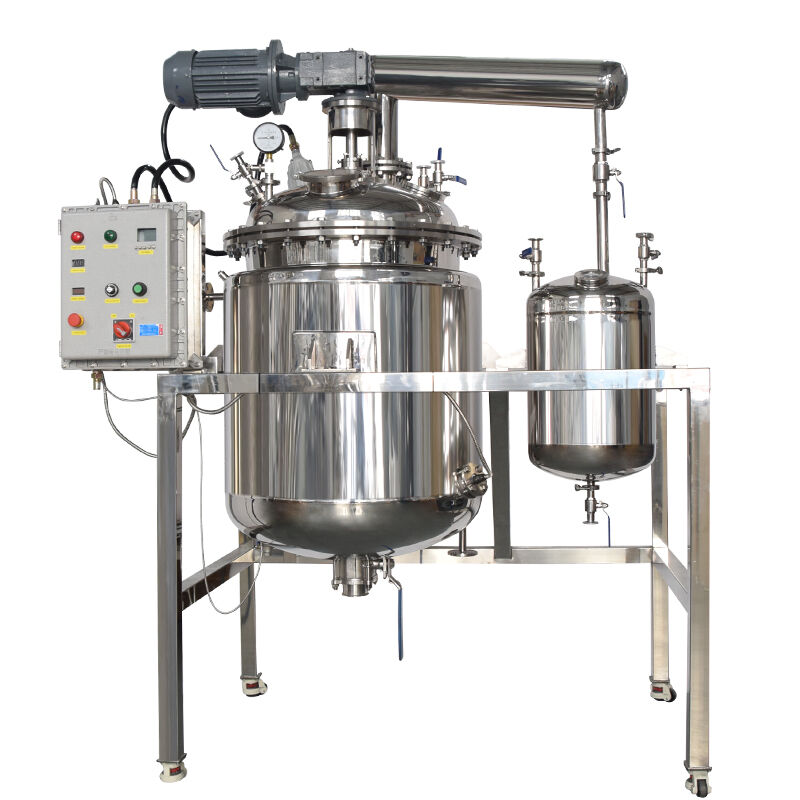
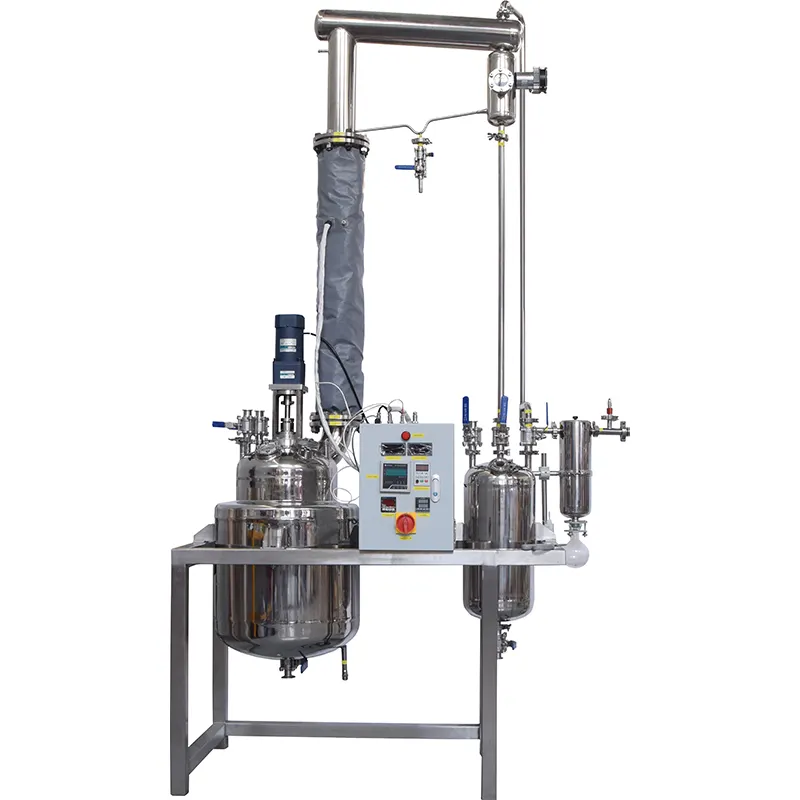
A rectification reactor represents a sophisticated industrial apparatus that combines separation and reaction processes within a single integrated unit. This innovative equipment simultaneously conducts chemical reactions while separating products and reactants through distillation principles, creating an efficient and cost-effective solution for various industrial applications. The rectification reactor operates by utilizing the differences in boiling points between chemical components, allowing for continuous separation of desired products while maintaining optimal reaction conditions. The primary function of this advanced system involves facilitating chemical transformations while immediately removing products from the reaction zone, preventing unwanted side reactions and improving overall yield. The technological architecture incorporates structured packing or trays that provide extensive surface area for both mass transfer and catalytic reactions. Temperature and pressure controls ensure precise operating conditions throughout the column height, enabling selective reactions at different stages of the process. The rectification reactor design typically features multiple feed points, allowing for strategic introduction of reactants at optimal locations within the column. Advanced control systems monitor key parameters including temperature profiles, pressure differentials, and composition changes, ensuring consistent product quality and operational efficiency. Heat integration capabilities recover energy from exothermic reactions, reducing overall energy consumption and improving process economics. The equipment commonly serves petrochemical refineries, pharmaceutical manufacturing, fine chemical production, and specialty chemical synthesis operations. Applications range from esterification reactions producing biodiesel and pharmaceutical intermediates to complex organic synthesis requiring precise separation of isomers or homologous compounds. The versatility of rectification reactor technology makes it valuable for processes involving equilibrium-limited reactions, where continuous product removal drives reactions toward completion. Modern installations incorporate advanced materials resistant to corrosion and high temperatures, ensuring reliable long-term operation. Safety systems include emergency shutdown capabilities, pressure relief mechanisms, and automated monitoring systems that prevent hazardous operating conditions while maintaining optimal performance standards.
 EN
EN