Advanced Pilot Plant Glass Reactor Systems - Superior Chemical Processing Equipment

Get a Free Quote

Our representative will contact you soon.
Email
Name
Contact Number
Company Name
Message
0/1000

pilot plant glass reactor

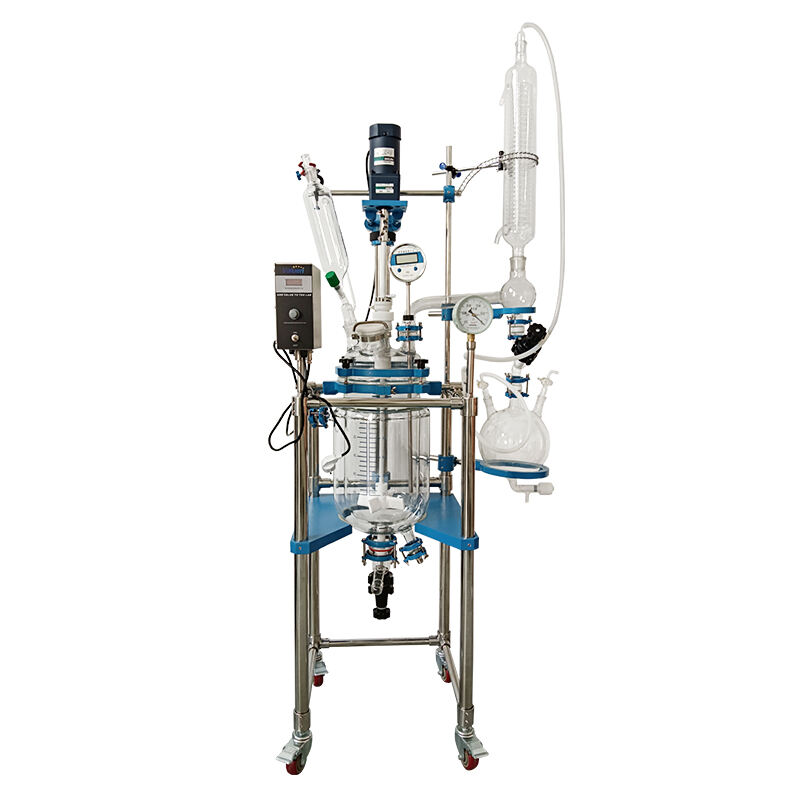
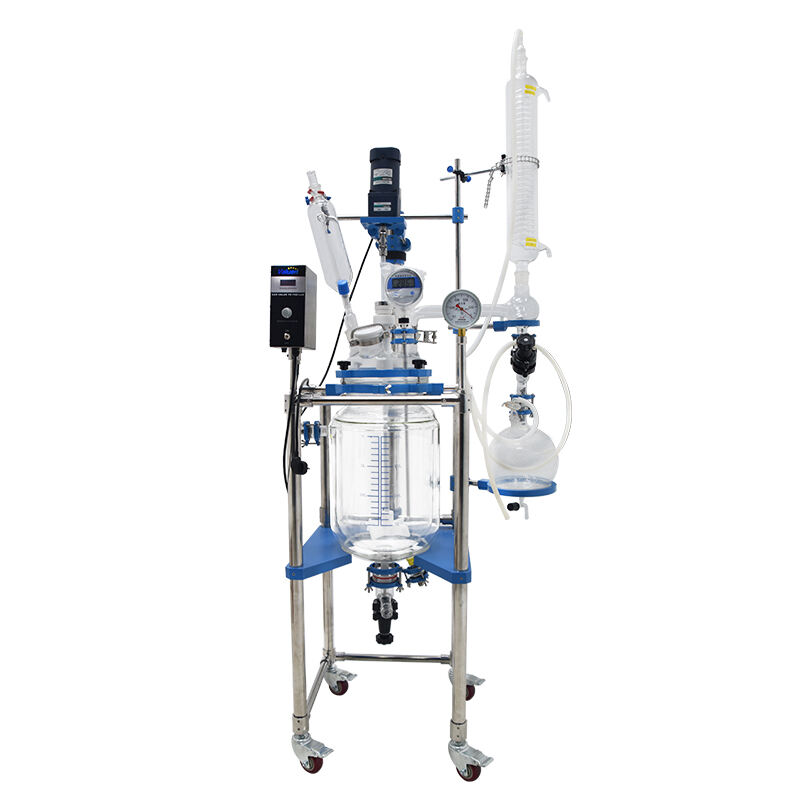
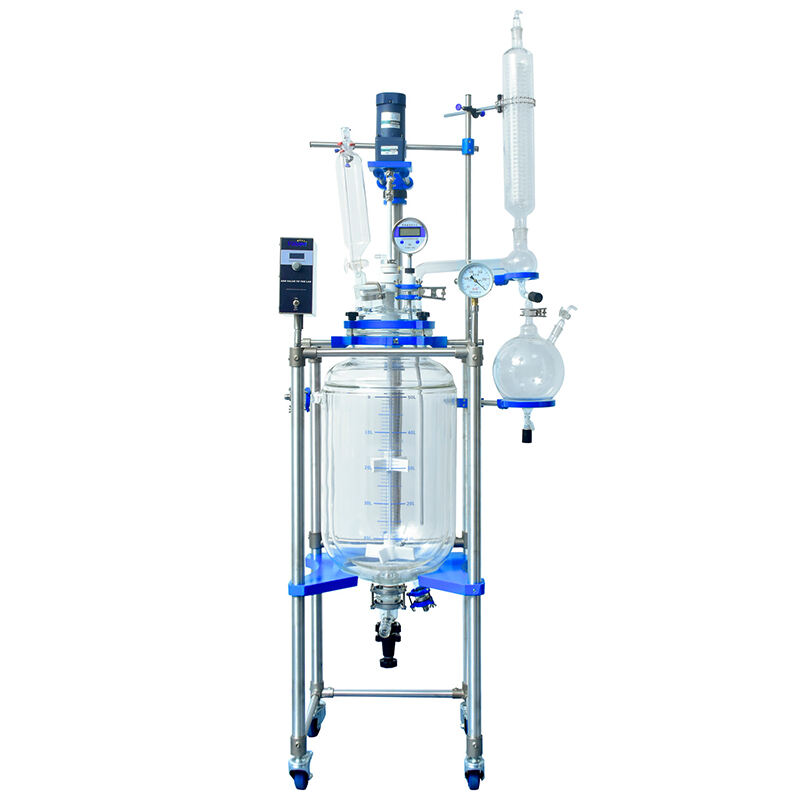
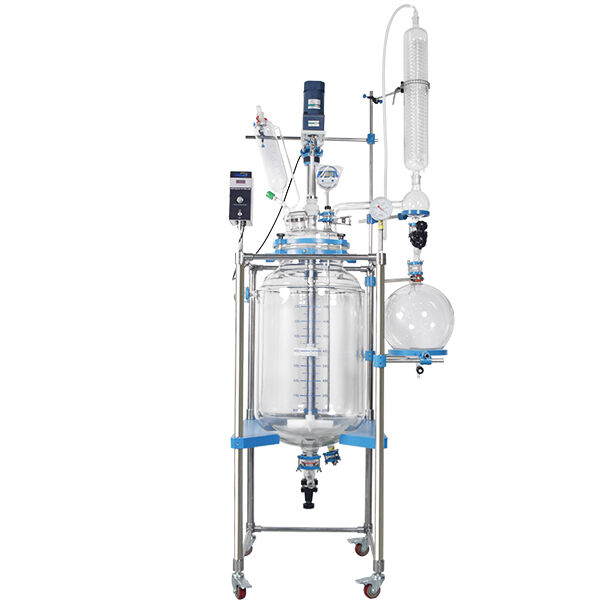
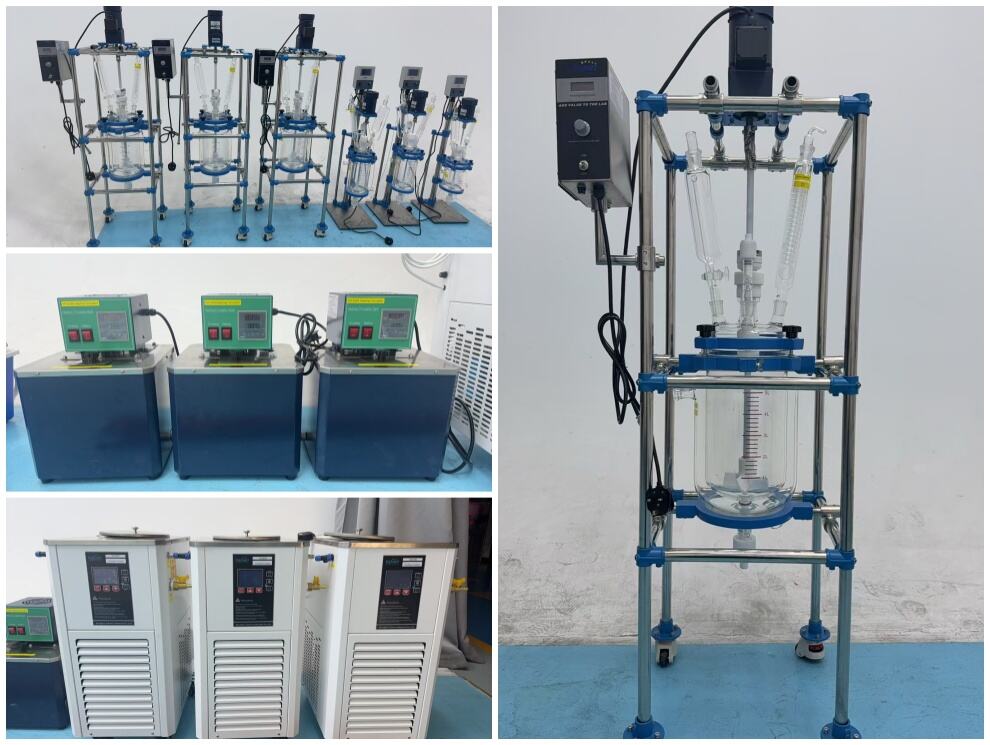
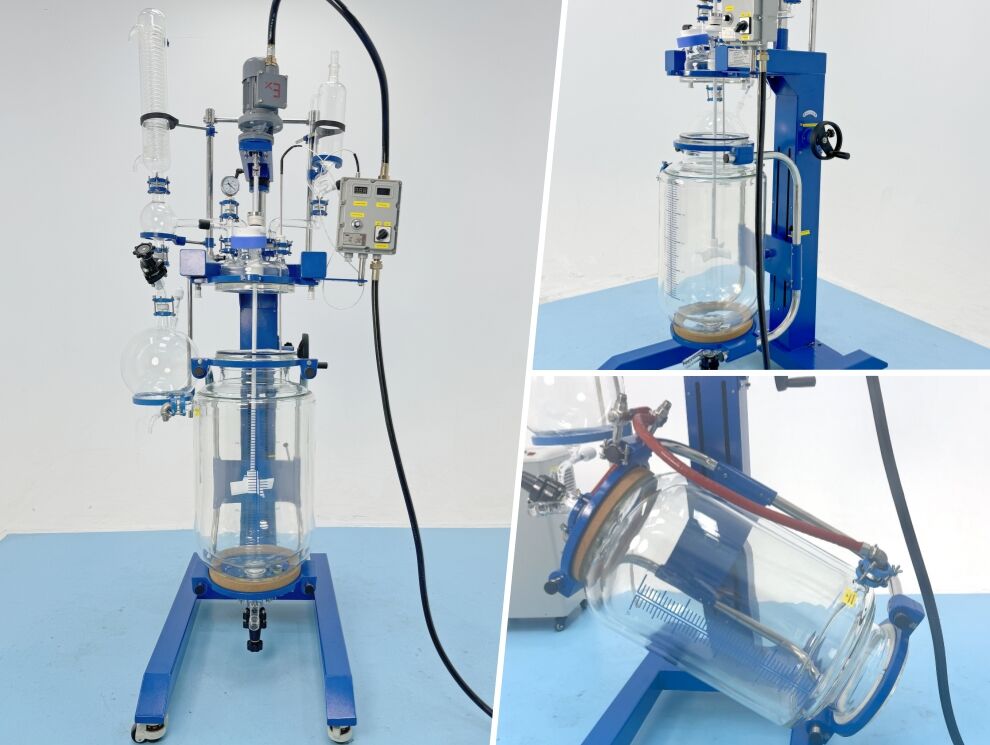
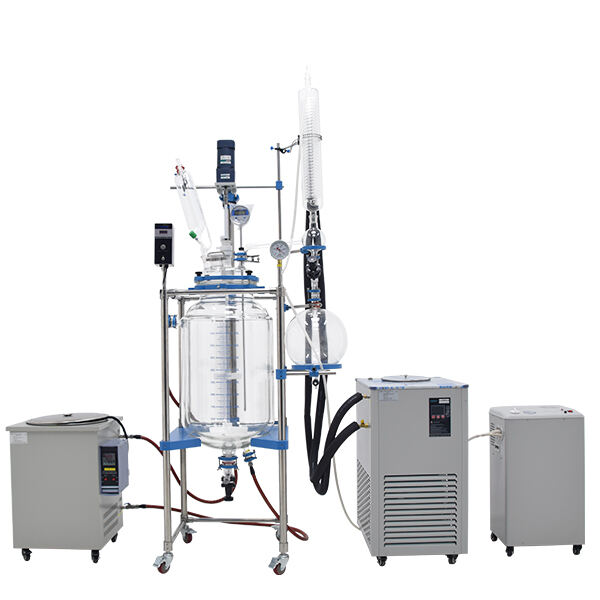
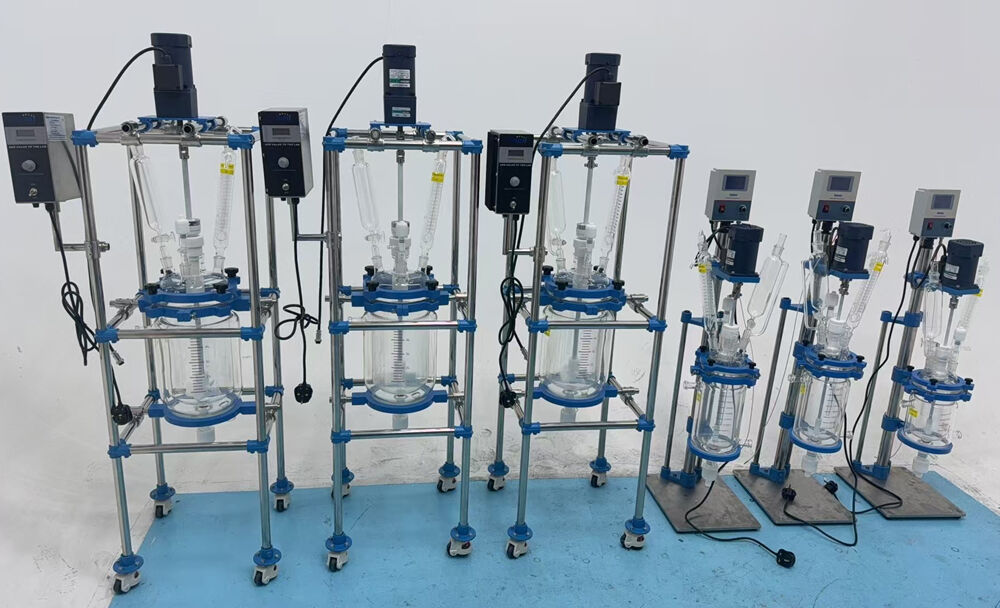
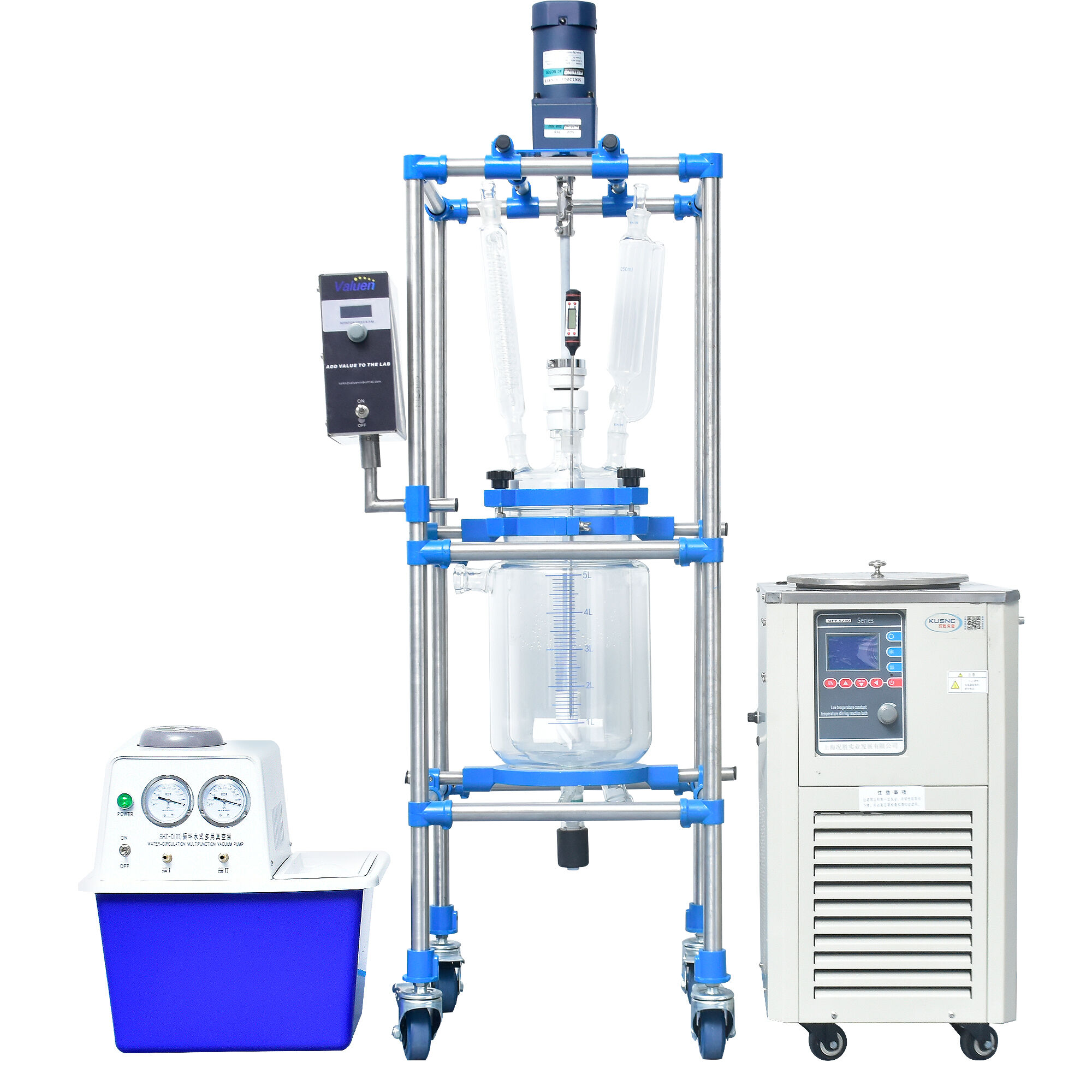
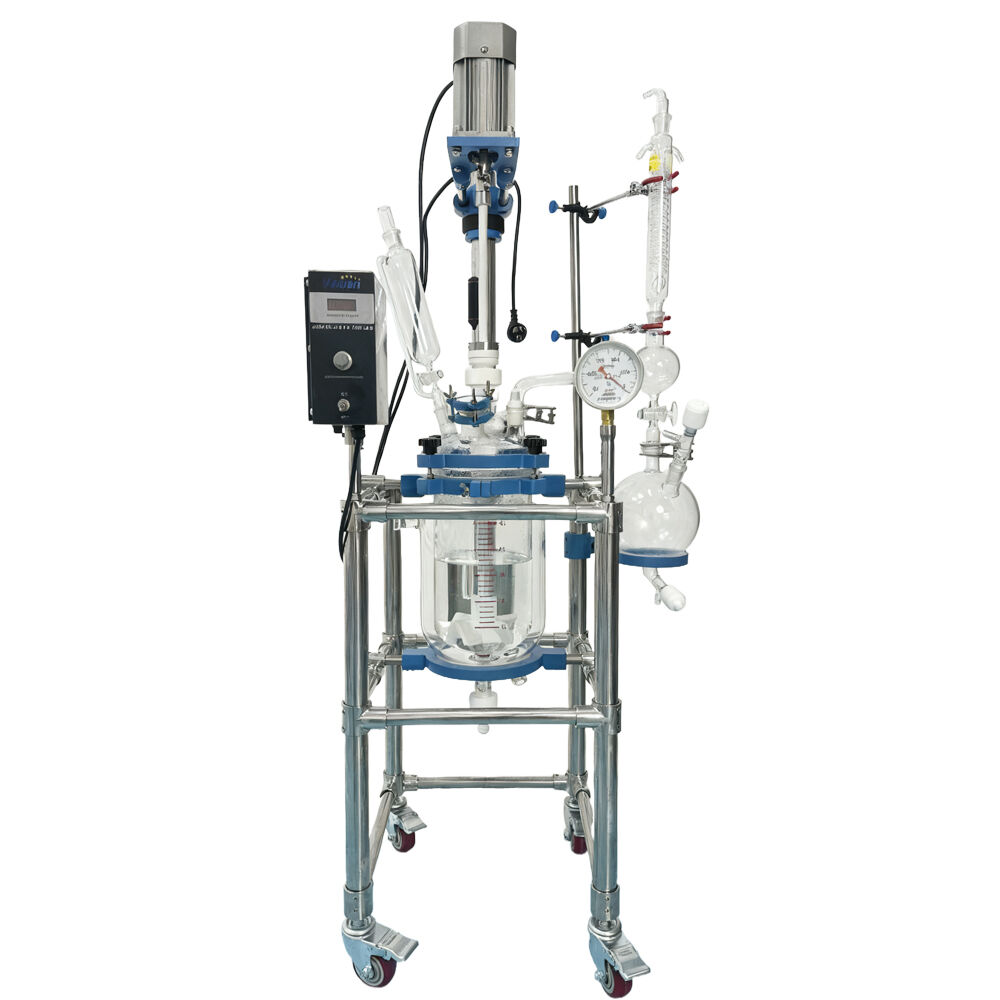
The pilot plant glass reactor represents a sophisticated laboratory instrument designed for chemical research, process development, and scale-up operations. This versatile equipment serves as an essential bridge between laboratory-scale experimentation and full-scale industrial production. The pilot plant glass reactor combines durability with transparency, enabling researchers to observe reactions in real-time while maintaining precise control over experimental parameters. Modern pilot plant glass reactor systems feature borosilicate glass construction that withstands temperature fluctuations and chemical corrosion. The reactor vessel typically ranges from 1 to 50 liters in capacity, making it ideal for intermediate-scale testing and optimization procedures. Advanced stirring mechanisms ensure uniform mixing and heat distribution throughout the reaction medium. Temperature control systems maintain precise thermal conditions through integrated heating mantles and cooling coils. The pilot plant glass reactor incorporates multiple ports for sampling, addition of reagents, and installation of monitoring probes. Pressure regulation capabilities allow for both vacuum and pressurized operations depending on specific process requirements. Digital control interfaces provide automated monitoring and data logging functions that enhance reproducibility and documentation. Safety features include pressure relief valves, emergency shutdown systems, and protective enclosures. The modular design of the pilot plant glass reactor enables customization for diverse applications including pharmaceutical synthesis, polymer production, catalyst testing, and biochemical processes. Reflux condensers and distillation columns can be easily integrated to expand operational capabilities. The transparent glass construction facilitates visual monitoring of color changes, precipitation, and phase separations during reactions. This pilot plant glass reactor technology supports efficient process optimization before committing to expensive full-scale manufacturing investments.

New Products

The pilot plant glass reactor offers numerous practical benefits that directly impact research efficiency and cost-effectiveness. First, the transparent borosilicate glass construction provides unparalleled visual access to reaction processes, allowing researchers to monitor color changes, precipitation events, and phase separations in real-time. This visual capability eliminates guesswork and enables immediate process adjustments when necessary. The pilot plant glass reactor delivers exceptional chemical resistance, withstanding aggressive acids, bases, and organic solvents without degradation or contamination. This durability ensures consistent results across multiple experiments and extends equipment lifespan significantly. Temperature control precision represents another major advantage, with heating mantles and cooling systems maintaining reaction temperatures within tight tolerances. The pilot plant glass reactor supports temperature ranges from -80°C to 300°C, accommodating diverse reaction requirements. Flexible stirring options include magnetic, overhead, and anchor-type agitators that ensure optimal mixing for different viscosities and reaction types. Multiple ports facilitate easy sampling during reactions without disrupting the process, enabling kinetic studies and quality monitoring. The pilot plant glass reactor provides excellent scalability, allowing researchers to test processes at intermediate volumes before committing to full production scale. This capability reduces risk and optimization time considerably. Modular accessories expand functionality, including reflux condensers, addition funnels, and distillation columns that transform the basic reactor into a complete synthesis platform. Easy disassembly and cleaning procedures minimize downtime between experiments. The pilot plant glass reactor offers superior pressure capabilities, handling both vacuum and positive pressure operations safely. Digital control systems automate temperature, stirring, and timing functions while providing comprehensive data logging capabilities. Cost-effectiveness becomes evident through reduced material waste, faster optimization cycles, and improved process understanding. The pilot plant glass reactor enables efficient process development that translates directly to successful industrial implementation.

Practical Tips

Optimizing Efficiency with Jacketed Stainless Steel Reactors

29

Oct

Optimizing Efficiency with Jacketed Stainless Steel Reactors

Understanding Jacketed Stainless Steel Reactors and Their Industrial Role What Are Jacketed Stainless Steel Reactors and Why They Matter in Chemical Processing Jacketed stainless steel reactors basically consist of two walls with space in between fo...
View More
What Makes a Stainless Steel Reactor Ideal for Chemical Processing Industries?

10

Nov

What Makes a Stainless Steel Reactor Ideal for Chemical Processing Industries?

Chemical processing industries demand equipment that delivers exceptional performance, durability, and safety standards. Among the various types of reactors available, the stainless steel reactor has emerged as the preferred choice for countless appl...
View More
What Industries Benefit Most From Advanced Fractional Distillation Systems?

24

Dec

What Industries Benefit Most From Advanced Fractional Distillation Systems?

Industrial separation processes have evolved significantly over the past century, with fractional distillation equipment emerging as one of the most critical technologies for achieving high-purity separations. This sophisticated process leverages dif...
View More
What Are the Key Advantages of a Rotary and Liftable Stainless Steel Reactor?

20

Jan

What Are the Key Advantages of a Rotary and Liftable Stainless Steel Reactor?

Modern industrial processing demands equipment that combines efficiency, versatility, and durability. A rotary and liftable stainless steel reactor represents a significant advancement in chemical processing technology, offering manufacturers the fle...
View More

Get a Free Quote

Our representative will contact you soon.
Email
Name
Contact Number
Company Name
Message
0/1000

pilot plant glass reactor

Advanced Temperature Control and Monitoring Systems

Advanced Temperature Control and Monitoring Systems

The pilot plant glass reactor features sophisticated temperature management capabilities that set it apart from standard laboratory equipment. The integrated heating mantle system provides uniform heat distribution across the entire reactor vessel, eliminating hot spots that could cause product degradation or unsafe conditions. This heating system operates in conjunction with precision temperature sensors that continuously monitor reaction temperatures with accuracy levels of ±0.1°C. The pilot plant glass reactor incorporates both heating and cooling functions through specialized coils and jackets that enable rapid temperature adjustments during critical reaction phases. This dual-temperature capability proves invaluable for exothermic reactions requiring immediate cooling or endothermic processes demanding sustained heating. The control interface allows operators to program complex temperature profiles, including ramp rates, hold periods, and cooling cycles that match specific reaction requirements. Safety interlocks prevent temperature excursions beyond preset limits, automatically shutting down heating elements when dangerous conditions arise. The pilot plant glass reactor temperature system responds quickly to setpoint changes, typically achieving new temperatures within minutes rather than hours. This responsiveness enables researchers to study temperature-sensitive reactions with confidence and precision. Data logging capabilities capture temperature trends throughout entire experimental runs, providing valuable information for process optimization and regulatory documentation. The thermal mass of the pilot plant glass reactor system ensures stable temperatures even during reagent additions or sampling operations. Advanced PID controllers eliminate temperature oscillations that could affect reaction outcomes or product quality. Multiple temperature measurement points throughout the reactor system provide comprehensive thermal monitoring, including jacket temperatures, internal reaction temperatures, and vapor phase temperatures. This multi-point monitoring enables precise control of complex processes such as distillations, crystallizations, and phase separations. The pilot plant glass reactor temperature system integrates seamlessly with other process controls, enabling automated responses to thermal events and coordinated process sequences.
Superior Chemical Compatibility and Corrosion Resistance

Superior Chemical Compatibility and Corrosion Resistance

The pilot plant glass reactor construction utilizes high-grade borosilicate glass that demonstrates exceptional resistance to chemical attack from acids, bases, and organic solvents commonly used in research and development applications. This superior chemical compatibility eliminates concerns about container contamination or material degradation that could compromise experimental results or introduce unwanted side reactions. The borosilicate glass composition withstands thermal shock better than standard glass materials, allowing rapid temperature changes without cracking or failure. The pilot plant glass reactor surface remains chemically inert throughout extended exposure to aggressive chemicals, maintaining consistent reaction conditions across multiple experimental runs. This inertness proves particularly valuable for pharmaceutical research where trace contaminants could affect drug purity or biological activity. The smooth glass interior surface resists fouling and scaling, reducing cleaning requirements and preventing carry-over between different experiments. Unlike metal reactors that may catalyze unwanted reactions or leach ions into solutions, the pilot plant glass reactor maintains chemical neutrality throughout all operations. The non-porous glass surface prevents absorption of reactants or products, ensuring complete material recovery and accurate mass balances. Specialized glass formulations resist alkaline attack better than conventional laboratory glassware, extending service life in basic conditions that rapidly degrade standard materials. The pilot plant glass reactor withstands exposure to hydrofluoric acid and other highly corrosive substances when equipped with appropriate protective coatings or specialized glass types. Visual inspection capabilities allow immediate detection of any surface changes or damage that might affect chemical compatibility. The glass construction enables complete sterilization using steam, chemicals, or radiation without material degradation. Replacement components match original specifications exactly, ensuring consistent performance throughout the reactor lifetime. The pilot plant glass reactor chemical resistance extends to high-temperature applications where metal containers might corrode or react with process streams.
Modular Design and Scalability Benefits

Modular Design and Scalability Benefits

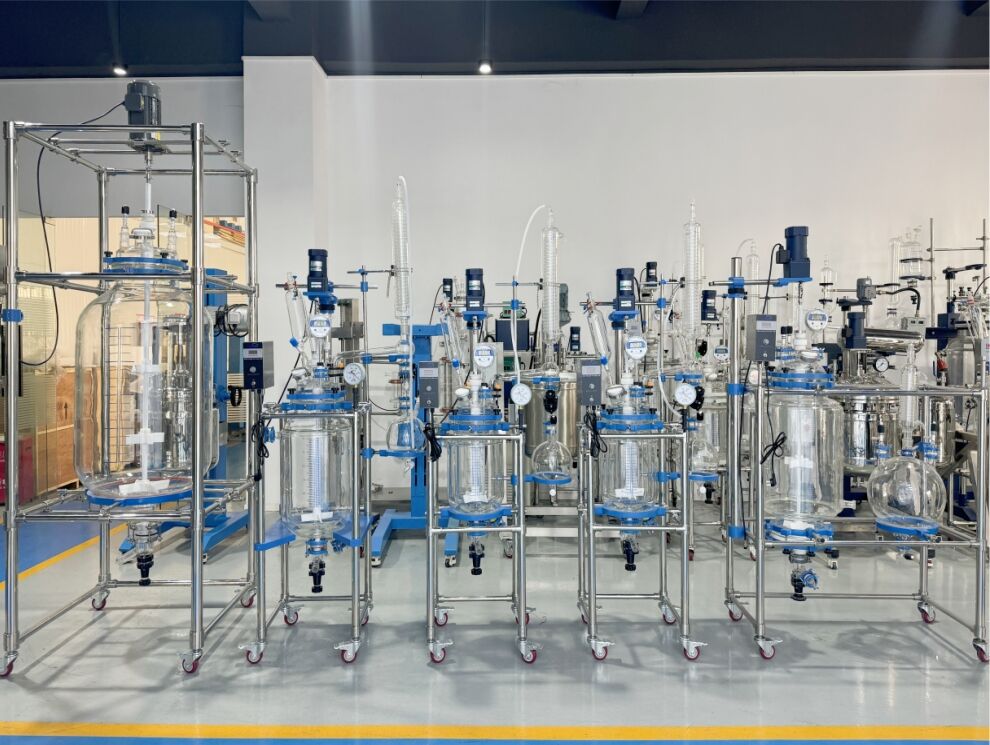
The pilot plant glass reactor features a modular architecture that provides unprecedented flexibility for diverse research applications and easy adaptation to changing experimental requirements. This modular approach allows researchers to configure the system with precisely the components needed for specific processes, avoiding unnecessary complexity while ensuring optimal functionality. The pilot plant glass reactor base unit accepts a wide range of accessories including reflux condensers, distillation columns, addition funnels, and specialized stirring systems that transform basic reactions into complex multi-step processes. Standardized connections and fittings ensure compatibility between different manufacturers' accessories, providing researchers with extensive customization options. The modular design facilitates easy maintenance and component replacement without requiring complete system disassembly or extended downtime. Individual modules can be upgraded or modified as research requirements evolve, protecting equipment investments while expanding capabilities. The pilot plant glass reactor scalability enables direct process translation from laboratory bench-scale to pilot-scale and eventually to full production scale with minimal modification of reaction parameters or procedures. This scalability reduces development time and costs while improving the probability of successful commercial implementation. Interchangeable reactor vessels of different sizes allow optimization of batch quantities for specific experiments while maintaining consistent mixing and heat transfer characteristics. The pilot plant glass reactor modular approach supports parallel processing configurations where multiple smaller reactors operate simultaneously to increase throughput or enable statistical analysis of process variations. Component standardization simplifies training requirements since operators familiar with one configuration can quickly adapt to alternative setups. The modular design accommodates automation integration, allowing researchers to add computer control systems, automated sampling devices, and remote monitoring capabilities as needed. Storage and transportation benefits emerge from the modular approach, with individual components packing efficiently for relocation or temporary installations. The pilot plant glass reactor modularity enables rapid reconfiguration for different research projects, maximizing equipment utilization and return on investment while minimizing space requirements in crowded laboratory environments.

Get a Free Quote

Our representative will contact you soon.
Email
Name
Contact Number
Company Name
Message
0/1000