Jacketed Glass Reactors: Precision Control for Chemical Processes

Get a Free Quote

Our representative will contact you soon.
Email
Name
Contact Number
Company Name
Message
0/1000

glass reactor

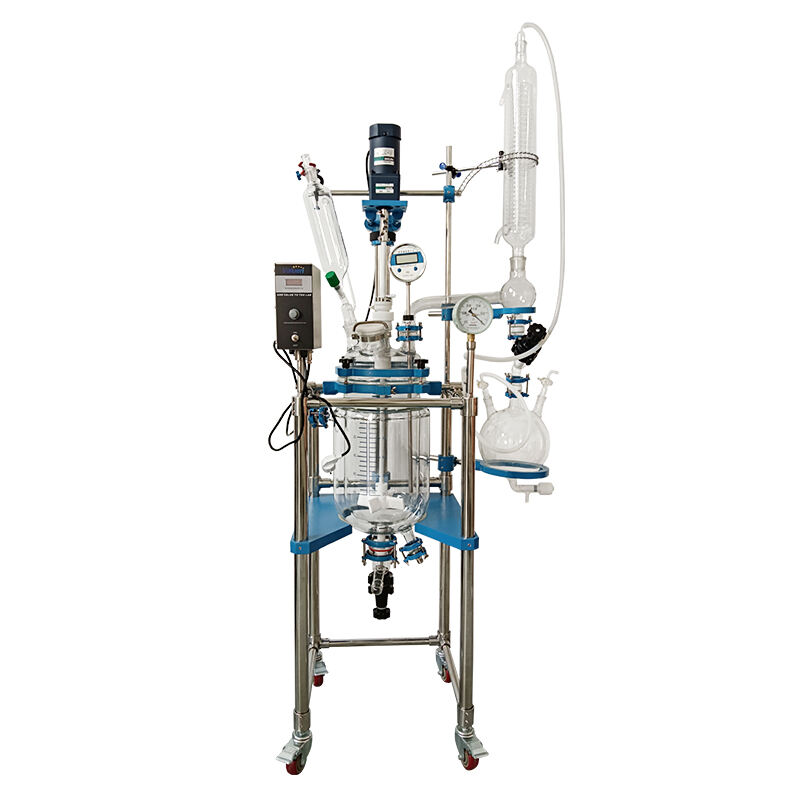
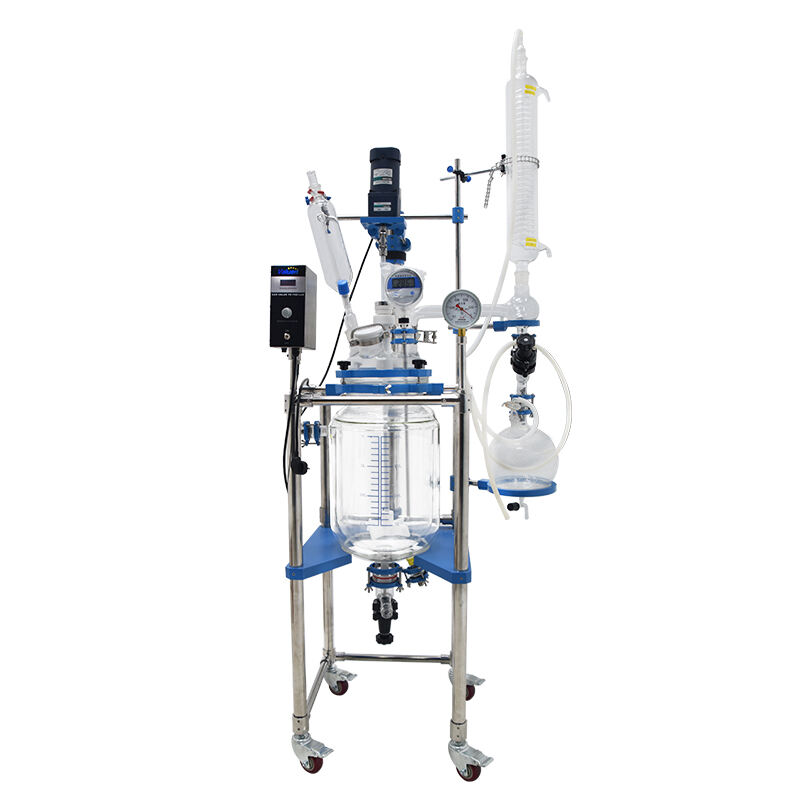
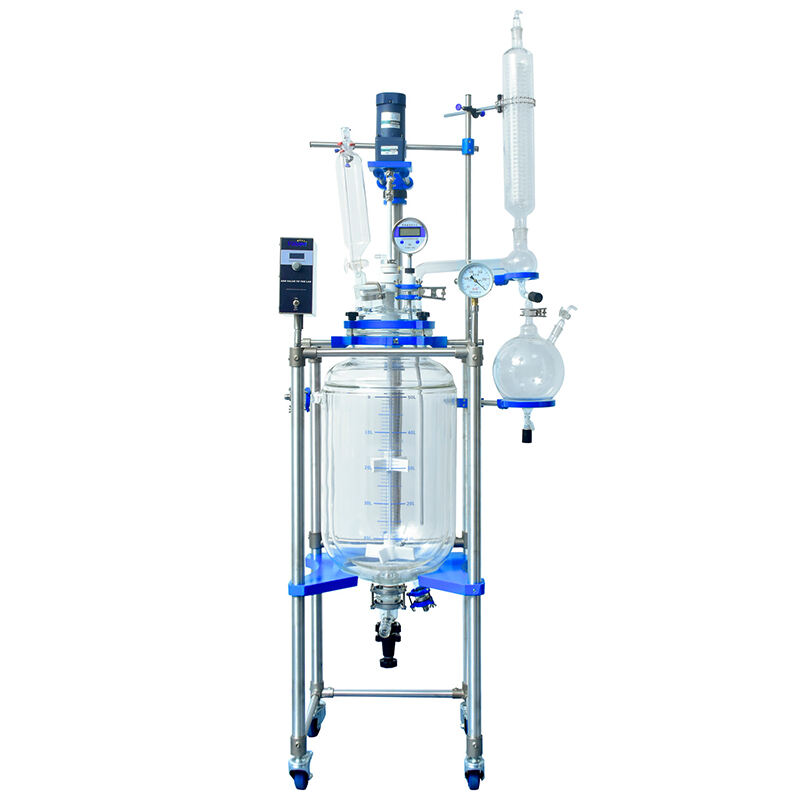
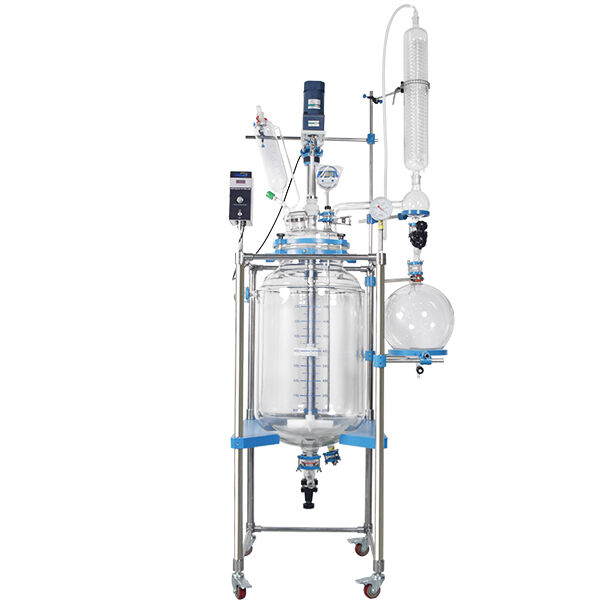
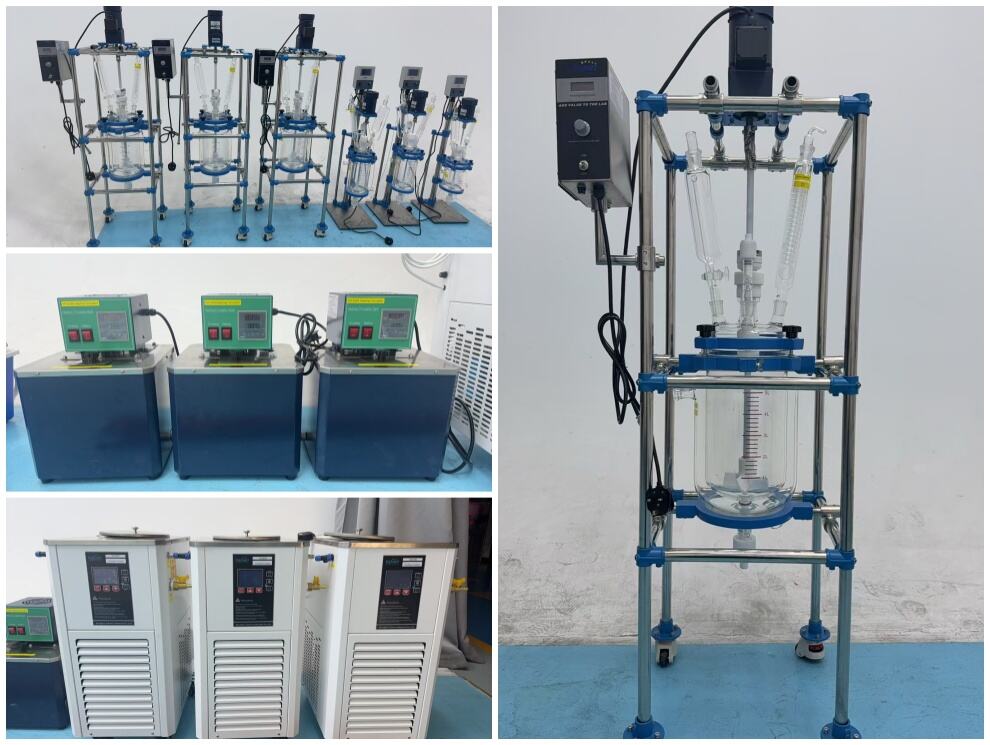
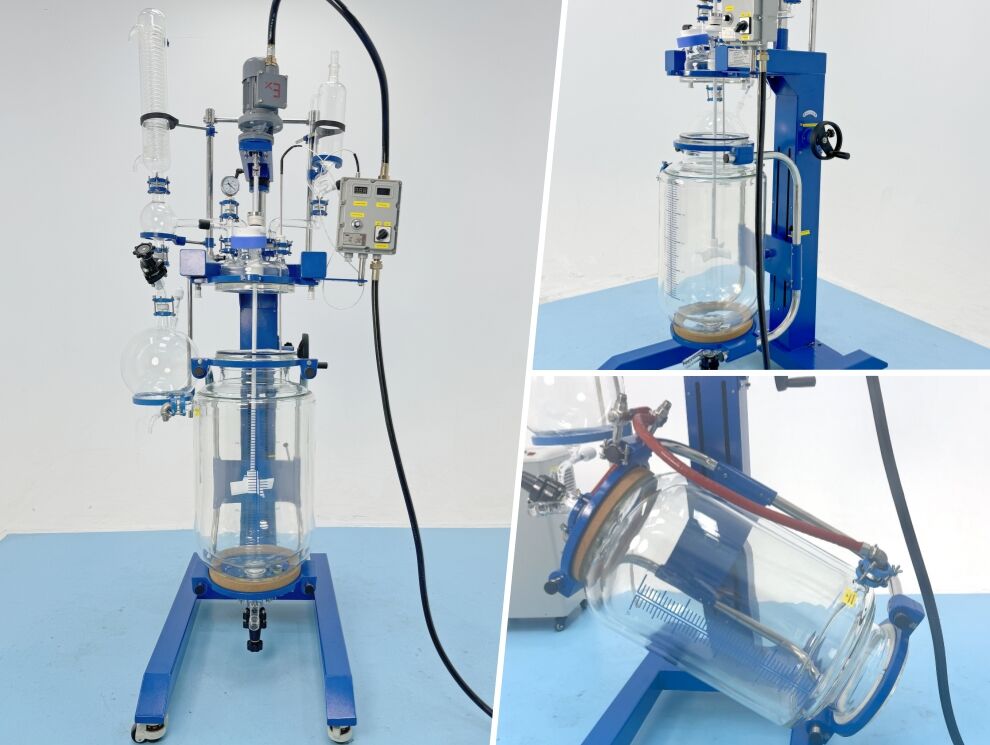
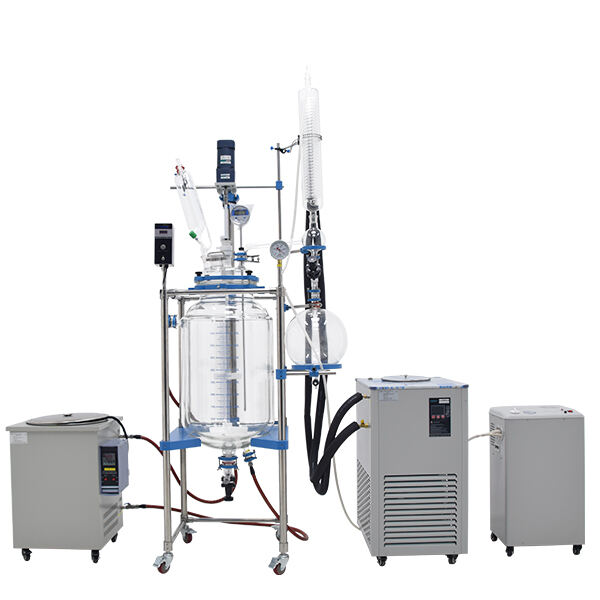
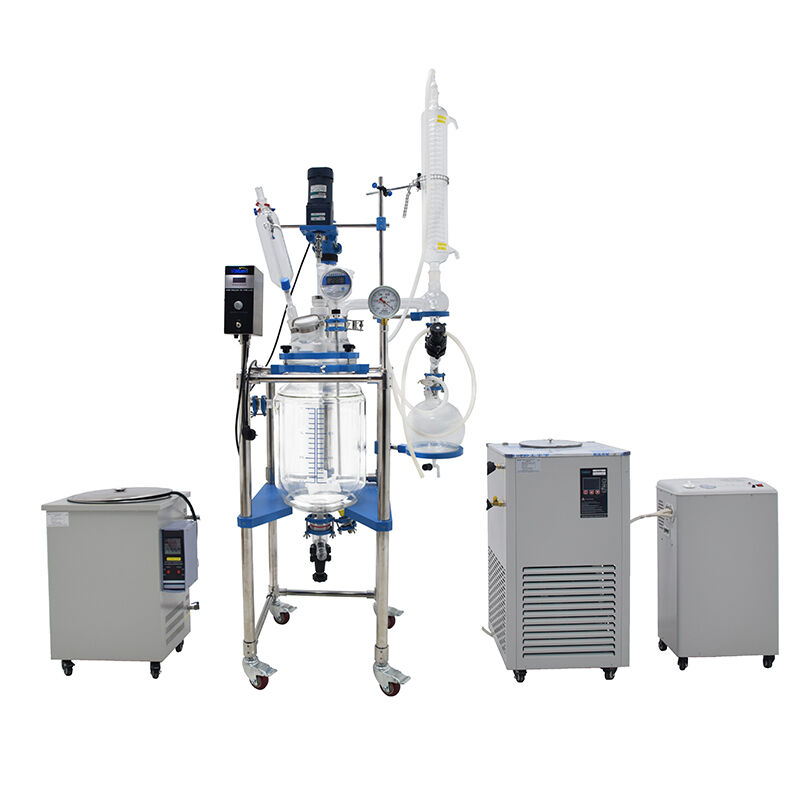
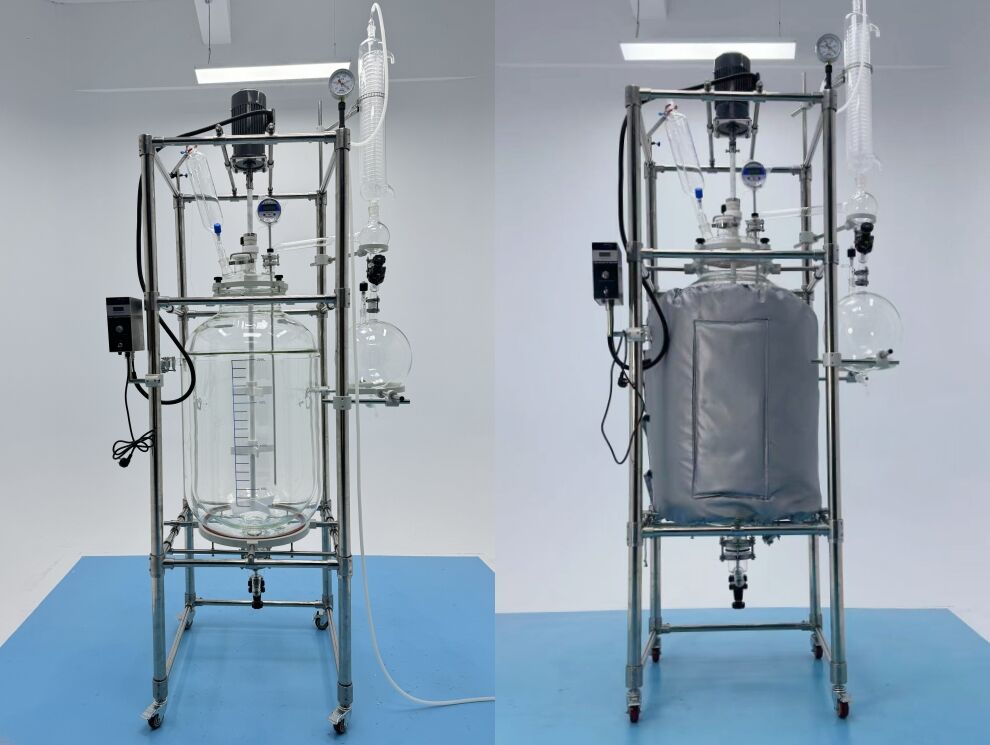
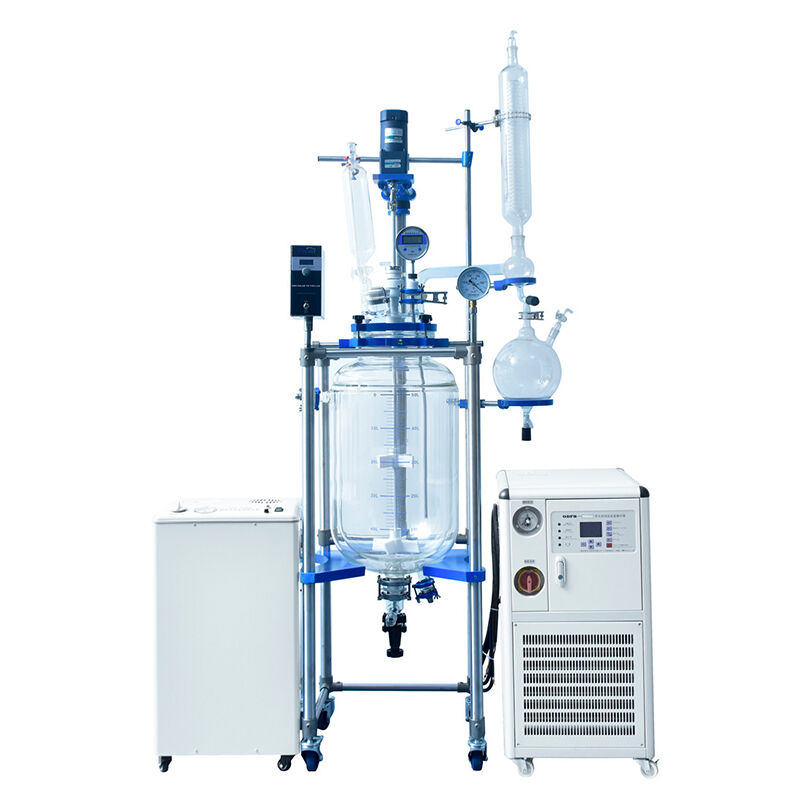
The glass reactor is a state-of-the-art piece of equipment designed for a variety of chemical processes. It is primarily used for reactions that require a controlled environment, such as synthesis, digestion, or extraction. The main functions of the glass reactor include mixing, heating, cooling, and circulation, which are facilitated by its advanced technological features. These features include a jacketed glass vessel that allows for even temperature distribution, a robust stirrer system for efficient mixing, and an array of sensors for precise monitoring. The applications of the glass reactor span across industries such as pharmaceuticals, biochemistry, petrochemicals, and environmental engineering, making it an indispensable tool in research and development as well as in production.

New Products

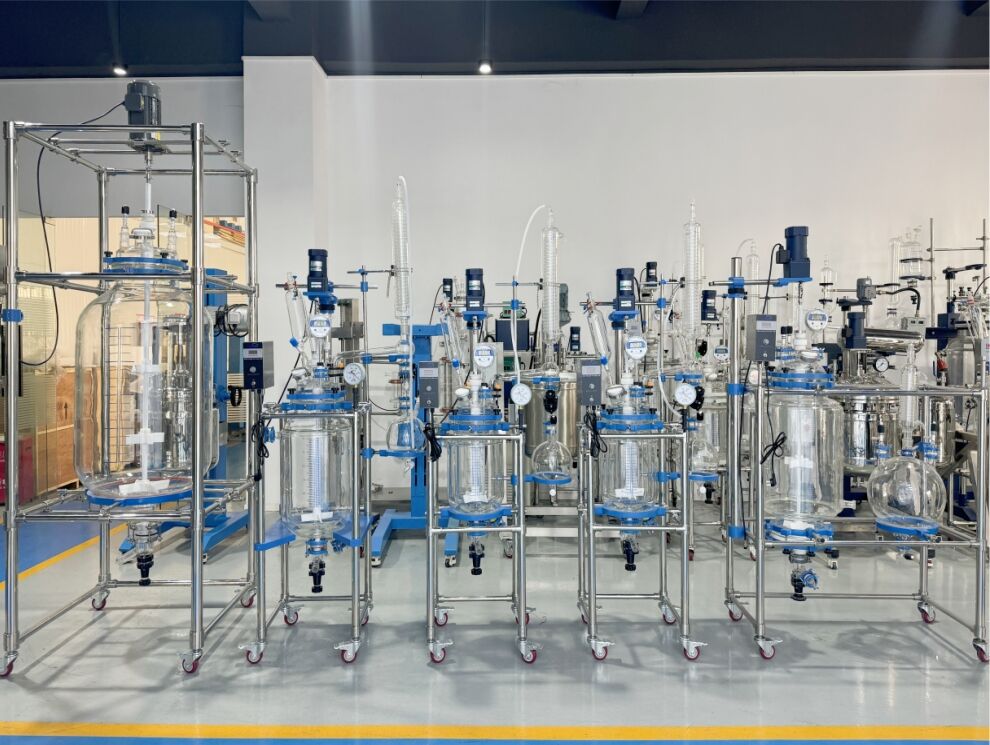
The glass reactor offers several practical benefits that make it a superior choice for many laboratories and industries. Firstly, its transparent design allows operators to visually monitor reactions, ensuring process integrity and enabling real-time adjustments. Secondly, the glass material is inert, which means it does not react with most chemicals, thereby maintaining the purity of the reaction mixture. Thirdly, the reactor is easy to clean and maintain due to its smooth surfaces and modular design, leading to reduced downtime and lower operational costs. Additionally, its compact size and energy-efficient operation make it a cost-effective solution for both small-scale experiments and large-scale production. These advantages combine to enhance productivity, improve safety, and increase the yield of high-quality products.

Latest News

Customizing Stainless Steel Extraction Reactors for Specific Applications

27

Apr

Customizing Stainless Steel Extraction Reactors for Specific Applications

Key Factors Influencing Reactor Customization Process Requirements and Operational Parameters  Knowing what specific requirements a process needs helps get the most out of reactor performance. Things like temperature settings, pressure ...
View More
The Versatility of Rotary and Liftable Jacketed Reactors in Chemical Industries

27

Apr

The Versatility of Rotary and Liftable Jacketed Reactors in Chemical Industries

Fundamentals of Jacketed Reactors in Chemical Processing Anatomy of a Jacketed Reactor System   Jacketed reactor systems consist of multiple parts that work together to manage heat during chemical reactions. Inside sits the ...
View More
Ensuring Efficiency and Safety with Stainless Steel Wiped Film Molecular Distillation

27

Apr

Ensuring Efficiency and Safety with Stainless Steel Wiped Film Molecular Distillation

Introduction to Stainless Steel Wiped Film Molecular DistillationThe Role of Stainless Steel in Modern Distillation The corrosion resistance of stainless steel has made it a go to choice for distillation processes dealing with those tricky volatile c...
View More
Why Invest in High-Quality Stainless Steel Short Path Distillation Equipment?

27

Apr

Why Invest in High-Quality Stainless Steel Short Path Distillation Equipment?

Enhanced Efficiency in Compound Purification Lower Temperature Processing for Sensitive Materials Lower temperature processing plays a key role in keeping sensitive compounds like cannabinoids and essential oils intact and effective. When heat isn't...
View More

Get a Free Quote

Our representative will contact you soon.

glass reactor

Advanced Temperature Control

Advanced Temperature Control

One of the key features of the glass reactor is its advanced temperature control system. The jacketed glass vessel allows for precise regulation of the internal temperature, ensuring that reactions are conducted under optimal conditions. This is crucial for sensitive reactions that are temperature-dependent, as even minor fluctuations can affect the outcome. The ability to maintain a stable temperature enhances the reproducibility of experiments and the quality of the final product, which is of utmost importance in research and manufacturing environments.
Efficient Mixing and Stirring

Efficient Mixing and Stirring

The glass reactor is equipped with a robust stirrer system that ensures efficient mixing and uniform distribution of reactants. This is vital for reactions that require consistent homogeneity to proceed effectively. The stirrer's design allows for variable speeds, accommodating a wide range of viscosities and reaction volumes. Effective mixing not only accelerates reaction rates but also improves yield and selectivity. This feature makes the glass reactor versatile and adaptable to various processes, from simple mixing tasks to complex chemical reactions.
Enhanced Safety and Visibility

Enhanced Safety and Visibility

Safety and visibility are paramount in chemical processes, and the glass reactor excels in both aspects. The transparent glass vessel provides an unobstructed view of the reaction, enabling operators to detect any signs of instability or abnormality early on. This visual monitoring capability significantly reduces the risk of accidents and allows for prompt intervention when necessary. Furthermore, the glass material's resistance to chemical corrosion ensures that the reactor remains safe and effective over an extended period, providing peace of mind and long-term value for the user.