Borosilicate Glass Reactor: Superior Chemical Processing Equipment for Laboratory Applications

Get a Free Quote

Our representative will contact you soon.
Email
Name
Contact Number
Company Name
Message
0/1000

borosilicate glass reactor

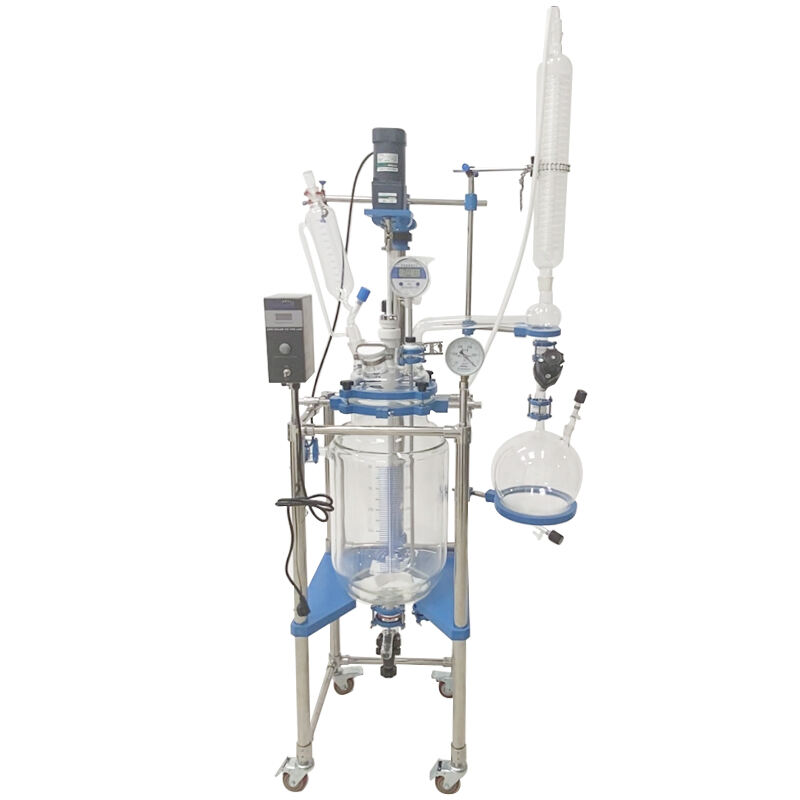
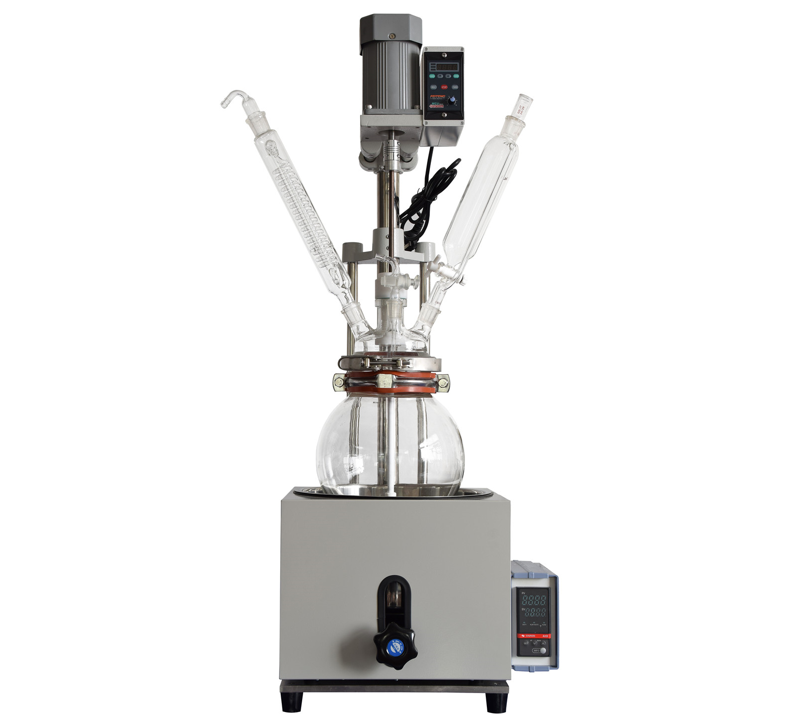
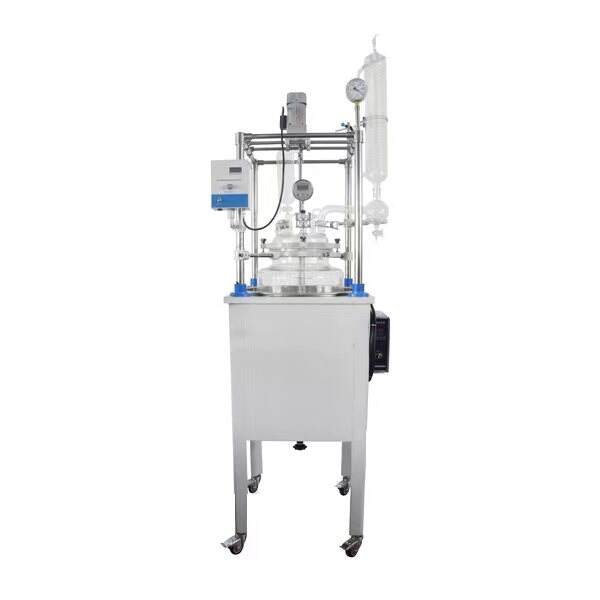
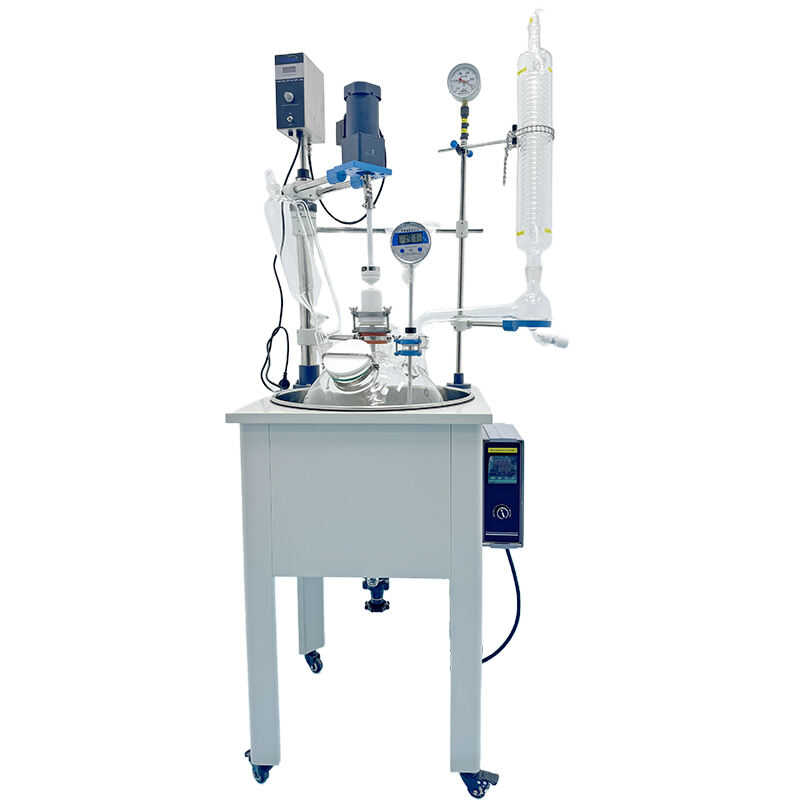
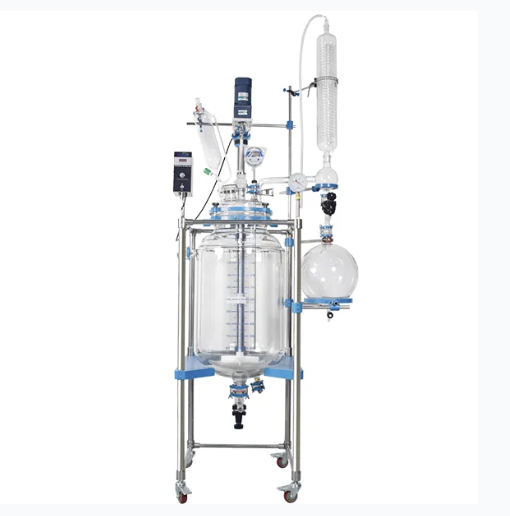
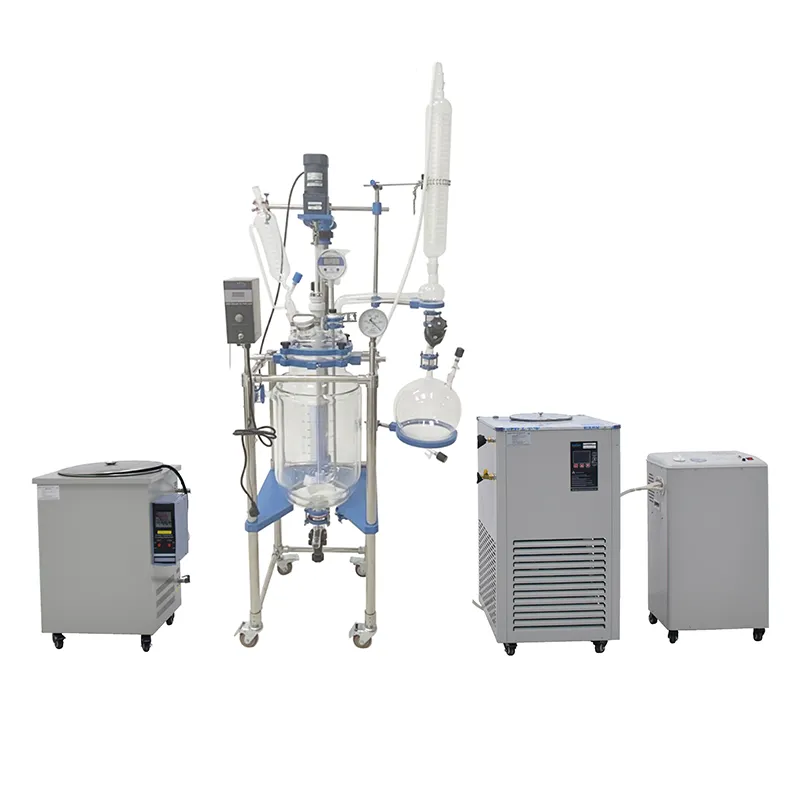
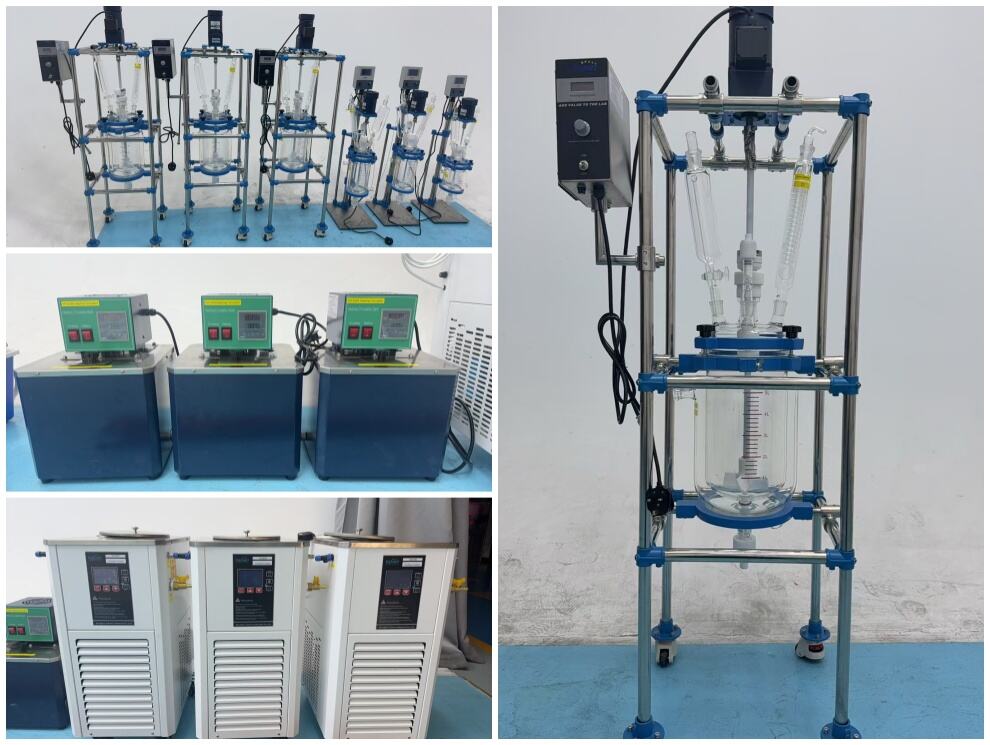
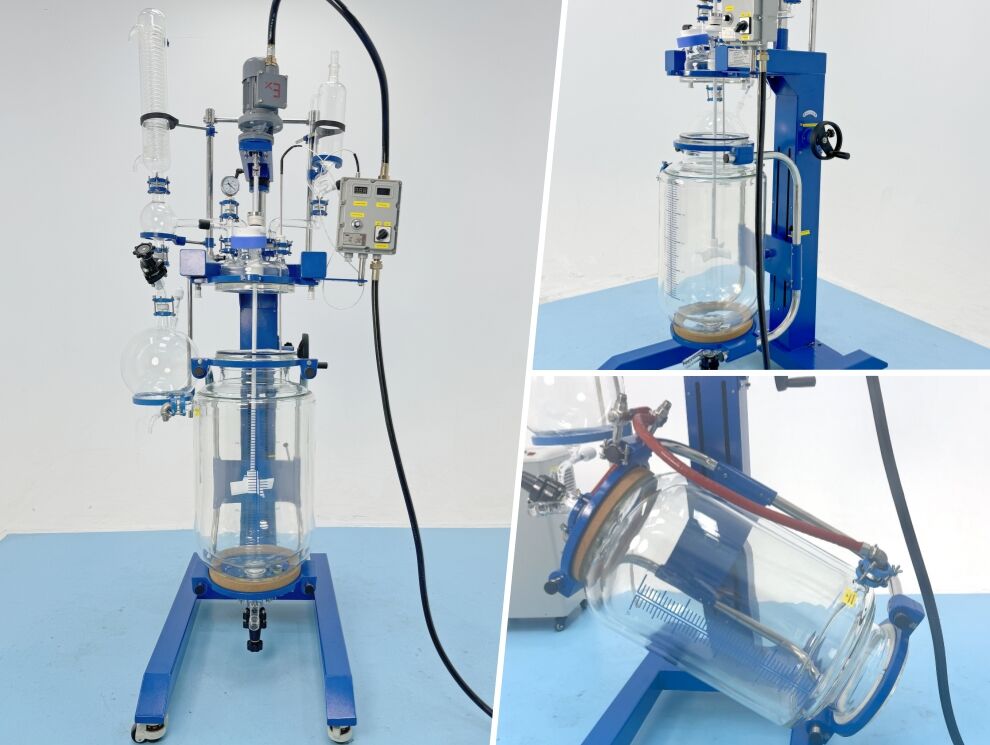
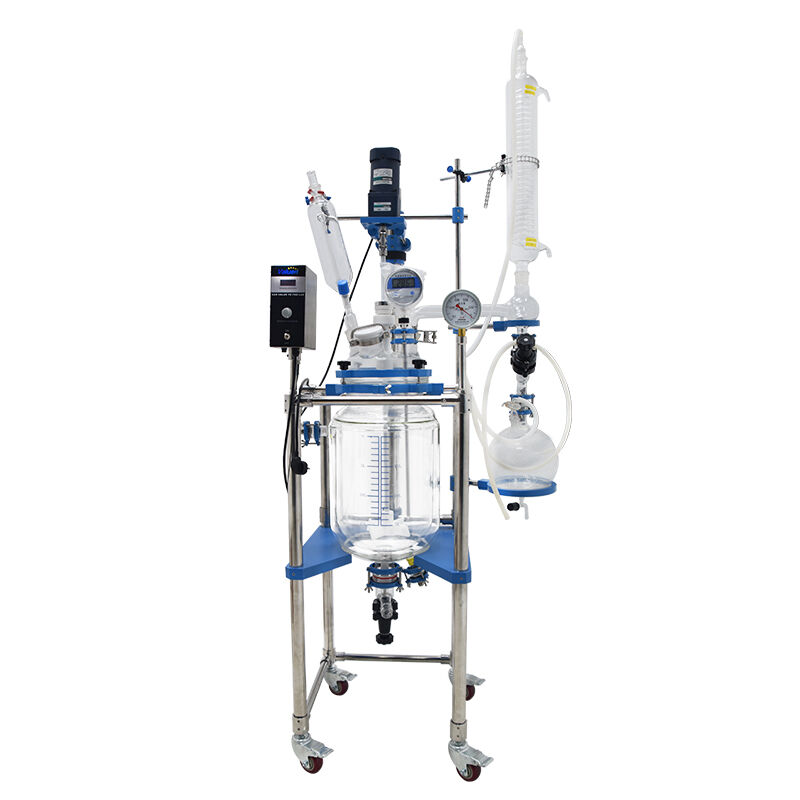
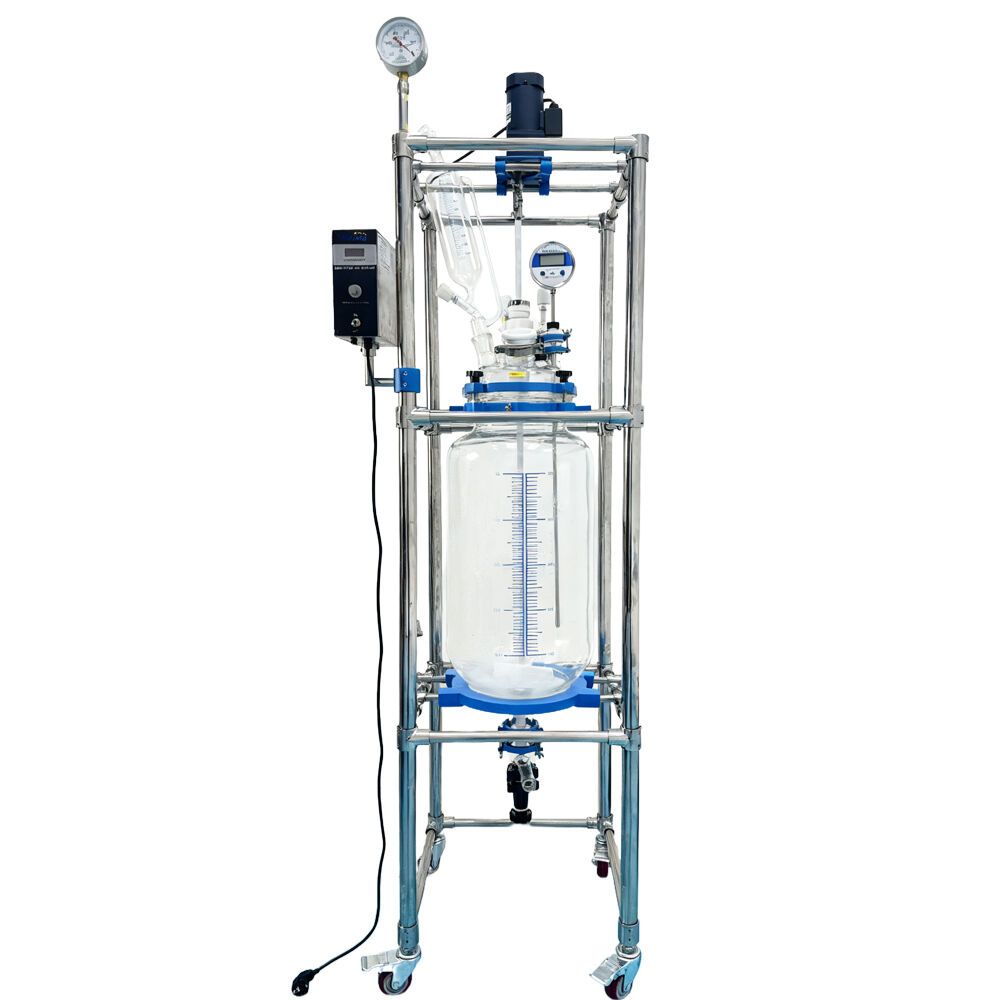
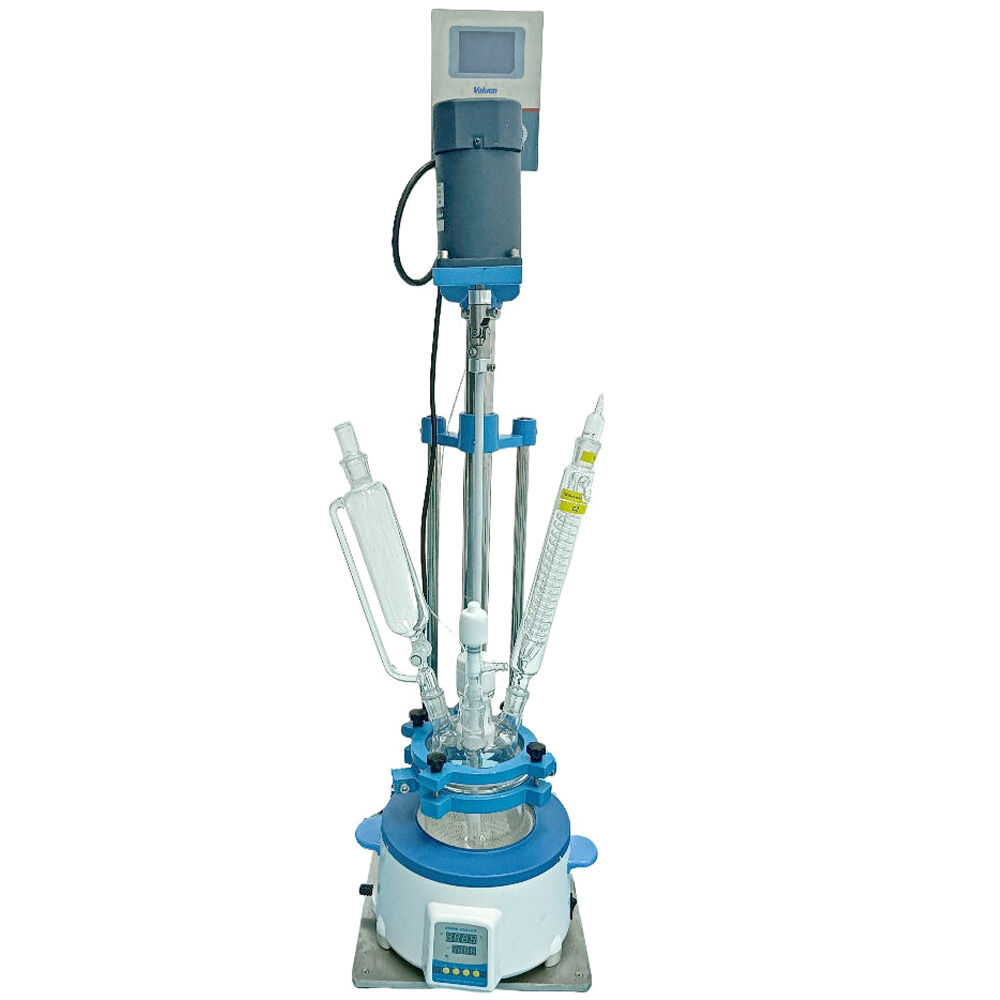
The borosilicate glass reactor stands as a cornerstone piece of laboratory equipment, engineered specifically for chemical synthesis, crystallization, distillation, and various reaction processes that require exceptional thermal and chemical resistance. This sophisticated vessel combines the transparency of traditional glass with enhanced durability, making it an indispensable tool for research institutions, pharmaceutical companies, and industrial facilities worldwide. The borosilicate glass reactor features a unique composition that includes boron trioxide, which significantly reduces the coefficient of thermal expansion compared to ordinary glass materials. This fundamental characteristic allows the reactor to withstand dramatic temperature fluctuations without cracking or structural failure. The main functions of a borosilicate glass reactor encompass heating, cooling, mixing, and monitoring chemical reactions under controlled conditions. Its transparent walls provide researchers with real-time visual access to observe reaction progress, color changes, precipitation formation, and other critical indicators that guide experimental procedures. The reactor typically includes multiple ports for introducing reactants, installing temperature probes, adding catalysts, and connecting vacuum or inert gas lines. Technologically, the borosilicate glass reactor incorporates advanced features such as precision-ground joints that ensure airtight seals, specialized coatings that enhance chemical resistance, and modular designs that accommodate various accessories like reflux condensers, stirring mechanisms, and heating mantles. The smooth interior surface minimizes contamination risks and facilitates thorough cleaning between experiments. Many models feature jacketed designs that enable precise temperature control through circulating heating or cooling fluids. Applications span across pharmaceutical research for drug synthesis, petrochemical industry for catalyst testing, academic laboratories for educational demonstrations, and quality control facilities for analytical procedures. The versatility of the borosilicate glass reactor makes it suitable for both small-scale research and pilot plant operations, accommodating volumes ranging from milliliters to several liters depending on specific requirements and experimental scope.

New Product Releases

The borosilicate glass reactor delivers numerous practical benefits that directly impact laboratory efficiency and experimental success rates. First and foremost, the superior thermal shock resistance allows researchers to transition rapidly between hot and cold conditions without equipment failure, eliminating costly delays and replacement expenses. This durability translates to extended equipment lifespan, providing exceptional return on investment for laboratories operating under tight budget constraints. The chemical inertness of borosilicate glass prevents unwanted reactions between the vessel material and experimental compounds, ensuring accurate results and eliminating contamination concerns that could compromise research integrity. This characteristic proves especially valuable when working with aggressive acids, bases, or organic solvents that would corrode metal alternatives. The transparency factor cannot be overstated in its importance for reaction monitoring. Researchers can observe precipitation formation, color changes, gas evolution, and phase separations in real-time, enabling immediate adjustments to reaction parameters such as temperature, stirring speed, or reagent addition rates. This visual access reduces the need for sampling during reactions, minimizing material loss and maintaining reaction purity. The smooth, non-porous surface of the borosilicate glass reactor facilitates effortless cleaning and sterilization procedures. Unlike porous materials that can harbor residual compounds, the glass surface allows complete removal of previous reaction materials, preventing cross-contamination between experiments and ensuring reproducible results. Maintenance requirements remain minimal compared to metal reactors that may require special cleaning agents or surface treatments. The modular design philosophy of most borosilicate glass reactors enables users to customize configurations based on specific experimental needs. Standard ground glass joints allow easy integration of various accessories including stirring assemblies, reflux condensers, addition funnels, and sampling ports. This flexibility eliminates the need for multiple specialized vessels, reducing storage requirements and equipment costs. Temperature control accuracy improves significantly with jacketed borosilicate glass reactor models. The uniform heat distribution through circulating fluids ensures consistent reaction temperatures throughout the vessel contents, leading to improved yield and product quality. The ability to maintain precise temperature control proves crucial for temperature-sensitive reactions, polymerizations, and crystallization processes where small temperature variations can dramatically affect outcomes.

Latest News

The Versatility of Jacketed Glass Reactors in Various Industries

11

Apr

The Versatility of Jacketed Glass Reactors in Various Industries

Key Components and Design Features of Jacketed Glass Reactors Borosilicate Glass vs. Stainless Steel Construction What jacketed reactors are made from really affects how they work and what jobs they can handle. Borosilicate glass stands out because ...
View More
The Versatility of Jacketed Glass Reactors in Various Industries

11

Apr

The Versatility of Jacketed Glass Reactors in Various Industries

Chemical Resistance and Material Compatibility Corrosion Resistance of Glass-Lined Reactors in Aggressive Chemical Environments Glass jacketed reactors come with borosilicate glass coatings that stop about 90-95% of chemical breakdown when exposed ...
View More
Jacketed Glass Reactors: The Ultimate Corrosion Resistance Solution

16

Apr

Jacketed Glass Reactors: The Ultimate Corrosion Resistance Solution

Why Borosilicate Glass Makes Jacketed Glass Reactors Ideal for Corrosion Resistance The Role of Borosilicate Glass in Enhancing Corrosion Resistance of Glass Reactors Borosilicate glass is made from a mix of silica sand, boric oxide, and various al...
View More
Unlocking the Power of Jacketed Glass Reactors in Chemical Processing

16

Apr

Unlocking the Power of Jacketed Glass Reactors in Chemical Processing

How Jacketed Glass Reactors Work: Design, Components, and Functionality Definition and Core Components of Jacketed Glass Reactors Jacketed glass reactors are specialized systems featuring a primary reaction vessel encased in an outer thermal-regula...
View More

Get a Free Quote

Our representative will contact you soon.
Email
Name
Contact Number
Company Name
Message
0/1000

borosilicate glass reactor

Exceptional Thermal and Chemical Resistance Performance

Exceptional Thermal and Chemical Resistance Performance

The borosilicate glass reactor demonstrates unparalleled resistance to thermal shock and chemical attack, making it the preferred choice for demanding laboratory applications where equipment reliability cannot be compromised. The unique borosilicate composition contains approximately thirteen percent boron oxide, which fundamentally alters the glass structure to create a material with exceptionally low thermal expansion coefficients. This engineering achievement means the reactor can withstand temperature differentials exceeding 200 degrees Celsius without experiencing stress fractures or structural failure that would render the equipment unusable. Unlike conventional soda-lime glass that becomes brittle and prone to cracking under thermal stress, the borosilicate glass reactor maintains structural integrity even when subjected to rapid heating and cooling cycles typical in synthetic chemistry procedures. The chemical resistance properties extend across an impressive range of corrosive substances including hydrofluoric acid, strong alkalis, organic solvents, and oxidizing agents that would quickly deteriorate alternative materials such as stainless steel or plastic components. This comprehensive resistance profile eliminates concerns about container material interfering with reaction chemistry or contributing unwanted ions that could catalyze side reactions or contaminate final products. Laboratories benefit from reduced equipment replacement costs and minimized experimental downtime associated with vessel failure. The durability advantage becomes particularly apparent in high-throughput environments where reactors undergo frequent use cycles and exposure to diverse chemical environments. Research facilities report operational lifespans exceeding ten years for properly maintained borosilicate glass reactors, compared to significantly shorter replacement intervals required for alternative materials. The resistance characteristics also extend to cleaning and sterilization procedures, allowing use of aggressive cleaning agents and high-temperature sanitization methods without compromising vessel integrity. This capability proves essential in pharmaceutical and biotechnology applications where stringent cleanliness standards must be maintained between production batches. The thermal properties enable direct flame heating when required, providing flexibility in heating methods and eliminating dependency on specialized heating equipment for certain applications.
Superior Visual Monitoring and Real-Time Process Control

Superior Visual Monitoring and Real-Time Process Control

The crystal-clear transparency of the borosilicate glass reactor provides researchers with unprecedented visual access to reaction processes, enabling real-time monitoring and immediate response to changing conditions that can mean the difference between experimental success and failure. This transparency advantage extends far beyond simple observation, offering practical benefits that directly impact research efficiency and result quality. Scientists can monitor precipitation formation as it occurs, observing crystal size, morphology, and growth rates that indicate optimal harvesting times for maximum yield and purity. Color changes that signal reaction completion, intermediate formation, or potential side reactions become immediately apparent, allowing researchers to make informed decisions about reaction timing and parameter adjustments without interrupting the process through sampling. Gas evolution patterns, foaming behavior, and phase separation phenomena are clearly visible, providing valuable information about reaction mechanisms and kinetics that would be impossible to obtain with opaque reaction vessels. The visual monitoring capability proves especially valuable during scale-up procedures where reaction behavior may differ from small-scale preliminary studies. Researchers can identify potential issues such as inadequate mixing, hot spot formation, or unexpected phase behavior before they impact final product quality or yield. This early detection capability prevents costly batch failures and reduces material waste associated with unsuccessful experiments. The transparency also facilitates educational applications where students and trainees can observe chemical principles in action, enhancing learning through direct visualization of theoretical concepts. Safety benefits emerge from the ability to visually assess reaction vigor and identify potentially dangerous conditions such as rapid gas evolution or uncontrolled temperature increases that might not be immediately apparent through instrument monitoring alone. Documentation and record-keeping improve significantly when reaction progress can be photographed or video recorded through the clear vessel walls, providing permanent records for regulatory compliance, patent applications, or publication purposes. The visual access eliminates guesswork in determining optimal reaction endpoints, leading to more consistent results and improved reproducibility across multiple experimental runs. Quality control applications benefit from the ability to assess product appearance and homogeneity without opening the vessel and risking contamination or sample loss.
Versatile Modular Design for Maximum Laboratory Efficiency

Versatile Modular Design for Maximum Laboratory Efficiency

The modular architecture of the borosilicate glass reactor system represents a paradigm shift in laboratory equipment design, offering unprecedented flexibility and cost-effectiveness through standardized components that can be reconfigured to meet diverse experimental requirements. This design philosophy centers around precision-manufactured ground glass joints that create reliable, gas-tight connections while allowing rapid assembly and disassembly of various reactor configurations. The standardized joint system enables laboratories to maintain extensive inventories of interchangeable components including necks, ports, condensers, and accessories that can be combined in countless configurations to address specific experimental needs. This modularity eliminates the necessity of purchasing multiple complete reactor systems for different applications, resulting in substantial capital equipment savings and reduced storage space requirements. Researchers can quickly adapt existing equipment for new projects by simply rearranging components or adding specialized accessories, dramatically reducing project setup time and improving laboratory throughput. The ground glass joint system ensures consistent seal quality and eliminates the variability associated with gaskets, O-rings, or threaded connections that may leak or degrade over time. Maintenance becomes simplified as individual components can be replaced without discarding entire reactor assemblies, reducing long-term operating costs and minimizing equipment downtime. The modular approach facilitates easy integration of advanced monitoring and control systems including temperature sensors, pH probes, sampling devices, and automated addition systems that enhance experimental precision and reproducibility. Cleaning procedures benefit from the ability to disassemble reactors completely, ensuring thorough removal of residual materials and preventing cross-contamination between experiments. The flexibility extends to heating and cooling options, with jacketed vessels accommodating circulating fluid systems while non-jacketed versions work effectively with heating mantles, oil baths, or direct flame heating depending on specific requirements. Vacuum applications receive full support through specialized components designed to maintain system integrity under reduced pressure conditions. The standardized design approach facilitates equipment sharing between laboratories and research groups, maximizing utilization rates and justifying capital investments through increased accessibility. Replacement parts availability improves through standardization, ensuring long-term equipment supportability and reducing concerns about obsolescence that plague proprietary systems with unique components and interfaces.

Get a Free Quote

Our representative will contact you soon.
Email
Name
Contact Number
Company Name
Message
0/1000