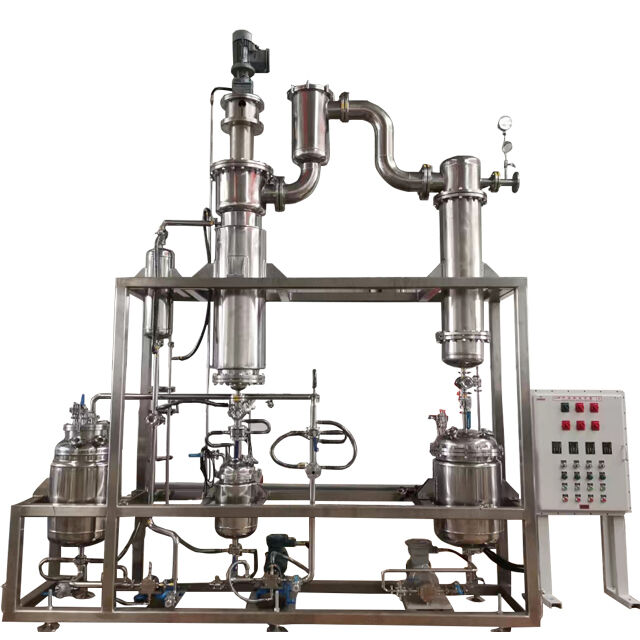
Advanced Thin Film Evaporation Units - Superior Heat Transfer Technology for Industrial Processing

Get a Free Quote

Our representative will contact you soon.
Email
Name
Contact Number
Company Name
Message
0/1000

thin film evaporation unit

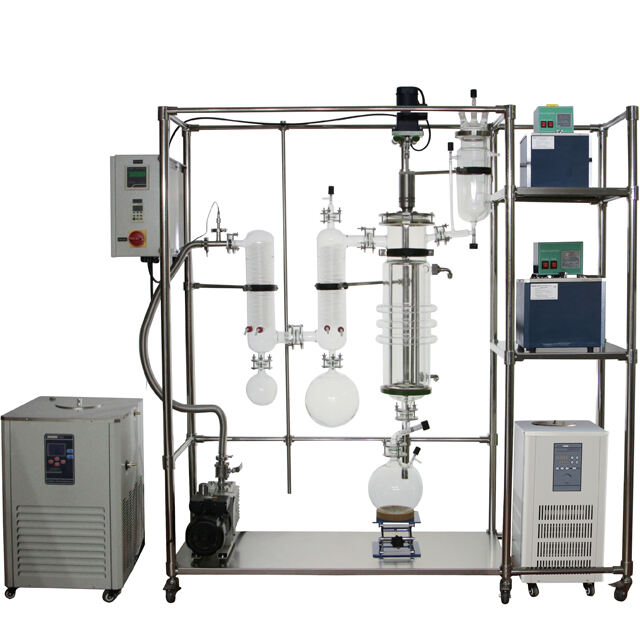
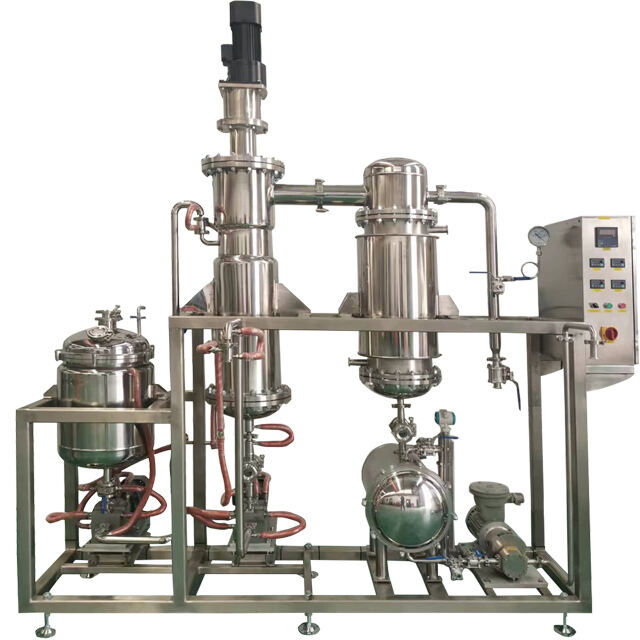
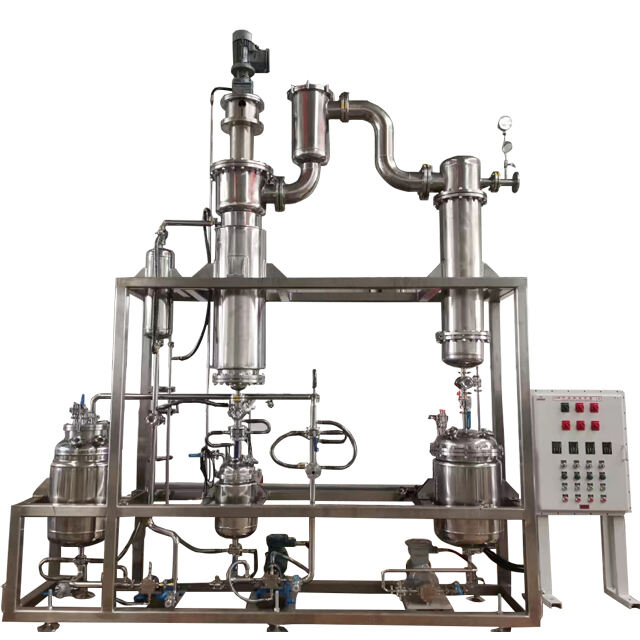
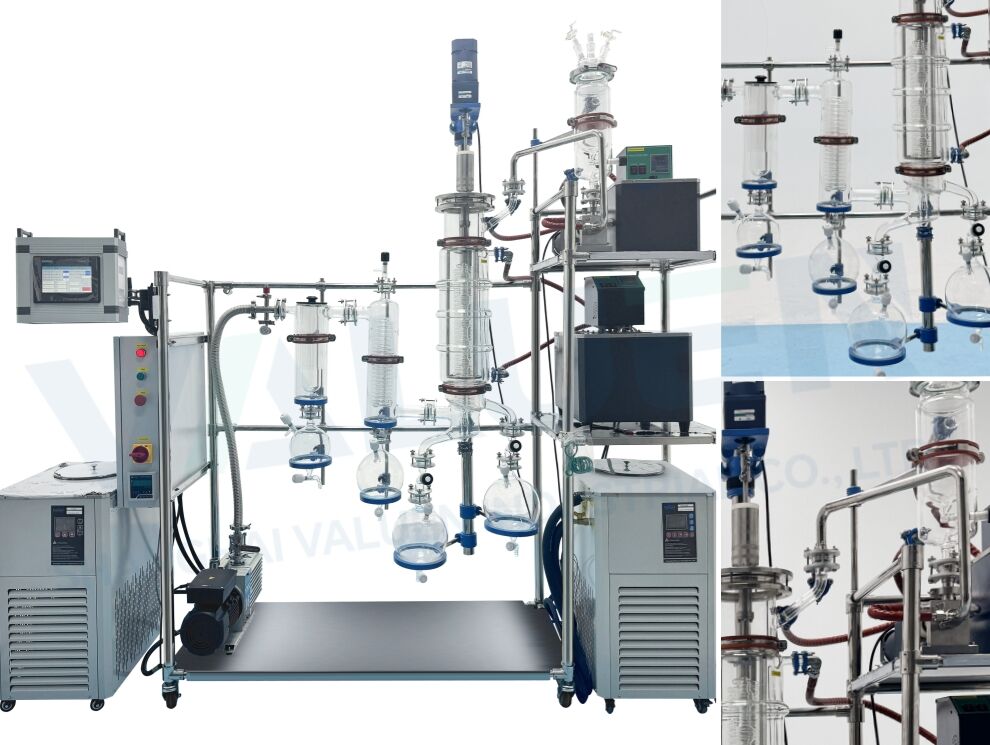
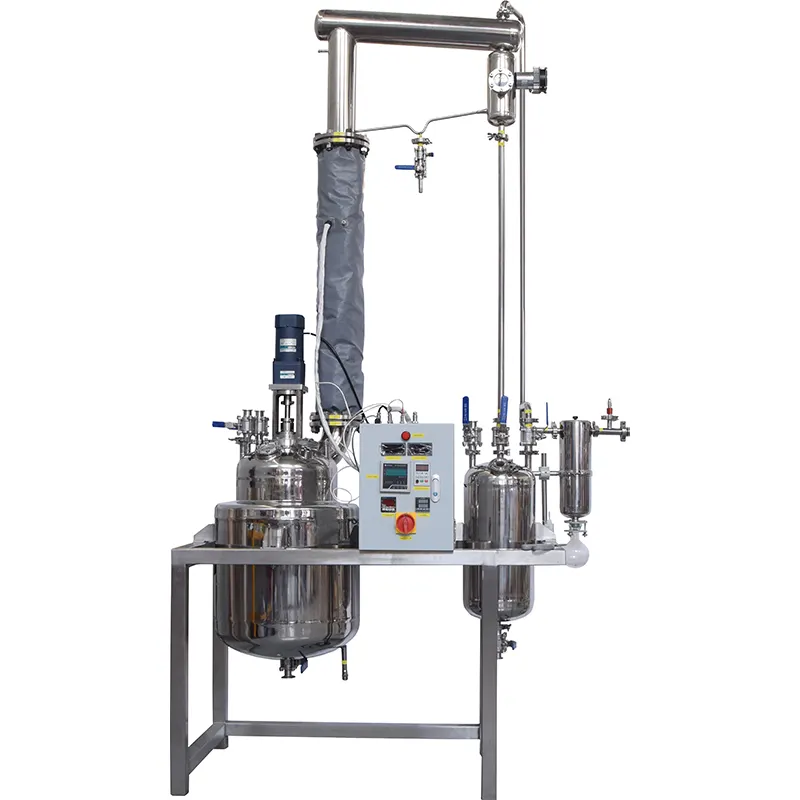
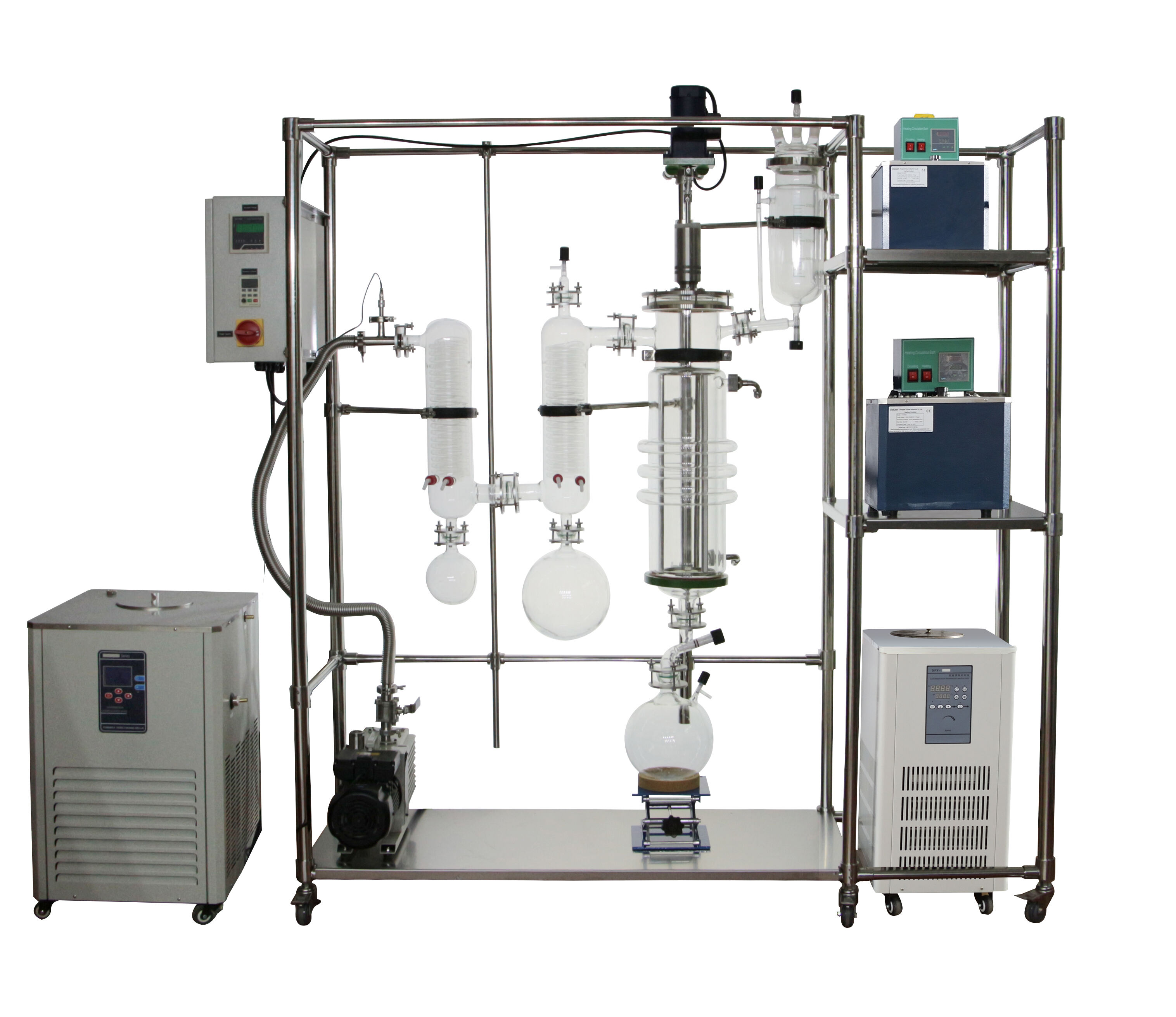
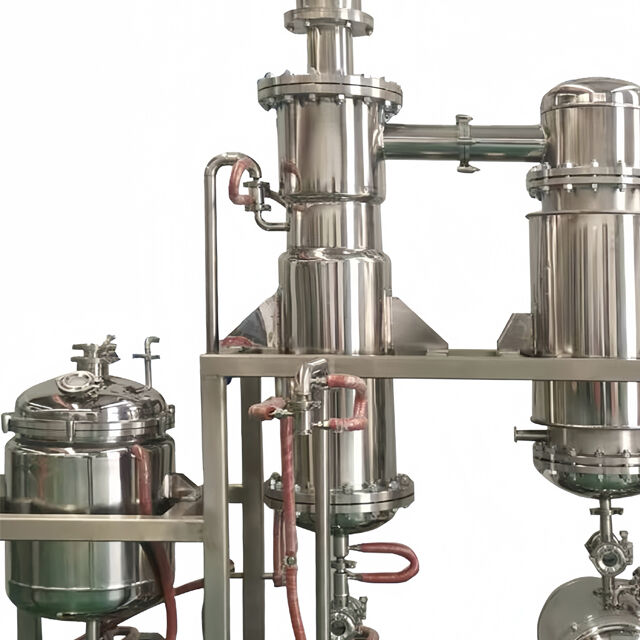
A thin film evaporation unit represents a sophisticated piece of industrial equipment designed to separate and concentrate solutions through controlled evaporation processes. This advanced system utilizes a thin film of liquid material spread across a heated surface, enabling rapid and efficient heat transfer for optimal evaporation performance. The thin film evaporation unit operates by creating a minimal thickness liquid layer on the heating surface, typically ranging from 0.1 to 3 millimeters, which dramatically reduces residence time and prevents thermal degradation of heat-sensitive materials. The core mechanism involves mechanical agitation through rotating wipers or rollers that continuously spread fresh liquid across the heated wall while simultaneously removing the concentrated product. This continuous renewal process ensures uniform heat distribution and prevents localized overheating that could damage valuable compounds. Modern thin film evaporation units incorporate precise temperature control systems, vacuum capabilities, and automated monitoring features that maintain optimal operating conditions throughout the process. The technology excels in handling viscous liquids, heat-sensitive pharmaceuticals, food extracts, and chemical compounds that require gentle processing conditions. Key technological features include stainless steel construction for corrosion resistance, variable speed drives for adjustable film thickness control, and integrated condensation systems for solvent recovery. The units can operate under atmospheric pressure or vacuum conditions, with temperatures ranging from ambient to several hundred degrees Celsius depending on the application requirements. Applications span across pharmaceutical manufacturing, food processing, chemical production, waste treatment, and biotechnology sectors. The thin film evaporation unit proves particularly valuable for concentrating fruit juices, processing herbal extracts, recovering solvents, treating wastewater, and purifying specialty chemicals where traditional evaporation methods might cause product deterioration or inefficient separation.

New Products

The thin film evaporation unit delivers exceptional performance benefits that directly impact operational efficiency and product quality across various industries. Manufacturing facilities experience significantly reduced processing times compared to conventional evaporation methods, as the thin film design maximizes heat transfer surface area while minimizing thermal exposure duration. This rapid processing capability translates to higher throughput rates and increased production capacity without compromising product integrity. Energy consumption represents another major advantage, with thin film evaporation units consuming substantially less energy per unit of processed material due to optimized heat transfer mechanisms and reduced thermal mass requirements. The gentle processing conditions preserve heat-sensitive compounds, vitamins, flavors, and active pharmaceutical ingredients that would otherwise degrade under harsh traditional evaporation conditions. Product quality improvements are immediately noticeable, with maintained color, taste, nutritional value, and chemical potency throughout the concentration process. Operational flexibility stands out as a key benefit, allowing processors to handle diverse materials ranging from low-viscosity liquids to highly viscous pastes within the same equipment setup. The thin film evaporation unit accommodates varying feed rates, concentration levels, and temperature requirements through simple parameter adjustments, eliminating the need for multiple specialized systems. Maintenance requirements are minimal due to the robust construction and self-cleaning action of the rotating wipers, reducing downtime and maintenance costs significantly. The compact footprint of thin film evaporation units saves valuable floor space in manufacturing facilities while delivering superior processing capabilities compared to larger conventional systems. Solvent recovery capabilities provide additional economic benefits by capturing and recycling valuable solvents that would otherwise be lost in traditional evaporation processes. Environmental impact reduction occurs through lower energy consumption, reduced emissions, and improved waste management capabilities. The closed-loop design prevents contamination and ensures consistent product quality while meeting strict regulatory requirements in pharmaceutical and food processing applications. Automation compatibility allows seamless integration with existing process control systems, enabling remote monitoring and precise parameter control for optimal results. Cost-effectiveness emerges from reduced energy bills, lower maintenance expenses, improved product yields, and decreased labor requirements, providing rapid return on investment for manufacturing operations seeking to optimize their evaporation processes.

Latest News

How to Choose the Right Stainless Steel Reactor for Pharmaceutical Production

12

Nov

How to Choose the Right Stainless Steel Reactor for Pharmaceutical Production

Selecting the appropriate stainless steel reactor for pharmaceutical production is a critical decision that directly impacts product quality, manufacturing efficiency, and regulatory compliance. The pharmaceutical industry demands exceptional standar...
View More
How Does a Stainless Steel Reactor Improve Reaction Efficiency and Safety

12

Nov

How Does a Stainless Steel Reactor Improve Reaction Efficiency and Safety

Chemical processing industries rely heavily on precise reaction control and optimal safety measures to achieve consistent production outcomes. The selection of appropriate reactor materials and design features directly impacts both operational effici...
View More
What Design Features Matter in a Rotary and Liftable Stainless Steel Reactor?

20

Jan

What Design Features Matter in a Rotary and Liftable Stainless Steel Reactor?

Modern industrial chemical processing demands precision, efficiency, and reliability in every piece of equipment. Among the most critical components in pharmaceutical, chemical, and biotechnology manufacturing is the rotary and liftable stainless ste...
View More
Explosion-Proof Glass Molecular Distillation System: Principles, Design, and Applications

30

Jan

Explosion-Proof Glass Molecular Distillation System: Principles, Design, and Applications

An explosion-proof glass molecular distillation system is a critical solution for the separation and purification of high-value, heat-sensitive, and solvent-based materials. As industries increasingly demand higher purity, safer operation, and gentle...
View More

Get a Free Quote

Our representative will contact you soon.
Email
Name
Contact Number
Company Name
Message
0/1000

thin film evaporation unit

Advanced Heat Transfer Technology for Superior Processing Efficiency

Advanced Heat Transfer Technology for Superior Processing Efficiency

The thin film evaporation unit incorporates cutting-edge heat transfer technology that revolutionizes traditional evaporation processes through innovative design principles and engineering excellence. The system creates an ultra-thin liquid film across specially designed heated surfaces, typically maintaining film thickness between 0.1 to 3 millimeters, which dramatically enhances heat transfer coefficients compared to conventional evaporation methods. This advanced configuration allows for rapid and uniform heating throughout the entire liquid volume, eliminating hot spots and temperature gradients that could damage sensitive materials or create inconsistent product quality. The rotating wiper system plays a crucial role in maintaining optimal film thickness and promoting continuous surface renewal, ensuring fresh material constantly contacts the heating surface while preventing fouling or scaling that commonly affects other evaporation technologies. Heat transfer rates in thin film evaporation units can exceed 1000 W/m²K, significantly higher than traditional falling film or forced circulation evaporators, resulting in faster processing times and improved energy efficiency. The enhanced heat transfer capability enables processing of high-viscosity materials that would be impossible to handle in conventional systems, expanding application possibilities across pharmaceutical, chemical, and food industries. Temperature control precision reaches ±1°C accuracy through advanced control systems that monitor and adjust heating parameters in real-time, ensuring consistent processing conditions throughout production runs. The technology accommodates wide temperature ranges from ambient conditions to over 300°C, depending on material requirements and system specifications. Steam, thermal oil, or electric heating options provide flexibility for different facility infrastructures and energy sources. The superior heat transfer performance translates directly to reduced energy consumption, lower operating costs, and improved sustainability metrics for manufacturing operations. Additionally, the enhanced efficiency reduces processing time exposure, preserving heat-sensitive compounds and maintaining product quality standards that meet stringent industry requirements.
Gentle Processing Capabilities for Heat-Sensitive Materials

Gentle Processing Capabilities for Heat-Sensitive Materials

The thin film evaporation unit excels in preserving the integrity of heat-sensitive materials through exceptionally gentle processing conditions that conventional evaporation systems cannot achieve. This capability proves invaluable for pharmaceutical compounds, natural extracts, food ingredients, and specialty chemicals that readily degrade under traditional high-temperature processing conditions. The key to this gentle processing lies in the minimal residence time achieved through the thin film design, where materials spend only seconds to minutes in contact with heated surfaces rather than hours required by conventional systems. This dramatically reduced thermal exposure prevents decomposition, polymerization, and other degradation reactions that compromise product quality and potency. The system operates effectively under vacuum conditions, enabling evaporation at significantly lower temperatures than atmospheric pressure would require, further protecting sensitive compounds from thermal damage. Vacuum levels can be precisely controlled from slight vacuum to deep vacuum conditions, allowing processors to optimize temperature and pressure combinations for specific materials. The continuous film renewal action ensures no material remains in prolonged contact with heating surfaces, preventing hot spots and localized overheating that could cause product deterioration. Advanced temperature monitoring systems provide real-time feedback on product temperature throughout the evaporation process, enabling immediate adjustments to maintain optimal processing conditions. The gentle processing capabilities extend to maintaining molecular structure integrity in complex organic compounds, preserving bioactivity in pharmaceutical ingredients, and retaining nutritional value in food products. Color stability represents another significant benefit, as the reduced thermal stress prevents the browning reactions and pigment degradation common in conventional evaporation processes. Flavor and aroma preservation in food applications results from the gentle conditions and efficient volatile recovery systems that capture and return desirable compounds to the final product. The technology successfully processes materials with thermal decomposition temperatures as low as 60°C, expanding possibilities for heat-sensitive applications previously considered unsuitable for concentration processes. Quality control benefits include consistent product specifications, reduced batch-to-batch variations, and improved shelf stability of concentrated products.
Versatile Applications Across Multiple Industries with Customizable Solutions

Versatile Applications Across Multiple Industries with Customizable Solutions

The thin film evaporation unit demonstrates remarkable versatility through its ability to serve diverse industrial applications while offering extensive customization options to meet specific processing requirements across pharmaceutical, food, chemical, and environmental sectors. This adaptability stems from the fundamental design flexibility that allows modification of key parameters including heating surface area, wiper configurations, material construction, and control systems to optimize performance for particular applications. In pharmaceutical manufacturing, the technology processes active pharmaceutical ingredients, herbal extracts, and drug formulations while maintaining potency and purity standards required by regulatory agencies. The system handles everything from aqueous solutions to organic solvents, accommodating viscosity ranges from water-thin liquids to paste-like consistencies without modification to core equipment. Food industry applications include fruit juice concentration, dairy product processing, natural flavor extraction, and beverage alcohol recovery, all while preserving nutritional value and sensory characteristics. Chemical processing benefits include solvent recovery, waste stream concentration, specialty chemical purification, and polymer processing where thermal sensitivity and viscosity handling capabilities prove essential. Environmental applications encompass wastewater treatment, contaminated water purification, and hazardous waste volume reduction, contributing to sustainable manufacturing practices and regulatory compliance. Customization options extend to materials of construction, with standard stainless steel configurations available alongside specialized alloys for corrosive applications or food-grade requirements. Heating methods can be tailored to facility infrastructure, including steam, thermal oil, electric heating, or specialized heating media for unique temperature requirements. Size ranges accommodate laboratory-scale units for research and development through industrial-scale systems capable of processing thousands of gallons per hour. Control system integration varies from basic manual operation to fully automated process control with data logging, remote monitoring, and integration with plant-wide control systems. The modular design approach enables future expansion or modification as production requirements change, protecting initial equipment investments while providing growth flexibility. Specialized features such as explosion-proof construction for solvent applications, sanitary design for food processing, or corrosion-resistant materials for aggressive chemicals ensure optimal performance in demanding environments. This versatility positions the thin film evaporation unit as a comprehensive solution for organizations seeking reliable, efficient, and adaptable evaporation technology.

Get a Free Quote

Our representative will contact you soon.
Email
Name
Contact Number
Company Name
Message
0/1000