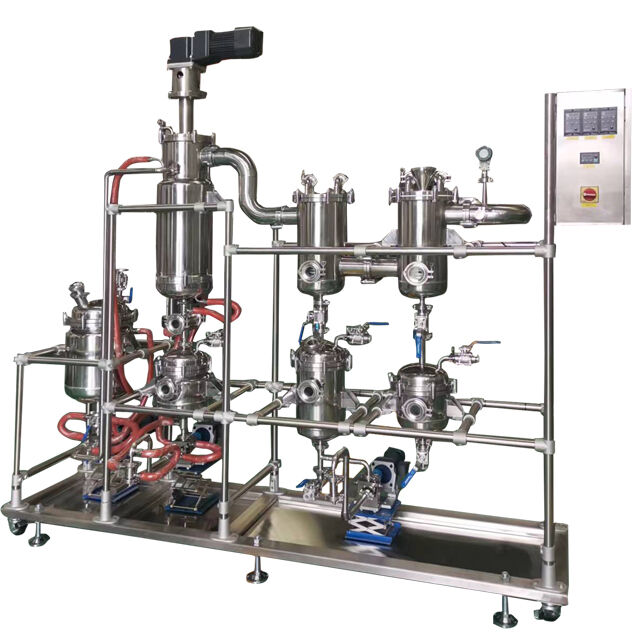
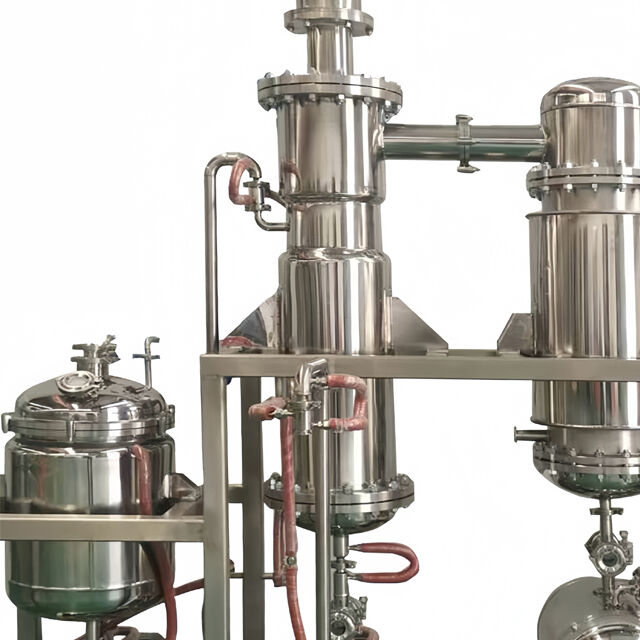
Laboratory Thin Film Evaporator - Advanced Research Equipment for Efficient Material Processing

Get a Free Quote

Our representative will contact you soon.
Email
Name
Contact Number
Company Name
Message
0/1000

laboratory thin film evaporator

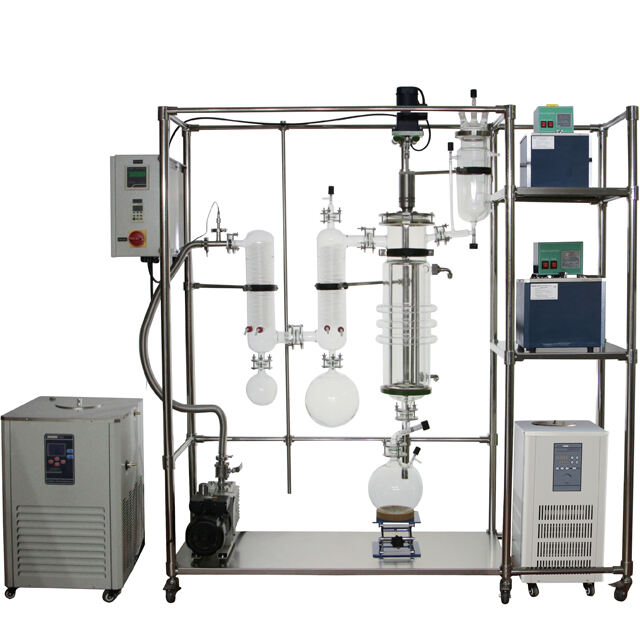
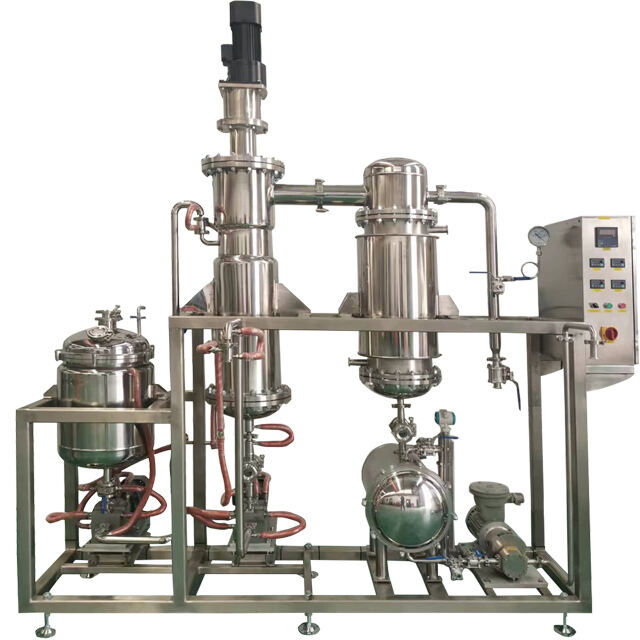
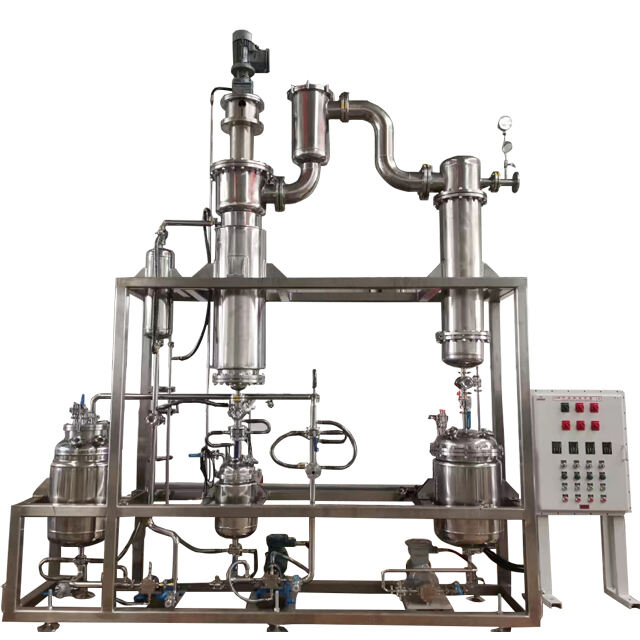
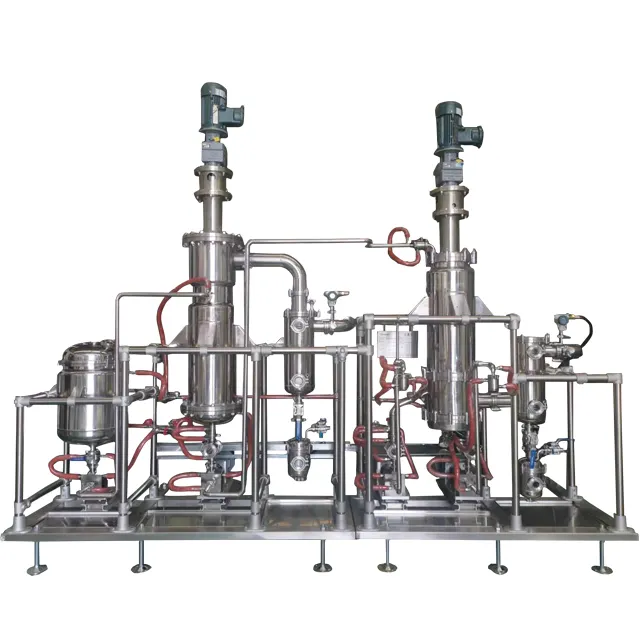
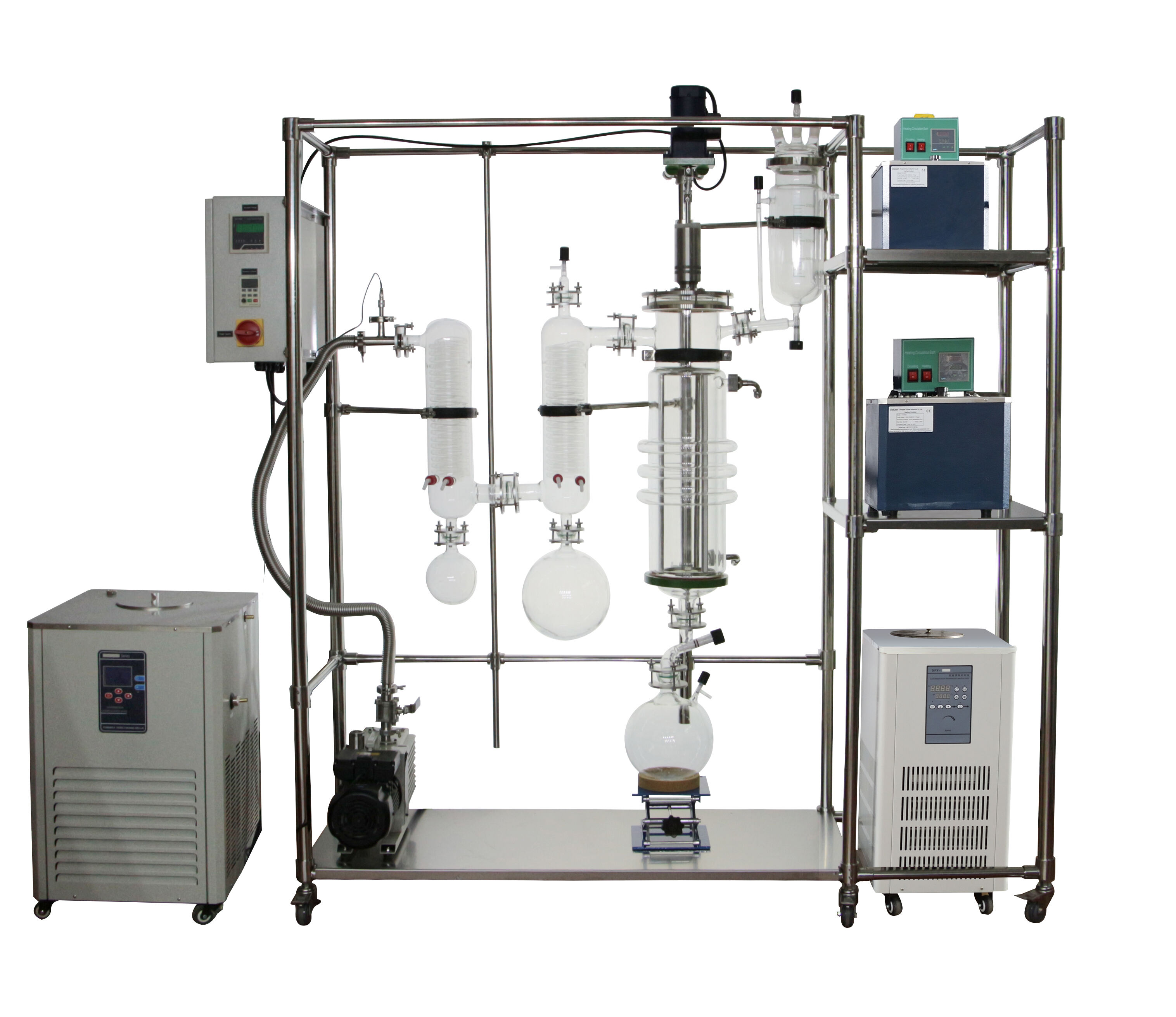
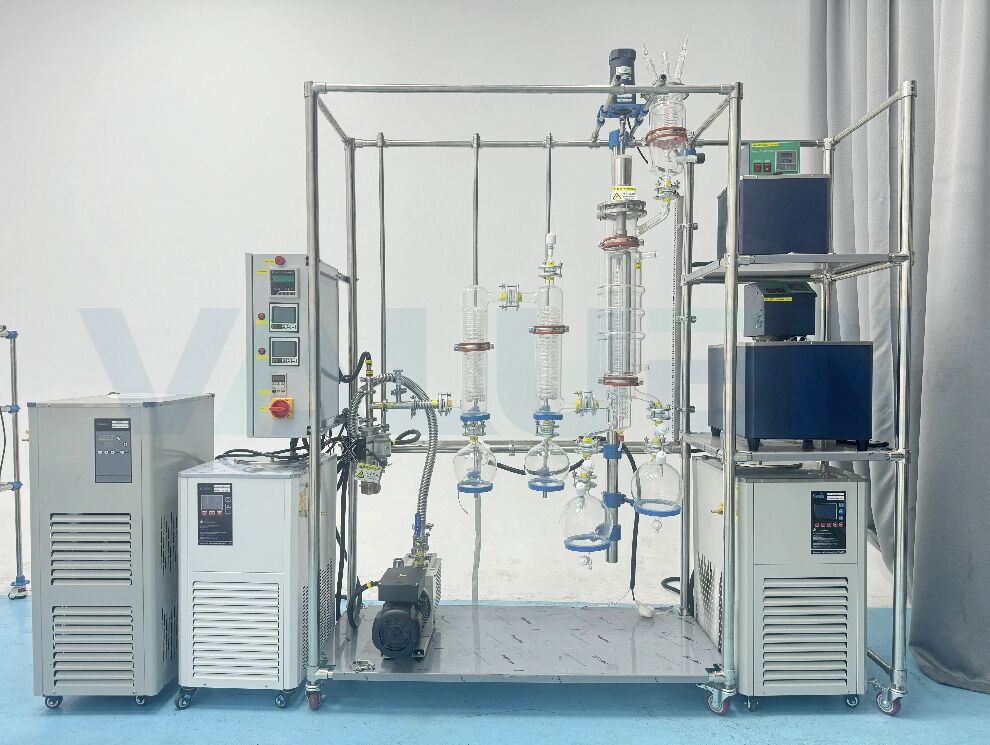
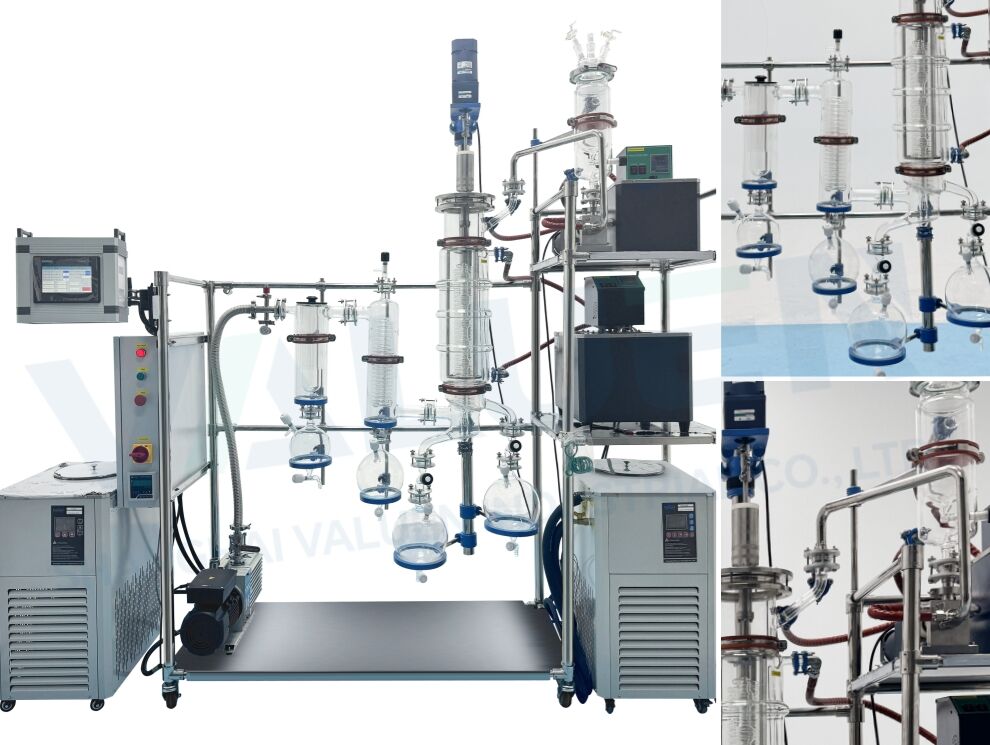
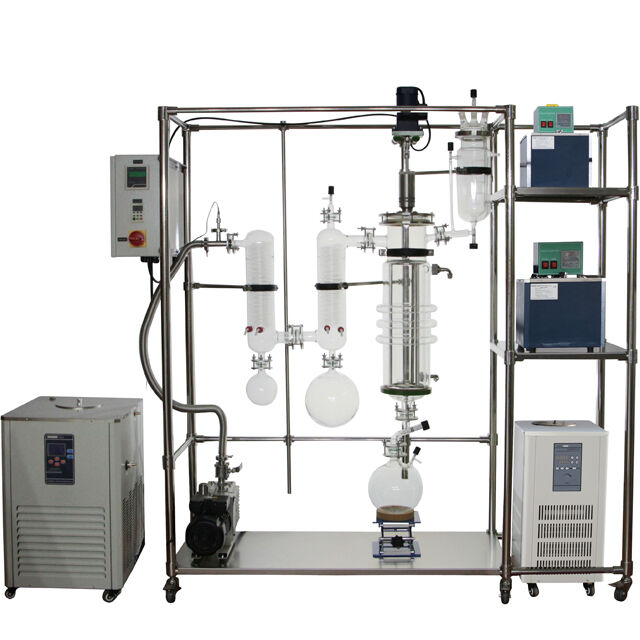
The laboratory thin film evaporator represents a sophisticated piece of equipment designed to facilitate efficient separation and concentration processes in research and development environments. This advanced apparatus operates by creating a thin layer of liquid material on a heated surface, enabling rapid evaporation while minimizing thermal degradation of heat-sensitive compounds. The laboratory thin film evaporator functions through a combination of mechanical agitation, controlled heating, and vacuum conditions to achieve optimal processing results. The primary mechanism involves distributing the feed material as a uniform thin film across the heated surface using rotating wipers or blades. This design ensures maximum surface area exposure while maintaining minimal residence time, which proves crucial when handling temperature-sensitive materials. The technological features of the laboratory thin film evaporator include precise temperature control systems, variable speed agitation mechanisms, and integrated vacuum systems that work together to create ideal processing conditions. The equipment typically incorporates high-quality materials such as stainless steel or borosilicate glass construction to ensure chemical compatibility and ease of cleaning. Modern laboratory thin film evaporator units often feature digital control panels that allow researchers to monitor and adjust parameters in real-time, ensuring consistent and reproducible results. The applications of laboratory thin film evaporator systems span across multiple industries including pharmaceuticals, chemicals, food processing, and biotechnology. These versatile devices excel in concentrating solutions, recovering solvents, purifying compounds, and removing volatile impurities from various materials. Research facilities utilize laboratory thin film evaporator technology for developing new formulations, scaling up processes from bench-scale to pilot-scale operations, and conducting feasibility studies for industrial applications.

New Product Recommendations

Laboratory thin film evaporator systems deliver exceptional performance benefits that directly address the challenges faced by modern research facilities. These advanced units significantly reduce processing times compared to traditional evaporation methods, allowing researchers to complete their work faster and increase overall productivity. The rapid processing capability stems from the efficient heat transfer achieved through the thin film design, which maximizes the surface area exposed to heat while minimizing the volume of material being processed at any given time. Energy efficiency stands as another major advantage of laboratory thin film evaporator technology. These systems require less energy to achieve the same level of evaporation compared to conventional methods because the thin film configuration promotes faster heat transfer and reduces the amount of energy needed to maintain optimal processing temperatures. This efficiency translates into lower operating costs and reduced environmental impact, making these units attractive for budget-conscious research facilities and environmentally responsible organizations. The gentle processing conditions maintained by laboratory thin film evaporator systems protect sensitive materials from thermal degradation. The short residence time and controlled temperature environment prevent the breakdown of delicate compounds, ensuring that researchers can work with heat-sensitive materials without compromising their integrity or effectiveness. This capability proves especially valuable in pharmaceutical research, where maintaining the stability of active compounds during processing is crucial for successful drug development. Versatility represents another significant advantage of laboratory thin film evaporator equipment. These systems can handle a wide range of materials with varying viscosities, from low-viscosity solvents to high-viscosity pastes and even materials containing suspended particles. The adjustable operating parameters allow researchers to optimize processing conditions for different materials, making these units suitable for diverse research applications. The compact design of laboratory thin film evaporator systems makes them ideal for research facilities with limited space. Despite their powerful capabilities, these units maintain a relatively small footprint, allowing researchers to integrate them into existing laboratory setups without requiring extensive modifications or additional space allocation. Easy maintenance and cleaning procedures further enhance the practical benefits of laboratory thin film evaporator technology, enabling research teams to maintain optimal performance with minimal downtime.

Practical Tips

What Operating Conditions Affect Fractional Distillation Performance?

24

Dec

What Operating Conditions Affect Fractional Distillation Performance?

Fractional distillation represents one of the most critical separation techniques in chemical processing, petrochemical industries, and laboratory applications. The effectiveness of this process depends heavily on various operating conditions that di...
View More
Rotary and Liftable Stainless Steel Reactor vs Fixed Reactor: Which Is Better?

20

Jan

Rotary and Liftable Stainless Steel Reactor vs Fixed Reactor: Which Is Better?

Modern industrial processing demands precision, efficiency, and adaptability in chemical reactions and material processing. The choice between a rotary and liftable stainless steel reactor versus a traditional fixed reactor represents a critical deci...
View More
Which Industries Benefit Most from Rotary and Liftable Stainless Steel Reactors?

20

Jan

Which Industries Benefit Most from Rotary and Liftable Stainless Steel Reactors?

Modern industrial processes demand equipment that combines durability, versatility, and operational efficiency. Stainless steel reactors have emerged as the cornerstone of numerous manufacturing operations, offering unparalleled performance across di...
View More
How Does a Stainless Steel Reactor Support Customization and Scale-Up?

20

Jan

How Does a Stainless Steel Reactor Support Customization and Scale-Up?

The chemical processing industry faces constant pressure to optimize production while maintaining safety and quality standards. A stainless steel reactor serves as the cornerstone of countless manufacturing operations, providing the durability and ve...
View More

Get a Free Quote

Our representative will contact you soon.
Email
Name
Contact Number
Company Name
Message
0/1000

laboratory thin film evaporator

Superior Heat Transfer Efficiency and Thermal Control

Superior Heat Transfer Efficiency and Thermal Control

The laboratory thin film evaporator achieves remarkable heat transfer efficiency through its innovative design that creates an extremely thin layer of material across the heated surface. This configuration maximizes the contact area between the material and the heat source while minimizing the thermal mass that needs to be heated, resulting in rapid and uniform heat distribution throughout the sample. The advanced thermal control system incorporates precise temperature sensors and feedback mechanisms that maintain consistent heating conditions throughout the entire processing cycle. This level of control proves essential when working with temperature-sensitive compounds that require specific thermal conditions to prevent degradation or unwanted chemical reactions. The laboratory thin film evaporator utilizes sophisticated heating elements that provide uniform temperature distribution across the entire processing surface, eliminating hot spots that could potentially damage sensitive materials or create inconsistent processing conditions. The system allows researchers to set and maintain precise temperature profiles, enabling them to optimize processing conditions for different materials and applications. The rapid heat transfer capability of the laboratory thin film evaporator significantly reduces processing times, allowing researchers to complete their work more efficiently while maintaining the quality and integrity of their samples. The efficient thermal design also contributes to energy savings, as less energy is required to achieve and maintain the desired processing temperatures compared to traditional evaporation methods. This efficiency becomes particularly important in research environments where multiple processing cycles are performed regularly, as the energy savings accumulate over time and contribute to reduced operating costs. The laboratory thin film evaporator thermal control system also features safety mechanisms that prevent overheating and protect both the equipment and the materials being processed, ensuring reliable and safe operation in research environments.
Continuous Operation with Minimal Material Loss

Continuous Operation with Minimal Material Loss

The laboratory thin film evaporator excels in providing continuous operation capabilities that maximize material recovery while minimizing waste and loss during processing. This continuous operation feature allows researchers to process larger quantities of material without interruption, improving overall efficiency and productivity in research applications. The system design incorporates advanced material handling mechanisms that ensure smooth and consistent feed delivery to the processing surface, maintaining optimal processing conditions throughout extended operation periods. The laboratory thin film evaporator utilizes precision-engineered wiping systems that continuously spread the material into uniform thin films while preventing material buildup or stagnation on the heated surface. This continuous spreading action ensures that all material receives equal processing treatment, resulting in consistent product quality and eliminating variations that could affect research results. The sophisticated vapor collection system captures and condenses evaporated materials with exceptional efficiency, minimizing material loss and maximizing recovery rates. This high recovery efficiency proves particularly valuable when working with expensive or rare materials where material loss represents a significant cost concern. The laboratory thin film evaporator continuous operation capability also enables researchers to maintain steady-state processing conditions, which proves crucial for obtaining reproducible results and developing scalable processes. The system can handle varying feed rates and material properties without compromising performance, providing flexibility for different research applications and experimental requirements. The automated control systems monitor processing parameters continuously and make real-time adjustments to maintain optimal conditions, reducing the need for constant operator intervention and allowing researchers to focus on other aspects of their work. The laboratory thin film evaporator design incorporates multiple safety features that protect against material loss due to equipment malfunctions or operator errors, ensuring reliable operation and consistent results throughout extended processing campaigns.
Precise Process Control and Reproducible Results

Precise Process Control and Reproducible Results

The laboratory thin film evaporator incorporates state-of-the-art process control technology that enables researchers to achieve precise control over all critical processing parameters, ensuring reproducible results and reliable performance across multiple processing cycles. The advanced control system monitors and regulates temperature, pressure, rotation speed, feed rate, and other essential parameters with exceptional accuracy, providing researchers with the tools they need to optimize their processes and achieve consistent outcomes. The digital control interface of the laboratory thin film evaporator presents all operating parameters in an intuitive format, allowing operators to easily monitor system performance and make necessary adjustments in real-time. This user-friendly interface reduces the learning curve for new operators and minimizes the potential for operating errors that could affect research results. The system stores processing data automatically, creating detailed records that researchers can use to analyze performance trends, troubleshoot issues, and replicate successful processing conditions in future experiments. The laboratory thin film evaporator control system includes programmable recipe functionality that allows researchers to save and recall specific processing parameters for different materials or applications, ensuring consistency when processing similar materials and reducing setup time for routine operations. The precision control capabilities enable researchers to fine-tune processing conditions to achieve optimal results for specific applications, whether the goal is maximum evaporation rate, minimal thermal exposure, or precise separation of components. The laboratory thin film evaporator monitoring system provides real-time feedback on processing performance, allowing operators to identify and address any deviations from target conditions immediately. This immediate feedback capability prevents processing issues from affecting final product quality and reduces material waste due to off-specification processing. The comprehensive data logging features of the laboratory thin film evaporator create detailed processing records that support research documentation requirements and provide valuable information for process development and optimization efforts. The system validation features ensure that the laboratory thin film evaporator operates within specified parameters and meets quality standards required for research applications.

Get a Free Quote

Our representative will contact you soon.
Email
Name
Contact Number
Company Name
Message
0/1000