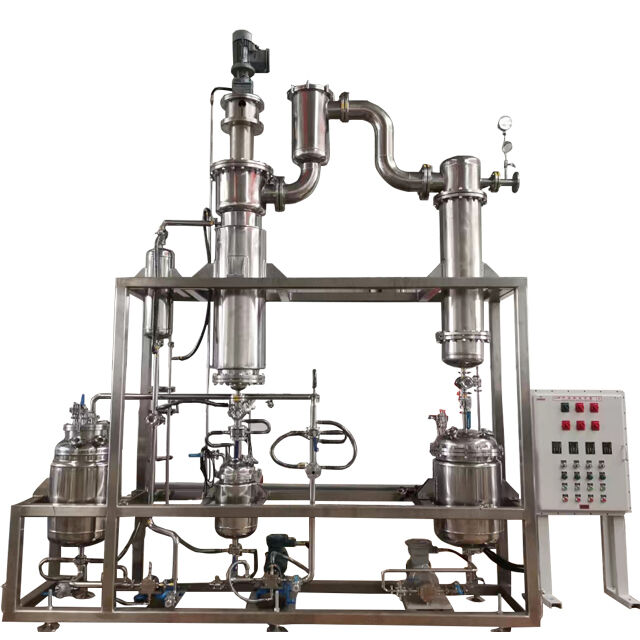
বহুসংখ্যক শিল্পে বহুমুখী অ্যাপ্লিকেশন এবং কাস্টমাইজযোগ্য সমাধান
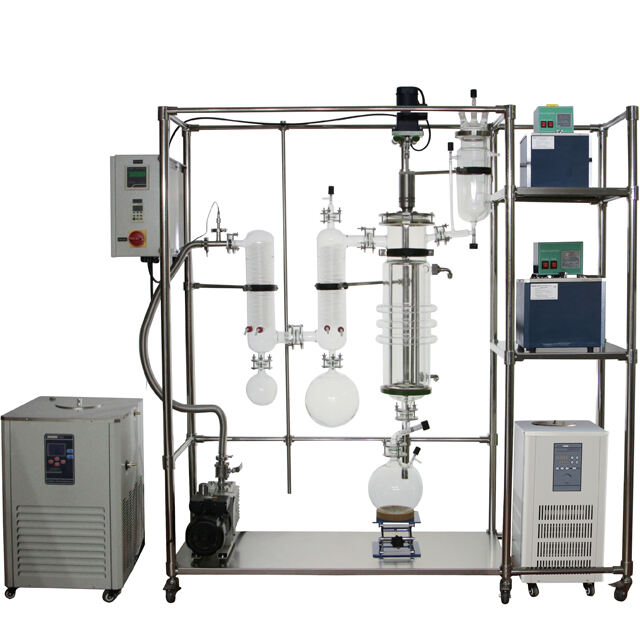
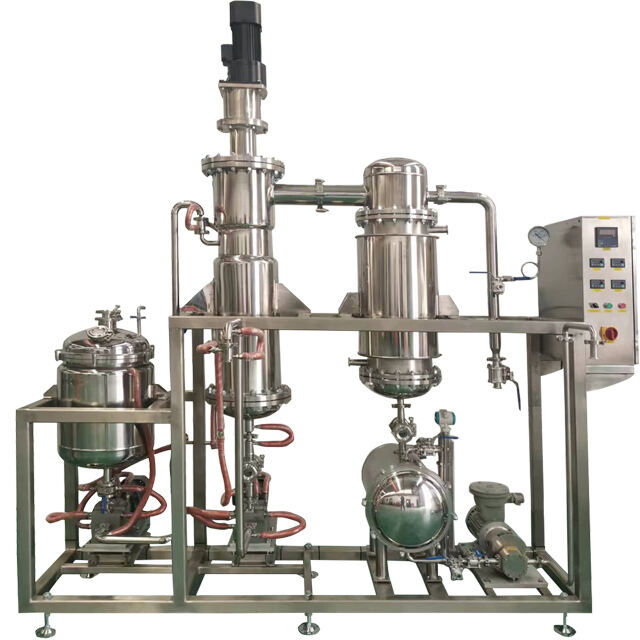
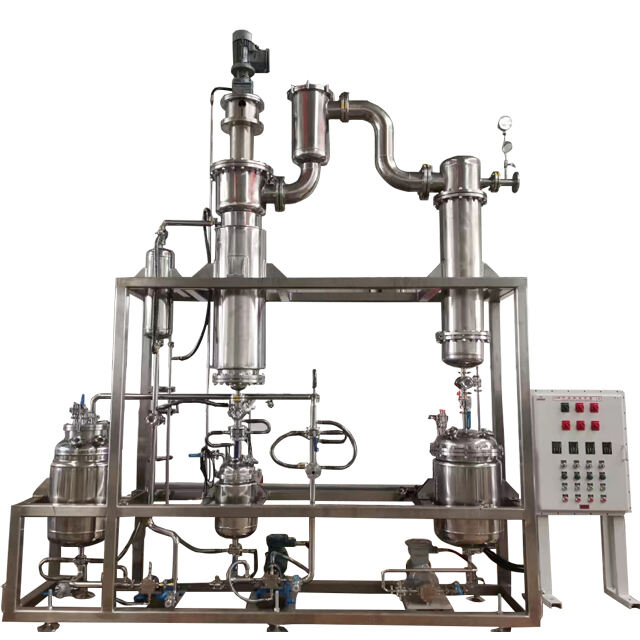
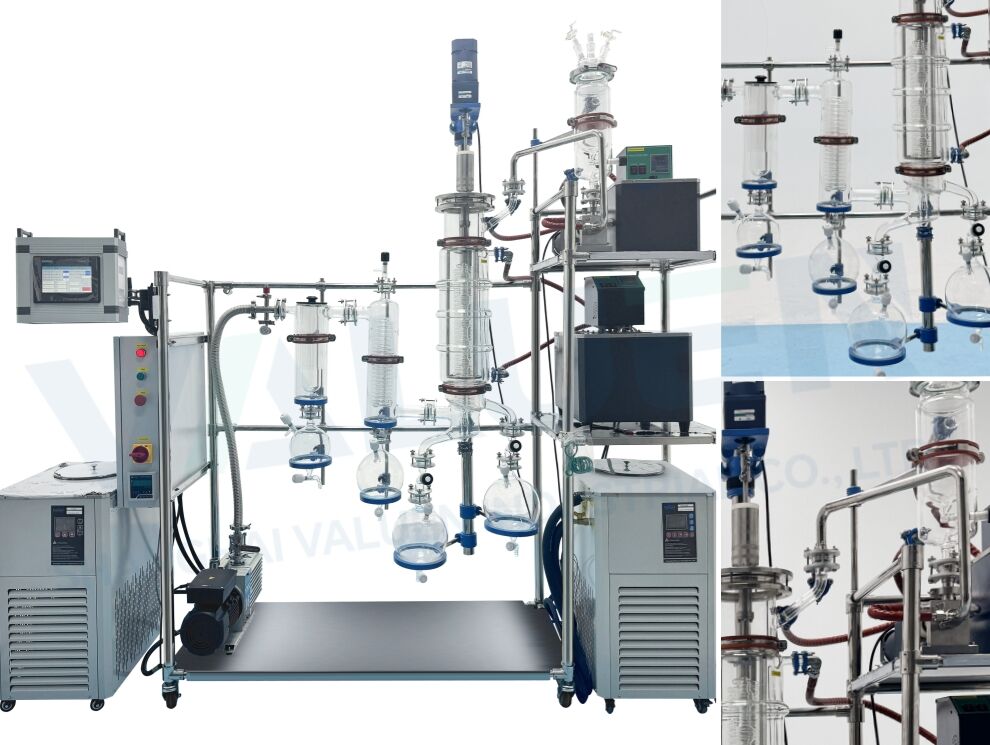
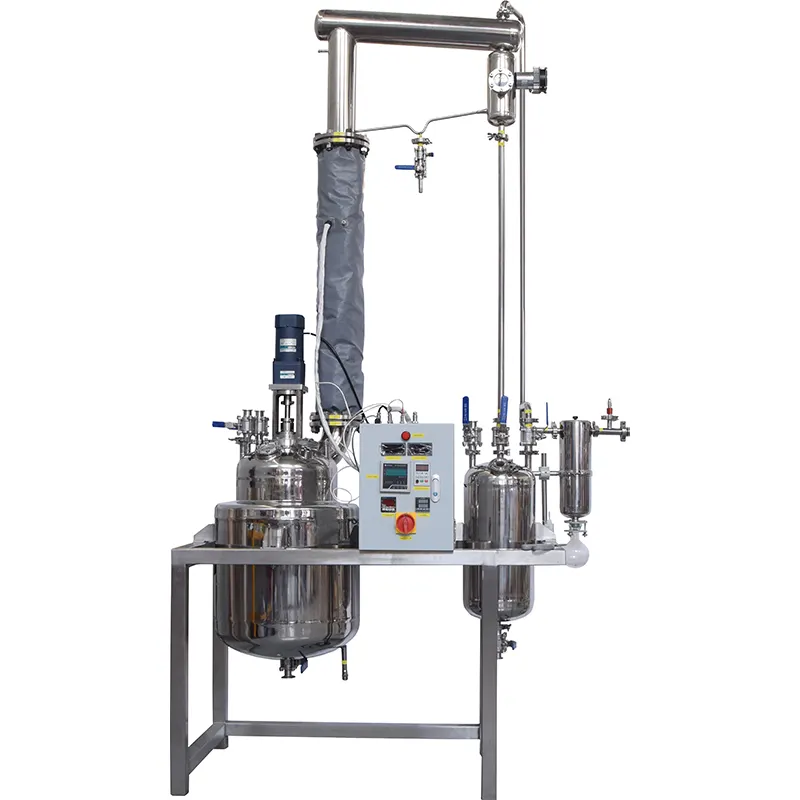
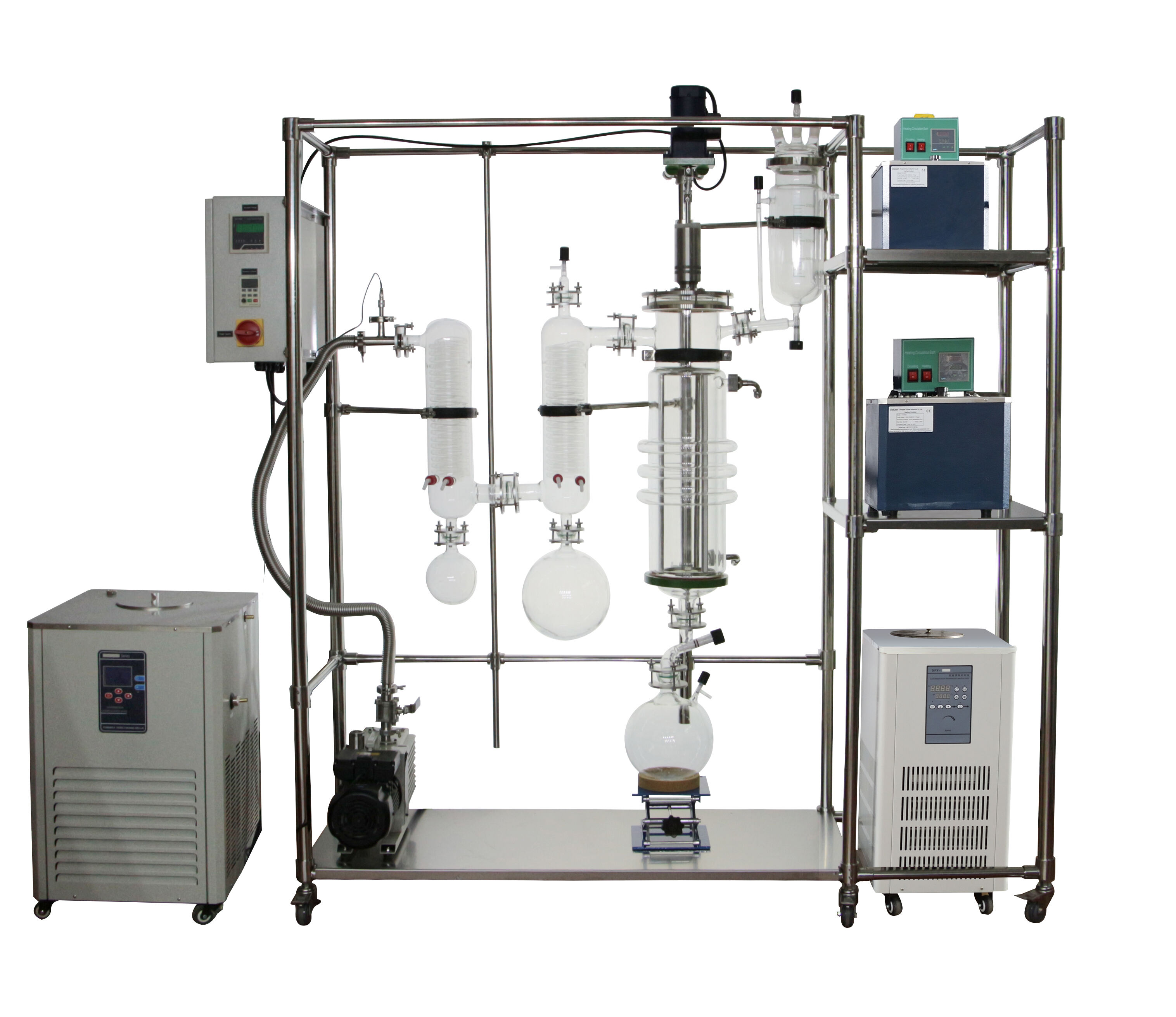
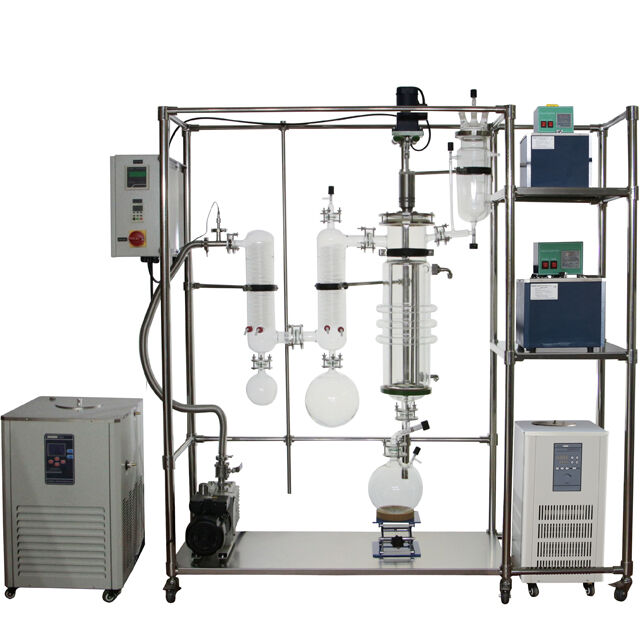
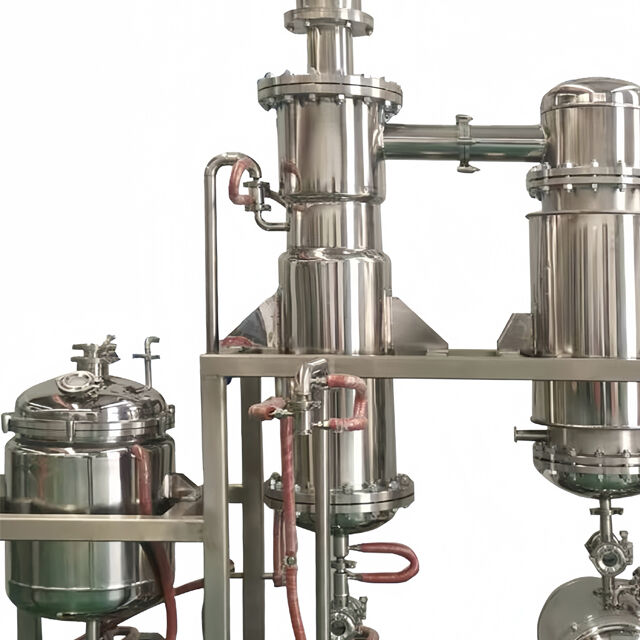
পাতলা ফিল্ম বাষ্পীভবন ইউনিটটি ফার্মাসিউটিক্যাল, খাদ্য, রাসায়নিক এবং পরিবেশগত খাতসমূহের মধ্যে বিভিন্ন শিল্প অ্যাপ্লিকেশনের জন্য কাজ করার ক্ষমতা এবং নির্দিষ্ট প্রক্রিয়াকরণ প্রয়োজনীয়তা পূরণের জন্য ব্যাপক কাস্টমাইজেশন বিকল্প প্রদান করে অসাধারণ বহুমুখিতা প্রদর্শন করে। এই অভিযোজ্যতা মৌলিক ডিজাইনের নমনীয়তা থেকে উদ্ভূত হয়েছে, যা পারফরম্যান্স অপ্টিমাইজ করার জন্য গরম করার পৃষ্ঠতলের ক্ষেত্রফল, ওয়াইপার কনফিগারেশন, উপাদান নির্মাণ এবং নিয়ন্ত্রণ সিস্টেম সহ মূল প্যারামিটারগুলির পরিবর্তন করার অনুমতি দেয়। ফার্মাসিউটিক্যাল উৎপাদনে, এই প্রযুক্তিটি সক্রিয় ফার্মাসিউটিক্যাল উপাদান, ঔষধি এক্সট্র্যাক্ট এবং ওষুধ ফর্মুলেশন প্রক্রিয়া করে যখন নিয়ন্ত্রক সংস্থাগুলির প্রয়োজনীয় শক্তি এবং বিশুদ্ধতার মান বজায় রাখে। সিস্টেমটি জলীয় দ্রবণ থেকে শুরু করে জৈব দ্রাবক পর্যন্ত সবকিছু পরিচালনা করে এবং কোর সরঞ্জামে কোনো পরিবর্তন ছাড়াই জলের মতো তরল থেকে পেস্ট-সদৃশ সামঞ্জস্য পর্যন্ত স্নিগ্ধতা পরিসর সমর্থন করে। খাদ্য শিল্পের অ্যাপ্লিকেশনগুলির মধ্যে রয়েছে ফলের রস ঘনীভবন, ডেয়ারি পণ্য প্রক্রিয়াকরণ, প্রাকৃতিক স্বাদ নিষ্কাশন এবং পানীয় থেকে অ্যালকোহল পুনরুদ্ধার, যেখানে পুষ্টিগুণ এবং সংবেদী বৈশিষ্ট্যগুলি সংরক্ষণ করা হয়। রাসায়নিক প্রক্রিয়াকরণের সুবিধাগুলির মধ্যে রয়েছে দ্রাবক পুনরুদ্ধার, বর্জ্য প্রবাহ ঘনীভবন, বিশেষ রাসায়নিক পরিশোধন এবং পলিমার প্রক্রিয়াকরণ, যেখানে তাপ-সংবেদনশীলতা এবং স্নিগ্ধতা পরিচালনার ক্ষমতা অত্যন্ত গুরুত্বপূর্ণ প্রমাণিত হয়। পরিবেশগত অ্যাপ্লিকেশনগুলির মধ্যে রয়েছে ওয়াস্টওয়াটার চিকিত্সা, দূষিত জল পরিশোধন এবং বিপজ্জনক বর্জ্যের আয়তন হ্রাস, যা টেকসই উৎপাদন অনুশীলন এবং নিয়ন্ত্রক অনুসরণে অবদান রাখে। নির্মাণ উপাদানের কাস্টমাইজেশন বিকল্পগুলি স্টেইনলেস স্টিলের স্ট্যান্ডার্ড কনফিগারেশনের পাশাপাশি ক্ষয়কারী অ্যাপ্লিকেশন বা খাদ্য-মানের প্রয়োজনীয়তার জন্য বিশেষায়িত মিশ্র ধাতুগুলিতে প্রসারিত হয়। গরম করার পদ্ধতিগুলি সুবিধার অবকাঠামোর সাথে সামঞ্জস্য করা যায়, যার মধ্যে স্টিম, তাপীয় তেল, বৈদ্যুতিক তাপীয়ন বা বিশেষ তাপীয়ন মাধ্যম অন্তর্ভুক্ত রয়েছে যা অনন্য তাপমাত্রা প্রয়োজনীয়তার জন্য উপযুক্ত। আকারের পরিসর গবেষণা ও উন্নয়নের জন্য ল্যাবরেটরি-স্কেল ইউনিট থেকে শুরু করে প্রতি ঘন্টায় হাজার হাজার গ্যালন প্রক্রিয়া করার ক্ষমতা সম্পন্ন শিল্প-স্কেল সিস্টেম পর্যন্ত অন্তর্ভুক্ত করে। নিয়ন্ত্রণ সিস্টেম একীকরণ মৌলিক ম্যানুয়াল অপারেশন থেকে শুরু করে ডেটা লগিং, দূরবর্তী মনিটরিং এবং গোটা প্লান্টের নিয়ন্ত্রণ সিস্টেমের সাথে একীকরণসহ সম্পূর্ণ স্বয়ংক্রিয় প্রক্রিয়া নিয়ন্ত্রণ পর্যন্ত পরিবর্তিত হয়। মডুলার ডিজাইন পদ্ধতি উৎপাদন প্রয়োজনীয়তা পরিবর্তনের সাথে ভবিষ্যতে সম্প্রসারণ বা পরিবর্তনের অনুমতি দেয়, যা প্রাথমিক সরঞ্জাম বিনিয়োগকে রক্ষা করে এবং বৃদ্ধির নমনীয়তা প্রদান করে। দ্রাবক অ্যাপ্লিকেশনের জন্য বিস্ফোরণ-প্রতিরোধী নির্মাণ, খাদ্য প্রক্রিয়াকরণের জন্য স্যানিটারি ডিজাইন বা আক্রমণাত্মক রাসায়নিকের জন্য ক্ষয়-প্রতিরোধী উপাদান সহ বিশেষায়িত বৈশিষ্ট্যগুলি চাহিদাপূর্ণ পরিবেশে অপ্টিমাল পারফরম্যান্স নিশ্চিত করে। এই বহুমুখিতা পাতলা ফিল্ম বাষ্পীভবন ইউনিটকে বিশ্বস্ত, দক্ষ এবং অভিযোজ্য বাষ্পীভবন প্রযুক্তি খুঁজছে এমন সংস্থাগুলির জন্য একটি সম্পূর্ণ সমাধান হিসাবে অবস্থান করে।
 EN
EN