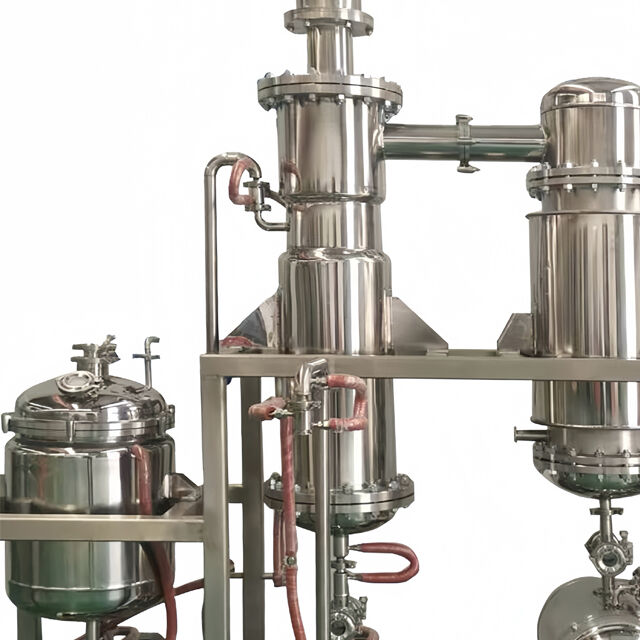
Continuous Thin Film Evaporator Technology - Advanced Industrial Concentration Solutions

Get a Free Quote

Our representative will contact you soon.
Email
Name
Contact Number
Company Name
Message
0/1000

continuous thin film evaporator

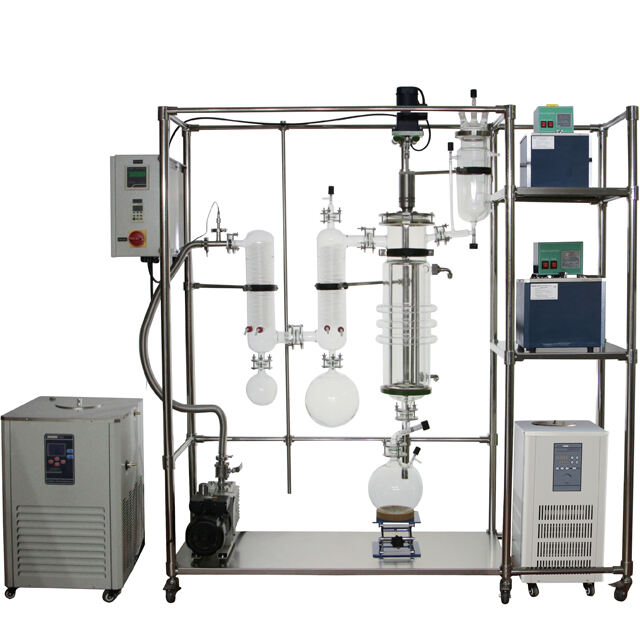
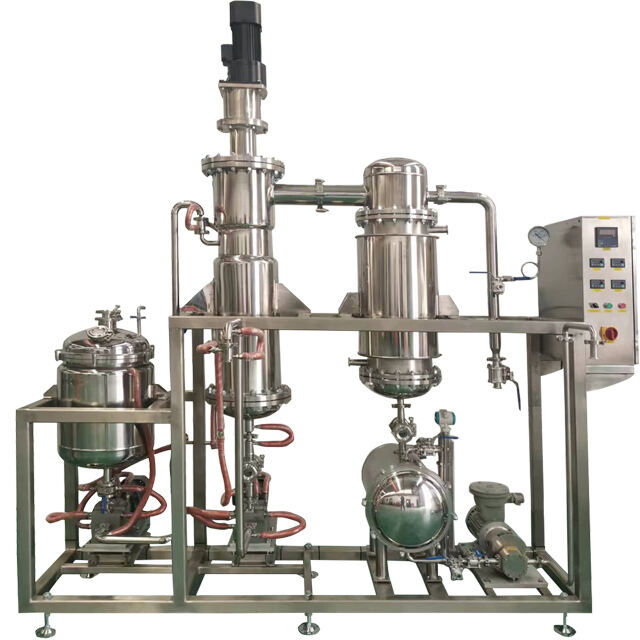
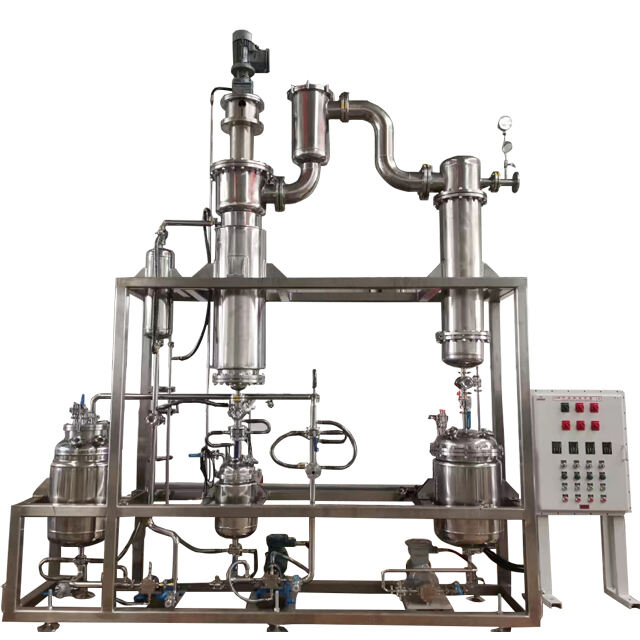
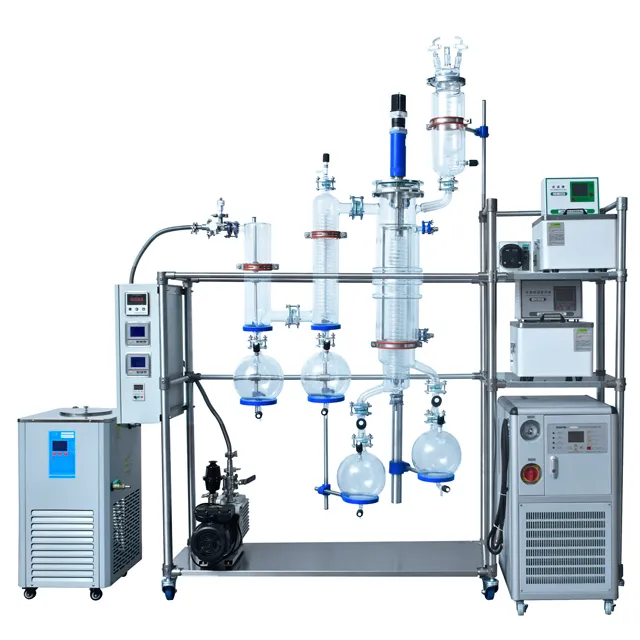
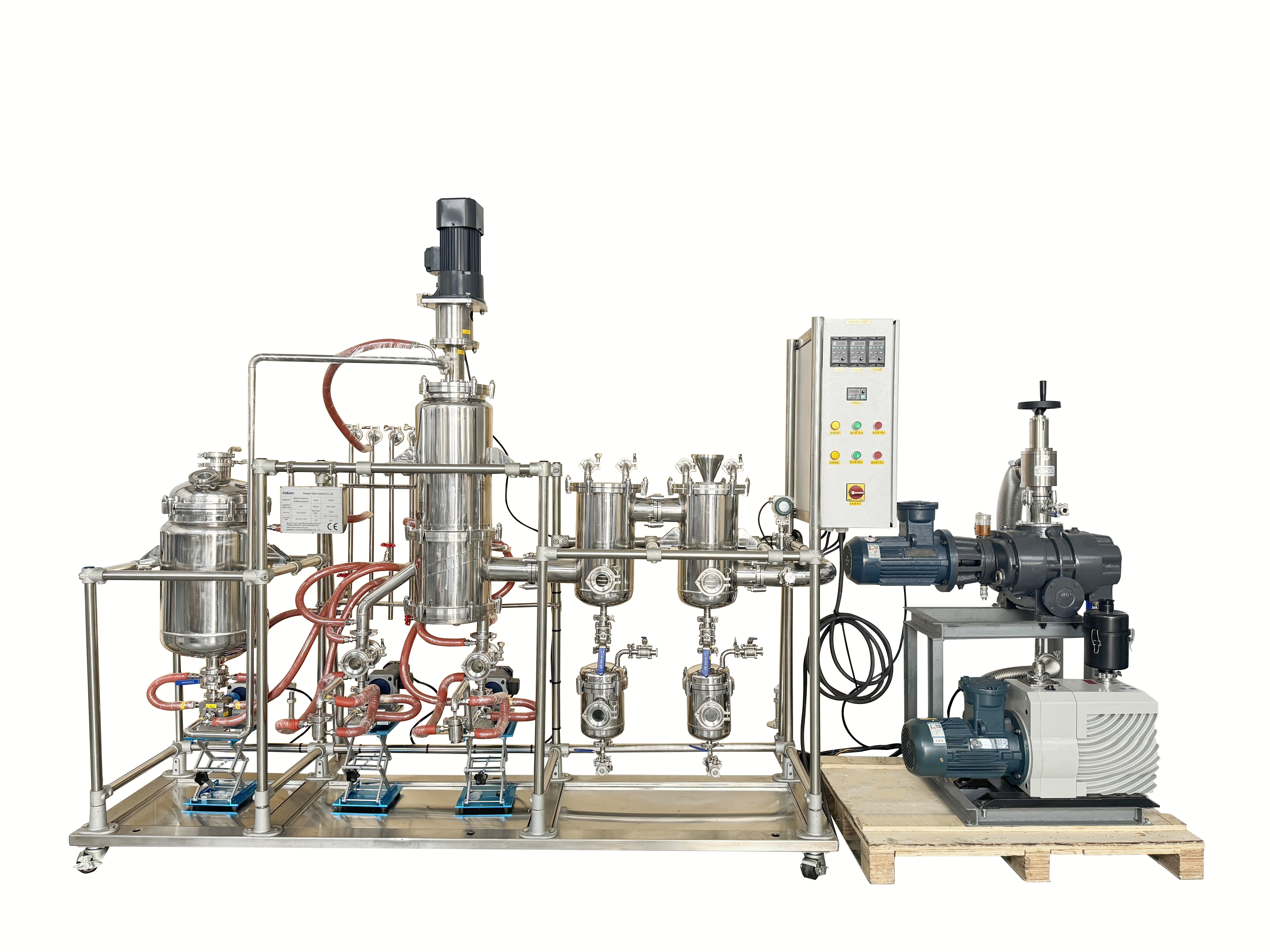
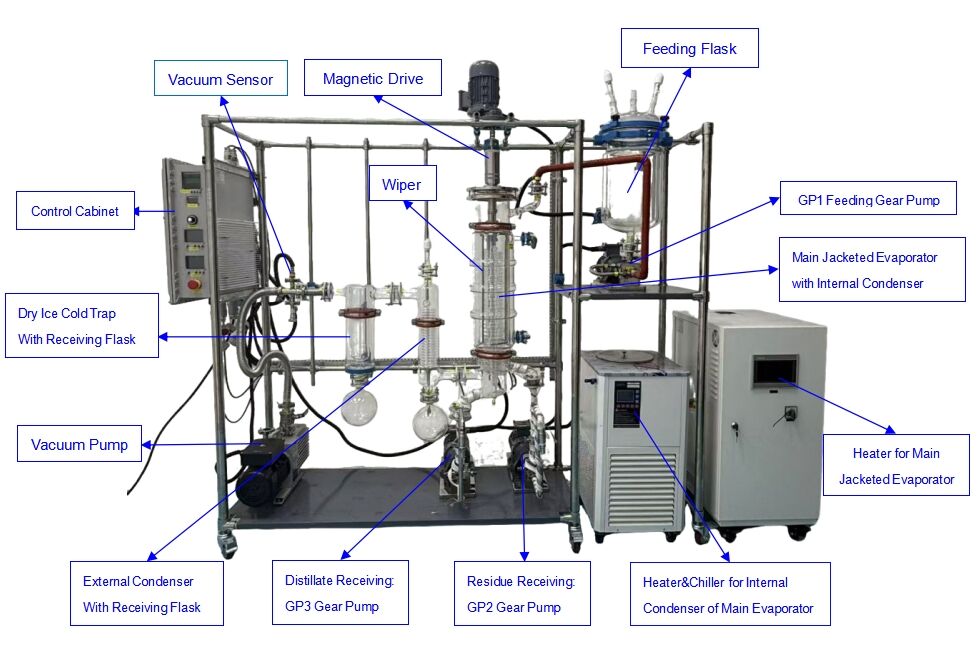
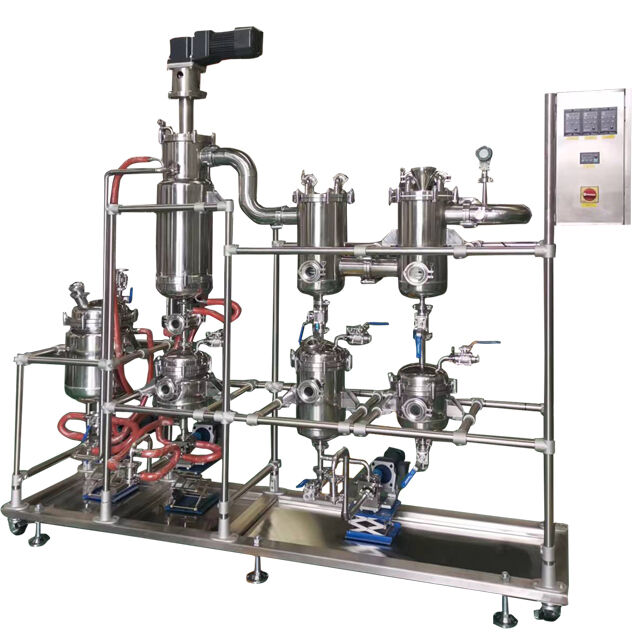
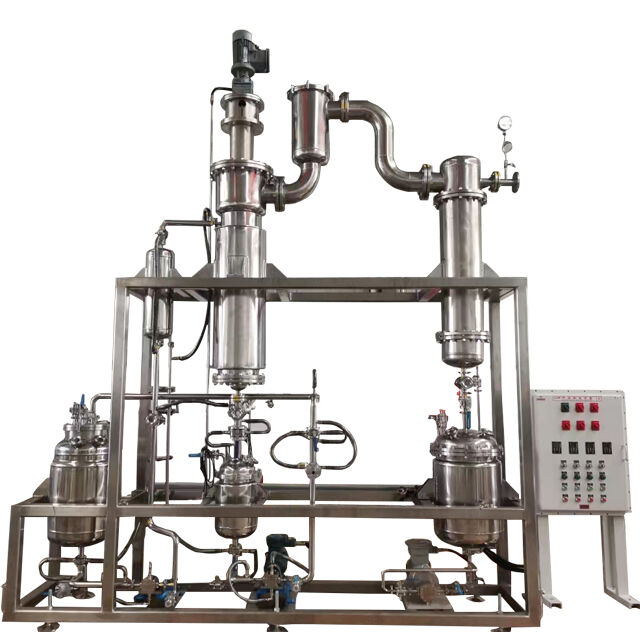
The continuous thin film evaporator represents a sophisticated industrial technology designed to concentrate liquids and separate solvents through controlled evaporation processes. This advanced system operates by creating a thin liquid layer on a heated surface, enabling rapid heat transfer and efficient moisture removal. The continuous thin film evaporator utilizes rotating wipers or distributors to maintain uniform film thickness across the evaporation surface, ensuring consistent processing results. The equipment functions through a combination of mechanical agitation and thermal energy, where liquid feed enters the system continuously and flows down heated walls in a controlled manner. The thin film formation maximizes surface area exposure to heat, accelerating the evaporation process significantly compared to traditional methods. The continuous thin film evaporator incorporates precise temperature control mechanisms, allowing operators to maintain optimal conditions for different materials and applications. Vacuum systems often complement these units to reduce boiling points and prevent thermal degradation of heat-sensitive products. The technology features automated control systems that monitor flow rates, temperatures, and pressure differentials to ensure stable operation. Material construction typically involves corrosion-resistant alloys and specialized coatings to handle aggressive chemicals and maintain product purity. The continuous thin film evaporator design accommodates various viscosities, from low-viscosity solvents to high-viscosity concentrates. Modern units integrate advanced instrumentation for real-time monitoring and data logging capabilities. The evaporator configuration allows for single-pass or recirculation modes depending on concentration requirements. Heat recovery systems capture and reuse thermal energy, improving overall efficiency. The continuous thin film evaporator serves industries requiring precise concentration control, including pharmaceuticals, chemicals, food processing, and environmental remediation. These systems handle capacities ranging from laboratory scale to large industrial volumes, making them versatile solutions for diverse processing needs.

New Product Releases

The continuous thin film evaporator delivers exceptional processing efficiency that transforms industrial evaporation operations. This technology reduces processing time dramatically by creating optimal heat transfer conditions through thin film formation. Users experience significant energy savings because the system requires lower temperatures and shorter residence times compared to conventional evaporators. The continuous operation eliminates batch processing delays, increasing overall productivity and throughput capacity. Companies achieve superior product quality because the gentle processing conditions prevent thermal degradation and maintain molecular integrity. The continuous thin film evaporator handles high-viscosity materials effectively, processing substances that would clog or damage traditional equipment. Operators benefit from precise control over concentration levels, enabling consistent product specifications and reduced waste. The system accommodates wide temperature ranges and various operating pressures, providing flexibility for different applications and materials. Maintenance requirements decrease substantially due to the self-cleaning action of rotating wipers that prevent fouling and buildup. The compact footprint saves valuable floor space while delivering high processing capacity, optimizing facility utilization. Users gain from reduced labor costs through automated operation and minimal supervision requirements. The continuous thin film evaporator produces higher yields by maximizing recovery efficiency and minimizing product losses. Environmental benefits include reduced emissions and energy consumption, supporting sustainability initiatives. The technology handles corrosive and hazardous materials safely through proper containment and ventilation systems. Cleaning procedures become simplified with smooth surfaces and accessible components, reducing downtime between product changes. The system integrates seamlessly with existing plant infrastructure and control systems. Quality control improves through consistent processing conditions and repeatable results. The continuous thin film evaporator eliminates hot spots and temperature gradients that could damage sensitive products. Operational costs decrease through reduced utility consumption and improved process efficiency. The technology supports various applications simultaneously through multi-effect configurations, maximizing equipment utilization and return on investment.

Tips And Tricks

How Does Fractional Distillation Improve Separation Accuracy in Production?

24

Dec

How Does Fractional Distillation Improve Separation Accuracy in Production?

Modern industrial production demands precise separation techniques to achieve high-purity compounds and maximize operational efficiency. Among various separation methods, fractional distillation stands as a cornerstone technology that significantly e...
View More
How to Select a Crystallization Reactor for Pharmaceutical Crystallization?

24

Dec

How to Select a Crystallization Reactor for Pharmaceutical Crystallization?

Selecting the right crystallization reactor for pharmaceutical manufacturing requires careful consideration of multiple technical and operational factors that directly impact product quality, yield, and process efficiency. The pharmaceutical industry...
View More
What Operating Conditions Affect Fractional Distillation Performance?

24

Dec

What Operating Conditions Affect Fractional Distillation Performance?

Fractional distillation represents one of the most critical separation techniques in chemical processing, petrochemical industries, and laboratory applications. The effectiveness of this process depends heavily on various operating conditions that di...
View More
What Design Features Matter in a Rotary and Liftable Stainless Steel Reactor?

20

Jan

What Design Features Matter in a Rotary and Liftable Stainless Steel Reactor?

Modern industrial chemical processing demands precision, efficiency, and reliability in every piece of equipment. Among the most critical components in pharmaceutical, chemical, and biotechnology manufacturing is the rotary and liftable stainless ste...
View More

Get a Free Quote

Our representative will contact you soon.
Email
Name
Contact Number
Company Name
Message
0/1000

continuous thin film evaporator

Superior Heat Transfer Efficiency and Energy Optimization

Superior Heat Transfer Efficiency and Energy Optimization

The continuous thin film evaporator achieves remarkable heat transfer efficiency through its innovative thin film technology that maximizes thermal contact between the heated surface and processed material. This advanced design creates an extremely thin liquid layer, typically measuring only a few millimeters thick, which dramatically reduces heat transfer resistance and enables rapid temperature equilibration. The rotating wiper system continuously renews the surface, preventing the formation of insulating layers that would impede heat transfer in conventional systems. This mechanism ensures that fresh material constantly contacts the heated wall, maintaining optimal thermal conductivity throughout the process. The continuous thin film evaporator operates at significantly lower temperatures than traditional evaporators, reducing energy consumption by up to forty percent while achieving equivalent concentration levels. The enhanced heat transfer coefficient translates directly into reduced processing time, allowing higher throughput rates and improved production efficiency. Energy recovery systems integrated into modern continuous thin film evaporator designs capture waste heat from vapor streams and condensates, further optimizing energy utilization. The precise temperature control prevents overheating and thermal shock, protecting sensitive compounds from degradation while maintaining process efficiency. Multi-effect configurations multiply these benefits by utilizing vapor from one stage to heat subsequent stages, creating cascading energy utilization that dramatically improves overall thermal efficiency. The system's ability to operate under vacuum conditions reduces boiling points significantly, enabling processing of temperature-sensitive materials at mild conditions while maintaining rapid evaporation rates. This combination of enhanced heat transfer and energy optimization makes the continuous thin film evaporator an economically attractive solution for companies seeking to reduce operating costs while improving process performance and product quality.
Exceptional Product Quality and Gentle Processing Conditions

Exceptional Product Quality and Gentle Processing Conditions

The continuous thin film evaporator excels in preserving product quality through its gentle processing approach that minimizes thermal stress and residence time exposure. Unlike batch systems where materials may experience prolonged heating cycles, the continuous thin film evaporator processes material in a single pass, typically completing evaporation within seconds or minutes rather than hours. This rapid processing prevents thermal degradation, oxidation, and unwanted chemical reactions that can compromise product integrity and value. The uniform film distribution ensures consistent heat exposure across all material, eliminating hot spots and temperature variations that could cause localized overheating or uneven concentration. The continuous thin film evaporator maintains precise control over operating parameters, allowing operators to optimize conditions for specific products and achieve targeted concentration levels with remarkable accuracy. The system's ability to handle shear-sensitive materials makes it ideal for processing biological compounds, pharmaceuticals, and specialty chemicals that require careful handling. The controlled atmosphere within the evaporator prevents contamination and oxidation, particularly important for high-value products requiring exceptional purity standards. Vapor-liquid separation occurs immediately upon evaporation, preventing re-mixing and ensuring clean separation of components. The continuous thin film evaporator accommodates various product characteristics, from clear solutions to suspensions containing solids, demonstrating remarkable versatility in handling diverse feed streams. Quality control becomes more predictable and consistent because the continuous operation eliminates batch-to-batch variations common in conventional systems. The gentle agitation provided by wipers prevents mechanical damage to delicate structures while ensuring complete surface renewal. Temperature monitoring and control systems maintain optimal conditions throughout the process, providing operators with real-time feedback and adjustment capabilities. This combination of gentle processing conditions and precise control makes the continuous thin film evaporator the preferred choice for high-value products where quality preservation is paramount.
Versatile Application Range and Operational Flexibility

Versatile Application Range and Operational Flexibility

The continuous thin film evaporator demonstrates exceptional versatility by successfully handling an extensive range of materials, viscosities, and processing requirements across multiple industries. This adaptability stems from its robust design and configurable operating parameters that accommodate diverse feed characteristics, from low-viscosity solvents to high-viscosity pastes and slurries. The system processes corrosive chemicals, pharmaceutical intermediates, food concentrates, and environmental waste streams with equal efficiency, making it a valuable asset for multi-product facilities. Material compatibility extends to aggressive substances that would damage conventional equipment, thanks to specialized alloy construction and protective coatings available in continuous thin film evaporator designs. The technology handles wide temperature ranges from cryogenic conditions to high-temperature applications, providing flexibility for various thermal processing requirements. Pressure capabilities span from deep vacuum to moderate positive pressures, enabling optimization for different boiling points and material characteristics. The continuous thin film evaporator accommodates varying flow rates and concentration ratios, allowing operators to adjust production scales according to demand fluctuations. Multiple configuration options include single-effect, multi-effect, and hybrid arrangements that maximize efficiency for specific applications. The system integrates various auxiliary equipment such as condensers, vacuum systems, and heat recovery units to create comprehensive processing solutions. Cleaning and changeover procedures adapt to different product requirements, from simple rinses for compatible materials to thorough sterilization protocols for pharmaceutical applications. The continuous thin film evaporator supports both continuous and semi-continuous operation modes, providing flexibility for different production strategies and maintenance schedules. Advanced control systems enable remote operation and integration with plant-wide automation systems, supporting modern manufacturing requirements. The modular design allows for capacity expansion and process modifications without extensive downtime or reconstruction. This operational flexibility makes the continuous thin film evaporator suitable for research and development applications, pilot-scale operations, and full-scale production environments, providing a scalable solution that grows with business needs and changing market requirements.

Get a Free Quote

Our representative will contact you soon.
Email
Name
Contact Number
Company Name
Message
0/1000