Professional Stainless Steel Vacuum Concentrator - Advanced Sample Concentration Solutions

Get a Free Quote

Our representative will contact you soon.
Email
Name
Contact Number
Company Name
Message
0/1000

stainless steel vacuum concentrator

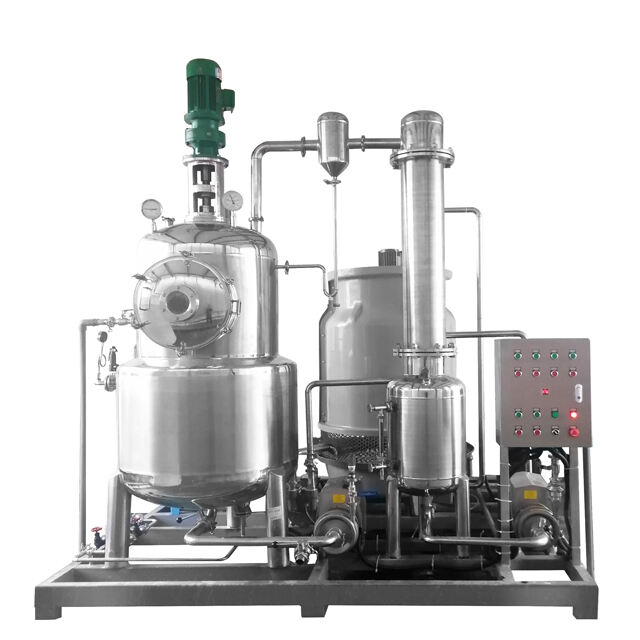
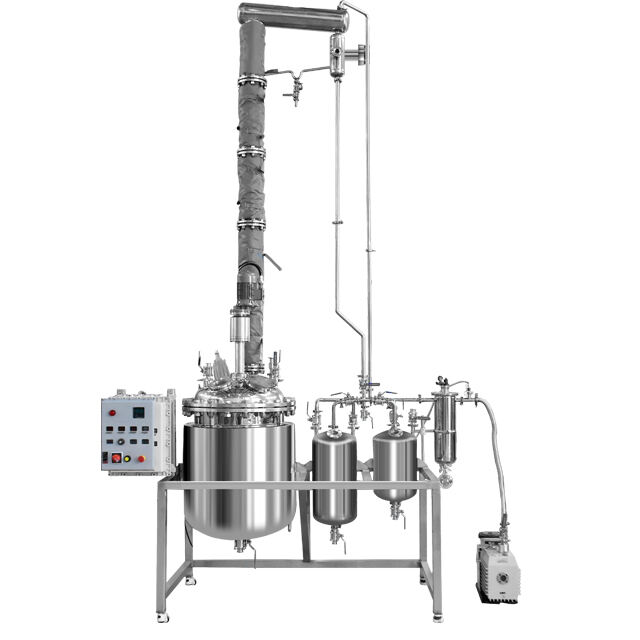
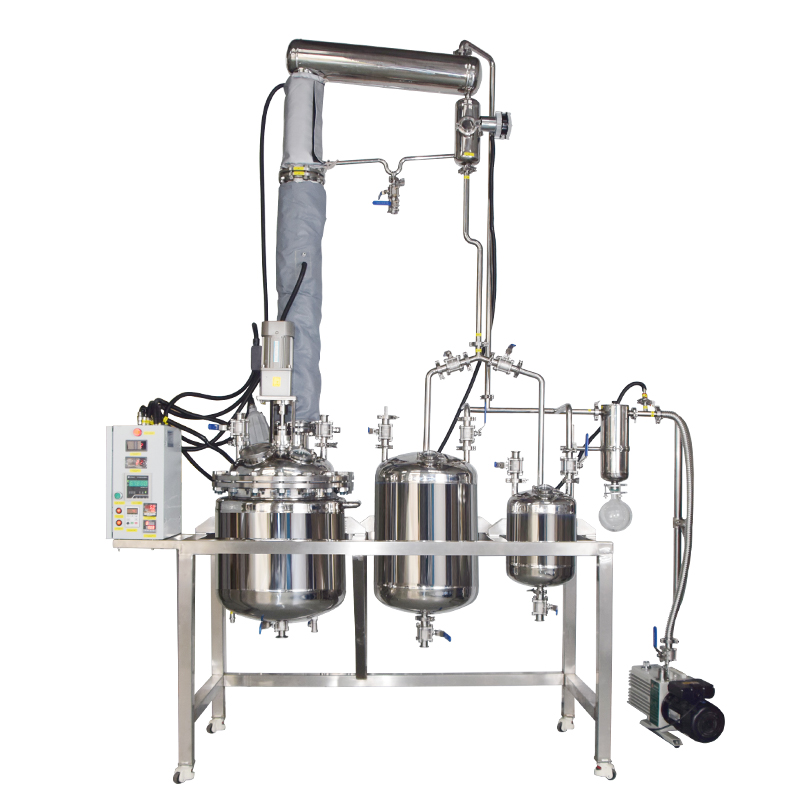
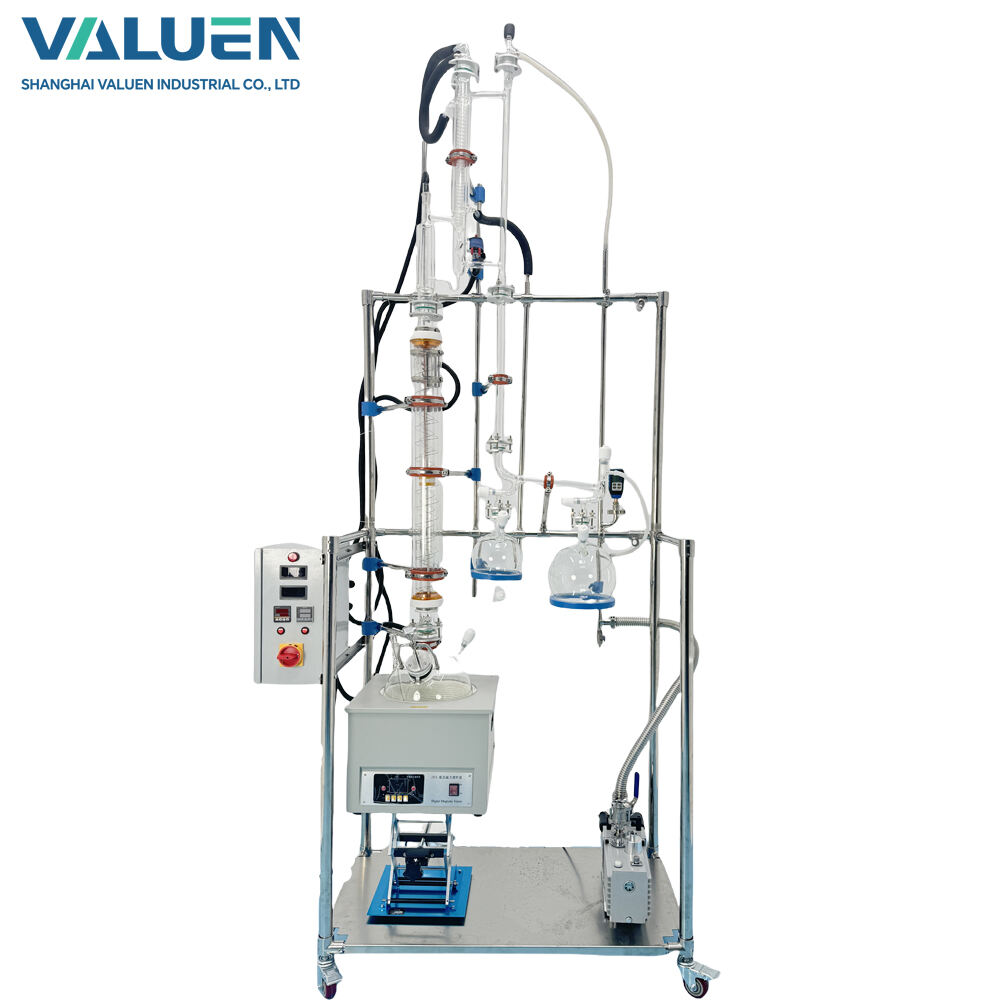
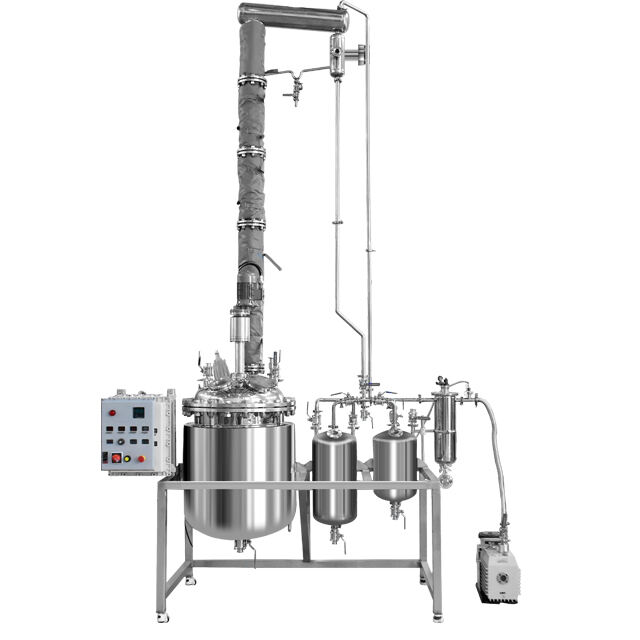
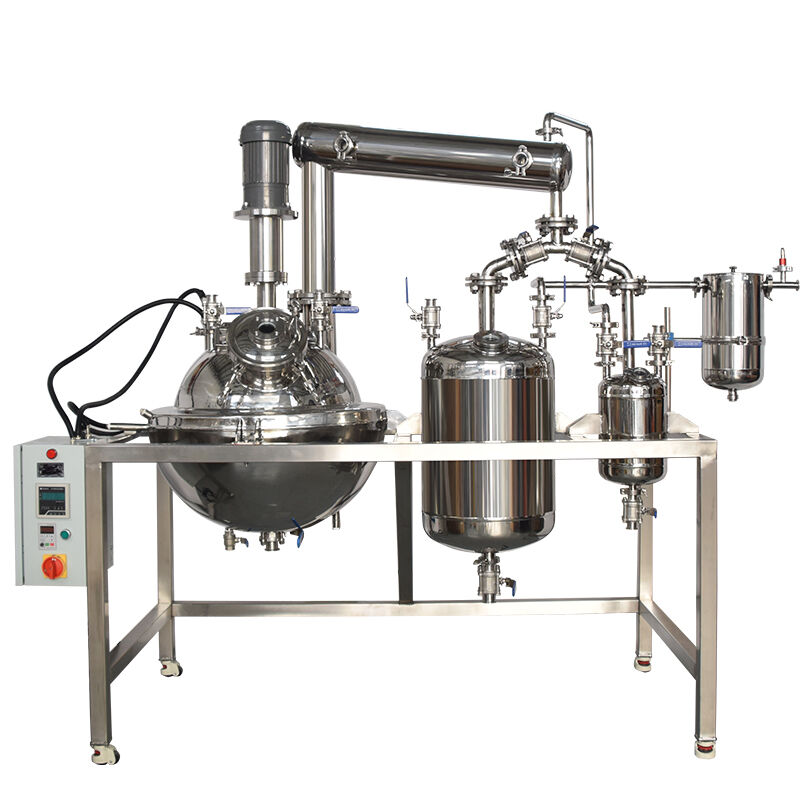
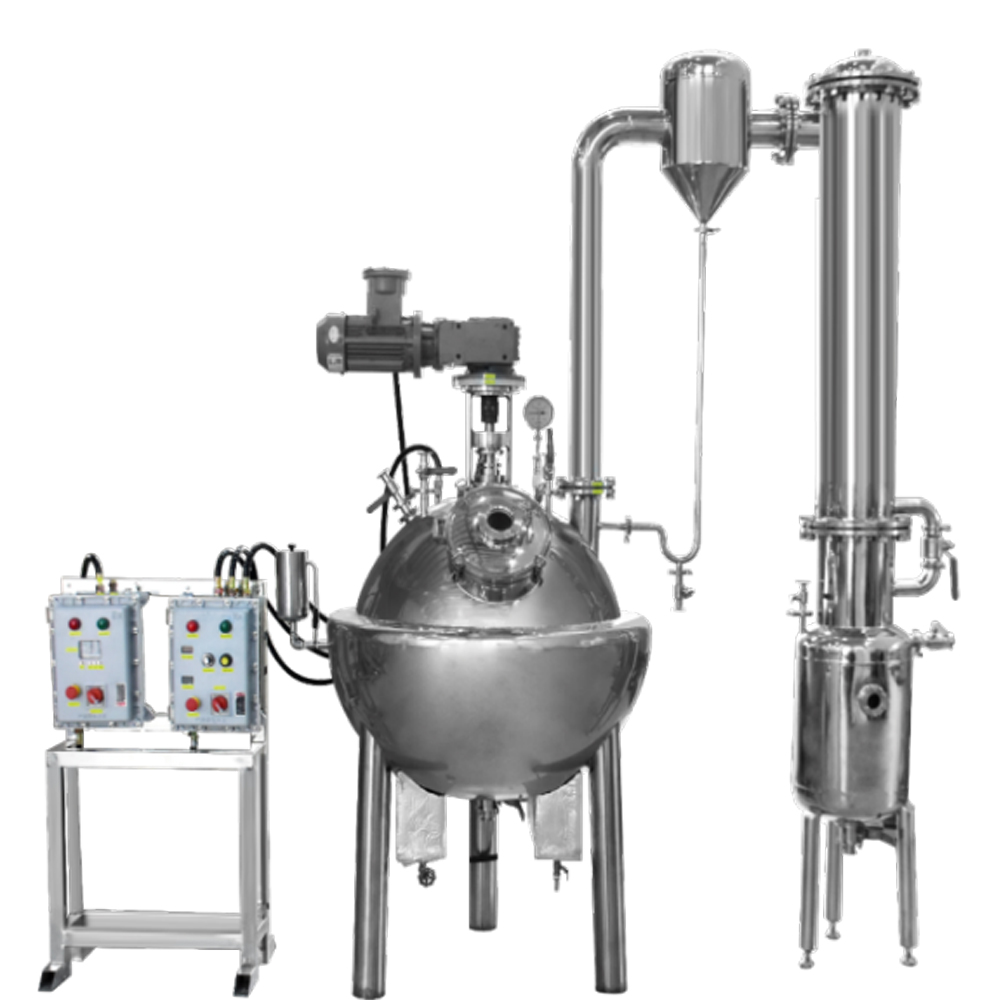
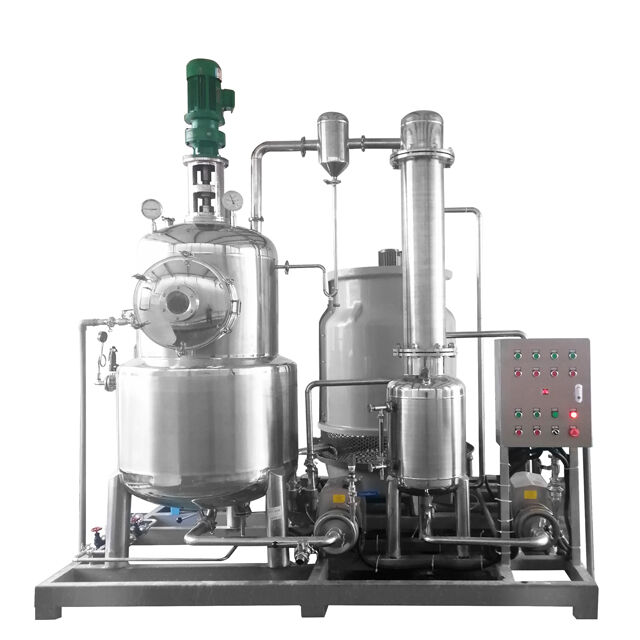
A stainless steel vacuum concentrator represents a sophisticated laboratory and industrial device designed to remove solvents from liquid samples through controlled evaporation under reduced pressure conditions. This precision equipment combines the durability of stainless steel construction with advanced vacuum technology to deliver consistent concentration results across diverse applications. The primary function involves creating a controlled environment where samples undergo gentle evaporation at lower temperatures than conventional methods, preserving heat-sensitive compounds while achieving desired concentration levels. The stainless steel vacuum concentrator operates by establishing a vacuum chamber that reduces atmospheric pressure, thereby lowering the boiling point of solvents and enabling evaporation at temperatures that protect sample integrity. Key technological features include temperature control systems, vacuum pumps, condenser units, and automated monitoring capabilities that ensure precise process management. The robust stainless steel construction provides excellent chemical resistance, thermal conductivity, and contamination prevention, making it suitable for pharmaceutical, biotechnology, food processing, and chemical industries. Modern units incorporate digital interfaces, programmable protocols, and safety features such as over-temperature protection and vacuum monitoring systems. Applications span from pharmaceutical drug development and quality control testing to food concentrate production and environmental sample preparation. Research laboratories utilize these concentrators for protein purification, DNA extraction procedures, and analytical chemistry applications where sample concentration accuracy is critical. Industrial applications include beverage concentrate manufacturing, herbal extract production, and chemical intermediate processing. The versatility of the stainless steel vacuum concentrator makes it an essential tool for operations requiring reliable, contamination-free concentration processes while maintaining the structural and chemical integrity of processed materials.

New Products

The stainless steel vacuum concentrator offers numerous practical benefits that make it an invaluable investment for laboratories and industrial facilities seeking efficient concentration solutions. First, the gentle evaporation process protects temperature-sensitive materials from degradation, allowing users to concentrate delicate compounds without compromising their molecular structure or biological activity. This capability proves essential when working with pharmaceuticals, natural extracts, or biological samples where maintaining compound integrity directly impacts product quality and research outcomes. The reduced operating temperatures significantly decrease energy consumption compared to traditional concentration methods, resulting in lower operational costs and improved sustainability metrics for facilities focused on environmental responsibility. Users experience faster processing times due to the enhanced evaporation rates achieved under vacuum conditions, increasing laboratory throughput and production efficiency. The stainless steel construction eliminates contamination risks associated with other materials, ensuring sample purity and meeting strict regulatory requirements in pharmaceutical and food applications. Maintenance requirements remain minimal due to the corrosion-resistant properties of stainless steel, reducing downtime and service costs while extending equipment lifespan. The precise control capabilities allow operators to achieve consistent results batch after batch, improving quality assurance and reducing product variability. Safety features integrated into modern stainless steel vacuum concentrator units protect both operators and samples from potential hazards, including automatic shut-off systems and pressure monitoring alerts. The equipment handles various sample volumes and types, providing flexibility for different project requirements without requiring multiple specialized devices. Easy cleaning and sanitization procedures ensure compliance with Good Manufacturing Practices and laboratory hygiene standards. The automated operation features reduce labor requirements and minimize human error, allowing skilled personnel to focus on other critical tasks while the concentrator operates efficiently. Long-term cost savings accumulate through reduced solvent usage, energy efficiency, and extended equipment life, making the stainless steel vacuum concentrator a financially sound investment for organizations requiring reliable concentration capabilities.

Latest News

Glass Molecular Distillation System: Ensuring Precision and Purity

15

Apr

Glass Molecular Distillation System: Ensuring Precision and Purity

How Glass Molecular Distillation Works: Principles of High-Vacuum, Short-Path Separation What is a Glass Molecular Distillation System? Glass molecular distillation systems work by separating heat sensitive compounds through two main methods actual...
View More
Stainless Steel Molecular Distillation System: The Role in Enhancing Industrial Efficiency

16

Apr

Stainless Steel Molecular Distillation System: The Role in Enhancing Industrial Efficiency

Core Principles of Stainless Steel Molecular Distillation Systems How vacuum distillation technology enables high-vacuum performance with advanced pump systems Stainless steel molecular distillation units can reach really low operating pressures, s...
View More
The Benefits of Jacketed Stainless Steel Reactors in Industrial Applications

16

Apr

The Benefits of Jacketed Stainless Steel Reactors in Industrial Applications

Superior Temperature Control Through Advanced Heating and Cooling Systems How Jacketed Design Enables Precise Thermal Regulation Stainless steel reactors with jackets keep things at just the right temperature because they have this outer shell wher...
View More
Optimizing Efficiency with Jacketed Stainless Steel Reactors

16

Apr

Optimizing Efficiency with Jacketed Stainless Steel Reactors

Understanding Jacketed Stainless Steel Reactors and Their Industrial Role What Are Jacketed Stainless Steel Reactors and Why They Matter in Chemical Processing Jacketed stainless steel reactors basically consist of two walls with space in between f...
View More

Get a Free Quote

Our representative will contact you soon.
Email
Name
Contact Number
Company Name
Message
0/1000

stainless steel vacuum concentrator

Superior Material Construction and Contamination Prevention

Superior Material Construction and Contamination Prevention

The stainless steel construction of vacuum concentrators represents a fundamental advantage that sets these units apart from alternatives made with other materials. Stainless steel grade 316L, commonly used in pharmaceutical and food-grade applications, provides exceptional chemical inertness that prevents unwanted interactions between the equipment surfaces and processed samples. This inert characteristic becomes crucial when concentrating sensitive compounds such as pharmaceuticals, biological extracts, or analytical standards where even trace contamination can compromise results. The non-porous surface of stainless steel eliminates absorption of previous samples, preventing cross-contamination between different batches and ensuring each concentration process starts with a clean slate. Unlike plastic or glass alternatives, stainless steel offers superior mechanical strength that withstands repeated vacuum cycling without developing micro-fractures or surface defects that could harbor contaminants. The smooth, electropolished finish typically found on high-quality stainless steel vacuum concentrator units facilitates thorough cleaning and sanitization procedures, meeting the stringent requirements of regulated industries. This material choice also provides excellent thermal conductivity, ensuring uniform heat distribution throughout the concentration chamber and preventing hot spots that could cause localized overheating of sensitive samples. The corrosion resistance inherent in stainless steel construction means the equipment maintains its performance characteristics over extended operational periods, even when exposed to aggressive solvents or cleaning agents. Maintenance teams appreciate the durability of stainless steel components, which resist wear and maintain dimensional stability under repeated thermal cycling. The professional appearance and robust construction of stainless steel units also contribute to laboratory aesthetics and equipment standardization efforts, particularly important in facilities subject to regulatory inspections or client visits.
Precise Temperature Control and Sample Protection

Precise Temperature Control and Sample Protection

Temperature control represents one of the most critical features of a stainless steel vacuum concentrator, directly impacting the quality and integrity of concentrated samples. The advanced temperature management systems integrated into these units allow operators to maintain precise thermal conditions throughout the concentration process, typically controlling temperatures within plus or minus one degree Celsius. This precision becomes essential when processing heat-sensitive compounds such as proteins, enzymes, vitamins, or pharmaceutical intermediates that can denature or degrade when exposed to excessive temperatures. The combination of vacuum conditions and controlled temperature creates an optimal environment where solvents evaporate efficiently at temperatures well below their normal boiling points, protecting valuable samples from thermal damage. Modern stainless steel vacuum concentrator systems incorporate sophisticated heating elements and temperature sensors that provide real-time monitoring and adjustment capabilities, ensuring consistent processing conditions regardless of ambient temperature variations or sample load differences. The thermal mass of stainless steel construction contributes to temperature stability by providing thermal buffering that prevents rapid temperature fluctuations during operation. Programmable temperature profiles allow operators to customize heating ramps and hold temperatures based on specific sample requirements, optimizing concentration efficiency while maintaining sample quality. The safety features integrated into temperature control systems include over-temperature protection, sensor failure detection, and automatic shutdown capabilities that prevent equipment damage and sample loss. Users benefit from the ability to process multiple sample types using different temperature protocols without requiring equipment modifications, providing operational flexibility for diverse applications. The precise temperature control capabilities also enable reproducible results, critical for quality control applications and research studies where consistency directly impacts data validity and regulatory compliance. Documentation features often included in advanced units provide temperature logging and reporting capabilities essential for validated processes and regulatory submissions.
Enhanced Efficiency Through Vacuum Technology Integration

Enhanced Efficiency Through Vacuum Technology Integration

The vacuum technology integration in stainless steel vacuum concentrator units delivers exceptional efficiency improvements that translate directly into operational benefits and cost savings for users. The fundamental principle of reducing atmospheric pressure to lower solvent boiling points creates a concentration environment that operates at dramatically reduced temperatures while maintaining high evaporation rates. This efficiency gain means samples that might require hours to concentrate using conventional methods can be processed in significantly shorter timeframes, improving laboratory throughput and production schedules. The vacuum system components, including pumps, valves, and pressure monitoring equipment, work in harmony to maintain consistent pressure levels throughout the concentration cycle, ensuring predictable and reproducible results. Advanced vacuum controllers provide precise pressure regulation, allowing operators to optimize conditions for specific solvents and sample types, maximizing concentration efficiency while protecting sample integrity. The energy efficiency achieved through vacuum operation results in substantial cost savings over time, as the reduced temperature requirements mean lower energy consumption compared to traditional concentration methods. The vacuum environment also enables the recovery and recycling of evaporated solvents through integrated condenser systems, providing additional cost savings and environmental benefits for facilities processing large sample volumes. Automated vacuum monitoring and control systems reduce the need for constant operator attention, allowing laboratory personnel to focus on other tasks while concentration processes run unattended. The rapid concentration capabilities enabled by vacuum technology prove particularly valuable in time-sensitive applications such as pharmaceutical development or quality control testing where delays can impact project timelines. Safety enhancements inherent in vacuum operation include reduced fire and explosion risks associated with solvent vapors, as the controlled environment minimizes vapor accumulation. The versatility of vacuum technology allows the stainless steel vacuum concentrator to handle diverse solvent systems and sample types without requiring significant operational adjustments, providing flexibility for laboratories with varied concentration needs.

Get a Free Quote

Our representative will contact you soon.
Email
Name
Contact Number
Company Name
Message
0/1000