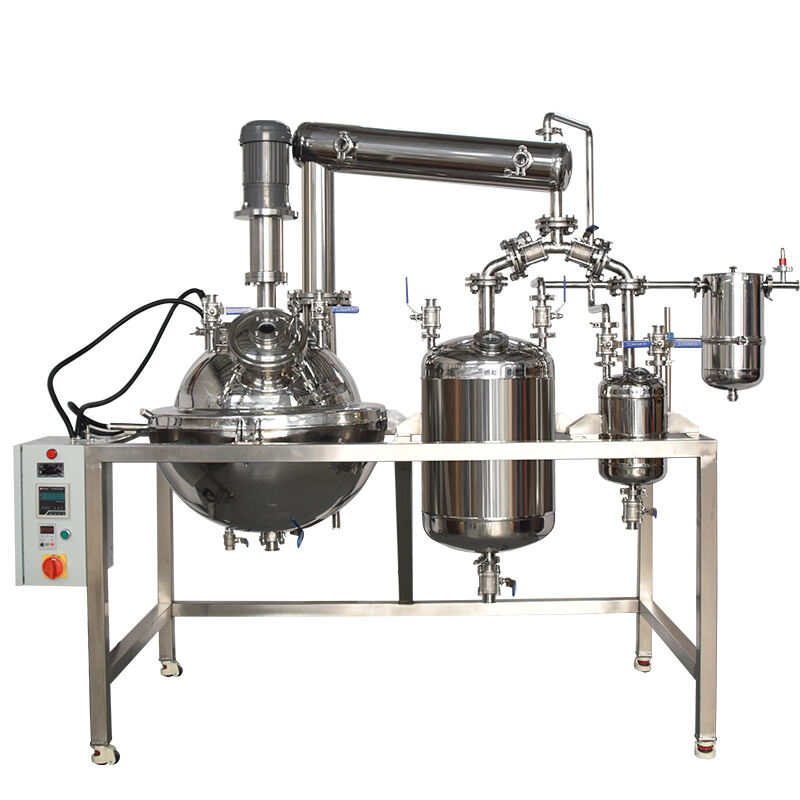
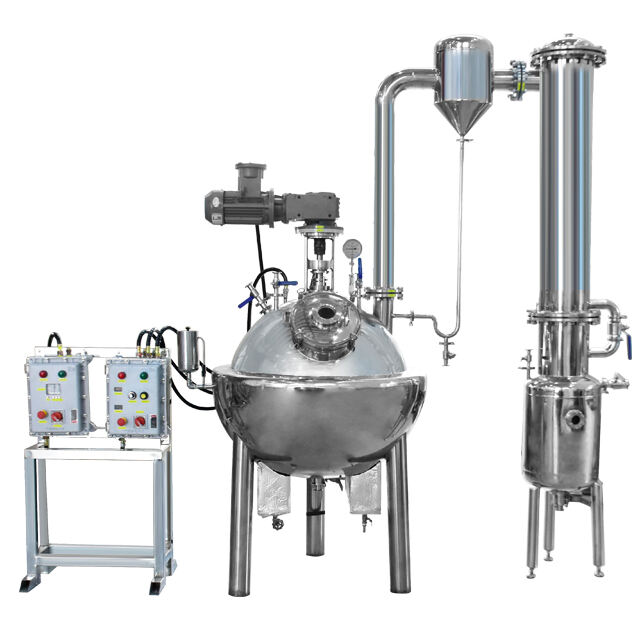
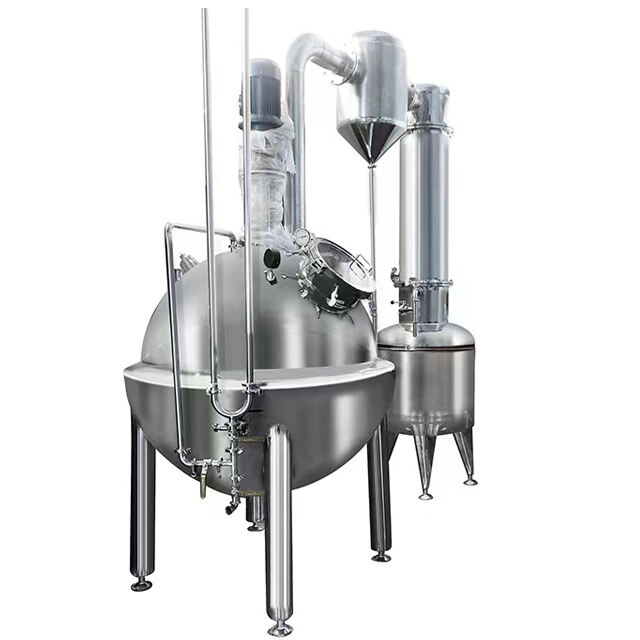
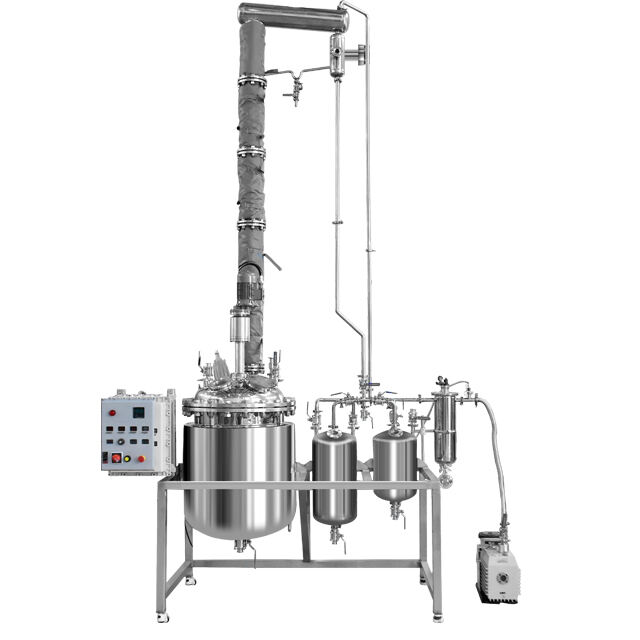
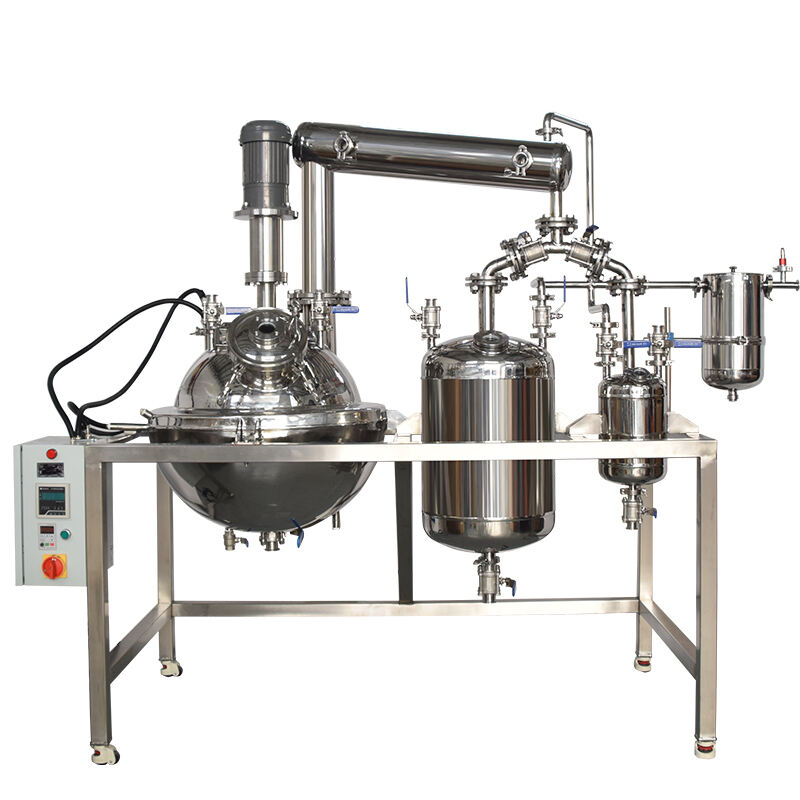
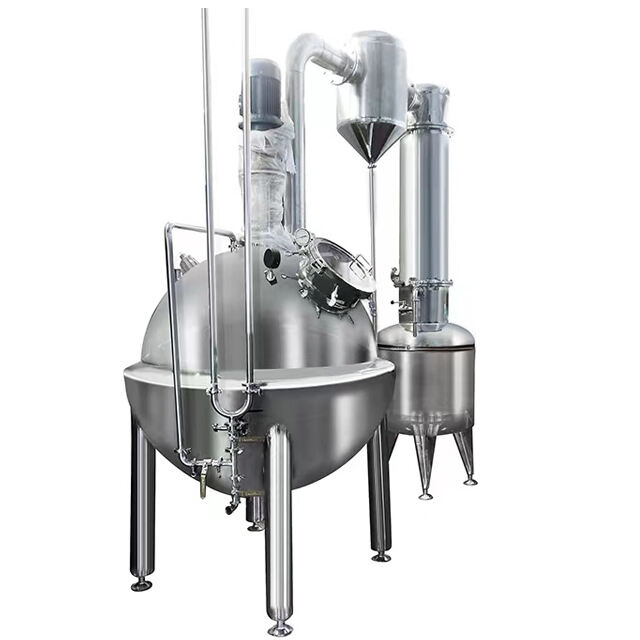
vacuum concentrator
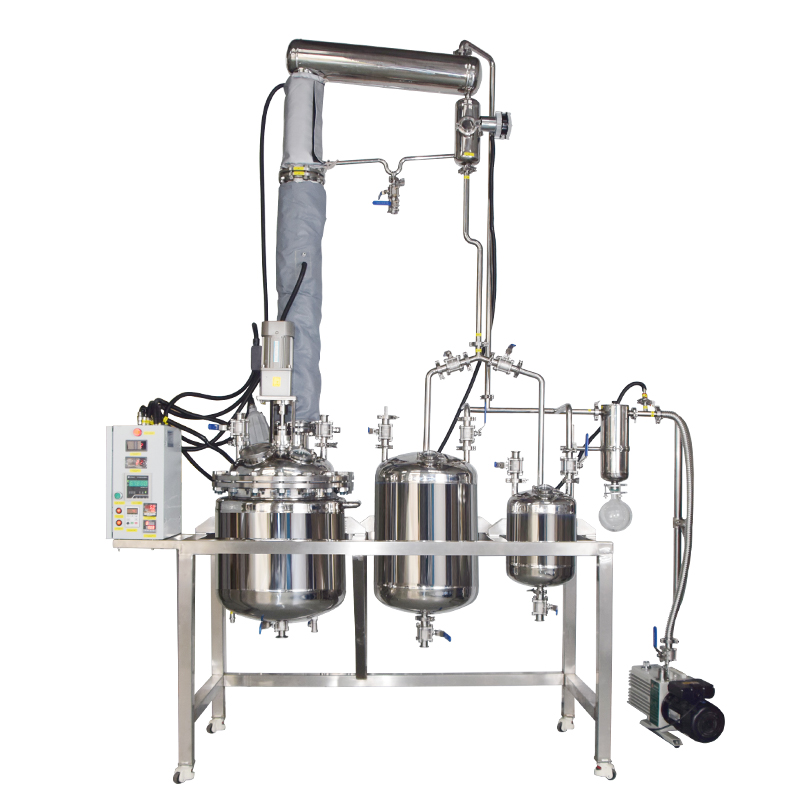
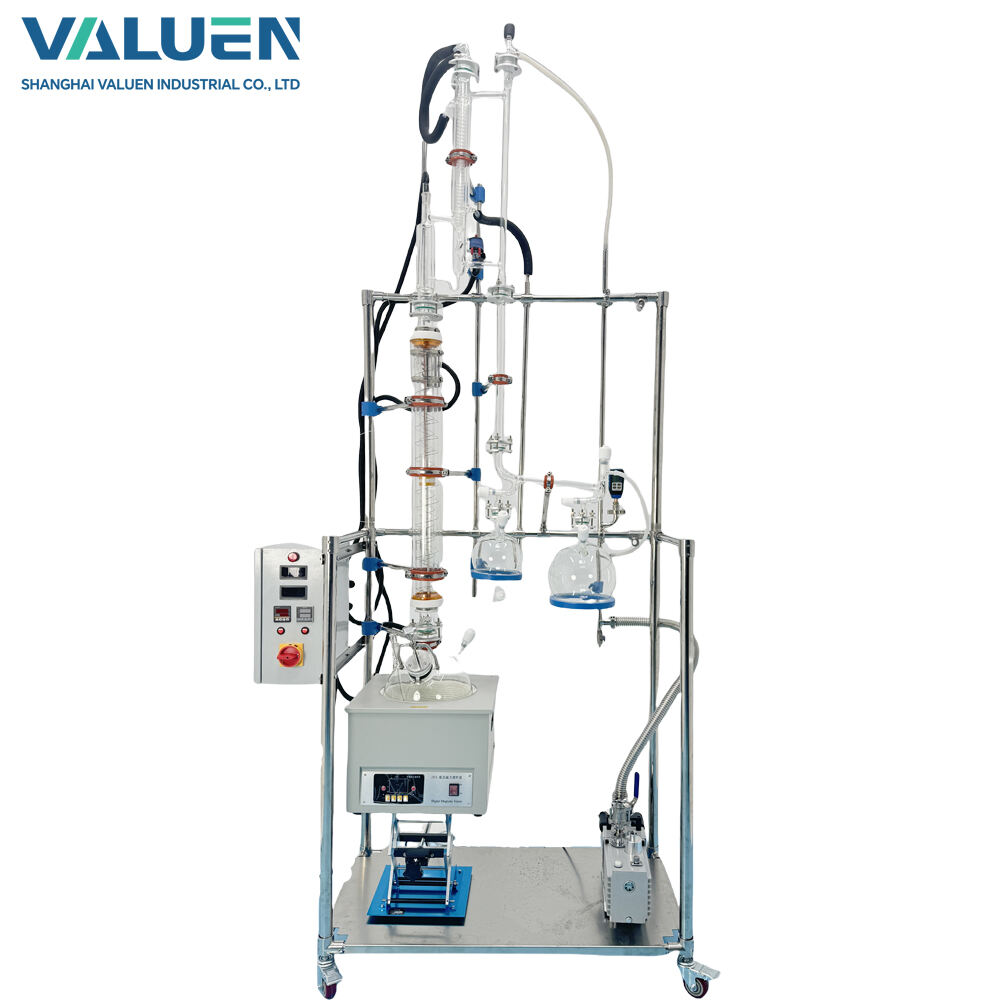
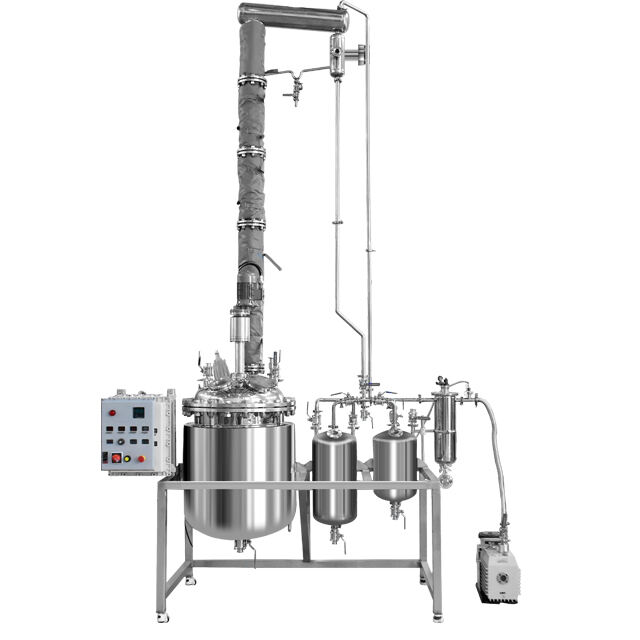
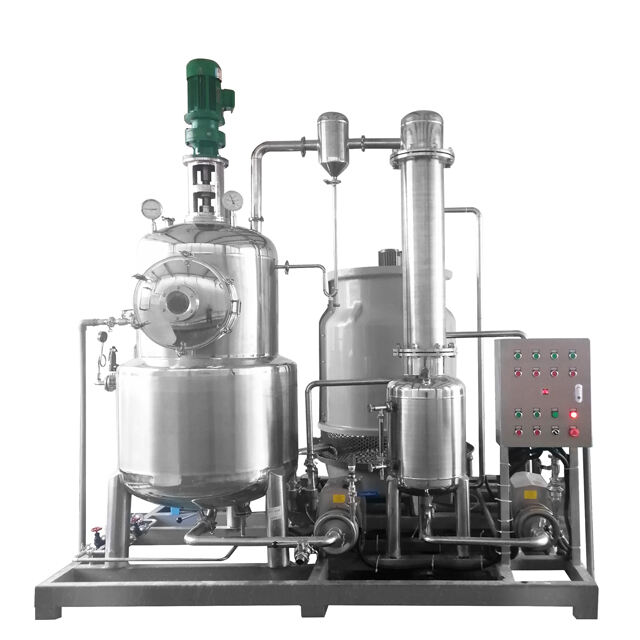
A vacuum concentrator represents a sophisticated piece of laboratory equipment designed to efficiently remove solvents from samples through the combined application of vacuum, heat, and centrifugal force. This innovative technology operates on the principle of reducing atmospheric pressure to lower the boiling point of liquids, enabling gentle evaporation at temperatures significantly below normal boiling points. The vacuum concentrator incorporates multiple components working in harmony: a vacuum pump creates the reduced pressure environment, a heating system provides controlled temperature management, and a centrifugal rotor ensures uniform sample processing while preventing bumping and sample loss. Modern vacuum concentrator units feature advanced control systems that allow precise management of temperature, vacuum levels, and rotation speed, ensuring optimal conditions for different sample types and solvents. The equipment typically includes various rotor configurations to accommodate different tube sizes and sample volumes, from microtubes to larger containers. Safety features are integral to vacuum concentrator design, including automatic shut-off mechanisms, over-temperature protection, and secure rotor locking systems. The vacuum concentrator finds extensive use in molecular biology, biochemistry, pharmaceutical research, and analytical chemistry laboratories where sample preparation requires solvent removal without thermal degradation. These systems excel at concentrating DNA, RNA, proteins, and other biological molecules while maintaining their structural integrity. The technology supports both aqueous and organic solvent removal, making it versatile for diverse research applications. Many vacuum concentrator models offer programmable protocols, allowing researchers to store and recall specific processing parameters for different sample types, enhancing reproducibility and workflow efficiency.
 EN
EN