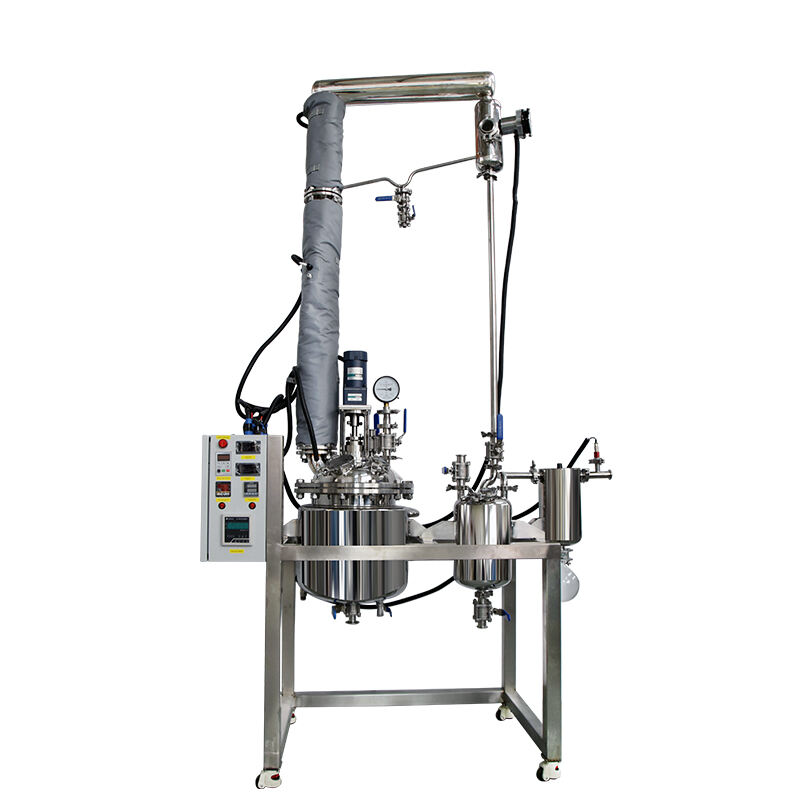
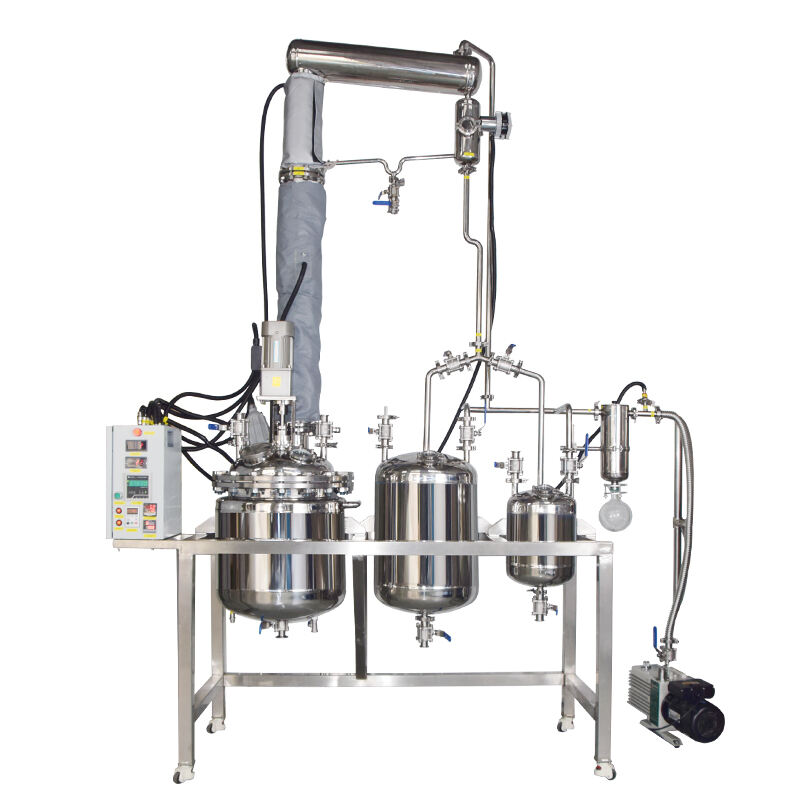
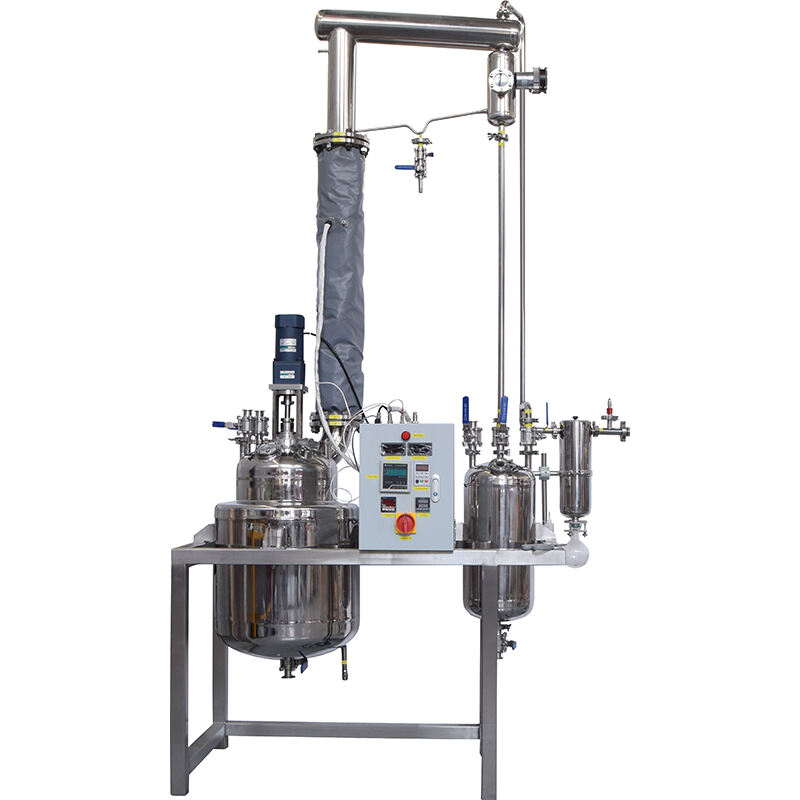
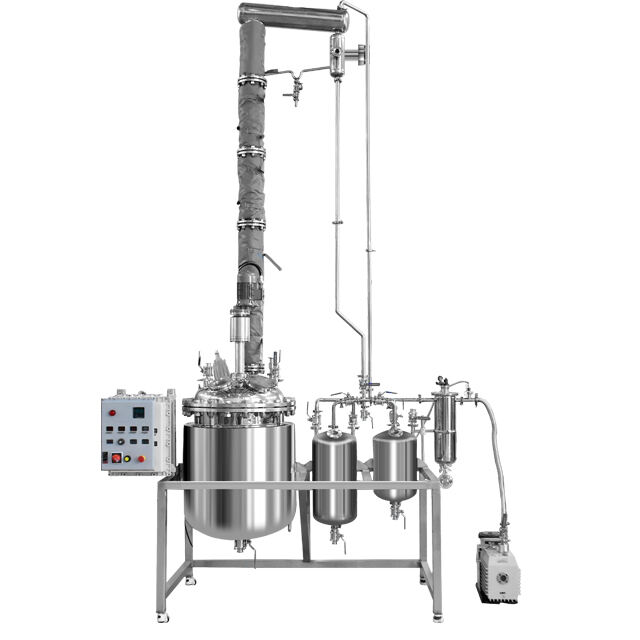
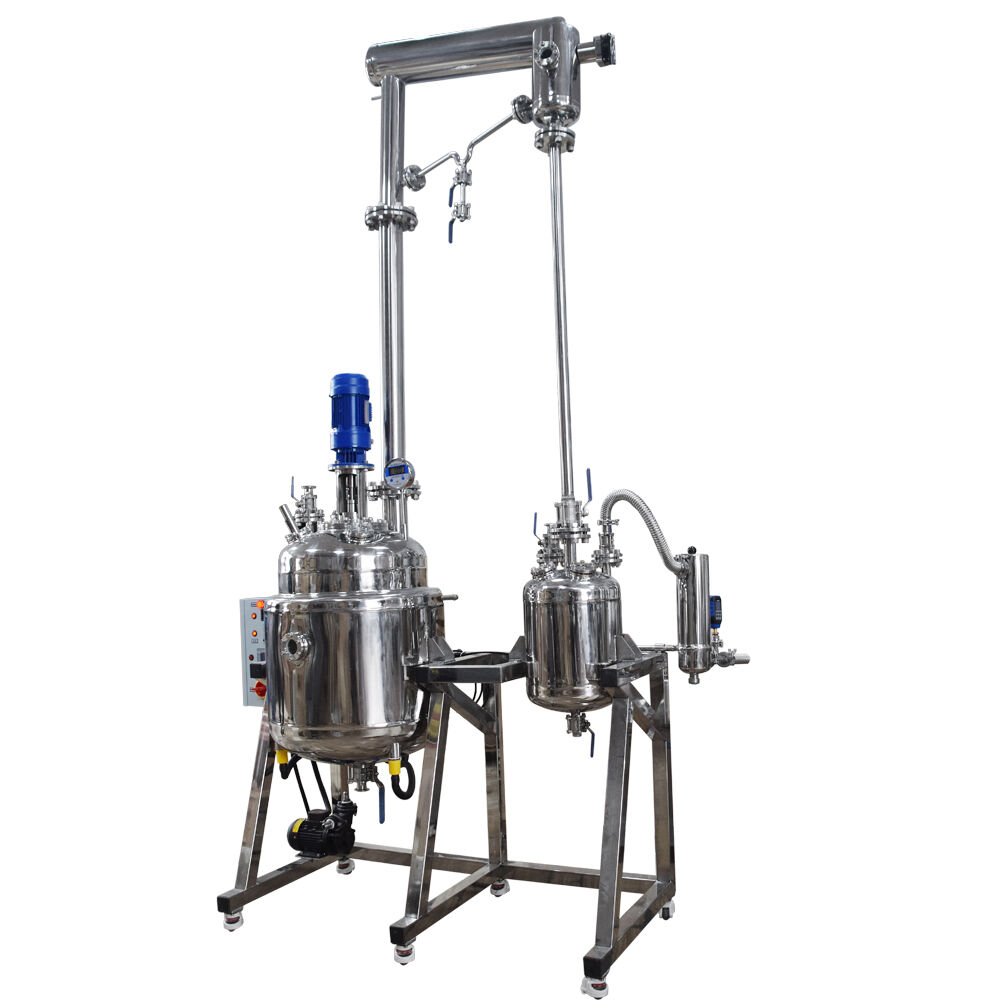
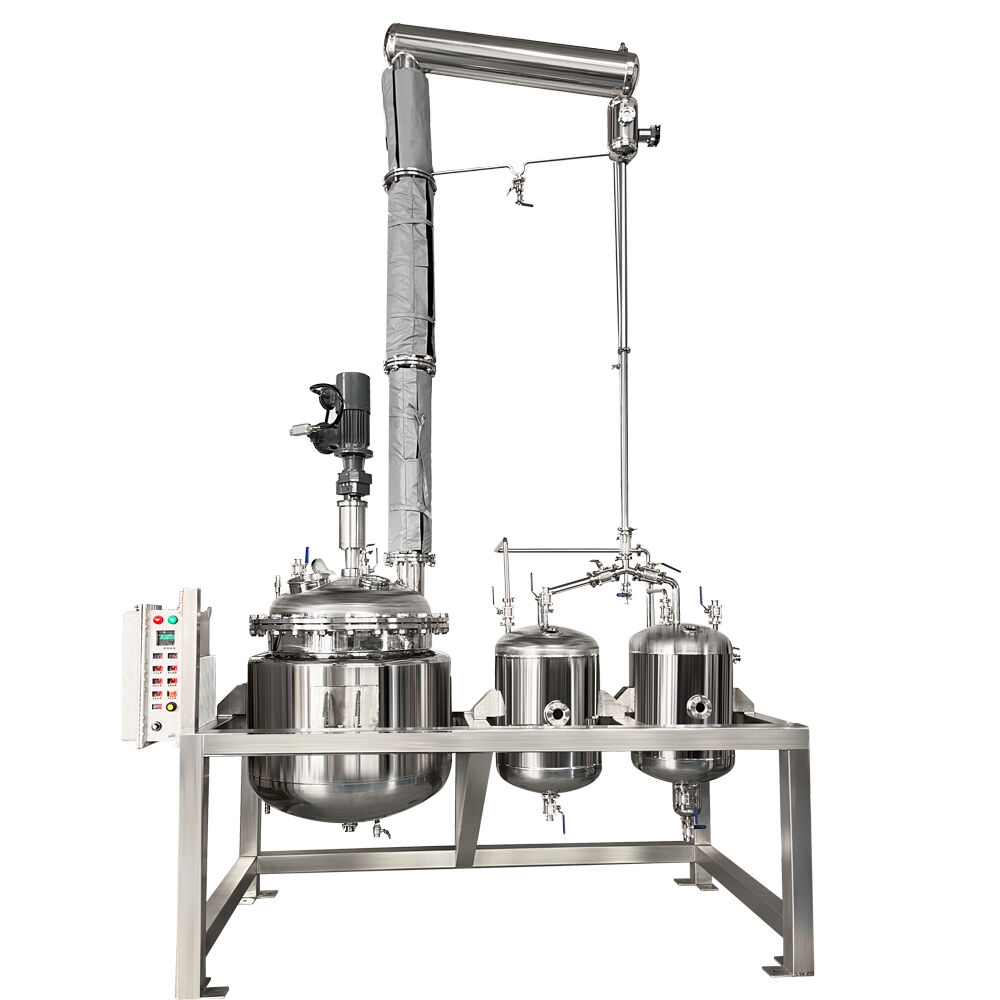
Rectification Reactor Vessel: Advanced Chemical Processing Equipment for Industrial Applications

Get a Free Quote

Our representative will contact you soon.
Email
Name
Contact Number
Company Name
Message
0/1000

rectification reactor vessel

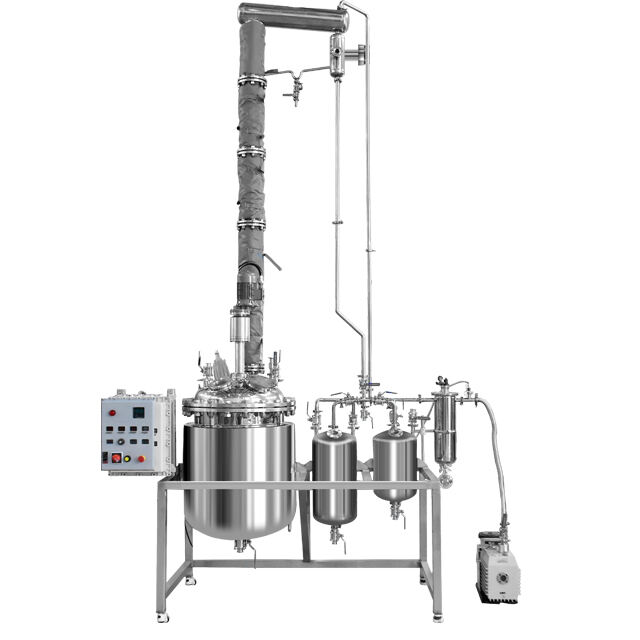
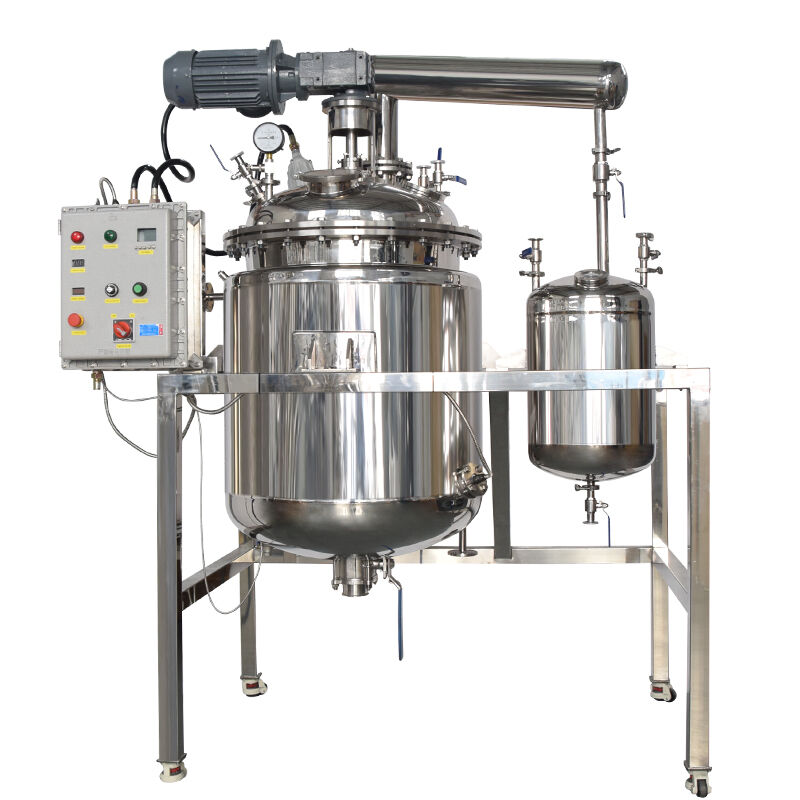
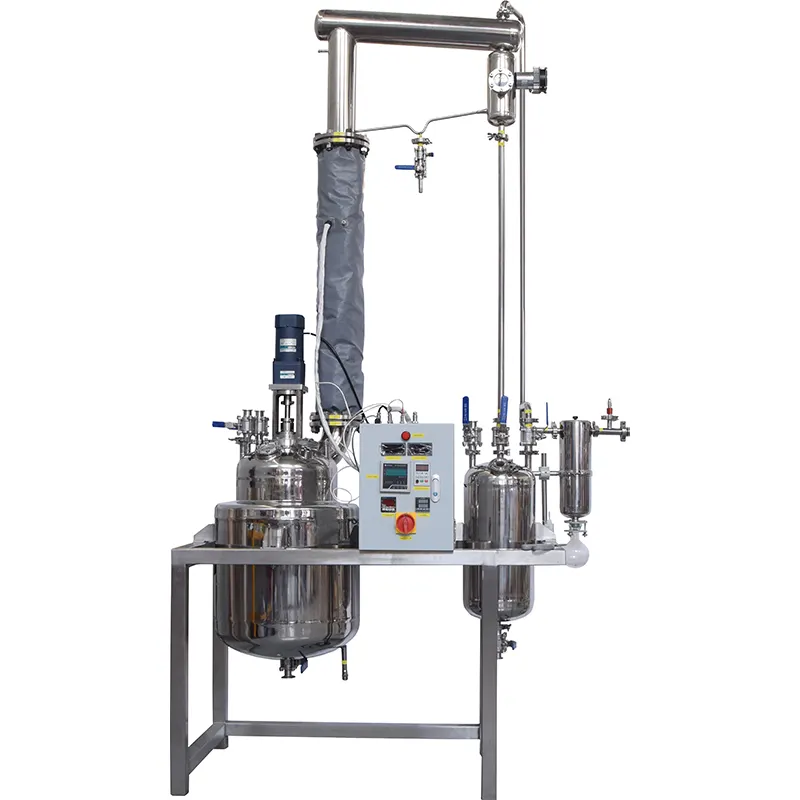
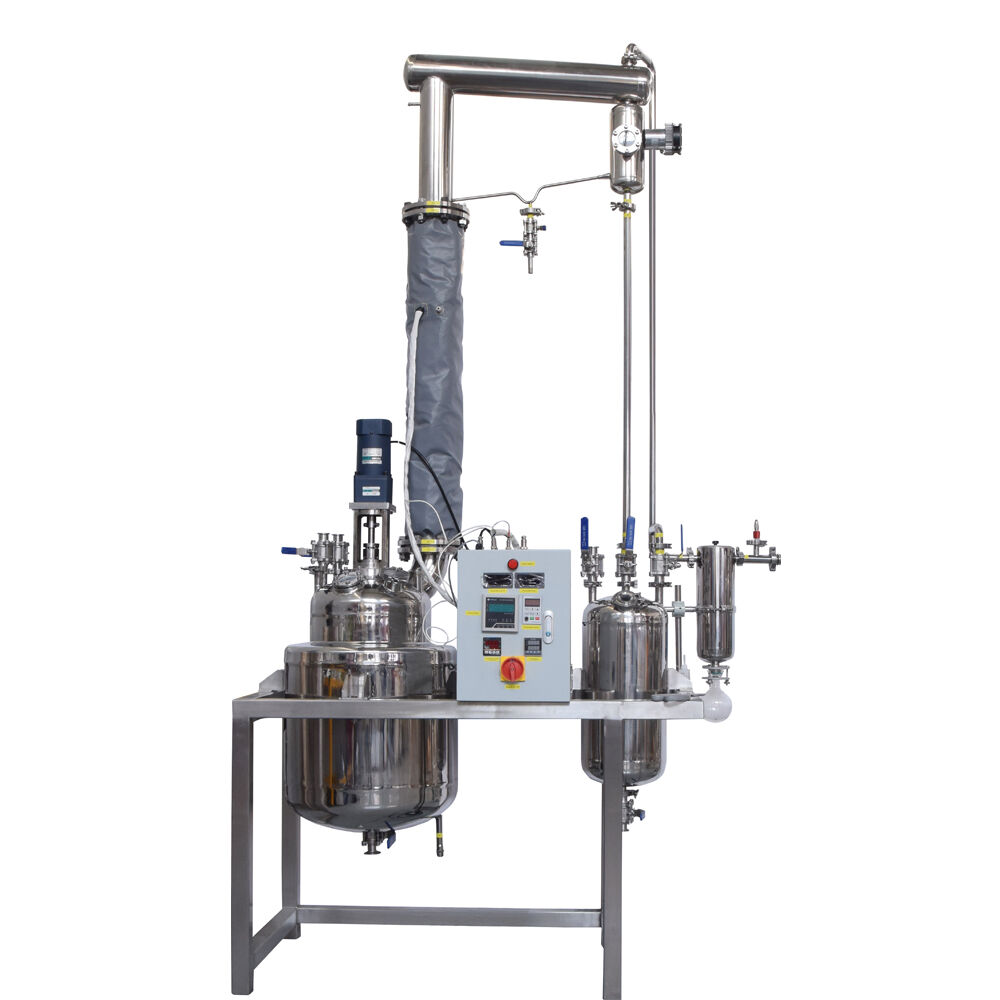
The rectification reactor vessel represents a sophisticated piece of industrial equipment designed to perform simultaneous chemical reactions and separation processes within a single integrated unit. This innovative technology combines the principles of distillation with reactive chemistry, creating an efficient system that optimizes both reaction kinetics and product purification. The rectification reactor vessel operates by utilizing structured packing or trays that facilitate intimate contact between reactants while enabling continuous separation of products based on their volatility differences. The main functions of a rectification reactor vessel encompass multiple critical operations including catalytic reactions, distillation, and heat integration within one compact system. The vessel facilitates chemical transformations while simultaneously removing products from the reaction zone, which helps drive equilibrium reactions toward completion and prevents unwanted side reactions. This dual functionality eliminates the need for separate reaction and separation equipment, significantly reducing capital investment and operational complexity. Technological features of the rectification reactor vessel include precise temperature control systems, advanced heat exchange capabilities, and specialized internals designed to maximize mass transfer efficiency. The vessel typically incorporates multiple feed points, withdrawal streams, and sophisticated control systems that monitor pressure, temperature, and composition throughout the unit. Advanced materials of construction ensure compatibility with various chemical environments while maintaining structural integrity under demanding operating conditions. The applications for rectification reactor vessels span numerous industries including petrochemicals, pharmaceuticals, specialty chemicals, and fine chemicals production. Common applications include esterification processes, etherification reactions, alkylation operations, and various organic synthesis procedures where reaction and separation occur simultaneously. These vessels prove particularly valuable in processes involving equilibrium-limited reactions, where continuous product removal enhances conversion rates and overall process efficiency, making them essential equipment for modern chemical manufacturing facilities seeking to optimize production while minimizing environmental impact and operational costs.

New Product Releases

The rectification reactor vessel delivers exceptional operational benefits that transform traditional chemical processing approaches and provide substantial value to manufacturing operations. This advanced equipment reduces capital expenditure by eliminating the need for separate reactor and distillation column installations, allowing companies to achieve significant cost savings during project development phases. The integrated design minimizes plot space requirements, making it ideal for facilities with limited real estate or those seeking to maximize production capacity within existing infrastructure constraints. Energy efficiency represents another major advantage of the rectification reactor vessel, as the system utilizes reaction heat to drive separation processes, reducing external heating requirements and lowering overall energy consumption. This thermal integration creates substantial operational cost reductions while supporting sustainability initiatives and environmental compliance goals. The vessel design promotes superior product quality through continuous removal of products from the reaction environment, preventing degradation reactions and minimizing impurity formation that typically occurs in conventional batch processing systems. Process intensification achieved through the rectification reactor vessel enables higher conversion rates and improved selectivity compared to traditional separate unit operations. The continuous operation mode eliminates batch-to-batch variations, ensuring consistent product specifications and reducing quality control challenges. This reliability translates directly into improved customer satisfaction and reduced waste generation, contributing to enhanced profitability and environmental stewardship. Maintenance requirements are significantly reduced due to the simplified process configuration, with fewer equipment pieces requiring inspection, cleaning, and repair compared to conventional multi-unit systems. The reduced number of interconnecting piping systems and control loops decreases potential leak points and simplifies troubleshooting procedures. Operational flexibility allows easy adjustment of product specifications through manipulation of operating parameters such as reflux ratios, feed locations, and temperature profiles. This adaptability enables manufacturers to respond quickly to market demands and product specification changes without major equipment modifications. The automated control systems integrated into modern rectification reactor vessels provide precise process monitoring and optimization, reducing operator workload while maintaining optimal performance conditions and ensuring safe operations throughout extended production campaigns.

Latest News

The Durability Advantage of Stainless Steel Extraction Reactors

29

Oct

The Durability Advantage of Stainless Steel Extraction Reactors

Why Stainless Steel Extraction Reactors Last LongerTypical Lifespan of Stainless Steel Reactors in Industrial ApplicationsIndustrial stainless steel extraction reactors built to last decades in tough environments aren't uncommon these days. The big o...
View More
How to Choose the Right Stainless Steel Reactor for Pharmaceutical Production

12

Nov

How to Choose the Right Stainless Steel Reactor for Pharmaceutical Production

Selecting the appropriate stainless steel reactor for pharmaceutical production is a critical decision that directly impacts product quality, manufacturing efficiency, and regulatory compliance. The pharmaceutical industry demands exceptional standar...
View More
How to Select a Crystallization Reactor for Pharmaceutical Crystallization?

24

Dec

How to Select a Crystallization Reactor for Pharmaceutical Crystallization?

Selecting the right crystallization reactor for pharmaceutical manufacturing requires careful consideration of multiple technical and operational factors that directly impact product quality, yield, and process efficiency. The pharmaceutical industry...
View More
What Operating Conditions Affect Fractional Distillation Performance?

24

Dec

What Operating Conditions Affect Fractional Distillation Performance?

Fractional distillation represents one of the most critical separation techniques in chemical processing, petrochemical industries, and laboratory applications. The effectiveness of this process depends heavily on various operating conditions that di...
View More

Get a Free Quote

Our representative will contact you soon.
Email
Name
Contact Number
Company Name
Message
0/1000

rectification reactor vessel

Revolutionary Process Integration Technology

Revolutionary Process Integration Technology

The rectification reactor vessel incorporates groundbreaking process integration technology that fundamentally transforms how chemical reactions and separations are performed in industrial settings. This innovative approach combines reaction and distillation operations within a single vessel, creating unprecedented efficiency gains that cannot be achieved through conventional processing methods. The integration eliminates traditional process bottlenecks by allowing simultaneous reaction and product recovery, significantly enhancing overall system performance and reducing processing time. The technology utilizes advanced catalyst systems positioned strategically throughout the vessel to maximize conversion while specialized internals ensure optimal vapor-liquid contact for efficient separation. This unique configuration enables continuous product removal from the reaction zone, which shifts chemical equilibrium toward desired products and prevents unwanted side reactions that typically occur in conventional systems. The integrated design incorporates sophisticated heat management systems that capture and utilize reaction heat for driving separation processes, creating remarkable energy savings that can exceed thirty percent compared to traditional separate unit operations. Temperature profiles throughout the vessel are carefully controlled to optimize both reaction kinetics and separation efficiency, ensuring maximum product yield and purity. The process integration technology also enables precise control over residence time distribution, allowing optimization of reaction conditions for specific chemical systems. Advanced monitoring systems provide real-time feedback on process performance, enabling operators to maintain optimal conditions and quickly respond to any deviations. This integration approach eliminates the need for intermediate storage tanks and transfer systems, reducing inventory requirements and minimizing product degradation during handling. The technology particularly excels in equilibrium-limited reactions where continuous product removal drives conversions to completion levels that are impossible to achieve in conventional batch reactors. This revolutionary integration creates competitive advantages through reduced capital costs, lower operating expenses, improved product quality, and enhanced process reliability that delivers exceptional value to chemical manufacturers.
Advanced Heat Integration and Energy Optimization

Advanced Heat Integration and Energy Optimization

The rectification reactor vessel features sophisticated heat integration and energy optimization systems that deliver exceptional thermal efficiency and substantial cost savings for industrial operations. This advanced thermal management technology captures and utilizes reaction heat to drive separation processes, eliminating the need for external heating in many applications and creating remarkable energy efficiency improvements. The vessel design incorporates multiple heat exchange zones that optimize temperature profiles throughout the system, ensuring ideal conditions for both chemical reactions and product separation while minimizing energy consumption. Internal heat integration systems utilize reaction exotherm to provide reboiler duty for distillation operations, creating a thermally self-sufficient process that significantly reduces utility requirements. The optimized heat distribution prevents hot spots that could lead to product degradation while ensuring sufficient thermal driving force for effective separation. Advanced insulation systems and heat recovery technologies further enhance energy efficiency by minimizing heat losses to the environment and capturing waste heat for other process applications. The energy optimization extends beyond basic heat integration through sophisticated control systems that continuously monitor and adjust thermal conditions to maintain optimal performance while minimizing energy usage. Variable heat input systems allow precise temperature control throughout different operating scenarios, accommodating various feed compositions and production requirements without sacrificing efficiency. The thermal design incorporates safety features that prevent overheating while maintaining process stability during upset conditions. Energy optimization algorithms integrated into the control system automatically adjust operating parameters to minimize energy consumption while maintaining product quality specifications. This intelligent energy management can reduce overall energy costs by up to forty percent compared to conventional processing systems. The heat integration technology also supports environmental sustainability goals by reducing greenhouse gas emissions associated with external heating requirements. Waste heat recovery systems can provide thermal energy for other plant operations, creating additional energy savings across the entire facility. The optimized thermal design extends equipment life by preventing thermal stress and ensuring stable operating conditions, reducing maintenance costs and improving overall system reliability while delivering consistent energy performance throughout extended production campaigns.
Superior Product Quality and Consistency Control

Superior Product Quality and Consistency Control

The rectification reactor vessel delivers superior product quality and consistency control through advanced process design features that eliminate common quality issues associated with traditional batch processing systems. This sophisticated quality control approach ensures consistent product specifications through continuous operation modes that eliminate batch-to-batch variations and maintain stable operating conditions throughout extended production runs. The vessel design incorporates multiple product withdrawal points that enable precise control over product purity levels and composition profiles, allowing manufacturers to meet exact customer specifications consistently. Continuous product removal from the reaction zone prevents over-reaction and degradation that commonly occurs in conventional systems where products remain in contact with catalysts and reactive species for extended periods. The controlled residence time distribution within the rectification reactor vessel ensures uniform processing conditions for all product molecules, eliminating the wide residence time distributions that cause quality variations in traditional stirred tank reactors. Advanced internal designs maximize mass transfer efficiency while minimizing backmixing, creating plug flow characteristics that promote consistent product formation and eliminate concentration gradients that can lead to side reactions. The separation efficiency achieved within the vessel removes impurities continuously, preventing accumulation of unwanted byproducts that can affect final product quality. Real-time monitoring systems track key quality parameters throughout the process, enabling immediate adjustments to maintain specifications and prevent off-specification product formation. The stable operating environment created by continuous processing eliminates temperature and concentration spikes that can cause product quality issues in batch systems. Automated control systems maintain precise control over critical parameters such as temperature, pressure, and composition, ensuring reproducible results and minimizing human error impacts on product quality. The vessel design accommodates various analytical sampling points that enable comprehensive quality monitoring without process interruption, supporting stringent quality assurance programs. Product streams can be easily diverted for quality testing while maintaining continuous operation, eliminating production interruptions associated with batch sampling procedures. The consistent operating conditions achieved through the rectification reactor vessel design enable tight quality control that meets the most demanding pharmaceutical and specialty chemical applications where product purity and consistency are critical success factors for market acceptance and regulatory compliance.

Get a Free Quote

Our representative will contact you soon.
Email
Name
Contact Number
Company Name
Message
0/1000