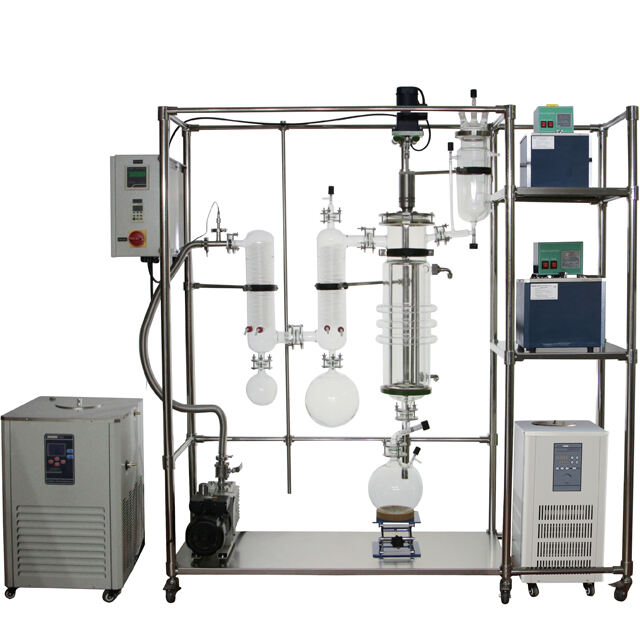
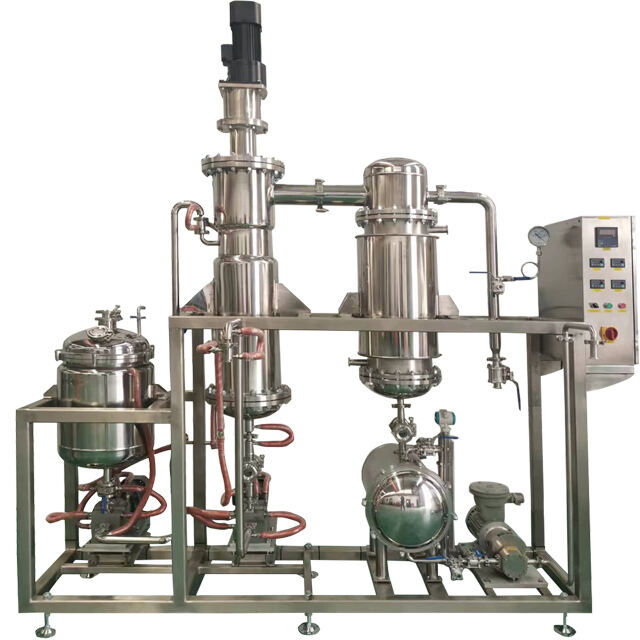
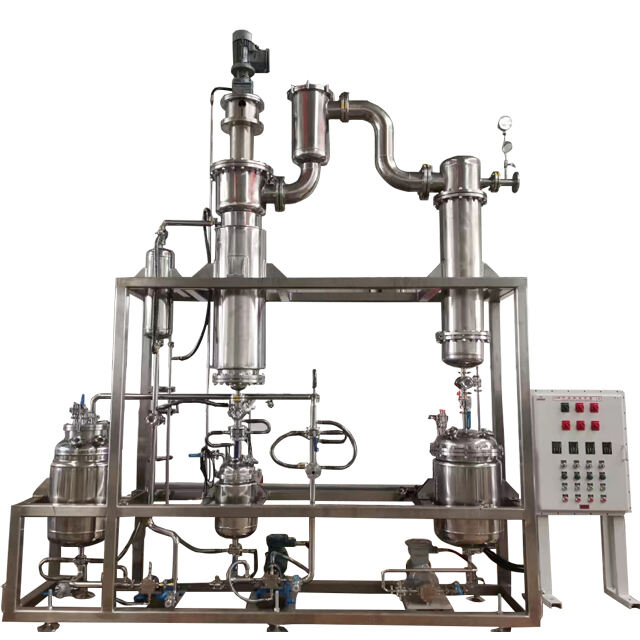
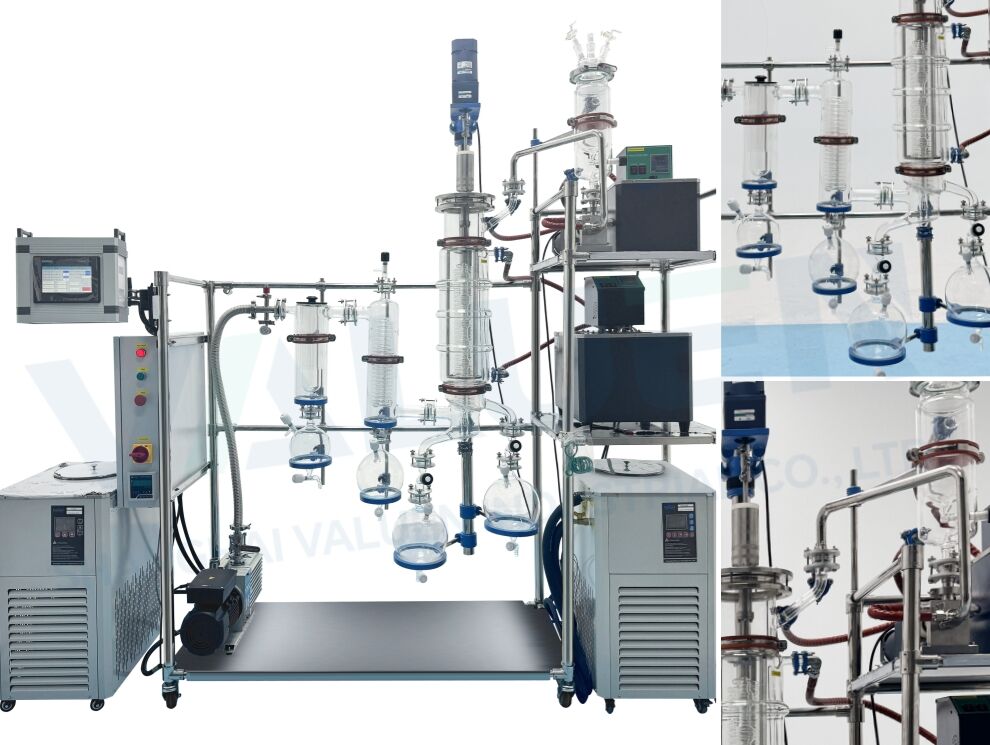
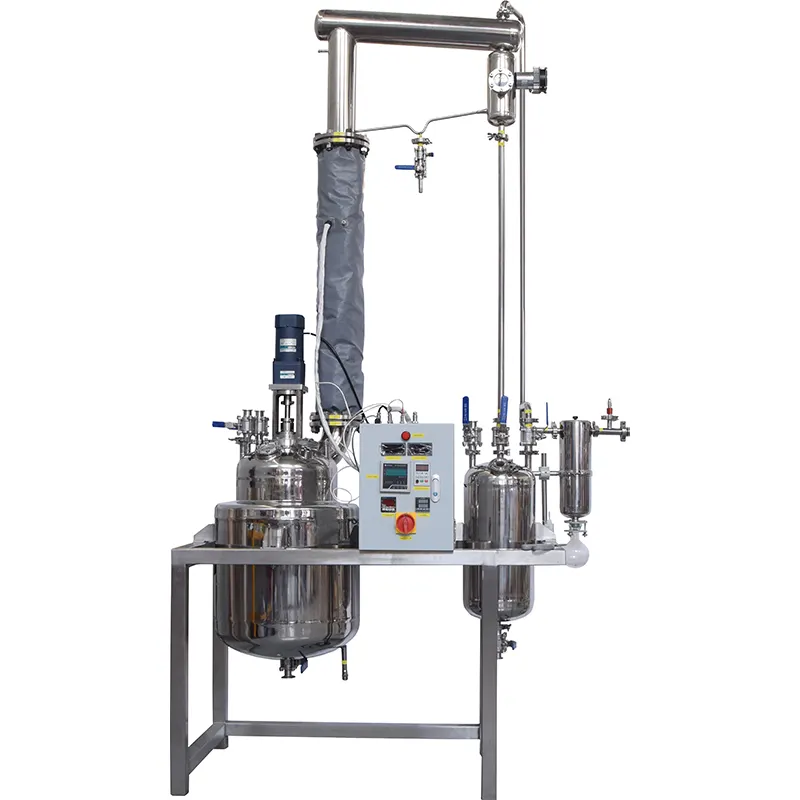
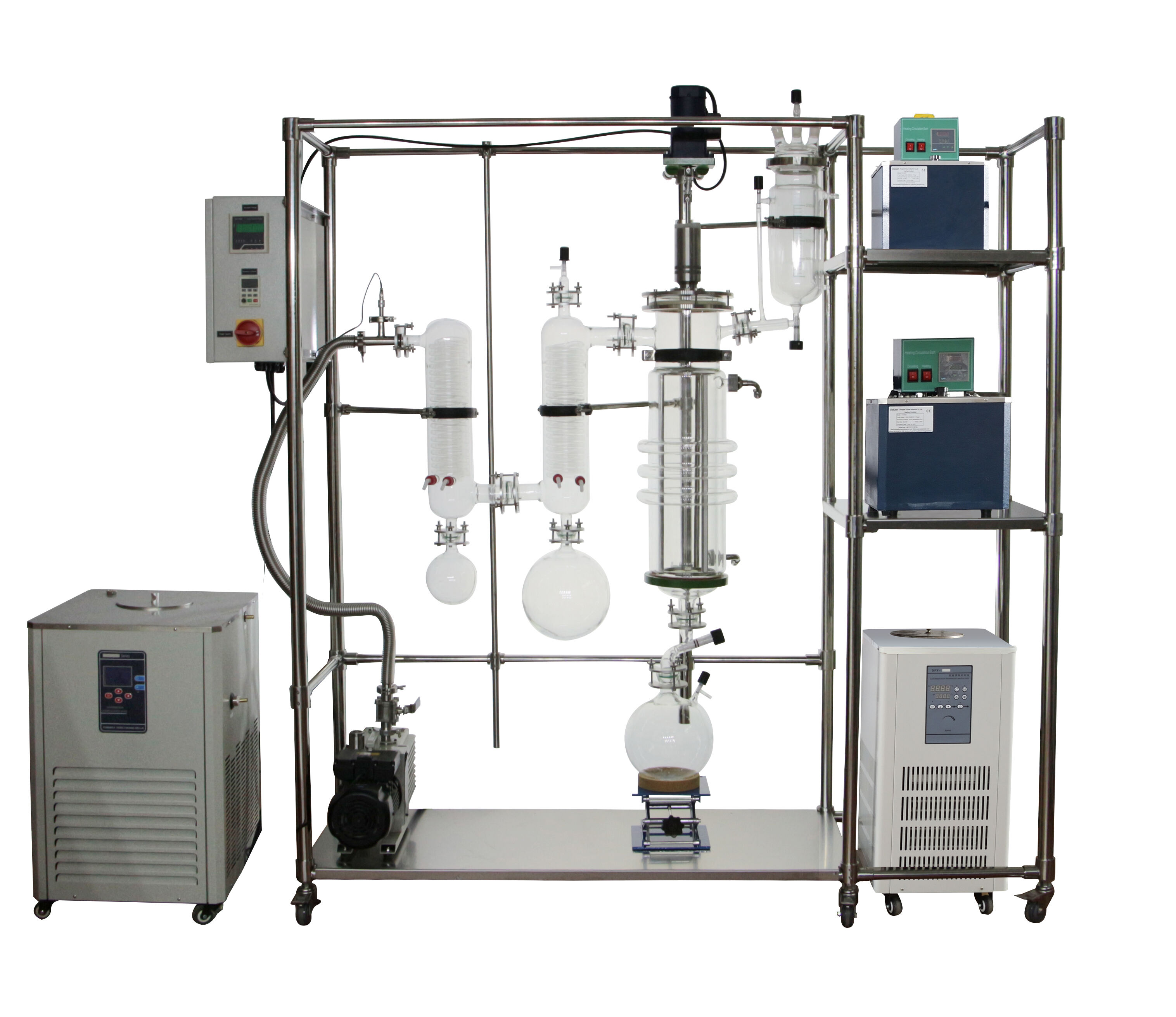
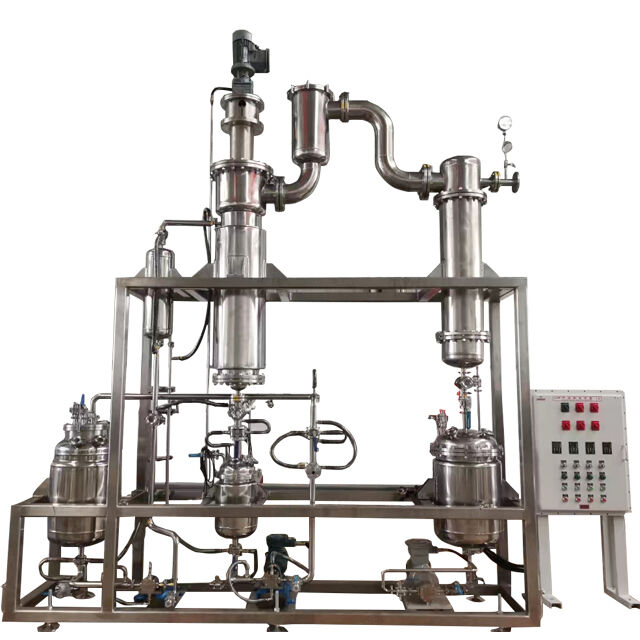
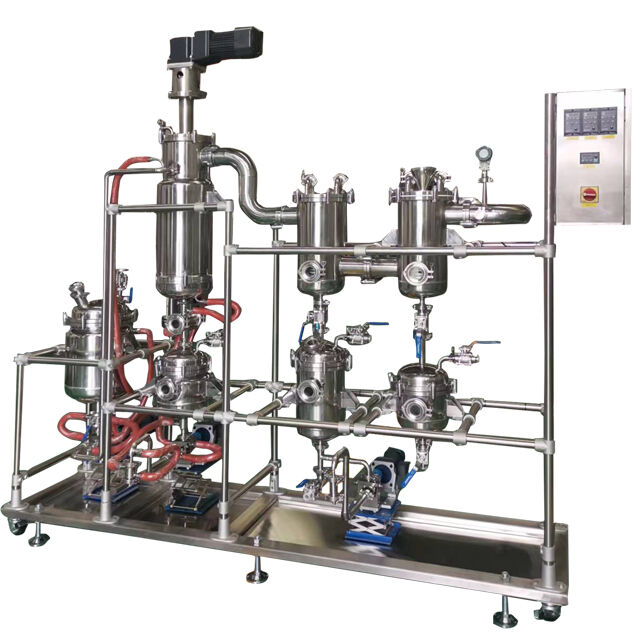
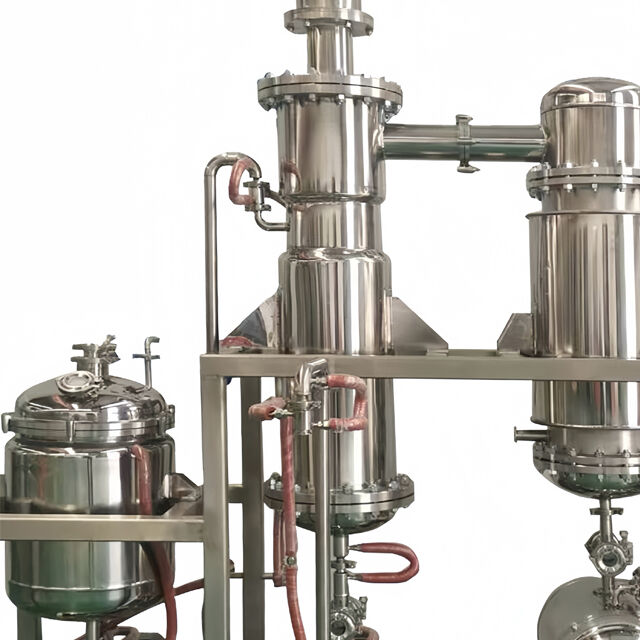
high vacuum thin film evaporator
A high vacuum thin film evaporator represents a sophisticated piece of industrial equipment designed to concentrate liquid materials through controlled evaporation under extreme vacuum conditions. This advanced technology operates by creating a thin film of product material on heated surfaces, allowing for rapid and efficient moisture removal while maintaining product integrity. The equipment functions by continuously spreading liquid feed material across heated surfaces in a thin layer, typically ranging from 0.1 to 3 millimeters in thickness. The high vacuum environment, usually maintained between 1-50 mbar, significantly reduces the boiling point of liquids, enabling evaporation at much lower temperatures than conventional atmospheric pressure systems. The technological features of a high vacuum thin film evaporator include precise temperature control systems, advanced vacuum pumps, efficient heat transfer surfaces, and sophisticated product distribution mechanisms. These components work together to ensure uniform heat distribution and optimal evaporation rates. The equipment typically incorporates rotor systems with adjustable blades that continuously spread and agitate the product film, preventing localization and ensuring consistent processing. Modern units feature automated control systems that monitor and adjust operating parameters such as temperature, pressure, feed rate, and rotor speed in real-time. Applications for high vacuum thin film evaporators span numerous industries including pharmaceuticals, chemicals, food processing, and specialty materials manufacturing. In pharmaceutical applications, these systems concentrate active pharmaceutical ingredients, remove solvents from drug formulations, and purify heat-sensitive compounds without degradation. Chemical industries utilize this technology for solvent recovery, waste concentration, and purification of temperature-sensitive materials. Food processing applications include concentrating fruit juices, dairy products, and extracts while preserving nutritional value and flavor compounds. The equipment proves particularly valuable when processing materials that are thermally sensitive, viscous, or prone to fouling, making it an essential tool for modern industrial processing operations.
 EN
EN