Continuous Feeding Thin Film Evaporator: Advanced Industrial Evaporation Technology

Get a Free Quote

Our representative will contact you soon.
Email
Name
Contact Number
Company Name
Message
0/1000

continuous feeding thin film evaporator

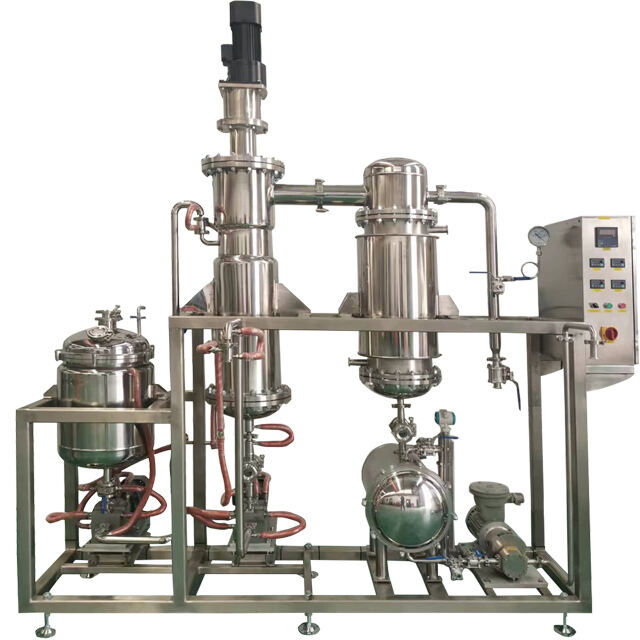
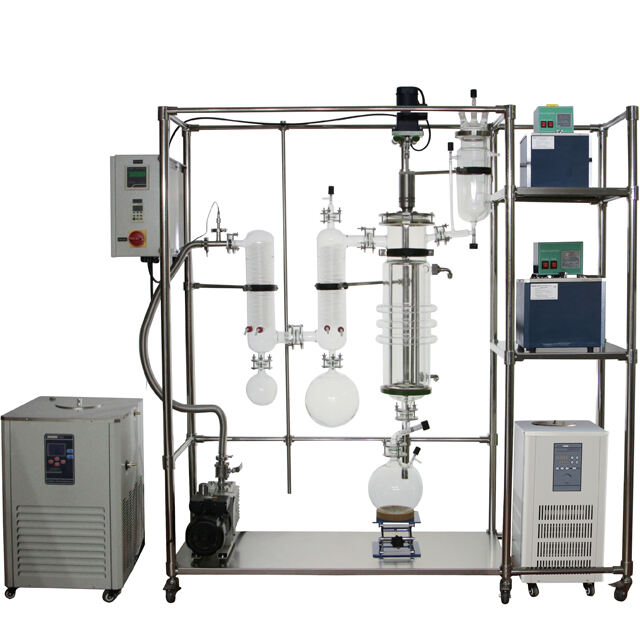
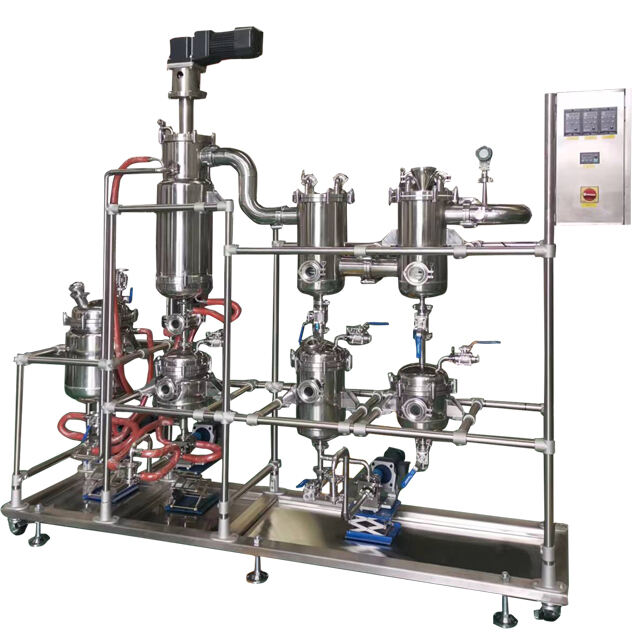
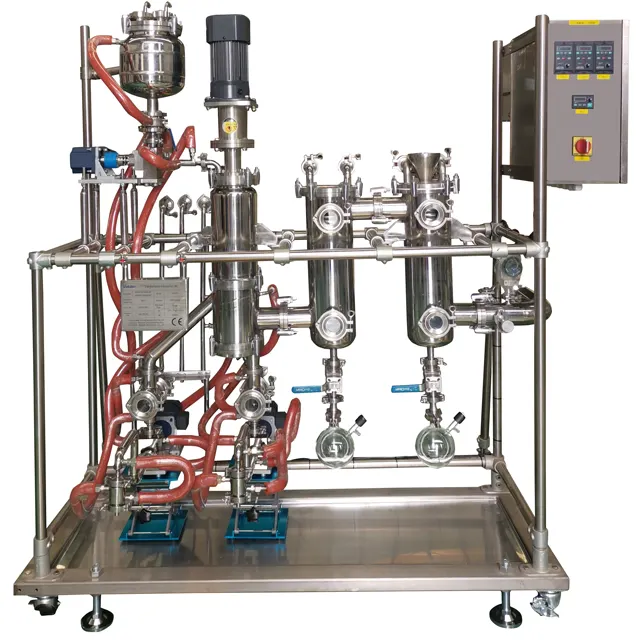
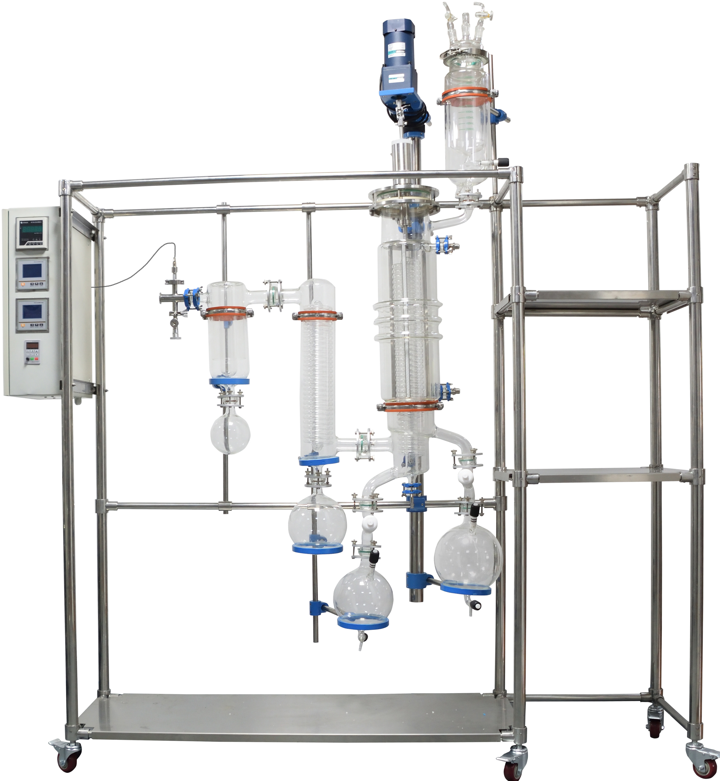
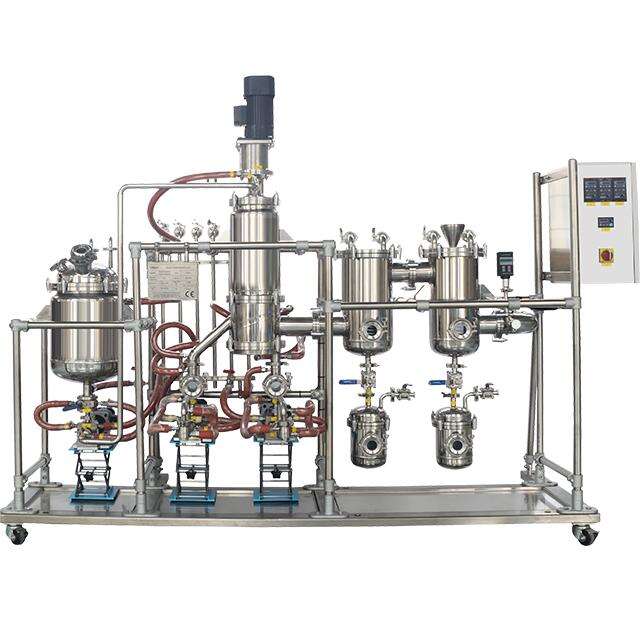
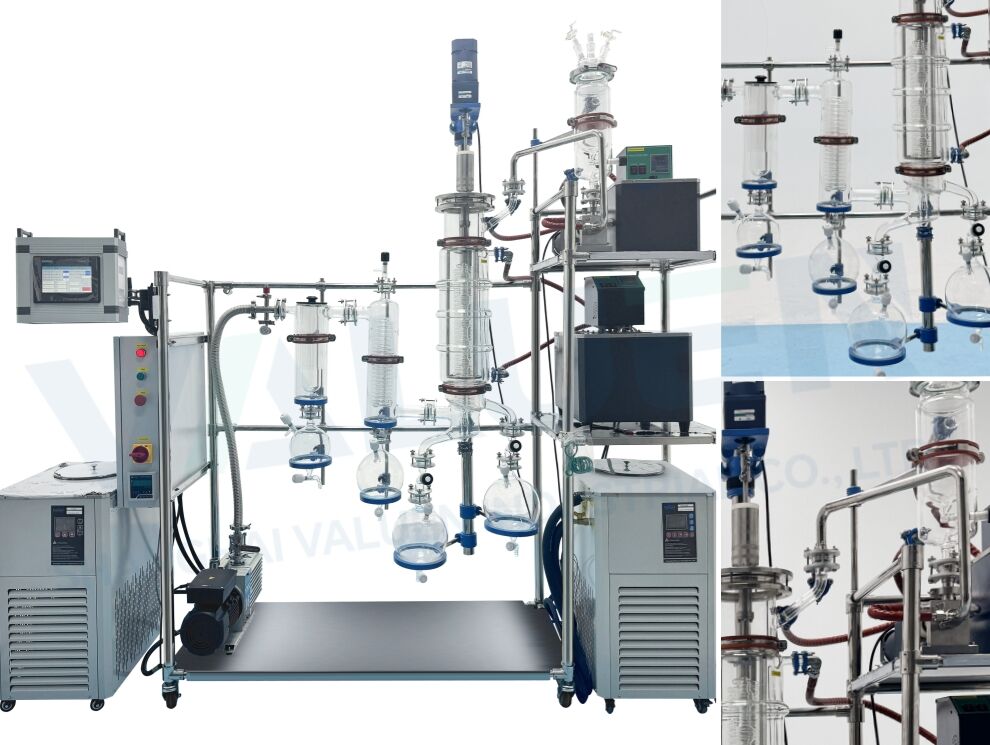
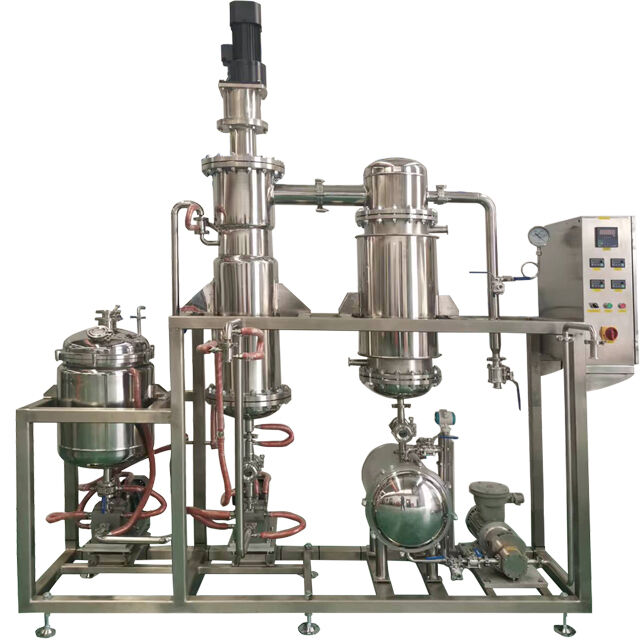
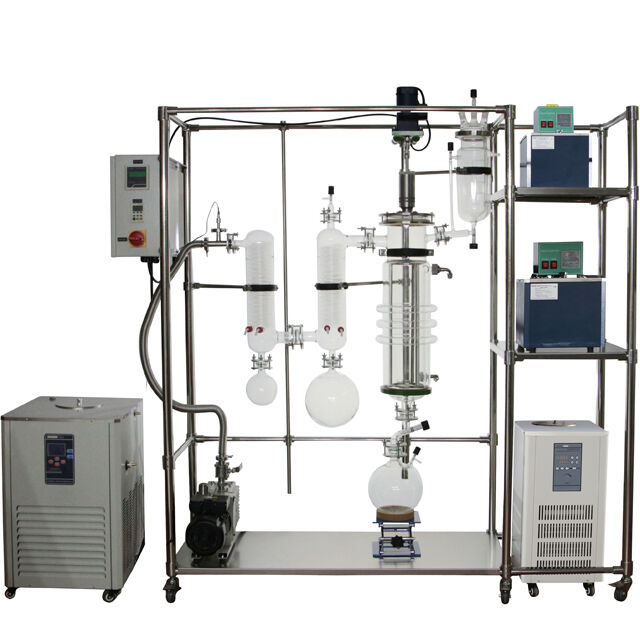
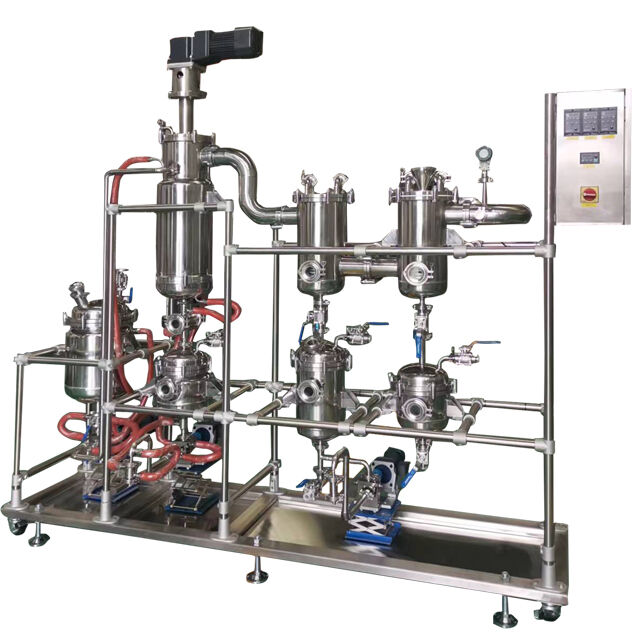
A continuous feeding thin film evaporator represents a sophisticated separation technology that enables efficient concentration and purification of liquid solutions through controlled evaporation processes. This advanced equipment operates by creating an extremely thin liquid film across a heated surface, facilitating rapid heat transfer and vapor generation while maintaining continuous material flow throughout the system. The continuous feeding thin film evaporator incorporates precision-engineered components including rotating wipers or distributors that spread the feed material uniformly across the heated wall surface, ensuring optimal thermal contact and preventing localized overheating. The main functions encompass solvent recovery, product concentration, and purification of heat-sensitive materials across diverse industrial sectors. Key technological features include variable speed rotation controls, adjustable residence time capabilities, and integrated vacuum systems that operate at reduced pressures to lower boiling points and protect temperature-sensitive compounds. The equipment design incorporates multiple heating zones with independent temperature control, allowing operators to optimize processing conditions for specific applications. Advanced monitoring systems provide real-time feedback on temperature profiles, pressure levels, and flow rates, ensuring consistent performance and product quality. The continuous feeding thin film evaporator utilizes mechanical agitation through rotating elements that continuously renew the liquid surface, preventing fouling and maintaining efficient heat transfer throughout extended operating periods. Applications span pharmaceutical manufacturing, chemical processing, food production, waste treatment, and specialty chemical synthesis. The technology proves particularly valuable for processing viscous materials, thermally sensitive compounds, and solutions requiring gentle evaporation conditions. Industrial sectors leverage this equipment for recovering valuable solvents, concentrating active pharmaceutical ingredients, processing natural extracts, and treating contaminated streams where traditional evaporation methods prove inadequate due to thermal degradation risks or fouling tendencies.

New Product Releases

The continuous feeding thin film evaporator delivers exceptional heat transfer efficiency that significantly reduces processing times compared to conventional evaporation systems. This efficiency stems from the minimal liquid film thickness, typically measuring only a few millimeters, which creates optimal conditions for rapid vapor generation and thermal conductivity. Users benefit from substantially lower energy consumption as the equipment operates at reduced temperatures under vacuum conditions, minimizing utility costs while maintaining high throughput rates. The gentle processing environment protects heat-sensitive materials from thermal degradation, preserving product quality and yield throughout the evaporation cycle. Operators experience enhanced process control through precise temperature regulation and adjustable residence times, enabling customization for specific material characteristics and desired concentration levels. The continuous feeding thin film evaporator eliminates batch processing limitations, providing steady-state operation that improves productivity and reduces labor requirements. Maintenance demands remain minimal due to the self-cleaning action of rotating wipers that prevent material buildup and fouling on heated surfaces. This design feature extends equipment lifespan and reduces downtime associated with cleaning cycles. The compact footprint maximizes facility utilization while accommodating high processing volumes, making it ideal for space-constrained manufacturing environments. Versatility represents another key advantage, as the system handles diverse viscosities ranging from low-viscosity solvents to highly viscous concentrates without operational difficulties. The equipment processes materials that would prove challenging for other evaporation technologies, including those prone to foaming, crystallization, or thermal sensitivity. Product recovery rates exceed those achieved with traditional methods, improving overall process economics and reducing waste generation. The continuous feeding thin film evaporator supports easy integration with existing process lines through standardized connections and control interfaces. Operators appreciate the consistent product quality achieved through uniform processing conditions and minimal residence time variations. The technology enables precise control over final product specifications, ensuring batch-to-batch consistency essential for quality-critical applications. Environmental benefits include reduced emissions through efficient vapor recovery systems and lower energy consumption compared to alternative concentration methods.

Latest News

Mastering the Art of Chemical Processing with Jacketed Stainless Steel Reactors

29

Oct

Mastering the Art of Chemical Processing with Jacketed Stainless Steel Reactors

Understanding Jacketed Stainless Steel Reactors: Design and Core Functionality What Are Jacketed Stainless Steel Reactors? Jacketed stainless steel reactors consist of a main reaction area inside what's called a jacket or outer shell. Between these ...
View More
How to Choose the Right Stainless Steel Reactor for Pharmaceutical Production

12

Nov

How to Choose the Right Stainless Steel Reactor for Pharmaceutical Production

Selecting the appropriate stainless steel reactor for pharmaceutical production is a critical decision that directly impacts product quality, manufacturing efficiency, and regulatory compliance. The pharmaceutical industry demands exceptional standar...
View More
What Operating Conditions Affect Fractional Distillation Performance?

24

Dec

What Operating Conditions Affect Fractional Distillation Performance?

Fractional distillation represents one of the most critical separation techniques in chemical processing, petrochemical industries, and laboratory applications. The effectiveness of this process depends heavily on various operating conditions that di...
View More
How Does a Stainless Steel Reactor Support Customization and Scale-Up?

20

Jan

How Does a Stainless Steel Reactor Support Customization and Scale-Up?

The chemical processing industry faces constant pressure to optimize production while maintaining safety and quality standards. A stainless steel reactor serves as the cornerstone of countless manufacturing operations, providing the durability and ve...
View More

Get a Free Quote

Our representative will contact you soon.
Email
Name
Contact Number
Company Name
Message
0/1000

continuous feeding thin film evaporator

Superior Heat Transfer Performance and Energy Efficiency

Superior Heat Transfer Performance and Energy Efficiency

The continuous feeding thin film evaporator excels in heat transfer performance through its innovative design that creates an ultra-thin liquid film across the heated surface area. This engineering approach maximizes the surface-to-volume ratio, enabling rapid heat penetration and efficient vapor generation that surpasses conventional evaporation systems by significant margins. The thin film formation, typically maintained at 1-3 millimeters thickness, ensures that thermal energy reaches every molecule of the processing liquid with minimal resistance, resulting in evaporation rates that can be three to five times higher than traditional methods. The equipment operates effectively at reduced temperatures through integrated vacuum systems that lower boiling points, protecting heat-sensitive compounds while maintaining exceptional processing speeds. Energy efficiency improvements of 30-40% are commonly achieved compared to conventional evaporators, translating into substantial operational cost savings for industrial users. The continuous feeding thin film evaporator incorporates multiple heating zones with independent temperature control, allowing operators to create optimal thermal gradients that enhance separation efficiency while minimizing energy waste. Advanced heat exchanger designs maximize thermal conductivity through the heating surface, ensuring uniform temperature distribution that prevents hot spots and thermal degradation. The rotating wiper system continuously renews the liquid surface, maintaining optimal heat transfer conditions throughout extended operating periods without performance degradation. This mechanical action prevents the formation of insulating layers that typically reduce heat transfer efficiency in static systems. The equipment design accommodates various heating media including steam, thermal oil, and electric heating, providing flexibility to match available utility systems and optimize energy costs. Real-time monitoring systems track heat transfer coefficients and adjust operating parameters automatically to maintain peak efficiency levels. The combination of reduced processing temperatures, shorter residence times, and enhanced heat transfer rates results in superior product quality while achieving significant energy savings that improve overall process economics and environmental sustainability.
Continuous Processing Capability with Minimal Maintenance Requirements

Continuous Processing Capability with Minimal Maintenance Requirements

The continuous feeding thin film evaporator revolutionizes industrial processing through its ability to operate continuously for extended periods with minimal maintenance interventions, providing manufacturers with unprecedented operational reliability and cost-effectiveness. Unlike batch processing systems that require frequent shutdowns for cleaning and material changeovers, this technology maintains steady-state operation that maximizes equipment utilization and production throughput. The self-cleaning mechanism inherent in the rotating wiper design prevents material buildup on heated surfaces, eliminating the fouling issues that plague conventional evaporators and require costly downtime for cleaning procedures. The continuous feeding thin film evaporator incorporates robust mechanical components engineered for long-term operation under demanding industrial conditions, with typical maintenance intervals extending 3-6 months between major service requirements. The rotating elements utilize high-quality bearings and sealing systems designed to withstand thermal cycling and chemical exposure while maintaining precise clearances essential for optimal performance. Automated lubrication systems ensure proper component care without manual intervention, reducing labor costs and human error risks. The equipment design facilitates rapid access to critical components through strategically positioned inspection ports and removable sections, minimizing maintenance duration when service becomes necessary. Predictive maintenance capabilities through integrated monitoring systems provide advance warning of potential issues, enabling planned maintenance scheduling that avoids unexpected production disruptions. The modular construction allows component replacement or upgrades without complete system shutdown, maintaining production continuity during routine maintenance activities. Material compatibility considerations ensure that all wetted surfaces resist corrosion and wear from processed chemicals, extending component lifespan and reducing replacement frequency. The continuous feeding thin film evaporator requires minimal operator attention during normal operation, freeing skilled personnel for other critical tasks while maintaining consistent processing performance. Quality control benefits from continuous operation include reduced product variability and consistent specifications that meet stringent industry requirements without manual intervention or frequent adjustments.
Versatile Processing Capabilities for Diverse Industrial Applications

Versatile Processing Capabilities for Diverse Industrial Applications

The continuous feeding thin film evaporator demonstrates remarkable versatility in handling diverse materials and processing requirements across multiple industrial sectors, making it an invaluable asset for manufacturers seeking flexible separation solutions. This adaptability stems from adjustable operating parameters including rotation speed, temperature profiles, residence time, and vacuum levels that can be optimized for specific material characteristics and desired outcomes. The equipment successfully processes materials ranging from low-viscosity solvents to highly viscous concentrates exceeding 10,000 centipoise, accommodating viscosity changes that occur during concentration without operational difficulties. Heat-sensitive compounds benefit from gentle processing conditions that operate below thermal degradation temperatures while maintaining efficient separation performance. The continuous feeding thin film evaporator handles foaming materials through specialized design features including vapor space configuration and controlled agitation that breaks foam formation without compromising processing efficiency. Crystallizing solutions process effectively through temperature control systems that prevent unwanted precipitation while achieving desired concentration levels. The technology accommodates materials prone to polymerization or chemical reactions through precise environmental control and minimal residence times that limit exposure to potentially damaging conditions. Pharmaceutical applications leverage the equipment's ability to concentrate active ingredients while preserving molecular integrity essential for therapeutic efficacy. Food processing benefits include gentle concentration of natural extracts, fruit juices, and dairy products without compromising nutritional value or sensory characteristics. Chemical manufacturing utilizes the continuous feeding thin film evaporator for solvent recovery operations that improve process economics while meeting environmental regulations. The equipment processes corrosive materials through specialized metallurgy and protective coatings that resist chemical attack while maintaining structural integrity. Waste treatment applications benefit from the ability to concentrate contaminated streams for disposal or recover valuable components for reuse. The technology adapts to varying feed compositions and flow rates through automated control systems that adjust operating parameters in real-time to maintain optimal performance. Quality specifications remain consistent across different materials through precise process control that accommodates material property variations without compromising final product characteristics.

Get a Free Quote

Our representative will contact you soon.
Email
Name
Contact Number
Company Name
Message
0/1000