Thin Film Evaporator: Advanced Heat Transfer Technology for Efficient Solvent Recovery and Material Processing

Get a Free Quote

Our representative will contact you soon.
Email
Name
Contact Number
Company Name
Message
0/1000

thin film evaporator

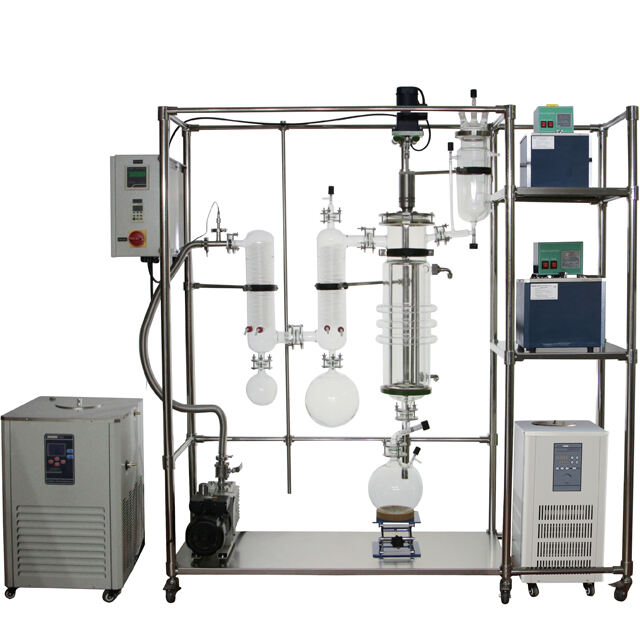
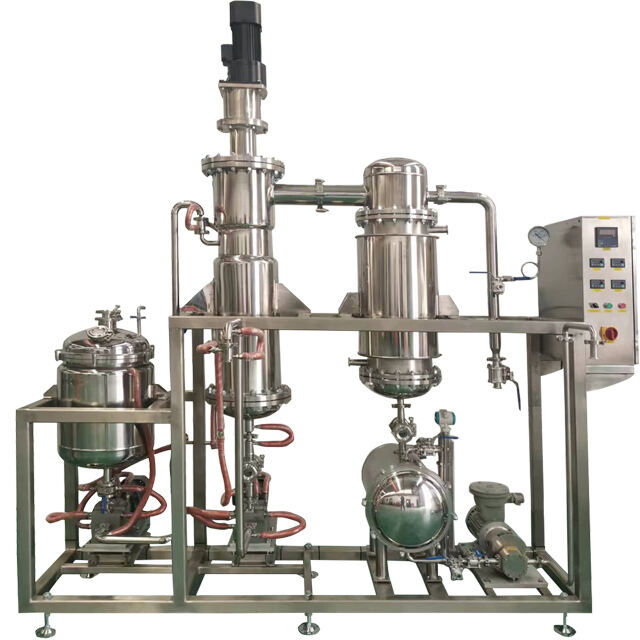
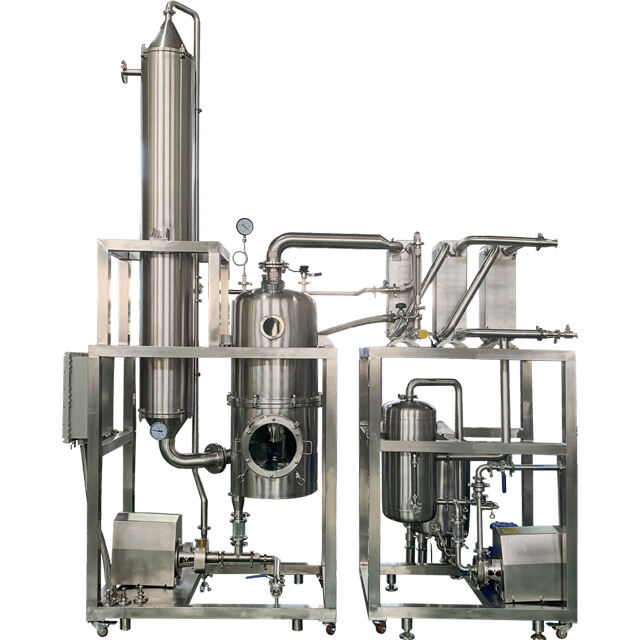
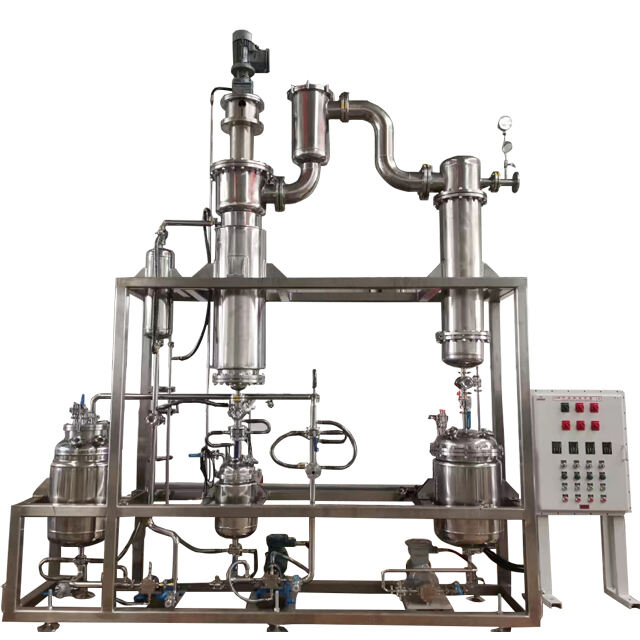
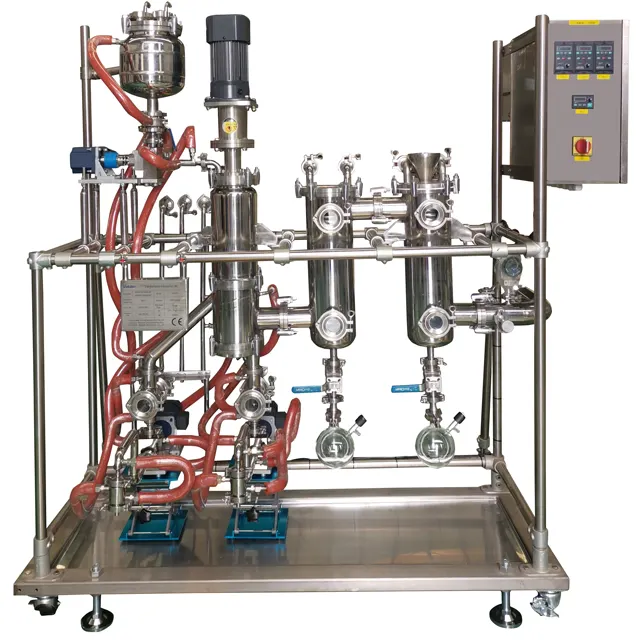
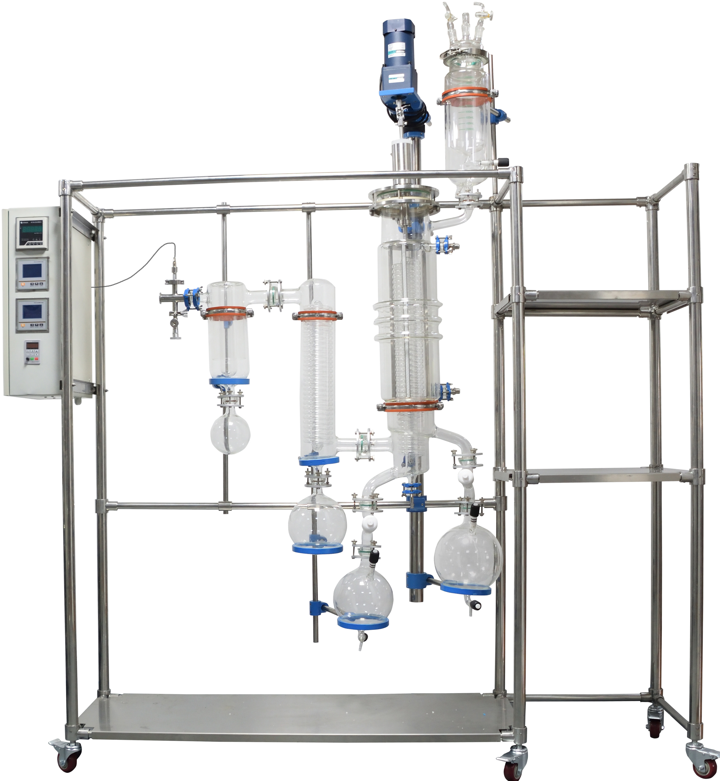
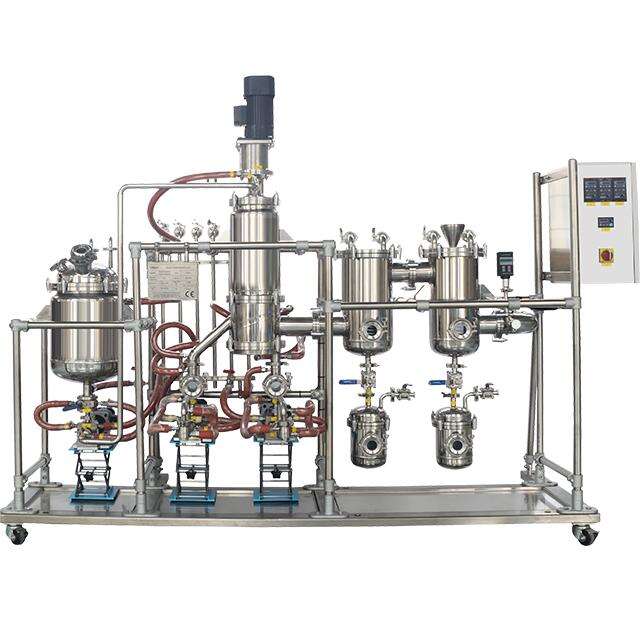
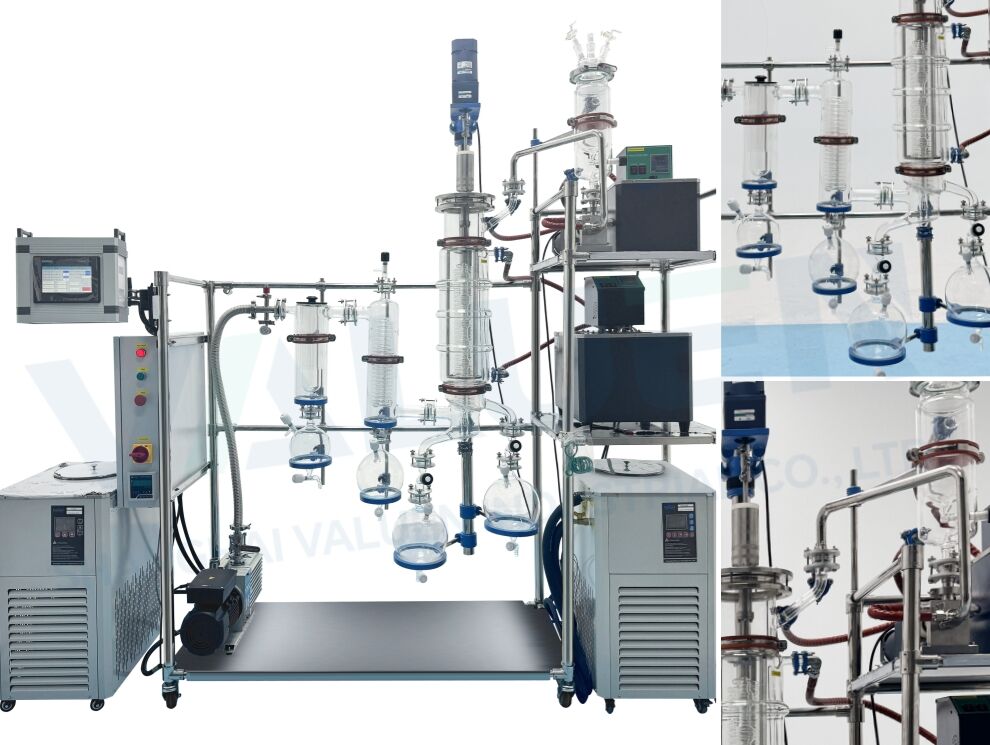
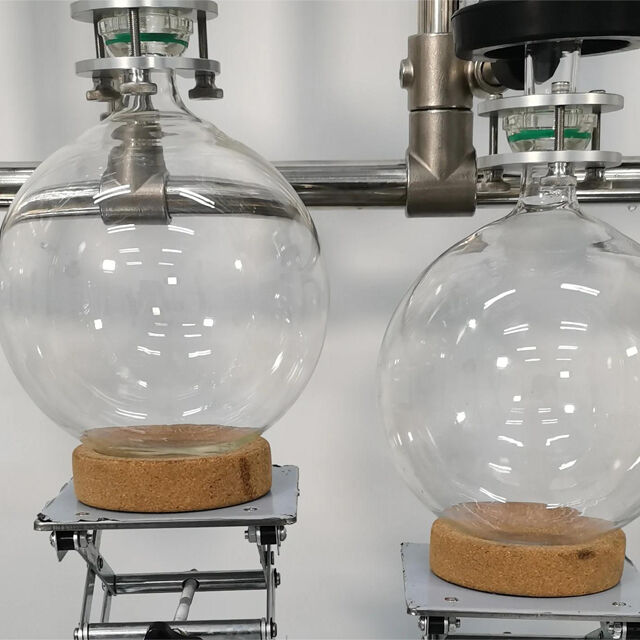
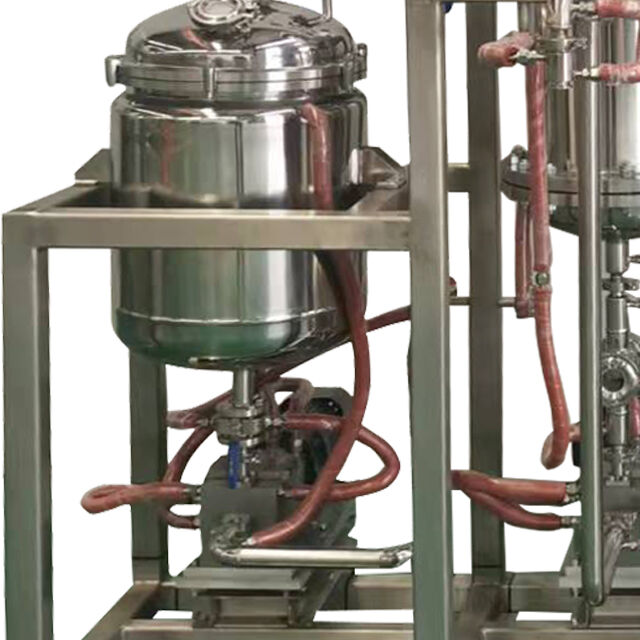
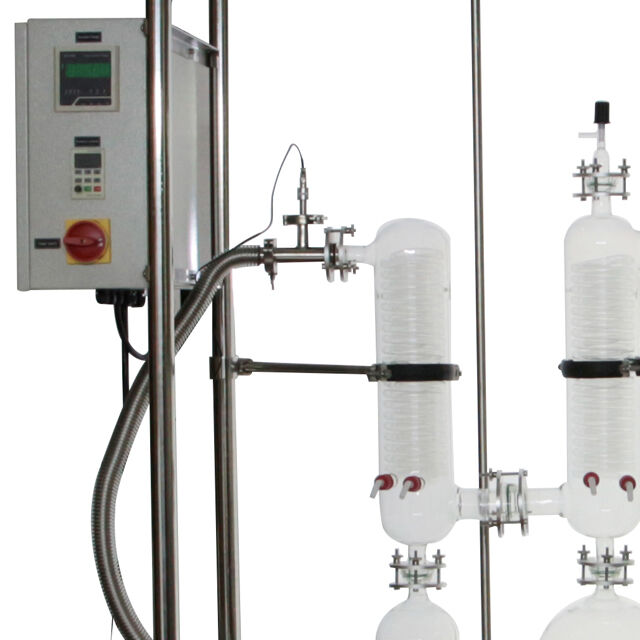
A thin film evaporator represents a sophisticated thermal separation technology designed to concentrate solutions, remove solvents, and purify liquids through controlled evaporation processes. This advanced equipment utilizes a rotating mechanism that creates an extremely thin liquid film across heated surfaces, enabling rapid and efficient heat transfer. The thin film evaporator operates by distributing feed material uniformly across a heated cylindrical wall, where the liquid forms a microscopic layer typically measuring only a few millimeters thick. This configuration maximizes surface area contact while minimizing residence time, making it ideal for processing heat-sensitive materials that require gentle treatment. The main functions of a thin film evaporator include solvent recovery, product concentration, purification of chemicals, and separation of components with different boiling points. The technology features precise temperature control systems, variable rotor speeds, and adjustable feed rates to accommodate diverse processing requirements. Modern thin film evaporator units incorporate advanced monitoring systems that track temperature, pressure, and flow rates in real-time, ensuring consistent product quality and operational efficiency. The equipment typically includes a heated jacket surrounding the evaporation chamber, a rotor assembly with specially designed blades or wipers, vapor separation chambers, and condensation systems for solvent recovery. Applications span across pharmaceutical manufacturing, chemical processing, food and beverage production, environmental remediation, and specialty chemical synthesis. Industries particularly benefit from thin film evaporator technology when dealing with viscous liquids, temperature-sensitive compounds, or materials requiring high-purity end products. The versatility of these systems allows for continuous or batch processing modes, accommodating various production scales from laboratory research to large industrial operations.

New Product Recommendations

The thin film evaporator delivers exceptional performance advantages that directly translate into cost savings and improved product quality for manufacturers across multiple industries. This technology operates at significantly lower temperatures compared to traditional evaporation methods, protecting heat-sensitive materials from thermal degradation while maintaining product integrity. The reduced operating temperatures also decrease energy consumption, resulting in substantial utility cost reductions over time. The short residence time characteristic of thin film evaporator systems minimizes exposure duration, preventing unwanted chemical reactions or decomposition that could compromise final product specifications. Processing times are dramatically shortened due to the enhanced heat transfer efficiency achieved through the thin film formation, allowing manufacturers to increase throughput and meet higher production demands. The uniform heat distribution across the evaporation surface ensures consistent product quality batch after batch, eliminating variations that plague conventional evaporation techniques. Maintenance requirements are considerably lower because the continuous wiping action of the rotor prevents fouling and scaling buildup on heated surfaces, reducing downtime and cleaning costs. The thin film evaporator handles high-viscosity materials effectively, processing substances that would cause operational difficulties in other evaporation systems. Solvent recovery rates reach exceptional levels, often exceeding 95% efficiency, which reduces raw material costs and environmental impact simultaneously. The compact design footprint makes installation feasible in space-constrained facilities while still delivering high-capacity processing capabilities. Operational flexibility allows processors to adjust parameters quickly for different products without extensive equipment modifications or lengthy changeover procedures. The gentle processing conditions preserve valuable compounds that might otherwise degrade, maximizing yield and product value. Energy efficiency improvements often result in payback periods of less than two years, making the thin film evaporator an attractive investment for companies seeking to optimize their production processes while reducing environmental footprint.

Practical Tips

How to Select Wiped Film Distillation for Temperature-Sensitive Compounds?

11

Apr

How to Select Wiped Film Distillation for Temperature-Sensitive Compounds?

How to Select Wiped Film Distillation for Temperature-Sensitive Compounds Selecting the right Wiped Film Distillation system for temperature-sensitive compounds is a critical decision in industries like pharmaceuticals, cosmetics, and natural product...
View More
Why Is Wiped Film Molecular Distillation Trusted in Fine Chemicals?

13

Apr

Why Is Wiped Film Molecular Distillation Trusted in Fine Chemicals?

Why Is Wiped Film Molecular Distillation Trusted in Fine Chemicals? In the fine chemicals industry, where precision, purity, and consistency are critical, Wiped Film Molecular Distillation has emerged as a trusted separation technique. Fine chemicals...
View More
What Key Features Improve Wiped Film Molecular Distillation Performance?

11

Apr

What Key Features Improve Wiped Film Molecular Distillation Performance?

What Key Features Improve Wiped Film Molecular Distillation Performance? Wiped Film Molecular Distillation is a specialized separation technique used in industries like pharmaceuticals, food processing, and chemical manufacturing to purify heat-sensi...
View More
What to Consider Before Buying Wiped Film Molecular Distillation Equipment?

15

Apr

What to Consider Before Buying Wiped Film Molecular Distillation Equipment?

Understanding the Core Principles of Wiped Film Molecular Distillation Equipment How the Wiped Film Distillation Process Enables Efficient Separation The process of wiped film molecular distillation works by breaking down compounds at the molecular ...
View More

Get a Free Quote

Our representative will contact you soon.
Email
Name
Contact Number
Company Name
Message
0/1000

thin film evaporator

Superior Heat Transfer Efficiency and Temperature Control

Superior Heat Transfer Efficiency and Temperature Control

The thin film evaporator achieves unprecedented heat transfer efficiency through its innovative design that creates an ultra-thin liquid layer across heated surfaces. This configuration maximizes the surface area to volume ratio, enabling rapid heat penetration and uniform temperature distribution throughout the material being processed. The rotating mechanism ensures continuous renewal of the heated surface contact, preventing hot spots and thermal gradients that could damage sensitive compounds. Advanced temperature control systems maintain precise setpoints within narrow tolerances, typically plus or minus one degree Celsius, providing manufacturers with the accuracy needed for critical applications. The enhanced heat transfer coefficient, often three to five times higher than conventional evaporators, allows processing at lower temperatures while maintaining equivalent evaporation rates. This capability proves invaluable when handling pharmaceuticals, natural extracts, or specialty chemicals that lose potency or undergo unwanted reactions at elevated temperatures. The uniform heating pattern prevents local overheating that could cause product degradation, ensuring consistent quality across entire production batches. The thin film evaporator design incorporates multiple heating zones that can be independently controlled, allowing processors to create optimal temperature profiles for specific materials. This level of control enables manufacturers to fine-tune their processes for maximum efficiency while preserving product characteristics. The rapid heat transfer also reduces processing time significantly, increasing productivity and throughput. Energy consumption decreases substantially because lower operating temperatures require less heating input, while the efficient heat transfer minimizes energy losses. The superior thermal performance translates directly into cost savings through reduced utility bills and improved product yields, making the thin film evaporator an economically attractive solution for companies prioritizing both efficiency and product quality.
Exceptional Handling of Viscous and Heat-Sensitive Materials

Exceptional Handling of Viscous and Heat-Sensitive Materials

The thin film evaporator excels in processing challenging materials that pose significant difficulties for conventional evaporation technologies, particularly viscous liquids and heat-sensitive compounds. The rotating wiper system creates mechanical agitation that prevents stagnation and ensures continuous movement of even highly viscous materials across the heated surface. This mechanical action breaks down viscosity-related resistance to heat transfer, enabling efficient processing of materials with consistency ranging from heavy syrups to paste-like substances. Traditional evaporators often struggle with fouling and scaling when processing viscous materials, but the thin film evaporator continuous wiping action keeps surfaces clean and maintains optimal heat transfer throughout operation. Heat-sensitive materials benefit tremendously from the gentle processing conditions, as the combination of low temperatures, short residence times, and uniform heating prevents thermal degradation. The system can process materials at temperatures significantly below their thermal decomposition points while still achieving effective separation and concentration. This capability proves essential for pharmaceutical active ingredients, natural flavor compounds, essential oils, and biotechnology products that lose efficacy when exposed to excessive heat. The thin film evaporator design eliminates dead zones and stagnant areas where materials could experience prolonged heat exposure, ensuring that every portion of the feed receives identical treatment. The adjustable rotor speed allows operators to optimize residence time for specific materials, balancing processing efficiency with product protection requirements. Viscous materials that would cause pumping difficulties in other systems flow smoothly through the thin film evaporator due to its gravity-assisted design and mechanical assistance from the rotor assembly. The equipment handles materials with viscosities ranging from water-thin liquids to substances with consistency similar to honey or molasses, providing unmatched versatility for diverse applications across multiple industries.
Outstanding Solvent Recovery and Environmental Benefits

Outstanding Solvent Recovery and Environmental Benefits

The thin film evaporator delivers exceptional solvent recovery performance that provides substantial economic and environmental advantages for manufacturers seeking sustainable processing solutions. Recovery rates consistently exceed 95% for most organic solvents, dramatically reducing raw material costs while minimizing waste generation and environmental impact. The efficient vapor separation system captures evaporated solvents in high purity, allowing direct reuse in production processes without additional purification steps. This closed-loop capability transforms what was previously considered waste into valuable recovered materials, improving overall process economics significantly. The environmental benefits extend beyond solvent recovery, as reduced solvent consumption decreases the facility carbon footprint and eliminates disposal costs associated with contaminated waste streams. Regulatory compliance becomes easier to achieve and maintain when implementing thin film evaporator technology, as reduced emissions and waste generation help companies meet increasingly stringent environmental standards. The system design incorporates advanced condensation technology that ensures complete capture of volatile components, preventing atmospheric releases that could pose environmental or worker safety concerns. Energy recovery from condensation processes further enhances overall system efficiency, as heat released during vapor condensation can be captured and reused for preheating feed materials or other plant applications. The thin film evaporator operates as a sealed system, eliminating fugitive emissions that occur with open evaporation processes, contributing to improved workplace air quality and reduced environmental impact. Solvent recovery purity levels often meet or exceed fresh solvent specifications, eliminating the need for purchasing replacement materials while maintaining product quality standards. The economic impact of solvent recovery typically results in payback periods of 12 to 24 months, depending on solvent costs and processing volumes, making this technology an attractive investment for companies processing significant quantities of valuable solvents. Long-term operational costs decrease substantially as recovered solvents reduce purchasing requirements, while environmental compliance costs diminish due to reduced waste generation and emissions.

Get a Free Quote

Our representative will contact you soon.
Email
Name
Contact Number
Company Name
Message
0/1000