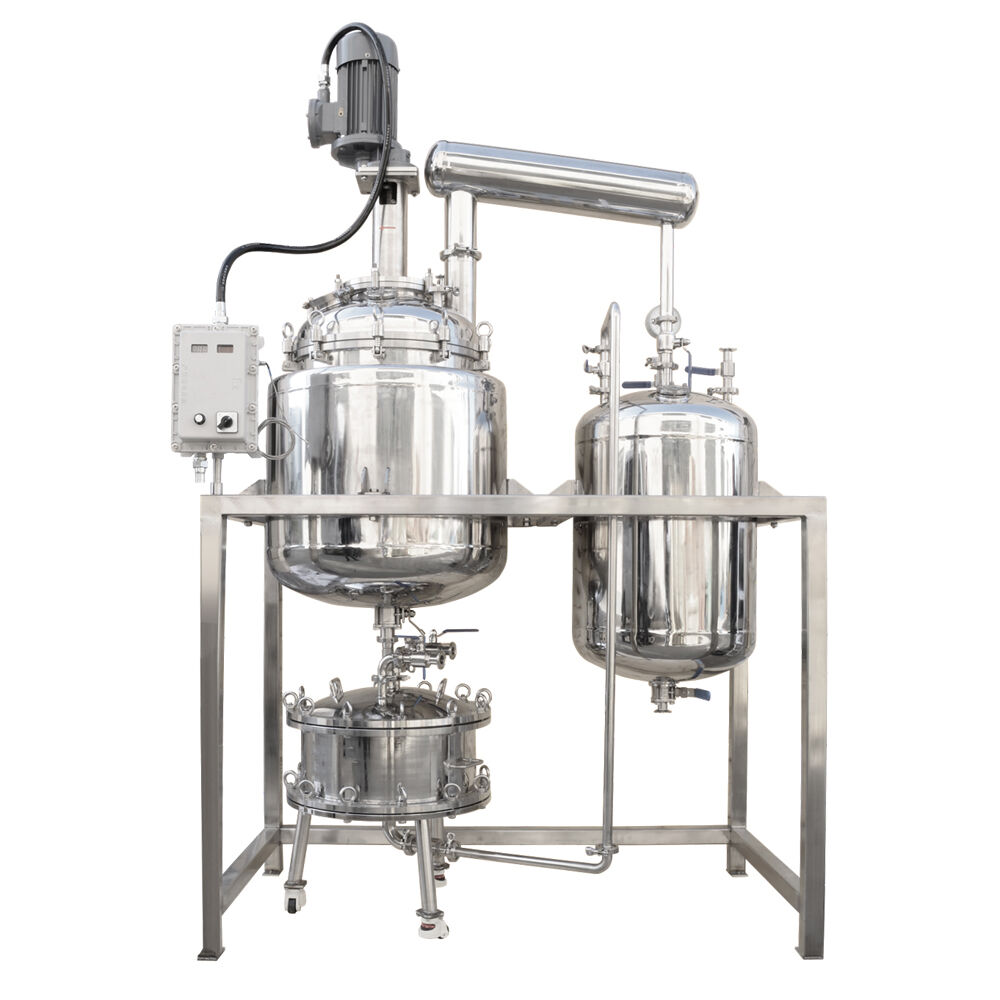
Industrial Jacketed Stainless Steel Crystallization Reactors - Premium Quality Equipment for Chemical Processing

Get a Free Quote

Our representative will contact you soon.
Email
Name
Contact Number
Company Name
Message
0/1000

jacketed stainless steel crystallization reactor

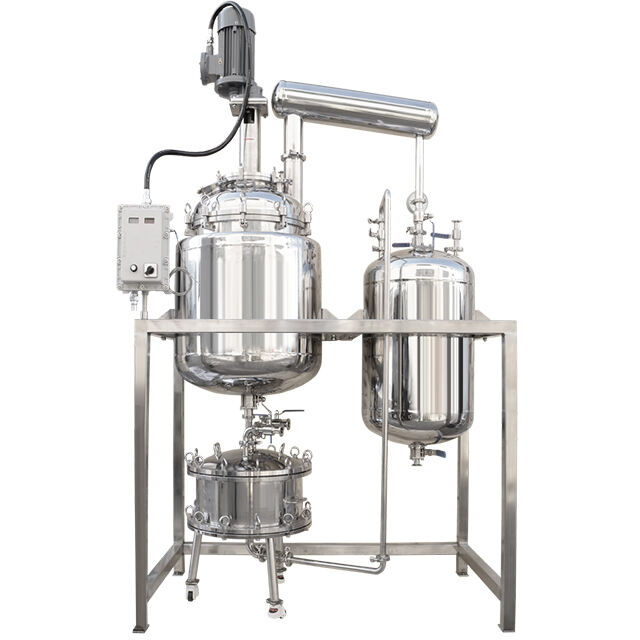
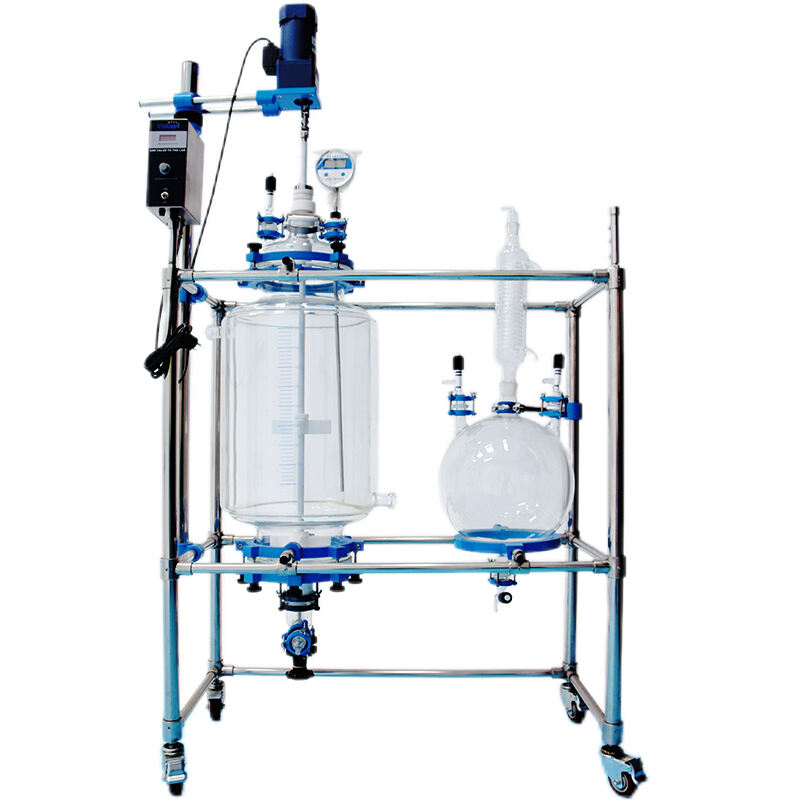
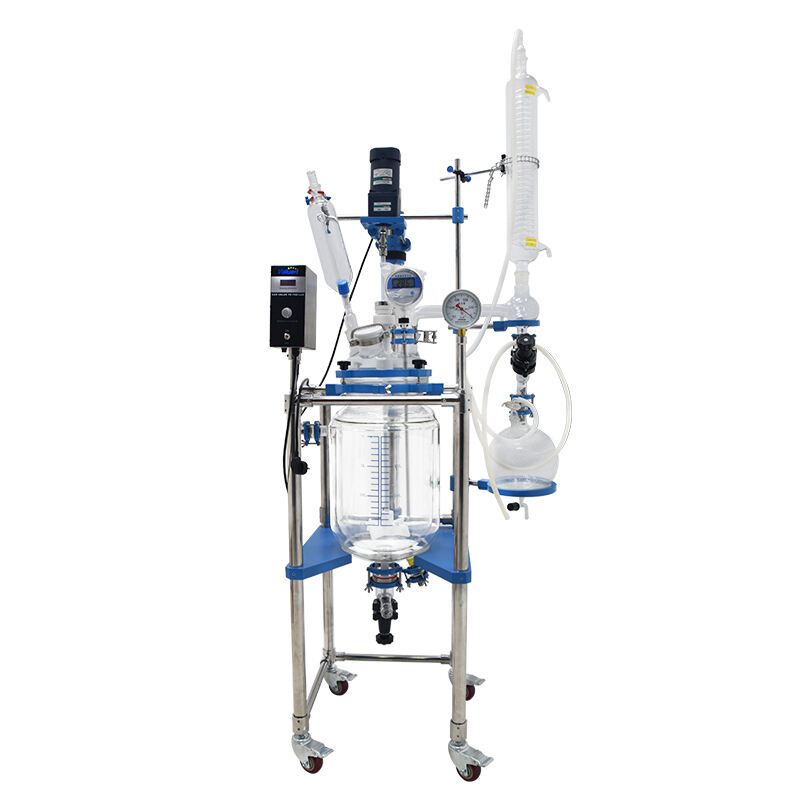
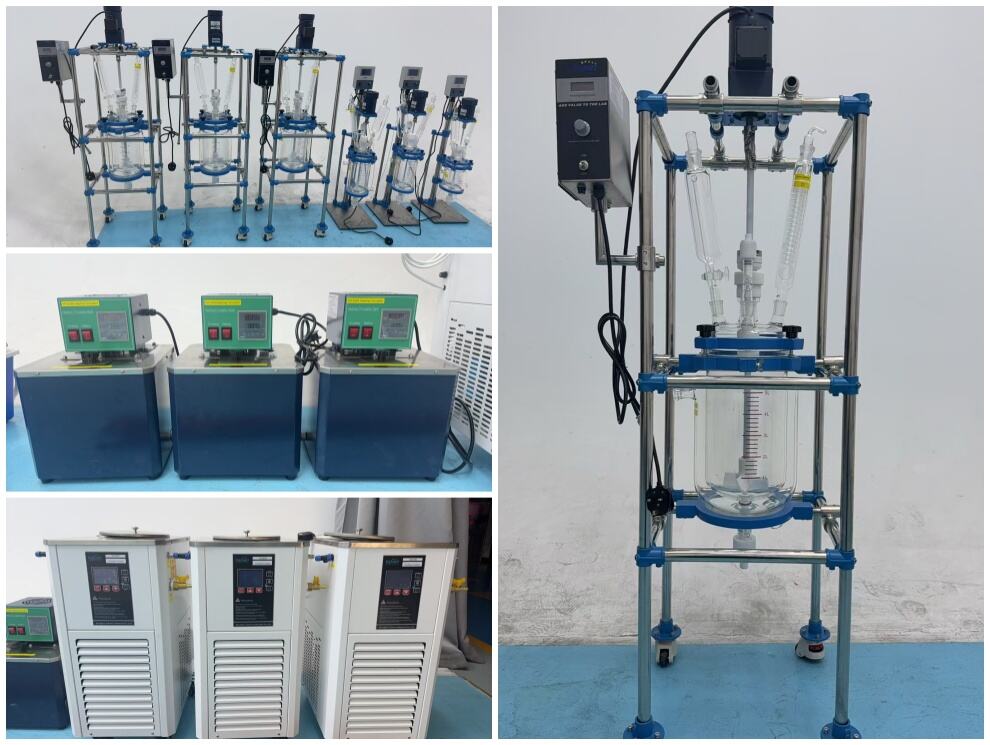
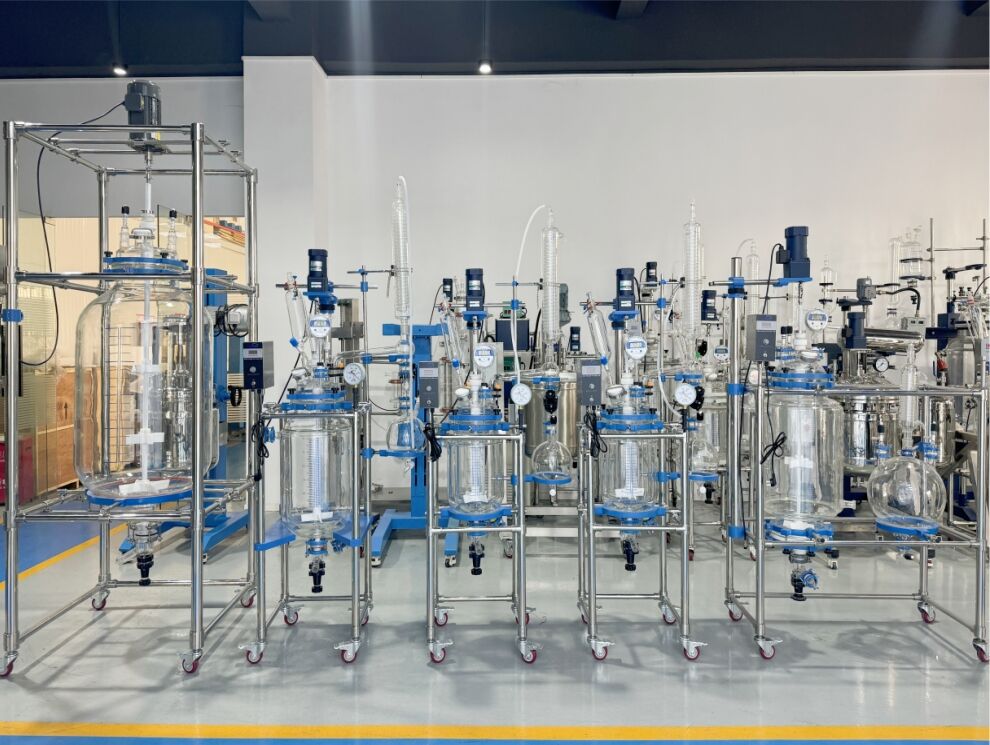
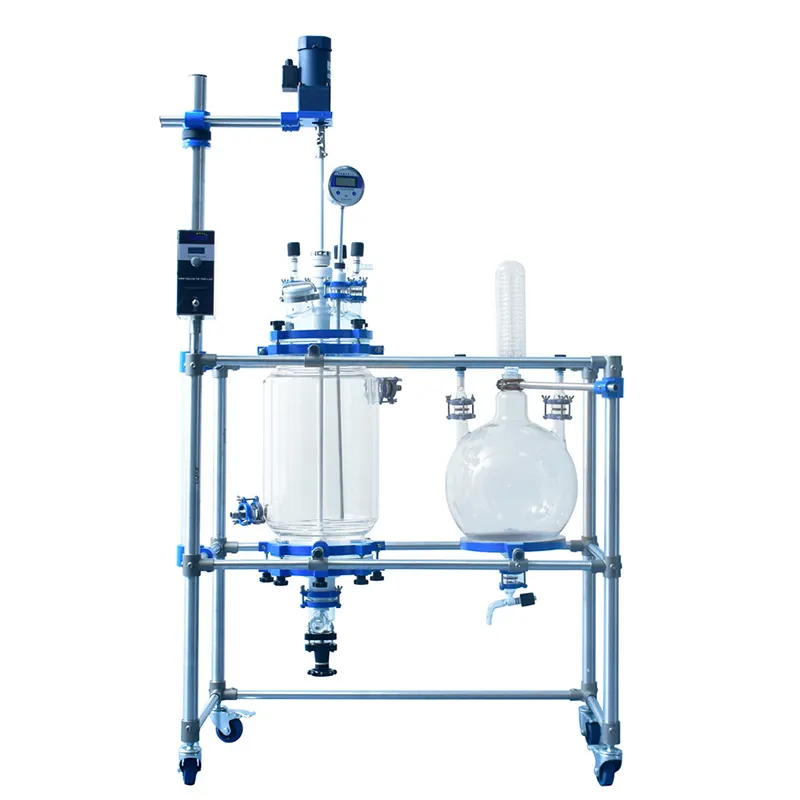
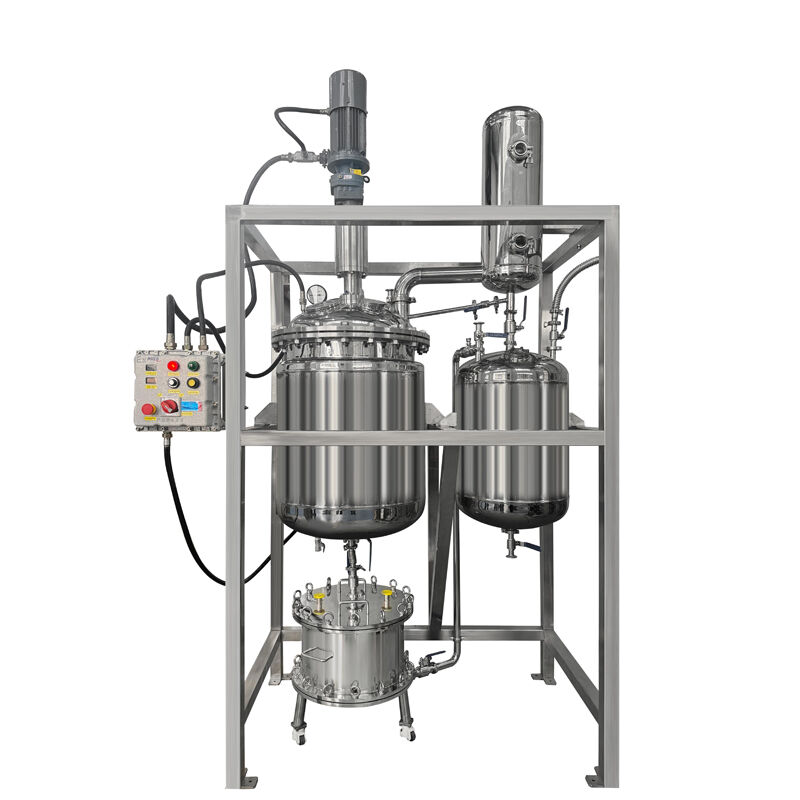
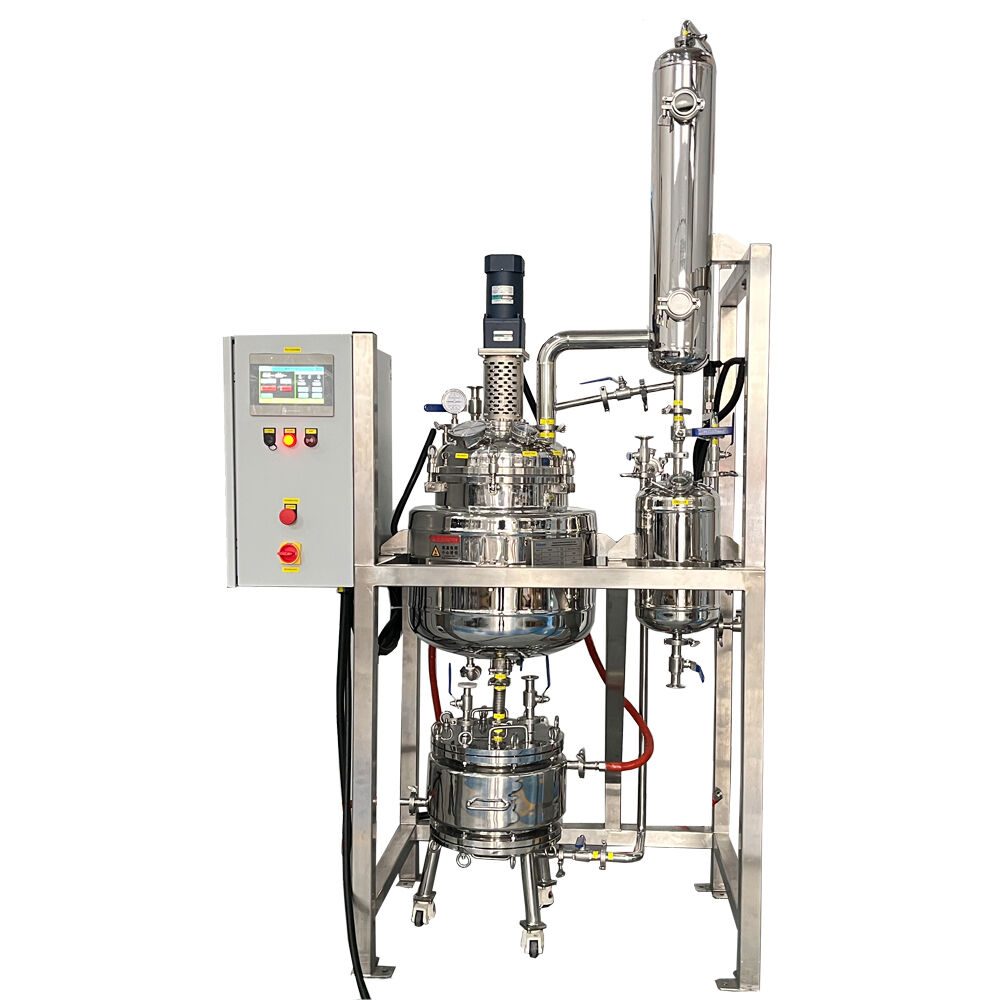
A jacketed stainless steel crystallization reactor represents a sophisticated piece of industrial equipment designed to facilitate controlled crystallization processes across various industries. This specialized vessel combines the durability of stainless steel construction with advanced thermal management capabilities through its innovative jacketed design. The reactor serves as the cornerstone for producing high-quality crystals with precise control over particle size, purity, and morphology. The jacketed stainless steel crystallization reactor operates by maintaining optimal temperature conditions throughout the crystallization process, ensuring consistent results and superior product quality. Its robust stainless steel construction provides exceptional resistance to corrosion, chemical attack, and mechanical stress, making it suitable for handling aggressive solvents and demanding operating conditions. The jacket system enables precise temperature control by circulating heating or cooling media, allowing operators to implement specific thermal profiles that optimize crystal formation. This equipment features advanced agitation systems that promote uniform mixing and prevent unwanted precipitation or scaling on vessel walls. The reactor's design incorporates multiple sampling ports, observation windows, and instrumentation connections that enable real-time monitoring of the crystallization process. Modern jacketed stainless steel crystallization reactors often include automated control systems that regulate temperature, agitation speed, and feeding rates according to predetermined recipes. The applications of this versatile equipment span numerous industries, including pharmaceuticals, fine chemicals, food processing, and specialty materials manufacturing. In pharmaceutical production, these reactors ensure consistent drug substance quality while meeting stringent regulatory requirements. Chemical manufacturers utilize jacketed stainless steel crystallization reactors for producing high-purity intermediates and active ingredients. The food industry employs these systems for sugar crystallization, salt production, and various crystalline food additives. Advanced features such as vacuum capabilities, inert atmosphere operation, and CIP cleaning systems enhance the reactor's versatility and operational efficiency.

New Product Recommendations

The jacketed stainless steel crystallization reactor delivers numerous practical benefits that directly impact operational efficiency and product quality. First, the stainless steel construction ensures exceptional durability and longevity, reducing maintenance costs and extending equipment lifespan significantly. This material choice provides superior chemical compatibility with a wide range of solvents, acids, and bases commonly used in crystallization processes. The smooth surface finish of stainless steel minimizes fouling and facilitates thorough cleaning between batches, reducing contamination risks and improving product purity. Temperature control represents another major advantage of the jacketed design, enabling precise thermal management throughout the entire crystallization cycle. Operators can implement complex temperature profiles, including controlled cooling rates and heating steps, which directly influence crystal size distribution and morphology. The jacketed system responds quickly to temperature adjustments, providing excellent process control and reproducibility. This level of control translates into consistent product quality and reduced batch-to-batch variation. The reactor's agitation system ensures uniform heat and mass transfer, preventing local hotspots and concentration gradients that could compromise crystal quality. Efficient mixing also reduces processing times and improves yield by promoting complete dissolution and controlled precipitation. The vessel's design minimizes dead zones where crystals might accumulate and cause quality issues. Maintenance advantages include easy access to all components, standardized spare parts availability, and straightforward cleaning procedures. The jacketed stainless steel crystallization reactor supports various cleaning methods, including CIP systems that reduce downtime between batches. Safety benefits encompass pressure rating compliance, emergency relief systems, and compatibility with explosion-proof environments when required. The reactor's modular design allows for easy integration with existing plant infrastructure and future expansion capabilities. Operators appreciate the intuitive control interfaces and comprehensive documentation that accompany these systems. Energy efficiency benefits result from optimized heat transfer design and insulation systems that minimize energy consumption during heating and cooling cycles. The ability to recover and recycle solvents further enhances operational economics while supporting environmental sustainability goals.

Practical Tips

Cost-Effective Solutions: Jacketed Stainless Steel Reactors

15

Apr

Cost-Effective Solutions: Jacketed Stainless Steel Reactors

Understanding Jacketed Stainless Steel Reactors and Core Components Core Components of Stainless Steel Jacketed Reactors Stainless steel jacketed reactors have this special double wall setup where there's basically two layers one inside the other. ...
View More
What to Consider Before Buying Wiped Film Molecular Distillation Equipment?

15

Apr

What to Consider Before Buying Wiped Film Molecular Distillation Equipment?

Understanding the Core Principles of Wiped Film Molecular Distillation Equipment How the Wiped Film Distillation Process Enables Efficient Separation The process of wiped film molecular distillation works by breaking down compounds at the molecular ...
View More
The Ultimate Guide to Jacketed Reactors: Temperature Control & Industrial Applications

16

Apr

The Ultimate Guide to Jacketed Reactors: Temperature Control & Industrial Applications

How Jacketed Reactors Enable Precision Temperature Control What Are Jacketed Reactors and How Do They Enable Temperature Control? Jacketed reactors have this special double wall setup where either heating or cooling fluids run through the space bet...
View More
Optimizing Efficiency with Jacketed Stainless Steel Reactors

16

Apr

Optimizing Efficiency with Jacketed Stainless Steel Reactors

Understanding Jacketed Stainless Steel Reactors and Their Industrial Role What Are Jacketed Stainless Steel Reactors and Why They Matter in Chemical Processing Jacketed stainless steel reactors basically consist of two walls with space in between f...
View More

Get a Free Quote

Our representative will contact you soon.
Email
Name
Contact Number
Company Name
Message
0/1000

jacketed stainless steel crystallization reactor

Advanced Thermal Management System for Optimal Crystallization Control

Advanced Thermal Management System for Optimal Crystallization Control

The jacketed thermal management system represents the most critical feature of the jacketed stainless steel crystallization reactor, providing unparalleled control over the crystallization environment. This sophisticated system utilizes a double-wall construction where the outer jacket circulates heating or cooling media while the inner vessel contains the crystallization mixture. The design enables rapid temperature changes with exceptional uniformity throughout the vessel volume, eliminating temperature gradients that could cause uneven crystal formation. The jacketed configuration supports multiple heating and cooling media options, including steam, hot water, thermal oil, chilled water, and refrigerated brines, allowing operators to achieve temperature ranges from sub-zero to elevated conditions based on process requirements. The system's thermal efficiency stems from optimized heat transfer surface area and turbulent flow patterns within the jacket space. Advanced insulation systems minimize energy loss while maintaining precise temperature control, resulting in reduced operating costs and improved process economics. The thermal management system integrates seamlessly with automated control platforms, enabling the implementation of complex temperature profiles that optimize crystal nucleation, growth, and final product characteristics. Operators can program multi-step cooling curves, controlled heating ramps, and isothermal holds that promote desired crystal polymorphs and size distributions. The jacketed design also facilitates rapid batch turnover by enabling quick heating for dissolution phases and controlled cooling for crystallization stages. Emergency cooling capabilities provide additional safety margins for exothermic reactions or thermal runaway scenarios. The system's responsiveness allows for real-time adjustments based on process monitoring data, ensuring optimal conditions throughout the entire crystallization cycle. Quality benefits include improved crystal morphology, reduced agglomeration, and enhanced purity levels resulting from controlled thermal conditions. The thermal management system's reliability stems from proven design principles, high-quality components, and comprehensive testing protocols that ensure consistent performance across thousands of operating cycles.
Superior Stainless Steel Construction for Maximum Durability and Chemical Compatibility

Superior Stainless Steel Construction for Maximum Durability and Chemical Compatibility

The stainless steel construction of the jacketed stainless steel crystallization reactor provides exceptional material properties that directly translate into operational advantages and long-term value. High-grade stainless steel alloys, typically 316L or higher specifications, offer outstanding corrosion resistance against a broad spectrum of chemicals, solvents, and operating conditions encountered in crystallization processes. This material choice ensures equipment longevity while maintaining product purity by preventing metal ion contamination that could affect crystal quality or introduce unwanted impurities. The stainless steel surface exhibits excellent cleanability due to its smooth, non-porous finish that resists fouling and facilitates thorough cleaning between batches. This characteristic proves particularly valuable in pharmaceutical and food applications where cross-contamination must be completely eliminated. The material's mechanical properties provide excellent pressure and vacuum ratings, enabling operation across wide pressure ranges while maintaining structural integrity. Stainless steel's thermal conductivity enhances heat transfer efficiency in the jacketed design, contributing to responsive temperature control and energy efficiency. The construction methodology employs advanced welding techniques and quality control procedures that ensure leak-tight performance and eliminate crevices where contaminants might accumulate. Electropolished internal surfaces further enhance cleanability and reduce particle generation that could serve as unwanted nucleation sites. The stainless steel construction supports various surface treatments and coatings when specialized applications require additional chemical resistance or non-stick properties. Material traceability and certification documentation accompany each reactor, ensuring compliance with industry standards and regulatory requirements. The construction's modular approach facilitates maintenance activities, with accessible connections, removable components, and standardized fittings that simplify service procedures. Stainless steel's compatibility with sterilization methods, including steam sterilization and chemical sanitization, makes the reactor suitable for sterile processing applications. The material's recyclability aligns with environmental sustainability goals while maintaining its performance characteristics throughout multiple recycling cycles.
Integrated Process Control and Monitoring Capabilities for Enhanced Operational Efficiency

Integrated Process Control and Monitoring Capabilities for Enhanced Operational Efficiency

The integrated process control and monitoring capabilities of the jacketed stainless steel crystallization reactor transform complex crystallization operations into manageable, repeatable processes that consistently deliver high-quality results. Modern reactor systems incorporate comprehensive instrumentation packages that monitor critical process parameters including temperature, pressure, agitation speed, pH, conductivity, and turbidity in real-time. These monitoring capabilities provide operators with immediate feedback on process conditions, enabling proactive adjustments that optimize crystal formation and prevent quality deviations. Advanced control systems utilize programmable logic controllers and human-machine interfaces that simplify operation while providing sophisticated process automation options. Recipe management features allow operators to store, recall, and execute proven crystallization procedures with minimal manual intervention, reducing operator dependency and improving batch consistency. Data logging capabilities create comprehensive batch records that support quality assurance requirements and regulatory compliance while facilitating process optimization through historical analysis. The control system integrates seamlessly with plant-wide manufacturing execution systems, enabling coordination with upstream and downstream processes for improved overall efficiency. Alarm management systems provide early warning of deviation conditions, allowing operators to take corrective action before product quality is compromised. Remote monitoring capabilities enable off-site process supervision and troubleshooting, reducing response times and improving operational flexibility. The jacketed stainless steel crystallization reactor's control system supports various communication protocols, ensuring compatibility with existing plant infrastructure and future technology upgrades. Predictive maintenance features monitor equipment performance parameters and provide advance warning of component wear or potential failures, minimizing unplanned downtime and maintenance costs. The system's scalability allows for easy expansion of monitoring and control capabilities as process requirements evolve or production volumes increase. User-friendly interfaces reduce training requirements while comprehensive documentation and support resources ensure successful implementation and ongoing operation.

Get a Free Quote

Our representative will contact you soon.
Email
Name
Contact Number
Company Name
Message
0/1000