Food-Grade Molecular Distillation: Advanced Purification Technology for Premium Food Ingredients

Get a Free Quote

Our representative will contact you soon.
Email
Name
Contact Number
Company Name
Message
0/1000

food-grade molecule distillation

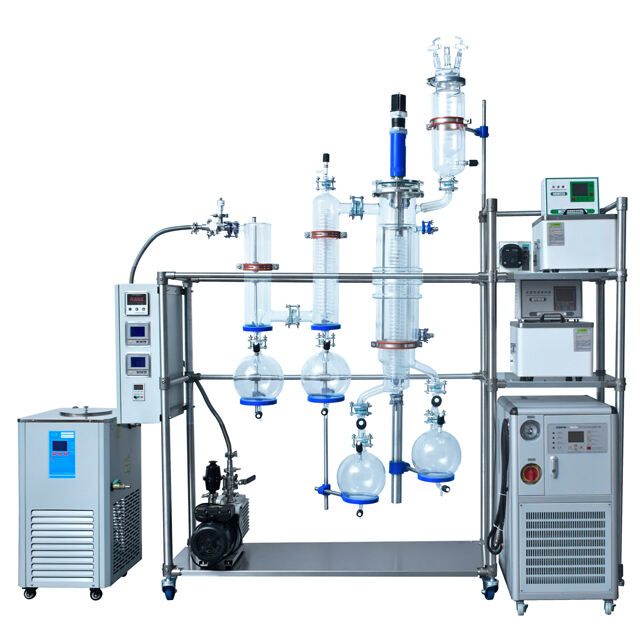
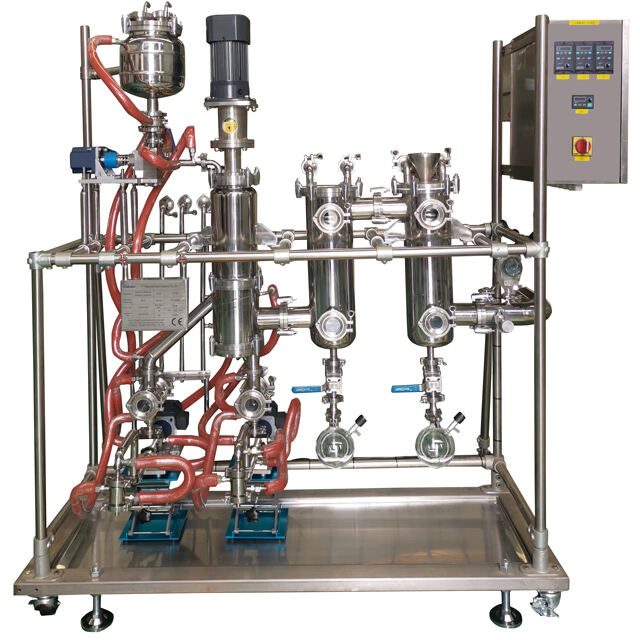
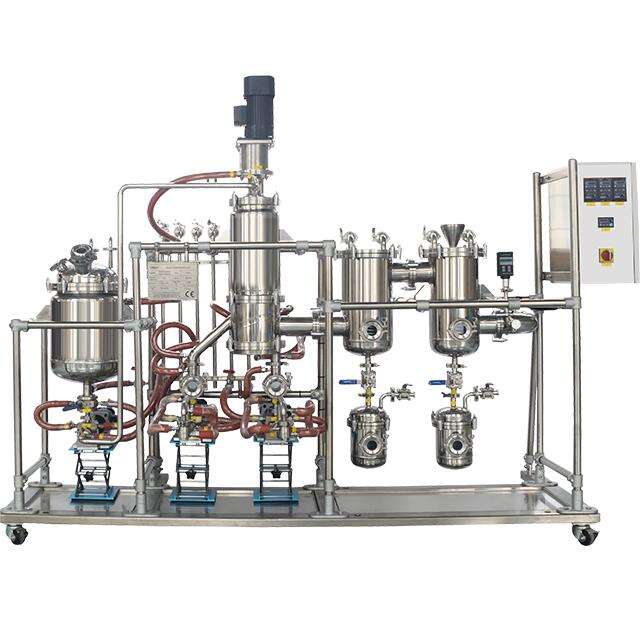
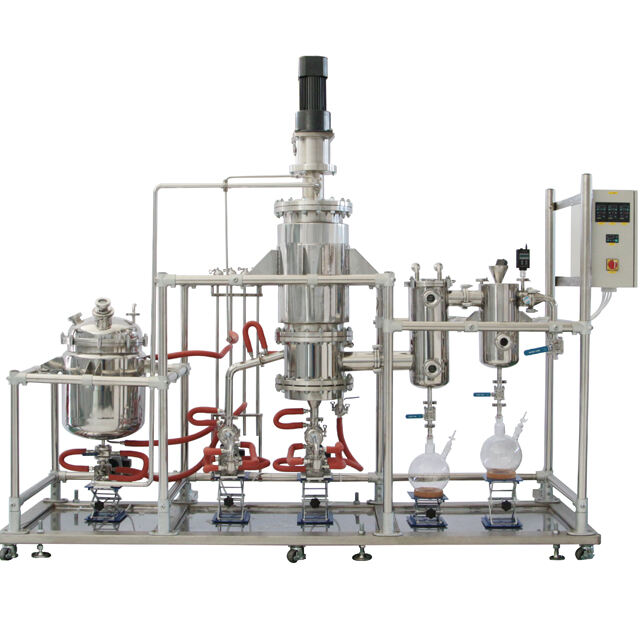
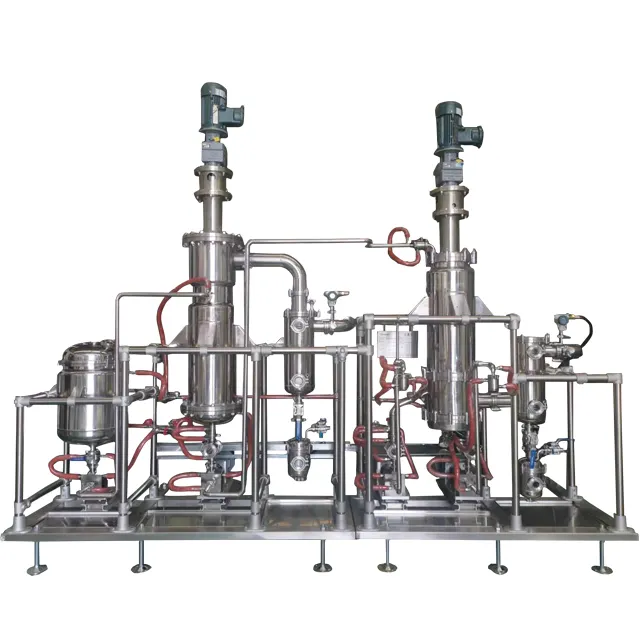
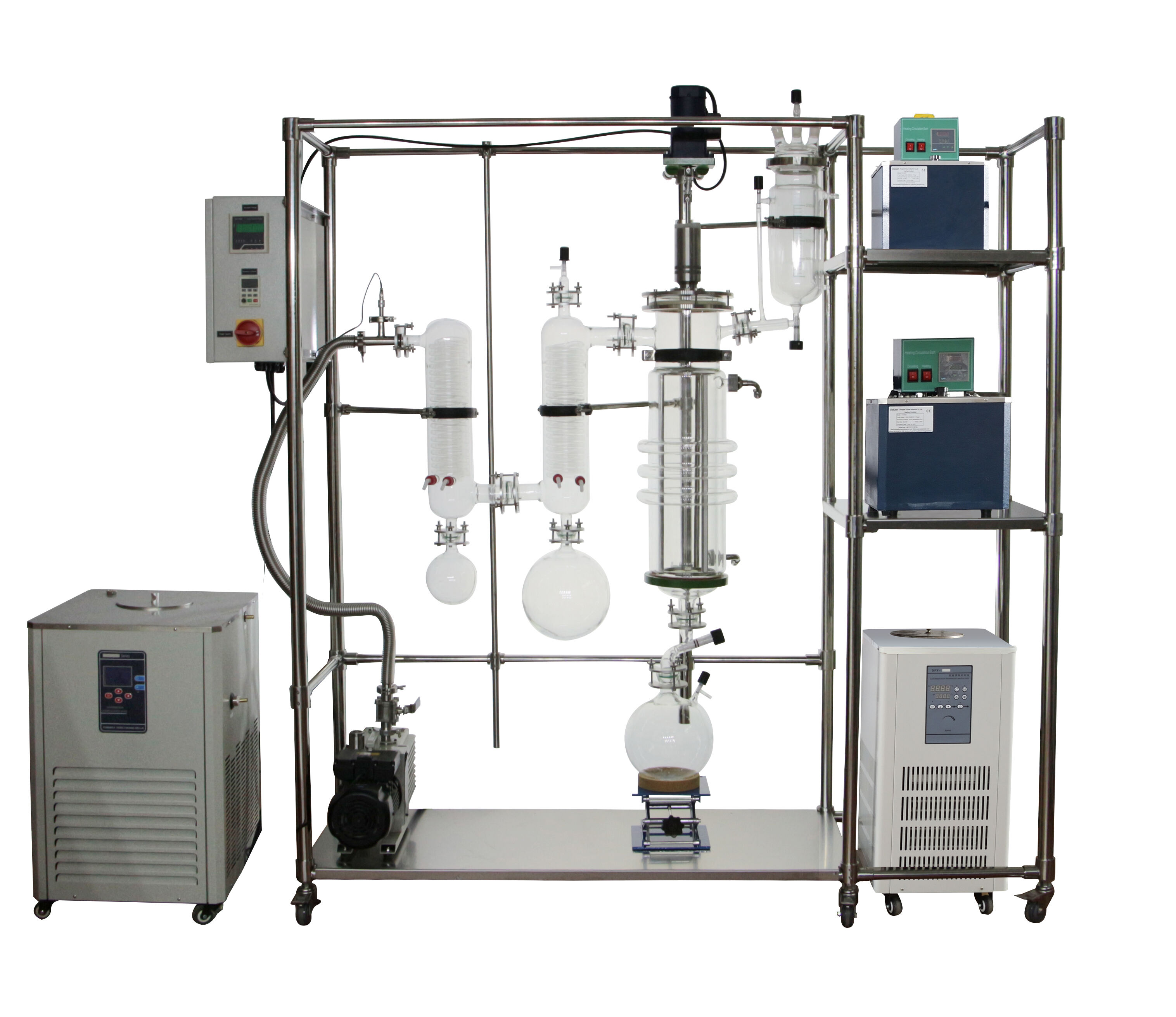
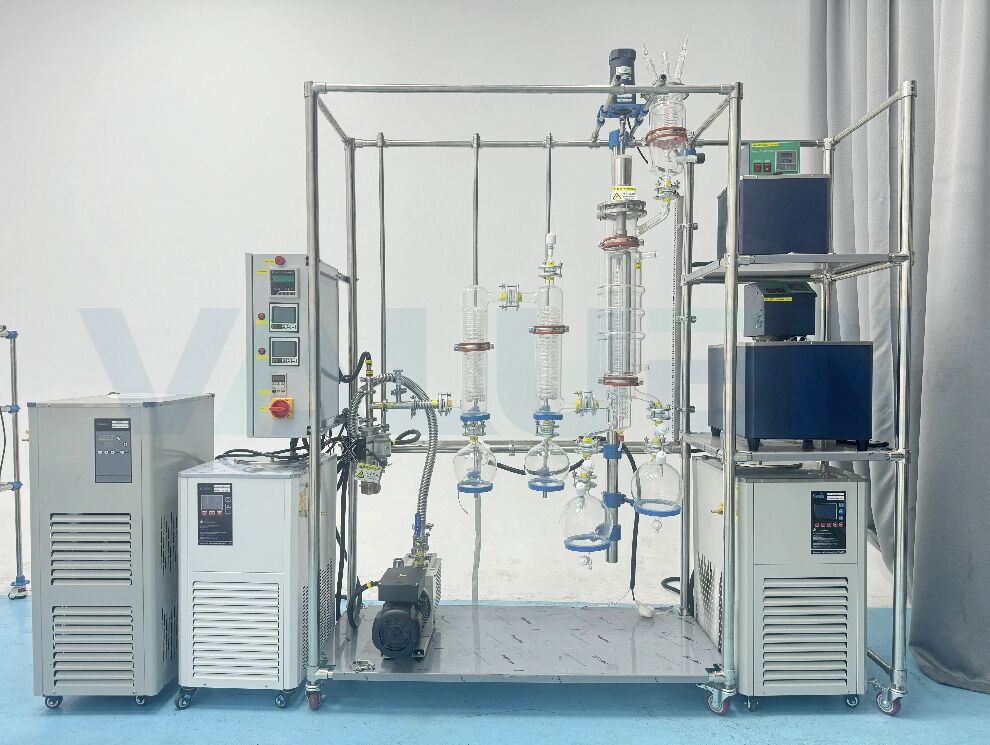
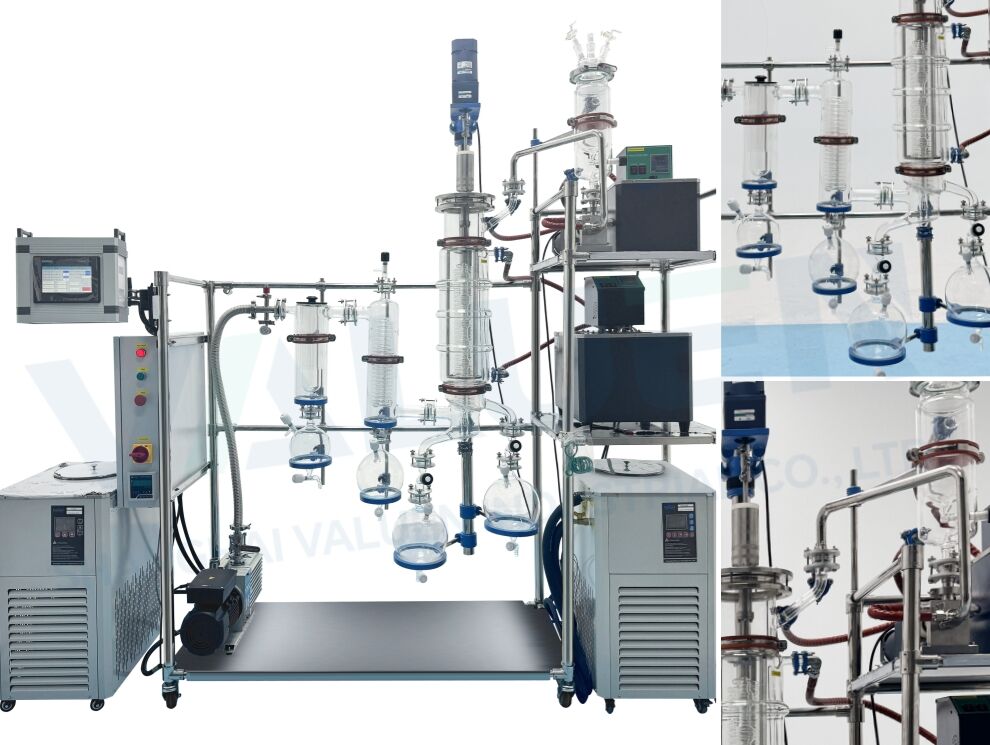
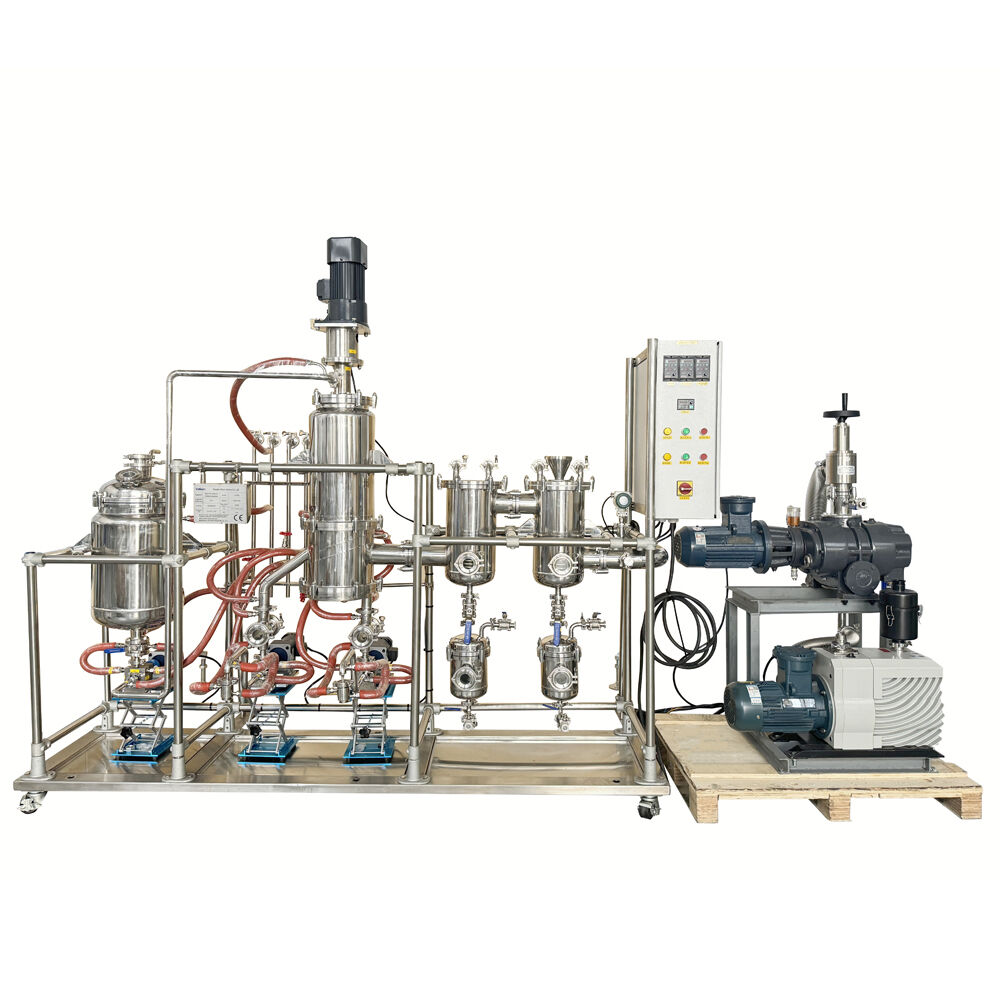
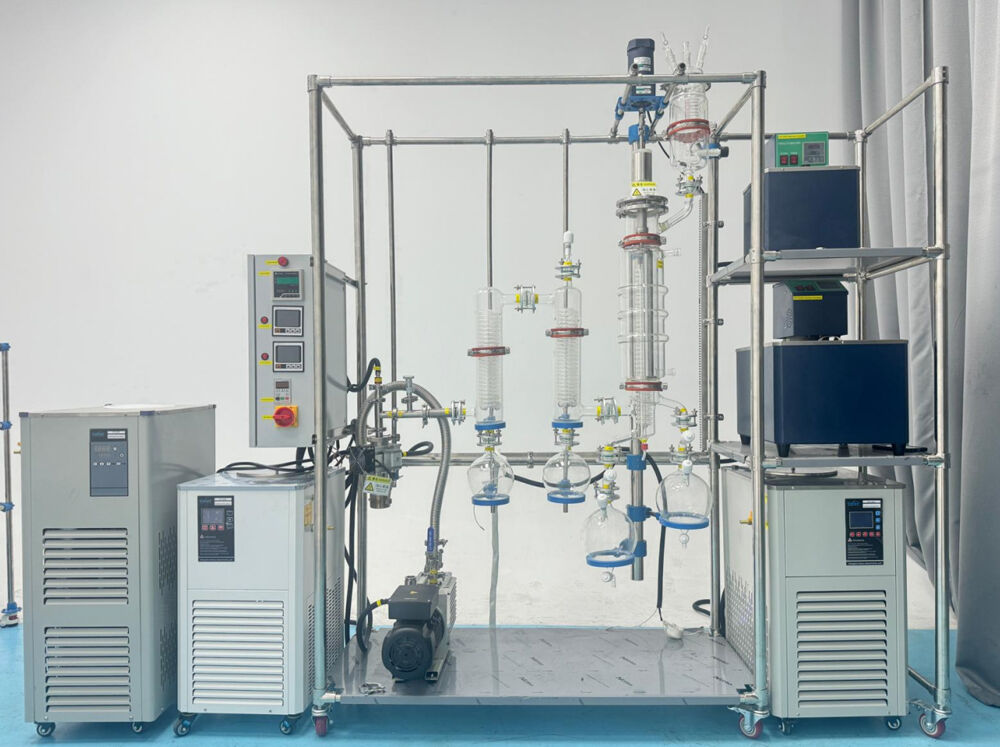
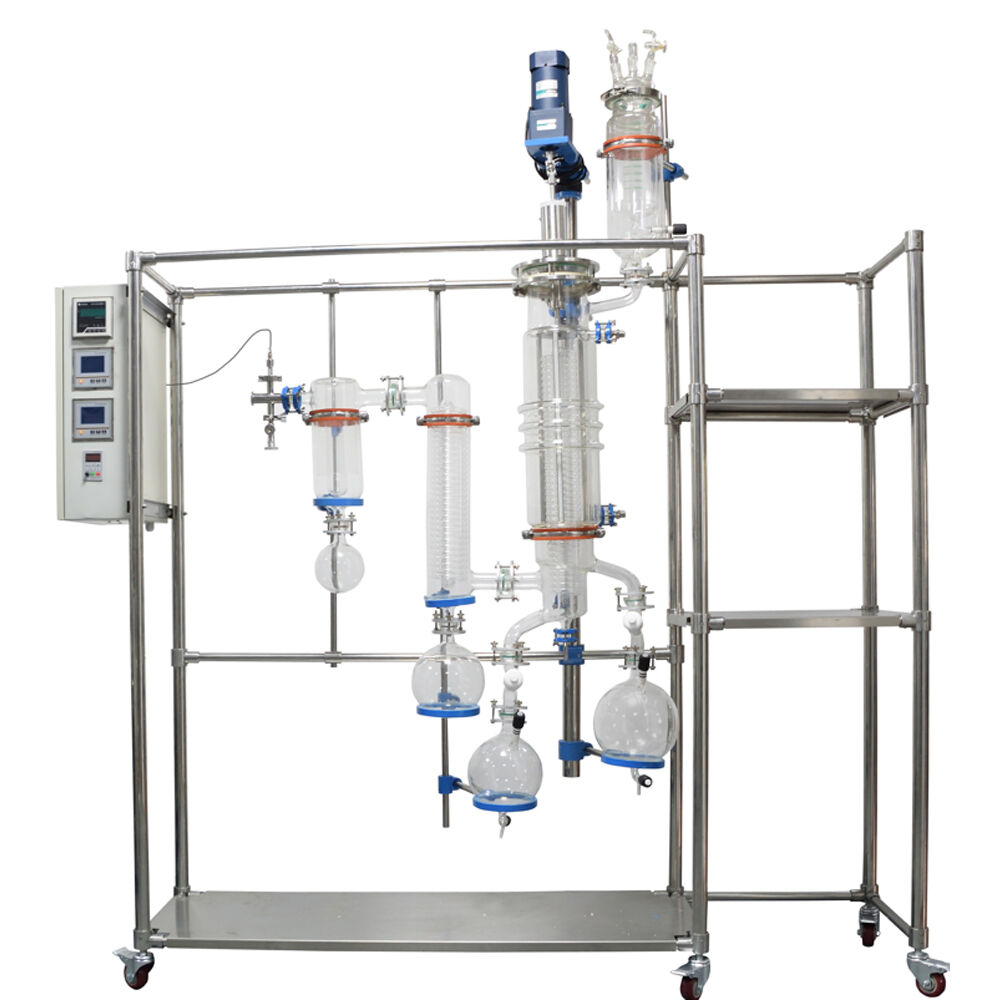
Food-grade molecular distillation represents a cutting-edge separation technology specifically designed for processing heat-sensitive materials in the food and beverage industry. This sophisticated process operates under extremely low pressure conditions, typically ranging from 0.001 to 1 mmHg, enabling distillation at significantly reduced temperatures compared to conventional methods. The food-grade molecular distillation system utilizes the principle of mean free path differences between various molecular components, allowing for precise separation without thermal degradation of valuable nutrients and bioactive compounds. The main functions of food-grade molecular distillation include purification of edible oils, concentration of natural flavors, extraction of vitamins, isolation of fatty acids, and refinement of botanical extracts. This technology excels in removing unwanted impurities such as pesticide residues, heavy metals, and off-flavors while preserving the essential characteristics of food ingredients. The technological features encompass short residence time processing, typically lasting only seconds, which minimizes heat exposure and maintains product integrity. Advanced wiped film evaporators ensure uniform heat distribution and efficient mass transfer, while sophisticated vacuum systems maintain optimal operating conditions. The process operates through a heated cylindrical surface where the feed material forms a thin film, allowing rapid evaporation and subsequent condensation on a cooled surface positioned at a precise distance. Applications span across multiple food sectors including nutraceutical manufacturing, specialty oil production, natural flavor enhancement, vitamin purification, and premium ingredient processing. Food manufacturers utilize this technology for creating high-purity omega-3 concentrates, removing cholesterol from dairy products, purifying plant-based proteins, and developing concentrated natural extracts. The food-grade molecular distillation process ensures compliance with stringent food safety regulations while delivering superior product quality and extended shelf life for processed ingredients.

New Product Releases

Food-grade molecular distillation delivers exceptional preservation of nutritional value by operating at temperatures significantly lower than traditional distillation methods. This gentle processing approach prevents thermal degradation of sensitive vitamins, antioxidants, and bioactive compounds that would otherwise be destroyed under conventional high-temperature conditions. The technology maintains the natural color, taste, and aroma profiles of food ingredients, ensuring that final products retain their original sensory characteristics. Processing efficiency reaches remarkable levels through the short residence time feature, where materials spend only seconds in the heated zone, drastically reducing the risk of product deterioration. The system achieves superior separation precision by exploiting molecular size differences, allowing manufacturers to isolate specific compounds with unprecedented accuracy. This selectivity enables the removal of unwanted contaminants while preserving beneficial components, resulting in cleaner, purer end products. Energy consumption remains notably lower compared to conventional distillation processes due to reduced operating temperatures and efficient heat transfer mechanisms. The food-grade molecular distillation system operates continuously, providing consistent product quality and enabling large-scale production with minimal batch-to-batch variations. Environmental benefits emerge from reduced energy requirements and elimination of chemical solvents typically used in alternative purification methods. The closed-system design prevents contamination and ensures sterile processing conditions, meeting the highest food safety standards without additional sterilization steps. Cost-effectiveness becomes apparent through higher product yields, reduced waste generation, and minimal maintenance requirements. The technology enables manufacturers to create premium products that command higher market prices due to superior quality and purity levels. Regulatory compliance simplifies as the process meets FDA, USDA, and international food safety standards without requiring additional certifications. Versatility allows processing of diverse feed materials including oils, extracts, concentrates, and specialized ingredients across various food categories. The automated control systems ensure reproducible results while minimizing operator intervention and potential human error. Market competitiveness increases as manufacturers can offer products with enhanced nutritional profiles, extended shelf life, and superior organoleptic properties that meet evolving consumer demands for natural, high-quality food ingredients.

Practical Tips

How to Choose the Right Stainless Steel Reactor for Pharmaceutical Production

12

Nov

How to Choose the Right Stainless Steel Reactor for Pharmaceutical Production

Selecting the appropriate stainless steel reactor for pharmaceutical production is a critical decision that directly impacts product quality, manufacturing efficiency, and regulatory compliance. The pharmaceutical industry demands exceptional standar...
View More
How to Select a Crystallization Reactor for Pharmaceutical Crystallization?

24

Dec

How to Select a Crystallization Reactor for Pharmaceutical Crystallization?

Selecting the right crystallization reactor for pharmaceutical manufacturing requires careful consideration of multiple technical and operational factors that directly impact product quality, yield, and process efficiency. The pharmaceutical industry...
View More
What Operating Conditions Affect Fractional Distillation Performance?

24

Dec

What Operating Conditions Affect Fractional Distillation Performance?

Fractional distillation represents one of the most critical separation techniques in chemical processing, petrochemical industries, and laboratory applications. The effectiveness of this process depends heavily on various operating conditions that di...
View More
How Does a Stainless Steel Reactor Support Customization and Scale-Up?

20

Jan

How Does a Stainless Steel Reactor Support Customization and Scale-Up?

The chemical processing industry faces constant pressure to optimize production while maintaining safety and quality standards. A stainless steel reactor serves as the cornerstone of countless manufacturing operations, providing the durability and ve...
View More

Get a Free Quote

Our representative will contact you soon.
Email
Name
Contact Number
Company Name
Message
0/1000

food-grade molecule distillation

Ultra-Low Temperature Processing Technology

Ultra-Low Temperature Processing Technology

The ultra-low temperature processing capability of food-grade molecular distillation represents a revolutionary advancement in food ingredient purification and refinement. Unlike conventional distillation methods that require temperatures exceeding 200°C, this innovative technology operates effectively at temperatures as low as 60-120°C, depending on the specific application and feed material characteristics. This dramatic temperature reduction occurs through the creation of an extreme vacuum environment, typically maintained at pressures below 1 mmHg, which significantly lowers the boiling points of target compounds. The scientific principle behind this remarkable capability lies in the relationship between vapor pressure and temperature, where reduced atmospheric pressure enables vaporization at substantially lower thermal input. This temperature control mechanism proves invaluable when processing thermally sensitive food ingredients such as essential oils, natural flavors, vitamins, and polyunsaturated fatty acids that would otherwise decompose under traditional processing conditions. The preservation of molecular integrity extends beyond simple prevention of degradation to maintaining the complex chemical structures responsible for nutritional benefits and sensory properties. For instance, when processing fish oil for omega-3 concentration, the low-temperature environment prevents the formation of harmful trans-fatty acids and maintains the beneficial cis-configuration of unsaturated bonds. Similarly, when refining plant-based extracts, the gentle thermal treatment preserves delicate phenolic compounds and antioxidants that contribute to the health-promoting properties of the final product. The technology's temperature precision enables manufacturers to optimize processing conditions for specific compounds, maximizing yield while minimizing quality loss. This capability translates into significant economic advantages as higher-value products can be produced with superior nutritional profiles and extended shelf stability. The ultra-low temperature processing also eliminates the need for protective atmospheres or chemical antioxidants during processing, resulting in cleaner label products that appeal to health-conscious consumers seeking natural food ingredients.
Exceptional Purification and Separation Efficiency

Exceptional Purification and Separation Efficiency

Food-grade molecular distillation achieves unparalleled purification and separation efficiency through its unique molecular-level processing mechanism that surpasses conventional separation technologies. The process exploits the fundamental principle of mean free path differences between molecules of varying sizes and volatilities, enabling precise fractionation of complex mixtures into distinct, high-purity components. This molecular-scale selectivity allows for the separation of compounds with very similar boiling points that would be impossible to isolate using traditional distillation methods. The efficiency stems from the extremely short distance between the evaporating surface and the condensing surface, typically maintained at 10-50 millimeters, which is less than the mean free path of most organic molecules under the operating vacuum conditions. This configuration ensures that evaporated molecules travel directly to the condenser without intermolecular collisions, preventing remixing and enabling sharp separation boundaries. The result is exceptionally pure products with concentrations often exceeding 95% purity for target compounds. In practical applications, this efficiency translates to remarkable purification capabilities such as removing pesticide residues down to undetectable levels, eliminating heavy metal contaminants, and concentrating beneficial compounds like tocopherols, sterols, and carotenoids. The technology demonstrates particular excellence in processing edible oils, where it can effectively remove free fatty acids, peroxides, and color bodies while concentrating valuable minor components. The separation precision enables the creation of specialized products such as high-concentrate EPA and DHA oils from fish sources, purified lecithin from plant materials, and concentrated natural antioxidants from botanical extracts. Quality control benefits extend beyond purity improvements to include enhanced stability and extended shelf life due to the removal of pro-oxidant compounds and moisture. The efficiency gains also manifest in higher product yields compared to alternative purification methods, as the gentle processing conditions minimize product loss through degradation or unwanted chemical reactions. This superior efficiency makes food-grade molecular distillation an economically attractive solution for manufacturers seeking to produce premium ingredients that meet increasingly stringent quality specifications and regulatory requirements while maintaining competitive production costs.
Versatile Multi-Product Processing Capability

Versatile Multi-Product Processing Capability

The versatile multi-product processing capability of food-grade molecular distillation systems establishes this technology as an indispensable asset for food manufacturers seeking flexible production solutions. This adaptability stems from the technology's ability to handle an extensive range of feed materials with varying viscosities, molecular weights, and chemical properties without requiring significant equipment modifications or lengthy changeover procedures. The system efficiently processes liquid feeds ranging from low-viscosity essential oils to high-viscosity plant extracts, accommodating viscosities from 1 to 10,000 centipoise through adjustable feed rates and optimized film formation techniques. Temperature and pressure parameters can be precisely adjusted to suit different product requirements, enabling the processing of heat-sensitive vitamins at moderate conditions or the purification of more stable compounds at elevated temperatures for enhanced throughput. This flexibility proves particularly valuable for contract manufacturers and multi-product facilities where diverse ingredient processing is essential for business viability. The technology successfully handles applications across multiple food categories including dairy processing for cholesterol removal, oil refining for various vegetable and marine oils, nutraceutical manufacturing for concentrated active ingredients, flavor and fragrance production for natural essence purification, and botanical extract processing for standardized herbal compounds. Each application benefits from the system's ability to maintain consistent quality standards regardless of the specific product being processed. The multi-product capability extends to batch size flexibility, accommodating small research and development quantities as well as large-scale commercial production volumes. This scalability enables manufacturers to efficiently transition from product development to full-scale production using the same processing platform, reducing capital investment and operational complexity. Quick changeover procedures minimize downtime between different products, maximizing equipment utilization and production efficiency. The system's design incorporates features such as automated cleaning-in-place capabilities and interchangeable components that facilitate rapid product transitions while maintaining stringent hygiene standards. Documentation and traceability features ensure regulatory compliance across diverse product lines, providing manufacturers with the confidence to process multiple ingredients using validated procedures. This versatility positions food-grade molecular distillation as a strategic technology investment that can adapt to changing market demands and support business growth through expanded product portfolios and enhanced manufacturing capabilities.

Get a Free Quote

Our representative will contact you soon.
Email
Name
Contact Number
Company Name
Message
0/1000