 EN
EN

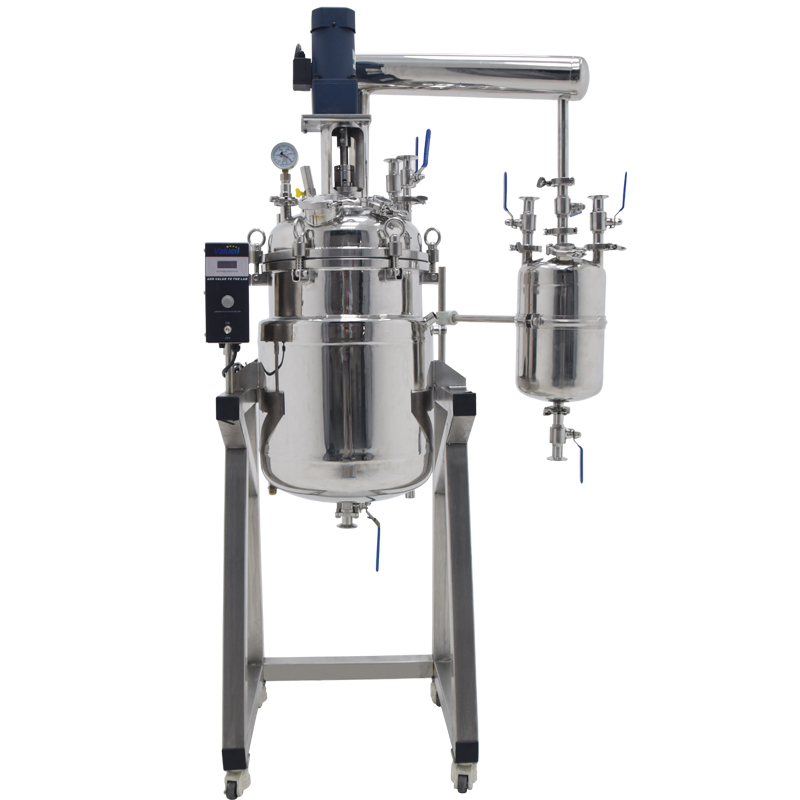
Purchasing a stainless steel reactor represents a significant capital investment for any industrial operation, whether you're scaling up laboratory processes, optimizing production capacity, or replacing aging equipment. The decision demands careful evaluation of technical specifications, operational requirements, and long-term performance expectations. A stainless steel reactor serves as the cornerstone of chemical processing, pharmaceutical manufacturing, and numerous other industrial applications where material compatibility, pressure resistance, and temperature control are non-negotiable. Before committing to a purchase, buyers must systematically assess multiple critical factors that directly impact operational efficiency, safety compliance, and return on investment.
This comprehensive buyer's checklist walks you through the essential verification points that separate a well-informed purchase from a costly mistake. From understanding material grades and welding quality to evaluating thermal management systems and vendor certifications, each checkpoint addresses specific aspects that influence both immediate functionality and long-term reliability. Whether you're procuring your first stainless steel reactor or adding to an existing fleet, this structured approach ensures you examine every dimension that matters before finalizing your investment decision.
Material Specification and Grade Verification
Understanding Stainless Steel Grade Requirements
The foundation of any reliable stainless steel reactor begins with appropriate material selection. Not all stainless steel grades offer equivalent performance characteristics, and your process chemistry dictates specific requirements. Grade 316L stainless steel remains the industry standard for most chemical processing applications due to its superior corrosion resistance and low carbon content that minimizes sensitization during welding. However, certain aggressive media require specialized alloys such as 316Ti or even duplex stainless steels. Before purchasing, verify that the reactor's construction material matches your process fluid characteristics, operating temperature range, and pH conditions.
Request detailed material certificates from the manufacturer that specify the exact grade composition, heat treatment records, and compliance with recognized standards such as ASTM A240 or EN 10088. The material certificate should include chemical composition analysis showing chromium, nickel, molybdenum, and carbon content within acceptable ranges. Some suppliers provide generic specifications without batch-specific documentation, which creates traceability gaps that can complicate quality audits and regulatory inspections. Insist on mill test certificates that correspond to the actual material used in your specific reactor unit.
Surface Finish and Passivation Standards
Surface finish quality directly affects product purity, cleaning efficiency, and contamination prevention in your stainless steel reactor. Industrial reactors typically specify interior surface finishes ranging from 0.4 to 0.8 micrometers Ra (arithmetic average roughness), with pharmaceutical and food-grade applications demanding even smoother finishes approaching mirror polish standards. A properly finished interior surface minimizes product adhesion, facilitates thorough cleaning between batches, and reduces bacterial harboring points in sterile applications.
Passivation treatment represents another critical checkpoint that many buyers overlook. After fabrication, stainless steel surfaces must undergo chemical passivation to remove free iron contamination and establish a stable chromium oxide protective layer. Verify that the manufacturer performs citric acid or nitric acid passivation according to ASTM A967 standards and can provide documentation of the treatment process. Inadequate passivation leads to premature corrosion, surface staining, and potential product contamination, particularly in applications involving acidic or chloride-containing process streams.
Pressure and Temperature Design Parameters
Pressure Rating and Safety Margin Assessment
Every stainless steel reactor operates within defined pressure limits determined by vessel design, wall thickness, and material properties. Before purchasing, clearly establish your maximum operating pressure requirements and verify that the reactor design includes appropriate safety margins. Industry best practice recommends selecting equipment rated for at least 125% of your maximum anticipated operating pressure to account for pressure surges, thermal expansion effects, and long-term material considerations.
Examine the reactor's pressure vessel certification carefully. Reputable manufacturers provide design calculations stamped by qualified professional engineers and compliance documentation for applicable pressure vessel codes such as ASME Section VIII Division 1, PED (Pressure Equipment Directive) for European markets, or other regional standards. The nameplate should clearly display maximum allowable working pressure (MAWP), design temperature, and hydrostatic test pressure. Request copies of hydrostatic test reports that demonstrate the vessel successfully withstood pressure testing at 1.3 to 1.5 times the design pressure without deformation or leakage.
Thermal Management Capability Evaluation
Temperature control precision fundamentally determines reaction quality, yield optimization, and process reproducibility in chemical manufacturing. When evaluating a stainless steel reactor, assess the thermal management system design based on your specific heating and cooling requirements. Jacketed vessels, half-coil jackets, and dimple jackets each offer distinct heat transfer characteristics, with full jackets providing uniform temperature distribution while half-coil designs offer better thermal efficiency for high-temperature applications.
Calculate the required heat transfer area based on your process thermal load, temperature differentials, and desired heating or cooling rates. The jacket design should provide sufficient surface area to achieve target temperature change rates without excessive thermal stress on the reactor wall. Verify that jacket design pressure ratings accommodate your heating/cooling medium requirements, whether using steam, hot oil, chilled water, or specialized heat transfer fluids. Additionally, confirm that temperature sensor placement allows accurate process monitoring with thermowells positioned to represent true bulk temperature rather than wall effects.
Agitation System and Mechanical Seal Configuration
Impeller Design and Mixing Performance
The agitation system transforms a stainless steel reactor from a simple container into a dynamic processing environment. Impeller selection profoundly impacts mixing efficiency, heat transfer rates, mass transfer performance, and reaction kinetics. Different process requirements demand specific impeller geometries—anchor impellers suit high-viscosity applications, pitched blade turbines excel at solid suspension, and hydrofoil impellers provide energy-efficient pumping for low-viscosity fluids.
Before purchasing, verify that the proposed agitation system matches your process viscosity range, desired mixing intensity, and specific operational objectives such as gas dispersion, solid suspension, or emulsification. Request computational fluid dynamics (CFD) analysis or empirical mixing data demonstrating adequate turnover rates and blend times for your application. The shaft diameter, material grade, and surface finish should meet mechanical strength requirements while maintaining compatibility with your process chemistry. Multiple impeller configurations on a single shaft may be necessary for applications involving wide viscosity variations or multiple phase systems.
Mechanical Seal Selection and Reliability Factors
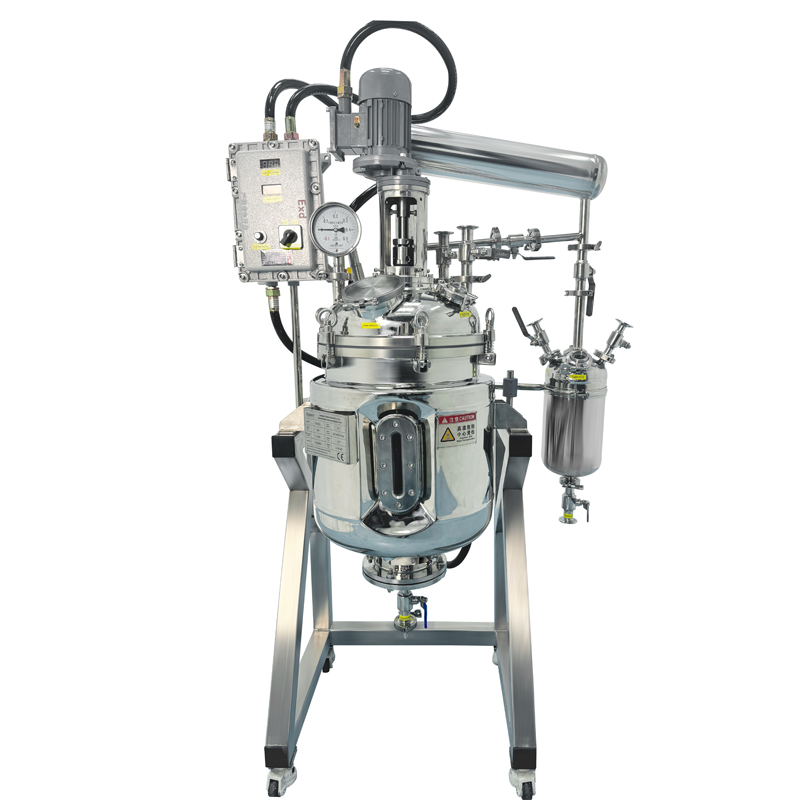
Mechanical seal performance represents a critical reliability checkpoint that directly affects operational uptime, safety compliance, and maintenance costs. Single mechanical seals suffice for benign, non-hazardous applications, while toxic, flammable, or high-value products typically require double mechanical seals with barrier fluid systems. Verify that the seal design matches your process pressure, temperature, and chemical compatibility requirements, with seal face materials selected to withstand your specific operating conditions.
Examine the seal support system configuration, including flush plans that comply with API Plan standards. API Plan 11 provides simple internal circulation for clean fluids, while API Plan 53A or 53B barrier systems offer enhanced containment for hazardous materials. The seal chamber design should facilitate heat dissipation and prevent solid accumulation that accelerates seal wear. Request documentation of expected seal life under your operating conditions and verify that replacement parts maintain reasonable lead times and costs. A well-designed mechanical seal system on your stainless steel reactor minimizes unplanned shutdowns and reduces long-term operational expenses.
Port Configuration and Process Connections
Nozzle Sizing and Placement Strategy
Process nozzles and connections determine how effectively you can charge materials, remove products, install instrumentation, and perform maintenance on your stainless steel reactor. Before purchasing, create a comprehensive list of all required connections including feed inlets, product outlets, vent lines, sample ports, instrument penetrations, and utility connections. Each nozzle should feature appropriate sizing to handle required flow rates without excessive pressure drop or flow velocity that might cause erosion or cavitation.
Evaluate nozzle placement relative to process requirements and operational convenience. Bottom discharge valves should align with downstream equipment or collection systems, while feed nozzles positioned below liquid level minimize vapor space pressurization. Thermowell placements must capture representative process temperatures without creating dead zones or interfering with agitation patterns. Spare nozzles provide valuable flexibility for future process modifications or additional instrumentation without requiring vessel modifications that compromise pressure integrity.
Connection Type and Sealing System Standards
Connection standardization significantly impacts maintenance efficiency, seal reliability, and spare parts inventory management. Tri-clamp (sanitary clamp) connections dominate pharmaceutical and food-grade applications due to quick assembly, excellent cleanability, and gasket integrity, while flanged connections suit larger diameter ports and higher pressure services. Threaded connections may suffice for small instrument ports but generally offer inferior sealing performance and cleanliness compared to flanged or clamped alternatives.
Verify that all connection types align with your facility standards and that gasket materials match your process compatibility requirements. PTFE gaskets suit most chemical applications, while silicone or EPDM elastomers serve specific temperature or flexibility needs. Connection ratings should meet or exceed vessel design pressure, with appropriate bolting materials and torque specifications documented in the operating manual. Consistent connection standards across your stainless steel reactor fleet streamline maintenance operations and reduce the risk of incorrect gasket installation that compromises system integrity.
Quality Assurance and Compliance Documentation
Manufacturing Quality Control Verification
Manufacturing quality directly determines the long-term reliability and safety performance of your stainless steel reactor investment. Before finalizing a purchase, investigate the manufacturer's quality management system and certification status. ISO 9001 certification provides baseline quality assurance, while industry-specific certifications such as ASME certification for pressure vessels or cGMP compliance for pharmaceutical equipment demonstrate specialized competency.
Request detailed information about welding procedures, welder qualifications, and non-destructive testing protocols. All pressure-containing welds should undergo radiographic or ultrasonic examination to detect internal defects that visual inspection cannot reveal. Weld procedure specifications (WPS) and procedure qualification records (PQR) document that welding parameters produce sound, defect-free joints meeting code requirements. Dye penetrant or magnetic particle testing verifies surface weld quality and detects stress cracks or porosity. Comprehensive quality documentation packages demonstrate manufacturing rigor and provide essential reference material for maintenance planning and regulatory compliance.
Regulatory Compliance and Certification Requirements
Regulatory compliance represents a non-negotiable checkpoint that varies by industry, geographic location, and specific application. Pharmaceutical stainless steel reactor installations require extensive documentation demonstrating material traceability, surface finish verification, and cGMP manufacturing practices. Food processing equipment must meet FDA material requirements and 3-A Sanitary Standards where applicable. Chemical processing installations fall under OSHA Process Safety Management regulations when handling hazardous materials above threshold quantities.
Verify that your prospective stainless steel reactor includes all necessary compliance documentation for your specific regulatory environment. ASME U-stamp certification confirms pressure vessel code compliance in North America, while CE marking with PED compliance serves European markets. Explosion-proof electrical components may require ATEX certification for hazardous area installations in Europe or Class I Division 1 ratings under NEC standards in North America. Chinese manufacturers should provide CCC certification or pressure vessel manufacturing licenses as applicable. Missing compliance documentation creates project delays, adds retrofit costs, and potentially invalidates equipment warranties or insurance coverage.
Vendor Assessment and After-Sales Support
Supplier Technical Capability and Experience
The manufacturer's technical expertise and industry experience significantly influence both equipment quality and project success rates. When evaluating potential suppliers for your stainless steel reactor purchase, examine their track record in similar applications and process conditions. Manufacturers specializing in pharmaceutical reactors understand stringent cleanability requirements and documentation standards, while those focused on petrochemical applications bring expertise in high-pressure, high-temperature designs and corrosion-resistant alloy selection.
Request detailed references from customers operating similar processes or handling comparable chemistries. Direct conversations with existing users reveal practical insights about equipment performance, supplier responsiveness, and long-term reliability that marketing materials cannot convey. Assess the supplier's engineering capabilities by evaluating their ability to provide customized solutions, perform process calculations, and recommend appropriate specifications based on your unique requirements rather than simply offering standard catalog designs.
Spare Parts Availability and Technical Support Structure
Long-term operational success with your stainless steel reactor depends heavily on parts availability and technical support accessibility. Before purchasing, clarify spare parts inventory practices, typical lead times for critical components, and pricing structures for replacement items. Mechanical seals, agitator bearings, gaskets, and control system components require periodic replacement, and extended downtime waiting for parts severely impacts production schedules and profitability.
Evaluate the manufacturer's technical support infrastructure including availability of knowledgeable application engineers, response time commitments, and remote troubleshooting capabilities. Comprehensive operating manuals, maintenance procedures, and training programs accelerate operator competency development and reduce the risk of equipment damage from improper operation. Warranty terms should clearly define coverage scope, duration, and exclusions, with particular attention to limitations related to process chemistry variations, operating parameter excursions, or maintenance practice deviations. Strong after-sales support transforms a stainless steel reactor purchase from a transactional equipment acquisition into a long-term partnership that protects your operational investment.
FAQ
What is the typical lead time for a custom stainless steel reactor?
Lead times for stainless steel reactor fabrication typically range from 8 to 16 weeks depending on vessel size, complexity, and manufacturer capacity. Standard jacketed reactors with conventional specifications generally require shorter production cycles, while custom designs incorporating specialized alloys, complex agitation systems, or extensive instrumentation extend manufacturing timelines. Pressure vessel certification processes, required inspections, and documentation preparation add additional time beyond pure fabrication. When planning procurement, factor in design review periods, material procurement for specialized components, and potential shipping delays for international suppliers. Establishing realistic timeline expectations prevents production schedule disruptions and allows proper coordination with facility preparation activities.
How do I determine the appropriate reactor volume for my process?
Selecting appropriate stainless steel reactor volume requires balancing batch size requirements, working volume limitations, and operational flexibility considerations. Start by calculating your target batch size based on production throughput requirements, then account for working volume typically ranging from 60% to 80% of total reactor volume to provide adequate vapor space and prevent overflow during agitation. Consider reaction characteristics such as foaming tendency, gas evolution, and thermal expansion that reduce usable capacity. Evaluate whether multiple smaller reactors offer operational advantages over a single large vessel, including improved flexibility for varied batch sizes, reduced risk exposure from single-point failures, and simplified cleaning validation in pharmaceutical applications. Economic factors including capital cost per volume, utility consumption efficiency, and facility space constraints also influence optimal sizing decisions.
What maintenance schedule should I follow for a stainless steel reactor?
Comprehensive maintenance programs for stainless steel reactor systems include daily operational checks, periodic preventive maintenance, and scheduled major inspections. Daily routines should verify mechanical seal performance, agitation system vibration levels, temperature control accuracy, and pressure relief device accessibility. Monthly preventive maintenance typically includes lubrication of drive components, inspection of gaskets and seals for degradation, verification of safety system functionality, and documentation of any abnormal observations. Annual major inspections involve internal vessel examination for corrosion or mechanical damage, agitator shaft runout measurement, bearing condition assessment, and mechanical seal replacement if approaching service life limits. Pressure relief devices require recertification at intervals specified by applicable codes, typically every three to five years. Process-specific factors such as corrosive media, solid handling, or high-temperature operation may necessitate more frequent inspection intervals to ensure continued safe operation and regulatory compliance.
Can a stainless steel reactor handle multiple different product types?
Multi-product capability in stainless steel reactor applications depends primarily on chemical compatibility, cleaning validation requirements, and cross-contamination risk tolerance. The corrosion resistance and inert surface characteristics of stainless steel make these reactors suitable for sequential processing of diverse chemistries provided that all materials remain compatible with the reactor construction materials and sealing components. Pharmaceutical and food-grade applications face stringent cleaning validation requirements to prevent cross-contamination between products, requiring documented cleaning procedures that demonstrate residue removal to acceptable limits. Changing between chemically similar products typically presents fewer challenges than alternating between incompatible materials that might react with residual traces. Campaign manufacturing strategies grouping similar products minimize cleaning cycles while maintaining product integrity. Dedicated reactors for specific high-value or particularly sensitive products eliminate cross-contamination risks entirely but reduce asset utilization flexibility, creating a trade-off between operational versatility and quality assurance certainty.