 EN
EN

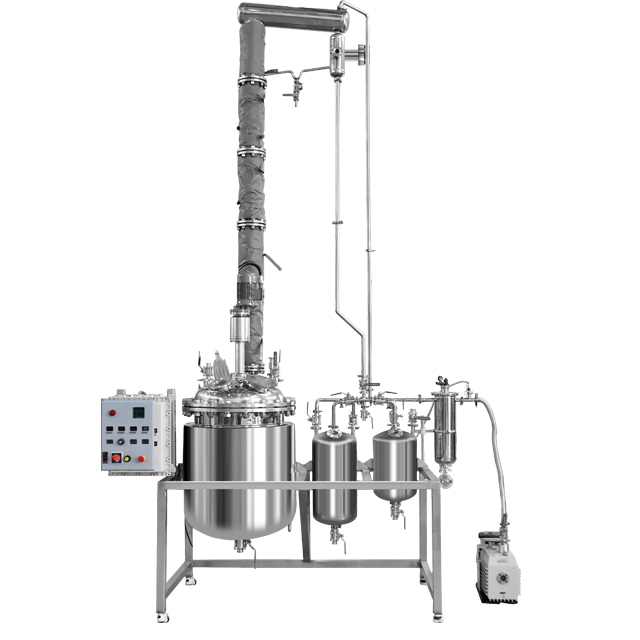
Across modern industrial production, few separation technologies deliver the precision and versatility of Fractional Distillation. By exploiting the differences in boiling points between chemical compounds, this process allows manufacturers to isolate specific fractions from complex mixtures with a level of accuracy that simpler distillation methods simply cannot match. The result is higher product purity, better yield consistency, and more reliable compliance with industry-grade specifications — all of which translate directly into competitive advantage for industrial operators.
Understanding which industries gain the most from advanced fractional distillation systems requires looking beyond the basic chemistry and into the specific production challenges each sector faces. From pharmaceutical manufacturing to specialty chemical production, the ability to separate, purify, and recover compounds through fractional distillation is not merely a technical convenience — it is a fundamental requirement for commercial viability. This article examines the industries where these systems create the most measurable impact and explains why the technology is so deeply embedded in their operational frameworks.
The Industrial Chemical Processing and Large-Scale Separation Industry
Handling Complex Multi-Component Mixtures at Scale
In large-scale industrial chemical processing, fractional distillation plays a critical role in separating complex liquid mixtures into valuable, high-purity components. Many industrial feedstocks consist of multiple compounds with closely related boiling points, making precise separation essential for downstream usability.
Fractional distillation is widely used to isolate industrial-grade chemical fractions such as light solvents, intermediate process streams, and purified liquid compounds used across manufacturing sectors. Without this level of separation capability, achieving consistent product quality and scalable production efficiency would be extremely difficult.
Modern industrial systems rely on continuous fractional distillation columns capable of operating under stable conditions for long production cycles. The precision of temperature control, reflux ratio management, and internal column design directly determines separation efficiency and output quality. Advanced systems with optimized column internals and improved heat management allow manufacturers to maximize recovery rates while minimizing waste streams.
As industrial quality standards become increasingly strict, the demand for higher separation accuracy continues to grow. Many applications now require extremely tight boiling range control and impurity reduction, making advanced fractional distillation systems a standard requirement in modern chemical processing facilities.
Industrial Solvent Separation and Feedstock Conditioning
Beyond primary separation, fractional distillation is also widely used for solvent purification, recovery, and feedstock conditioning in industrial production environments. These processes ensure that reused or recycled solvents meet strict operational specifications before being reintroduced into manufacturing workflows.
In many industrial systems, even small variations in composition can impact reaction efficiency or final product quality. Fractional distillation provides a reliable method for maintaining consistency by removing unwanted components and recovering usable fractions from mixed streams.
Efficient separation systems reduce raw material consumption, improve process sustainability, and support cost control strategies across large-scale production facilities. As a result, fractional distillation has become a foundational technology in modern industrial separation engineering.
The Pharmaceutical and Fine Chemical Industry
Achieving Regulatory-Grade Purity Standards
In pharmaceutical manufacturing and fine chemical production, fractional distillation serves a highly critical role. The focus here is on the precise isolation of active ingredients, solvents, and intermediates that must meet strict regulatory purity requirements. Fractional distillation is routinely used to purify solvents, recover high-value reagents, and separate reaction by-products from target compounds.
Regulatory bodies in major markets require documented evidence that pharmaceutical-grade materials meet defined purity thresholds. Fractional distillation provides a reproducible, scalable, and well-understood purification pathway that integrates seamlessly into validated manufacturing systems. Pharmaceutical manufacturers value the technology not only for performance but also for its traceability and process validation compatibility.
Advanced systems used in this sector are typically constructed from high-grade stainless steel or specialized alloys to eliminate contamination risks. They incorporate precise temperature and pressure control systems to ensure consistent batch performance. Vacuum operation capability is also essential, especially for heat-sensitive compounds that require low-temperature separation to prevent degradation.
Solvent Recovery and Recycling Operations
Solvent use in pharmaceutical and fine chemical production is substantial, making recovery and recycling economically essential. Fractional distillation is the primary method used to purify solvent mixtures, remove impurities, and restore solvents to production-grade specifications.
This closed-loop approach reduces raw material costs, minimizes hazardous waste generation, and supports sustainability initiatives. In many regions, solvent recovery is also driven by environmental compliance requirements related to emissions and waste management.
Advanced fractional distillation systems with high separation efficiency ensure that recovered solvents meet stringent reuse standards, reducing operational risk and improving long-term production stability.
The Essential Oils and Natural Extract Industry
Isolating High-Value Aromatic Compounds
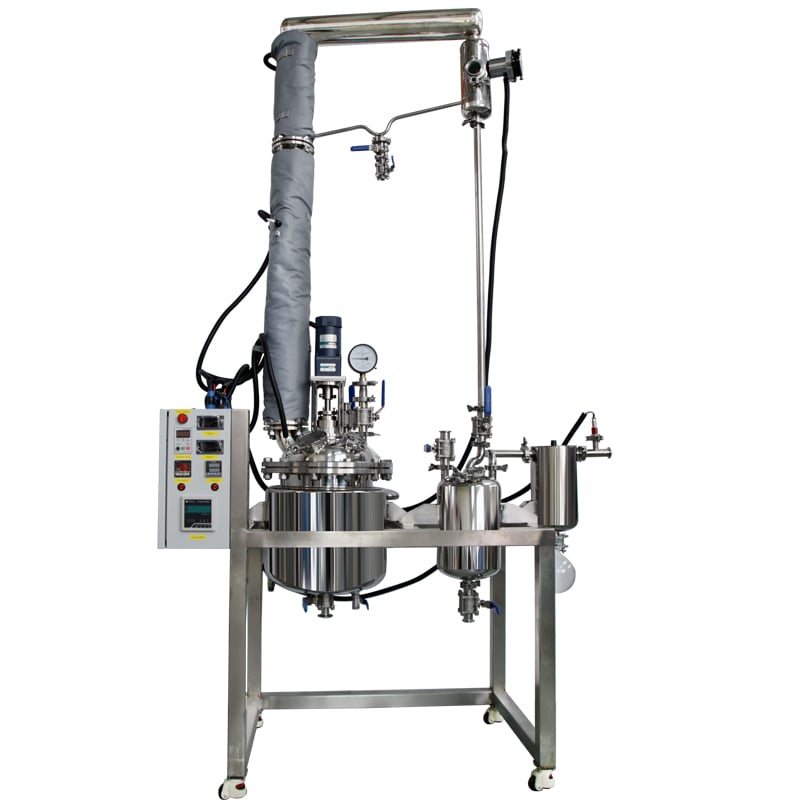
The essential oils and botanical extract sector increasingly relies on fractional distillation systems to separate and purify complex plant-derived mixtures. Producers use this technology to isolate individual aromatic compounds such as terpenes, esters, and other volatile molecules used in fragrance, flavor, and cosmetic applications.
Fractional distillation enables a level of molecular separation that is not achievable through basic extraction methods alone. By isolating specific fractions, producers can offer high-value, standardized ingredients rather than broad-spectrum natural extracts, significantly increasing commercial value and application flexibility.
The rapidly growing botanical extract industry also uses fractional distillation to isolate high-purity compounds from natural biomass sources. Achieving consistent purity levels required by regulated consumer markets depends heavily on precise separation technology.
Ensuring Product Consistency Across Batches
A major challenge in this industry is the natural variability of raw materials. Fractional distillation helps overcome this issue by providing a controlled and repeatable separation process that ensures consistent output quality regardless of raw input variation.
By adjusting operating parameters, manufacturers can standardize product profiles across different production batches. This consistency is essential for downstream customers in fragrance and flavor formulation, where even small variations can affect final product performance.
The Chemical Manufacturing and Specialty Solvent Industry
Producing High-Purity Industrial Solvents and Reagents
Chemical manufacturers depend heavily on fractional distillation for producing high-purity solvents and specialty chemicals. Common industrial compounds such as ethanol, acetone, methanol, toluene, and xylene all require fractional distillation at some stage of purification.
These materials often demand purity levels exceeding 99%, which can only be reliably achieved through high-efficiency separation systems. Fractional distillation ensures that final products meet strict performance and quality specifications required for industrial and laboratory use.
In complex chemical synthesis processes, fractional distillation is also used to separate intermediate reaction mixtures. This allows manufacturers to isolate target compounds and recover unreacted materials for reuse, improving overall process efficiency.
Supporting Green Chemistry and Process Intensification Goals
The shift toward greener chemical manufacturing has further increased the importance of fractional distillation. Efficient separation reduces energy consumption, minimizes waste, and improves material utilization rates.
Advances in column design, packing materials, and heat integration have significantly improved system efficiency. These improvements support process intensification strategies, enabling more compact, energy-efficient, and cost-effective production systems.
The Food, Beverage, and Flavoring Industry
Distilling Spirits and Purifying Food-Grade Ethanol
The food and beverage industry uses fractional distillation primarily for spirits production and food-grade ethanol purification. High-purity ethanol must meet strict regulatory requirements regarding impurity levels, including the removal of undesirable volatile compounds.
Fractional distillation ensures that ethanol used in food applications meets safety and quality standards while maintaining consistent production output. Hygienic design and CIP-compatible systems are commonly used to meet food industry requirements.
Flavor and Aroma Concentration Processing
Flavor manufacturers rely on fractional distillation to concentrate and refine aromatic compounds derived from natural or synthetic sources. The ability to isolate specific volatile fractions allows for precise control over flavor profiles.
Vacuum fractional distillation is particularly important for heat-sensitive compounds, allowing separation at lower temperatures and preventing degradation. This expands the range of usable natural ingredients and improves product stability.
FAQ
What makes fractional distillation more effective than simple distillation for industrial applications?
Fractional distillation achieves separation by cycling vapor through a fractionating column, where multiple equilibrium stages allow closely boiling compounds to be separated progressively. Simple distillation only provides a single separation step, making it insufficient for complex or closely boiling mixtures.
What industries use fractional distillation most intensively?
Industries such as pharmaceutical manufacturing, fine chemical production, essential oil processing, industrial chemical separation, and food-grade ethanol production rely heavily on fractional distillation due to their need for high-purity separation and consistent product quality.
How does stainless steel construction improve system performance?
Stainless steel construction prevents contamination, resists corrosion, and supports hygienic cleaning processes. It is widely used in regulated industries where product purity and system cleanliness are critical.
Can fractional distillation scale from laboratory to industrial production?
Yes. Fractional distillation is highly scalable, ranging from laboratory systems to large continuous industrial columns. Process parameters can be reliably transferred across scales, making it suitable for both R&D and full-scale production.
Table of Contents
- The Industrial Chemical Processing and Large-Scale Separation Industry
- The Pharmaceutical and Fine Chemical Industry
- The Essential Oils and Natural Extract Industry
- The Chemical Manufacturing and Specialty Solvent Industry
- The Food, Beverage, and Flavoring Industry
-
FAQ
- What makes fractional distillation more effective than simple distillation for industrial applications?
- What industries use fractional distillation most intensively?
- How does stainless steel construction improve system performance?
- Can fractional distillation scale from laboratory to industrial production?