 EN
EN

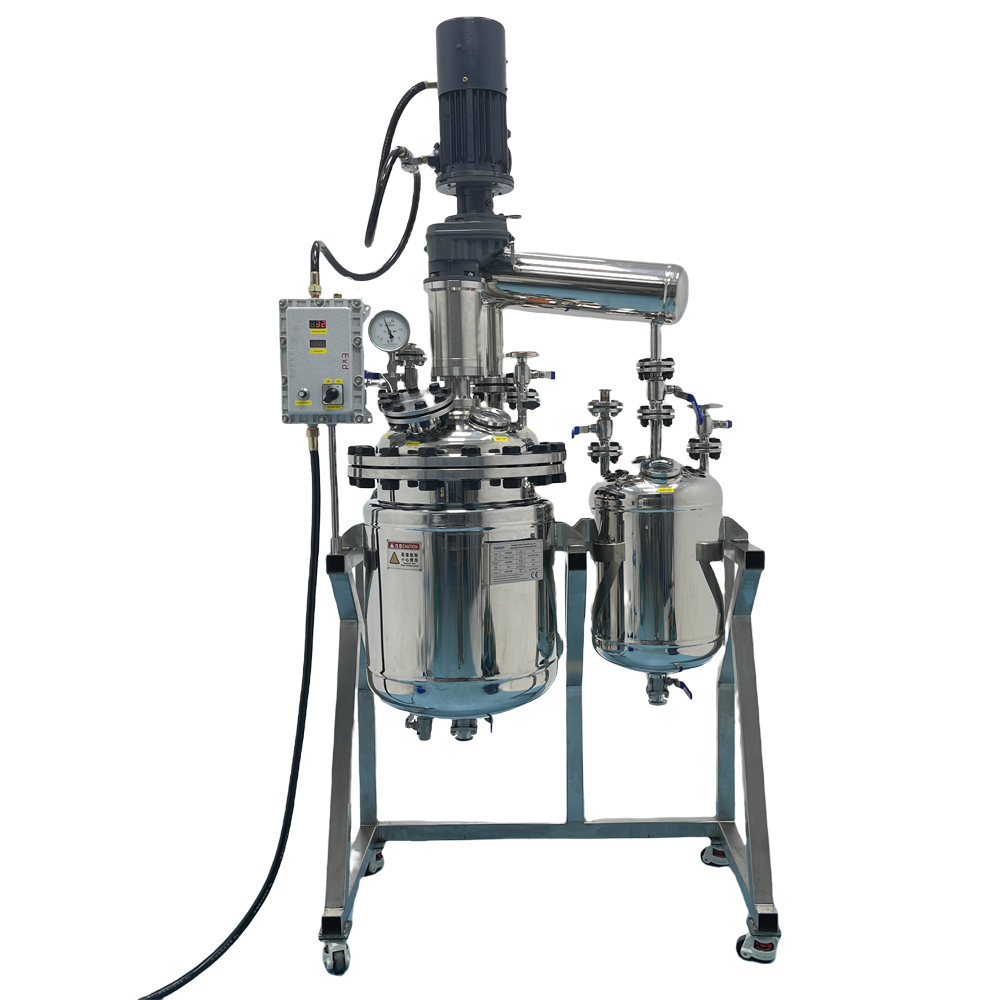
A high pressure reactor stands as one of the most versatile and essential pieces of equipment in modern chemical processing industries. These specialized vessels enable chemists, engineers, and manufacturers to conduct reactions under controlled extreme pressure conditions, unlocking reaction pathways and efficiencies that would be impossible under atmospheric or moderate pressure settings. Understanding the key applications of a high pressure reactor is crucial for process engineers, research laboratories, and manufacturing facilities seeking to optimize production efficiency, improve product quality, and maintain competitive advantage in demanding chemical markets.
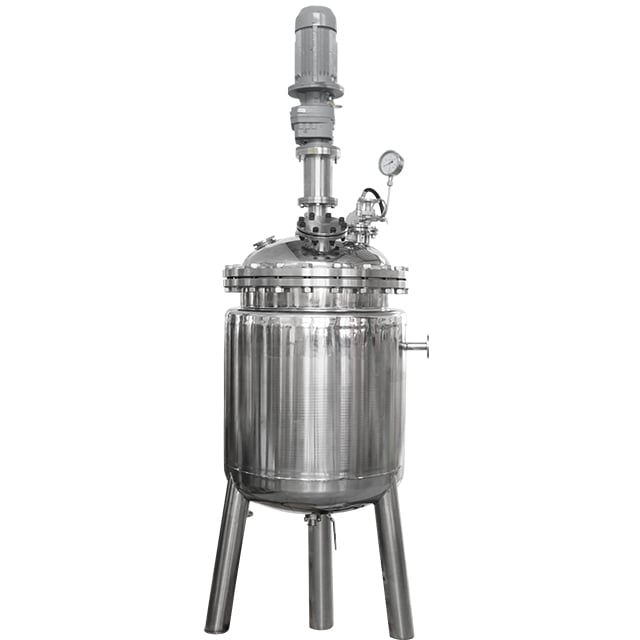
The industrial relevance of a high pressure reactor extends far beyond laboratory experimentation. In production environments, a high pressure reactor enables manufacturers to achieve higher conversion rates, reduce reaction times, improve selectivity toward desired products, and minimize waste generation. Whether deployed in pharmaceutical synthesis, petrochemical processing, specialty chemical manufacturing, or materials research, a high pressure reactor represents a critical investment in operational excellence and innovation capability.
Chemical Synthesis and Organic Reactions
Hydrogenation Processes Under Controlled Pressure
Hydrogenation reactions represent one of the most common and commercially significant applications of a high pressure reactor. These reactions require hydrogen gas to be supplied at elevated pressures to achieve meaningful reaction rates and conversion efficiency. In pharmaceutical manufacturing, a high pressure reactor enables the selective hydrogenation of aromatic rings, alkene groups, and other unsaturated functional groups that form the backbone of active pharmaceutical ingredients. The ability to control pressure, temperature, and hydrogen flow within a high pressure reactor allows process engineers to achieve superior selectivity, reducing undesired side products and improving overall process yield.
In fine chemical production, a high pressure reactor facilitates the hydrogenation of specialty compounds used in agrochemicals, dyes, pigments, and flavor compounds. The pressure environment within a high pressure reactor accelerates mass transfer of hydrogen gas into the liquid reaction medium, dramatically shortening reaction times compared to atmospheric pressure operations. This capability directly translates to reduced production costs, smaller batch cycle times, and improved facility throughput.
Polymerization and Condensation Reactions
Polymerization chemistry frequently demands the elevated pressure environment that only a high pressure reactor can reliably provide. High-pressure polyethylene production represents a historical and ongoing industrial application where a high pressure reactor maintains reaction conditions between 1000 and 3000 bar, enabling free radical polymerization pathways that generate polymers with specific branching structures and mechanical properties. Modern a high pressure reactor design ensures safe, stable operation under these extreme conditions while allowing precise temperature and pressure profile management throughout the polymerization cycle.
Beyond polyethylene, a high pressure reactor supports the synthesis of polycarbonates, polyesters, and other engineering polymers where condensation chemistry benefits from elevated pressure environments. The pressure conditions within a high pressure reactor shift thermodynamic equilibria, driving reactions toward product formation while suppressing competing side reactions. This thermodynamic advantage makes a high pressure reactor indispensable in specialty polymer manufacturing where product purity and performance specifications demand exceptional process control.
Pharmaceutical and Fine Chemical Manufacturing
Active Pharmaceutical Ingredient Synthesis
The pharmaceutical industry relies heavily on high pressure reactor technology to synthesize complex active pharmaceutical ingredients with the purity and consistency required for human health applications. Many critical pharmaceutical syntheses incorporate catalytic hydrogenation steps that proceed efficiently only under the elevated hydrogen pressures that a high pressure reactor provides. Contract manufacturing organizations and pharmaceutical manufacturers use a high pressure reactor to execute proprietary syntheses, scale-up operations, and process development work with confidence in safety and reproducibility.
A high pressure reactor enables pharmaceutical manufacturers to explore reaction conditions that improve enantiomeric purity, chemical yield, and product consistency compared to traditional synthetic routes. The precise pressure control capabilities of a high pressure reactor allow operators to fine-tune reaction kinetics, optimize conversion efficiency, and minimize formation of impurities that complicate downstream purification processes. These advantages translate directly to reduced manufacturing costs per kilogram of active pharmaceutical ingredient produced.
Specialty Chemical Production
Specialty chemical manufacturers producing products for industrial applications, coatings, adhesives, and advanced materials increasingly turn to a high pressure reactor to access chemical transformations that deliver superior performance properties. Specialty amines, isocyanates, epoxides, and other reactive intermediates often incorporate pressure-dependent synthesis steps where a high pressure reactor becomes the enabling technology. The ability to operate a high pressure reactor under carefully controlled conditions ensures consistent quality of specialty chemicals supplied to demanding downstream industries.
Food additives, flavor compounds, and nutraceutical ingredients represent another growing category of products synthesized using a high pressure reactor. These applications often demand stereospecific synthesis and high chemical purity that pressure-assisted chemistry enables. A high pressure reactor equipped with proper mixing, cooling, and safety systems ensures that specialty chemical manufacturers can produce high-value products reliably and at commercial scale.
Extraction, Supercritical Processing, and Materials Applications
Supercritical Fluid Extraction and Processing
Supercritical fluid technology represents a sophisticated application category where a high pressure reactor transitions into a tool for extraction, separation, and material processing. Operating a high pressure reactor above the critical pressure and temperature of carbon dioxide or other supercritical fluids creates unique solvent properties that enable selective extraction of valuable compounds from plant materials, natural products, and waste streams. Supercritical fluid extraction within a high pressure reactor achieves superior selectivity, gentler processing conditions, and cleaner final products compared to conventional solvent extraction methods.
In the food industry, a high pressure reactor enables the supercritical extraction of hops for brewing, essential oils for fragrances and flavorings, and lipophilic compounds from botanical sources. Environmental and sustainability advantages further drive adoption, as supercritical fluid processing within a high pressure reactor eliminates toxic solvent residues and generates minimal waste streams. The pharmaceutical and cosmetic industries similarly benefit from the purity and safety profiles enabled by a high pressure reactor operating in supercritical mode.
Hydrothermal Synthesis and Materials Science
Materials researchers and advanced manufacturing operations employ a high pressure reactor for hydrothermal synthesis, a technique where aqueous solutions undergo chemical reactions in pressurized, heated environments that exceed normal boiling points. Crystalline materials, nanoparticles, and advanced ceramics synthesized via a high pressure reactor hydrothermal process exhibit superior crystallinity, controlled particle size distribution, and desirable phase purity compared to conventional synthesis routes. This capability makes a high pressure reactor essential for developing next-generation materials in energy storage, catalysis, environmental remediation, and advanced manufacturing sectors.
Hydrothermal synthesis within a high pressure reactor enables the production of zeolites, metal oxides, phosphates, and other functional materials with precision unavailable through traditional solid-state chemistry. Researchers investigating battery materials, photocatalysts, and other energy-related compounds increasingly rely on a high pressure reactor to explore reaction spaces and optimize material properties. The experimental flexibility and reproducibility of a high pressure reactor accelerate materials development timelines and reduce barriers to commercialization of innovative products.
FAQ
What safety features are essential in a high pressure reactor for industrial chemical processing?
A high pressure reactor designed for industrial chemical processing must incorporate multiple redundant safety systems including pressure relief valves, burst discs, emergency cooling systems, and robust pressure monitoring instrumentation. The vessel walls must be constructed from appropriate materials such as stainless steel to withstand the operating pressures without corrosion or degradation. Operators must receive comprehensive training on a high pressure reactor operation, emergency procedures, and maintenance protocols to ensure safe handling and rapid response to any abnormal conditions that might develop during extended reaction cycles.
How does operating pressure inside a high pressure reactor affect reaction selectivity and product yield?
The elevated pressure environment within a high pressure reactor directly influences reaction thermodynamics and kinetics, often shifting equilibrium position toward desired products while suppressing undesired side reactions. In hydrogenation reactions conducted in a high pressure reactor, increased hydrogen pressure increases hydrogen concentration in the reaction medium, accelerating hydrogenation rates and improving conversion efficiency. Process engineers optimize the specific pressure settings for a high pressure reactor based on reaction thermodynamics, catalyst requirements, and desired selectivity profiles, tailoring each application to maximize yield of the target product while minimizing impurity formation and waste streams.
What industries beyond pharmaceuticals benefit most from high pressure reactor technology?
Beyond pharmaceutical manufacturing, a high pressure reactor serves critical roles in petrochemical refining, polymers and plastics production, specialty chemicals manufacturing, food processing, materials science research, and environmental remediation applications. The polymer industry employs a high pressure reactor extensively for high-pressure polyethylene and specialty polymer synthesis. Fine chemical manufacturers, agrochemical producers, and manufacturers of advanced materials all rely on a high pressure reactor to access specialized reaction conditions and achieve product specifications impossible under conventional processing methods. Each industry sector leverages a high pressure reactor capabilities to improve efficiency, quality, and competitive positioning.