 EN
EN

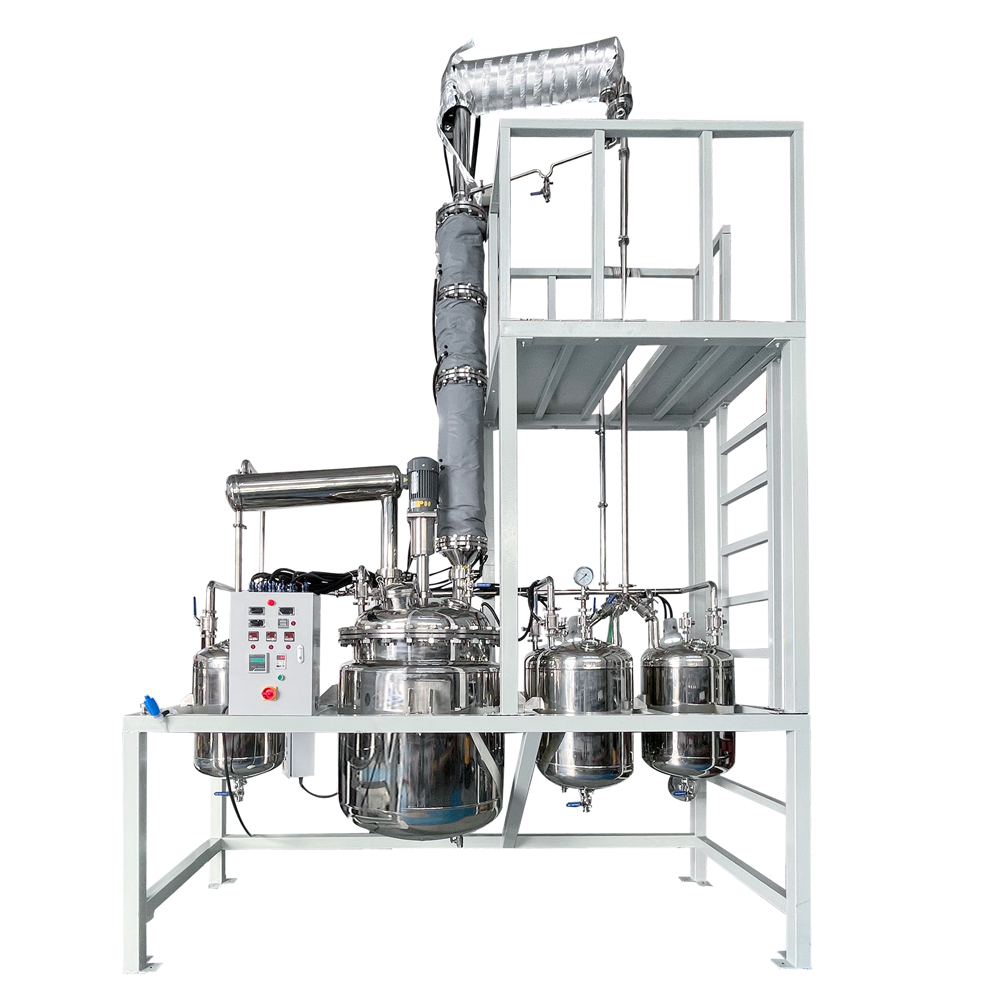
A rectification reactor plays a critical role in modern industrial separation technology by enabling precise control over distillation processes. This specialized equipment combines continuous fractionation with advanced heat management to achieve high-purity separation of liquid mixtures. Whether in pharmaceutical manufacturing, chemical processing, or laboratory research, the rectification reactor has become essential for operations requiring consistent quality and superior product yields. Understanding how a rectification reactor operates reveals why it remains the preferred choice for demanding separation applications across multiple industries.
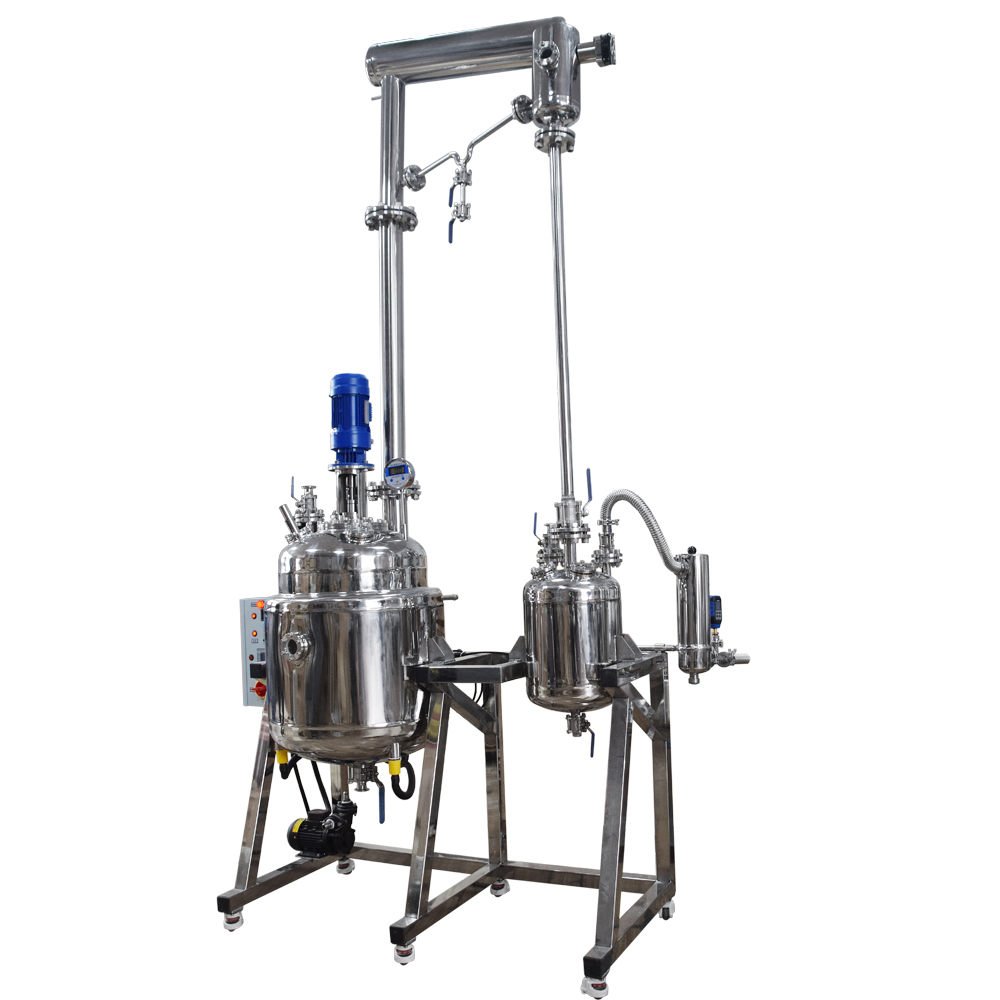
The fundamental advantage of a rectification reactor lies in its multi-stage separation architecture, which allows lighter and heavier molecular components to be progressively isolated from complex mixtures. Unlike conventional single-stage distillation, a rectification reactor incorporates multiple theoretical plates or stages, each contributing to enhanced separation efficiency. This staged approach dramatically improves product purity while reducing the energy input required per unit of separated material. Organizations deploying a rectification reactor experience measurable improvements in throughput, product consistency, and operational cost control.
How a Rectification Reactor Achieves Molecular Separation
The Multi-Stage Fractionation Mechanism
A rectification reactor operates through a systematic process of progressive separation, where each internal stage serves as a distinct fractionation zone. The rectification reactor receives a liquid feed mixture at an intermediate level, while reboiler heat vaporizes molecules from the base. Lighter volatile components rise through successive stages, losing energy and condensing at progressively higher levels. Each stage within a rectification reactor achieves thermodynamic equilibrium, enabling molecules with different boiling points to segregate naturally without chemical additives. This cascade effect means a rectification reactor can achieve separation purities exceeding 99 percent with fewer total stages compared to conventional distillation towers.
Temperature and Pressure Optimization
The rectification reactor maintains precise thermal and pressure conditions to maximize molecular separation efficiency. Inside the rectification reactor, the reboiler section maintains elevated temperatures while the condenser at the top enforces cooler conditions, creating a controlled gradient. This temperature differential drives the thermodynamic separation that makes a rectification reactor so effective. Operators of a rectification reactor can adjust reflux ratios—the proportion of overhead product recycled back to the column—to fine-tune separation performance. Higher reflux ratios within a rectification reactor yield purer products, whereas lower ratios increase throughput, allowing each organization to calibrate the rectification reactor to match their specific production priorities.
Practical Applications Where Rectification Reactors Excel
Pharmaceutical and Chemical Manufacturing
In pharmaceutical production, a rectification reactor enables the purification of active pharmaceutical ingredients and intermediate compounds with extraordinary precision. The rectification reactor separates impurities and byproducts that would compromise medicine efficacy or safety profiles. Chemical manufacturers rely on a rectification reactor to isolate specialty solvents, alcohols, and organic compounds used in downstream synthesis. The rectification reactor's ability to maintain stable product composition across continuous operation ensures batch-to-batch consistency that regulatory agencies require. Pharmaceutical companies choosing a rectification reactor reduce their reject rates and meet stringent quality standards more reliably than with older separation methods.
Laboratory Research and Small-Scale Production
Research institutions and pilot-scale facilities depend on a rectification reactor to validate separation protocols before scaling to production volumes. A rectification reactor in the laboratory setting provides engineers with accurate boiling-point data, separation efficiency measurements, and thermal profiles needed for process optimization. As organizations transition from laboratory work to commercial production, scaling a rectification reactor design ensures that separation performance translates predictably from small to larger volumes. The rectification reactor becomes a bridge between academic research and industrial implementation, offering reproducible separation results that inform capital investment decisions.
Operational Efficiency and Cost Control Benefits
Energy Consumption and Heat Integration
A rectification reactor consumes less energy per kilogram of separated product because its multi-stage design extracts maximum separation value from each unit of input heat. The rectification reactor recovers condensation heat more efficiently, and operators can implement heat integration strategies where waste heat from one rectification reactor feeds preheating duties elsewhere. In continuous operations, a rectification reactor operates at steadier thermal conditions than batch distillation systems, reducing energy fluctuations and peak demand charges. Organizations implementing a rectification reactor report 20 to 40 percent reductions in energy costs compared to legacy separation technologies, a substantial operational advantage for high-volume producers.
Product Quality and Yield Optimization
The rectification reactor maximizes the quantity of on-spec product recovered from each batch, directly improving profitability. By maintaining superior separation efficiency, a rectification reactor reduces off-spec material that would otherwise require reprocessing or disposal. The rectification reactor also enables tighter control over product boiling range and composition, meeting customer specifications more consistently. When a rectification reactor operates at optimized reflux ratios, the balance between purity and throughput can be tuned to match market demand. Process engineers appreciate that a rectification reactor provides reliable, predictable separation performance that translates into lower manufacturing cost per unit output.
FAQ
What makes a rectification reactor different from standard distillation equipment?
A rectification reactor incorporates multiple theoretical separation stages, whereas standard distillation often relies on single-stage vaporization and condensation. The rectification reactor's staged architecture means that lighter components continue separating as they ascend through successive fractionation zones, achieving higher purity with greater energy efficiency. This multi-stage design makes a rectification reactor particularly valuable for separating complex mixtures where boiling points are similar.
Can a rectification reactor handle different feed compositions?
Yes, a rectification reactor offers flexibility in adjusting reflux ratios, reboiler duty, and feed temperature to accommodate varying feed compositions. The rectification reactor can be reconfigured for different separation targets by adjusting operational parameters without physical equipment changes. However, a rectification reactor performs optimally within a defined range of feed properties and component similarities, so extreme composition swings may require equipment redesign.
How does a rectification reactor improve upon older separation technology?
Compared to older methods, a rectification reactor delivers higher product purity, faster separation cycles, and significantly lower energy consumption. The rectification reactor integrates modern control systems that automatically adjust heating and cooling to maintain ideal fractionation conditions. Organizations upgrading to a rectification reactor see faster payback periods due to reduced operating costs and improved product consistency that commands higher market prices.