 EN
EN

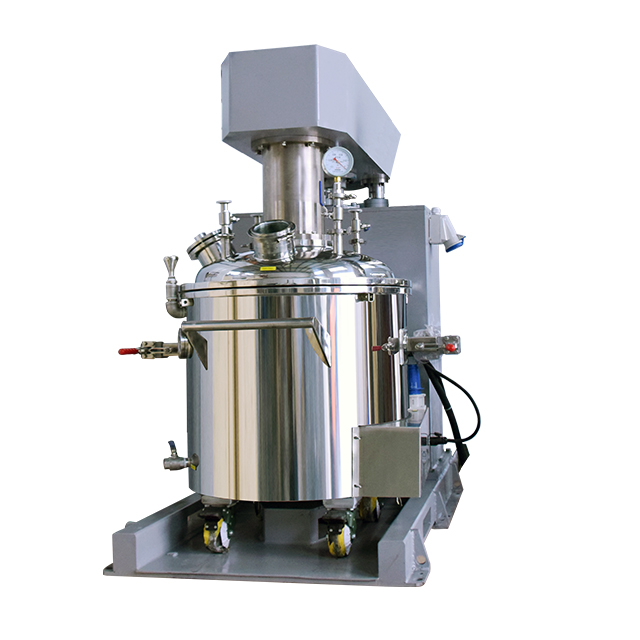
Reactor systems form the backbone of modern cosmetic manufacturing, transforming raw ingredients into finished products through precisely controlled mixing, heating, and emulsification processes. These specialized vessels enable cosmetic manufacturers to achieve consistent product quality while maintaining the delicate balance of temperatures, pressures, and chemical interactions required for formulating creams, lotions, serums, and other beauty products. Understanding how reactor systems facilitate each stage of cosmetic production helps manufacturers optimize their processes and deliver superior products to market.
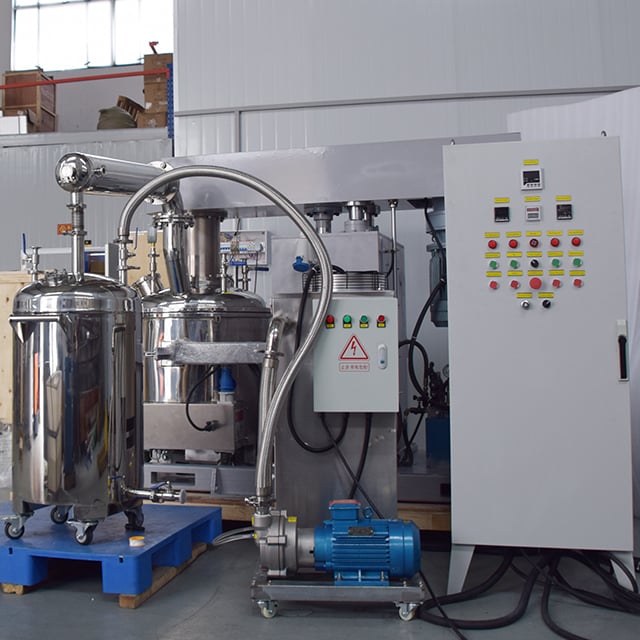
The evolution from traditional batch mixing to sophisticated reactor systems represents a fundamental shift in cosmetic manufacturing capabilities. Modern reactor systems integrate multiple processing functions within single units, enabling manufacturers to control temperature profiles, maintain sterile conditions, and achieve uniform particle distribution throughout the production cycle. This integrated approach reduces processing time, minimizes contamination risks, and ensures reproducible results across production batches, making reactor systems indispensable for commercial cosmetic operations.
Fundamental Principles of Reactor Systems in Cosmetic Manufacturing
Heat Transfer Mechanisms and Temperature Control
Reactor systems utilize sophisticated heat transfer mechanisms to maintain precise temperature control during cosmetic formulation processes. Jacketed designs allow heating and cooling media to circulate around the reaction vessel, providing uniform temperature distribution across the entire batch. This controlled thermal environment prevents ingredient degradation, ensures proper phase transitions, and maintains the stability of heat-sensitive compounds commonly found in cosmetic formulations.
Temperature control in reactor systems extends beyond simple heating and cooling functions. Advanced systems incorporate programmable temperature profiles that can gradually increase or decrease temperatures at predetermined rates, allowing for controlled crystallization, proper emulsion formation, and optimal ingredient incorporation. This precise thermal management enables manufacturers to replicate laboratory-scale formulations at commercial production volumes while maintaining product consistency.
The thermal efficiency of reactor systems directly impacts energy consumption and production economics. Well-designed systems minimize heat loss through insulation and optimize heat transfer coefficients through proper jacket design and circulation patterns. This efficiency becomes particularly important when processing temperature-sensitive ingredients like vitamins, peptides, and natural extracts that require gentle handling to preserve their beneficial properties.
Agitation and Mixing Dynamics
Effective mixing represents a critical function of reactor systems in cosmetic production, where different viscosities, densities, and chemical properties must be uniformly combined. The agitation system design directly influences particle size distribution, emulsion stability, and overall product texture. Reactor systems employ various impeller configurations, from high-shear dispersers for emulsification to gentle paddle mixers for incorporating delicate ingredients without damage.
The selection of mixing parameters depends on the specific cosmetic formulation requirements and the physical properties of the ingredients being processed. High-viscosity creams require different mixing approaches compared to lightweight serums or liquid foundations. Reactor systems accommodate these varying requirements through adjustable mixing speeds, interchangeable impeller designs, and variable mixing patterns that can be customized for specific formulation needs.
Advanced reactor systems incorporate multiple mixing zones within single vessels, allowing for different mixing intensities at various levels of the batch. This capability proves particularly valuable when processing multi-phase systems where different components require different levels of agitation energy. The result is improved product uniformity and reduced processing time compared to sequential mixing operations.
Emulsification Processes in Cosmetic Reactor Systems
Phase Formation and Stability Mechanisms
Emulsification within reactor systems involves creating stable dispersions of oil and water phases through controlled mechanical energy input and proper emulsifier selection. The reactor environment provides precise control over the conditions necessary for forming stable emulsions, including temperature maintenance, shear rate optimization, and gradual phase addition. These controlled conditions ensure consistent droplet size distribution and long-term emulsion stability in the finished cosmetic products.
Reactor systems enable manufacturers to implement various emulsification strategies depending on the desired product characteristics. Hot emulsification processes conducted in reactor systems allow for the incorporation of waxes and solid emulsifiers that require elevated temperatures to melt and properly incorporate into the formulation. Cold emulsification processes preserve heat-sensitive ingredients while achieving stable emulsion formation through mechanical action alone.
The monitoring capabilities built into modern reactor systems allow operators to track emulsification progress in real-time through temperature, viscosity, and conductivity measurements. This data enables precise control over the emulsification endpoint, ensuring optimal product characteristics while avoiding over-processing that can lead to emulsion breakdown or undesirable texture changes.
Particle Size Control and Distribution
Achieving uniform particle size distribution represents a crucial aspect of emulsification in cosmetic reactor systems, directly impacting product appearance, texture, and performance. The mechanical energy input through the mixing system determines the final droplet size distribution, with higher energy inputs generally producing smaller, more stable droplets. Reactor systems provide the controlled environment necessary to optimize this energy input while maintaining process repeatability.
The residence time distribution within reactor systems affects particle size uniformity by ensuring all portions of the batch receive equivalent processing conditions. Proper reactor design minimizes dead zones and ensures complete circulation of the entire batch through high-energy mixing regions. This uniform processing prevents the formation of large droplets or aggregates that can compromise product quality and stability.
Advanced reactor systems incorporate online particle size monitoring systems that provide real-time feedback on emulsification progress. This capability allows operators to adjust processing parameters dynamically to achieve target specifications, reducing batch-to-batch variability and improving overall product consistency. The data collected during processing also supports quality assurance documentation and process optimization efforts.
Integration of Multiple Processing Functions
Sequential Processing Capabilities
Modern reactor systems excel at integrating multiple processing steps within single units, eliminating the need for product transfer between different pieces of equipment. This integration capability proves particularly valuable in cosmetic manufacturing where maintaining product integrity and preventing contamination are paramount concerns. Sequential processing within reactor systems reduces handling requirements, minimizes exposure to environmental contaminants, and streamlines production workflows.
The ability to perform heating, mixing, emulsification, and cooling operations within the same reactor system significantly reduces processing time and labor requirements. Automated sequencing capabilities allow these systems to execute complex processing protocols without constant operator intervention, improving consistency while reducing the potential for human error. This automation capability becomes increasingly important as cosmetic formulations become more complex and processing requirements more demanding.
Reactor systems designed for cosmetic production often incorporate specialized features for handling specific processing requirements. These may include vacuum capabilities for degassing operations, inert atmosphere maintenance for oxygen-sensitive ingredients, or specialized sampling systems for quality control testing during processing. This comprehensive functionality allows manufacturers to address diverse formulation requirements within standardized equipment platforms.
Quality Control and Monitoring Systems
Integrated monitoring systems within reactor systems provide continuous visibility into critical process parameters throughout the production cycle. Temperature, pressure, pH, viscosity, and mixing speed data are continuously recorded and can be used to ensure each batch meets predetermined specifications. This comprehensive monitoring capability supports quality assurance programs and regulatory compliance requirements common in cosmetic manufacturing.
The data collection capabilities of modern reactor systems extend beyond basic process monitoring to include advanced analytics that can predict potential quality issues before they occur. Trend analysis of historical batch data allows manufacturers to optimize processing parameters and identify opportunities for process improvement. This predictive capability helps maintain consistent product quality while minimizing waste and rework costs.
Documentation and traceability features built into reactor systems support comprehensive batch records that demonstrate compliance with good manufacturing practices. Automated data logging eliminates manual record-keeping errors while providing complete documentation of processing conditions for each batch. This documentation proves essential for product release decisions and regulatory submissions.
Optimization Strategies for Cosmetic Production
Scaling Considerations and Process Transfer
Successfully scaling cosmetic formulations from laboratory development to commercial production requires careful consideration of how reactor systems will affect processing dynamics. The geometric scaling relationships that govern heat and mass transfer can significantly impact processing times, temperature profiles, and mixing effectiveness. Reactor systems must be properly sized and configured to maintain the processing conditions that were established during formulation development.
Process transfer from laboratory to production scale often reveals differences in mixing patterns, heat transfer rates, and residence time distributions that can affect product quality. Reactor systems designed for cosmetic production incorporate features that minimize these scale-up challenges, such as geometric similarity to laboratory equipment and adjustable processing parameters that can compensate for scale-related effects.
The flexibility of modern reactor systems allows manufacturers to accommodate multiple product lines within the same equipment platform through adjustable processing parameters and interchangeable components. This versatility reduces capital equipment requirements while maintaining the ability to optimize processing conditions for each specific formulation. The result is improved equipment utilization and reduced manufacturing costs.
Energy Efficiency and Environmental Considerations
Energy efficiency in reactor systems directly impacts manufacturing costs and environmental sustainability of cosmetic production operations. Advanced insulation systems, heat recovery capabilities, and optimized circulation patterns minimize energy consumption while maintaining precise process control. These efficiency improvements become increasingly important as energy costs rise and environmental regulations become more stringent.
Waste minimization strategies integrated into reactor systems reduce environmental impact while improving manufacturing economics. Efficient cleaning systems minimize water and solvent consumption, while improved process control reduces product waste due to off-specification batches. These environmental benefits align with increasing consumer demand for sustainably manufactured cosmetic products.
The longevity and reliability of reactor systems contribute to overall sustainability by reducing equipment replacement frequency and maintenance requirements. Robust construction materials and proven design principles ensure extended service life while maintaining processing capability. This durability reduces the environmental impact associated with equipment manufacturing and disposal while providing consistent return on investment.
FAQ
What types of cosmetic products can be manufactured using reactor systems?
Reactor systems can manufacture virtually all types of cosmetic products including creams, lotions, serums, foundations, sunscreens, hair care products, and color cosmetics. The versatility of these systems allows them to handle various viscosities, from lightweight serums to heavy creams, and accommodate different processing requirements such as hot or cold emulsification, powder incorporation, and pH adjustment. The key is selecting reactor systems with appropriate mixing capabilities, temperature control ranges, and material compatibility for the specific product types being manufactured.
How do reactor systems ensure consistent batch-to-batch quality in cosmetic production?
Reactor systems maintain consistency through precise control of critical processing parameters including temperature profiles, mixing speeds, processing times, and ingredient addition sequences. Automated control systems eliminate variability associated with manual operations, while integrated monitoring systems track key parameters throughout each batch. The enclosed processing environment prevents contamination and environmental influences that could affect product quality. Additionally, standardized operating procedures executed through programmable controls ensure each batch follows identical processing steps.
What maintenance requirements are typical for cosmetic production reactor systems?
Regular maintenance of reactor systems includes cleaning and sanitization between batches, periodic inspection of mixing components for wear, calibration of temperature and pressure monitoring systems, and verification of safety systems functionality. The frequency of major maintenance activities like seal replacement, impeller inspection, and jacket integrity testing depends on usage intensity and the nature of products being manufactured. Preventive maintenance schedules help minimize unplanned downtime while ensuring consistent system performance and extending equipment life.
How do reactor systems accommodate different viscosity ranges in cosmetic formulations?
Reactor systems handle varying viscosities through adjustable mixing systems that can provide appropriate shear rates for different product consistencies. Variable speed drives allow optimization of mixing intensity, while interchangeable impeller designs provide different mixing patterns suited to specific viscosity ranges. For high-viscosity products, reactor systems may incorporate specialized mixing geometries and higher-torque drives to ensure adequate mixing throughout the batch. Temperature control capabilities also help manage viscosity during processing by maintaining optimal flow characteristics.
Table of Contents
- Fundamental Principles of Reactor Systems in Cosmetic Manufacturing
- Emulsification Processes in Cosmetic Reactor Systems
- Integration of Multiple Processing Functions
- Optimization Strategies for Cosmetic Production
-
FAQ
- What types of cosmetic products can be manufactured using reactor systems?
- How do reactor systems ensure consistent batch-to-batch quality in cosmetic production?
- What maintenance requirements are typical for cosmetic production reactor systems?
- How do reactor systems accommodate different viscosity ranges in cosmetic formulations?