 EN
EN

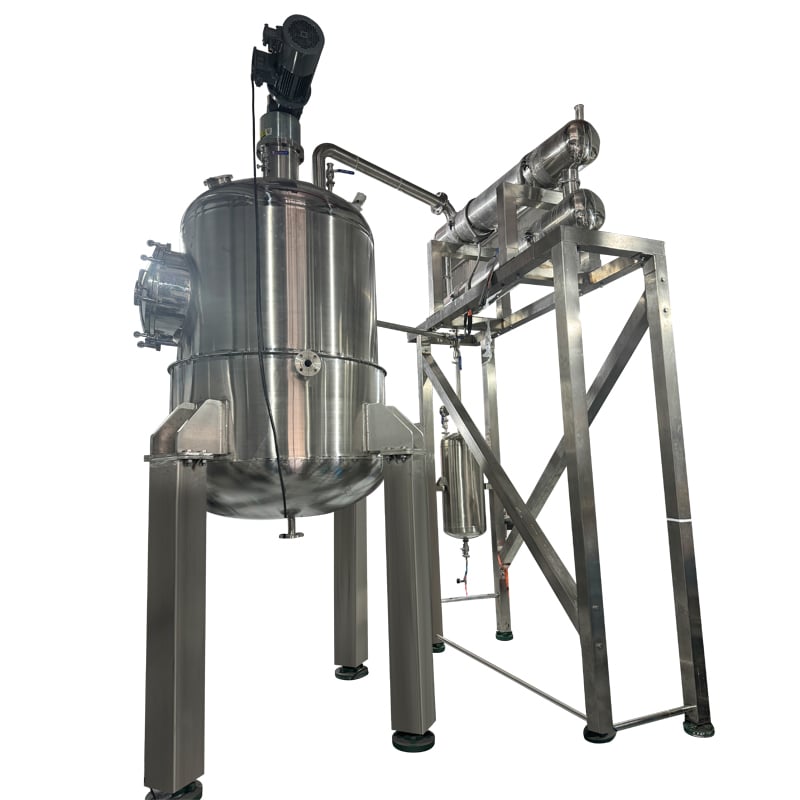
High-temperature chemical reactions present unique safety challenges that require specialized equipment and meticulous procedural controls to prevent catastrophic failures. Industrial facilities rely on stainless steel reactors for their superior heat resistance, corrosion protection, and structural integrity when conducting processes at elevated temperatures. Understanding the fundamental principles of thermal management, pressure control, and safety protocols becomes critical when working with reaction temperatures that can exceed 300°C in industrial applications.

The safe operation of high-temperature processes in stainless steel reactors demands a comprehensive approach that integrates proper material selection, thermal expansion management, emergency response procedures, and continuous monitoring systems. Process engineers must consider multiple variables including heat transfer efficiency, pressure relief mechanisms, material compatibility under thermal stress, and the potential for thermal runaway reactions that could compromise vessel integrity and personnel safety.
Understanding Thermal Stress Management in Reactor Systems
Material Properties Under High-Temperature Conditions
Stainless steel reactors exhibit specific thermal expansion characteristics that must be carefully managed during high-temperature operations. The coefficient of thermal expansion for austenitic stainless steels typically ranges from 16 to 18 x 10^-6 per degree Celsius, meaning that significant dimensional changes occur as temperatures rise. This expansion affects flange connections, internal components, and the overall structural integrity of the reactor system.
The selection of appropriate stainless steel grades becomes crucial for high-temperature applications. Grade 316L stainless steel offers excellent high-temperature performance with enhanced corrosion resistance, while grade 321 provides superior resistance to intergranular corrosion at elevated temperatures. Process engineers must evaluate the specific thermal cycling requirements and chemical environment to select the optimal material grade for their stainless steel reactors.
Thermal stress analysis becomes essential when designing high-temperature reaction protocols. The combination of internal pressure and thermal gradients can create complex stress patterns that may lead to fatigue failure over repeated heating and cooling cycles. Understanding these stress distributions helps operators establish safe operating limits and implement appropriate warm-up and cool-down procedures.
Thermal Expansion Compensation Strategies
Effective thermal expansion management requires the implementation of expansion joints, flexible connections, and proper piping design to accommodate dimensional changes without compromising system integrity. Expansion joints must be positioned strategically to absorb thermal growth while maintaining leak-tight seals throughout the temperature range. The design of these compensation systems directly impacts the long-term reliability of stainless steel reactors.
Support structure design must account for the thermal expansion of reactor vessels to prevent binding or excessive stress concentration. Fixed support points should be located at the vessel's thermal neutral axis, while sliding supports allow for free expansion in other directions. This approach minimizes stress transfer to connected piping and auxiliary equipment during temperature changes.
Internal component design requires special attention to differential thermal expansion between various materials and components within stainless steel reactors. Agitator shafts, internal heat transfer coils, and instrumentation penetrations must be designed with appropriate clearances and flexible connections to accommodate thermal movement without binding or failure.
Implementing Critical Safety Controls and Monitoring Systems
Temperature Control and Monitoring Protocols
Precise temperature control represents the foundation of safe high-temperature operations in stainless steel reactors. Multi-point temperature measurement systems provide comprehensive thermal mapping throughout the reactor volume, enabling operators to detect hot spots, thermal stratification, or unexpected temperature excursions before they become safety hazards. Redundant temperature sensors ensure continued monitoring capability even if individual sensors fail during critical operations.
Advanced control algorithms help maintain temperature stability while preventing rapid temperature changes that could induce thermal shock in stainless steel reactors. PID control systems with appropriate tuning parameters provide smooth temperature transitions during startup, normal operation, and shutdown phases. Rate limiting functions prevent excessive heating or cooling rates that could compromise vessel integrity.
Emergency temperature control systems must be capable of rapidly reducing reactor temperature in the event of thermal runaway or other emergency conditions. This typically involves emergency cooling systems, reaction quenching capabilities, and automated shutdown sequences that can be activated manually or through automated safety interlocks based on temperature measurements.
Pressure Management and Relief Systems
High-temperature reactions often generate significant pressure increases due to vapor pressure effects, thermal expansion of reactor contents, and gas evolution from chemical reactions. Pressure relief systems must be designed to handle these combined effects while maintaining safe operating conditions in stainless steel reactors. Multiple relief devices with different set points provide layered protection against overpressurization.
The sizing and selection of pressure relief valves requires careful consideration of high-temperature conditions where vapor densities, viscosities, and flow characteristics differ significantly from ambient conditions. Relief valve capacity calculations must account for these property changes to ensure adequate protection throughout the operating temperature range of stainless steel reactors.
Pressure monitoring systems should incorporate both local and remote indication with alarm capabilities to alert operators to developing pressure conditions. Trend monitoring helps identify gradual pressure increases that may indicate fouling, plugging, or other operational issues before they become safety concerns in high-temperature reactor applications.
Establishing Emergency Response and Risk Mitigation Procedures
Thermal Runaway Prevention and Response
Thermal runaway represents one of the most serious risks in high-temperature reactor operations, where uncontrolled heat generation can rapidly escalate beyond the cooling capacity of stainless steel reactors. Prevention strategies include comprehensive reaction calorimetry studies, conservative safety margins in operating parameters, and automated interlock systems that can detect and respond to runaway conditions faster than human operators.
Early detection systems monitor key indicators of developing runaway conditions including temperature rise rates, pressure increases, and changes in reaction gas evolution patterns. These monitoring systems must be capable of distinguishing between normal process variations and genuine emergency conditions to minimize false alarms while ensuring rapid response to actual threats in stainless steel reactors.
Emergency response procedures must be practiced regularly and include specific protocols for different types of thermal emergencies. Response actions may include emergency cooling activation, reaction quenching, pressure relief, and evacuation procedures depending on the severity and nature of the thermal event. Clear communication protocols ensure that all personnel understand their roles during emergency situations.
Fire and Explosion Prevention Measures
High-temperature operations in stainless steel reactors may involve flammable materials, creating additional fire and explosion risks that require specialized prevention measures. Proper ventilation systems prevent the accumulation of flammable vapors, while hot work permit systems control ignition sources in areas where flammable atmospheres may develop during reactor operations.
Explosion prevention may require the use of inert gas blanketing systems to exclude oxygen from reactor headspaces, particularly when handling flammable solvents or reactive materials at elevated temperatures. The design of these inerting systems must account for thermal expansion effects and maintain adequate inert atmosphere throughout all operating conditions in stainless steel reactors.
Fire suppression systems must be designed specifically for the types of materials and fire risks present in high-temperature reactor facilities. Traditional water-based systems may not be appropriate for all chemical fires, requiring the use of specialized suppression agents or foam systems that can effectively control fires involving high-temperature reactor contents.
Optimizing Heat Transfer and Cooling System Design
Jacket and Coil Configuration for High-Temperature Service
Heat transfer system design becomes critical for maintaining safe operating conditions in high-temperature applications using stainless steel reactors. Jacket configurations must provide uniform heat distribution while accommodating thermal expansion and maintaining structural integrity under combined thermal and pressure stresses. Half-pipe jackets offer superior heat transfer performance compared to conventional jackets while providing better thermal expansion accommodation.
Internal cooling coils provide enhanced heat transfer capabilities for high-temperature applications but require careful design to prevent thermal stress failures at coil supports and connections. The selection of coil materials, support systems, and thermal expansion accommodation methods directly impacts the reliability and safety of cooling systems in stainless steel reactors operating at elevated temperatures.
Heat transfer fluid selection becomes crucial for high-temperature cooling applications where conventional cooling water may not provide adequate temperature control. Thermal oils, molten salts, or specialized heat transfer fluids may be required to achieve the necessary temperature differentials while maintaining system safety and reliability in demanding reactor applications.
Emergency Cooling System Capabilities
Emergency cooling systems must be capable of rapidly removing heat from stainless steel reactors in the event of cooling system failures, thermal runaway conditions, or other emergency situations. These systems typically involve backup cooling circuits, emergency water supplies, or external cooling methods that can be activated independently of normal process cooling systems.
The capacity sizing of emergency cooling systems requires careful analysis of worst-case heat generation scenarios including thermal runaway conditions, external fire exposure, and loss of normal cooling capabilities. Emergency cooling must be sufficient to prevent reactor temperature from exceeding design limits while providing adequate time for emergency response actions.
Reliability considerations for emergency cooling systems include backup power supplies, redundant cooling circuits, and maintenance procedures that ensure system availability when needed. Regular testing and inspection protocols verify that emergency cooling systems will function properly during actual emergency conditions in stainless steel reactors.
Maintenance and Inspection Protocols for High-Temperature Applications
Thermal Cycling Impact Assessment
High-temperature operations subject stainless steel reactors to repetitive thermal cycling that can lead to fatigue cracking, thermal aging, and gradual deterioration of material properties. Regular inspection protocols must be established to monitor these effects and detect developing problems before they compromise reactor safety or integrity.
Non-destructive testing methods including ultrasonic inspection, dye penetrant testing, and radiographic examination help detect thermal fatigue cracks and other degradation mechanisms in stainless steel reactors. The frequency and scope of these inspections should be based on operating temperature ranges, cycle frequencies, and material stress analysis results.
Documentation and trending of inspection results help establish patterns of degradation and predict maintenance requirements for stainless steel reactors operating under high-temperature conditions. This predictive approach enables proactive maintenance scheduling while minimizing unplanned downtime and safety risks.
Heat Transfer System Maintenance
Heat transfer systems require specialized maintenance procedures to ensure continued effectiveness under high-temperature operating conditions. Fouling, corrosion, and thermal degradation can significantly reduce heat transfer efficiency, potentially compromising temperature control and safety in stainless steel reactors. Regular cleaning and inspection protocols help maintain optimal heat transfer performance.
Thermal insulation systems must be inspected regularly for degradation, moisture infiltration, and physical damage that could affect thermal performance or create safety hazards. Damaged insulation can lead to personnel burn hazards, increased energy consumption, and uneven temperature distribution in stainless steel reactors.
Instrumentation calibration becomes particularly important for high-temperature applications where sensor drift and thermal effects can compromise measurement accuracy. Regular calibration schedules must account for the harsh operating environment and ensure that critical temperature and pressure measurements remain reliable throughout the operating temperature range.
FAQ
What is the maximum safe operating temperature for standard stainless steel reactors?
Standard austenitic stainless steel reactors can typically operate safely up to 400-500°C depending on the specific grade and design. Grade 316L is commonly used for temperatures up to 400°C, while specialized grades like 321 or 347 can handle higher temperatures up to 500°C. However, the actual maximum operating temperature depends on pressure conditions, thermal cycling requirements, and specific design factors that must be evaluated by qualified engineers.
How do I prevent thermal shock damage during rapid temperature changes in stainless steel reactors?
Thermal shock prevention requires controlling the rate of temperature change to allow uniform heating or cooling throughout the reactor wall thickness. Generally, temperature change rates should not exceed 50-100°C per hour for thick-walled vessels. Preheating procedures, gradual warm-up protocols, and controlled cooling rates help minimize thermal stress and prevent cracking in stainless steel reactors subjected to high-temperature operations.
What emergency cooling capacity is required for high-temperature reactor applications?
Emergency cooling systems should be sized to handle the maximum credible heat generation rate, typically 150-200% of normal operating heat duty. This includes heat from reactions, external fire exposure, and loss of normal cooling scenarios. The emergency cooling capacity must be sufficient to reduce reactor temperature to safe levels within a reasonable time frame, usually 2-4 hours depending on the specific application and risk assessment results.
How often should stainless steel reactors be inspected when used for high-temperature processes?
Inspection frequency depends on operating temperature, thermal cycling severity, and regulatory requirements, but typically ranges from annual to every 3-5 years. Reactors operating above 300°C or subjected to frequent thermal cycling may require annual inspections including ultrasonic testing and visual examination. Lower temperature applications with stable operating conditions may allow longer inspection intervals based on engineering assessment and regulatory approval.
Table of Contents
- Understanding Thermal Stress Management in Reactor Systems
- Implementing Critical Safety Controls and Monitoring Systems
- Establishing Emergency Response and Risk Mitigation Procedures
- Optimizing Heat Transfer and Cooling System Design
- Maintenance and Inspection Protocols for High-Temperature Applications
-
FAQ
- What is the maximum safe operating temperature for standard stainless steel reactors?
- How do I prevent thermal shock damage during rapid temperature changes in stainless steel reactors?
- What emergency cooling capacity is required for high-temperature reactor applications?
- How often should stainless steel reactors be inspected when used for high-temperature processes?