 EN
EN

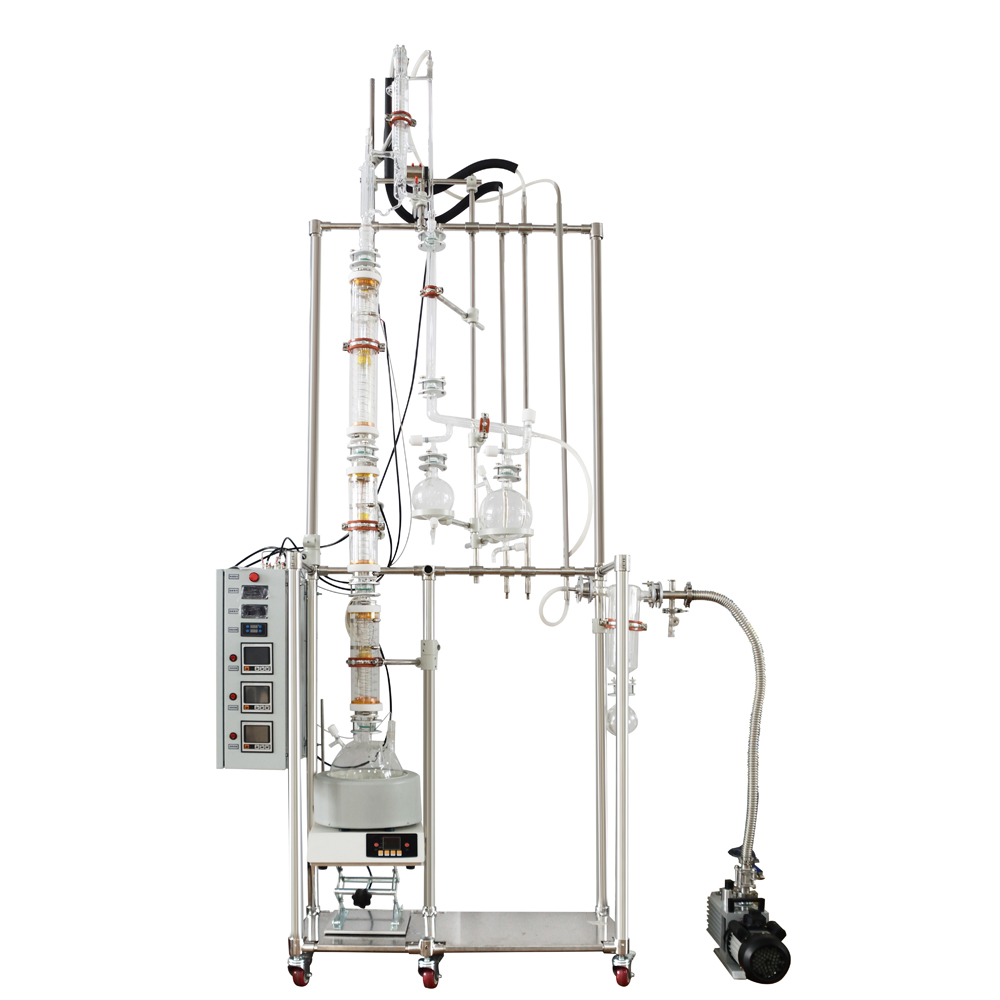
Designing an effective distillation setup for essential oils and natural extracts requires careful planning, technical knowledge, and attention to multiple interconnected factors. A properly engineered distillation setup determines the quality, yield, and safety of your extraction process, making it essential to understand both the theoretical principles and practical implementation details. Whether you are launching a small-scale operation or scaling up production, the distillation setup you choose will directly impact your product consistency, efficiency, and profitability.
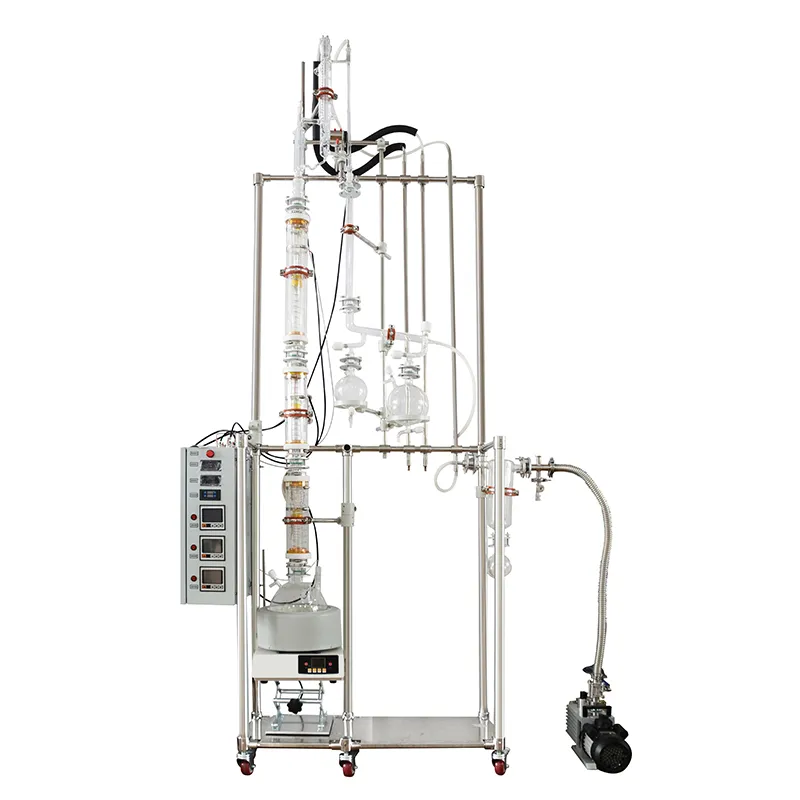
Understanding how to design a distillation setup involves more than selecting equipment off the shelf. It requires integrating your feedstock characteristics, desired extraction goals, space constraints, and budget realities into a cohesive system. This guide walks you through the critical design decisions, component selection logic, and implementation strategies that separate high-performing distillation operations from mediocre ones.
Core Components of a Professional Distillation Setup
Selecting the Right Boiler and Heat Source
The boiler is the heart of any distillation setup, and choosing the correct capacity and heating method directly affects your operation's throughput and energy efficiency. For essential oils and natural extracts, steam distillation is the industry standard because it operates below the boiling point of water, protecting volatile compounds from thermal degradation. Your distillation setup boiler should match your production volume: small operations benefit from 5 to 20-liter capacity, while mid-scale facilities typically employ 50 to 200-liter boilers. The heating method—whether electric elements, steam injection, or indirect heat exchange—influences both operating costs and temperature precision. Electric heating offers simplicity and cost control, while steam-based distillation setup configurations provide superior heat distribution and energy recovery potential. Consider your local utility costs, available infrastructure, and production consistency requirements when finalizing your boiler selection within your overall distillation setup design.
Condenser Design and Cooling Efficiency
An efficient condenser is critical to your distillation setup because it converts vapor back into liquid with minimal loss of volatile compounds. Liebig condensers work well for small-scale distillation setup operations, offering straightforward coolant circulation and low cost. Graham condensers provide enhanced surface area for improved heat transfer, making them ideal for operations requiring faster distillation cycles. For a distillation setup processing temperature-sensitive essential oils, coil condensers deliver gentle cooling and consistent product quality by maintaining stable exit temperatures. The cooling water source—whether recirculating chiller, cold water supply, or ambient-temperature circulation—must supply sufficient flow rate and maintain inlet temperatures below 15 degrees Celsius for optimal distillation setup performance. Many producers underestimate condenser capacity, leading to incomplete vapor condensation and product loss. Your distillation setup condenser should handle 20 to 30 percent more cooling capacity than your calculated minimum requirement to ensure margin for seasonal temperature variations.
Designing the Distillation Setup Layout and Operational Flow
Spatial Configuration and Component Positioning
Your distillation setup layout determines operator safety, maintenance accessibility, and production workflow efficiency. Begin by mapping the height differential between your boiler, condenser, and collection vessel to optimize natural condensate flow and minimize back-pressure. A distillation setup positioned with the condenser outlet 30 to 60 centimeters above the collection vessel prevents siphoning and allows gravity-driven flow. Ensure adequate clearance around the boiler for filling, cleaning, and safety relief valve operation. The receiving vessel in your distillation setup should sit on a stable, level surface with easy access for sample collection and product transfer. When designing a distillation setup for batch operations, position the feedstock preparation area upstream and finished product storage downstream to prevent cross-contamination. Consider thermal expansion and vibration isolation, particularly for distillation setup installations in shared production spaces. Proper positioning within your distillation setup layout reduces operational stress, extends equipment lifespan, and simplifies troubleshooting during production.
Vapor Pathway and Product Recovery Integration
The vapor pathway within your distillation setup determines extraction efficiency and product purity. Vapors traveling from the boiler to the condenser should follow the shortest, most direct route to minimize condensation losses inside connecting lines. A well-designed distillation setup uses smooth-bore tubing or custom glass connectors that reduce turbulence and surface contact. Your distillation setup should include isolation points with quick-disconnect fittings for easy component cleaning and maintenance between batches. The collection vessel must incorporate a phase separator if your distillation setup extracts oil that floats on water, allowing automatic separation and improving product yield. Many distillation setup operators overlook the importance of temperature monitoring at multiple points: feedstock inlet, condenser outlet, and receiving vessel. Installing thermometers or digital probes at these locations within your distillation setup provides real-time feedback for optimizing extraction parameters and troubleshooting quality issues.
Safety Considerations and Regulatory Compliance for Your Distillation Setup
Pressure Relief and Overheat Protection
Every distillation setup must include multiple safety mechanisms to prevent equipment damage and protect operators. Pressure relief valves calibrated to your boiler's maximum working pressure are mandatory in any commercial distillation setup; they protect against rupture caused by thermal expansion or blockages. Temperature controllers with high-limit shutdown provide automatic protection if your distillation setup feedstock or heating exceeds safe operating ranges. A distillation setup designed for essential oils should include a rupture disk as a secondary pressure protection, particularly if operating above 1.5 bar gauge pressure. Flame arrestors in the vent line of your distillation setup prevent explosive vapors from igniting if exposed to external ignition sources. Your distillation setup must be grounded to prevent static electricity accumulation, which is critical when handling flammable essential oil vapors. Regular inspection of your distillation setup safety devices—at least annually or per manufacturer specifications—ensures reliable protection throughout the equipment's operational lifetime.
Ventilation and Environmental Control
Proper ventilation is essential for any distillation setup because essential oil vapors can create explosive atmospheres at certain concentrations. Your distillation setup facility should have dedicated exhaust ventilation capable of removing vapors faster than they accumulate, typically requiring 6 to 12 air changes per hour depending on facility size and distillation setup scale. A distillation setup positioned near external walls simplifies ductwork installation and reduces equipment cost. Ensure your distillation setup area maintains negative pressure relative to occupied spaces, directing any vapor leaks safely outdoors rather than into your workplace. Temperature stability around your distillation setup influences both product quality and operational safety; excessive heat stress can compromise seal integrity and increase vapor emission risks. Consider installing a dedicated cooling system if your distillation setup operates in facilities lacking climate control. Many regulatory frameworks require documentation of your distillation setup safety systems and maintenance schedules, making thorough record-keeping an integral part of compliant operations.
FAQ
What is the minimum starting capacity for a functional distillation setup?
Most commercial distillation setup operations begin with 10 to 20-liter batch capacity, which provides manageable feedstock quantities, reasonable extraction times, and cost-effective equipment investment. A distillation setup of this size processes approximately 5 to 10 kilograms of plant material per batch, yielding sufficient essential oil volume for market evaluation and small-scale sales. Smaller distillation setup configurations below 10 liters often struggle with heat loss and condenser efficiency relative to throughput, while larger distillation setup sizes require proportionally higher utility costs and facility infrastructure investment.
How long does a typical distillation setup batch cycle take?
A complete distillation setup batch cycle—including feedstock preparation, heating to operating temperature, extraction time, and cooling—typically requires 4 to 8 hours depending on plant material type and your distillation setup scale. The extraction phase within your distillation setup process usually spans 1 to 3 hours once the boiler reaches full operating temperature. Some delicate essential oils require slower heat ramping within your distillation setup to preserve aromatic compounds, extending total cycle time to 10 to 12 hours. Planning your distillation setup production schedule should account for these realistic timeframes rather than manufacturer estimates, which often exclude feedstock preparation and equipment cooling.
Can a single distillation setup serve multiple product types?
A well-designed distillation setup can process different plant materials and extract types if you perform thorough cleaning and validate that no cross-contamination occurs between batches. Your distillation setup should include easily removable boiler inserts or batch pots to simplify material changes. However, some operators find that maintaining a dedicated distillation setup for each primary product category improves efficiency and eliminates sanitation concerns, particularly when producing allergen-sensitive extracts. The cost-benefit analysis of multi-use versus dedicated distillation setup configurations depends on your product portfolio scope and production volumes.