 EN
EN

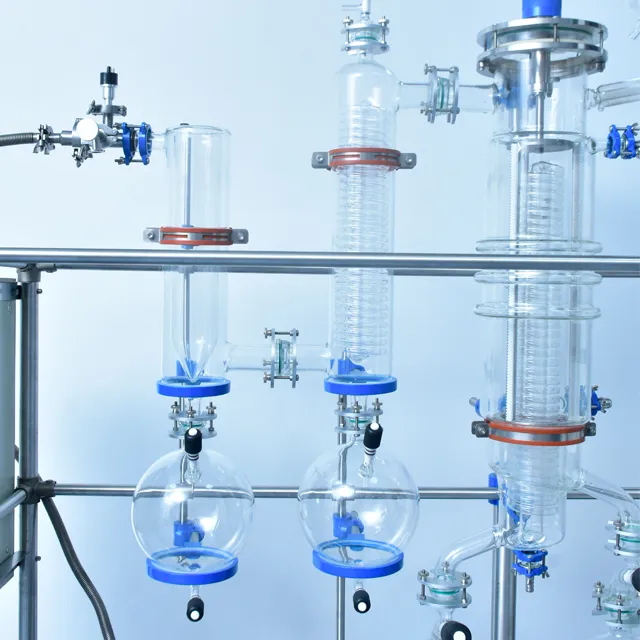
Selecting the right Distillation System for heat-sensitive materials is one of the most critical decisions in pharmaceutical, botanical, and specialty chemical processing. Heat-sensitive compounds—including essential oils, cannabinoids, vitamins, and temperature-labile pharmaceuticals—require careful separation without thermal degradation. A poorly chosen distillation system can result in product loss, reduced purity, regulatory non-compliance, and significant financial waste. Understanding the core differences between distillation system technologies, operational parameters, and material compatibility is essential before making this investment.
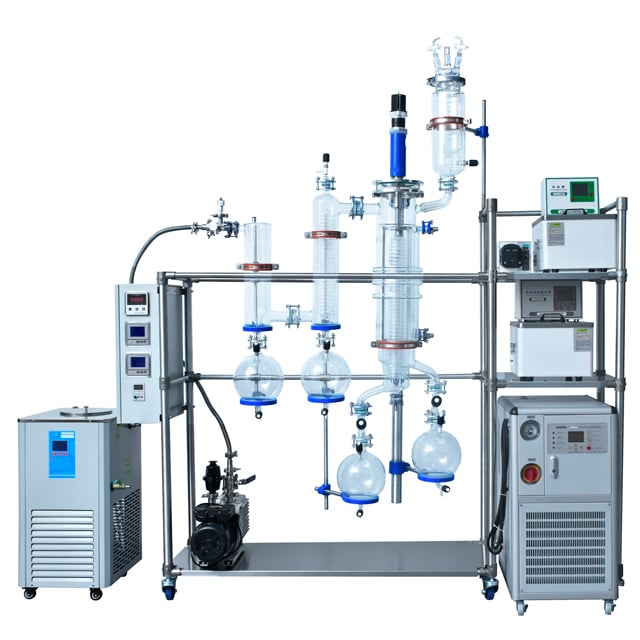
The choice of distillation system directly impacts yield, product quality, energy consumption, and operating costs. Industrial-scale operations and laboratory facilities alike must evaluate whether a traditional distillation system, a wiped film distillation system, or a molecular distillation system best suits their specific material properties and production targets. This guide examines the key factors that determine the optimal distillation system selection for heat-sensitive applications, helping you avoid common pitfalls and maximize separation efficiency.
Understanding Heat-Sensitive Material Behavior in Distillation Systems
Why Heat Sensitivity Requires Special Distillation System Design
Heat-sensitive materials degrade rapidly when exposed to elevated temperatures for extended periods. A distillation system operating at high boiling points can destroy valuable compounds before separation occurs, rendering the entire batch worthless. The degradation pathway varies by material—some compounds polymerize, others oxidize, and some simply decompose into inert byproducts. A properly configured distillation system minimizes both temperature exposure and residence time, two variables that directly control thermal stress on the feed material.
Selecting the right distillation system requires understanding your specific compound's thermal stability profile. Most heat-sensitive materials have documented decomposition temperatures where significant loss occurs within minutes. A distillation system must operate safely below this threshold while maintaining sufficient driving force for separation. This balance is the fundamental engineering challenge that distinguishes a suitable distillation system from an unsuitable one.
Operating Pressure and Residence Time in Distillation System Selection
A key feature of modern distillation system technology is the ability to reduce boiling temperatures by operating under vacuum. Vacuum-based distillation systems lower the boiling point of heat-sensitive materials significantly—sometimes by 50 degrees Celsius or more—without compromising separation efficiency. A vacuum-capable distillation system is nearly always necessary for heat-sensitive applications, as it enables low-temperature separation that preserves product integrity while maintaining reasonable production rates.
Residence time—the duration material spends inside the distillation system's hot zone—is equally important. Some distillation system designs, such as wiped film technologies, feature continuous thin-film contact with heating surfaces, minimizing the time any molecule spends at elevated temperature. Other distillation system configurations may hold material longer, increasing degradation risk. Evaluating residence time across candidate distillation system models is critical for heat-sensitive material processing.
Comparing Major Distillation System Technologies
Wiped Film Distillation Systems for Efficient Heat-Sensitive Separation
Wiped film distillation systems employ rotating wiper blades that spread feed material across heated surfaces in a thin, continuously moving layer. This design ensures minimal residence time and uniform heat distribution, making wiped film distillation systems exceptionally effective for heat-sensitive compounds. The thin film geometry also increases surface area for vapor-liquid contact per unit volume, boosting separation efficiency at lower operating temperatures than conventional distillation systems.
Wiped film distillation systems excel when processing viscous, thermolabile, or polymer-containing feeds. The mechanical action of the wiper prevents fouling, decomposition layer formation, and channeling—problems that plague conventional distillation system designs when handling difficult feedstocks. Many pharmaceutical and botanical processors choose wiped film distillation systems specifically because they reliably handle challenging materials that would degrade in static distillation system configurations.
Molecular Distillation Systems for Ultra-Low-Temperature Processing
Molecular distillation systems operate at extremely low pressures—often below 1 torr—creating conditions where molecules evaporate directly from the liquid surface without requiring bulk boiling. This ultra-low-pressure distillation system approach enables separation at temperatures 30 to 80 degrees Celsius below those required in conventional distillation systems, making molecular distillation systems the gold standard for highly temperature-sensitive materials. The vapor-condensing surface in a molecular distillation system sits just millimeters from the evaporating liquid, further reducing residence time.
Molecular distillation systems achieve superior separation performance with minimal thermal stress, but they typically require specialized vacuum infrastructure and operate at smaller batch scales than wiped film distillation systems. Organizations processing extremely valuable, temperature-critical compounds—such as cannabinoid isolates or specialty pharma precursors—often invest in molecular distillation systems despite higher equipment and operational costs, as the improvement in yield and purity justifies the investment.
Short-Path Distillation Systems as a Middle-Ground Approach
Short-path distillation systems represent a practical middle option between wiped film and molecular configurations. A short-path distillation system combines low-pressure operation with a compact vapor path, reducing residence time and thermal stress compared to traditional batch distillation system designs. This distillation system type is widely used in academic laboratories and pilot-scale operations, offering good performance for moderately heat-sensitive materials at moderate equipment cost.
Selecting the Right Distillation System Based on Material Properties
Matching Distillation System Specifications to Compound Characteristics
Successful distillation system selection begins with detailed characterization of your heat-sensitive feed material. Key properties include thermal stability window, viscosity profile, boiling point under vacuum, presence of polymers or suspended solids, corrosivity, and target purity requirements. A distillation system optimized for low-viscosity, high-boiling-point materials may perform poorly with viscous feeds, and vice versa. Taking time to profile your material against available distillation system capabilities prevents costly processing failures.
Production scale also determines appropriate distillation system selection. Pilot-scale or laboratory-grade distillation systems typically feature 5-to-20-liter capacity with simpler vacuum and heating controls, suited for method development and small-batch manufacturing. Production-scale distillation systems range from 50 to several hundred liters, incorporating robust instrumentation, continuous operation capability, and integrated product recovery systems. Matching distillation system scale to your production volume ensures economic efficiency and consistent results.
Vacuum Infrastructure and Distillation System Compatibility
Every distillation system requires compatible vacuum pump infrastructure. A vacuum-capable distillation system working with an undersized or inadequate vacuum pump will fail to reach target pressures, compromising separation performance and increasing thermal stress on the feed. Rotary vane pumps, liquid-ring pumps, and turbomolecular pumps each suit different distillation system applications. Molecular distillation systems demand ultra-high-vacuum infrastructure that may cost as much as the distillation system itself, making vacuum compatibility assessment crucial during distillation system selection.
Similarly, heating system design must match your distillation system configuration. Oil-jacketed distillation systems require precise temperature control with minimal overshoot. Electrical heating or steam-traced distillation systems offer different control characteristics and energy profiles. Evaluating thermal system compatibility during distillation system selection prevents operational headaches and ensures your entire system functions as an integrated whole.
FAQ
What is the main advantage of a wiped film distillation system over conventional distillation systems?
A wiped film distillation system significantly reduces residence time by spreading feed material in a thin, continuously refreshed layer across heated surfaces. This design minimizes thermal exposure compared to batch distillation systems, enabling efficient separation of heat-sensitive materials at lower temperatures while preventing fouling and degradation layer formation that conventional distillation system designs often experience with difficult feedstocks.
Can a molecular distillation system process large production batches efficiently?
Molecular distillation systems typically operate at smaller scales than wiped film distillation systems due to the extreme vacuum requirements and short vapor path design. While continuous molecular distillation system configurations exist, most operate best at laboratory and pilot scales. For large-scale production of heat-sensitive materials, a wiped film distillation system often provides better throughput economics, though molecular distillation systems remain the best choice for ultra-sensitive compounds where purity and yield justify lower throughput rates.
How do I determine if my distillation system requires specialized vacuum equipment?
Your distillation system's vacuum specification directly determines pump requirements. Molecular distillation systems require ultra-high-vacuum pumps rated below 1 torr, while wiped film distillation systems typically operate at 1-to-50 torr with standard rotary vane or liquid-ring pumps. Review your material's thermal stability data and target separation temperature to determine the required operating pressure, then match that pressure specification to available vacuum pump technology. Undersized or incompatible vacuum equipment will compromise any distillation system's performance.