 EN
EN

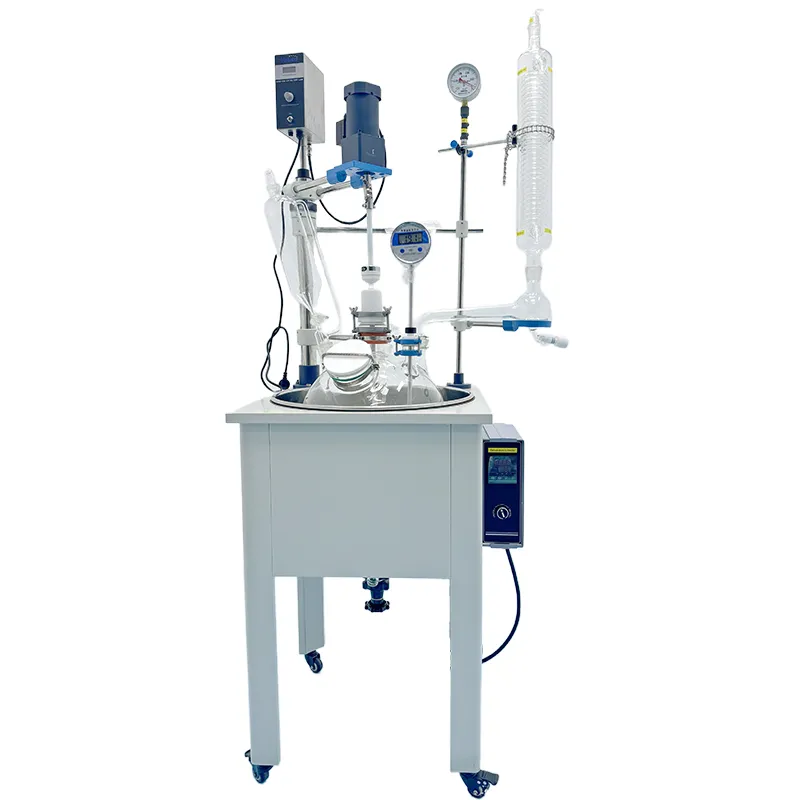
Exothermic chemical reactions release significant heat energy during processing, making them inherently challenging to control safely. A properly designed reactor must incorporate multiple safety layers to prevent thermal runaway, equipment damage, and operator injury. Understanding how a chemical reactor handles exothermic reactions is essential for anyone managing laboratory or industrial chemical processes, whether scaling formulations, optimizing synthesis routes, or ensuring regulatory compliance. This comprehensive guide explains the engineering principles, safety mechanisms, and practical strategies that enable the system to perform high-heat reactions reliably.
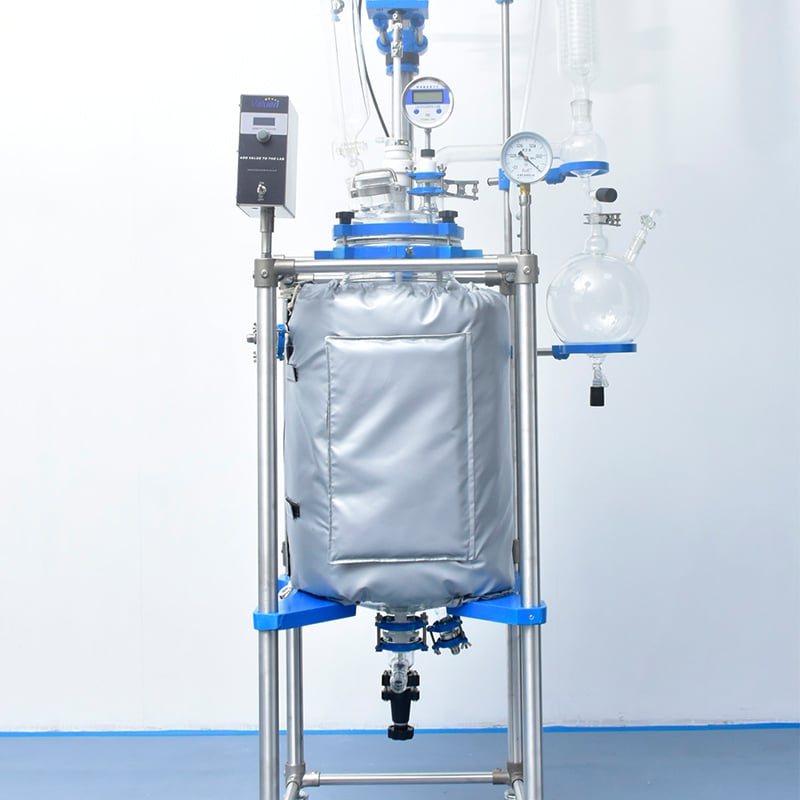
The core challenge in operating the reactor during exothermic reactions is maintaining precise temperature control while dissipating large volumes of heat. Industrial and laboratory reactor systems use integrated cooling jackets, agitation control, and real-time monitoring to manage heat generation and prevent dangerous conditions. Success depends on selecting the right reactor design, understanding reaction kinetics, and implementing robust operational procedures.
Heat Management Through Advanced Cooling Systems
Jacketed Reactor Design for Thermal Control
A reactor equipped with a cooling jacket is the industry standard for exothermic reaction management. The jacket surrounds the reactor vessel, allowing a temperature-controlled cooling fluid to circulate continuously around the reaction mass. This design enables a chemical reactor to remove heat rapidly and uniformly, preventing localized hot spots that could trigger accelerated reactions. The thermal surface area between the jacket and the reactor walls determines heat transfer efficiency, so larger jacketed surfaces in a quality reactor translate to better temperature regulation during intense exothermic events.
The cooling fluid circulating through a reactor jacket typically ranges from water or glycol solutions at laboratory scale to industrial refrigerants at production scales. A properly sized reactor with a properly sized cooling system can maintain setpoint temperatures even when reaction rates accelerate unexpectedly. The jacket pressure rating, internal surface finish, and material compatibility all influence how effectively a chemical reactor dissipates exothermic heat. Selecting a chemical reactor with oversized cooling capacity relative to the expected heat load provides a safety margin that protects against reaction variability or process deviations.
Backup Cooling and Emergency Response
Professional reactor operations implement secondary cooling systems to handle worst-case scenarios where primary cooling fails. A chemical reactor facility may use ice baths, nitrogen gas cooling, or rapid dump systems to arrest temperature rise if the main chiller malfunctions. This redundancy reflects the reality that a chemical reactor operator cannot predict every process variable, so a chemical reactor design must include fail-safes. Operators should establish protocols where a chemical reactor can be quickly cooled if temperatures exceed safe limits, preventing thermal runaway before it becomes dangerous.
Monitoring and Control Systems for Safe Operation
Real-Time Temperature Sensing and Automation
A reliable chemical reactor uses multiple temperature sensors positioned at different points within the vessel to detect hot zones and reaction acceleration. A modern chemical reactor control system continuously compares measured temperature against programmed setpoints and automatically adjusts cooling flow to maintain stable conditions. This closed-loop feedback in a chemical reactor environment means that small temperature drifts are corrected before they escalate. If a chemical reactor temperature rises faster than expected, the automated control system increases cooling immediately, demonstrating why modern chemical reactor technology is far safer than manual operation methods.
High-quality chemical reactor systems include data logging capabilities that record temperature, pressure, and cooling flow throughout the reaction. This data from a chemical reactor is invaluable for investigating any incidents, validating process repeatability, and identifying optimization opportunities. A chemical reactor operator can review trends to understand how different reactants, concentrations, or addition rates affect heat generation, using these insights to refine procedures. Every chemical reactor operation should treat data recording as a core safety and quality practice.
Pressure Relief and Vent Systems
Beyond temperature control, a chemical reactor must manage pressure buildup from exothermic reactions or vapor generation. A chemical reactor pressure relief valve opens automatically when internal pressure exceeds a safe threshold, venting excess gas and preventing vessel rupture. The relief valve on a chemical reactor must be sized for the maximum possible pressure from the intended reactions, ensuring that a chemical reactor never experiences uncontrolled overpressurization. Regular testing of a chemical reactor relief system confirms it operates smoothly and protects against pressure-related failures during exothermic events.
Operational Best Practices for Exothermic Reaction Safety
Controlled Reactant Addition and Mixing Strategy
How reactants are introduced into a chemical reactor directly influences heat generation rate and safety. In a chemical reactor handling highly exothermic reactions, operators typically add the limiting reactant slowly to the excess reactant already in the vessel, keeping heat generation rates manageable. Reverse addition into a chemical reactor, where the exothermic reactant is added rapidly, can overwhelm cooling capacity and trigger thermal runaway. A chemical reactor operator should always establish the safest addition sequence through small-scale trials before scaling to production volumes. Mixing intensity also matters: a chemical reactor with proper agitation ensures uniform temperature throughout the vessel, whereas poor mixing in a chemical reactor creates stagnant zones where reactions concentrate and heat accumulates.
Many laboratories and manufacturers use stepped additions where a chemical reactor receives reactants in small increments, with waiting periods between additions for cooling and temperature stabilization. This approach with a chemical reactor adds time to the process but dramatically improves safety by preventing rapid heat spikes. A chemical reactor operator following stepped addition protocols can monitor each increment's heat effect and adjust the pace accordingly, whereas continuous fast addition into a chemical reactor leaves no room for correction.
Pre-Process Validation and Thermal Profiling
Before running exothermic reactions at scale, operators should conduct thermal profiling studies using a lab-scale chemical reactor to measure actual heat output and cooling requirements. These experiments with a chemical reactor reveal reaction kinetics, identify the peak exothermic phase, and confirm that cooling capacity in a chemical reactor is adequate. A pilot study using a chemical reactor takes time but prevents dangerous surprises during production runs. Scaling factors derived from a chemical reactor thermal profile guide engineers in selecting larger-scale chemical reactor equipment with sufficient cooling and safety margins for commercial production.
FAQ
What happens if a chemical reactor loses cooling during an exothermic reaction?
Loss of cooling in a chemical reactor during exothermic reaction is a serious emergency. Temperatures rise rapidly, accelerating the reaction rate and generating even more heat in a vicious cycle called thermal runaway. A properly designed chemical reactor facility includes alarm systems, secondary cooling options, and emergency dump systems to prevent catastrophic failure. Operators of a chemical reactor must have clear procedures to immediately stop reactant addition, activate backup cooling, and vent the vessel if primary cooling fails.
Can a chemical reactor handle any exothermic reaction safely?
Not every exothermic reaction is suitable for every chemical reactor. A chemical reactor design limits the maximum safe heat release rate based on cooling capacity, vessel volume, and pressure rating. Reactions with extremely fast kinetics or massive heat output may require a specialized chemical reactor with industrial-scale cooling or even require different manufacturing approaches. An honest assessment of a chemical reactor's capabilities relative to the specific reaction is essential before proceeding with synthesis.
How often should a chemical reactor cooling system be serviced?
A chemical reactor cooling jacket and associated equipment should be inspected before each use and serviced annually according to manufacturer recommendations. Scale buildup, corrosion, or valve deterioration can degrade a chemical reactor's cooling performance over time, so preventive maintenance is critical. Testing a chemical reactor's relief valve, checking chiller output temperature, and verifying jacket integrity all extend safe operation and prevent failures when exothermic reactions are underway.
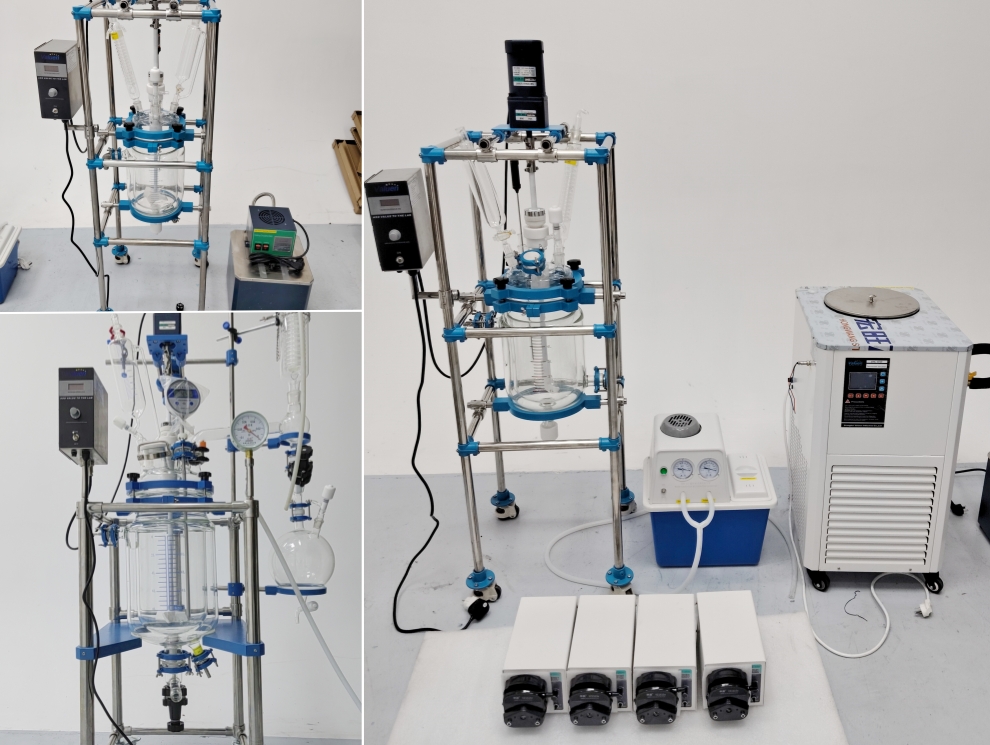
The core challenge in operating a chemical reactor during exothermic reactions is maintaining precise temperature control while dissipating large volumes of heat. Industrial and laboratory chemical reactor systems use integrated cooling jackets, agitation control, and real-time monitoring to manage heat generation and prevent dangerous conditions. Success depends on selecting the right chemical reactor design, understanding reaction kinetics, and implementing robust operational procedures.
Heat Management Through Advanced Cooling Systems
Jacketed Reactor Design for Thermal Control
A chemical reactor equipped with a cooling jacket is the industry standard for exothermic reaction management. The jacket surrounds the reactor vessel, allowing a temperature-controlled cooling fluid to circulate continuously around the reaction mass. This design enables a chemical reactor to remove heat rapidly and uniformly, preventing localized hot spots that could trigger accelerated reactions. The thermal surface area between the jacket and the reactor walls determines heat transfer efficiency, so larger jacketed surfaces in a quality chemical reactor translate to better temperature regulation during intense exothermic events.
The cooling fluid circulating through a chemical reactor jacket typically ranges from water or glycol solutions at laboratory scale to industrial refrigerants at production scales. A chemical reactor with a properly sized cooling system can maintain setpoint temperatures even when reaction rates accelerate unexpectedly. The jacket pressure rating, internal surface finish, and material compatibility all influence how effectively a chemical reactor dissipates exothermic heat. Selecting a chemical reactor with oversized cooling capacity relative to the expected heat load provides a safety margin that protects against reaction variability or process deviations.
Backup Cooling and Emergency Response
Professional chemical reactor operations implement secondary cooling systems to handle worst-case scenarios where primary cooling fails. A chemical reactor facility may use ice baths, nitrogen gas cooling, or rapid dump systems to arrest temperature rise if the main chiller malfunctions. This redundancy reflects the reality that a chemical reactor operator cannot predict every process variable, so a chemical reactor design must include fail-safes. Operators should establish protocols where a chemical reactor can be quickly cooled if temperatures exceed safe limits, preventing thermal runaway before it becomes dangerous.
Monitoring and Control Systems for Safe Operation
Real-Time Temperature Sensing and Automation
A reliable chemical reactor uses multiple temperature sensors positioned at different points within the vessel to detect hot zones and reaction acceleration. A modern chemical reactor control system continuously compares measured temperature against programmed setpoints and automatically adjusts cooling flow to maintain stable conditions. This closed-loop feedback in a chemical reactor environment means that small temperature drifts are corrected before they escalate. If a chemical reactor temperature rises faster than expected, the automated control system increases cooling immediately, demonstrating why modern chemical reactor technology is far safer than manual operation methods.
High-quality chemical reactor systems include data logging capabilities that record temperature, pressure, and cooling flow throughout the reaction. This data from a chemical reactor is invaluable for investigating any incidents, validating process repeatability, and identifying optimization opportunities. A chemical reactor operator can review trends to understand how different reactants, concentrations, or addition rates affect heat generation, using these insights to refine procedures. Every chemical reactor operation should treat data recording as a core safety and quality practice.
Pressure Relief and Vent Systems
Beyond temperature control, a chemical reactor must manage pressure buildup from exothermic reactions or vapor generation. A chemical reactor pressure relief valve opens automatically when internal pressure exceeds a safe threshold, venting excess gas and preventing vessel rupture. The relief valve on a chemical reactor must be sized for the maximum possible pressure from the intended reactions, ensuring that a chemical reactor never experiences uncontrolled overpressurization. Regular testing of a chemical reactor relief system confirms it operates smoothly and protects against pressure-related failures during exothermic events.
Operational Best Practices for Exothermic Reaction Safety
Controlled Reactant Addition and Mixing Strategy
How reactants are introduced into a chemical reactor directly influences heat generation rate and safety. In a chemical reactor handling highly exothermic reactions, operators typically add the limiting reactant slowly to the excess reactant already in the vessel, keeping heat generation rates manageable. Reverse addition into a chemical reactor, where the exothermic reactant is added rapidly, can overwhelm cooling capacity and trigger thermal runaway. A chemical reactor operator should always establish the safest addition sequence through small-scale trials before scaling to production volumes. Mixing intensity also matters: a chemical reactor with proper agitation ensures uniform temperature throughout the vessel, whereas poor mixing in a chemical reactor creates stagnant zones where reactions concentrate and heat accumulates.
Many laboratories and manufacturers use stepped additions where a chemical reactor receives reactants in small increments, with waiting periods between additions for cooling and temperature stabilization. This approach with a chemical reactor adds time to the process but dramatically improves safety by preventing rapid heat spikes. A chemical reactor operator following stepped addition protocols can monitor each increment's heat effect and adjust the pace accordingly, whereas continuous fast addition into a chemical reactor leaves no room for correction.
Pre-Process Validation and Thermal Profiling
Before running exothermic reactions at scale, operators should conduct thermal profiling studies using a lab-scale chemical reactor to measure actual heat output and cooling requirements. These experiments with a chemical reactor reveal reaction kinetics, identify the peak exothermic phase, and confirm that cooling capacity in a chemical reactor is adequate. A pilot study using a chemical reactor takes time but prevents dangerous surprises during production runs. Scaling factors derived from a chemical reactor thermal profile guide engineers in selecting larger-scale chemical reactor equipment with sufficient cooling and safety margins for commercial production.
FAQ
What happens if a chemical reactor loses cooling during an exothermic reaction?
Loss of cooling in a chemical reactor during exothermic reaction is a serious emergency. Temperatures rise rapidly, accelerating the reaction rate and generating even more heat in a vicious cycle called thermal runaway. A properly designed chemical reactor facility includes alarm systems, secondary cooling options, and emergency dump systems to prevent catastrophic failure. Operators of a chemical reactor must have clear procedures to immediately stop reactant addition, activate backup cooling, and vent the vessel if primary cooling fails.
Can a chemical reactor handle any exothermic reaction safely?
Not every exothermic reaction is suitable for every chemical reactor. A chemical reactor design limits the maximum safe heat release rate based on cooling capacity, vessel volume, and pressure rating. Reactions with extremely fast kinetics or massive heat output may require a specialized chemical reactor with industrial-scale cooling or even require different manufacturing approaches. An honest assessment of a chemical reactor's capabilities relative to the specific reaction is essential before proceeding with synthesis.
How often should a chemical reactor cooling system be serviced?
A chemical reactor cooling jacket and associated equipment should be inspected before each use and serviced annually according to manufacturer recommendations. Scale buildup, corrosion, or valve deterioration can degrade a chemical reactor's cooling performance over time, so preventive maintenance is critical. Testing a chemical reactor's relief valve, checking chiller output temperature, and verifying jacket integrity all extend safe operation and prevent failures when exothermic reactions are underway.
Table of Contents
- Heat Management Through Advanced Cooling Systems
- Monitoring and Control Systems for Safe Operation
- Operational Best Practices for Exothermic Reaction Safety
- FAQ
- Heat Management Through Advanced Cooling Systems
- Monitoring and Control Systems for Safe Operation
- Operational Best Practices for Exothermic Reaction Safety
- FAQ