 EN
EN

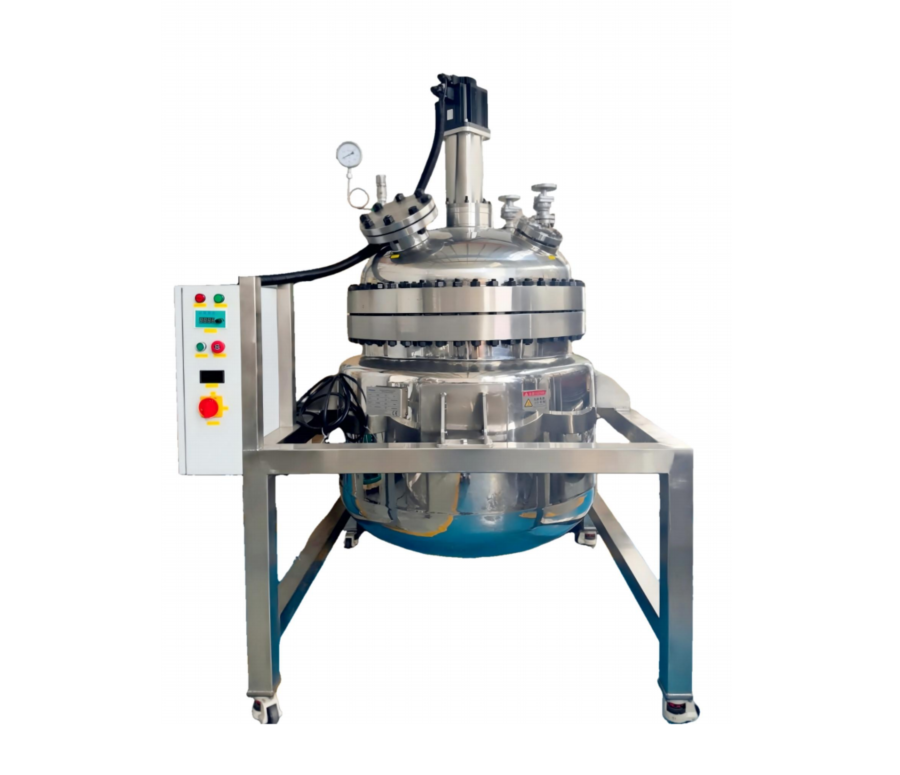
A high pressure reactor represents one of the most critical pieces of equipment in chemical processing, pharmaceutical manufacturing, and materials science research. The ability to operate under elevated pressure conditions fundamentally transforms how reactions proceed, offering unprecedented control over reaction kinetics, selectivity, and throughput. Understanding how a high pressure reactor improves process control and reaction efficiency is essential for any organization seeking to optimize production outcomes while maintaining stringent quality standards. This comprehensive guide explores the mechanisms through which a high pressure reactor delivers measurable improvements in both operational precision and chemical performance.
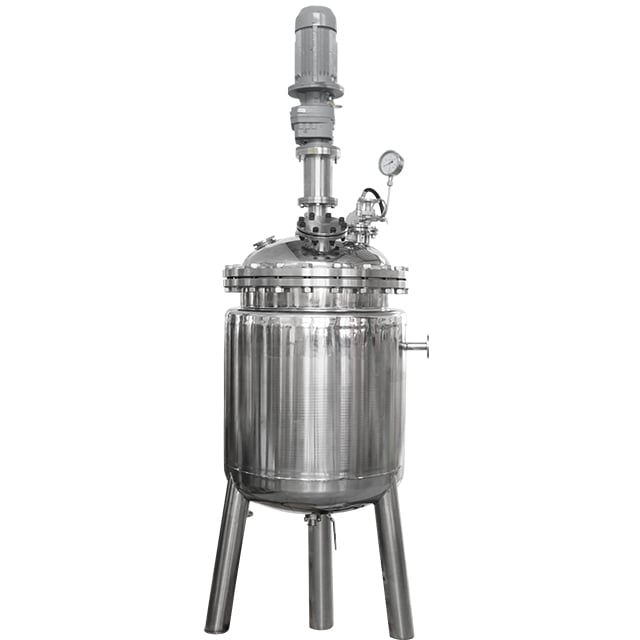
The operational landscape of modern chemical manufacturing demands equipment that can handle extreme conditions while maintaining precise parameter management. A high pressure reactor achieves this by creating a controlled environment where pressure, temperature, and composition variables work in concert to drive reactions toward desired outcomes. The engineering sophistication of a high pressure reactor enables industrial teams to execute complex chemical syntheses that would be impossible at atmospheric pressure, while simultaneously providing the monitoring and control systems necessary to maintain consistency batch after batch.
Enhanced Reaction Kinetics and Selectivity
Accelerating Reaction Rates Through Pressure Application
Increasing pressure directly affects molecular collision frequency and reaction rates, making a high pressure reactor an invaluable tool for time-sensitive processes. When a high pressure reactor operates at elevated pressures, reactant molecules are forced into closer proximity, dramatically increasing the probability of productive molecular encounters. This acceleration is particularly pronounced in reactions involving gases or reactions where molecular concentration plays a limiting role. For pharmaceutical intermediates, fine chemicals, and specialty polymers, the ability of a high pressure reactor to speed reaction completion translates directly into higher throughput and reduced batch cycle times. Many processes that require hours or days at atmospheric pressure can be substantially compressed when conducted in a high pressure reactor, improving overall facility utilization and reducing energy costs per unit of product.
Controlling Reaction Pathways and Product Purity
Beyond simple rate acceleration, a high pressure reactor enables precise control over which reaction pathways dominate, directly impacting product selectivity and purity. Different reaction mechanisms have different pressure dependencies; by manipulating the pressure conditions within a high pressure reactor, chemists and engineers can favor desired pathways while suppressing unwanted side reactions. This selective control is particularly valuable in multi-step syntheses where byproduct formation can significantly impact final yield and purification requirements. A high pressure reactor equipped with advanced monitoring systems allows real-time adjustment of conditions to maintain optimal selectivity throughout the reaction course. The result is higher-quality products requiring less downstream purification, reducing both waste generation and processing costs. Industries manufacturing active pharmaceutical ingredients benefit tremendously from a high pressure reactor's ability to minimize impurity formation while maximizing the yield of target compounds.
Superior Temperature and Pressure Uniformity
Achieving Consistent Reaction Conditions Throughout the Vessel
A properly designed high pressure reactor incorporates sophisticated heat transfer and mixing systems that eliminate temperature gradients and pressure variations within the reaction mass. Traditional atmospheric reactors often suffer from hot spots, dead zones, and uneven pressure distribution that compromise reaction consistency. The engineered architecture of a high pressure reactor, combined with its pressurized environment, creates uniform conditions across the entire reaction volume. Internal baffles, specialized impeller designs, and advanced heating jackets work together to ensure that every molecule in the system experiences identical conditions simultaneously. This uniformity is absolutely critical for reproducibility; a high pressure reactor enables operators to replicate reaction outcomes precisely from batch to batch, eliminating the variability that plagues less sophisticated equipment. For quality-sensitive applications in pharmaceuticals and specialty chemicals, this consistency translates to reduced batch failures, improved regulatory compliance, and enhanced customer confidence in product reliability.
Preventing Unwanted Temperature Excursions
Exothermic reactions pose particular challenges in large-scale synthesis; without precise temperature control, runaway reactions can destroy product quality or create safety hazards. A high pressure reactor addresses this challenge through multiple integrated safeguards. The pressurized environment allows use of non-aqueous cooling media that operate at higher temperature differentials, enabling more aggressive cooling when needed. Simultaneously, the pressure itself influences reaction thermodynamics in ways that can moderate exothermicity. Sophisticated sensing and automation integrated into a high pressure reactor enable rapid adjustment of heating or cooling intensity to maintain target temperature within tight tolerances. This prevents the sudden temperature swings that characterize poorly controlled reactions, protecting product quality and reducing thermal degradation of sensitive intermediates. The combination of precise temperature control and uniform mixing within a high pressure reactor creates conditions under which even highly exothermic processes proceed safely and predictably.
Advanced Process Monitoring and Real-Time Control
Integrating Sensor Technology for Comprehensive Process Insight
Modern high pressure reactor systems incorporate multiple integrated sensors that provide continuous real-time data on process parameters. Temperature sensors positioned at strategic locations throughout the reaction volume provide detailed temperature mapping. Pressure transducers monitor not just the overall system pressure but often localized pressure profiles. Dissolved oxygen probes, pH sensors, and sophisticated spectroscopic techniques allow non-invasive monitoring of reaction progress. This wealth of real-time data transforms a high pressure reactor from a simple vessel into an intelligent system capable of adaptive control. Operators and automated systems can continuously compare actual performance against target parameters and make instantaneous adjustments. For complex reactions where multiple parameters must be optimized simultaneously, a high pressure reactor equipped with comprehensive instrumentation and control software enables optimization strategies that would be impossible with less sophisticated equipment. The data collected from a high pressure reactor also provides invaluable feedback for process development and scale-up activities.
Enabling Automated Control Strategies
The sensing capabilities of a modern high pressure reactor support sophisticated automated control algorithms that maintain optimal reaction conditions without continuous operator intervention. Programmable logic controllers and advanced process control software interpret sensor data and adjust parameters according to pre-defined strategies or machine-learning algorithms. This automation is particularly valuable during night shifts or continuous operation periods where constant manual monitoring would be impractical. A high pressure reactor controlled through such systems exhibits exceptional consistency because the control responds faster and more precisely than manual adjustment ever could. Batch-to-batch variation drops significantly, reducing the natural variation inherent in manual operations. Furthermore, the ability of a high pressure reactor to log all parameters throughout the reaction provides complete traceability for regulatory compliance in industries such as pharmaceuticals and food processing. Should any deviation occur, detailed records allow rapid root-cause analysis and corrective action.
FAQ
What are the primary safety advantages of operating a high pressure reactor in an industrial setting?
A high pressure reactor is engineered with multiple safety layers including reinforced vessel construction, automated pressure relief systems, emergency cooling capabilities, and continuous monitoring. The pressurized environment actually prevents vapor escape during exothermic events, containing potential hazards within the vessel. Pressure transducers continuously monitor system integrity, and integrated safety interlocks automatically halt operations if dangerous conditions develop. This combination makes a high pressure reactor actually safer than atmospheric reactors for many hazardous syntheses, particularly those involving flammable gases or volatile intermediates. Regular inspection and maintenance protocols for a high pressure reactor ensure sustained reliability and safety performance throughout its operational lifetime.
How does a high pressure reactor reduce overall production costs compared to atmospheric alternatives?
The cost advantages of a high pressure reactor stem from multiple sources: faster reaction times reduce energy consumption per batch, improved selectivity minimizes purification requirements and waste disposal costs, higher throughput increases facility utilization, and reduced batch failures lower rework expenses. Although the capital investment in a high pressure reactor exceeds that of standard equipment, the operational cost reductions typically justify the investment within two to four years depending on the application. Additionally, a high pressure reactor often enables access to valuable chemistry that simply cannot be performed at atmospheric pressure, opening entirely new product opportunities and market segments that would otherwise remain inaccessible.
Can a high pressure reactor be retrofitted to existing production facilities, or must it be installed from the beginning?
A high pressure reactor can often be integrated into existing facilities, though the extent of modification required depends on facility design and existing infrastructure. Utilities including compressed gas supply, cooling water, electrical connections, and ventilation must be evaluated to ensure they can support a high pressure reactor's demands. Some existing vessel areas may require reinforcement to accommodate the higher stresses imposed by a high pressure reactor. Modern modular high pressure reactor designs have been developed specifically for retrofit applications, reducing installation time and cost. Consulting with equipment manufacturers during the planning phase allows realistic assessment of integration requirements and helps identify the most cost-effective installation approach for introducing a high pressure reactor into an established production environment.
Table of Contents
- Enhanced Reaction Kinetics and Selectivity
- Superior Temperature and Pressure Uniformity
- Advanced Process Monitoring and Real-Time Control
-
FAQ
- What are the primary safety advantages of operating a high pressure reactor in an industrial setting?
- How does a high pressure reactor reduce overall production costs compared to atmospheric alternatives?
- Can a high pressure reactor be retrofitted to existing production facilities, or must it be installed from the beginning?