 EN
EN

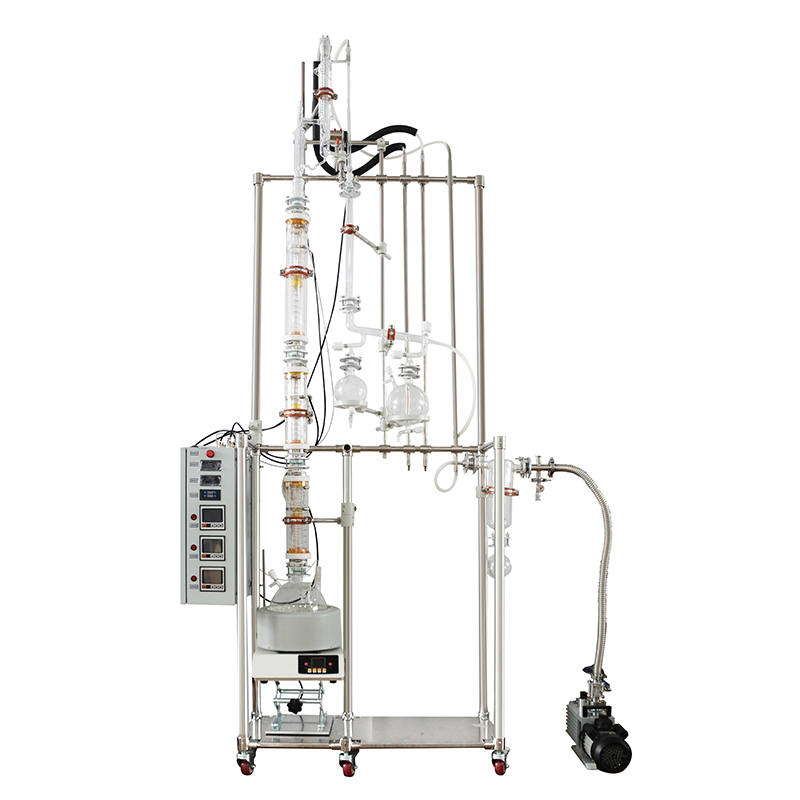
In the world of laboratory and industrial separation processes, achieving maximum purity remains a critical challenge. Modern analytical chemistry, pharmaceutical manufacturing, and research applications demand equipment that delivers exceptional separation efficiency while maintaining chemical inertness. The glass distillation vessel has emerged as a cornerstone technology for high-purity processes, offering unique advantages that make it indispensable for sensitive applications requiring contamination-free separation.
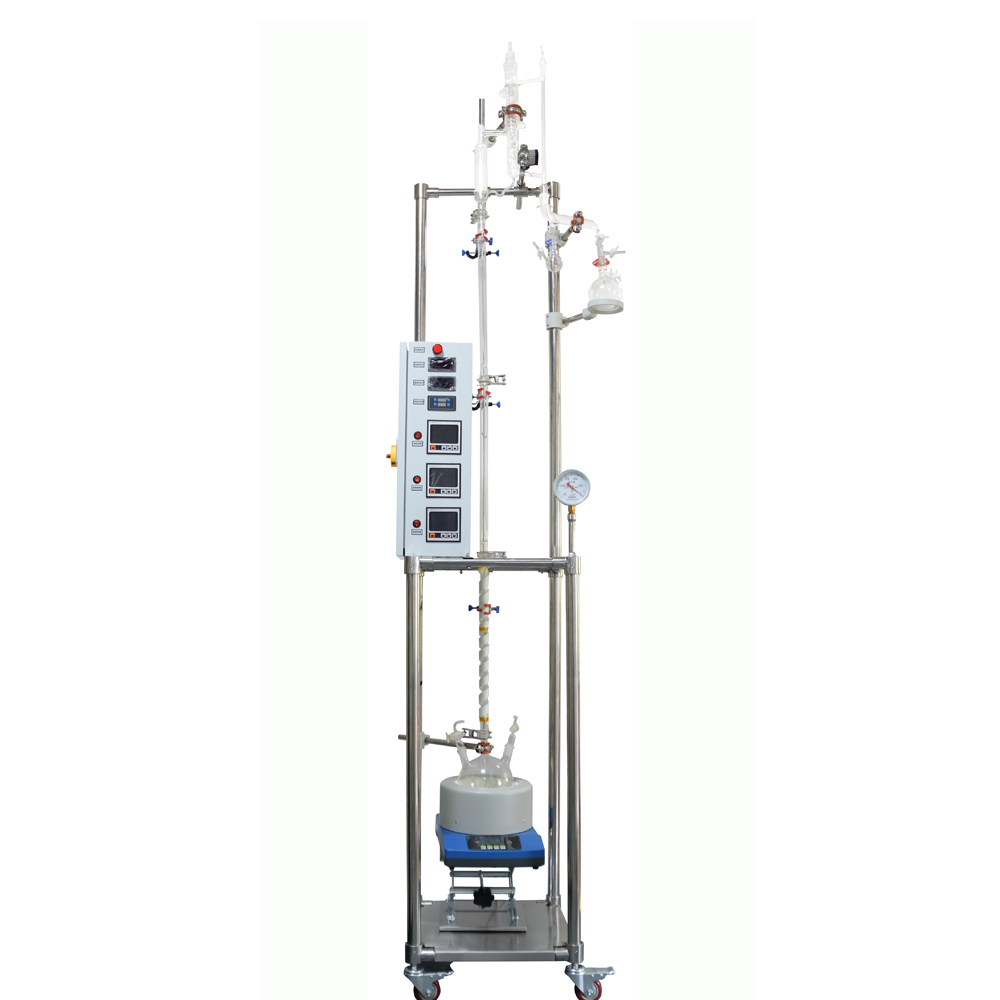
High-purity applications encompass a broad spectrum of industries where even trace contamination can compromise product quality or research outcomes. These processes typically require separation techniques that eliminate impurities at the molecular level, maintaining the integrity of target compounds throughout the distillation cycle. Understanding the specific requirements of high-purity processes provides essential context for evaluating the suitability of different distillation vessel materials and configurations.
Chemical Inertness and Material Compatibility
Borosilicate Glass Properties
Borosilicate glass represents the gold standard for high-purity distillation applications due to its exceptional chemical resistance and thermal stability. A quality glass distillation vessel constructed from borosilicate material exhibits minimal reactivity with most organic solvents, acids, and bases commonly encountered in laboratory and industrial processes. This chemical inertness prevents unwanted side reactions that could introduce impurities or alter the composition of target compounds during separation.
The low coefficient of thermal expansion characteristic of borosilicate glass enables rapid heating and cooling cycles without inducing thermal stress that might compromise vessel integrity. This property proves particularly valuable in applications requiring precise temperature control or frequent thermal cycling. Additionally, the smooth interior surface of a properly manufactured glass distillation vessel minimizes nucleation sites that could promote unwanted crystallization or decomposition reactions.
Non-Leaching Characteristics
Unlike metallic distillation equipment, glass vessels eliminate concerns about metal ion leaching that can catalyze unwanted reactions or introduce trace contamination. High-purity pharmaceutical intermediates, electronic-grade solvents, and analytical standards require separation in environments completely free from metallic contamination. The non-porous nature of glass prevents absorption and subsequent release of previously processed materials, ensuring each distillation cycle begins with a clean, uncontaminated surface.
Long-term stability studies demonstrate that properly maintained glass distillation vessels retain their inert properties throughout extended service periods. This consistency becomes crucial for applications requiring reproducible results over multiple processing campaigns. The ability to visually inspect the interior surface for cleanliness or damage provides an additional quality assurance advantage not available with opaque vessel materials.
Thermal Performance and Heat Transfer
Uniform Heat Distribution
Effective heat transfer characteristics represent a fundamental requirement for achieving optimal separation efficiency in any distillation process. A well-designed glass distillation vessel provides excellent thermal conductivity while maintaining uniform temperature distribution throughout the liquid phase. This uniformity prevents localized overheating that could cause thermal decomposition of sensitive compounds or create uneven vapor generation patterns that reduce separation efficiency.
The transparency of glass enables direct visual monitoring of boiling patterns and vapor generation, allowing operators to optimize heating rates and identify potential issues before they impact product quality. This real-time observation capability proves invaluable for processing thermally sensitive materials where precise temperature control determines success or failure of the separation process.
Temperature Control Precision
Modern glass distillation vessels incorporate advanced design features that enhance temperature control precision. Multiple heating zones, integrated temperature sensors, and specialized glass formulations work together to provide the thermal management capabilities required for high-purity applications. The ability to rapidly adjust and maintain specific temperature profiles enables operators to optimize separation efficiency while minimizing thermal stress on sensitive compounds.
Precise temperature control becomes particularly critical when processing materials with narrow boiling point differences or compounds prone to thermal degradation. The thermal responsiveness of glass allows for rapid temperature adjustments that help maintain optimal operating conditions throughout the distillation cycle. This precision control capability distinguishes glass vessels from alternative materials that may exhibit thermal lag or uneven heat distribution patterns.
Contamination Prevention and Cleanliness
Surface Cleanliness Standards
Achieving and maintaining exceptional surface cleanliness represents a cornerstone requirement for high-purity distillation processes. The smooth, non-porous surface of a quality glass distillation vessel facilitates thorough cleaning between processing campaigns, eliminating residual contamination that could compromise subsequent batches. Specialized cleaning protocols designed for glass surfaces can achieve cleanliness levels suitable for the most demanding pharmaceutical and electronic applications.
Validation of cleaning effectiveness becomes straightforward with glass vessels due to their transparent nature, allowing visual confirmation of cleanliness and identification of any residual deposits. This transparency advantage proves particularly valuable in regulated industries where cleaning validation requirements demand documented evidence of surface cleanliness. The ability to achieve and verify ultra-clean surfaces makes glass distillation vessels ideal for applications where trace impurities measured in parts-per-billion can impact product acceptability.
Sterilization and Sanitization
High-purity applications often require sterilization or sanitization procedures to eliminate biological contamination that could interfere with process chemistry or product quality. Glass distillation vessels readily withstand standard sterilization methods including steam sterilization, chemical sanitization, and dry heat treatment without degradation of material properties. This sterilization compatibility ensures that biological contamination concerns do not compromise the purity of distilled products.
The chemical resistance of glass enables the use of aggressive cleaning and sanitizing agents that might attack or degrade alternative vessel materials. This compatibility with harsh cleaning chemicals allows for thorough decontamination procedures that eliminate both chemical and biological contaminants. Regular sanitization protocols help maintain the pristine condition necessary for consistent high-purity results.
Optical Clarity and Process Monitoring
Real-Time Observation Capabilities
The optical transparency of glass distillation vessels provides unmatched process monitoring capabilities that enhance both safety and product quality. Operators can continuously observe liquid levels, boiling patterns, vapor generation rates, and potential fouling or contamination issues throughout the distillation process. This real-time visibility enables immediate detection of process deviations that might otherwise go unnoticed until affecting final product quality.
Visual monitoring becomes particularly valuable when processing materials with unknown or variable compositions, allowing operators to adjust process parameters based on observed behavior. The ability to see color changes, phase separations, or crystallization events provides immediate feedback that can guide process optimization decisions. This observational advantage of glass distillation vessel technology significantly enhances process control capabilities compared to opaque alternatives.
Quality Assurance Integration
Modern quality assurance protocols increasingly rely on continuous monitoring and documentation of process parameters to ensure consistent product quality. Glass distillation vessels enable photographic and video documentation of process conditions, providing valuable data for process validation and troubleshooting activities. This documentation capability supports regulatory compliance requirements while building institutional knowledge about optimal operating conditions.
The combination of visual monitoring and automated data collection systems creates comprehensive process records that facilitate continuous improvement initiatives. Operators can correlate observed process behavior with analytical results to identify optimization opportunities or investigate quality deviations. This integration of visual observation with quantitative data analysis represents a significant advantage of glass-based distillation systems.
Precision Engineering and Design Features
Advanced Geometry Optimization
Contemporary glass distillation vessel designs incorporate sophisticated geometric features that enhance separation efficiency and product recovery rates. Optimized column internals, vapor path configurations, and condensation zones work together to maximize theoretical plate efficiency while minimizing pressure drop and residence time. These design refinements prove particularly important for high-purity applications where even small improvements in separation efficiency can significantly impact product quality.
Precision manufacturing techniques enable the creation of complex internal geometries that would be difficult or impossible to achieve with alternative materials. These advanced designs can incorporate features such as structured packing equivalents, optimized reflux distributors, and enhanced vapor-liquid contact zones that improve separation performance. The moldability of glass during manufacturing allows for integration of these performance-enhancing features directly into the vessel structure.
Modular Configuration Options
Flexibility in system configuration represents another significant advantage of modern glass distillation vessel technology. Modular designs enable customization of column height, diameter, and internal configurations to match specific separation requirements. This adaptability allows optimization of the glass distillation vessel for particular applications while maintaining the ability to reconfigure for different processes as needs change.
Standardized connection interfaces facilitate integration of auxiliary equipment such as automated control systems, analytical monitoring devices, and product collection systems. This modularity extends the utility of glass distillation vessels beyond simple batch distillation to include continuous processing, automated operation, and integrated process control capabilities. The combination of material advantages and design flexibility makes glass vessels suitable for a wide range of high-purity applications.
Economic Considerations and Total Cost of Ownership
Initial Investment Analysis
While the initial cost of a high-quality glass distillation vessel may exceed that of alternative materials, a comprehensive economic analysis must consider the total cost of ownership over the equipment lifetime. The exceptional durability and chemical resistance of properly maintained glass vessels often result in extended service life that amortizes the initial investment over many years of reliable operation. Additionally, the superior product quality achievable with glass distillation vessels can justify premium pricing for high-purity products.
The elimination of product contamination and the associated costs of rework or disposal represents a significant economic advantage. High-purity applications typically involve expensive raw materials where even small contamination events can result in substantial financial losses. The reliability and consistency of glass distillation vessel performance help minimize these quality-related costs while ensuring predictable production outcomes.
Maintenance and Operating Costs
Long-term operating costs for glass distillation vessels typically prove lower than alternative materials due to reduced maintenance requirements and extended service life. The chemical inertness of glass eliminates corrosion-related maintenance issues that plague metallic systems, while the cleanability of glass surfaces reduces contamination-related downtime. These factors contribute to higher equipment availability and lower lifecycle costs.
The transparency of glass enables predictive maintenance strategies based on visual inspection, allowing operators to identify potential issues before they result in equipment failure or product contamination. This proactive approach to maintenance helps minimize unscheduled downtime while ensuring consistent performance throughout the equipment lifetime. The combination of durability and maintainability makes glass distillation vessels an economically attractive choice for high-purity applications.
Industry Applications and Case Studies
Pharmaceutical Manufacturing
The pharmaceutical industry represents one of the most demanding applications for glass distillation vessel technology, where product purity requirements often exceed 99.9% and contamination tolerances are measured in parts-per-million. Active pharmaceutical ingredient production, solvent recovery, and intermediate purification processes all benefit from the exceptional purity achievable with glass-based separation systems. Regulatory agencies increasingly recognize glass distillation as a preferred technology for applications requiring the highest purity standards.
Case studies from major pharmaceutical manufacturers demonstrate significant improvements in product quality and yield when transitioning from metallic to glass distillation systems. These improvements often translate to enhanced regulatory compliance, reduced analytical testing requirements, and increased customer satisfaction. The ability to achieve consistent, reproducible results with glass distillation vessel technology supports the validation and documentation requirements essential for pharmaceutical manufacturing operations.
Electronic Grade Chemicals
Semiconductor manufacturing requires ultra-pure solvents and chemicals where even trace metallic contamination can compromise device performance or yield. Glass distillation vessel systems provide the contamination-free environment necessary for producing electronic-grade chemicals that meet stringent industry specifications. The ability to achieve and maintain metal-free processing conditions makes glass the preferred choice for this demanding application.
Production of high-purity isopropanol, acetone, and specialized cleaning solvents for semiconductor manufacturing relies heavily on glass distillation technology. The consistent purity levels achievable with properly designed glass distillation vessel systems enable manufacturers to meet the increasingly stringent requirements of advanced semiconductor processes. This capability becomes particularly important as device geometries continue to shrink and contamination tolerances become more restrictive.
FAQ
What purity levels can be achieved with glass distillation vessels?
Glass distillation vessels can routinely achieve purity levels exceeding 99.9% for properly designed separation processes. In many applications, purities of 99.99% or higher are achievable when processing materials with favorable volatility differences. The exceptional chemical inertness and cleanliness of glass surfaces enable these high purity levels by eliminating contamination sources that might compromise product quality.
How do glass distillation vessels compare to stainless steel alternatives?
Glass distillation vessels offer superior chemical inertness, visual monitoring capabilities, and contamination resistance compared to stainless steel systems. While stainless steel may provide better mechanical strength, glass eliminates concerns about metal ion leaching and provides unmatched cleanability. For high-purity applications, glass typically delivers better product quality and more consistent results than metallic alternatives.
What maintenance requirements apply to glass distillation vessels?
Glass distillation vessels require minimal maintenance beyond regular cleaning and periodic inspection for damage. The chemical resistance of glass eliminates corrosion concerns, while the smooth surface facilitates thorough cleaning between processing campaigns. Visual inspection capabilities allow early detection of potential issues, enabling proactive maintenance strategies that maximize equipment availability.
Are glass distillation vessels suitable for continuous operation?
Modern glass distillation vessels are well-suited for continuous operation when properly designed and maintained. Advanced glass formulations and manufacturing techniques provide the thermal shock resistance and mechanical stability required for extended operation. Automated control systems and monitoring equipment can be integrated to enable unmanned operation while maintaining the high purity standards expected from glass-based separation systems.
Table of Contents
- Chemical Inertness and Material Compatibility
- Thermal Performance and Heat Transfer
- Contamination Prevention and Cleanliness
- Optical Clarity and Process Monitoring
- Precision Engineering and Design Features
- Economic Considerations and Total Cost of Ownership
- Industry Applications and Case Studies
- FAQ