 EN
EN

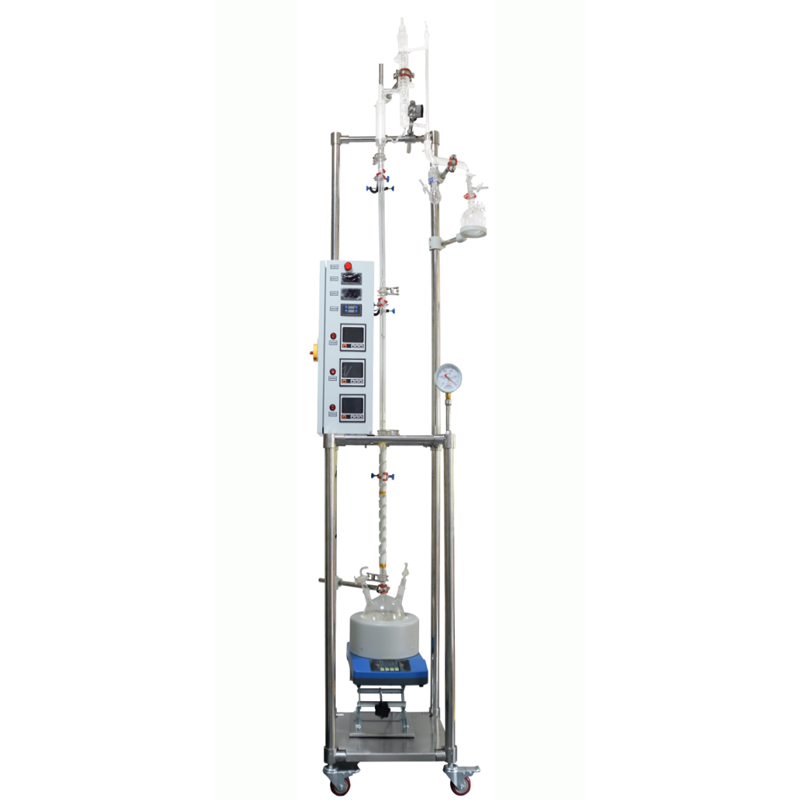
In modern laboratory and industrial settings, the choice of distillation equipment significantly impacts the quality, purity, and efficiency of separation processes. Among the various materials available for distillation apparatus, glass has emerged as the preferred choice for many applications due to its unique combination of chemical inertness, thermal properties, and visual clarity. A glass distillation vessel offers unparalleled advantages that make it indispensable in pharmaceutical research, chemical analysis, essential oil extraction, and educational laboratories worldwide.
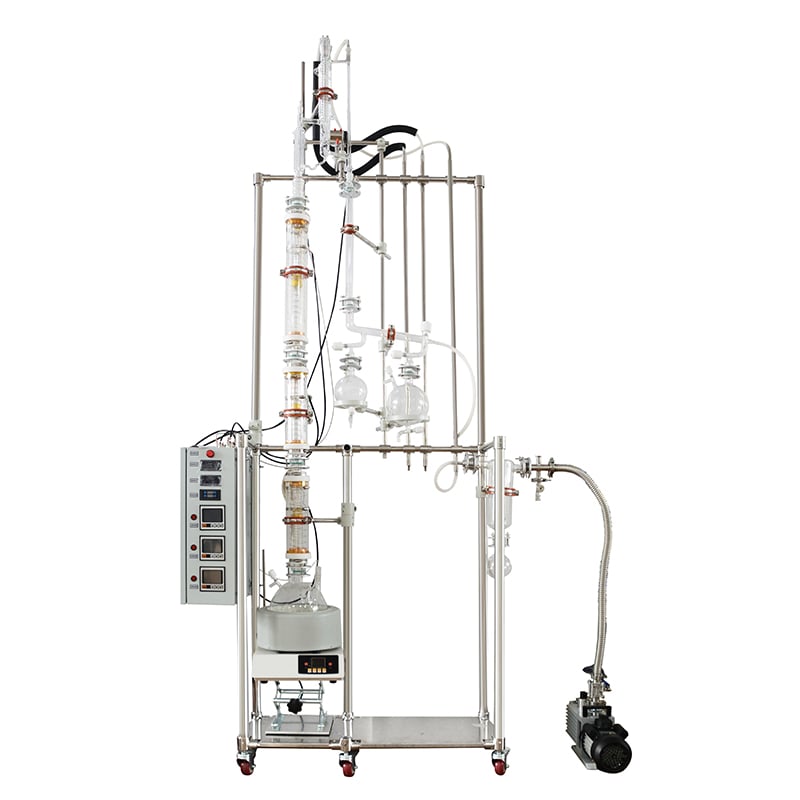
Chemical Resistance and Compatibility
Superior Chemical Inertness
The primary advantage of using a glass distillation vessel lies in its exceptional chemical resistance. Unlike metallic alternatives, glass does not react with most acids, bases, or organic solvents commonly used in distillation processes. This chemical inertness ensures that the vessel will not contaminate the distillate or alter the chemical composition of the substances being processed. Borosilicate glass, in particular, demonstrates remarkable stability when exposed to aggressive chemicals, making it the material of choice for sensitive analytical procedures.
The non-reactive nature of glass distillation vessels becomes especially critical when working with corrosive substances or when producing high-purity compounds for pharmaceutical or analytical applications. The absence of metal ions or other contaminants that could leach from alternative materials ensures that the final product maintains its intended chemical properties and meets strict quality standards required in regulated industries.
Broad Solvent Compatibility
Glass distillation vessels demonstrate excellent compatibility with a wide range of solvents and chemical compounds. From polar solvents like water and alcohols to non-polar organic compounds and even moderately aggressive acids, glass maintains its structural integrity and chemical neutrality. This versatility allows researchers and technicians to use the same equipment for multiple applications without concern for cross-contamination or material degradation.
The compatibility extends to both routine laboratory procedures and specialized applications such as steam distillation of essential oils, vacuum distillation of heat-sensitive compounds, and fractional distillation of complex mixtures. This broad applicability makes investing in high-quality glass distillation vessels a cost-effective decision for facilities that handle diverse chemical processes.
Thermal Properties and Heat Distribution
Excellent Thermal Shock Resistance
Modern glass distillation vessels, particularly those manufactured from borosilicate glass, exhibit superior thermal shock resistance compared to regular soda-lime glass. This property allows the vessel to withstand rapid temperature changes without cracking or breaking, which is essential during startup and shutdown procedures in distillation processes. The low coefficient of thermal expansion in borosilicate glass minimizes stress formation when the vessel is heated or cooled.
The thermal shock resistance of a glass distillation vessel enables operators to implement various heating methods, from gradual temperature ramping to more aggressive heating profiles when time constraints are critical. This flexibility in thermal management contributes to improved process efficiency and reduces the risk of equipment failure during operation.
Uniform Heat Distribution
Glass distillation vessels provide excellent heat distribution characteristics that contribute to more efficient and controlled distillation processes. The thermal conductivity of glass allows for even heat transfer from external heating sources to the liquid contents, reducing the formation of hot spots that could lead to localized overheating or decomposition of sensitive compounds. This uniform heating is particularly important in fractional distillation where precise temperature control is essential for effective separation.
The ability to achieve uniform heating also translates to better control over vapor generation rates and more predictable distillation behavior. This consistency is valuable not only for routine production processes but also for research applications where reproducible results are paramount for data validity and experimental accuracy.
Visibility and Process Monitoring
Complete Visual Access
One of the most significant practical advantages of using a glass distillation vessel is the complete visual access it provides to the distillation process. Operators can continuously monitor the liquid level, observe boiling behavior, detect the formation of different phases, and identify any unusual phenomena that might indicate process deviations or equipment malfunctions. This real-time visual feedback is invaluable for maintaining process control and ensuring product quality.
The transparency of glass enables immediate detection of color changes, precipitation, or foam formation that could affect the distillation outcome. Early identification of these conditions allows for prompt corrective action, potentially preventing batch failures or equipment damage that might occur with opaque vessels where such changes go unnoticed until too late.
Educational and Training Benefits
In educational settings and training programs, the visibility provided by a glass distillation vessel offers unmatched learning opportunities. Students and trainees can observe the fundamental principles of distillation in action, watching as vapors rise, condense, and separate into distinct fractions. This visual learning experience reinforces theoretical concepts and helps develop practical understanding of distillation processes that would be impossible with opaque equipment.
The educational value extends beyond basic demonstrations to advanced applications where students can observe complex phenomena such as azeotropic behavior, entrainment effects, and the impact of different operating conditions on separation efficiency. This hands-on visual experience is essential for developing the troubleshooting skills and process intuition necessary for successful careers in chemical processing industries.
Durability and Maintenance Advantages
Long-Term Structural Integrity
High-quality glass distillation vessels demonstrate remarkable durability when properly handled and maintained. Unlike plastic alternatives that may degrade over time due to chemical exposure or temperature cycling, glass maintains its structural integrity and performance characteristics throughout extended service life. The material does not suffer from stress cracking, chemical degradation, or gradual property changes that can affect distillation performance over time.
The longevity of glass distillation vessels makes them a sound investment for laboratories and production facilities. While the initial cost may be higher than some alternatives, the extended service life and consistent performance offset this investment through reduced replacement costs and maintained process reliability over many years of operation.
Easy Cleaning and Sterilization
Glass distillation vessels offer significant advantages in terms of cleaning and maintenance procedures. The smooth, non-porous surface of glass resists the accumulation of residues and can be thoroughly cleaned using various methods, from simple solvent rinses to aggressive cleaning solutions when necessary. The chemical resistance of glass allows for the use of strong cleaning agents without concern for material damage or contamination.
Sterilization procedures are also simplified with glass distillation vessels. The material can withstand autoclaving, dry heat sterilization, or chemical sterilization methods without degradation. This capability is particularly valuable in pharmaceutical and biotechnology applications where sterility requirements are stringent and contamination prevention is critical for product safety and regulatory compliance.
Economic and Practical Considerations
Cost-Effectiveness Over Time
While glass distillation vessels may require a higher initial investment compared to some alternative materials, their long-term cost-effectiveness becomes apparent through extended service life, reduced maintenance requirements, and consistent performance. The durability of glass eliminates frequent replacement costs and minimizes downtime associated with equipment failures or performance degradation.
The versatility of glass distillation vessels also contributes to their economic value by allowing the same equipment to be used for multiple applications. This multi-purpose capability reduces the need for specialized equipment for different processes, optimizing laboratory space utilization and equipment inventory costs while maintaining high standards of performance across various applications.
Availability and Customization Options
Glass distillation vessels are widely available in numerous configurations, sizes, and specifications to meet diverse application requirements. Standard designs are readily available for common applications, while custom fabrication options allow for specialized configurations when unique process requirements demand non-standard equipment specifications.
The established glass manufacturing industry provides reliable supply chains and technical support for glass distillation vessel users. Replacement parts, modifications, and repairs are generally accessible, ensuring continued operation and minimizing the impact of equipment issues on production schedules or research programs.
Environmental and Safety Benefits
Recyclability and Environmental Impact
Glass distillation vessels offer environmental advantages through their recyclability and sustainable material properties. Unlike many alternative materials, glass can be completely recycled without loss of quality or performance characteristics. This recyclability reduces the environmental impact of laboratory and industrial operations while supporting corporate sustainability initiatives and environmental responsibility goals.
The inert nature of glass also means that disposal of worn or damaged glass distillation vessel components does not contribute to environmental contamination. The material breaks down naturally without releasing harmful substances, making it an environmentally responsible choice for organizations committed to reducing their ecological footprint.
Safety Considerations
Glass distillation vessels contribute to safer laboratory and industrial operations through their predictable behavior and visual accessibility. The transparency allows operators to immediately identify potentially hazardous conditions such as excessive foaming, unexpected reactions, or equipment malfunctions that might pose safety risks.
Modern glass distillation vessel designs incorporate safety features such as reinforced construction, proper joint designs, and compatibility with standard safety equipment. When combined with appropriate handling procedures and safety protocols, glass distillation vessels provide a safe and reliable platform for various distillation applications while maintaining the operational advantages that make glass the preferred choice for critical processes.
FAQ
What makes glass distillation vessels superior to stainless steel alternatives
Glass distillation vessels offer several advantages over stainless steel, including complete chemical inertness that prevents contamination, visual access for process monitoring, and superior resistance to corrosive substances. While stainless steel may be more durable against physical impact, glass provides better chemical compatibility and allows operators to observe the distillation process in real-time, which is crucial for quality control and troubleshooting.
Can glass distillation vessels handle high-pressure applications
Standard glass distillation vessels are typically designed for atmospheric or moderate vacuum conditions rather than high-pressure applications. However, specialized heavy-wall glass vessels can be manufactured for certain pressure applications. For high-pressure distillation processes, it is essential to consult with equipment manufacturers to ensure proper design specifications and safety margins are met for the intended operating conditions.
How do you properly maintain and clean glass distillation vessels
Proper maintenance of glass distillation vessels involves gentle handling to prevent thermal shock, regular cleaning with appropriate solvents or cleaning solutions, and careful inspection for cracks or stress points. Cleaning procedures should match the nature of the substances being processed, ranging from simple water rinses to aggressive cleaning agents for stubborn residues. Always allow gradual cooling after use and avoid sudden temperature changes that could cause thermal stress.
What safety precautions should be taken when using glass distillation vessels
Safety precautions for glass distillation vessel operation include wearing appropriate personal protective equipment, implementing proper handling procedures to prevent breakage, using graduated heating and cooling profiles to avoid thermal shock, and maintaining adequate ventilation for vapor management. Additionally, operators should be trained to recognize signs of stress or damage in glassware and have procedures in place for safe disposal of broken glass components.