energy-saving wiped film evaporator
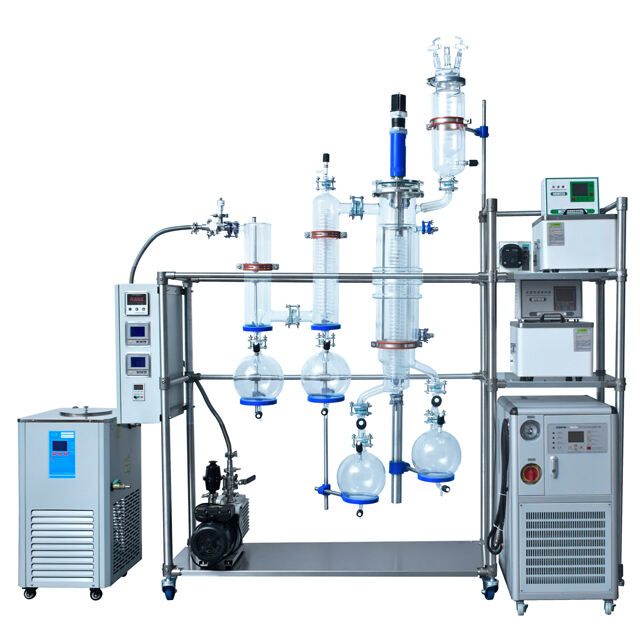
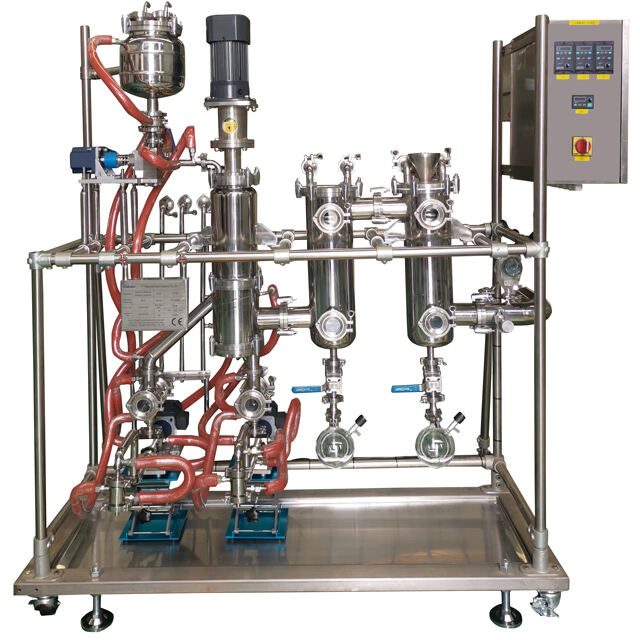
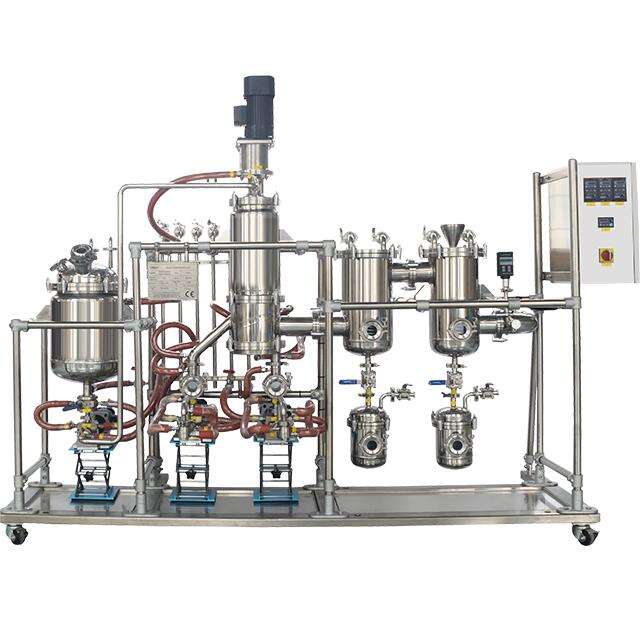
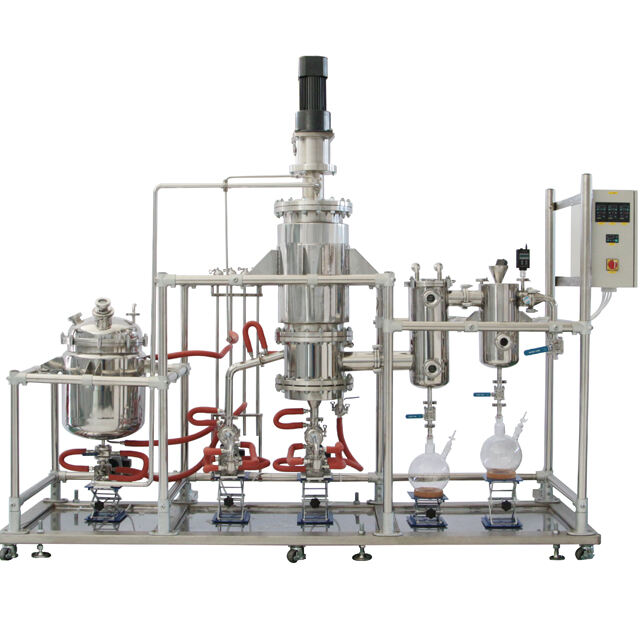
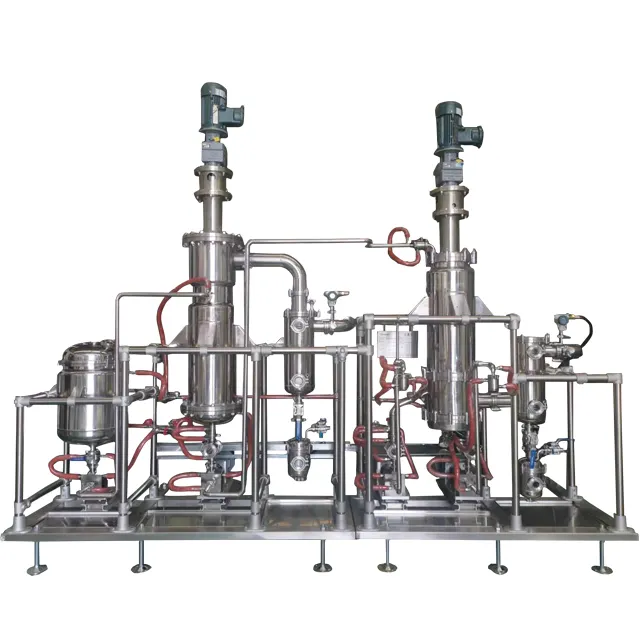
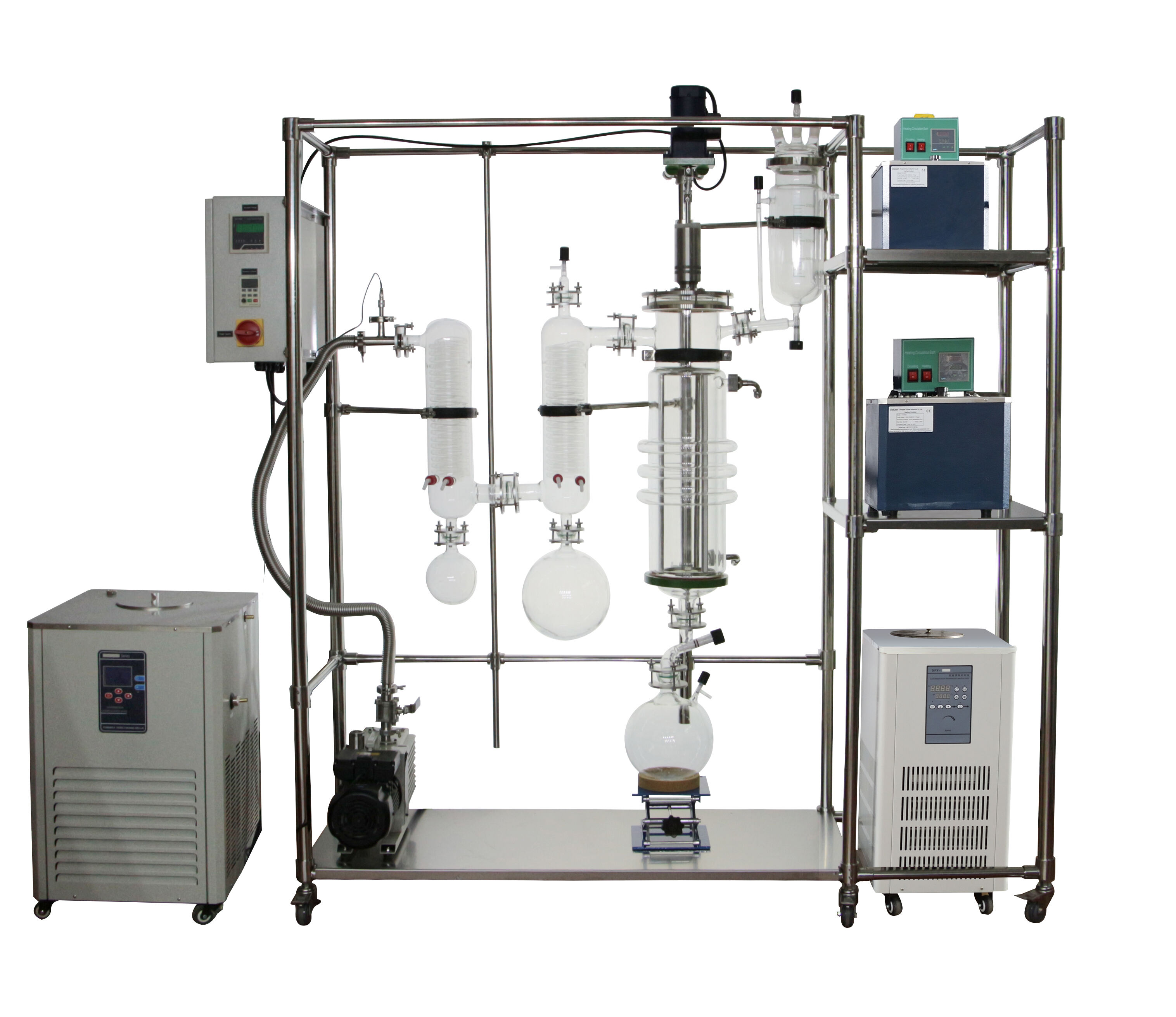
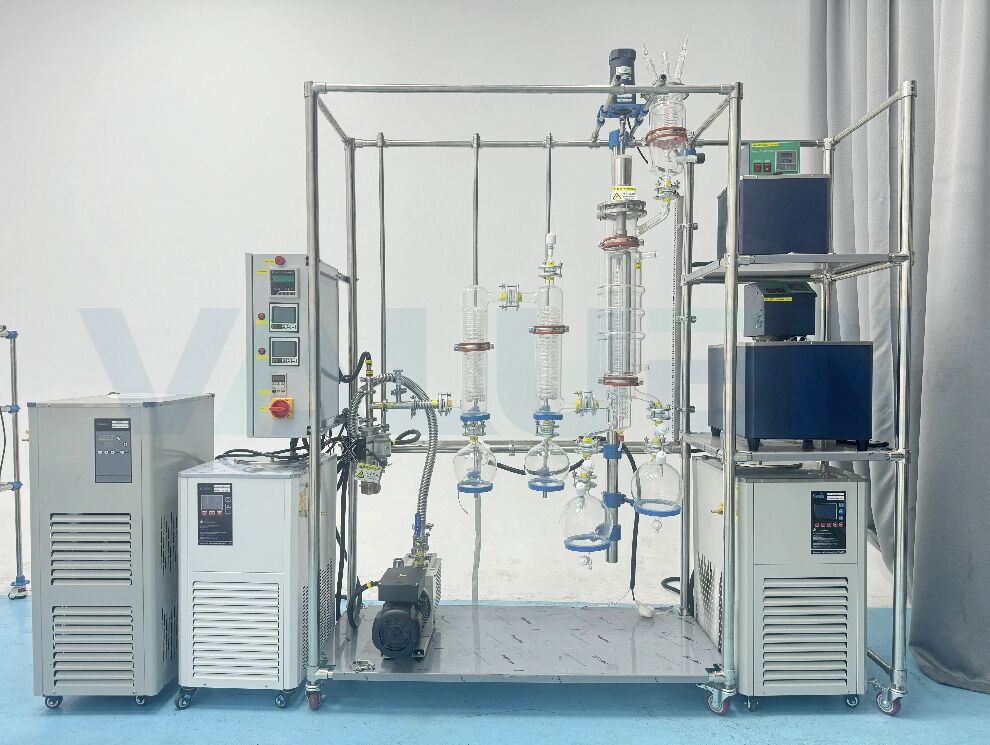
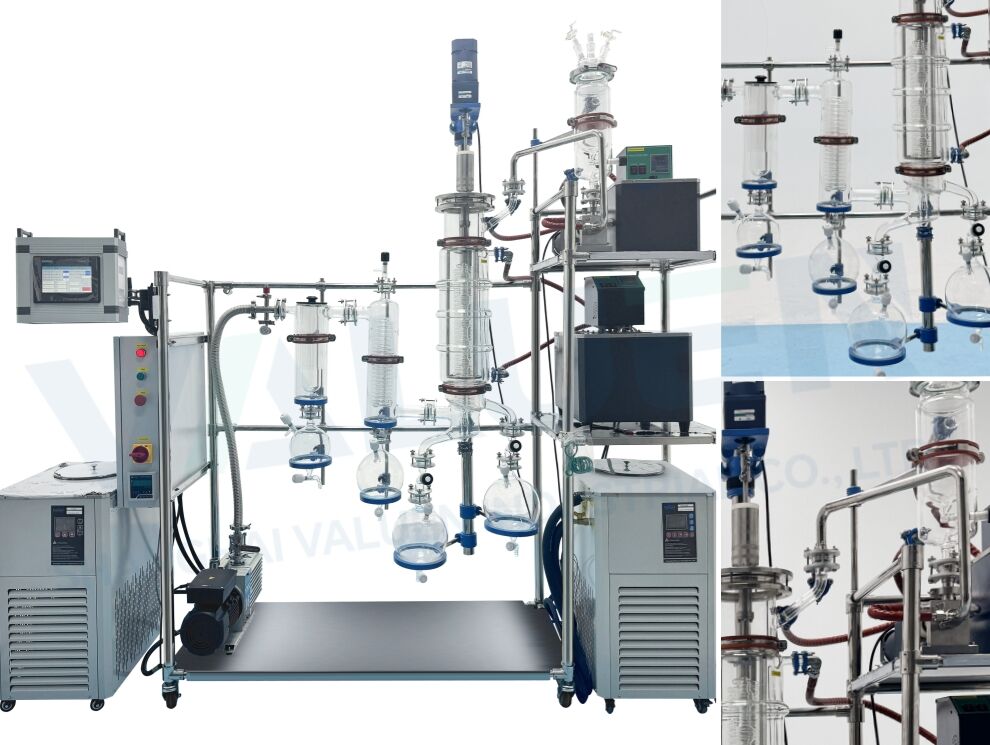
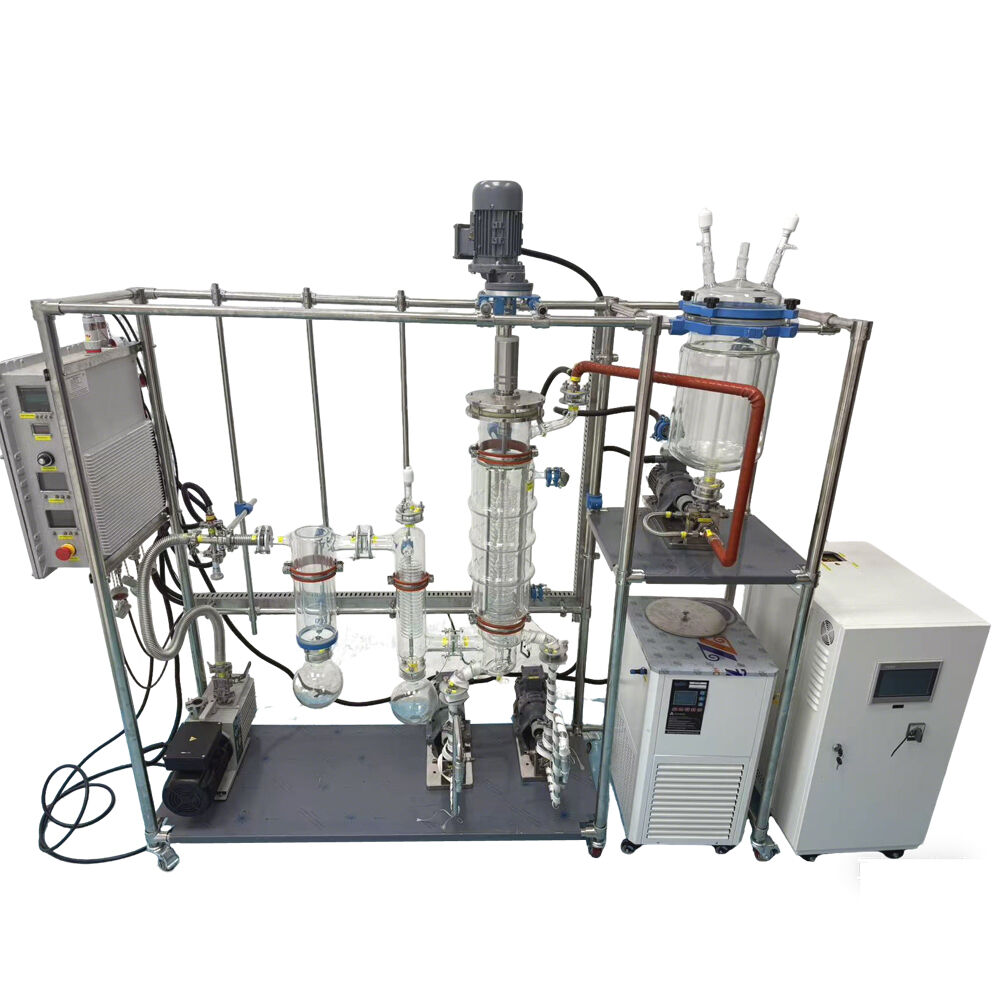
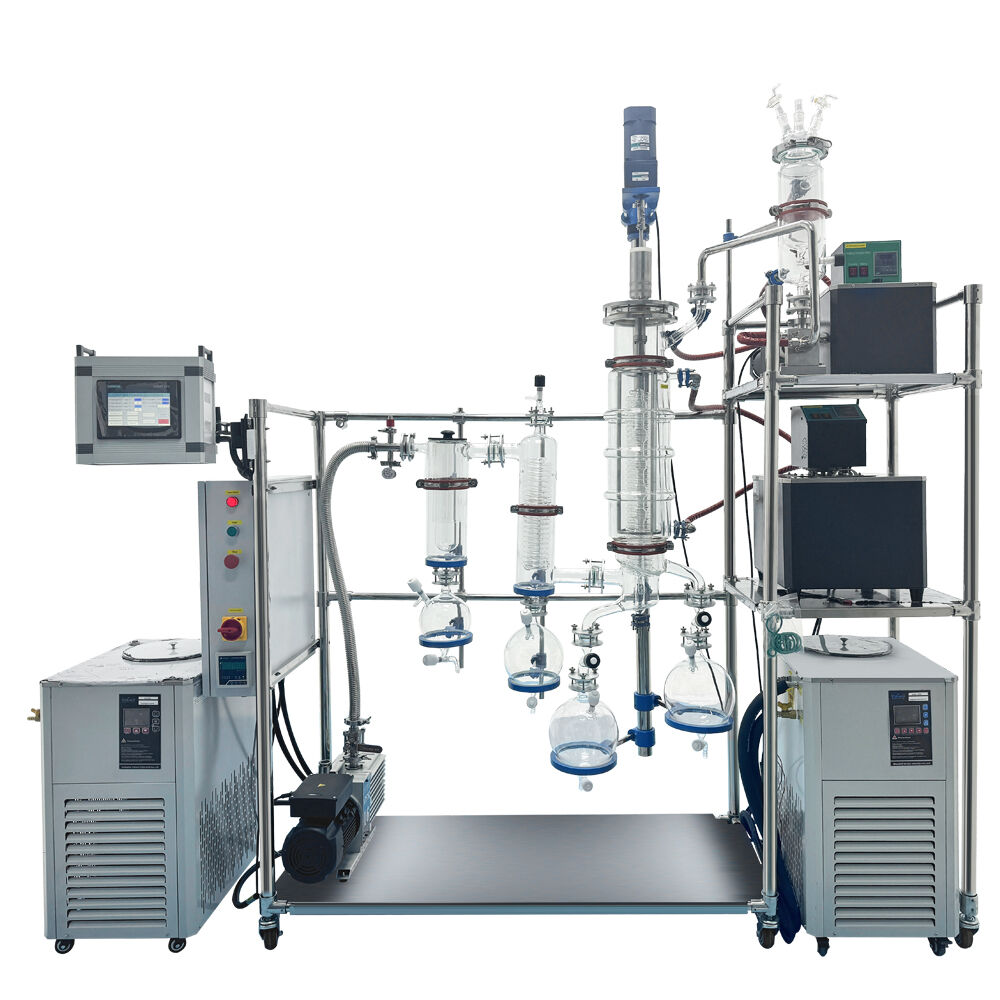
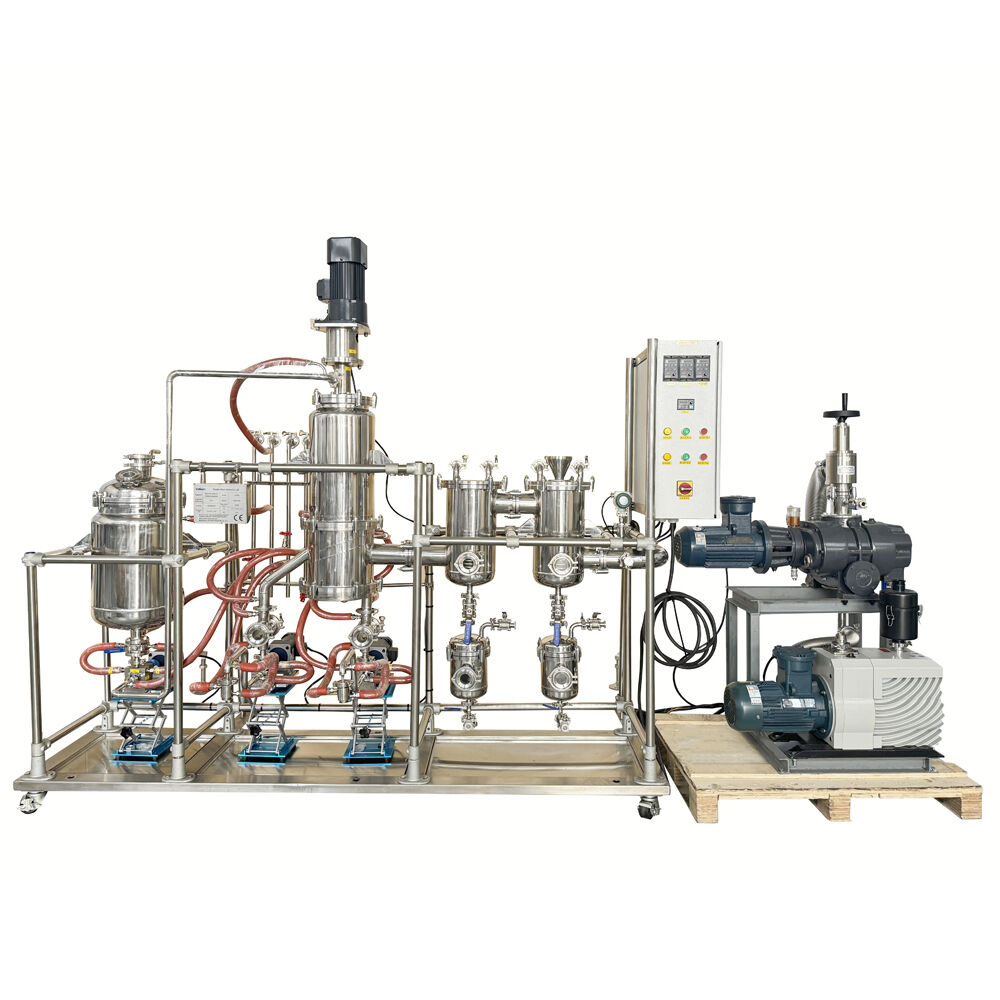
The energy-saving wiped film evaporator represents a revolutionary advancement in industrial separation and concentration technology, designed to optimize thermal efficiency while minimizing operational costs. This sophisticated equipment operates through a unique mechanism where a thin film of liquid material spreads across a heated cylindrical surface, facilitated by mechanical wipers that ensure uniform distribution and continuous renewal of the film layer. The primary function centers on separating volatile components from non-volatile substances through controlled evaporation processes, making it indispensable for industries requiring precise concentration of heat-sensitive materials. The technological framework incorporates advanced heat transfer principles, utilizing a rotating shaft equipped with specially designed wipers that maintain consistent film thickness throughout the evaporation chamber. This design ensures maximum surface area contact between the liquid and heated wall, dramatically improving heat transfer efficiency compared to conventional evaporation methods. The energy-saving wiped film evaporator excels in processing viscous liquids, temperature-sensitive compounds, and materials prone to thermal degradation, characteristics that traditional evaporators struggle to handle effectively. Key applications span pharmaceutical manufacturing, where precise concentration of active ingredients requires gentle processing conditions, chemical production involving complex molecular structures, food processing for creating concentrated extracts and flavoring agents, and waste treatment facilities managing industrial effluents. The equipment demonstrates exceptional versatility in handling materials with varying viscosities, from low-viscosity solvents to high-viscosity polymers, adapting seamlessly to diverse processing requirements. Advanced control systems monitor temperature gradients, pressure differentials, and residence times, ensuring optimal processing conditions for each specific application. The modular construction allows for easy maintenance and component replacement, reducing downtime and operational disruptions. Modern variations incorporate vacuum operation capabilities, enabling processing at lower temperatures and further enhancing energy efficiency while protecting sensitive compounds from thermal damage.
 EN
EN