 EN
EN

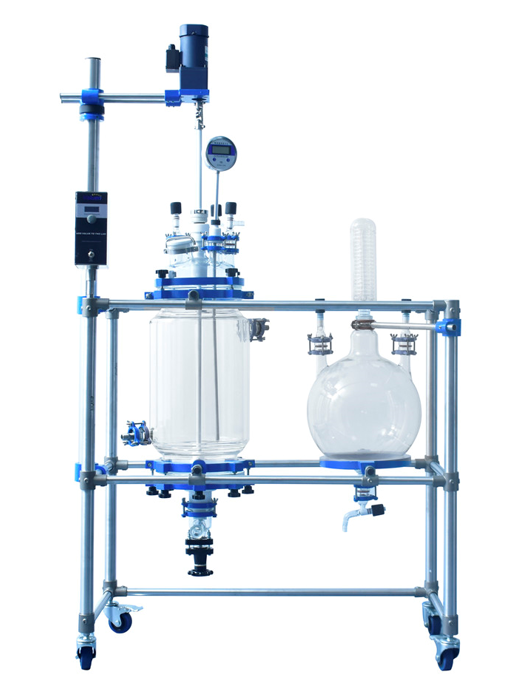
Gdy chodzi o wytwarzanie związków stałych o wysokiej czystości w zastosowaniach farmaceutycznych, chemicznych oraz naukach materiałowych, zdolność do precyzyjnej kontroli procesu krystalizacji ma kluczowe znaczenie. reaktor krystalizacyjny reaktor krystalizacyjny reaktory reaktorów krystalizacyjnych
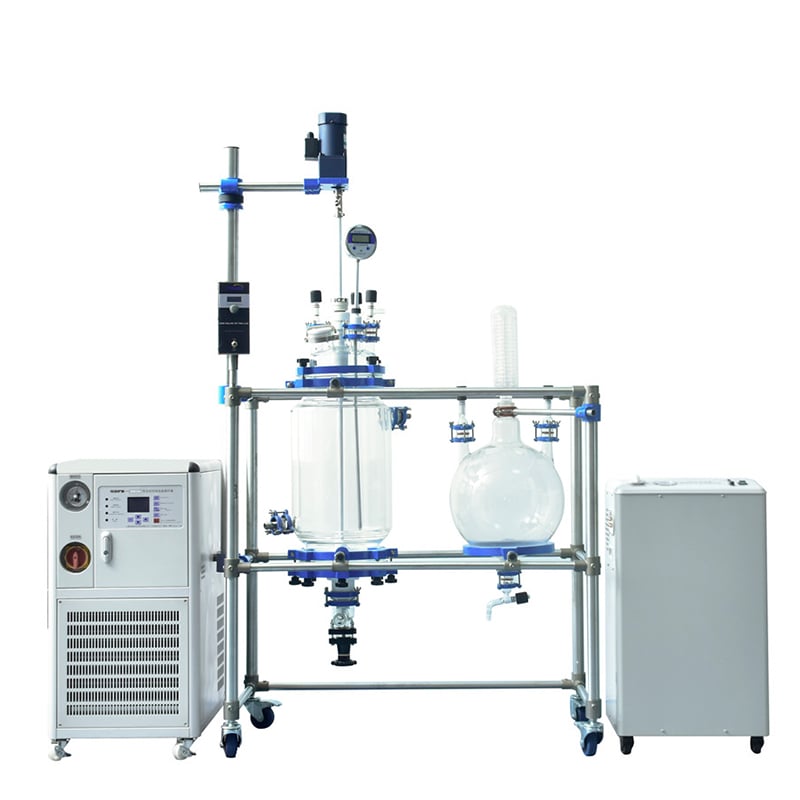
Kontrolowane temperaturowo wzrost kryształów to proces wrażliwy, w którym nawet niewielkie odchylenia w profilu termicznym mogą prowadzić do powstania niepożądanych polimorfów, niestabilnych rozmiarów kryształów lub obniżenia wydajności. Reaktor krystalizacyjny stosowany w takich procesach musi zatem spełniać określony zestaw kryteriów konstrukcyjnych, materiałowych i funkcyjnych. W niniejszym artykule omawiane są szczegółowo te kryteria, pomagając chemikom, inżynierom procesowym oraz specjalistom ds. zakupów zrozumieć, czym różni się sprawdzony reaktor krystalizacyjny od urządzenia, które jedynie przypomina go pod względem formy, lecz nie zapewnia odpowiedniej funkcjonalności.
Rola zarządzania temperaturą we wzroście kryształów
Dlaczego jednolitość temperatury ma znaczenie
Wzrost kryształów jest napędzany termodynamicznie, co oznacza, że szybkość, z jaką cząsteczki opuszczają roztwór i dołączają do rosnącej sieci krystalicznej, jest bezpośrednio uzależniona od gradientów temperatury w środowisku. Gdy temperatura wewnątrz reaktora krystalizacyjnego jest nierównomierna, różne strefy roztworu podlegają różnym poziomom przesyconia. Powoduje to szeroki rozkład wielkości cząstek, co często jest niedopuszczalne w produkcji farmaceutycznej, gdzie morfologia kryształów wpływa bezpośrednio na biodostępność oraz na kolejne etapy przetwarzania.
Dobrze zaprojektowany reaktor krystalizacyjny zapewnia jednolite rozprowadzanie energii cieplnej w całym objętościowym obszarze reakcji. Osiąga się to zazwyczaj poprzez konstrukcję naczynia z płaszczem, w którym płyn przekazujący ciepło krąży wokół zewnętrznej ściany reaktora, utrzymując stały warunek brzegowy dla roztworu znajdującego się w jego wnętrzu. Im bardziej jednolita jest temperatura płaszcza, tym lepiej kontrolowany jest profil nadnasycenia oraz tym bardziej spójny jest uzyskany rozkład wielkości kryształów.
Jednolitość temperatury odgrywa również kluczową rolę podczas operacji wysiewania, w trakcie których wstępnie wytworzone kryształy są wprowadzane do roztworu metastabilnego, aby zainicjować kontrolowany wzrost. Jeśli pole termiczne jest nierównomierne w chwili wysiewania, niektóre kryształy zarodkowe mogą ulec rozpuszczeniu, podczas gdy inne będą rosły bardzo szybko, co całkowicie uniemożliwi osiągnięcie zamierzonego efektu kontrolowanego procesu.
Szybkość chłodzenia i jej wpływ na zarodkowanie
Ponad jednorodność, szybkość zmian temperatury wewnątrz reaktora krystalizacyjnego decyduje o tym, czy dominuje pierwotna nukleacja, czy wtórny wzrost kryształów w procesie krystalizacji. Szybkie chłodzenie przesuwa roztwór głęboko w strefę nadmiernego nasycenia, wywołując gwałtowną falę zdarzeń nukleacji, która prowadzi do powstania wielu małych kryształów. Z kolei powolne, kontrolowane chłodzenie sprzyja wzrostowi istniejących kryształów zamiast tworzeniu się nowych zarodków, co skutkuje uzyskaniem mniejszej liczby, ale większych i bardziej jednorodnych kryształów.
Reaktor krystalizacyjny odpowiedni do wzrostu przy kontrolowanej temperaturze musi zatem umożliwiać programowanie lub precyzyjne dostosowywanie ramp chłodzenia. Wymaga to kompatybilności z zewnętrznymi systemami termostatycznymi lub cyrkulacyjnymi chłodnicami, które mogą realizować zdefiniowany przez użytkownika profil temperatury w czasie. Czas odpowiedzi termicznej reaktora — czyli szybkość, z jaką temperatura roztworu w jego wnętrzu śledzi zmiany temperatury płaszcza — musi być również przewidywalny i odtwarzalny.
W praktyce oznacza to, że ściana reaktora musi charakteryzować się odpowiednią przewodnością cieplną, nie będąc przy tym tak gruba, aby wprowadzać istotne opóźnienie cieplne. Reaktory z obudową szklaną zapewniają w tym zakresie użyteczny kompromis, oferując wystarczającą przewodność cieplną i jednocześnie umożliwiając wizualne monitorowanie procesu krystalizacji w czasie rzeczywistym.
Projekt naczynia z obudową i odpowiedniość materiału
Zalety obudowy szklanej
Spośród dostępnych materiałów do budowy reaktorów krystalizacyjnych borosilikatowe szkło pozostaje najbardziej preferowanym rozwiązaniem w operacjach laboratoryjnych i na skalę pilotażową. Jego obojętność chemiczna oznacza, że nie wchodzi w interakcję z rozpuszczalnikiem ani z substancją rozpuszczoną, co zapewnia zachowanie czystości produktu nawet przy użyciu agresywnych rozpuszczalników lub wrażliwych aktywnych składników farmaceutycznych. Jest to wymóg bezwzględny przy produkcji związków krystalicznych przeznaczonych do spożycia przez ludzi lub jako wzorce odniesienia analitycznego.
Przezroczystość szkła zapewnia również unikalną korzyść operacyjną — widoczność procesu. Operatorzy pracujący z reaktorem krystalizacyjnym ze szkła mogą bezpośrednio obserwować początek nukleacji, monitorować gęstość zawiesiny kryształów oraz wykrywać wszelkie zabrudzenia lub osadzanie się osadów na ścianach naczynia. Ta pętla natychmiastowej informacji zwrotnej ma nieocenioną wartość w fazach opracowywania metody, gdy parametry termiczne są jeszcze optymalizowane.
Sam płaszcz, niezależnie od tego, czy jest jedno- czy dwuścianowy, stanowi podstawowy mechanizm kontroli temperatury. Reaktor krystalizacyjny z podwójnym płaszczem posiada wewnętrzny płaszcz do cyrkulacji cieczy roboczej wymiany ciepła oraz zewnętrzny płaszcz, który może być opróżniony lub wypełniony gazem izolującym w celu zminimalizowania wymiany ciepła z otoczeniem. Taki stopień izolacji termicznej zapewnia, że zaprogramowany przebieg temperatury nie ulega zakłóceniu przez wahania temperatury pomieszczenia.
Ścieżki przepływu cieczy w płaszczu i skuteczność przepływu
Geometria kanału przepływu cieczy w płaszczu wpływa bezpośrednio na skuteczność przenoszenia energii cieplnej do roztworu procesowego lub jej odprowadzania z niego. Reaktor krystalizacyjny z dobrze zaprojektowanym śrubowym lub przegrodowym kanałem przepływu w płaszczu zapewnia jednolite kontaktowanie cieczy grzewczej/chłodzącej ze ścianą zbiornika, zapobiegając powstawaniu obszarów gorących lub zimnych, które naruszyłyby jednorodność temperatury wewnątrz reaktora.
Ilość przepływu przez płaszcz ma również znaczenie. Jeśli przepływająca ciecz porusza się zbyt wolno, ulega ona znacznemu nagrzaniu lub ochłodzeniu pomiędzy wlotem a wylotem, co powoduje powstanie gradientu temperatury wzdłuż ściany reaktora. Poprawny projekt reaktora krystalizacyjnego uwzględnia ten fakt poprzez określenie zalecanych minimalnych i maksymalnych wartości przepływu dla obwodu płaszcza, często w połączeniu z wydajnością zewnętrznego urządzenia do sterowania temperaturą.
W systemach zintegrowanych reaktor krystalizacyjny jest bezpośrednio podłączony do chłodnicy cyrkulacyjnej lub kąpieli grzejnej, która utrzymuje temperaturę zadaną (ustaloną), jednocześnie stale cyrkulując ciecz przez płaszcz otaczający reaktor. Dokładność tej zewnętrznej jednostki w połączeniu z wydajnością cieplną płaszcza określa ogólną rozdzielczość kontroli temperatury osiągalną w trakcie procesu krystalizacji.
Systemy mieszania i ich wpływ na wzrost kryształów
Intensywność mieszania oraz jej związek z przesyceńiem
Mieszanie w reaktorze krystalizacyjnym pełni wiele funkcji: zapewnia jednorodne pole stężenia, zapobiega osiadaniu kryształów, sprzyja przenoszeniu masy z roztworu objętościowego na powierzchnię kryształów oraz wspomaga równomierne rozprowadzanie energii cieplnej. Jednak mieszanie wprowadza również energię mechaniczną, która może powodować pękanie rosnących kryształów, generując jądra wtórne i poszerzając rozkład wielkości cząstek.
W procesach wzrostu kontrolowanych temperaturowo system mieszania musi być starannie skalibrowany. Konstrukcje mieszadeł o niskim ścinaniu, takie jak mieszadła kotwiczne lub łopatkowe, są zazwyczaj preferowane w stosunku do szybkobieżnych turbin, ponieważ zapewniają wystarczające wymieszanie bez generowania stref turbulencji, które niszczą delikatne kryształy. Możliwość niezależnego i ciągłego regulowania prędkości mieszania jest kluczową cechą reaktora krystalizacyjnego przeznaczonego do zastosowań wymagających kontrolowanego wzrostu.
Wzajemne oddziaływanie pomiędzy profilem temperatury a prędkością mieszania ma szczególne znaczenie w wczesnych etapach krystalizacji, gdy wprowadzane są pierwsze kryształy zarodkowe. Delikatne mieszanie na tym etapie umożliwia jednorodne rozproszenie zarodków bez ich uszkodzenia, podczas gdy kontrolowany proces chłodzenia sprzyja osadzaniu się cząsteczek na powierzchni zarodków zamiast tworzeniu się nowych zarodków w objętości roztworu.
Mieszadła kotwiczne i łopatkowe w zastosowaniach krystalizacyjnych
Mieszadła kotwiczne są powszechnie wybierane w projektach reaktorów szklanych do krystalizacji, ponieważ ich konstrukcja z małą szczeliną między łopatkami a ścianą zbiornika zapewnia ciągłe oczyszczanie powierzchni wewnętrznej zbiornika, co zmniejsza tendencję do przywierania kryształów i ich wzrostu w postaci skorupki na jego wewnętrznej powierzchni. Powstawanie skorupki na ścianie zbiornika nie tylko obniża wydajność procesu, ale także zakłóca wymianę ciepła pomiędzy płaszczem a roztworem, prowadząc stopniowo do pogorszenia się dokładności regulacji temperatury w miarę grubienia się skorupki.
Mieszadła łopatkowe oferują nieco inną równowagę, zapewniając intensywniejsze mieszanie objętościowe przy umiarkowanych prędkościach końcówek łopatek. Są one dobrze dopasowane do procesów, w których zawiesina kryształów musi pozostawać zawieszona przez cały cykl wzrostu bez wywierania nadmiernego naprężenia ścinającego. W połączeniu z silnikami napędowymi o regulowanej prędkości obrotowej systemy reaktorów krystalizacyjnych wyposażone w mieszadła łopatkowe mogą dostosowywać intensywność mieszania w miarę wzrostu gęstości zawiesiny w czasie, zapewniając stałą zawiesinę bez zwiększania ryzyka erozji kryształów.
Uszczelnienie mechaniczne i zespół łożysk na wałku mieszadła muszą być również zgodne z rozpuszczalnikami stosowanymi w reaktorze krystalizacyjnym. Uszczelnienia wykonane z odpornego na rozpuszczalniki PTFE lub chemicznie obojętnych elastomerów są standardem w systemach przeznaczonych do krystalizacji klasy farmaceutycznej, ponieważ jakakolwiek kontaminacja wynikająca z degradacji uszczelnień mogłaby naruszyć jakość produktu oraz zgodność z przepisami regulacyjnymi.
Integracja filtracji i wydajność procesów wtórnych
Możliwości filtracji in situ
Jedną z najważniejszych praktycznych cech reaktora krystalizacyjnego o wysokiej wydajności jest integracja funkcji filtracji bezpośrednio w zbiorniku reaktora. Zamiast przesyłać zawiesinę kryształów do osobnego urządzenia filtracyjnego po zakończeniu krystalizacji — czynność ta niesie ryzyko uszkodzenia kryształów, niestabilności temperatury oraz utraty produktu — zintegrowana podstawa filtracyjna umożliwia odprowadzenie macierzystego roztworu bezpośrednio przez filtr spiekany lub szklany bez zakłócania warstwy kryształów.
Ta cecha projektowa jest szczególnie wartościowa w procesach wzrostu kontrolowanych pod względem temperatury, w których kryształy muszą pozostawać w określonej temperaturze podczas filtracji, aby zapobiec ich rozpuszczaniu się lub przemianie fazowej. Reaktor krystalizacyjny z wbudowanym dnem filtracyjnym umożliwia utrzymanie temperatury płaszcza w całym czasie etapu separacji, zapewniając spójne warunki termiczne od zakończenia wzrostu po ostateczne wyodrębnienie.
W produkcji farmaceutycznej i chemicznych produktów wysokiej czystości ta możliwość upraszcza również walidację czyszczenia oraz zmniejsza liczbę etapów przenoszenia w ciągu technologicznym — oba te aspekty mają bezpośrednie konsekwencje regulacyjne i kosztowe. Reaktor krystalizacyjny łączący w jednym zbiorniku proces wzrostu i filtracji nie jest więc jedynie wygodnym rozwiązaniem — stanowi strategiczną zaletę.
Wybór medium filtracyjnego oraz uwzględnienie wielkości porów
Skuteczność filtracji w miejscu w reaktorze krystalizacyjnym zależy w dużej mierze od wyboru materiału filtrującego. Spiekane szklane sita są najczęściej stosowanym rozwiązaniem w szklanych systemach reaktorowych, zapewniając odporność chemiczną, dobrze zdefiniowane rozkłady wielkości porów oraz możliwość czyszczenia zgodnie ze standardowymi protokołami. Wielkość porów musi być dopasowana do oczekiwanego zakresu wielkości kryształów — jeśli jest zbyt duża, drobne frakcje przechodzą przez filtr, a jeśli jest zbyt mała, filtr szybko ulega zatkanie, co wymaga zastosowania różnicy ciśnień, która może uszkodzić delikatne kryształy.
W procesach krystalizacji, w których wielkość docelowych kryształów jest ściśle określona, wybór materiału filtrującego dokonywany jest równolegle z projektowaniem programu temperaturowego. Grubsze produkty krystaliczne powstające w wyniku powolnego, kontrolowanego temperaturowo wzrostu mogą zwykle tolerować grubsze materiały filtrujące, podczas gdy procesy uzyskiwania drobnych kryształów wymagają sit o mniejszych porach w połączeniu z ostrożnym sterowaniem różnicą ciśnień (podciśnieniem lub nadciśnieniem), aby uniknąć zagęszczenia warstwy osadu na filtrze.
Niektóre konfiguracje reaktorów krystalizacyjnych zawierają wymienne wkłady filtracyjne, umożliwiając operatorom wymianę nośnika między kolejnymi cyklami bez konieczności zastępowania całej dolnej części zespołu. Ta elastyczność jest szczególnie przydatna w środowiskach produkcji kontraktowej, gdzie ten sam system reaktora musi służyć do wytwarzania wielu różnych produktów o różniących się docelowych rozmiarach kryształów.
Integracja monitorowania i sterowania procesem
Czujniki temperatury i pętle sprzężenia zwrotnego
Reaktor krystalizacyjny nie może zapewnić precyzyjnego wzrostu przy kontrolowanej temperaturze bez niezawodnych, prawidłowo rozmieszczonych czujników. Zanurzeniowe czujniki temperatury umieszczone bezpośrednio w roztworze procesowym zapewniają najdokładniejsze odzwierciedlenie stanu termicznego na granicy wzrostu kryształu. Są to zazwyczaj czujniki typu PT100 lub termopary połączone z cyfrowym sterownikiem, który steruje zewnętrznym urządzeniem termicznym na podstawie danych sprzężenia zwrotnego w czasie rzeczywistym.
Położenie czujnika temperatury wewnątrz reaktora krystalizacyjnego ma istotne znaczenie. Czujnik umieszczony zbyt blisko ścianki płaszcza może mierzyć temperaturę cieczy w płaszczu zamiast temperatury objętościowej roztworu, co prowadzi do błędów systematycznych w sterowaniu temperaturą. Poprawnie umieszczone czujniki mierzą rzeczywistą temperaturę procesu w środku lub na średniej wysokości naczynia, gdzie średnie warunki termiczne krystalizującego roztworu są najdokładniej reprezentowane.
Współczesne systemy reaktorów krystalizacyjnych często obsługują konfiguracje z dwoma czujnikami — jeden w obwodzie płaszcza, a drugi w roztworze procesowym — umożliwiając regulatorowi jednoczesne monitorowanie obu sygnałów i dynamiczne dostosowywanie zadanej temperatury płaszcza w celu osiągnięcia pożądanej szybkości zmiany temperatury procesu. Takie podejście w pętli zamkniętej stanowi podstawę powtarzalnych protokołów krystalizacji, które można łatwo przenosić między różnymi metodami.
Zgodność z narzędziami PAT
Technologia analityczna procesowa (ang. Process Analytical Technology, PAT) staje się coraz ważniejsza w krystalizacji farmaceutycznej, ponieważ umożliwia monitorowanie w czasie rzeczywistym wielkości kryształów, postaci polimorficznej oraz stężenia roztworu, co pozwala na dynamiczne sterowanie reaktorem krystalizacyjnym bez konieczności polegania wyłącznie na wcześniejszo zdefiniowanych programach temperaturowych. Takie narzędzia jak pomiar odbicia skupionej wiązki (FBRM), spektroskopia Ramana oraz sondy podczerwieni z całkowitą wewnętrzną refleksją (ATR) mogą być wprowadzane przez standardowe otwory w reaktorze krystalizacyjnym, zapewniając ciągłe dane dotyczące przebiegu procesu.
Reaktor krystalizacyjny zaprojektowany do kontrolowanego temperaturowo wzrostu kryształów powinien zatem posiadać odpowiednią konfigurację otworów — boczne otwory o odpowiedniej wielkości i orientacji, pozwalające na zamontowanie zestawów sond PAT bez tworzenia stref martwych lub zakłócania środowiska termicznego wewnątrz naczynia. Liczba i rozmieszczenie tych otworów odzwierciedlają zrozumienie przez producenta sposobu wykorzystania reaktora w zaawansowanych ujęciach rozwoju procesów.
Gdy dane PAT są połączone z automatycznym systemem sterowania zwrotnego, reaktor krystalizacyjny staje się efektywnie samoregulującym się środowiskiem wzrostu. Odchylenia od docelowej dystrybucji rozmiarów kryształów lub profilu stężenia substancji rozpuszczonej wyzwalają automatyczne korekty programu temperaturowego, umożliwiając systemowi kompensację zmienności właściwości surowców między partiami bez konieczności interwencji operatora.
Często zadawane pytania
Jaka jest główna funkcja płaszcza w reaktorze krystalizacyjnym?
Płaszcz w reaktorze krystalizacyjnym pełni rolę interfejsu zarządzania ciepłem pomiędzy zewnętrznym urządzeniem regulacji temperatury a roztworem procesowym wewnątrz naczynia. Poprzez cyrkulację cieczy grzewczo-chłodzącej — zwykle wody, glikolu lub oleju krzemowego — w przestrzeni płaszcza operatorzy mogą podnosić lub obniżać temperaturę roztworu w kontrolowany sposób. Jest to podstawowy mechanizm sterujący zmianami nadnasycenia oraz, w konsekwencji, zarodkowaniem i wzrostem kryształów w reaktorze.
W jaki sposób prędkość mieszania wpływa na jakość kryształów w reaktorze krystalizacyjnym?
Prędkość mieszania ma bezpośredni wpływ zarówno na jednorodność mieszania, jak i na naprężenia mechaniczne działające na rosnące kryształy wewnątrz reaktora krystalizacyjnego. Zbyt wysoka prędkość mieszania generuje turbulencyjne siły ścinające, które niszczą kryształy i powodują powstawanie wtórnych zarodków, co prowadzi do szerokiego rozkładu wielkości kryształów. Zbyt niska prędkość powoduje słabe zawieszenie kryształów oraz lokalne gradienty stężenia. Optymalna prędkość mieszania dla kontrolowanego temperaturowo wzrostu to zazwyczaj minimalna wartość zapewniająca pełne zawieszenie kryształów oraz wystarczające rozprowadzenie ciepła bez nadmiernego zużycia kryształów.
Czy reaktor krystalizacyjny może być stosowany zarówno do krystalizacji przez ochłodzenie, jak i do krystalizacji za pomocą przeciwrozpuszczalnika?
Tak, dobrze zaprojektowany reaktor krystalizacyjny z obudową regulującą temperaturę oraz odpowiednio dobranymi konfiguracjami otworów wlotowych i wylotowych może służyć zarówno do krystalizacji przez ochłodzenie, jak i do krystalizacji za pomocą przeciwrozpuszczalnika. W krystalizacji przez ochłodzenie obudowa generuje przesycone roztwory poprzez obniżanie temperatury. W krystalizacji za pomocą przeciwrozpuszczalnika mieszalny niemieszalny z rozpuszczalnikiem przeciwrozpuszczalnik jest dodawany w sposób kontrolowany przez otwór wlotowy, podczas gdy obudowa utrzymuje stałą temperaturę, aby umiarkować proces zarodkowania. Wiele laboratoryjnych i półprzemysłowych systemów reaktorów krystalizacyjnych zaprojektowano z myślą o elastyczności umożliwiającej stosowanie obu metod dzięki odpowiednim konfiguracjom otworów oraz kompatybilnym materiałom konstrukcyjnym.
Dlaczego szkło jest preferowane w stosunku do stali nierdzewnej w przypadku laboratoryjnych reaktorów krystalizacyjnych?
Szkło jest preferowane w zastosowaniach reaktorów krystalizacyjnych na skalę laboratoryjną głównie ze względu na jego obojętność chemiczną i przeźroczystość optyczną. W przeciwieństwie do stali nierdzewnej szkło nie reaguje z roztworem procesowym ani go nie zanieczyszcza, co ma kluczowe znaczenie przy pracy z substancjami farmaceutycznymi, gdzie niedopuszczalne jest nawet śladowe zanieczyszczenie metalami. Przeźroczystość szkła pozwala operatorom obserwować moment rozpoczęcia zarodzeniowania, monitorować wzrost kryształów oraz wykrywać zabrudzenia w czasie rzeczywistym — możliwości te są niemożliwe do zrealizowania w nieprzezroczystych naczyniach metalowych. Szkło ułatwia również walidację czystości powierzchni, ponieważ stan czystości powierzchni można zweryfikować wizualnie po każdej partii.
Spis treści
- Rola zarządzania temperaturą we wzroście kryształów
- Projekt naczynia z obudową i odpowiedniość materiału
- Systemy mieszania i ich wpływ na wzrost kryształów
- Integracja filtracji i wydajność procesów wtórnych
- Integracja monitorowania i sterowania procesem
-
Często zadawane pytania
- Jaka jest główna funkcja płaszcza w reaktorze krystalizacyjnym?
- W jaki sposób prędkość mieszania wpływa na jakość kryształów w reaktorze krystalizacyjnym?
- Czy reaktor krystalizacyjny może być stosowany zarówno do krystalizacji przez ochłodzenie, jak i do krystalizacji za pomocą przeciwrozpuszczalnika?
- Dlaczego szkło jest preferowane w stosunku do stali nierdzewnej w przypadku laboratoryjnych reaktorów krystalizacyjnych?