 EN
EN

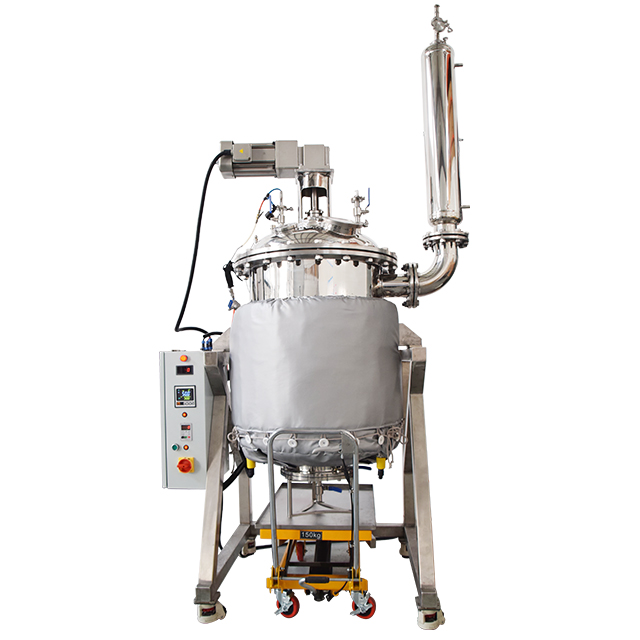
Modern extraction reactors have transformed industrial separation and purification processes across multiple sectors, offering precision, efficiency, and scalability that traditional methods cannot match. Understanding which applications derive the greatest value from an extraction reactor requires examining the specific technical demands, operational constraints, and economic drivers that define each industrial use case. These sophisticated vessels enable controlled liquid-liquid extraction, solid-liquid extraction, and complex multi-phase separation processes under precise temperature and pressure conditions, making them indispensable tools in industries where purity, yield, and process consistency directly impact product quality and profitability.
The question of which applications benefit most from extraction reactor technology is not simply about identifying industries that use extraction processes—it requires analyzing the specific operational characteristics that make modern reactor designs particularly advantageous. Applications involving thermally sensitive compounds, hazardous solvents, high-value target molecules, or stringent regulatory compliance requirements represent ideal use cases where the advanced capabilities of a modern extraction reactor deliver measurable competitive advantages. This article examines the industrial applications where extraction reactors provide the greatest operational, economic, and technical benefits, helping procurement professionals and process engineers make informed equipment investment decisions.
Pharmaceutical and Nutraceutical Manufacturing
Active Pharmaceutical Ingredient Extraction
Pharmaceutical manufacturing represents one of the most demanding application environments for extraction reactor technology, where product purity requirements often exceed 99.5% and regulatory compliance standards govern every aspect of process design. The extraction of active pharmaceutical ingredients from botanical sources, fermentation broths, or synthetic reaction mixtures requires precise control over temperature, pressure, solvent composition, and residence time—capabilities that define modern extraction reactor systems. These vessels enable pharmaceutical manufacturers to achieve consistent extraction yields while minimizing degradation of heat-sensitive compounds and preventing contamination from equipment surfaces or processing environments.
The economic value proposition in pharmaceutical applications stems from the high market value of purified active ingredients, where even marginal improvements in yield or purity translate directly into substantial revenue gains. An extraction reactor designed for pharmaceutical use typically features jacketed construction for accurate temperature control, polished interior surfaces to prevent product adhesion, and compatibility with aggressive cleaning protocols required for GMP compliance. The ability to operate under inert atmospheres prevents oxidation of sensitive molecules, while programmable agitation systems ensure uniform solvent distribution without mechanical shear that could damage delicate molecular structures.
Botanical Extract Production
Nutraceutical manufacturers producing botanical extracts for dietary supplements face unique challenges that make modern extraction reactor technology particularly valuable. These applications typically involve extracting specific phytochemical compounds—such as polyphenols, alkaloids, terpenes, or glycosides—from plant materials while avoiding co-extraction of undesirable components like chlorophyll, waxes, or tannins. The extraction reactor provides the controlled environment necessary to optimize selectivity through precise manipulation of solvent polarity, extraction temperature, and processing time, resulting in higher-quality extracts with superior bioavailability and stability.
Market demand for standardized botanical extracts with consistent potency has driven nutraceutical manufacturers toward equipment that delivers reproducible results across production batches. The extraction reactor addresses this need through automated process control systems that maintain identical extraction parameters regardless of raw material variability or operator differences. For high-value botanical extracts such as curcumin, resveratrol, or cannabinoids, the superior yield efficiency and reduced solvent consumption of modern reactor designs provide rapid return on investment while supporting sustainable manufacturing practices that increasingly influence purchasing decisions in consumer health markets.
Chemical Process Industry Applications
Specialty Chemical Purification
Specialty chemical manufacturers utilize extraction reactors to purify intermediate compounds, remove catalyst residues, and separate isomers or homologs that cannot be effectively separated through distillation alone. These applications benefit from extraction reactor technology when dealing with compounds that have close boiling points, form azeotropes, or undergo thermal decomposition at temperatures required for distillation. The extraction reactor enables selective separation based on differential solubility in carefully chosen solvent systems, often achieving purification targets that would be technically impossible or economically prohibitive using alternative separation methods.
The versatility of modern extraction reactor designs proves particularly valuable in specialty chemical production, where manufacturers frequently switch between different products or modify processes to accommodate custom synthesis requirements. A well-designed Extraction Reactor features quick-change internals, multiple solvent inlet ports, and materials of construction that resist corrosion from diverse chemical environments, enabling rapid changeover between production campaigns. This operational flexibility reduces downtime and capital equipment requirements compared to dedicated single-purpose extraction systems, making it possible for mid-sized chemical manufacturers to compete effectively in markets demanding both product diversity and competitive pricing.
Environmental Remediation and Waste Processing
Environmental applications involving the extraction and recovery of valuable materials from waste streams or contaminated matrices represent a growing application area where extraction reactor technology delivers both economic and ecological benefits. Industrial waste processing operations use extraction reactors to recover heavy metals from electronic waste, separate organic pollutants from contaminated soil, or extract recyclable components from complex waste mixtures. These applications require robust equipment capable of handling abrasive particles, corrosive leachates, and variable feedstock compositions while maintaining extraction efficiency and minimizing secondary waste generation.
The closed-system design of modern extraction reactors provides critical safety advantages when processing hazardous waste materials, preventing operator exposure to toxic compounds and containing volatile organic emissions that would otherwise require expensive vapor control systems. Regulatory compliance in waste processing increasingly demands documented process control and traceability, capabilities that automated extraction reactor systems provide through integrated monitoring and data logging. As circular economy principles drive greater emphasis on material recovery and waste valorization, extraction reactor technology enables economically viable processing of waste streams that previously had negative disposal costs, transforming environmental liabilities into potential revenue sources.
Food and Beverage Industry Use Cases
Natural Flavor and Fragrance Extraction
Food manufacturers and flavor houses depend on extraction reactor technology to produce natural flavor extracts, essential oils, and aromatic compounds that meet both regulatory definitions for natural ingredients and consumer expectations for authentic taste profiles. Traditional extraction methods often produce extracts with off-notes, oxidation artifacts, or thermal degradation products that limit their application in premium food formulations. The extraction reactor addresses these quality challenges through precise temperature control that preserves volatile aroma compounds, inert atmosphere processing that prevents oxidation, and optimized solvent-to-feed ratios that maximize extraction efficiency while minimizing processing time.
Economic drivers in flavor extraction applications center on maximizing the yield of high-value aromatic compounds while maintaining the complex sensory profiles that distinguish natural extracts from synthetic alternatives. An extraction reactor designed for flavor applications typically incorporates features such as vacuum distillation capability for solvent recovery, multiple temperature zones for sequential extraction of different compound classes, and sanitary design elements that prevent microbial contamination. The ability to process small batches with consistent quality enables flavor manufacturers to offer diverse product portfolios without the capital investment required for multiple dedicated extraction systems, supporting market responsiveness and product innovation.
Functional Food Ingredient Production
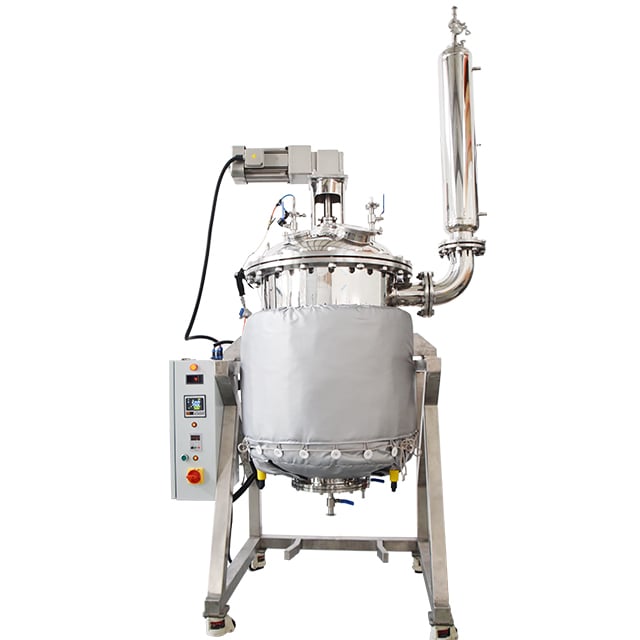
The production of functional food ingredients—including omega-3 concentrates, protein hydrolysates, dietary fiber extracts, and bioactive peptides—relies heavily on extraction reactor technology to achieve the concentration levels and purity standards required for health claim substantiation. These applications demand equipment capable of operating with food-grade solvents or water under conditions that preserve the biological activity and nutritional value of target compounds. The extraction reactor enables manufacturers to optimize extraction parameters for maximum recovery of bioactive components while removing anti-nutritional factors, allergens, or compounds that negatively impact taste, texture, or shelf stability in finished food products.
Regulatory compliance requirements for food ingredient manufacturing make the documented process control capabilities of modern extraction reactors particularly valuable, as manufacturers must demonstrate consistent composition and safety across production lots to maintain regulatory approval and customer certifications. The extraction reactor supports these requirements through automated parameter monitoring, batch record generation, and validation protocols that satisfy both food safety regulations and quality management system audits. As functional food markets grow globally, manufacturers investing in advanced extraction reactor systems gain competitive advantages through superior ingredient quality, process efficiency, and the ability to develop proprietary extraction methods that create defensible product differentiation.
Emerging Applications in Biotechnology and Green Chemistry
Biopharmaceutical Downstream Processing
Biotechnology companies producing therapeutic proteins, monoclonal antibodies, and cell-based therapies increasingly utilize extraction reactor technology in downstream purification processes where traditional methods prove inadequate for separating complex biological molecules. The extraction reactor facilitates aqueous two-phase extraction, reverse micellar extraction, and ionic liquid-based separation techniques that can selectively isolate target biomolecules from cell culture supernatants or cell lysates while maintaining protein structure and biological activity. These advanced separation methods offer alternatives to chromatography-based purification that can be more scalable and cost-effective for large-volume biologics production.
The technical demands of biopharmaceutical processing require extraction reactor designs that accommodate sterile operation, temperature-sensitive biological materials, and validation requirements that exceed those in traditional chemical processing. Modern extraction reactors serving this application space feature clean-in-place systems, steam sterilization capability, and materials that prevent protein adsorption to vessel surfaces. As biologics manufacturing scales up to meet growing therapeutic demand, extraction reactor technology provides process intensification opportunities that reduce facility footprint, decrease processing time, and lower manufacturing costs compared to conventional multi-step purification sequences.
Sustainable Solvent Extraction Systems
Green chemistry initiatives and sustainability mandates are driving adoption of extraction reactor systems designed specifically for supercritical fluid extraction, ionic liquid processing, and bio-based solvent systems that replace traditional petroleum-derived solvents. These emerging applications benefit from extraction reactor technology through the precise pressure control, temperature management, and solvent recycling capabilities required to make alternative extraction methods economically competitive with conventional processes. Industries ranging from cosmetics to agricultural chemicals are implementing extraction reactors to meet corporate sustainability commitments while maintaining product quality and manufacturing economics.
The competitive advantage in sustainable extraction applications stems from both regulatory compliance benefits and market positioning opportunities as consumers and institutional buyers increasingly prioritize environmentally responsible manufacturing. An extraction reactor optimized for green chemistry applications typically incorporates solvent recovery systems that achieve recycle rates exceeding 95%, closed-loop operation that eliminates atmospheric emissions, and energy recovery features that minimize the carbon footprint of extraction processes. Companies investing in these advanced extraction reactor systems position themselves to meet evolving environmental regulations while potentially accessing premium market segments willing to pay price premiums for sustainably produced products.
Critical Selection Factors for Application-Specific Reactor Design
Material Compatibility and Corrosion Resistance
The choice of construction materials represents a critical decision factor when matching extraction reactor specifications to specific application requirements, as incompatible materials can lead to equipment failure, product contamination, or safety hazards. Pharmaceutical and food applications typically require 316L stainless steel construction with electropolished surfaces to prevent bacterial adhesion and facilitate cleaning validation, while chemical processing applications involving halogenated solvents or acidic extraction media may necessitate exotic alloys such as Hastelloy or tantalum-lined vessels. The extraction reactor specification must account for the most aggressive chemical conditions expected across all potential product campaigns, not just typical operating conditions.
Beyond bulk construction materials, application-specific extraction reactor design extends to seals, gaskets, agitator components, and instrumentation wetted parts that contact process fluids. Applications involving organic solvents require seal systems compatible with solvent swelling and permeation characteristics, while high-temperature extractions demand seal designs that maintain integrity under thermal cycling. The long-term reliability and maintenance costs of an extraction reactor depend heavily on proper material selection for the specific chemical environment, making application-specific engineering consultation valuable even when standardized reactor models appear to meet basic capacity and pressure requirements.
Process Control Integration and Automation Requirements
The sophistication of process control systems integrated with modern extraction reactors varies substantially based on application requirements, with some industries demanding fully automated operation with statistical process control while others operate successfully with manual control and simple instrumentation. Pharmaceutical manufacturing typically requires extraction reactor systems with 21 CFR Part 11 compliant control systems that provide electronic batch records, audit trails, and validated alarm management, while smaller nutraceutical operations may prioritize simpler control systems that reduce initial capital costs and operator training requirements. The appropriate control system complexity depends on production volume, regulatory environment, product value, and available technical workforce.
Advanced extraction reactor applications increasingly incorporate predictive control algorithms that adjust extraction parameters in real-time based on inline analytical measurements, optimizing yield and purity without requiring operator intervention. These intelligent control systems prove particularly valuable in applications where raw material variability significantly impacts extraction performance, such as botanical processing where phytochemical content varies with growing conditions, harvest timing, and storage duration. While sophisticated automation increases initial equipment investment, the resulting improvements in process consistency, reduced batch failures, and decreased operator dependency often justify the additional cost in medium to high-volume production environments where extraction reactor uptime directly impacts manufacturing economics.
Scalability and Production Volume Considerations
The scalability characteristics of extraction reactor technology significantly influence its suitability for different application scenarios, as not all extraction processes scale linearly from laboratory to production volumes. Applications involving mass transfer-limited processes benefit from extraction reactor designs that maintain consistent interfacial area and mixing intensity across scale, while reaction-limited extractions may tolerate simpler scale-up approaches. Understanding whether an application will require single large-scale extraction reactors or distributed networks of smaller units impacts equipment selection, facility design, and process economics in ways that extend beyond simple capacity calculations.
Manufacturers serving markets with high product diversity and variable demand patterns increasingly favor modular extraction reactor systems that enable flexible capacity allocation compared to single large-scale units optimized for continuous high-volume production. A production facility equipped with multiple mid-sized extraction reactor units can simultaneously process different products, accommodate seasonal demand fluctuations, and maintain production during equipment maintenance without complete production shutdowns. This operational flexibility proves particularly valuable in specialty chemical, nutraceutical, and custom pharmaceutical manufacturing where market dynamics favor agile manufacturing capabilities over pure volumetric efficiency, making application-specific capacity planning as important as the extraction reactor technology itself.
FAQ
What industries should prioritize investment in modern extraction reactor technology?
Industries that derive the greatest value from modern extraction reactor investment include pharmaceutical manufacturing, nutraceutical production, specialty chemicals, biotechnology downstream processing, natural flavors and fragrances, and functional food ingredients. These sectors benefit from the precise process control, consistent product quality, regulatory compliance documentation, and superior yield efficiency that characterize advanced extraction reactor systems. Companies producing high-value compounds where purity directly impacts efficacy, those facing stringent regulatory requirements, or operations seeking to replace outdated batch extraction methods with continuous or semi-continuous processes represent ideal candidates for extraction reactor technology adoption. The investment decision should consider not only current production requirements but also anticipated product pipeline development and market expansion plans that may demand greater process flexibility or capacity in future years.
How does extraction reactor performance differ between botanical and synthetic chemical applications?
Botanical extraction applications typically involve more complex feed matrices containing hundreds of chemical compounds, requiring extraction reactor systems that can selectively target specific compound classes while rejecting undesirable components such as chlorophyll, waxes, or tannins. Botanical feeds also introduce challenges related to particle size distribution, moisture content variability, and seasonal composition differences that demand more robust agitation systems and adaptable process parameters. Synthetic chemical applications generally involve more predictable feed compositions and cleaner separation challenges but may require extraction reactors capable of withstanding more aggressive chemical environments, higher temperatures, or corrosive solvent systems. The extraction reactor specifications for botanical applications often emphasize feed handling flexibility and batch-to-batch reproducibility, while synthetic chemical applications prioritize materials compatibility and process intensity. Understanding these fundamental differences ensures proper extraction reactor selection and realistic performance expectations for each application type.
What return on investment timeline should manufacturers expect when implementing extraction reactor systems?
Return on investment timelines for extraction reactor implementation vary significantly based on application specifics, with high-value pharmaceutical and nutraceutical applications often achieving payback periods of 18 to 36 months through improved yield, reduced solvent consumption, and decreased labor requirements compared to traditional extraction methods. Specialty chemical applications may see longer payback periods of 3 to 5 years unless the extraction reactor enables production of new products or replacement of outsourced processing that carries high transaction costs. The ROI calculation should include not only direct operational savings but also indirect benefits such as improved product consistency that reduces quality-related customer complaints, enhanced regulatory compliance that prevents costly production interruptions, and increased manufacturing flexibility that enables faster response to market opportunities. Companies should develop comprehensive financial models that account for both tangible cost reductions and strategic value creation when evaluating extraction reactor investments, as focusing exclusively on equipment acquisition costs overlooks the substantial operational advantages that justify premium extraction reactor technology in competitive manufacturing environments.
Can existing extraction equipment be upgraded to modern reactor performance standards?
Many older extraction vessels can be partially upgraded through retrofits that add modern instrumentation, improved agitation systems, or enhanced temperature control capabilities, though the extent of achievable performance improvement depends on the base equipment design and condition. Upgrading extraction reactor control systems to include automated parameter monitoring, recipe management, and data logging capabilities often delivers significant value at moderate cost compared to complete equipment replacement. However, fundamental limitations such as inadequate pressure ratings, incompatible materials of construction, or poor heat transfer characteristics cannot be economically addressed through retrofits, making new extraction reactor procurement necessary when application requirements exceed base equipment capabilities. The upgrade-versus-replace decision should consider remaining service life of existing equipment, compatibility with current regulatory standards, availability of replacement parts, and whether incremental improvements will actually solve operational limitations or merely delay inevitable equipment replacement. Manufacturers should conduct thorough technical assessments comparing upgrade costs and achievable performance against new extraction reactor alternatives before committing to retrofit projects that may deliver disappointing results.
Table of Contents
- Pharmaceutical and Nutraceutical Manufacturing
- Chemical Process Industry Applications
- Food and Beverage Industry Use Cases
- Emerging Applications in Biotechnology and Green Chemistry
- Critical Selection Factors for Application-Specific Reactor Design
-
FAQ
- What industries should prioritize investment in modern extraction reactor technology?
- How does extraction reactor performance differ between botanical and synthetic chemical applications?
- What return on investment timeline should manufacturers expect when implementing extraction reactor systems?
- Can existing extraction equipment be upgraded to modern reactor performance standards?