 EN
EN

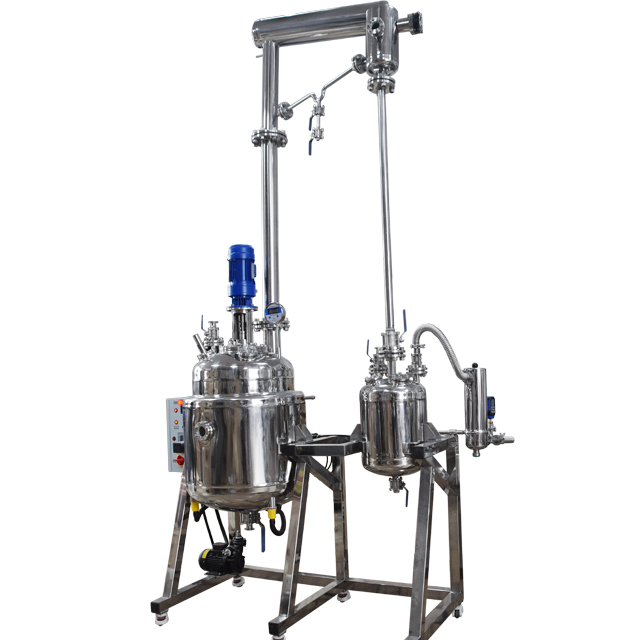
Understanding the key parameters that affect distillation efficiency is crucial for optimizing industrial separation processes and achieving maximum yield with minimal energy consumption. Temperature control, vacuum pressure management, and feed rate optimization represent the three fundamental variables that directly determine how effectively a distillation system separates components based on their different boiling points.
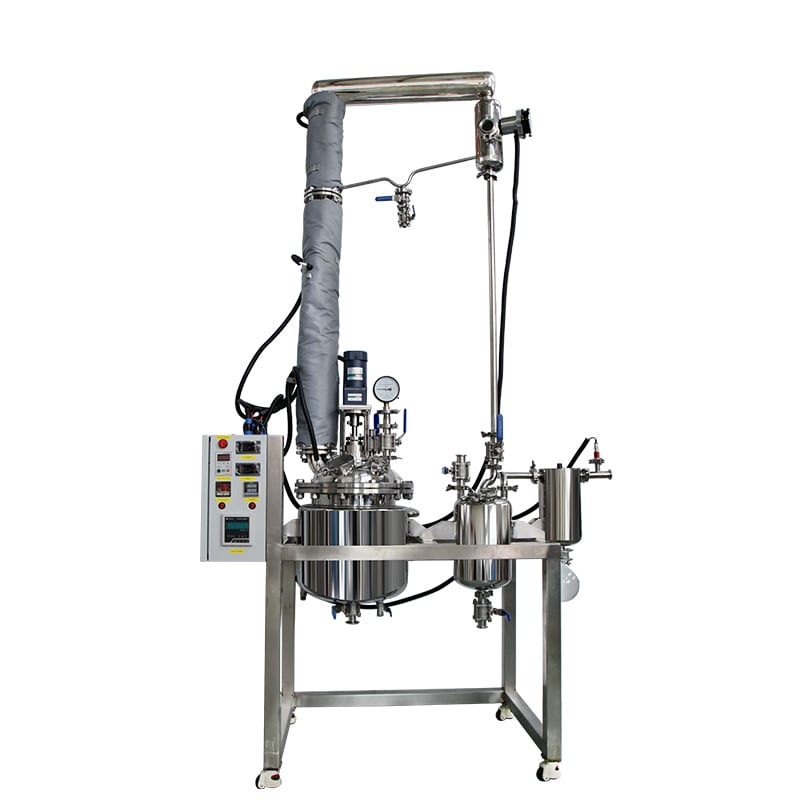
The relationship between these parameters creates a complex interdependent system where changes to one variable inevitably impact the others, requiring careful balance to maintain optimal distillation efficiency. Industrial operators must understand not only how each parameter functions individually but also how their interactions affect separation quality, energy consumption, and overall process economics across different chemical systems and operating conditions.
Temperature Control Impact on Distillation Performance
Reboiler Temperature Management
Reboiler temperature serves as the primary driving force for vapor generation in distillation systems, directly influencing distillation efficiency by determining the rate of vaporization at the column bottom. When reboiler temperature is set too low, insufficient vapor flow reduces the internal reflux ratio, leading to poor separation between components with similar boiling points and decreased overall distillation efficiency.
Conversely, excessive reboiler temperatures can cause flooding conditions within the column, where liquid holdup increases beyond optimal levels and disrupts the vapor-liquid equilibrium necessary for efficient separation. This temperature imbalance not only reduces distillation efficiency but also increases energy consumption as excess heat energy fails to contribute to productive separation work.
The optimal reboiler temperature depends on the specific chemical mixture being processed, with operators typically maintaining temperatures 5-15°C above the bubble point of the bottom product to ensure adequate vapor generation while preserving distillation efficiency. Regular monitoring and adjustment of reboiler temperature based on composition analysis helps maintain consistent separation performance across varying feed conditions.
Condenser Temperature Optimization
Condenser temperature control significantly affects distillation efficiency by determining the reflux ratio and the quality of overhead product recovery. Lower condenser temperatures increase the condensation rate of overhead vapors, providing more liquid reflux that enhances separation quality and improves distillation efficiency through better mass transfer between vapor and liquid phases.
However, operating condensers at unnecessarily low temperatures increases cooling utility costs without proportional improvements in distillation efficiency, making economic optimization as important as technical performance. The ideal condenser temperature balances separation requirements with energy costs, typically maintaining overhead vapor temperatures 10-20°C below the dew point of the lightest component.
Temperature differential across the condenser also influences distillation efficiency by affecting the driving force for heat transfer and the uniformity of condensation throughout the heat exchanger surface. Proper condenser temperature control ensures consistent reflux quality and maintains the vapor-liquid equilibrium conditions essential for optimal distillation efficiency.
Vacuum Pressure Effects on Separation Efficiency
Operating Pressure Reduction Benefits
Vacuum operation fundamentally alters the thermodynamics of distillation processes by reducing the boiling points of all components in the mixture, enabling separation at lower temperatures while maintaining or improving distillation efficiency. This pressure reduction is particularly beneficial for heat-sensitive materials that would decompose at atmospheric pressure boiling points, allowing effective separation without thermal degradation.
Lower operating pressures increase the relative volatility between components, which directly enhances distillation efficiency by making separation easier to achieve with fewer theoretical stages. The improved relative volatility means that the same separation quality can be achieved with reduced energy input or that better separation can be obtained with the same energy consumption.
Vacuum operation also reduces the density of vapor phases, increasing vapor velocities through the column and potentially improving mass transfer coefficients that contribute to higher distillation efficiency. However, this benefit must be balanced against the increased volumetric flow rates that can lead to flooding if column internals are not properly designed for vacuum conditions.
Vacuum System Design Considerations
Effective vacuum system design requires careful attention to pressure drop throughout the distillation system to maintain consistent operating conditions that support optimal distillation efficiency. Excessive pressure drops between the vacuum pump and the column top can create non-uniform pressure profiles that disrupt vapor-liquid equilibrium and reduce separation performance.
The vacuum pump capacity must be sized appropriately to handle both the designed air leakage and any non-condensable gases that may be present in the feed stream, as inadequate vacuum capacity can lead to pressure fluctuations that negatively impact distillation efficiency. Regular monitoring of vacuum levels and prompt repair of air leaks helps maintain consistent operating conditions.
Steam jet ejectors or mechanical vacuum pumps each offer different advantages for maintaining vacuum conditions, with the choice affecting both operating costs and distillation efficiency through their impact on system pressure stability and energy consumption patterns. Proper vacuum system maintenance ensures reliable pressure control that supports consistent separation performance.
Feed Rate Optimization Strategies
Hydraulic Loading Effects
Feed rate directly impacts hydraulic loading within distillation columns, affecting both the vapor and liquid traffic that determines mass transfer efficiency and overall distillation efficiency. Excessive feed rates can overload column internals, causing weeping, entrainment, or flooding conditions that drastically reduce separation performance by disrupting proper vapor-liquid contact.
When feed rates exceed the column's hydraulic capacity, liquid holdup on trays or packing increases beyond optimal levels, creating channeling effects that bypass proper mass transfer zones and reduce distillation efficiency. This hydraulic overloading also increases pressure drop across the column, potentially affecting the vacuum system's ability to maintain designed operating conditions.
Conversely, feed rates that are too low can result in insufficient liquid irrigation of packing materials or inadequate liquid depth on trays, reducing the effective mass transfer area and diminishing distillation efficiency. The optimal feed rate maintains proper hydraulic balance while maximizing throughput within the column's design limitations.
Residence Time and Mass Transfer
Feed rate determines the residence time of materials within the distillation system, directly affecting the time available for mass transfer between vapor and liquid phases and consequently influencing distillation efficiency. Shorter residence times caused by high feed rates may not provide sufficient contact time for equilibrium to be established, particularly for systems with slow mass transfer kinetics.
The relationship between feed rate and residence time becomes particularly critical when processing viscous feeds or systems with close boiling points, where extended contact time enhances distillation efficiency by allowing more complete approach to equilibrium conditions. Balancing throughput requirements with residence time needs requires careful consideration of both economic and technical factors.
Feed rate optimization also affects the internal reflux ratio within the column, as changes in vapor and liquid traffic alter the L/V ratio that determines separation quality and distillation efficiency. Maintaining appropriate internal reflux ratios through feed rate control ensures consistent separation performance across varying operating conditions.
Integrated Parameter Control Systems
Advanced Process Control Implementation
Modern distillation systems increasingly rely on advanced process control (APC) systems that simultaneously optimize temperature, vacuum, and feed rate parameters to maximize distillation efficiency while minimizing energy consumption. These control systems use mathematical models to predict the effects of parameter changes and automatically adjust operating conditions to maintain optimal performance.
Multivariable control strategies recognize the interdependent nature of distillation parameters and avoid the sub-optimization that can occur when temperature, pressure, and feed rate are controlled independently. By coordinating adjustments across all three parameters, APC systems can achieve higher distillation efficiency than traditional single-loop control approaches.
Real-time optimization algorithms within APC systems continuously evaluate operating conditions and adjust parameters based on current feed composition, product specifications, and economic objectives to maintain peak distillation efficiency. These systems can respond to disturbances faster than manual operators and maintain more consistent separation performance.
Performance Monitoring and Diagnostics
Effective monitoring systems track key performance indicators related to temperature profiles, pressure measurements, and flow rates to provide early detection of conditions that could compromise distillation efficiency. Temperature cascade measurements throughout the column help identify flooding, weeping, or other hydraulic problems that affect separation performance.
Pressure differential measurements across column sections provide insights into hydraulic loading and can indicate when feed rate adjustments are needed to maintain optimal distillation efficiency. Systematic analysis of these measurements helps operators understand the relationships between operating parameters and separation performance.
Composition analyzers that provide real-time feedback on product quality enable closed-loop control of distillation efficiency by allowing operators to adjust parameters based on actual separation results rather than theoretical predictions. This analytical feedback is essential for maintaining consistent product quality while optimizing energy consumption across varying feed conditions.
FAQ
What is the most critical parameter for maintaining high distillation efficiency?
Temperature control is generally considered the most critical parameter for distillation efficiency because it directly affects vapor generation rates, reflux quality, and the thermodynamic driving force for separation. However, all three parameters work together, and the relative importance depends on the specific application and operating constraints of each distillation system.
How does vacuum level affect energy consumption in distillation processes?
Vacuum operation reduces energy consumption by lowering required temperatures throughout the system, decreasing reboiler duty and cooling requirements while maintaining distillation efficiency. However, vacuum systems themselves consume energy for pumps or steam ejectors, so the net energy benefit depends on the specific application and the degree of vacuum required for optimal separation.
Can distillation efficiency be maintained while increasing feed rate beyond design capacity?
Increasing feed rate beyond design capacity typically reduces distillation efficiency due to hydraulic limitations and reduced residence time, though temporary increases may be possible with careful adjustment of temperature and vacuum parameters. Sustained operation above design capacity usually requires column modifications or accepts reduced separation quality as a trade-off for higher throughput.
How quickly can parameter adjustments improve distillation efficiency?
Temperature and vacuum adjustments typically show effects on distillation efficiency within minutes to hours, depending on column size and thermal mass, while feed rate changes can have immediate hydraulic effects. Complete system equilibration after parameter changes may take several hours, requiring patience and systematic adjustment approaches to achieve optimal distillation efficiency.
Table of Contents
- Temperature Control Impact on Distillation Performance
- Vacuum Pressure Effects on Separation Efficiency
- Feed Rate Optimization Strategies
- Integrated Parameter Control Systems
-
FAQ
- What is the most critical parameter for maintaining high distillation efficiency?
- How does vacuum level affect energy consumption in distillation processes?
- Can distillation efficiency be maintained while increasing feed rate beyond design capacity?
- How quickly can parameter adjustments improve distillation efficiency?