 EN
EN

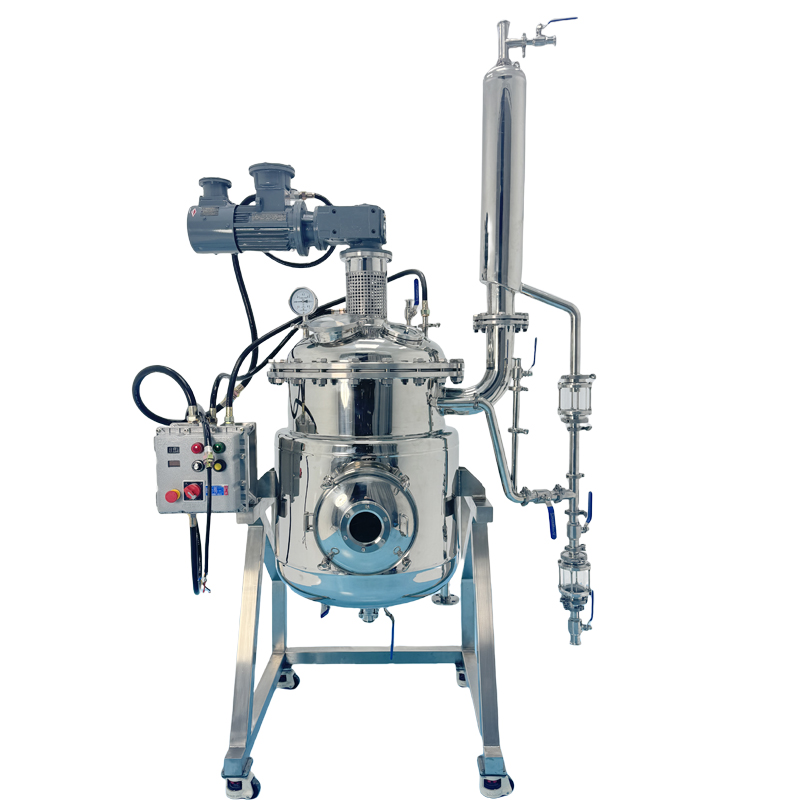
Botanical extraction has become a cornerstone of pharmaceutical manufacturing, nutraceutical production, and natural product development, where the purity of extracted compounds directly determines product efficacy, safety, and market value. The question of how an extraction reactor enhances purity in botanical extraction is not merely technical curiosity but a critical consideration for manufacturers seeking to optimize yield while maintaining the integrity of bioactive compounds. An extraction reactor provides controlled environment conditions that minimize degradation, prevent contamination, and enable precise separation of target molecules from plant matrices, thereby achieving purity levels that simple maceration or percolation methods cannot match.
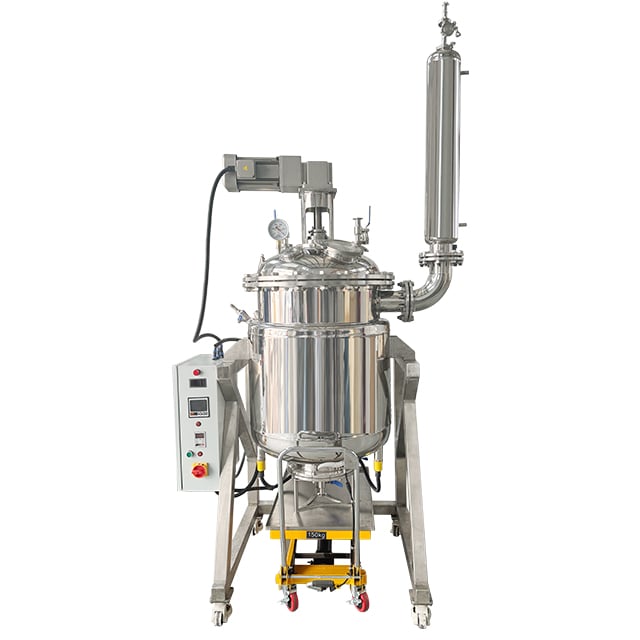
Understanding the mechanisms by which an extraction reactor enhances purity requires examining how vessel design, process parameters, and operational control interact to influence extraction selectivity and product quality. Modern extraction reactors incorporate features such as jacketed temperature control, pressure regulation, agitation systems, and material compatibility that collectively address the fundamental challenges of botanical extraction: selective solubilization of desired compounds, exclusion of unwanted co-extractives, prevention of thermal degradation, and efficient separation of extract from solid residue. These capabilities transform botanical extraction from an empirical art into a reproducible science, enabling manufacturers to consistently produce extracts that meet stringent pharmaceutical or food-grade purity specifications.
The Fundamental Mechanisms of Purity Enhancement in Extraction Reactors
Controlled Solvent-Plant Material Interaction
The primary mechanism through which an extraction reactor enhances purity begins with the controlled interaction between solvent and botanical material. Unlike open-vessel extraction methods where temperature fluctuations and atmospheric exposure introduce variables, an extraction reactor maintains precise solvent conditions throughout the extraction cycle. The reactor vessel allows operators to optimize solvent polarity, temperature, and contact time specifically for target compounds, creating an environment where desired phytochemicals dissolve preferentially while leaving behind undesired plant components such as chlorophyll, waxes, tannins, and structural polysaccharides. This selectivity is fundamental to purity enhancement because it reduces the burden on downstream purification steps.
Temperature control within the extraction reactor plays a particularly crucial role in purity outcomes. Many bioactive compounds such as terpenes, flavonoids, and alkaloids are thermally sensitive and degrade when exposed to excessive heat, producing oxidation products and decomposition byproducts that contaminate the final extract. The jacketed design of an extraction reactor enables precise temperature maintenance within narrow ranges, typically controlled to within one or two degrees Celsius, preventing thermal degradation while optimizing solubility kinetics. This temperature precision allows extraction at conditions that maximize target compound solubility while keeping thermally labile impurities insoluble or minimizing their formation, directly contributing to higher purity levels in the crude extract.
Pressure Regulation and Oxygen Exclusion
Another critical mechanism by which an extraction reactor enhances purity involves pressure control and the exclusion of atmospheric oxygen. Many botanical compounds, particularly polyphenols, cannabinoids, and essential oil components, are susceptible to oxidative degradation when exposed to air during extraction. An extraction reactor operates as a closed system that can be pressurized or operated under inert gas atmosphere, eliminating oxygen contact throughout the extraction process. This oxygen exclusion prevents oxidation reactions that would otherwise generate quinones, peroxides, and other oxidative degradation products that contaminate the extract and reduce the concentration of active compounds.
Pressure regulation also influences extraction efficiency and selectivity in ways that impact purity. Operating an extraction reactor under elevated pressure increases the density of liquid solvents, enhancing their penetration into plant cell structures and improving mass transfer rates. This pressure-enhanced extraction allows for more complete removal of target compounds in shorter time periods, reducing the need for extended extraction cycles that might increase co-extraction of undesired components. Additionally, pressure control enables the use of subcritical solvent conditions where solvent selectivity can be finely tuned by adjusting pressure parameters, achieving extraction profiles that favor target compounds over matrix interferents.
Agitation and Mass Transfer Optimization
The agitation system integrated into an extraction reactor directly influences purity by optimizing mass transfer kinetics and preventing localized concentration gradients. Effective agitation ensures that fresh solvent continuously contacts plant material surfaces, preventing the formation of saturated boundary layers that would slow extraction and potentially require higher temperatures or longer extraction times that compromise purity. The controlled agitation provided by reactor systems, whether through mechanical stirrers, recirculation pumps, or other means, maintains uniform solvent composition throughout the vessel and ensures that extraction proceeds at optimal rates without requiring conditions that would increase impurity co-extraction.
Furthermore, proper agitation in an extraction reactor minimizes particle size segregation and settling, ensuring that all botanical material receives equivalent solvent exposure. This uniformity is essential for purity because inconsistent extraction leads to incomplete removal of target compounds from some particles while over-extracting others, resulting in either reduced yields that necessitate reprocessing or excessive co-extraction of unwanted materials. The reproducible mixing patterns achieved in an extraction reactor create extraction conditions that can be validated and standardized, enabling consistent purity outcomes across production batches rather than the variable results typical of less controlled extraction methods.
Design Features That Directly Impact Extraction Purity
Material Selection and Surface Chemistry
The construction materials used in an extraction reactor fundamentally affect purity outcomes through their interaction with both solvents and extracted compounds. High-quality extraction reactors are typically fabricated from stainless steel grades such as 316L, which provide corrosion resistance and chemical inertness that prevent metallic contamination of extracts. Unlike extraction vessels made from reactive metals or coated materials where surface degradation can introduce metal ions, polymer fragments, or coating components into the extract, a properly specified extraction reactor maintains extract purity by presenting only inert contact surfaces throughout the extraction process.
Surface finish quality within the extraction reactor also influences purity by affecting the ease of cleaning and the potential for product holdup or cross-contamination. Electropolished interior surfaces with smooth, non-porous finishes prevent botanical material or extract residues from adhering to vessel walls or accumulating in surface irregularities where they could harbor microbial growth or create cross-contamination risks between batches. This surface quality ensures that cleaning protocols effectively remove all traces of previous extractions, maintaining the purity of subsequent batches and preventing the introduction of foreign compounds from inadequately cleaned equipment surfaces.
Integrated Filtration and Separation Systems
Modern extraction reactor designs often incorporate integrated filtration capabilities that enhance purity by enabling in-situ separation of liquid extract from solid botanical residue. These integrated systems, which may include bottom-discharge valves with filter screens, internal filter baskets, or jacketed filter plates, allow for separation under controlled temperature and inert atmosphere conditions without transferring contents to separate filtration equipment. This integrated approach minimizes exposure to atmospheric oxygen and contamination sources while enabling efficient removal of particulate matter that would otherwise remain suspended in the extract and compromise purity.
The ability to perform filtration within the Extraction Reactor itself provides particular advantages for heat-sensitive extracts where maintaining temperature control during separation is critical. When extract must be transferred to external filtration equipment, temperature fluctuations during transfer can cause precipitation of dissolved compounds, oxidation of sensitive molecules, or changes in extract viscosity that complicate filtration. Integrated filtration systems eliminate these transfer-related purity risks by maintaining the extract in the controlled reactor environment throughout the separation process, ensuring that the chemical composition achieved during extraction is preserved in the final separated extract.
Temperature Control Precision and Uniformity
The jacketed design and temperature control systems employed in extraction reactors provide the thermal precision necessary for purity optimization. Double-jacketed vessel construction allows heating or cooling media to circulate around the entire extraction vessel surface, creating uniform temperature distribution that prevents hot spots or cold zones where localized thermal degradation or incomplete extraction might occur. This temperature uniformity ensures that all portions of the botanical charge experience identical extraction conditions, producing extracts with consistent composition rather than the inhomogeneous mixtures that result from uneven heating in less sophisticated extraction vessels.
Advanced extraction reactor systems incorporate multiple temperature sensors and proportional-integral-derivative control algorithms that maintain set temperatures with minimal deviation throughout extended extraction cycles. This control precision is particularly important for extraction processes that require temperature ramping protocols, where extract composition evolves through sequential extraction at progressively higher temperatures to selectively remove compound classes in order of increasing thermal stability. Such fractionated extraction approaches, which are only practical with the precise temperature control offered by an extraction reactor, enable production of highly purified fractions by exploiting the differential thermal solubility of target compounds versus impurities.
Process Parameters Controlled by Extraction Reactors That Influence Purity
Time-Temperature-Pressure Profiles
The ability of an extraction reactor to implement and reproduce complex time-temperature-pressure profiles represents a powerful tool for purity enhancement. Rather than operating at fixed conditions throughout extraction, sophisticated reactor protocols can program dynamic parameter changes that optimize selectivity at different extraction stages. Initial low-temperature extraction might selectively remove highly volatile aromatics and thermally sensitive compounds, followed by temperature elevation to extract less soluble but more stable target molecules, and concluding with brief high-temperature washing to ensure complete target compound recovery. These programmed profiles, which are only feasible with the control capabilities of an extraction reactor, generate extracts with superior purity by minimizing the co-extraction of unwanted compounds that would dissolve if extraction occurred at a single compromise temperature throughout.
Pressure profiling within an extraction reactor offers complementary selectivity advantages. Beginning extraction at atmospheric or slightly reduced pressure can selectively dissolve surface compounds and volatile constituents, followed by pressurization to enhance penetration into cellular structures and increase the density of solvent for improved solvation of less accessible compounds. This pressure sequencing approach reduces the total quantity of solvent required for complete extraction, which indirectly enhances purity by producing more concentrated extracts with less dilution of target compounds. Additionally, controlled depressurization at extraction conclusion can facilitate separation by allowing dissolved gases to escape, improving subsequent filtration efficiency and reducing the carryover of fine particulates that would otherwise compromise extract clarity and purity.
Solvent-to-Material Ratio Optimization
An extraction reactor enables precise control over solvent-to-botanical material ratios, a parameter that significantly influences both extraction completeness and extract purity. Using excessive solvent volumes may ensure complete extraction but produces dilute extracts that require extensive concentration steps, during which thermal exposure can degrade sensitive compounds and introduce impurities. Conversely, insufficient solvent volumes result in incomplete extraction, leaving valuable target compounds in the spent botanical material and potentially requiring reprocessing that increases overall impurity levels. The measurement and control capabilities of an extraction reactor allow operators to determine and implement optimal solvent ratios that balance complete target compound recovery against minimal co-extraction of undesired materials.
Repeated extraction cycles with fresh solvent portions, a technique readily implemented in an extraction reactor system, offers another approach to purity optimization. Rather than extracting with a large single solvent volume, sequential extraction with smaller portions allows separation of early fractions rich in target compounds from later fractions containing higher proportions of co-extracted materials. This fractionation approach, which requires the reproducible process control provided by an extraction reactor, enables isolation of high-purity early fractions while segregating lower-purity later fractions that might require additional purification or can be recycled into subsequent extraction batches. The ability to implement and track such sequential extraction protocols distinguishes extraction reactor operations from simpler extraction methods.
Real-Time Monitoring and Process Adjustment
Modern extraction reactors can be equipped with real-time analytical monitoring capabilities such as in-line spectrophotometers, conductivity sensors, or density meters that provide continuous feedback on extraction progress and extract composition. These monitoring systems enable dynamic process adjustments that optimize purity outcomes by detecting when target compound extraction has reached completion, indicating that further extraction would primarily add unwanted co-extractives rather than improve yield. Terminating extraction at this optimal endpoint, which requires the real-time information provided by monitored extraction reactor systems, produces extracts with maximum purity by avoiding the over-extraction that occurs when fixed-time protocols continue beyond the point of target compound depletion.
Process analytical technology integrated with extraction reactors also enables adaptive extraction protocols where operating parameters automatically adjust in response to measured extract properties. If monitoring detects excessive impurity levels based on spectral characteristics, the control system might reduce extraction temperature or modify agitation intensity to decrease impurity solubilization. Conversely, if target compound concentrations plateau before expected extraction completion, the system might increase temperature or pressure to enhance extraction efficiency. These adaptive capabilities, which represent the most advanced application of extraction reactor technology, move botanical extraction toward the continuous optimization paradigm common in pharmaceutical synthesis, where real-time feedback maintains product quality within narrow specifications.
Practical Implementation Strategies for Purity Maximization
Pre-Treatment Integration with Reactor Operations
The purity benefits provided by an extraction reactor can be significantly amplified through proper integration with botanical material pre-treatment steps. Particle size reduction to optimal ranges ensures uniform solvent penetration and minimizes the extraction time required for complete target compound recovery, reducing the duration of thermal exposure that might degrade sensitive compounds. An extraction reactor system that includes integrated milling or grinding capabilities, or that is coupled with properly sized pre-treatment equipment, enables immediate extraction of freshly processed botanical material before oxidative degradation can occur, preserving the native purity of plant compounds that would otherwise deteriorate during storage of ground material.
Pre-extraction drying or moisture adjustment represents another pre-treatment consideration that influences the purity outcomes achievable in an extraction reactor. Excessive moisture in botanical feedstock dilutes extraction solvents and can promote hydrolysis reactions that degrade target compounds or generate unwanted byproducts. Conversely, overdrying some plant materials can cause structural changes that trap target compounds or expose them to oxidative degradation. An extraction reactor system designed with integrated moisture analysis capabilities enables operators to verify optimal moisture content before extraction begins, ensuring that subsequent reactor operations proceed under conditions that maximize target compound recovery while minimizing impurity formation.
Post-Extraction Purification Integration
While an extraction reactor substantially enhances extract purity compared to conventional methods, most botanical extraction processes require additional purification steps to achieve pharmaceutical or high-grade nutraceutical specifications. The design and operation of the extraction reactor should anticipate and facilitate these downstream purification processes. Operating the extraction reactor to produce extracts with optimal solids content, pH range, and temperature for subsequent chromatographic separation, crystallization, or membrane filtration reduces the conditioning steps required between extraction and purification, minimizing handling losses and degradation risks during process transitions.
Extraction reactor systems can be designed with integrated heat exchangers, pH adjustment capabilities, and buffer addition ports that enable in-situ conditioning of extracts for downstream processing. This integration ensures that extract properties remain within specifications that maintain compound stability and purity between process stages. For example, rapid cooling of hot extracts within the extraction reactor immediately after separation from botanical residue can prevent thermally induced degradation during the cooling period, preserving the purity achieved during controlled extraction. Similarly, immediate pH adjustment within the reactor vessel can stabilize pH-sensitive compounds before transfer to storage or subsequent purification equipment, preventing degradation that would otherwise occur during the interval between extraction completion and downstream processing.
Cleaning and Sanitization Protocols
The contribution of an extraction reactor to extract purity extends beyond the extraction operation itself to include the cleaning and sanitization protocols that prevent cross-contamination between production batches. Extraction reactors designed with clean-in-place systems, featuring spray balls, strategically positioned cleaning solution inlets, and complete drainability, enable thorough removal of botanical residues and extract films that might otherwise contaminate subsequent batches. Validated cleaning procedures that combine appropriate detergent chemistry with the temperature control and agitation capabilities of the extraction reactor ensure that all product-contact surfaces return to a verified clean state before the next production cycle begins.
Sanitization protocols implemented within extraction reactors address microbial contamination concerns that directly affect botanical extract purity and safety. Steam sterilization capabilities built into jacketed extraction reactor designs enable effective microbial reduction without requiring harsh chemical sanitizers that might leave residues affecting subsequent extract purity. The closed-system design of an extraction reactor facilitates sanitization procedures by preventing recontamination during the sanitization process itself, ensuring that the sterile or low-bioburden conditions achieved during sanitization persist through equipment setup and the initial stages of the next extraction batch. This contamination control is particularly critical for botanical extracts destined for pharmaceutical applications where microbial limits are tightly regulated and where microbial metabolites represent a category of impurities that must be rigorously controlled.
Industry-Specific Purity Considerations Addressed by Extraction Reactors
Pharmaceutical-Grade Botanical Extraction
Pharmaceutical applications impose the most stringent purity requirements on botanical extracts, demanding not only high concentrations of active compounds but also rigorous control of residual solvents, heavy metals, pesticide residues, microbial contamination, and process-related impurities. An extraction reactor designed for pharmaceutical botanical extraction must provide the documentation, validation capabilities, and construction quality standards necessary to meet Good Manufacturing Practice requirements. The reproducibility enabled by extraction reactor process control directly addresses pharmaceutical validation requirements by ensuring that critical process parameters remain within validated ranges across all production batches, producing extracts with consistent purity profiles that meet predetermined specifications.
The material traceability and equipment qualification protocols associated with pharmaceutical-grade extraction reactors provide additional purity assurance. Components fabricated from certified stainless steel with documented composition ensure that metallic contamination remains below pharmaceutical limits, while validated temperature sensors and calibrated control systems ensure that actual operating conditions match the validated process parameters that generate extracts of acceptable purity. The ability of an extraction reactor to maintain complete batch records documenting all process parameters throughout extraction provides the evidence of control necessary for pharmaceutical regulatory compliance, demonstrating that each batch was produced under conditions validated to yield extracts meeting purity specifications.
Nutraceutical and Dietary Supplement Extraction
Nutraceutical extraction, while generally facing less stringent regulatory requirements than pharmaceutical production, increasingly demands high purity extracts as consumers and regulators focus on product safety and label claim accuracy. An extraction reactor provides nutraceutical manufacturers with the process control necessary to produce standardized extracts with consistent marker compound concentrations, a key quality attribute in the dietary supplement industry. The ability to reproduce extraction conditions precisely enables manufacturers to maintain label claim accuracy across production lots, avoiding the batch-to-batch variability in active compound content that results from less controlled extraction methods and that represents both a quality concern and a regulatory compliance risk.
Nutraceutical extraction reactors must balance purity optimization with economic efficiency, as dietary supplement markets are typically more price-sensitive than pharmaceutical markets. The solvent recovery capabilities that can be integrated with extraction reactor systems contribute to both economic performance and purity outcomes. Efficient solvent recovery through distillation systems coupled to the extraction reactor reduces operating costs while also removing one source of extract contamination, as residual extraction solvent represents an impurity that must be controlled to safe levels. The closed-system design of an extraction reactor facilitates solvent recovery by enabling direct transfer of spent solvent to recovery equipment under conditions that prevent losses and contamination, maintaining both economic efficiency and extract purity in nutraceutical production operations.
Natural Flavors and Fragrances Production
The flavors and fragrances industry presents unique purity challenges where the sensory profile of botanical extracts is as important as chemical purity, requiring extraction reactor operations that preserve volatile aromatics while excluding off-notes and undesired co-extractives. An extraction reactor optimized for flavor and fragrance production incorporates features such as reduced headspace volumes to minimize volatile losses, gentle agitation to prevent emulsification that would complicate downstream processing, and precise low-temperature control to preserve thermally sensitive aroma compounds. The ability to operate at reduced pressures or under inert gas atmospheres prevents oxidation reactions that alter aroma profiles, ensuring that the sensory characteristics of the botanical source material are faithfully represented in the final extract.
Flavor and fragrance extraction reactors must also address the challenge of extracting desired aromatic compounds while excluding chlorophylls, waxes, and other botanical components that contribute color or turbidity without enhancing sensory properties. The solvent selectivity achievable through temperature and pressure control in an extraction reactor enables production of clear, aromatic extracts without requiring extensive post-extraction decolorization or clarification steps that might remove desirable volatile compounds along with unwanted pigments. This selectivity is particularly valuable for natural flavor applications where regulatory requirements limit the types and extent of post-extraction processing permitted, making the initial extract purity achieved in the extraction reactor a critical determinant of final product quality and market acceptance.
FAQ
What specific purity levels can be achieved using an extraction reactor compared to conventional methods?
An extraction reactor typically enables achievement of crude extract purities ranging from seventy to ninety-five percent of target compounds, depending on the botanical source and extraction protocol, compared to conventional maceration or percolation methods that generally produce crude extracts in the forty to seventy percent purity range. This enhancement results from the precise control of temperature, pressure, and time parameters that minimize co-extraction of unwanted compounds while maximizing target compound recovery. For thermally sensitive compounds such as cannabinoids or volatile terpenes, the temperature control provided by an extraction reactor can reduce degradation products by eighty percent or more compared to uncontrolled heating methods, directly improving the purity of active compounds in the final extract. The actual purity improvement depends significantly on botanical source characteristics, target compound properties, and the sophistication of the extraction reactor system and operating protocol employed.
How does the choice of solvent affect the purity benefits provided by an extraction reactor?
Solvent selection fundamentally determines the selectivity ceiling of any extraction process, and an extraction reactor amplifies the advantages of appropriately chosen solvents by enabling precise control of the conditions that govern solvent selectivity. Polar solvents such as ethanol or methanol preferentially dissolve phenolic compounds, alkaloids, and glycosides while leaving lipophilic waxes and chlorophylls less soluble, but their selectivity improves dramatically when temperature is precisely controlled within optimal ranges that an extraction reactor provides. Non-polar solvents such as hexane or supercritical carbon dioxide exhibit opposite selectivity patterns, preferentially dissolving essential oils and lipophilic compounds while excluding polar impurities, with selectivity again being strongly temperature and pressure dependent. An extraction reactor maximizes the purity benefits of any chosen solvent by maintaining the exact conditions where that solvent exhibits maximum selectivity for target compounds, whereas conventional extraction methods that lack precise environmental control cannot fully exploit the selectivity potential inherent in the solvent choice.
Can an extraction reactor eliminate the need for downstream purification steps?
While an extraction reactor substantially improves crude extract purity and reduces the burden on downstream purification, it rarely eliminates the need for additional purification steps entirely, particularly for pharmaceutical or high-end nutraceutical applications requiring exceptionally high purity levels. The fundamental limitation is that botanical matrices are chemically complex, containing hundreds or thousands of different compounds with overlapping solubility characteristics, making complete separation of target compounds from all potential impurities impossible through extraction selectivity alone. However, an extraction reactor can reduce downstream purification requirements significantly by producing cleaner crude extracts that require fewer purification stages, shorter chromatography runs, or less aggressive separation conditions. For some applications with moderate purity requirements, such as certain dietary supplements or cosmetic ingredients, a well-optimized extraction reactor process combined with basic filtration and standardization may produce extracts that meet specifications without requiring chromatographic purification, representing a substantial economic advantage.
What maintenance practices are critical for ensuring an extraction reactor continues to deliver high-purity extracts?
Maintaining extraction reactor performance for consistent high-purity extract production requires regular attention to several critical systems and components. Temperature sensor calibration should be verified at least quarterly to ensure that the temperature control providing extraction selectivity remains accurate, as sensor drift of even a few degrees can significantly impact purity outcomes for thermally sensitive compounds. Pressure sensors and relief valves require similar periodic verification to ensure safe operation and accurate pressure control. Agitation system components including seals, bearings, and drive components need regular inspection and replacement according to manufacturer schedules, as worn agitation systems can introduce metallic particles into extracts or fail to provide the uniform mixing necessary for optimal purity. The integrity of vessel interior surfaces should be periodically inspected for corrosion, pitting, or coating degradation that might introduce contamination, with any surface defects promptly addressed through repassivation or repolishing. Most critically, cleaning validation should be periodically repeated to verify that established cleaning protocols continue to achieve adequate residue removal, as cleaning effectiveness can decline over time due to changes in residue characteristics, cleaning agent formulations, or equipment condition. Comprehensive preventive maintenance programs that address these elements ensure that extraction reactor systems maintain their purity-enhancing capabilities throughout their operational lifespan.
Table of Contents
- The Fundamental Mechanisms of Purity Enhancement in Extraction Reactors
- Design Features That Directly Impact Extraction Purity
- Process Parameters Controlled by Extraction Reactors That Influence Purity
- Practical Implementation Strategies for Purity Maximization
- Industry-Specific Purity Considerations Addressed by Extraction Reactors
-
FAQ
- What specific purity levels can be achieved using an extraction reactor compared to conventional methods?
- How does the choice of solvent affect the purity benefits provided by an extraction reactor?
- Can an extraction reactor eliminate the need for downstream purification steps?
- What maintenance practices are critical for ensuring an extraction reactor continues to deliver high-purity extracts?