 EN
EN

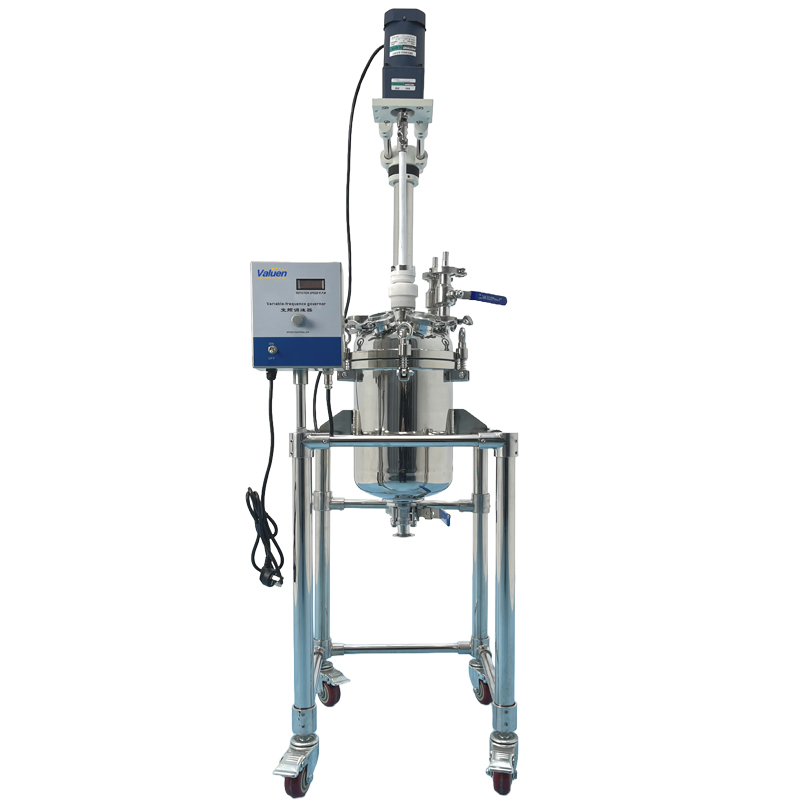
A chemical reactor is the heart of any modern chemical manufacturing facility, where precise temperature management directly impacts product quality, yield, and safety. Understanding the available heating methods for a chemical reactor is essential for engineers and production managers who need to optimize processes and maintain consistent results. Different chemical processes demand different heating approaches, and selecting the right method can significantly reduce energy consumption while improving operational efficiency.
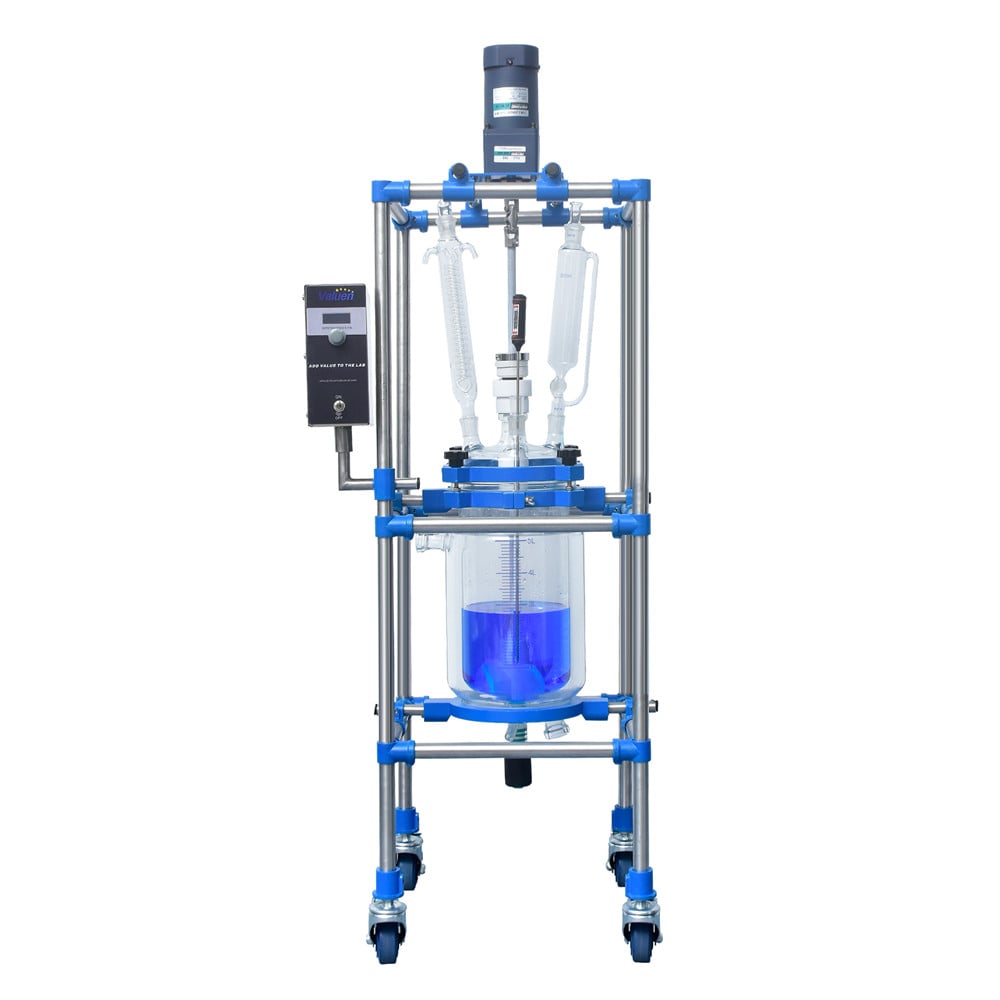
The selection of a heating method for your chemical reactor depends on multiple factors including the reaction temperature requirements, heat transfer rate needed, reactor volume, and the nature of the chemical process. Whether you are working with exothermic reactions that generate their own heat or endothermic reactions that require continuous external heating, understanding the strengths and limitations of each chemical reactor heating approach will help you make informed decisions that enhance both productivity and safety in your operations.
Jacketed Heating for Chemical Reactors
How Jacketed Systems Work in a Chemical Reactor
A jacketed chemical reactor represents one of the most widely used and versatile heating solutions in industrial and laboratory settings. The jacketed design consists of an inner reaction vessel surrounded by an outer jacket through which a temperature control fluid circulates. This configuration allows uniform heat distribution around the chemical reactor vessel, enabling precise temperature regulation that is critical for maintaining reaction conditions. The circulating fluid absorbs heat from or transfers heat to the chemical reactor contents depending on whether heating or cooling is required during the process.
The efficiency of a jacketed chemical reactor heating system depends largely on the surface area of contact between the jacket and the inner vessel. Larger surface areas promote better heat transfer rates, which means your chemical reactor can reach target temperatures more quickly and maintain them with greater stability. Modern jacketed designs often feature enhanced internal surfaces or spiral configurations that maximize contact area, making them particularly effective for chemical reactor applications where tight temperature control is non-negotiable for product consistency.
Advantages of Jacketed Reactors for Temperature Management
Jacketed chemical reactor systems offer exceptional temperature uniformity across the entire reaction vessel, which is crucial for reactions sensitive to hotspots or temperature gradients. The indirect heating method protects reactive materials from direct contact with heating elements, reducing the risk of unwanted side reactions or material degradation. Additionally, a chemical reactor with jacketed construction provides inherent safety benefits since the heating medium is isolated from the reaction mixture, allowing for safer operation with hazardous or explosive chemical reactions. The flexibility of jacketed designs also makes them suitable for scaling from small laboratory chemical reactor volumes up to large-scale industrial operations.
Direct Immersion Heating Technologies for Chemical Reactors
Immersion Heater Elements in a Chemical Reactor
Direct immersion heating represents an alternative approach where heating elements are placed directly inside the chemical reactor vessel. This method is particularly effective for achieving rapid temperature increases since the heating element has direct contact with the reaction medium. Industrial chemical reactor systems using immersion heaters can reach target temperatures quickly, making this approach valuable for time-sensitive processes where production throughput directly impacts operational costs. Common immersion heater configurations include tubular electric heaters, flanged immersion heaters, and screw-in elements that can be customized for specific chemical reactor vessel designs.
When selecting an immersion heater for your chemical reactor, material compatibility becomes critically important since the heater surface contacts the reaction mixture directly. The chemical reactor environment may be corrosive, abrasive, or reactive with certain heating element materials, requiring careful selection of stainless steel grades, specialty alloys, or other compatible materials. Immersion heating in a chemical reactor also requires robust controls to prevent localized overheating that could damage heat-sensitive chemical compounds or create dangerous pressure buildup during exothermic reactions.
Limitations and Safety Considerations for Direct Heating
While immersion heating offers speed and simplicity for a chemical reactor heating system, it introduces certain limitations that laboratory and industrial operators must carefully consider. Direct contact between heating elements and reactive materials in a chemical reactor can accelerate unwanted side reactions, thermal runaway conditions, or material decomposition if temperature control falters even briefly. The chemical reactor may also develop dead zones where immersion heaters create localized heating variations, compromising reaction uniformity and product quality. Additionally, immersion heaters in a chemical reactor increase maintenance complexity since they must be removed periodically for cleaning and inspection, potentially introducing contamination risks into the chemical reactor system.
Steam and Heat Transfer Fluid Systems for Chemical Reactors
Steam-Heated Chemical Reactor Operations
Steam heating remains a traditional yet highly reliable method for large-scale chemical reactor systems, particularly in facilities with existing steam infrastructure. A chemical reactor equipped with steam coils or steam jacket technology benefits from the high heat capacity and consistent temperature performance that saturated steam provides. Industrial chemical reactor facilities using steam heating can achieve stable operation across wide temperature ranges, and the method offers excellent energy efficiency when waste steam or process steam is available. The chemical reactor design with steam systems typically incorporates condensate return lines and pressure regulation to maintain safe operating conditions while optimizing heat transfer rates within the chemical reactor vessel.
Steam-based chemical reactor heating systems scale exceptionally well for production environments where multiple chemical reactor units operate simultaneously. A chemical reactor using steam distribution networks can be quickly brought to operating temperature without requiring individual electrical connections or large power infrastructure investments. However, the chemical reactor operator must maintain careful control over steam pressure and condensate removal to prevent water hammering, temperature overshoot, or inefficient heat transfer that could compromise the chemical reactor performance or damage internal components.
Heat Transfer Fluid Circulation in a Chemical Reactor
Synthetic heat transfer fluids offer refined temperature control capabilities for chemical reactor systems requiring precise setpoints and minimal temperature fluctuation. A chemical reactor using recirculating heat transfer fluid systems can maintain temperatures with remarkable stability, often within plus-or-minus one degree Celsius or better. The chemical reactor benefit from fluid systems comes from decoupling the heating source from the reaction vessel, allowing independent optimization of both the external heating power supply and the internal chemical reactor temperature regulation. Modern chemical reactor facilities increasingly specify heat transfer fluid systems for processes where product consistency, reaction kinetics, or regulatory compliance demands the finest temperature precision available.
The chemical reactor operating with heat transfer fluid systems requires regular fluid maintenance including viscosity monitoring, thermal stability testing, and periodic fluid replacement. A chemical reactor system's long-term reliability depends on proper fluid conditioning, as degraded heat transfer fluids lose thermal conductivity and develop varnish deposits that reduce efficiency of the chemical reactor heating jacket. Selecting the appropriate fluid chemistry for your specific chemical reactor application ensures optimal performance across the intended temperature range while minimizing maintenance downtime and extending the operational life of chemical reactor components.
Selecting the Right Heating Method for Your Chemical Reactor
Process Requirements and Chemical Reactor Selection
The optimal heating method for your chemical reactor depends fundamentally on the specific reaction chemistry, temperature requirements, and production scale you are targeting. Exothermic reactions in a chemical reactor may require aggressive cooling paired with monitored heating capability to manage energy release safely. A chemical reactor handling highly reactive materials might necessitate the temperature uniformity and safety isolation that jacketed designs provide. Conversely, a chemical reactor operating with stable, non-reactive processes might benefit from the simplicity and rapid response of immersion heating systems. Industrial operators must evaluate each chemical reactor application individually, weighing factors like temperature precision needs, energy availability, maintenance resources, and regulatory requirements.
Energy Efficiency and Operating Costs for Chemical Reactors
Long-term chemical reactor performance evaluation must include total cost of operation, not just initial capital investment for the chemical reactor system. An efficient chemical reactor with optimized heating method can reduce energy consumption by twenty to forty percent compared to poorly matched systems. The chemical reactor facility planning process should include energy audits to determine whether steam infrastructure, electrical systems, or heat transfer fluid technology offers the best economic performance for your specific chemical reactor operating profile. A chemical reactor investment that prioritizes efficiency often recovers its premium cost within two to three years through reduced utility expenses, making sophisticated heating systems economically justified for high-volume chemical reactor operations.
FAQ
What is the most common heating method used in industrial chemical reactor operations?
Jacketed chemical reactor designs represent the most prevalent heating approach in both laboratory and industrial settings due to their versatility, safety profile, and reliable temperature control. The widespread adoption of jacketed chemical reactor systems reflects their proven performance across diverse chemical processes, from pharmaceutical synthesis to petrochemical production. Most facilities maintain a mix of chemical reactor types, but jacketed designs dominate because they accommodate a broader range of applications and offer superior temperature uniformity compared to alternative chemical reactor heating methods.
Can a chemical reactor use multiple heating methods simultaneously?
Yes, many advanced chemical reactor systems employ hybrid heating approaches that combine jacketed fluid circulation with supplementary immersion heaters or other heating elements. A chemical reactor utilizing multiple heating methods can achieve faster temperature ramp-up times during startup while maintaining precise control during steady-state operation. Sophisticated chemical reactor control systems can intelligently switch between heating methods or blend their contributions based on real-time reaction conditions, process requirements, and energy availability. This flexibility makes a chemical reactor with hybrid heating capability particularly valuable for research applications or processes requiring adaptability to changing product specifications.
How does temperature control affect product quality in a chemical reactor?
Temperature precision in a chemical reactor directly governs reaction kinetics, selectivity, and final product purity, making heating method selection critical for quality assurance. A chemical reactor maintained within narrow temperature ranges produces more consistent batch properties, higher yields of desired products, and fewer off-specification materials. Poor temperature control in a chemical reactor can accelerate side reactions, trigger decomposition pathways, or create stratification that reduces conversion efficiency. Industries like pharmaceuticals and specialty chemicals rely heavily on precise chemical reactor temperature management as a fundamental control point for regulatory compliance and commercial product acceptance standards.