 EN
EN

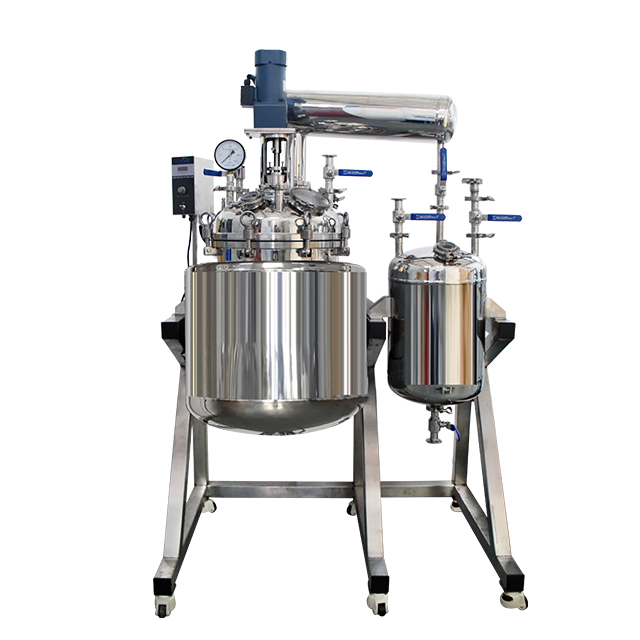
Các ngành công nghiệp chế biến hóa chất đòi hỏi thiết bị có hiệu suất, độ bền và tiêu chuẩn an toàn vượt trội. Trong số các loại lò phản ứng hiện có, lò phản ứng thép không gỉ đã nổi lên như lựa chọn hàng đầu cho vô số ứng dụng trong sản xuất dược phẩm, sản xuất petrochemical và tổng hợp hóa chất đặc chủng. Những thiết bị đa năng này kết hợp khả năng chống ăn mòn vượt trội với tính chất nhiệt tuyệt vời, làm cho chúng trở nên không thể thiếu trong các quá trình công nghiệp hiện đại yêu cầu kiểm soát chính xác và kết quả ổn định.
Việc lựa chọn vật liệu phản ứng phù hợp ảnh hưởng đáng kể đến hiệu suất quá trình, chất lượng sản phẩm và chi phí vận hành. Các ngành công nghiệp xử lý hóa chất ăn mòn, phản ứng nhiệt độ cao hoặc các hợp chất dược phẩm đòi hỏi những vật liệu phải duy trì độ bền cấu trúc đồng thời ngăn ngừa nhiễm bẩn. Các thiết bị phản ứng bằng thép không gỉ giải quyết những thách thức này thông qua đặc tính kim loại học độc đáo và các tính năng thiết kế kỹ thuật hỗ trợ đa dạng yêu cầu xử lý hóa chất.
Tính chất vật liệu và khả năng chống ăn mòn
Thành phần Thép không gỉ Austenitic
Nền tảng của bất kỳ thiết bị phản ứng inox hiệu suất cao nào nằm ở thành phần kim loại học của nó. Hầu hết các thiết bị phản ứng công nghiệp sử dụng các mác thép không gỉ austenitic, đặc biệt là 316L và 321, chứa crom, niken và molypden với tỷ lệ được cân chỉnh cẩn thận. Các nguyên tố hợp kim này tạo thành một lớp oxit thụ động trên bề mặt, mang lại khả năng chống ăn mòn, oxy hóa và tác động hóa học vượt trội từ nhiều môi trường quy trình khác nhau.
Hàm lượng crom thường dao động từ 16-20%, tạo thành rào cản bảo vệ chính chống lại các môi trường ăn mòn. Việc bổ sung niken từ 8-12% làm tăng độ dẻo và độ bền, đồng thời ổn định cấu trúc austenitic trong phạm vi nhiệt độ rộng. Hàm lượng molypden từ 2-3% cải thiện đáng kể khả năng chống ăn mòn lỗ và ăn mòn khe, đặc biệt trong các môi trường chứa clorua thường gặp trong các ứng dụng xử lý hóa chất.
Thụ động hóa và Xử lý bề mặt
Các quy trình sản xuất bồn phản ứng bằng thép không gỉ bao gồm các xử lý bề mặt chuyên biệt giúp tăng cường khả năng chống ăn mòn vượt trội hơn so với tính chất của vật liệu nền. Các xử lý thụ động hóa loại bỏ tạp chất trên bề mặt và thúc đẩy sự hình thành lớp oxit bảo vệ đồng nhất. Đánh bóng điện hóa tạo ra lớp hoàn thiện bề mặt siêu nhẵn, giảm thiểu sự bám dính của các hạt và thuận tiện cho việc làm sạch kỹ lưỡng giữa các lần sản xuất.
Các xử lý bề mặt tiên tiến như tẩy axit (pickling) và ăn mòn hóa học loại bỏ vết đổi màu do nhiệt và các tạp chất bề mặt phát sinh trong quá trình hàn và gia công. Những quy trình này đảm bảo điều kiện bề mặt tối ưu cho các ứng dụng yêu cầu tiêu chuẩn độ tinh khiết cao, chẳng hạn như sản xuất dược phẩm hoặc sản xuất hóa chất đạt tiêu chuẩn thực phẩm. Các đặc tính bề mặt thu được giúp giảm thiểu nguy cơ phát triển vi khuẩn và nhiễm bẩn, đồng thời kéo dài tuổi thọ thiết bị.
Hiệu suất Nhiệt và Khả năng Truyền Nhiệt
Đặc tính Dẫn nhiệt
Kiểm soát nhiệt độ hiệu quả là yếu tố then chốt đối với hiệu suất của phản ứng hóa học, và thép không gỉ mang lại tính chất nhiệt tuyệt vời để quản lý quá trình chính xác. Dù độ dẫn nhiệt của các thiết bị phản ứng bằng thép không gỉ thấp hơn đồng hoặc nhôm, nhưng vẫn đảm bảo tốc độ truyền nhiệt phù hợp cho hầu hết các quá trình hóa học, đồng thời cung cấp độ bền cơ học và khả năng chống ăn mòn vượt trội.
Thiết kế phản ứng có áo giúp tối đa hóa hiệu quả truyền nhiệt bằng cách tích hợp các kênh lưu thông xung quanh thành thiết bị. Các hệ thống này cho phép kiểm soát nhiệt độ chính xác thông qua việc lưu thông môi trường gia nhiệt hoặc làm mát, hỗ trợ các quá trình đòi hỏi thay đổi nhanh nhiệt độ hoặc duy trì chế độ nhiệt cụ thể. Khối lượng nhiệt của cấu trúc bằng thép không gỉ mang lại độ ổn định nhiệt độ xuất sắc trong điều kiện dao động quá trình.
Quản lý giãn nở nhiệt
Các quá trình hóa học thường liên quan đến sự biến đổi nhiệt độ đáng kể, có thể gây căng thẳng cho các bộ phận và kết nối của thiết bị phản ứng. Thép không gỉ thể hiện đặc tính giãn nở nhiệt ổn định, cho phép kỹ sư thiết kế các cơ chế bù trừ và các kết nối linh hoạt. Hệ số giãn nở nhiệt của thép không gỉ austenitic giữ ở mức tương đối ổn định trong các dải nhiệt độ vận hành điển hình.
Các yếu tố thiết kế phù hợp bao gồm các khớp nối giãn nở, các kết nối ống dẫn linh hoạt và các cấu trúc đỡ có khả năng thích ứng với chuyển động do nhiệt mà không gây ra ứng suất quá mức. Các giải pháp kỹ thuật này ngăn ngừa mỏi nhiệt và duy trì độ kín khít trong suốt các chu kỳ gia nhiệt và làm nguội lặp lại. Các thiết kế tiên tiến lò phản ứng thép không gỉ kết hợp mô hình hóa bằng máy tính để tối ưu hóa phân bố ứng suất nhiệt và kéo dài tuổi thọ của các bộ phận.
Độ bền cơ học và khả năng chịu áp lực
Tiêu chuẩn thiết kế bình chịu áp lực
Các quá trình hóa học công nghiệp thường vận hành ở áp suất cao, đòi hỏi thiết kế cơ khí chắc chắn và lựa chọn vật liệu phù hợp. Các phản ứng bằng thép không gỉ vượt trội trong các ứng dụng áp suất cao nhờ tỷ lệ độ bền trên trọng lượng nổi bật và khả năng chống nứt do ăn mòn ứng suất. Các tiêu chuẩn thiết kế như Tiêu chuẩn Nồi hơi và Bình chịu áp lực ASME cung cấp các hướng dẫn về áp suất vận hành an toàn dựa trên tính chất vật liệu và chất lượng gia công.
Giá trị giới hạn chảy của các mác thép phản ứng thông dụng vượt quá 200 MPa, với giới hạn bền kéo đạt mức 500-600 MPa tùy thuộc vào hợp kim cụ thể và chế độ xử lý nhiệt. Những đặc tính cơ học này cho phép thiết kế các thiết bị phản ứng có khả năng chịu được áp suất từ chân không đến vài trăm PSI, đồng thời duy trì độ nguyên vẹn cấu trúc và ổn định kích thước trong suốt thời gian dài hoạt động.
Khả năng chống mỏi và tải trọng chu kỳ
Nhiều quá trình hóa học bao gồm các điều kiện vận hành theo chu kỳ, gây ra các chu kỳ ứng suất lặp lại lên các bộ phận của thiết bị phản ứng. Thép không gỉ thể hiện đặc tính chống mỏi xuất sắc, ngăn ngừa sự hình thành và lan truyền vết nứt trong những điều kiện khắc nghiệt này. Cấu trúc vi mô austenit giữ ổn định qua nhiều chu kỳ áp suất và nhiệt độ mà không bị suy giảm.
Các mối hàn và kết nối được chú trọng đặc biệt trong thiết kế và chế tạo để đảm bảo hiệu suất chống mỏi tương đương với khả năng của vật liệu cơ bản. Các mối hàn hàn xuyên hoàn toàn, hình dạng mối nối phù hợp và các quy trình xử lý nhiệt sau hàn giúp loại bỏ các điểm tập trung ứng suất có thể khởi phát vết nứt mỏi. Các chương trình đảm bảo chất lượng bao gồm kiểm tra không phá hủy để xác minh độ nguyên vẹn của mối hàn và phát hiện các khuyết tật tiềm ẩn trước khi thiết bị được đưa vào vận hành.
Tính tương thích hóa học và tính linh hoạt trong quy trình
phạm vi pH và khả năng chịu hóa chất
Tính linh hoạt của các thiết bị phản ứng bằng thép không gỉ mở rộng đến khả năng tương thích với nhiều môi trường hóa học khác nhau, từ điều kiện có tính axit mạnh đến kiềm mạnh. Thép không gỉ cấp 316L thể hiện khả năng chống chịu xuất sắc đối với hầu hết các dung môi hữu cơ, axit yếu và dung dịch kiềm thường được sử dụng trong các quy trình sản xuất dược phẩm và hóa chất đặc biệt.
Khả năng tương thích hóa học cụ thể phụ thuộc vào các yếu tố như nồng độ, nhiệt độ và thời gian tiếp xúc. Các thiết bị phản ứng bằng thép không gỉ có thể xử lý các axit khoáng loãng, axit hữu cơ và hầu hết các dung dịch muối mà không bị ăn mòn đáng kể. Tuy nhiên, những ứng dụng liên quan đến axit halogen đậm đặc hoặc môi trường chứa hàm lượng clo cao có thể yêu cầu sử dụng hợp kim nâng cấp hoặc lớp phủ bảo vệ để đảm bảo tuổi thọ sử dụng đầy đủ.
Phòng ngừa ô nhiễm
Sản phẩm yêu cầu về độ tinh khiết trong sản xuất dược phẩm và hóa chất dùng trong thực phẩm đòi hỏi vật liệu phản ứng phải ngăn ngừa sự nhiễm bẩn do rò rỉ hoặc suy giảm bề mặt. Bề mặt thép không gỉ tương tác tối thiểu với hầu hết các hóa chất trong quy trình, duy trì chất lượng sản phẩm và ngăn ngừa sự nhiễm kim loại vết có thể ảnh hưởng đến quá trình xử lý sau đó hoặc đặc tính của sản phẩm cuối cùng.
Đặc tính bề mặt không xốp của thép không gỉ được hoàn thiện đúng cách ngăn chặn việc hấp thụ các hóa chất trong quy trình, điều này có thể gây nhiễm chéo giữa các đợt sản xuất khác nhau. Đặc điểm này đặc biệt hữu ích trong các cơ sở sản xuất đa sản phẩm, nơi các thiết bị phản ứng xử lý nhiều loại hóa chất khác nhau với yêu cầu độ tinh khiết nghiêm ngặt. Các quy trình làm sạch toàn diện đảm bảo loại bỏ hoàn toàn các vật liệu còn sót lại giữa các chiến dịch sản xuất.
Các Tính Năng Thiết Kế và Tùy Chọn Cấu Hình
Hệ Thống Khuấy Trộn và Trộn Đều
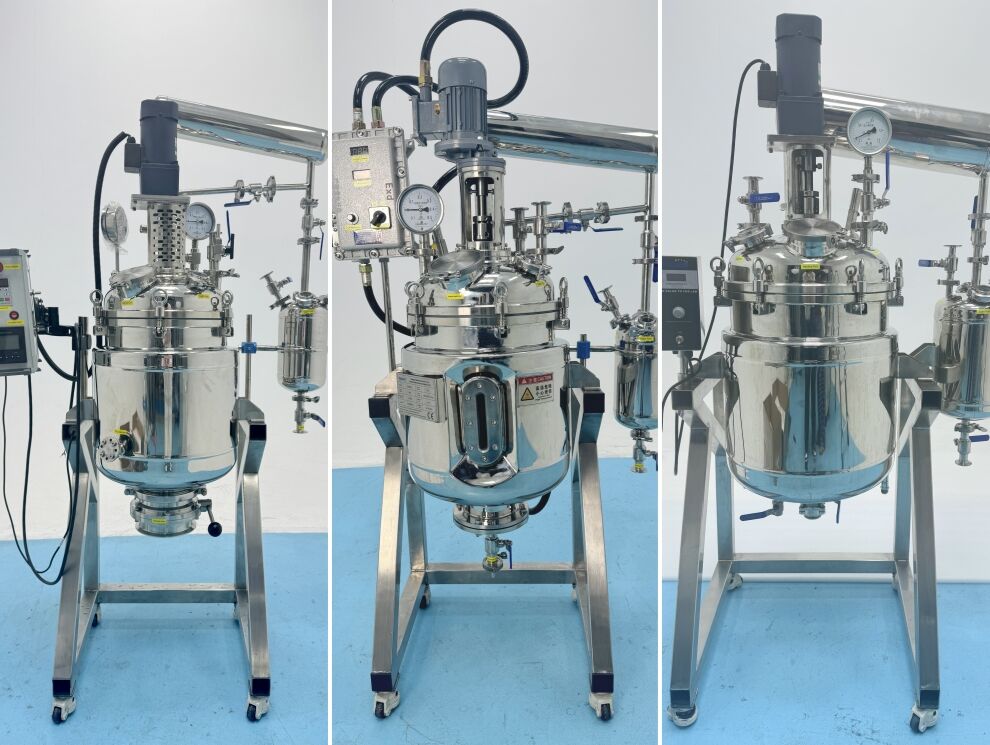
Việc trộn đều là yêu cầu cơ bản đối với hầu hết các phản ứng hóa học, và các thiết kế reactor bằng thép không gỉ có thể tích hợp nhiều hệ thống khuấy khác nhau để đáp ứng nhu cầu công nghệ cụ thể. Các bộ khuấy cơ học với cánh khuấy bằng thép không gỉ đảm bảo quá trình trộn hiệu quả cho các dung dịch nhớt, huyền phù và hệ đa pha, đồng thời duy trì khả năng tương thích hóa học và dễ làm sạch.
Các hệ thống truyền động từ tính loại bỏ nhu cầu sử dụng gioăng trục cơ học, giảm nguy cơ nhiễm bẩn và yêu cầu bảo trì. Những hệ thống này đặc biệt ưu việt trong các quy trình xử lý hóa chất độc hại hoặc nguy hiểm, nơi độ kín khít của hệ thống không được phép bị ảnh hưởng. Các bộ điều khiển tốc độ biến thiên cho phép kiểm soát chính xác cường độ khuấy để tối ưu hóa động học phản ứng và tốc độ truyền nhiệt.
Tích hợp Hệ thống Đo lường và Điều khiển
Các phản ứng sinh học bằng thép không gỉ hiện đại được tích hợp các gói thiết bị đo lường toàn diện, cho phép giám sát và điều khiển quá trình một cách chính xác. Cảm biến nhiệt độ, bộ truyền áp suất và đầu dò phân tích được tích hợp liền mạch vào thiết kế phản ứng thông qua các khớp nối chuyên dụng và điểm xuyên qua đặc biệt, giúp duy trì độ bền của thiết bị đồng thời cung cấp các phép đo chính xác.
Các hệ thống điều khiển tiên tiến sử dụng dữ liệu thời gian thực từ nhiều cảm biến để tự động điều chỉnh các thông số vận hành và duy trì điều kiện quy trình tối ưu. Các khóa an toàn ngăn chặn hoạt động ngoài phạm vi thông số an toàn và khởi động quy trình tắt khẩn cấp khi cần thiết. Khả năng ghi dữ liệu cung cấp hồ sơ quy trình đầy đủ nhằm đáp ứng yêu cầu pháp lý và nỗ lực tối ưu hóa quy trình.
Chất lượng Sản xuất và Gia công
Kỹ thuật Hàn và Độ bền của Mối nối
Chất lượng chế tạo của lò phản ứng thép không gỉ ảnh hưởng trực tiếp đến hiệu suất, độ an toàn và tuổi thọ của chúng. Các quy trình hàn chuyên biệt được phát triển riêng cho thép không gỉ đảm bảo độ bền mối hàn và khả năng chống ăn mòn đáp ứng hoặc vượt trội các đặc tính vật liệu cơ bản. Kỹ thuật hàn khí trơ vonfram cung cấp khả năng kiểm soát nhiệt đầu vào chính xác và giảm thiểu biến dạng trong quá trình chế tạo.
Việc chuẩn bị mối nối đúng cách, bao gồm các quy trình vát mép và làm sạch, đảm bảo độ ngấu hoàn toàn và loại bỏ các khuyết tật tiềm ẩn như hiện tượng không nóng chảy đầy hoặc nhiễm bẩn. Các thông số hàn như cường độ dòng điện, điện áp và tốc độ di chuyển được kiểm soát cẩn thận để đảm bảo chất lượng mối hàn đồng đều trong suốt quá trình lắp ráp lò phản ứng. Việc làm sạch sau khi hàn sẽ loại bỏ lớp oxy hóa và khôi phục khả năng chống ăn mòn ở các vùng chịu ảnh hưởng của nhiệt.
Các quy trình đảm bảo chất lượng và thử nghiệm
Các chương trình đảm bảo chất lượng toàn diện xác nhận rằng các thiết bị phản ứng bằng thép không gỉ đã hoàn thành đáp ứng các thông số kỹ thuật thiết kế và tiêu chuẩn ngành. Kiểm tra thủy tĩnh nhằm xác minh độ bền của bình chịu áp lực ở mức áp suất vượt quá điều kiện vận hành bình thường. Kiểm tra rò rỉ bằng heli đảm bảo độ kín khít cho các ứng dụng yêu cầu chứa hoàn toàn các vật liệu trong quá trình xử lý.
Các phương pháp kiểm tra không phá hủy bao gồm chụp ảnh phóng xạ và kiểm tra thấm màu phát hiện các khuyết tật bên trong và các lỗi bề mặt có thể làm giảm hiệu suất của thiết bị phản ứng. Các tài liệu chứng nhận vật liệu xác minh thành phần hóa học và tính chất cơ học của tất cả các bộ phận thiết bị phản ứng. Những biện pháp chất lượng này đảm bảo hoạt động tin cậy và tuân thủ quy định trong suốt vòng đời sử dụng thiết bị.
Các yếu tố bảo trì và vận hành
Quy trình Làm sạch và Khử trùng
Bề mặt nhẵn mịn và tính trơ hóa học của các thiết bị phản ứng bằng thép không gỉ giúp việc làm sạch và khử trùng một cách triệt để giữa các lần sản xuất. Các hệ thống làm sạch tại chỗ sử dụng đầu phun xoay và bơm tuần hoàn để phân phối dung dịch làm sạch khắp bên trong thiết bị phản ứng, loại bỏ nhu cầu làm sạch thủ công trong hầu hết các ứng dụng.
Các quy trình khử trùng sử dụng hơi nước, nước nóng hoặc chất khử trùng hóa học có hiệu quả trong việc loại bỏ nhiễm khuẩn mà không làm hư hại bề mặt hay các bộ phận của thiết bị phản ứng. Tính ổn định nhiệt của thép không gỉ cho phép khử trùng bằng hơi ở nhiệt độ vượt quá 120°C đối với các ứng dụng dược phẩm yêu cầu điều kiện vô trùng. Thiết kế thoát nước phù hợp đảm bảo loại bỏ hoàn toàn dung dịch làm sạch và nước xả.
Yêu cầu bảo trì phòng ngừa
Các chương trình bảo trì định kỳ kéo dài tuổi thọ sử dụng của thiết bị phản ứng inox và duy trì các đặc tính hiệu suất tối ưu. Kiểm tra trực quan giúp phát hiện các sự cố tiềm ẩn như ăn mòn bề mặt, xuống cấp gioăng hoặc mài mòn cơ học trước khi chúng ảnh hưởng đến hoạt động sản xuất. Hiệu chuẩn định kỳ các thiết bị đo lường đảm bảo việc giám sát và điều khiển quá trình chính xác.
Lịch trình thay thế linh kiện dựa trên khuyến nghị của nhà sản xuất và kinh nghiệm vận hành giúp giảm thiểu sự cố bất ngờ và gián đoạn sản xuất. Các bộ phận quan trọng như phớt khuấy, gioăng và thiết bị an toàn được chú ý đặc biệt trong các hoạt động bảo trì. Việc ghi chép đầy đủ các hoạt động bảo trì hỗ trợ tuân thủ quy định và giúp tối ưu hóa khoảng thời gian bảo trì dựa trên điều kiện vận hành thực tế.
Câu hỏi thường gặp
Những lợi thế chính khi sử dụng thiết bị phản ứng inox trong xử lý hóa chất là gì
Các thiết bị phản ứng bằng thép không gỉ mang lại khả năng chống ăn mòn vượt trội, độ bền cơ học tuyệt vời và tính tương thích hóa học rộng rãi hơn so với các vật liệu khác. Chúng duy trì độ tinh khiết sản phẩm, chịu được áp suất và nhiệt độ cao, đồng thời có tuổi thọ sử dụng dài với yêu cầu bảo trì tối thiểu. Bề mặt nhẵn mịn giúp dễ dàng vệ sinh và ngăn ngừa nhiễm bẩn, làm cho chúng trở nên lý tưởng cho các ứng dụng trong ngành dược phẩm và thực phẩm.
Làm thế nào để tôi xác định được loại thép không gỉ phù hợp cho ứng dụng cụ thể của mình
Việc lựa chọn loại thép phụ thuộc vào môi trường hóa chất cụ thể, nhiệt độ vận hành và yêu cầu về áp suất. Loại 316L cung cấp hiệu suất đa dụng xuất sắc cho hầu hết các ứng dụng, trong khi các loại chuyên dụng như 317L hoặc duplex 2205 mang lại khả năng chống lại các hóa chất nhất định tốt hơn hoặc độ bền cao hơn. Hãy tham khảo ý kiến kỹ sư vật liệu và thực hiện các thử nghiệm tương thích đối với các ứng dụng quan trọng.
Các biện pháp bảo trì nào giúp kéo dài tuổi thọ của thiết bị phản ứng bằng thép không gỉ
Vệ sinh định kỳ bằng các quy trình phù hợp ngăn ngừa sự tích tụ nhiễm bẩn và duy trì tình trạng bề mặt. Kiểm tra định kỳ các mối hàn, gioăng đệm và các bộ phận cơ khí để phát hiện sớm các sự cố tiềm ẩn. Quản lý chất lượng nước đúng cách ngăn ngừa ăn mòn do clo gây ra, và tuân thủ các khuyến nghị của nhà sản xuất về thông số vận hành sẽ đảm bảo hiệu suất tối ưu và kéo dài tuổi thọ.
Thiết bị phản ứng bằng thép không gỉ có thể xử lý cả các quá trình axit và kiềm không
Có, các mác thép không gỉ được chọn đúng cách thể hiện khả năng chống chịu tuyệt vời đối với cả môi trường axit và kiềm trong giới hạn nồng độ và nhiệt độ quy định. Mác 316L xử lý hiệu quả hầu hết các dung dịch axit loãng và kiềm, trong khi những môi trường khắc nghiệt hơn có thể yêu cầu sử dụng hợp kim nâng cấp hoặc các biện pháp bảo vệ. Luôn kiểm tra tính tương thích hóa học với điều kiện vận hành cụ thể của bạn và tham khảo các bảng tương thích hoặc thực hiện thử nghiệm khi cần thiết.
Mục Lục
- Tính chất vật liệu và khả năng chống ăn mòn
- Hiệu suất Nhiệt và Khả năng Truyền Nhiệt
- Độ bền cơ học và khả năng chịu áp lực
- Tính tương thích hóa học và tính linh hoạt trong quy trình
- Các Tính Năng Thiết Kế và Tùy Chọn Cấu Hình
- Chất lượng Sản xuất và Gia công
- Các yếu tố bảo trì và vận hành
-
Câu hỏi thường gặp
- Những lợi thế chính khi sử dụng thiết bị phản ứng inox trong xử lý hóa chất là gì
- Làm thế nào để tôi xác định được loại thép không gỉ phù hợp cho ứng dụng cụ thể của mình
- Các biện pháp bảo trì nào giúp kéo dài tuổi thọ của thiết bị phản ứng bằng thép không gỉ
- Thiết bị phản ứng bằng thép không gỉ có thể xử lý cả các quá trình axit và kiềm không