 EN
EN

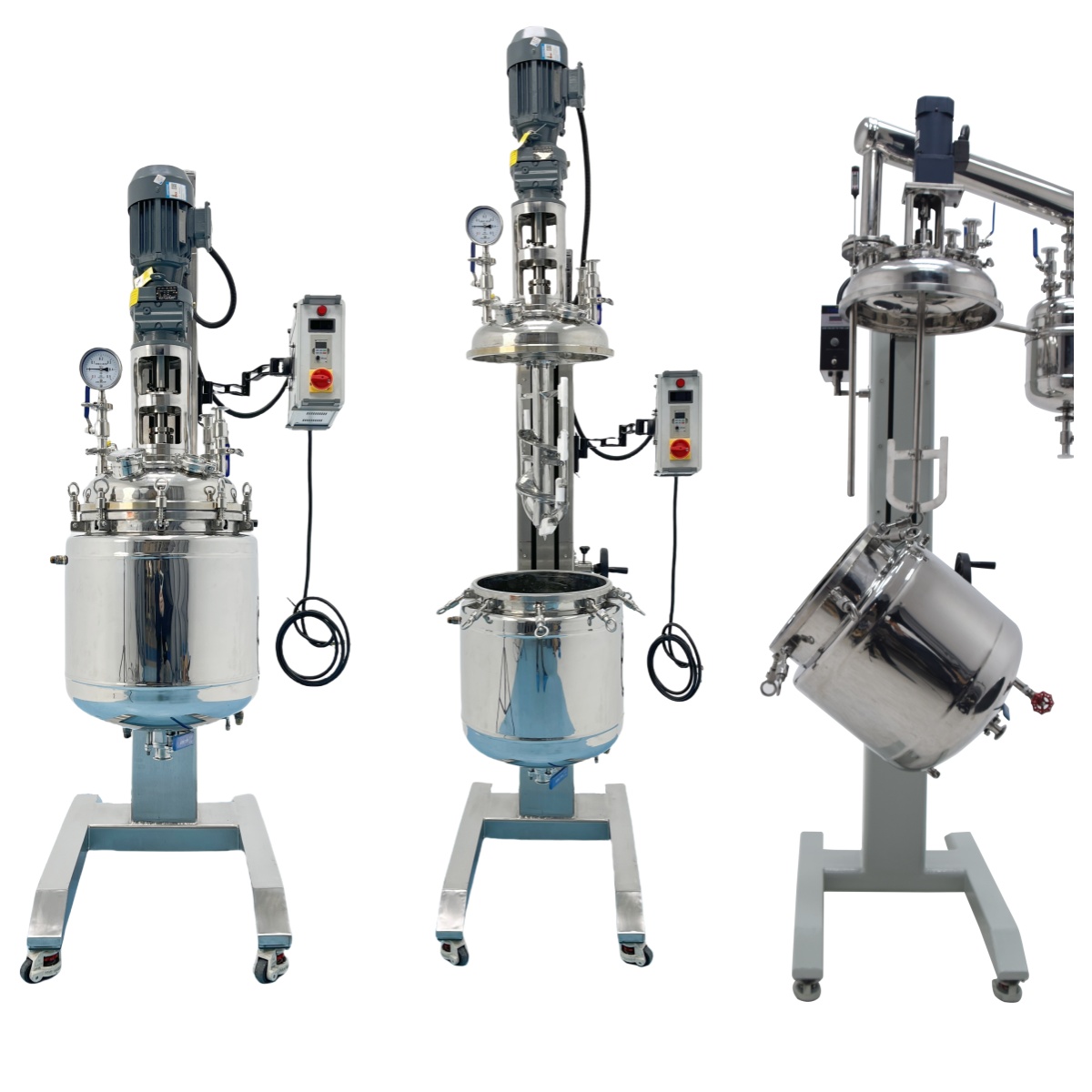
Procesele industriale moderne necesită echipamente care combină durabilitatea, versatilitatea și eficiența operațională. Reactoare din oțel inoxidabil au apărut ca fiind colțul de piatră al numeroase operațiuni de fabricație, oferind performanțe fără precedent în domenii diverse. Aceste vase sofisticate permit controlul precis al reacțiilor chimice, reglarea temperaturii și procesarea materialelor, menținând în același timp cele mai înalte standarde de puritate și siguranță a produselor. Caracteristicile de design rotativ și ridicabil au revoluționat modul în care industriile abordează procesele complexe de sinteză, făcând din oțelul inoxidabil reactoare un element indispensabil pentru companiile care doresc să obțină avantaje competitive pe piețele lor respective.
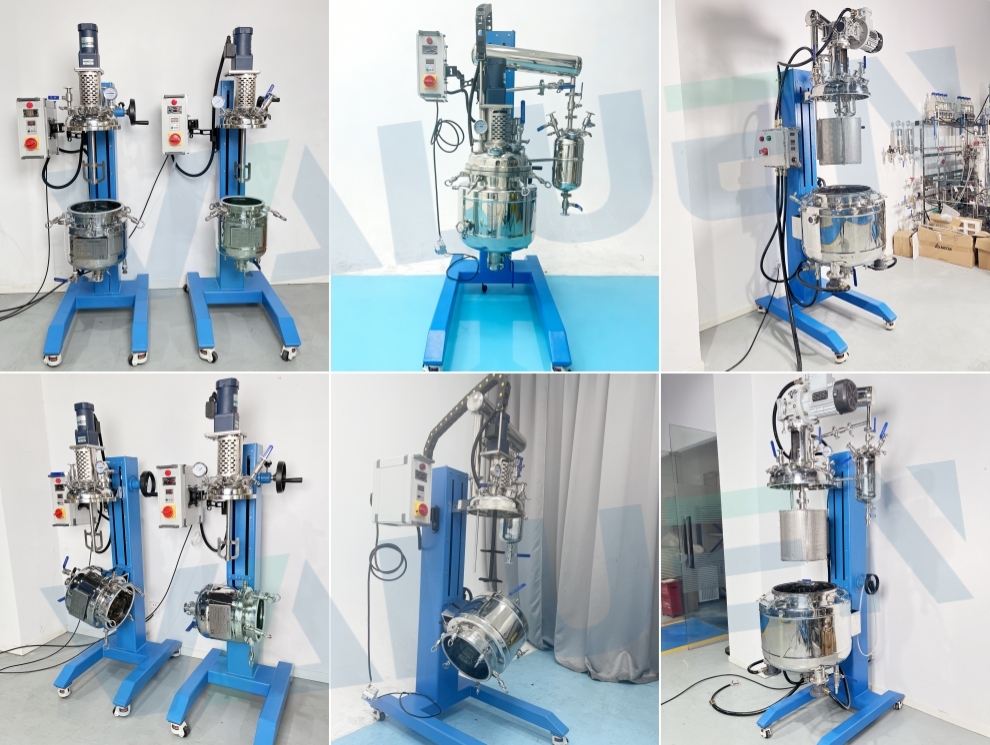
Excelență în Producția Farmaceutică
Producția ingredientelor farmaceutice active
Industria farmaceutică reprezintă una dintre cele mai exigente aplicații pentru reactoarele din oțel inoxidabil, unde puritatea produsului și prevenirea contaminării sunt esențiale. Aceste reactoare facilitează sinteza ingredientelor farmaceutice active prin reacții chimice controlate care necesită condiții precise de temperatură, presiune și amestecare. Proprietățile ne reactive ale suprafeței oțelului inoxidabil asigură că nicio ion metalic nu pătrunde în compușii farmaceutici, menținând integritatea formulărilor sensibile de medicamente. Producătorii farmaceutici se bazează pe reactoare din oțel inoxidabil pentru operațiunile de procesare în loturi, care trebuie să respecte standardele stricte ale FDA și ale reglementărilor internaționale.
Funcționalitatea rotativă permite amestecarea completă a intermediarilor farmaceutici, asigurând o distribuție uniformă a reactanților și o calitate constantă a produsului. Această capacitate se dovedește esențială în procesarea compușilor farmaceutici vâscoși sau atunci când este necesară dizolvarea completă a reactanților solizi. Caracteristica de design ridicabilă permite o curățare și întreținere ușoară între loturi, prevenind contaminarea cruzată între diferite produse farmaceutice. Multe companii farmaceutice au integrat aceste reactoare în protocoalele lor de asigurare a calității, recunoscând contribuția acestora la menținerea consistenței de la un lot la altul și la conformitatea cu reglementările.
Aplicații pentru vaccinuri și biotehnologie
Companiile de biotehnologie utilizează reactoare din oțel inoxidabil pentru procese de cultură celulară, reacții de fermentație și proceduri de purificare a proteinelor. Mediul steril menținut în interiorul acestor reactoare susține creșterea organismelor biologice sensibile, prevenind contaminarea cu microorganisme din mediu. Sistemele de control al temperaturii integrate cu reactoarele din oțel inoxidabil permit menținerea precisă a condițiilor optime de creștere pentru diverse microorganisme utilizate în producția de vaccinuri. Aceste reactoare acoperă nevoile de scalare de la cercetarea de laborator până la producția comercială, sprijinind companiile de biotehnologie pe parcursul întregului ciclu de dezvoltare a produselor.
Proprietățile de rezistență chimică ale oțelului inoxidabil fac ca acești reactoare să fie potriviți pentru manipularea substanțelor chimice agresive utilizate în procesele de curățare și sterilizare din aplicațiile de biotehnologie. Procesele de sterilizare cu abur, care sunt standard în producția de biotehnologii, pot fi efectuate în siguranță în interiorul reactoarelor din oțel inoxidabil, fără a compromite integritatea recipientului. Caracteristica de ridicare facilitează inspecțiile și procedurile de validare pe care companiile de biotehnologie trebuie să le efectueze pentru a demonstra conformitatea cu reglementările privind Practicile Bune de Fabricație.
Industriile de prelucrare chimică
Producerea de Chimicale Speciale
Producătorii de chimicale speciale depind de reactoarele din oțel inoxidabil pentru producerea compușilor chimici de înaltă valoare care necesită condiții precise de reacție și medii fără contaminare. Aceste reactoare permit sinteza catalizatorilor, aditivilor pentru polimeri și a chimicalelor performante prin căi de reacție controlate care maximizează randamentul și minimizează subprodusele nedorite. Rezistența la coroziune a oțelului inoxidabil permite acestor reactoare să facă față unor medii chimice agresive, inclusiv acizi tari, baze și agenți oxidanți frecvent utilizați în sinteza chimicalelor speciale. Producătorii de produse chimice apreciază longevitatea și fiabilitatea reactoarelor din oțel inoxidabil, care reduc costurile de înlocuire a echipamentelor și opririle în producție.
Capacitatea de amestecare rotativă asigură condiții homogene de reacție, ceea ce este esențial în producerea chimicalelor speciale cu cerințe stricte privind specificațiile. Multe chimicale speciale necesită tipare specifice de amestecare pentru a obține structuri moleculare dorite sau distribuții ale dimensiunii particulelor. Reactoare din oțel inoxidabil oferă agitația mecanică necesară acestor procese complexe de sinteză, menținând în același timp o temperatură uniformă în întregul volum de reacție. Capacitatea de a ridica și inspecționa componentele interne ale reactorului permite producătorilor de produse chimice să monitorizeze starea echipamentelor și să efectueze întreținere preventivă care prelungește durata de funcționare.
Producția de polimeri și rășini
Operațiunile de fabricare a polimerilor necesită reactoare din oțel inoxidabil capabile să reziste la temperaturile și presiunile ridicate asociate cu reacțiile de polimerizare. Aceste reactoare susțin atât procesele de polimerizare prin adiție, cât și cele de polimerizare prin condensare, permițând producerea de termoplastice, termorigide și materiale polimerice speciale. Proprietățile de conductivitate termică ale oțelului inoxidabil facilitează transferul eficient de căldură în timpul reacțiilor exoterme de polimerizare, prevenind abaterile periculoase de temperatură care ar putea compromite calitatea produsului sau siguranța. Producătorii de polimeri se bazează pe rezistența mecanică a reactoarelor din oțel inoxidabil pentru a conține presiunile generate în timpul proceselor de polimerizare la temperatură ridicată.
Suprafețele interioare netede ale reactoarelor din oțel inoxidabil minimizează acumularea polimerilor și formarea de depuneri, care pot afecta eficiența transferului de căldură și calitatea produsului. Curățarea regulată între loturi devine mai ușor de gestionat datorită funcției de ridicare, permițând personalului de întreținere să acceseze toate suprafețele interioare pentru o curățare completă. Inerția chimică a oțelului inoxidabil previne degradarea catalitică a produselor polimerice, asigurând faptul că materialele finale îndeplinesc caracteristicile specificate privind masa moleculară și performanța, necesare pentru aplicațiile finale.
Prelucrarea Alimentelor și Băuturilor
Prelucrarea laptelui și a proteinelor
Industria laptelui utilizează în mod extins reactoare din oțel inoxidabil pentru procesele de pasteurizare, fermentare și modificare a proteinelor, care necesită condiții sanitare și precizie termică. Aceste reactoare permit producerea de produse lactate cultivate, concentrate de proteine și ingrediente nutriționale specializate, menținând în același timp standardele de siguranță alimentară impuse de agențiile de reglementare. Suprafețele netede și fără crăpături ale reactoarelor din oțel inoxidabil facilitează procedurile complete de curățare și dezinfecție, prevenind contaminarea bacteriană și asigurând siguranța produsului. Procesatorii de lapte apreciază posibilitatea de a atinge și menține temperaturi precise, necesare activării enzimelor și controlului microbian.
Funcția de amestecare rotativă se dovedește esențială în aplicațiile lactate, unde este necesară o distribuție uniformă a căldurii și o agitare ușoară pentru a preveni denaturarea proteinelor. Multe produse lactate necesită tipare specifice de amestecare pentru a obține caracteristicile dorite de textură și consistență. Designul ridicabil permite procesatorilor de produse lactate să inspecționeze și să curețe complet interiorul reactorului, sprijinind programele lor de Analiză a Riscurilor și Puncte Critice de Control. Reactoarele din oțel inoxidabil contribuie la prelungirea duratei de valabilitate și la menținerea constanței calității pe care companiile lactate le necesită pentru a concura pe piețele globale.
Producția de Băuturi și Fermentație
Producătorii de băuturi, inclusiv berării, vinării și producătorii de băuturi fermentate, se bazează pe reactoare din oțel inoxidabil pentru procesele de fermentație care transformă zaharurile în alcool și dezvoltă arome caracteristice. Aceste reactoare oferă un mediu controlat necesar activității drojdiei, în același timp prevenind contaminarea cu microorganisme sălbatice care ar putea strica produsul. Capacitățile de control al temperaturii ale reactoarelor din oțel inoxidabil permit producătorilor de băuturi să gestioneze viteza de fermentație și dezvoltarea aromelor în funcție de cerințele specifice ale produsului. Neutralitatea chimică a oțelului inoxidabil asigură faptul că nicio aromă metalică nu contaminează băuturile în timpul procesării.
Capacitatea de rotație facilitează procesele de amestecare și aerare esențiale pentru obținerea unor rezultate consistente ale fermentației în cadrul loturilor mari de producție. Diferitele tipuri de băuturi necesită intensități și modele specifice de amestecare pentru a realiza o distribuție optimă a drojdiei și un contact adecvat cu nutrienții. Funcția liftable permite producătorilor de băuturi curățarea și dezinfecția componentelor interne ale reactorului între diferitele loturi de produse, prevenind transferul de aromă și menținând integritatea produsului. Multe berării artizanale și producători specializați de băuturi au adoptat reactoarele din oțel inoxidabil ca vase preferate de fermentație datorită fiabilității și ușurinței în întreținere.
Producția de cosmetice și articole de îngrijire personală
Formularea produselor pentru îngrijirea pielii și cosmetică
Industria cosmeticelor se bazează pe reactoare din oțel inoxidabil pentru formularea cremelor, loțiunilor, serurilor și a altor produse de îngrijire personală care necesită un control precis al temperaturii și o procesare fără contaminare. Aceste reacționare permit procesele de emulsificare necesare pentru combinarea ingredientelor pe bază de ulei și apă în formule cosmetice stabile. Proprietățile ne-reactive ale suprafeței din oțel inoxidabil asigură menținerea puterii și stabilității ingredientelor active pe întreaga durată a procesului de fabricație. Producătorii de produse cosmetice apreciază capacitatea de a obține o amestecare uniformă și o distribuție omogenă a temperaturii pe care o oferă reacționarele din oțel inoxidabil, pentru o calitate constantă a produselor.
Suprafețele interioare netede facilitează curățarea completă între diferitele formulări de produse, prevenind contaminarea cruzată a parfumurilor, culorilor sau ingredientelor active. Funcția de amestecare rotativă permite incorporarea ingredientelor sensibile la temperaturi specifice și viteze de amestecare care păstrează eficacitatea acestora. Multe companii de cosmetice au implementat reactoare din oțel inoxidabil în protocoalele lor de control al calității pentru a asigura o consistență de la lot la lot în ceea ce privește textura, aspectul și caracteristicile de performanță ale produselor lor.
Dezvoltarea parfumurilor și a fragranțelor
Producătorii de parfumuri utilizează reactoare din oțel inoxidabil pentru amestecarea uleiurilor esențiale, compușilor aromatici sintetici și a purtătorilor alcoolici în vederea creării unor formule complexe de parfum. Aceste reactoare oferă mediul controlat necesar proceselor de îmbătrânire și maturizare care dezvoltă profilul final al parfumului. Inerția chimică a oțelului inoxidabil previne interacțiunile dintre suprafața reactorului și compușii organici volatili care ar putea modifica caracteristicile parfumului. Capacitățile de control al temperaturii permit producătorilor să optimizeze procesele de extracție și să păstreze moleculele aromatice delicate.
Funcția de design liftable permite producătorilor de parfumuri să inspecționeze și să curețe în mod amănunțit interiorul reactorului între diferitele partide de parfumuri, prevenind contaminarea care ar putea compromite calitatea mirosului. Capacitatea de amestecare rotativă asigură dizolvarea completă și omogenizarea componentelor parfumate, eliminând gradientele de concentrație care ar putea afecta consistența produsului. Parfumierii profesioniști apreciază precizia și fiabilitatea pe care reactoarele din oțel inoxidabil le aduc proceselor lor de formulare, permițându-le să reproducă în mod constant parfumurile signature în cadrul diferitelor serii de producție.
Aplicații avansate ale materialelor și nanotehnologiei
Sinteză și procesare nanomateriale
Instituțiile de cercetare și producătorii avansați de materiale folosesc reactoare din oțel inoxidabil pentru sintetizarea nanoparticulelor, punctelor cuantice și altor materiale la scară nanometrică care necesită medii de reacție precis controlate. Aceste reactoare permit procesele de nucleație și creștere necesare obținerii unor distribuții specifice ale dimensiunilor particulelor și proprietăților suprafeței în nanomateriale. Rezistența la coroziune a oțelului inoxidabil permite acestor reactoare să suporte condițiile chimice agresive adesea necesare pentru sinteza nanomaterialelor, inclusiv agenți reducători puternici și tratamente la temperatură înaltă. Suprafețele interioare netede minimizează sursele de contaminare care ar putea afecta puritatea și proprietățile nanomaterialelor.
Capacitatea de amestecare rotativă se dovedește esențială pentru menținerea unor condiții uniforme de reacție în timpul sintezei nanomaterialelor, unde variațiile mici ale concentrațiilor locale pot afecta semnificativ caracteristicile particulelor. Uniformitatea temperaturii asigurată de reactoarele din oțel inoxidabil garantează rate constante de nucleație și creștere în întregul volum de reacție. Multe companii din domeniul nanotehnologiei au integrat aceste reactoare în procesele lor de scalare, acoperind decalajul dintre sinteza la nivel de laborator și producția comercială a materialelor avansate.
Dezvoltarea catalizatorilor și modificarea suprafeței
Companiile chimice care dezvoltă catalizatori pentru procese industriale utilizează reactoare din oțel inoxidabil pentru sinteză, activare și proceduri de testare care necesită medii fără contaminare. Aceste reactoare susțin prepararea catalizatorilor heterogeni prin procese de precipitare, impregnare și calcinare, care trebuie să mențină un control precis asupra proprietăților catalizatorilor. Stabilitatea termică a oțelului inoxidabil permite tratamente la temperaturi înalte necesare activării catalizatorilor, prevenind în același timp contaminarea din partea materialelor reactorului. Producătorii de catalizatori apreciază reproductibilitatea și fiabilitatea oferite de reactoarele din oțel inoxidabil în dezvoltarea formulărilor comerciale de catalizatori.
Funcția de ridicare permite cercetătorilor să examineze mostrele de catalizator și componentele interne ale reactorului între experimente, susținând procesele iterative de dezvoltare. Tratamentele de modificare a suprafeței pentru materiale avansate necesită adesea reactoare din oțel inoxidabil, capabile să suporte diverse medii chimice menținând în același timp integritatea materialului. Capacitatea de rotație asigură un contact complet între reactanți și suprafețele catalizatorului, optimizând eficiența proceselor de modificare a suprafeței. Multe programe de dezvoltare a catalizatorilor au adoptat reactoarele din oțel inoxidabil ca echipament standard pentru activitățile lor de cercetare și dezvoltare.
Întrebări frecvente
Ce face ca reactoarele din oțel inoxidabil să fie superioare altor materiale de reactor
Reactoarele din oțel inoxidabil oferă o rezistență excepțională la coroziune, inerție chimică și rezistență mecanică superioară față de materiale alternative precum sticlă sau plastic. Durabilitatea oțelului inoxidabil permite acestor reactoare să suporte medii chimice agresive, temperaturi ridicate și presiuni care ar compromite alte materiale. În plus, suprafața netedă și neporoasă facilitează curățarea și sterilizarea amănunțită, făcând din reactoarele din oțel inoxidabil o alegere ideală pentru aplicațiile care necesită standarde stricte de igienă. Longevitatea construcției din oțel inoxidabil asigură un randament excelent al investiției pentru operațiunile industriale.
Cum îmbunătățesc caracteristicile rotative și cele cu ridicare performanța reactorului
Funcționalitatea rotativă oferă o capacitate superioară de amestecare, asigurând o distribuție uniformă a reactanților și o temperatură constantă în întregul volum de reacție. Această capacitate de agitare mecanică elimină zonele moarte și gradienții de concentrație care ar putea afecta calitatea produsului. Caracteristica de design ridicabil facilitează procedurile complete de curățare, inspecție și întreținere, reducând timpul de nefuncționare și prelungind durata de viață a echipamentului. Aceste caracteristici combinate permit operatorilor să optimizeze condițiile de reacție și să mențină performanța echipamentului pe perioade lungi.
Care sunt cerințele de întreținere asociate cu reactoarele din oțel inoxidabil
Reactoarele din oțel inoxidabil necesită proceduri regulate de curățare și inspecție pentru a menține o performanță optimă și pentru a preveni contaminarea între loturi. Programul de întreținere include în mod tipic protocoale zilnice de curățare, calibrarea periodică a senzorilor de temperatură și presiune, precum și inspecția componentelor mecanice, cum ar fi etanșările și sistemele de agitare. Designul ridicabil simplifică accesul la componentele interne, reducând timpul și costurile de întreținere. Practicile corespunzătoare de întreținere prelungesc semnificativ durata de viață a reactorului și asigură o calitate constantă a produsului pe toată perioada de funcționare a echipamentului.
Cum aleg industriile dimensiunea și configurația potrivite pentru aplicațiile lor
Profesioniștii din industrie aleg reactoarele din oțel inoxidabil în funcție de cerințele privind volumul producției, caracteristicile reacțiilor și restricțiile procesului specifice aplicațiilor lor. Factorii implicați includ mărimea lotului, timpul de reacție, cerințele de temperatură și presiune, precum și proprietățile fizice ale reactanților și produselor. Posibilitatea de scalare a reactoarelor din oțel inoxidabil permite industriei să potrivească capacitatea echipamentelor la cerințele de producție, menținând în același timp eficiența procesului. Consultarea producătorilor de echipamente ajută la determinarea configurațiilor optime pentru aplicații industriale specifice și pentru cerințele viitoare de extindere.
Cuprins
- Excelență în Producția Farmaceutică
- Industriile de prelucrare chimică
- Prelucrarea Alimentelor și Băuturilor
- Producția de cosmetice și articole de îngrijire personală
- Aplicații avansate ale materialelor și nanotehnologiei
-
Întrebări frecvente
- Ce face ca reactoarele din oțel inoxidabil să fie superioare altor materiale de reactor
- Cum îmbunătățesc caracteristicile rotative și cele cu ridicare performanța reactorului
- Care sunt cerințele de întreținere asociate cu reactoarele din oțel inoxidabil
- Cum aleg industriile dimensiunea și configurația potrivite pentru aplicațiile lor