 EN
EN

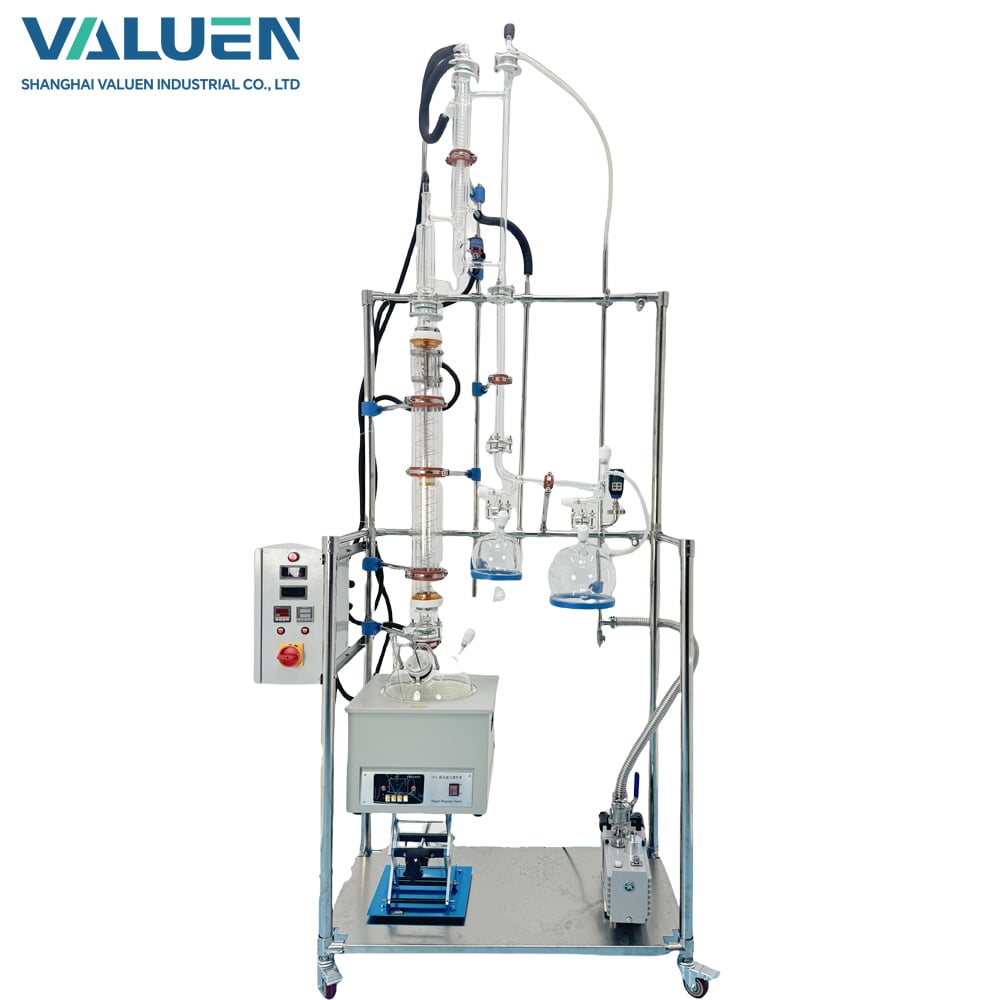
De farmaceutische industrie functioneert onder enkele van de strengste kwaliteits- en veiligheidsnormen ter wereld, waarbij zelfs de kleinste verontreiniging volledige productpartijen kan compromitteren met een waarde van miljoenen dollars. In deze sterk gereguleerde omgeving wordt de keuze van apparatuur een beslissende factor die direct van invloed is op de zuiverheid van het product, naleving van regelgeving en operationele efficiëntie. Onder de verschillende materialen die beschikbaar zijn voor destillatieprocessen, kiezen farmaceutische fabrikanten consequent voor glazen destillatievaten in plaats van alternatieven zoals roestvrijstalen of plastic systemen. Deze voorkeur is gebaseerd op de unieke combinatie van chemische inertie, transparantie, eenvoud van reiniging en bewezen geschiedenis van glas in farmaceutische toepassingen.
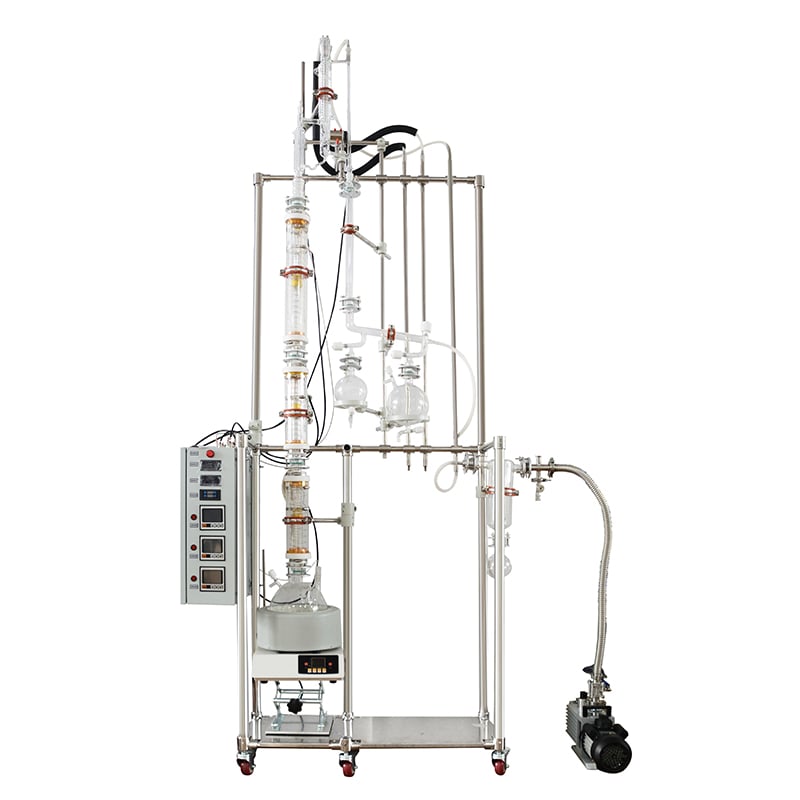
Chemische inertie en productzuiverheid
Superieure chemische weerstandseigenschappen
Het belangrijkste voordeel van een glazen destillatievessel ligt in zijn uitzonderlijke chemische inertie, waardoor ongewenste reacties tussen het vessele materiaal en farmaceutische verbindingen worden voorkomen. In tegenstelling tot metalen alternatieven, die ionen kunnen vrijgeven of corrosie kunnen ondergaan bij blootstelling aan zure of basische oplossingen, behoudt borosilicaatglas zijn structurele integriteit en chemische neutraliteit over een breed pH-bereik. Deze eigenschap garandeert dat het destillatieproces farmaceutisch kwalitatief hoogwaardige verbindingen oplevert zonder verontreiniging door het vessele materiaal zelf.
Farmaceutische destillatie omvat vaak agressieve oplosmiddelen, geconcentreerde zuren of basen die andere materialen snel zouden afbreken. Een glazen destillatievessel kan worden blootgesteld aan zoutzuur, zwavelzuur, organische oplosmiddelen en alkalische oplossingen zonder verontreinigingen vrij te geven in de productstroom. Deze weerstand strekt zich uit tot thermische cyclische omstandigheden, waarbij herhaaldelijk verwarmen en koelen materiaalmoeheid in metalen vessels kan veroorzaken, wat leidt tot microscopische scheurtjes die verontreinigingen kunnen herbergen.
Voorkoming van kruisverontreiniging tussen batches
Kruisbesmetting vormt een van de ernstigste risico's in de farmaceutische productie en kan leiden tot productterugroepingen, regelgevende overtredingen en zorgen over de veiligheid van patiënten. Het gladde, niet-poreuze oppervlak van een glazen destillatiekolf vormt een ideaal barrièremateriaal tegen bacteriële groei en ophoping van residuen van stoffen. In tegenstelling tot poreuze materialen of materialen met microscopische oneffenheden op het oppervlak kan glas grondig worden gereinigd en gesteriliseerd tussen partijen, waardoor een volledige verwijdering van eerdere stoffen wordt gewaarborgd.
De validatie van reinigingsprocedures wordt aanzienlijk eenvoudiger met glasvaten dankzij hun transparantie en oppervlakte-eigenschappen. Kwaliteitscontroleteams kunnen het gehele binnenoppervlak van het vat visueel inspecteren op schoonheid, terwijl analytische methoden eventuele resterende verontreiniging op het gladde glasoppervlak gemakkelijk kunnen detecteren. Deze mogelijkheid blijkt onmisbaar bij het overschakelen tussen verschillende farmaceutische stoffen of bij de productie van producten met uiterst lage toelaatbare verontreinigingsniveaus.
Visuele monitoring en procesbeheersing
Real-time procesobservatie
Transparantie is een van de meest waardevolle kenmerken van een glazen destillatievessel in farmaceutische toepassingen, waardoor operators het destillatieproces continu kunnen bewaken zonder de werking te onderbreken. Deze visuele toegang maakt onmiddellijke detectie mogelijk van fasewisselingen, neerslagvorming, kleurveranderingen of schuimvorming, die op procesafwijkingen of kwaliteitsproblemen kunnen duiden. Operators kunnen de helderheid van de destillaten observeren, refluxverhoudingen bewaken en potentiële problemen identificeren voordat deze van invloed zijn op de productkwaliteit.
Het vermogen om in het vat te kijken, wordt bijzonder cruciaal tijdens complexe meervoudige destillaties of bij de verwerking van nieuwe farmaceutische verbindingen met onbekend gedrag. Visuele monitoring helpt de bedrijfsparameters, zoals verwarmingsnelheden, refluxverhoudingen en het moment van verzameling, te optimaliseren, wat leidt tot verbeterde opbrengsten en kortere verwerkingstijden. Deze real-time feedbacklus stelt operators in staat onmiddellijke aanpassingen door te voeren, in plaats van te wachten op de resultaten van laboratoriumanalyses.
Verbeterde Kwaliteitscontrole en Documentatie
Regelgevende conformiteit in de farmaceutische productie vereist uitgebreide documentatie van procesomstandigheden en productkwaliteit gedurende de gehele productie. De transparantie van een glazen destillatievat vergemakkelijkt uitputtende fotografische en videodocumentatie van destillatieprocessen, waardoor waardevol bewijsmateriaal wordt geleverd voor regelgevende indieningen en kwaliteitsaudits. Dit visuele registratieondersteunt de aantonen van procesconsistentie en helpt bij het oplossen van problemen wanneer afwijkingen optreden.
Visueel toezicht stelt operators ook in staat om de fractieopname tijdens fractionele destillatieprocessen nauwkeuriger te tijden. Ze kunnen het exacte moment observeren waarop verschillende verbindingen beginnen te destilleren, wat een precieze scheiding en maximale zuiverheid van de verzamelde fracties waarborgt. Deze mogelijkheid is essentieel bij de verwerking van hoogwaardige farmaceutische tussenproducten, waarbij zelfs geringe verliezen door onjuiste timing aanzienlijke economische gevolgen kunnen hebben.
Thermische eigenschappen en warmteoverdracht
Gelijkmatige warmteverdeling
De thermische kenmerken van een glazen destillatievessel dragen aanzienlijk bij aan de procesefficiëntie en productkwaliteit bij farmaceutische destillatieprocessen. Borosilicaatglas vertoont uitstekende weerstand tegen thermische schokken en een uniforme warmteoverdracht, waardoor een consistente temperatuurverdeling over de inhoud van het vessel wordt gewaarborgd. Deze uniformiteit voorkomt het ontstaan van hotspots die lokaal oververhitting en thermische afbraak van gevoelige farmaceutische verbindingen zouden kunnen veroorzaken.
De relatief lage thermische massa van glas vergeleken met zware metalen vaten maakt een responsievere temperatuurregeling mogelijk tijdens destillatieprocessen. Wanneer de verwarmings- of koelsnelheid moet worden aangepast, reageren glasvaten sneller op veranderingen in externe verwarmings- of koelsystemen, wat betere procescontrole oplevert en het risico op temperatuurgerelateerde kwaliteitsproblemen vermindert. Deze responsiviteit is bijzonder waardevol bij het verwerken van thermisch gevoelige stoffen die nauwkeurige temperatuurregeling vereisen.
Temperatuurbestendigheid en veiligheid
Moderne farmaceutische destillatie vereist vaak bedrijfsomstandigheden bij verhoogde temperaturen en drukken, omstandigheden die uitzonderlijke materiaalprestaties van de destillatiekolf vereisen. Een glazen destillatiekolf vervaardigd uit hoogwaardig borosilicaatglas kan veilig opereren bij temperaturen boven de 500 °C, terwijl het zijn structurele integriteit en chemische inertie behoudt. Dit temperatuurbereik bestrijkt vrijwel alle farmaceutische destillatietoepassingen, van eenvoudige oplosmiddelterugwinning tot complexe meertraps-scheidingen.
De coëfficiënt van thermische uitzetting van borosilicaatglas blijft laag over het gehele werktemperatuurbereik, waardoor thermische spanning wordt geminimaliseerd en het risico op kolfbreuk als gevolg van temperatuurschommelingen wordt verminderd. Deze eigenschap is essentieel in farmaceutische processen waarbij temperatuurwisselingen frequent optreden, zoals tijdens batchverwerking of bij het uitvoeren van reinigings- en sterilisatieprocedures tussen productieruns.
Voordelen bij reiniging en sterilisatie
Vereenvoudigde reinigingsprocedures
De reinigings- en sterilisatievereisten in de farmaceutische productie stellen hoge eisen aan de materiaaleigenschappen van vaten, die bestand moeten zijn tegen agressieve reinigingsmiddelen en sterilisatieprocedures zonder te verslijten. A glazen destillatievaten uitstekend op dit gebied, omdat het chemisch inert blijft bij blootstelling aan sterke zuren, basen, oxyderende middelen en organische oplosmiddelen die veelvoorkomen in farmaceutische reinigingsprotocollen.
Het gladde, niet-poreuze oppervlak van glas voorkomt de ophoping van reinigingsresten en vergemakkelijkt een volledige spoeling, waardoor wordt gewaarborgd dat er geen restanten van reinigingsmiddelen in het vat achterblijven. Deze eigenschap is bijzonder belangrijk bij het gebruik van gespecialiseerde farmaceutische reinigingsmiddelen die volledig moeten worden verwijderd om interferentie met daaropvolgende productiepartijen te voorkomen. De mogelijkheid om herhaaldelijk gevalideerde schoonheidsniveaus te bereiken, maakt glasvaten tot de voorkeurskeuze voor kritieke farmaceutische toepassingen.
Sterilisatiecompatibiliteit
Sterilisatieprocedures in de farmaceutische productie maken vaak gebruik van stoom bij hoge temperatuur, droge hitte of chemische sterilisatiemiddelen, die veel vatmaterialen zouden beschadigen of doen afbreken. Glazen destillatievaten kunnen herhaalde autoclaafcycli bij 121 °C en 15 psi druk weerstaan zonder structurele schade of oppervlakteveranderingen. Deze compatibiliteit met standaard sterilisatieprocedures garandeert dat vaten tussen batches correct kunnen worden gesteriliseerd, zonder dat hun prestaties of levensduur worden aangetast.
De weerstand van borosilicaatglas tegen thermische schok maakt ook snelle sterilisatieprocedures mogelijk, waardoor de stilstandtijd tussen productiebatchen wordt verminderd. Vaten kunnen snel worden opgewarmd tot sterilisatietemperaturen en snel worden afgekoeld zonder risico op scheuren door thermische spanning. Deze eigenschap is waardevol in farmaceutische installaties met een hoge doorvoer, waarbij de tijd die nodig is om apparatuur opnieuw in gebruik te nemen, direct van invloed is op de productie-efficiëntie en het benuttingspercentage van de capaciteit.
Regelgevingscompliance en validatie
Conformiteit met FDA- en internationale normen
Farmaceutische productie vindt plaats onder strenge regelgeving van instanties zoals de FDA, het EMA en andere internationale instanties die uitgebreide documentatie en validatie vereisen van alle apparatuur die wordt gebruikt in productieprocessen. Glazen destillatievaten genieten brede regulatoire acceptatie vanwege hun lange geschiedenis van veilig gebruik in farmaceutische toepassingen en hun opname in officiële farmacopeeën en apparatuurstandaarden.
De voorspelbare en goed gedocumenteerde eigenschappen van farmaceutisch glas vereenvoudigen het validatieproces voor nieuwe installaties of proceswijzigingen. Onderzoeken naar extractibelen en lixiviaten, die vereist zijn voor regulatoire aanvragen, tonen meestal minimale of ondetecteerbare concentraties van verbindingen die onder normale bedrijfsomstandigheden uit glasoppervlakken worden geëxtraheerd. Deze gegevens ondersteunen regulatoire aanvragen en verminderen de tijd en kosten die gepaard gaan met de kwalificatie van apparatuur.
Documentatie en traceerbaarheid
De productiegeschiedenis en de materiaalsamenstelling van glazen destillatievaten kunnen gemakkelijk worden gedocumenteerd en getraceerd, wat voldoet aan de regelgevende eisen voor apparatuurkwalificatie en wijzigingsbeheerprocedures. Glasfabrikanten verstrekken doorgaans gedetailleerde analysecertificaten die de chemische samenstelling, thermische eigenschappen en kwaliteitstestresultaten bevatten, waardoor de opstelling van apparatuurkwalificatieprotocollen wordt vergemakkelijkt.
De transparantie van glas ondersteunt ook de procesvalidatie, omdat hierdoor visueel kan worden gecontroleerd of de reiniging effectief is en het proces consistent verloopt. Dit visuele bewijs kan fotografisch worden vastgelegd en opgenomen worden in validatiepakketten die aan regelgevende instanties worden ingediend, wat extra ondersteuning biedt voor goedkeuring van het proces en continu toezicht op naleving.
Economische en operationele voordelen
Langtermijnkosten-effectiviteit
Hoewel de initiële kosten van een glazen destillatievessel hoger kunnen zijn dan die van sommige alternatieve materialen, rechtvaardigen de langetermijn-economische voordelen de investering vaak. De duurzaamheid en chemische weerstand van glas leiden tot een langere levensduur met minimale onderhoudseisen, waardoor vervangingskosten en productiestilstand als gevolg van apparatuurstoring of -verslechtering worden verminderd.
De eenvoud van reiniging en sterilisatie van glazen vessels verlaagt de arbeidskosten en het verbruik van reinigingsmiddelen in vergelijking met materialen die agressievere of tijdrovendere reinigingsprocedures vereisen. Bovendien vermindert de mogelijkheid om consistent zeer hoge reinigingsniveaus te bereiken het risico op batchmislukkingen door besmetting, waardoor waardevolle farmaceutische producten worden beschermd tegen kostbare afkeuring of herwerkingsprocessen.
Flexibiliteit en Veelzijdigheid
De chemische inertie en brede compatibiliteit van glasdestillatievaten maken het mogelijk om ze in een breed scala aan farmaceutische processen en verbindingen te gebruiken, zonder dat er materiaalspecifieke apparatuur nodig is. Deze veelzijdigheid verlaagt de vereiste kapitaalinvesteringen en vereenvoudigt het voorraadbeheer in installaties die meerdere farmaceutische producten produceren of waarbij productiecampagnes regelmatig worden gewijzigd.
De standaardisering die mogelijk is met glasvaten vergemakkelijkt ook de opleiding van operators en de ontwikkeling van procedures, aangezien vergelijkbare technieken en voorzorgsmaatregelen van toepassing zijn op verschillende farmaceutische toepassingen. Deze consistentie verlaagt de opleidingskosten en het risico op operatorfouten die kunnen optreden bij het wisselen tussen verschillende vatmaterialen met afwijkende eigenschappen en hanteringsvereisten.
Veelgestelde vragen
Wat maakt glasdestillatievaten superieur aan alternatieven van roestvrij staal in farmaceutische toepassingen?
Glasdestillatievaten bieden verschillende voordelen ten opzichte van roestvrij staal in farmaceutische toepassingen, waaronder volledige chemische inertie die ionenuitwaseming voorkomt, volledige transparantie voor procesbewaking, eenvoudiger reinigings- en validatieprocedures, en betere compatibiliteit met agressieve reinigingsmiddelen. Hoewel roestvrij staal mogelijk een hogere mechanische sterkte biedt, biedt glas superieure chemische compatibiliteit en visuele toegang, wat in farmaceutische destillatieprocessen waardevoller blijkt.
Hoe valideren farmaceutische bedrijven de reinheid van glasdestillatievaten tussen partijen?
Farmaceutische bedrijven valideren de schoonheid van glazen vaten via meerdere methoden, waaronder visuele inspectie dankzij de transparantie, analytisch onderzoek op specifieke residuen, meting van het totaal organisch koolstofgehalte (TOC) in spoelwater en geleidbaarheidsonderzoek om ionische verontreiniging op te sporen. Het gladde oppervlak van glazen destillatievaten vergemakkelijkt deze validatiemethoden en maakt het mogelijk om consistent lage verontreinigingsniveaus te bereiken, zoals vereist voor farmaceutische productie.
Kunnen glazen destillatievaten de hoge temperaturen aan die nodig zijn voor farmaceutische destillatieprocessen?
Hoogwaardige destillatievaten van borosilicaatglas kunnen veilig opereren bij temperaturen boven de 500 °C, wat vrijwel alle farmaceutische destillatietoepassingen dekt. De lage thermische uitzettingscoëfficiënt en de uitstekende weerstand tegen thermische schokken van borosilicaatglas maken veilige werking onder de thermische cycluscircumstanties mogelijk die veelvoorkomen in de farmaceutische productie, waaronder snel verwarmen en koelen tijdens reinigings- en sterilisatieprocedures.
Wat zijn de belangrijkste onderhoudseisen voor glazen distillatievaten in farmaceutische installaties?
Onderhoudseisen voor glazen destillatievaten omvatten voornamelijk routinematige schoonmaak- en inspectieprocedures, in plaats van reparaties of vervangingen. Regelmatige visuele inspectie op splinters, scheuren of oppervlakteschade waarborgt een veilige werking, terwijl het naleven van juiste hanteringsprocedures mechanische schade voorkomt. De chemische inertie van glas elimineert zorgen over corrosie of verslechtering die andere materialen wel aantast, wat resulteert in minimale onderhoudseisen en een langere levensduur in farmaceutische toepassingen.
Inhoudsopgave
- Chemische inertie en productzuiverheid
- Visuele monitoring en procesbeheersing
- Thermische eigenschappen en warmteoverdracht
- Voordelen bij reiniging en sterilisatie
- Regelgevingscompliance en validatie
- Economische en operationele voordelen
-
Veelgestelde vragen
- Wat maakt glasdestillatievaten superieur aan alternatieven van roestvrij staal in farmaceutische toepassingen?
- Hoe valideren farmaceutische bedrijven de reinheid van glasdestillatievaten tussen partijen?
- Kunnen glazen destillatievaten de hoge temperaturen aan die nodig zijn voor farmaceutische destillatieprocessen?
- Wat zijn de belangrijkste onderhoudseisen voor glazen distillatievaten in farmaceutische installaties?