 EN
EN

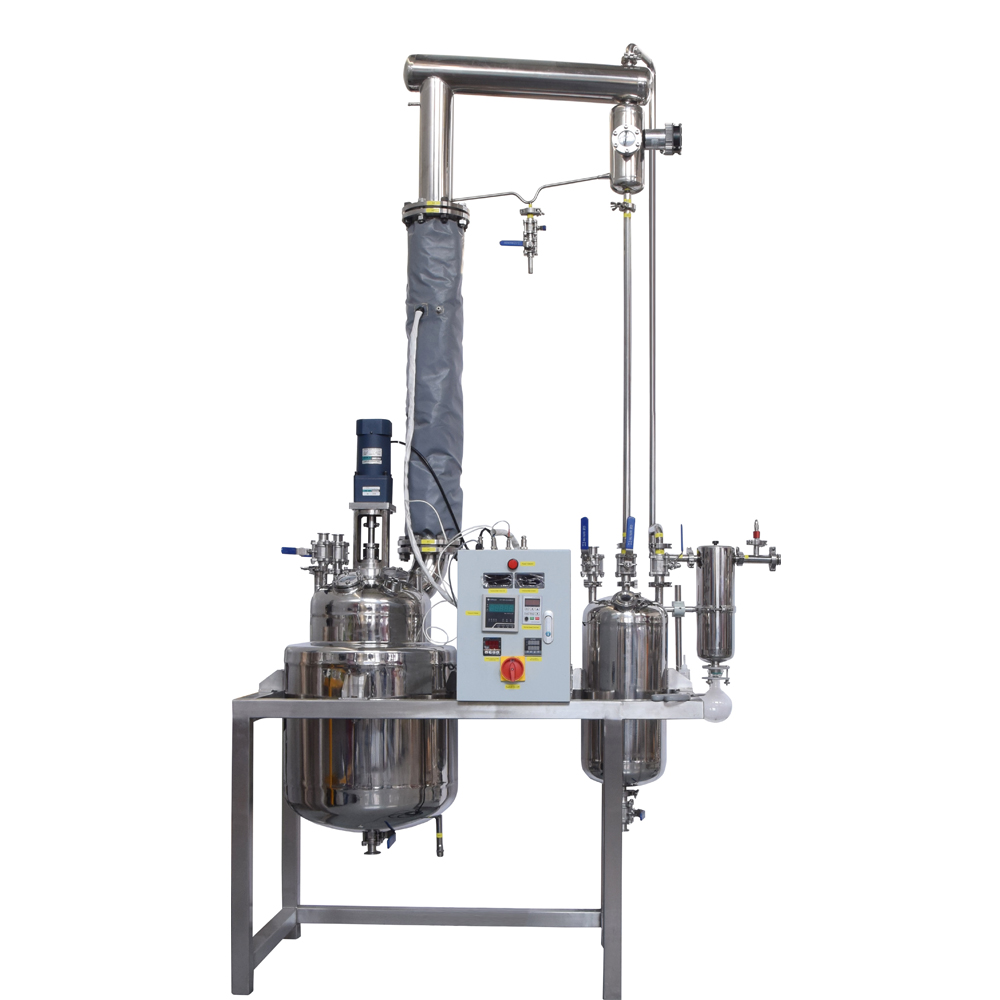
Areaktor pembetulan mewakili kemajuan canggih dalam teknologi pemisahan kimia, direka khas untuk meningkatkan ketulenan komponen yang dipisahkan serta kecekapan keseluruhan proses penyulingan. Dalam aplikasi industri di mana kualiti produk dan kawalan kos operasi adalah kritikal, memahami cara reaktor perbaikan berfungsi dan memberikan peningkatan yang boleh diukur dapat mendorong kelebihan persaingan yang signifikan. Reaktor perbaikan menggabungkan kejuruteraan tepat dengan prinsip termodinamik untuk mencapai hasil pemisahan yang sukar dicapai oleh peralatan konvensional.
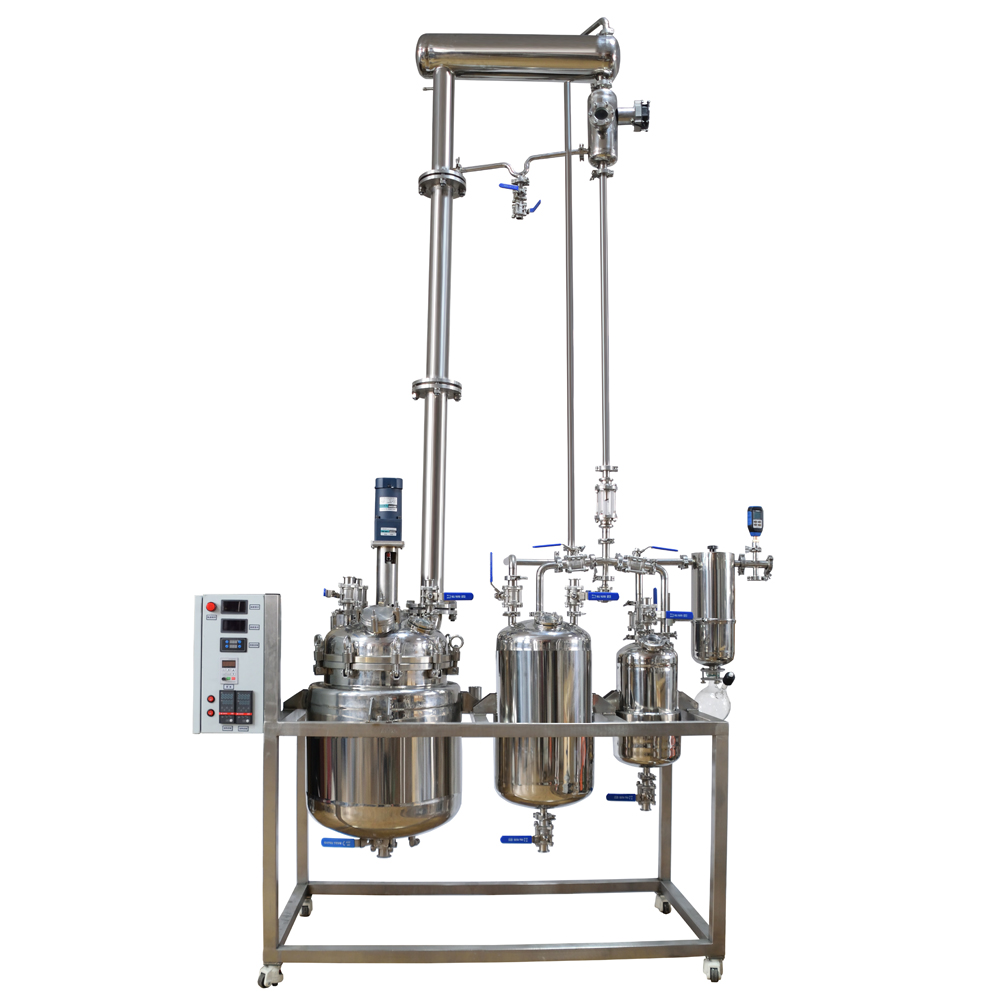
Peranan reaktor perbaikan melangkaui pemisahan komponen biasa sahaja. Dengan melaksanakan bahagian dalaman berstruktur, sentuhan wap-cecair yang dioptimumkan, dan kecerunan suhu yang dikawal, reaktor perbaikan membolehkan operator mencapai tahap ketulenan yang lebih tinggi sambil mengurangkan penggunaan tenaga. Organisasi dalam sektor farmaseutikal, bahan kimia, petrokimia, dan bahan khas semakin bergantung pada teknologi reaktor perbaikan untuk memenuhi spesifikasi produk yang ketat serta sasaran kelestarian.
Mekanisme Utama di Sebalik Prestasi Reaktor Perbaikan
Interaksi Wap-Cecair dan Kecekapan Pemindahan Jisim
Kekuatan asas reaktor pembaikan terletak pada keupayaannya memaksimumkan sentuhan antara fasa wap dan cecair. Di dalam reaktor pembaikan, bahan pengisi berstruktur atau dulang mencipta luas permukaan antara yang besar di mana pemindahan jisim berlaku pada kadar yang dipantas. Setiap peringkat dalam reaktor pembaikan mewakili peluang bagi komponen-komponen untuk mengagih semula berdasarkan ketidakstabilan relatifnya, dengan komponen yang lebih ringan bergerak ke atas secara utama dan komponen yang lebih berat turun ke bawah. Pengagihan semula berterusan ini di dalam reaktor pembaikan memastikan bahawa apabila wap keluar dari bahagian atas dan cecair keluar dari bahagian bawah, pemisahan telah mencapai had hampir teoretikal.
Reka bentuk permukaan dalaman dalam reaktor pembaikan secara langsung menentukan nilai pekali pemindahan jisim. Reka bentuk moden reaktor pembaikan menggunakan kepingan bergelombang, bahan isian berstruktur, atau dulang berkecekapan tinggi yang menyediakan ribuan unit pemindahan dalam ruang yang padat. Setiap unit pemindahan dalam reaktor pembaikan mewakili satu peringkat pemisahan teori, bermaksud bahawa walaupun reaktor pembaikan bersaiz sederhana pun boleh mencapai apa yang sebelum ini memerlukan peralatan yang jauh lebih besar. Kelompokan ini menghasilkan kos modal yang lebih rendah, kompleksiti pemasangan yang dikurangkan, dan keperluan utiliti yang berkurang.
Pengurusan Cerun Suhu dan Tekanan
Menjaga kecerunan suhu dan tekanan yang tepat di seluruh reaktor pembetulan adalah penting untuk memaksimumkan prestasi pemisahan. Reaktor rectifikasi beroperasi dengan suhu meningkat secara beransur-ansur dari atas ke bawah, mencerminkan pengesanan wap yang lebih ringan di zon yang lebih sejuk dan penguapan komponen yang lebih berat di zon yang lebih panas. Stratifikasi terma ini di dalam reaktor rectifikasi mendorong daya pemacu termodinamik yang diperlukan untuk pemindahan jisim yang cekap. Sistem reaktor rectifikasi canggih termasuk dinding berkabut, gegelung penyejukan dalaman, atau penukar haba luaran yang mengekalkan gradien ini dengan penyimpangan suhu yang minimum.
Ketekalan tekanan di seluruh peringkat reaktor pelarasan mengelakkan aliran balik dan memastikan operasi yang lancar. Peralatan reaktor pelarasan moden menggabungkan ciri keseimbangan tekanan serta sistem kawalan yang menghalang gangguan operasi. Apabila reaktor pelarasan beroperasi pada tekanan yang konsisten, setiap pengiraan keseimbangan cecair–wap kekal sah, dan prestasi pemisahan sepadan dengan ramalan rekabentuk. Fasiliti yang mengekalkan kawalan tekanan ketat dalam sistem reaktor pelarasan mereka melaporkan output ketulenan yang lebih tinggi serta masa operasi yang lebih boleh diramal.
Peningkatan Ketulenan Pemisahan Melalui Rekabentuk Reaktor Pelarasan
Mencapai Ketulenan Produk yang Lebih Tinggi dengan Kontaminasi Hasil Sampingan yang Lebih Rendah
Salah satu sebab yang paling menarik untuk melabur dalam reaktor rectification adalah peningkatan ketulenan produk. A reaktor pembetulan dengan 20 peringkat teori boleh mencapai tahap kemurnian yang memerlukan 40 atau lebih peringkat dalam lajur dikemas tradisional. Pengganda kecekapan ini muncul daripada geometri dalaman yang dioptimumkan dan ciri pemindahan jisim yang unik untuk teknologi reaktor rectification. Produk yang sebelum ini hanya dapat mencapai kemurnian 95 peratus boleh mencapai kemurnian 98 atau 99 peratus dalam jumlah reaktor rectifikasi yang sama melalui pendekatan hubungan wap-cair dan keseimbangan yang lebih baik.
Pencemaran bahan sampingan merupakan beban ekonomi yang besar dalam operasi pemisahan. Reaktor pembetulan meminimumkan bahan di luar spesifikasi dengan memastikan bahawa pembahagian komponen berlaku pada sempadan komposisi yang boleh diramalkan. Reka bentuk reaktor pembetulan menghilangkan zon mati di mana cecair mungkin tergenang atau wap mungkin melintasi permukaan aktif tanpa menyumbang kepada pemindahan jisim. Setiap bahagian reaktor pembetulan menyumbang secara signifikan kepada tugas pemisahan, dengan mengurangkan jumlah bahan yang berada di luar julat komposisi yang diinginkan.
Pematuhan Peraturan dan Penjaminan Kualiti
Industri yang beroperasi di bawah rangka kerja peraturan ketat, termasuk farmaseutikal dan bahan-bahan makanan, memerlukan dokumentasi ketulenan yang konsisten. Reaktor pelarasan memberikan ketekalan yang lebih baik antara kelompok kelompok (batches) kerana prestasinya bergantung kepada prinsip asas pemindahan jisim, bukan kepada kebolehubah operasi. Apabila badan peraturan mengaudit operasi reaktor pelarasan, pengiraan rekabentuk, bilangan peringkat teori, dan data keseimbangan menyediakan ketelusuran yang jelas. Fasiliti yang menggunakan reaktor pelarasan untuk pemisahan kritikal melaporkan kelulusan peraturan yang lebih cepat dan beban audit yang lebih rendah berbanding pilihan tiub konvensional.
Reaktor pelarasan menyediakan infrastruktur data yang diperlukan untuk program jaminan kualiti. Pemantauan komposisi di hilir reaktor pelarasan memerlukan lebih sedikit titik kawalan kerana kualiti pemisahan secara semula jadi tinggi dan stabil. Pasukan jaminan kualiti yang bekerja dengan hasil reaktor pelarasan menghabiskan lebih sedikit masa untuk menyiasat kelompok di luar spesifikasi dan lebih banyak masa untuk inisiatif pengoptimuman.
Kecekapan Tenaga dan Pengurangan Kos Operasi
Meminimumkan Input Tenaga Sambil Memaksimumkan Tugas Pemisahan
Tenaga biasanya mewakili 50 hingga 70 peratus daripada jumlah kos operasi untuk proses penyulingan, menjadikan kecekapan tenaga pertimbangan utama. Reaktor retifikasi mencapai kecekapan tenaga yang lebih baik dengan menyelesaikan pemisahan yang diperlukan dalam bilangan peringkat teori yang lebih sedikit. Manakala suatu tiang konvensional mungkin memerlukan pemisahan 40 peringkat yang mengguna 1000 kilowatt, reaktor retifikasi setara mungkin mencapai pemisahan yang sama hanya dengan 25 peringkat dan 600 kilowatt. Pengurangan ini mencerminkan kelebihan pemindahan jisim tersendiri dalam rekabentuk reaktor retifikasi, dan bukan hasil daripada jalan pintas operasi atau penerimaan ketulenan yang lebih rendah.
Pengoptimuman nisbah refleks menjadi lebih berkesan dalam sistem reaktor perbaikan. Reaktor perbaikan memberi tindak balas yang boleh diramalkan terhadap pelarasan nisbah refleks kerana setiap peringkat menyumbang secara konsisten kepada pemisahan. Operator boleh menentukan nisbah refleks optimum dengan lebih cepat dan mengekalkannya dengan ketegaran yang lebih tinggi. Pemasangan reaktor perbaikan lanjutan mengintegrasikan pengawal nisbah yang secara berterusan memantau beban perebus semula dan aliran refleks, serta melaraskan secara automatik untuk meminimumkan penggunaan tenaga tanpa mengorbankan spesifikasi produk.
Kelebihan Kos Modal dan Infrastruktur
Sifat padat reaktor pelarasan berbanding menara konvensional mengurangkan kos peralatan dan infrastruktur. Reaktor pelarasan yang melaksanakan tugas pemisahan yang sama biasanya menempati 40 hingga 60 peratus daripada ruang lantai yang diperlukan oleh lajur tradisional. Pengubahsuaian bangunan, pemasangan paip, pengukuhan struktur, dan buruh pemasangan turut berkurang secara berkadar. Ramai kemudahan boleh memasang semula reaktor pelarasan ke dalam ruang sedia ada tanpa pembinaan besar-besaran, manakala menggantikan lajur lama dengan rekabentuk tradisional akan memerlukan pembaharuan ketara.
Kos penyelenggaraan yang berkaitan dengan reaktor perbaikan biasanya lebih rendah berbanding peralatan tradisional kerana bilangan peringkat yang lebih sedikit bermaksud bilangan komponen dalaman yang terdedah kepada haus, kakisan, atau pendakapan adalah lebih kecil. Reaktor perbaikan dengan pembungkusan berstruktur mengalami taburan cecair yang lebih seragam, mengurangkan corak pengikisan setempat yang biasa berlaku dalam lajur berdulang. Penggantian komponen dalaman, apabila diperlukan, berlaku kurang kerap bagi sistem reaktor perbaikan yang diselenggarakan dengan baik.
Aplikasi Industri dan Kesesuaian Senario
Pengeluaran Kimia dan Farmaseutikal
Pengilang farmaseutikal bergantung pada reaktor retifikasi untuk menghasilkan bahan aktif farmaseutikal dengan ketulenan tahap farmaseutikal. Reaktor retifikasi membolehkan pemulihan komponen bernilai secara boleh dipercayai sambil meminimumkan aliran sisa yang memerlukan pembuangan mahal. Apabila menghasilkan isomer, enantiomer, atau komponen dengan takat didih yang hampir sama, reaktor retifikasi memberikan kuasa pemisahan yang diperlukan untuk mencapai pemisahan yang bersih. Fasiliti farmaseutikal melaporkan bahawa penggunaan teknologi reaktor retifikasi mengurangkan kelompok produk di luar spesifikasi sebanyak 20 hingga 40 peratus berbanding peralatan sebelumnya.
Bahan Kimia Khas dan Ekstraksi Produk Semula Jadi
Syarikat yang mengekstrak dan memurnikan minyak pati, wangi-wangian, dan komponen tumbuhan mendapat manfaat besar daripada teknologi reaktor retifikasi. Produk ini sering dijual dengan harga premium berdasarkan tahap ketulenan dan profil komponennya, menjadikan reaktor retifikasi suatu pelaburan yang cepat memberikan pulangan. Reaktor retifikasi yang mengendalikan bahan sensitif ini melindunginya daripada degradasi haba melalui kawalan suhu yang tepat dan pemprosesan pantas, sambil tetap mencapai tahap ketulenan sasaran yang tidak dapat dicapai oleh peralatan konvensional.
Soalan Lazim
Bagaimanakah reaktor retifikasi berbeza daripada tiang penyulingan konvensional?
Reaktor perbaikan mencapai kecekapan pemindahan jisim yang lebih unggul melalui geometri dalaman yang dioptimumkan, rekabentuk pengepakan berstruktur, dan sentuhan wap-cairan yang ditingkatkan berbanding lajur konvensional. Reaktor perbaikan biasanya memerlukan tahap teoretikal yang lebih sedikit untuk mencapai ketulenan setara, bermaksud ia beroperasi secara lebih padat, menggunakan tenaga yang lebih rendah, dan menghasilkan bahan luar spesifikasi yang lebih sedikit. Lajur konvensional sering kali mengandungi lebih banyak komponen dalaman dan memerlukan tapak fizikal yang lebih besar untuk mencapai prestasi pemisahan yang sama seperti yang dihasilkan oleh reaktor perbaikan dalam pakej yang lebih ekonomikal.
Faktor-faktor apa yang menentukan sama ada reaktor perbaikan sesuai untuk suatu pemisahan tertentu?
Reaktor perbaikan beroperasi secara optimum untuk pemisahan di mana takat didih komponen berbeza sekurang-kurangnya 10 hingga 15 darjah Celsius dan di mana hasil berkualiti tinggi menghalalkan pelaburan. Reaktor perbaikan unggul dalam memisahkan komponen yang mempunyai takat didih hampir sama, isomer, dan bahan yang sensitif terhadap suhu—di mana ketepatan adalah kritikal. Nilai sama ada kelengkapan sedia ada anda sudah memenuhi sasaran ketulenan dan kecekapan; jika margin operasi sempit atau keperluan peraturan ketat, reaktor perbaikan biasanya memberikan pulangan ekonomi yang menarik.
Apakah keperluan penyelenggaraan bagi reaktor perbaikan?
Reaktor pelarasan memerlukan pemeriksaan berkala terhadap permukaan dalaman, penyesuaian kalibrasi prob suhu, dan pemantauan corak penurunan tekanan untuk mengesan pendaraban atau kemerosotan struktur. Reaktor pelarasan mendapat manfaat daripada pembersihan berkala jika memproses bahan yang meninggalkan sisa, serta pemeriksaan integriti segel jika sistem beroperasi di bawah tekanan. Berbanding dengan tiang konvensional, penyelenggaraan reaktor pelarasan secara umumnya lebih mudah kerana rekabentuk dalaman yang dioptimumkan mengurangkan titik-titik tekanan dan bilangan peringkat yang lebih sedikit bermaksud lebih sedikit kawasan potensi masalah. Kebanyakan kemudahan berjaya mengendalikan reaktor pelarasan selama lima hingga sepuluh tahun antara acara penyelenggaraan dalaman utama.