 EN
EN

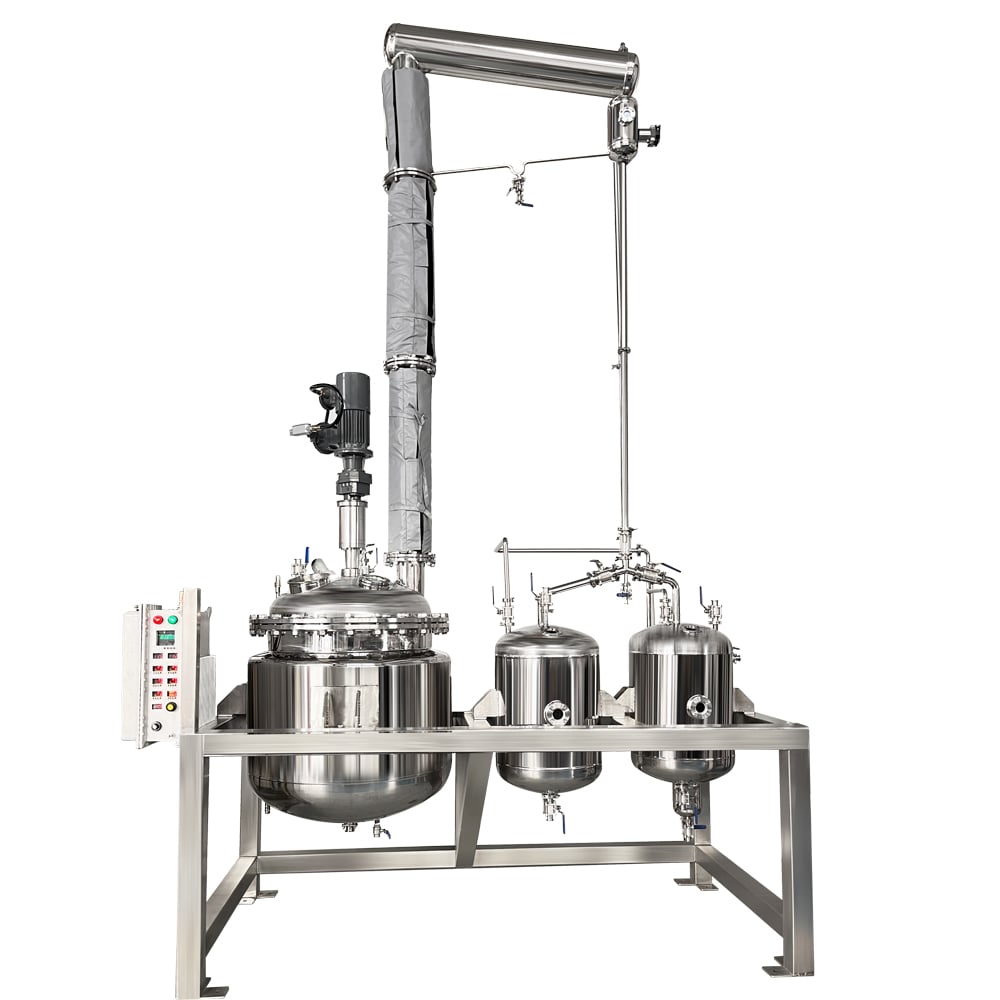
תעשיית עיבוד הכימיקלים מחפשת תמיד שיטות לשפר את טהרת המוצרים ולהשיג הפרדה מדויקת של הרכיבים. מערכות זיקוק חלקי הן מייצגות אחת הטכנולוגיות האפקטיביות והנפוצות ביותר להפרדה, ומציעות בקרה בלתי מתחרה על תהליך הניקוי. מערכות מתקדמות אלו משתמשות בעקרון הבסיסי של הבדלים בנקודות הרתיחה כדי לפרק תערובות לרכיביהן, ומספקות רמות טהרה יוצאות דופן אשר עומדות בדרישות התעשייתיות החמורות.
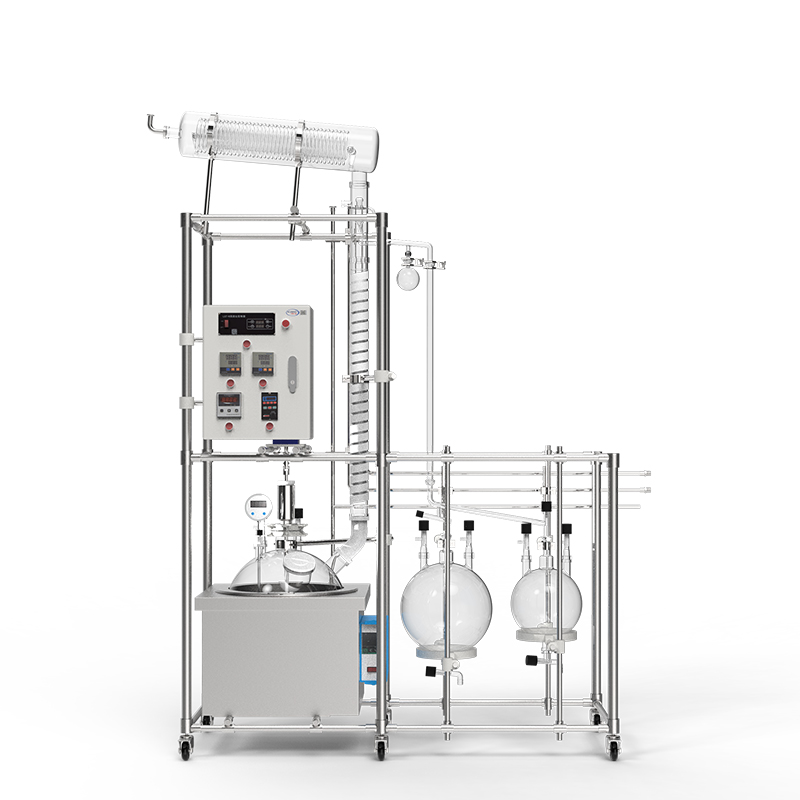
המנגנון שעומד בבסיס מערכות הזרקה חלקית מאפשר לעובדי התעשייה הכימית להשיג יעילות ניכרת בהפרדה באמצעות מספר מדרגות תיאורטיות בתוך עמודה אחת. בניגוד לשיטות זריקה פשוטות, מערכות אלו משתמשות בחומר ממלא מיוחד בעמודה או בצלחות מבוססות שמאפשרות מחזורים חוזרים של התאדות ותמצית, תוך ריכוז הדרוגי של הרכיבים הרצויים והסרת זיהומים. יכולת ההפרדה המוגדלת הזו מתורגמת ישירות לטיהור מוצר משופר, מה שהופך את מערכות הזריקה החלקית לבלתי נזדקקות לתעשיות הדורשות מוצרים כימיים ברמה גבוהה.
יעילות הפרדה משופרת באמצעות צלחות תיאורטיות מרובות
עיצוב העמודה והרעיון של הצלחת התיאורטית
מערכות דסטילציה חלקית משיגות הפרדה מעולה באמצעות יישום של מספר לוחות תיאורטיים בתוך עמודת הדסטילציה. כל צלחת תיאורטית מייצגת שלב הפרדה דיסקרטי שבו אדים ושלבים נוזליים מגיעים לאיזון, המאפשרת העשרה מתקדמת של המרכיבים הנדלקים יותר. מערכות השתילה חלקית מודרניות כוללות בדרך כלל 10 עד 100 צלחות תיאורטיות, בהתאם למורכבות דרישות ההפרדה ורמות הטוהר הרצויות.
העיצוב הפיזי של מערכות אלו מקסם את המגע בין פאזה אופקית עולה (אדים) ופאזה יורדת (נוזל) באמצעות חומרים מארוגים או מגשים נקובים. מגע הדוק זה מבטיח העברת מסה אופטימלית, מה שמאפשר למערכות זיקוק פרציוני להשיג גורמי הפרדה גבוהים בהרבה מאשר שיטות זיקוק פשוטות. התוצאה היא שיפור דרמטי בנקיות המוצר, כאשר חלק מהיישומים משיגים נקיות העולה על 99.9 אחוז עבור תרכובות כימיות קריטיות.
אופטימיזציה של יחס החזרה כדי להשיג נקיות מרבית
יחס החזרה במערכות זיקוק פרציוני מהווה פרמטר ביקורת קריטי המשפיע ישירות על נקיות המוצר. על ידי החזרת חלק מהאדים הנankeנים מהחלק העליון של העמוד חזרה לתוך העמוד, ניתן להתאים במדויק את ביצועי ההפרדה כדי להשיג את דרישות הנקיות המבוקשות. ליחס חזרה גבוה יותר מתאימים בדרך כלל רמות נקיות גבוהות יותר, אך יש לאזן זאת מול התחשבות בצריכת האנרגיה ובשכיחות הזרימה.
מערכות מתקדמות של חלוקה שברית כוללות מנגנוני בקרה אוטומטיים לזרימה לאחור שמתאמים באופן רציף את יחס הזרימה לאחור על סמך מדידות רכיבים בזמן אמת. אופטימיזציה דינמית זו מבטיחה טהרה עקבית של המוצר תוך שמירה על יעילות תפעולית. מתקני עיבוד כימי שמשתמשים במערכות הבקרה האינטליגנטיות הללו מדווחים על שיפור בטהרה של 15–25 אחוז בהשוואה לפעולת יחס זרימה לאחור קבוע, מה שממחיש את ההשפעה המכרעת של ניהול תקין של הזרימה לאחור על איכות המוצר.
מנגנוני בקרה מדויקים של טמפרטורה ולחץ
ניהול גרדיאנט טמפרטורה
בקרת הטמפרטורה מהווה היבט יסודי באופן שבו מערכות ההפרדה בזרימה חלקית משפרות את טהירות המוצרים ביישומים של עיבוד כימי. מערכות אלו שומרות על גרדייטים מדויקים של טמפרטורה לאורך גובה העמוד, ויוצרות תנאים אופטימליים להפרדת רכיבים באופן סלקטיבי. הטמפרטורה בכל לוח תיאורטי חייבת להתאים בדיוק לתנאי שיווי המשקל הנדרשים להפרדה הרצויה, מה שדורש תשתיות מתוחכמות לבקרת ומעקב אחר הטמפרטורה.
מודרני מערכות זיקוק חלקי משתמשות ברשתות חישה מפוזרות של טמפרטורה שמספקות משוב בזמן אמת על ביצועי העמוד. מעקב רציף זה מאפשר למפעילים לזהות ולתקן סטיות שעלולות לפגוע בטהירות המוצר, ומבטיח יעילות הפרדה עקבית לאורך מסעות ייצור ממושכים. יכולות בקרת הטמפרטורה המדויקות של מערכות אלו מאפשרות הפרדת רכיבים שההבדל בין נקודות הרתיחה שלהם קטן כמו 2–5 מעלות צלזיוס.
תפעול ריק עבור חומרים רגישים לחום
הרבה יישומים בתהליך כימי כוללים תרכובות רגישות לחום שמתפרקות בטמפרטורות גבוהות, מה שהופך את התחזיקה האטמוספירית הקונבנציונלית לא מתאימה. מערכות תחזיקה שבריות פותרות את האתגר הזה באמצעות תפעול בריק, אשר מפחית את הלחץ בתפעול ומביא להורדת הטמפרטורות הנדרשות לניתוק. יכולת זו חיונית לשמירה על טהרה של המוצר בעת עיבוד כימיקלים רגישים תרמית.
מערכות זיקוק שברריה ותת-לחץ משתמשות בציוד מתקדם לשליטה בתת-הלחץ, כולל משאבות תת-לחץ, רגולטורים של הלחץ ומערכות לגילוי דליפות. רכיבים אלו פועלים יחד כדי לשמור על תנאי לחץ מצומצם יציבים לאורך תהליך הזיקוק. האפשרות לפעול בתנאי תת-לחץ מאפשרת לעובדי התעשייה הכימית להשיג הפרדות באיכות גבוהה למוצרים רגישים לטמפרטורה, תוך מניעת פגיעה תרמית אשר עלולה לפגוע באיכות ובתשואת המוצר.
רכיבי עמוד מתקדמים וטכנולוגיות אריזה
יתרונות ביצועים של אריזה מבוססת
הבחירה של רכיבי עמוד מתאימים משפיעה במידה רבה על האופן שבו מערכות הזרקה חלקיים משפרות את טהרת המוצרים ביישומים תעשייתיים. חומרים לאריזת עמודים מובנים מייצגים את המצב הנוכחי של האמנות להפרדות בעלות יעילות גבוהה, ומציעים מאפייני העברה מסתית מובילים בהשוואה לאריזות אקראיות מסורתיות או לעצמים בצורת מגשים. הגאומטריות המהנדסות של האריזות יוצרות דפוסי זרימה אחידים ומרחיבות למקסימום את שטח הפנים הבין-פאזי בין פאזה מזדוהמת ונוזלית.
עיצובים מודרניים של חומר אריזה מבני משיגים יעילות של צלחת תיאורטית הקרובה ל-90–95 אחוז, מה שמתורגם ישירות לביצועי הפרדה משופרים ולשיפור טהרה של המוצר. מאפייני הלחץ הנמוך של חומר האריזה המבני מאפשרים גם למערכות זיקוק פractionלי לפעול עם צריכה נמוכה יותר של אנרגיה, תוך שמירה על יעילות הפרדה גבוהה. מתקנים לעיבוד כימי המשתמשים בחומר אריזה מבני דיווחו על שיפור בטהרה של 10–20 אחוז בהשוואה לטורים קונבנציונליים עם מגשים.
אסטרטגיות לאופטימיזציה של חומר אריזה אקראי
אם כי חומר האריזה המבני מציע ביצועים עליונים עבור יישומים רבים, חומרי האריזה האקראיים נשארים בעלי ערך עבור דרישות מסוימות של מערכות זיקוק פractionלי. עיצובים מתקדמים של חומר אריזה אקראי, כולל טבעות ראשיג ממתכת ומחרס, טבעות פאל ורכיבים בצורת סדלים, מספקים פתרונות ייעילים מבחינת עלות להשגת שיפור בטהרה של המוצר בהפרדות פחות דרמטיות.
המפתח להגבהת שיעור הטהרה המרבית באמצעות אריזה אקראית הוא בחירת טכניקות התקנה ובחירה מתאימות. מערכות זיקוק פракציונלי המשמשות תצורות אריזה אקראית מותאמות יכולות להשיג יעילות של צלחות תיאורטיות של 70–80 אחוז, מה שמספיק ליישומים רבים בתהליכי עיבוד כימי. האופי החזק של האריזה האקראית מספק גם יתרונות ביישומים קורוזיביים, שבהם חומרים לאריזה מבוססת מבנה עלולים להיות לא מתאימים.
שליטה בתהליך ואינטגרציה לאוטומציה
מערכת ניטור בזמן אמת של הרכבה
מערכות זיקוק פראקציונלי מתקדמות כוללות מכשירי ניתוח מתקדמים המאפשרים ניטור בזמן אמת של הרכבה ורמת הטהרה של המוצר. מערכות כרומטוגרפיה גזית מקוונות, ספקטרוסקופיית אינפראד אדום וספקטרומטריית מסות מספקות משוב רציף על ביצועי הפרדה, ומאפשרות למנהלים לבצע התאמות מיידיות כדי לשמור על דרישות הטהרה המבוקשות.
מערכות אנליטיות אלו מתמזגות באופן חלק עם פלטפורמות בקרת התהליך, ויוצרות אסטרטגיות בקרה של לולאה סגורה שמתאמות אוטומטית את פרמטרי הפעולה כדי למקסם את טהרת המוצרים. מערכות רתיחת חלוקתית מצוידות בטכנולוגיית ניתוח תהליכים מתקדמת המדווחות על וריאציות בטהרה של פחות מ-0.1 אחוז, מה שממחיש את השיפור המשמעותי באחדות בהשוואה לשיטות בקרה ידניות. רמת דיוק זו בבקרה חיונית ליישומים בתהליכי כימיה הדורשים דרישות קשיחות לאיכות המוצר.
אלגוריתמי בקרה תחזיתית
מערכות רתיחת חלוקתית מודרניות משתמשות באלגוריתמי בקרה חיזויים שמנתחים הפרעות בתהליך מראש ומכווננות באופן פרואקטיבי את תנאי הפעולה כדי לשמור על ביצועי הפרדה אופטימליים. אסטרטגיות הבקרה המתקדמות הללו משתמשות במודלים מתמטיים של תהליך הרתיחה החלוקתית כדי לחזות את ההתנהגות העתידית של המערכת ולממש פעולות תקן לפני שتحدث סטיות בטהרה.
הטמעת בקרת חיזוי במערכות של ת-distillation שבריריות (פרקציונלית) הראתה שיפורים מרשימים בהתייצבות טהירות המוצרים וביעילות התהליך הכוללת. יצרני כימיקלים דיווחו על הפחתת המוצרים שאינם עומדים בדרישות ב-40 עד 60 אחוז כאשר משתמשים בבקרת חיזוי, לעומת שיטות הבקרה ההבחנית המסורתיות. יכולת הבקרה המשופרת הזו מתורגמת ישירות לשיפור טהירות המוצרים והפחתת ייצור הפסולת, ותומכת גם במטרות האיכות וגם במטרות הקיימות.
יתרונות ביעילות אנרגטית ואינטגרציה חום
אופטימיזציה של רשת מחליפים חום
מערכות של חלוקה מדרגתית יכולות להיות משולבות ברשתות מקיפות של מחליפים חום כדי למקסם את יעילות האנרגיה תוך שמירה על טהרה גבוהה של המוצרים. אסטרטגיות של שילוב חום מחזירות אנרגיה תרמית מזרמי מוצרים חמים ומשתמשות באנרגיה הזו להתחממות קדימה של חומרי ההזנה או לייצור אדים למערכת המתחממת (ריבויילר). גישה זו מפחיתה את הצרכים החיצוניים לאנרגיה תוך שמירה על ביצועי הפרדה שמאפשרים טהרה גבוהה של המוצרים.
סכימות שילוב חום מעוצבות היטב למערכות של חלוקה מדרגתית יכולות להשיג חיסכון באנרגיה של 30 עד 50 אחוז בהשוואה לתצורות שאינן משולבות. שיפור זה ביעילות האנרגטית מושג ללא פגיעה בטוהר המוצרים, מאחר שშילוב החום פועל באופן עצמאי מתהליך ההפרדה עצמו. מתקני עיבוד כימי שמביאים למימוש שילוב חום מקיף דיווחים על ירידה בהוצאות הפעלה ועל שימור או שיפור של مواדי איכות המוצרים.
תצורות של חלוקה מדרגתית רב-אפקטיבית
עבור יישומים הדורשים מערכות דיסטילציה חלקיות מרובות הפועלות ברמות לחץ שונות, תצפיות אפקט מרובות מציעות חיסכון אנרגיה משמעותי תוך שמירה על ביצועי הפרדת עמודה בודדים. מערכות אלה מנצלות את האדים שנוצרים מעמודי לחץ גבוה יותר כדי לספק חימום ליחידות לחץ נמוך יותר, ויוצרים טור אנרגיה המפחית את דרישות השירות הכלליות.
מערכות השתילה חלקית בעלות אפקט רב-פעולה שומרות על אותן רמות טוהר גבוהות של המוצר כמו יחידות בודדות תוך משיכה של הפחתות משמעותיות באנרגיה. שיפורי היעילות התרמית מאפשרים לעובדי עיבוד כימי להשיג את מטרות הטוהר שלהם בעלויות הפעלה נמוכות יותר, מה שהופך את הפרדה באיכות גבוהה למתוקפת כלכלית עבור מגוון רחב יותר של יישומים. תצורות אלה מועילות במיוחד עבור פעולות עיבוד כימי בקנה מידה גדול עם זרמי מוצרים מרובים הדורשים טיהור.
שאלה נפוצה
אילו רמות טהרה יכולות להשיג מערכות זיקוק פלגי במעבדות כימיות?
מערכות זיקוק פלגי יכולות לרוב להשיג טהרה של מוצר בטווח של 95 עד 99.9 אחוז, בהתאם לדרישות היישום הספציפי ולפרמטרים העשויים להשפיע על תכנון המערכת. ליישומים קריטיים בתחום התרופות והכימיקלים האלקטרוניים, מערכות מיוחדות שתוכננו במיוחד עם מספר גדול של צלחות תיאורטיות יכולות להשיג טהרה העולה על 99.95 אחוז. רמת הטהרה הניתנת להישג תלויה בגורמים הבאים: הנדיפות היחסית של הרכיבים, יעילות העמודה, יחס החזרה והרכב המזין.
איך מתמודדות מערכות זיקוק פלגי לעומת שיטות הפרדה אחרות לשיפור טהרת המוצר?
מערכות זיקוק חלקי מציעות יתרונות ייחודיים לשיפור טהירות המוצרים בהשוואה לשיטות הפרדה חלופיות. אם כי הפרדת קרומים והגבשה יכולות להשיג טהירויות גבוהות ליישומים מסוימים, הזיקוק החלקי מספק יכולת הפרדה רב-תכליתית על פני טווח רחב של מערכות כימיות. מערכות אלו מצליחות במיוחד בתערובות נוזליות עם נדיפות יחסית מתונה ויכולות להתמודד עם הרכבים משתנים של תזונה תוך שמירה על רמות עקביות של טהירות המוצר.
אילו דרישות תחזוקה נדרשות כדי לשמור על טהירות המוצר במערכות זיקוק חלקי?
שמירה על טוהר אופטימלי של המוצר במערכות זיקוק חלקי דורשת בדיקה ותחזוקה שוטפות של החלקים הפנימיים של העמודות, חיישני טמפרטורה, ציוד בקרת לחץ ומכשור אנליטי. יש לבדוק את חומרי האריזה מדי שנה לאיתור לכלוך או נזק מכני, בעוד שיש לאמת את כיול מערכת הבקרה מדי רבעון. תזמון תחזוקה נכון מבטיח ביצועי הפרדה עקביים ומונע פגיעה בטוהר עקב בלאי של הציוד.
האם מערכות זיקוק פراקציוני יכולות להתמודד עם כימיקלים קורוזיביים תוך שמירה על טהרה של המוצר?
מערכות מודרניות של רתיחת חלקיית יכולות להיבנות מחומרים מיוחדים, כולל פלדת אל חלד, הסטלוי ורכיבים מצופים פלואורופולימרים, כדי להתמודד עם יישומים של עיבוד כימי קורוזיבי. בחירת החומר היא קריטית לשמירה על שלמות המערכת ועל טהרת המוצר, מאחר שמוצרי הקורוזיה יכולים לפגוע במוצרים המופרדים. בחירת חומרים מתאימים ותוכניות ניטור קורוזיה מבטיחות תפעול ארוך טווח עם ביצועי טהרה עקביים בסביבות כימיות אגרסיביות.
תוכן העניינים
- יעילות הפרדה משופרת באמצעות צלחות תיאורטיות מרובות
- מנגנוני בקרה מדויקים של טמפרטורה ולחץ
- רכיבי עמוד מתקדמים וטכנולוגיות אריזה
- שליטה בתהליך ואינטגרציה לאוטומציה
- יתרונות ביעילות אנרגטית ואינטגרציה חום
-
שאלה נפוצה
- אילו רמות טהרה יכולות להשיג מערכות זיקוק פלגי במעבדות כימיות?
- איך מתמודדות מערכות זיקוק פלגי לעומת שיטות הפרדה אחרות לשיפור טהרת המוצר?
- אילו דרישות תחזוקה נדרשות כדי לשמור על טהירות המוצר במערכות זיקוק חלקי?
- האם מערכות זיקוק פراקציוני יכולות להתמודד עם כימיקלים קורוזיביים תוך שמירה על טהרה של המוצר?