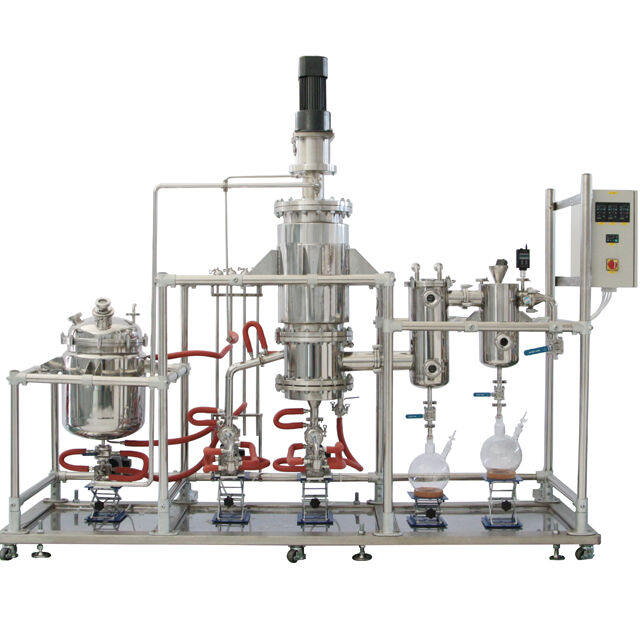
Short Path Molecular Distillation: Advanced Low-Temperature Separation Technology for High-Purity Applications

Get a Free Quote

Our representative will contact you soon.
Email
Name
Contact Number
Company Name
Message
0/1000

short path molecular distillation

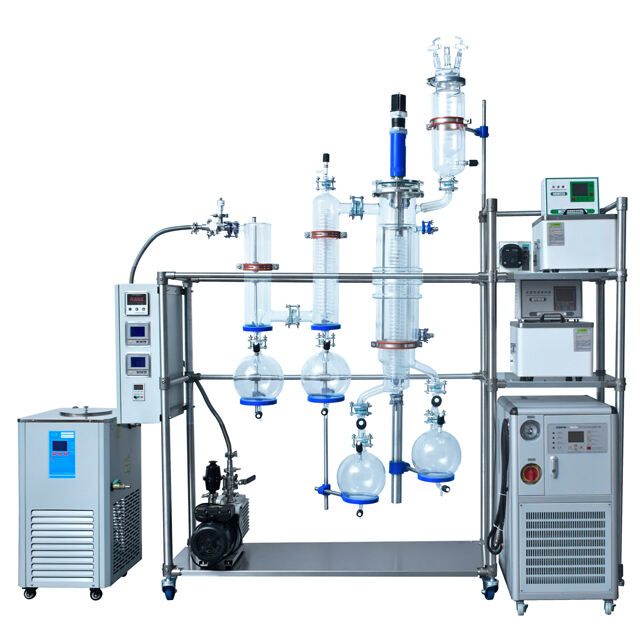
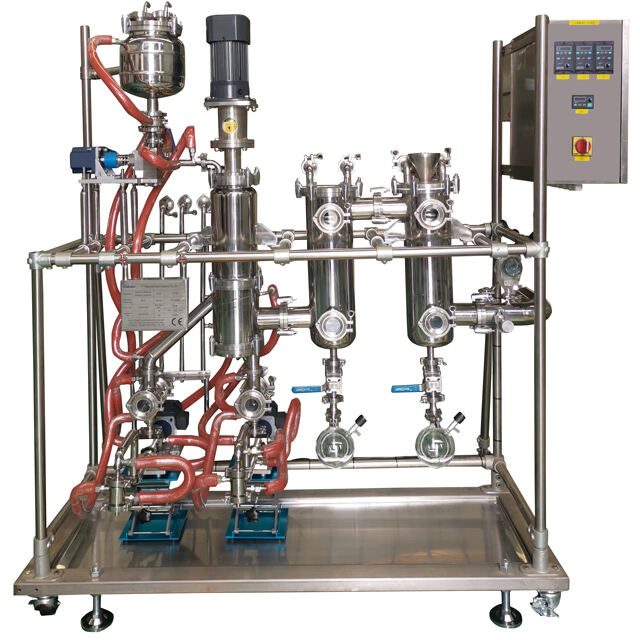
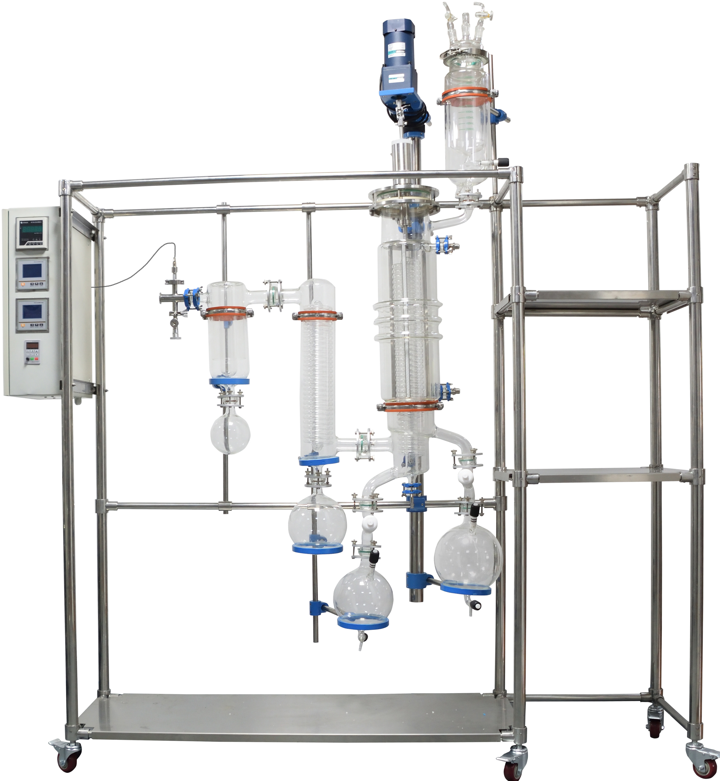
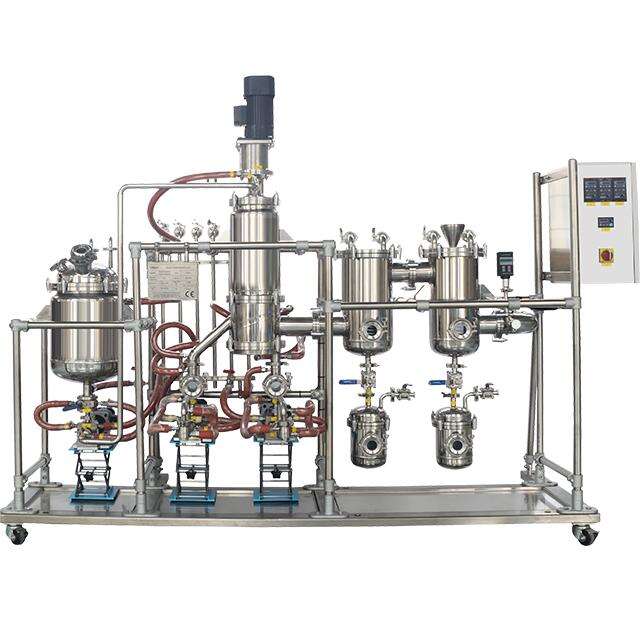
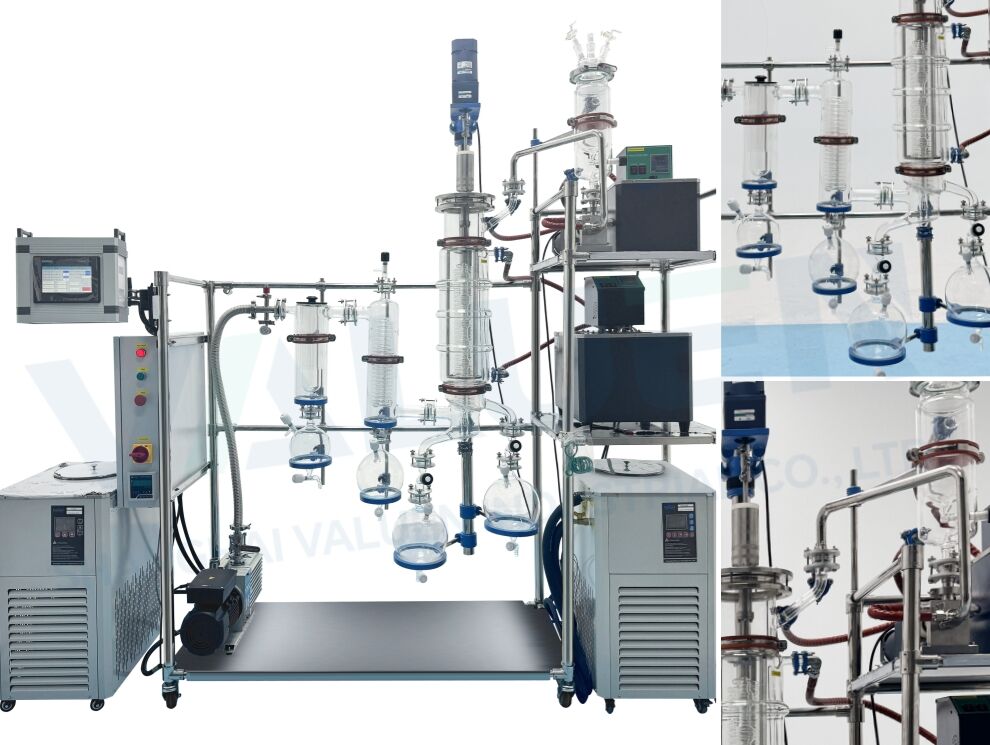
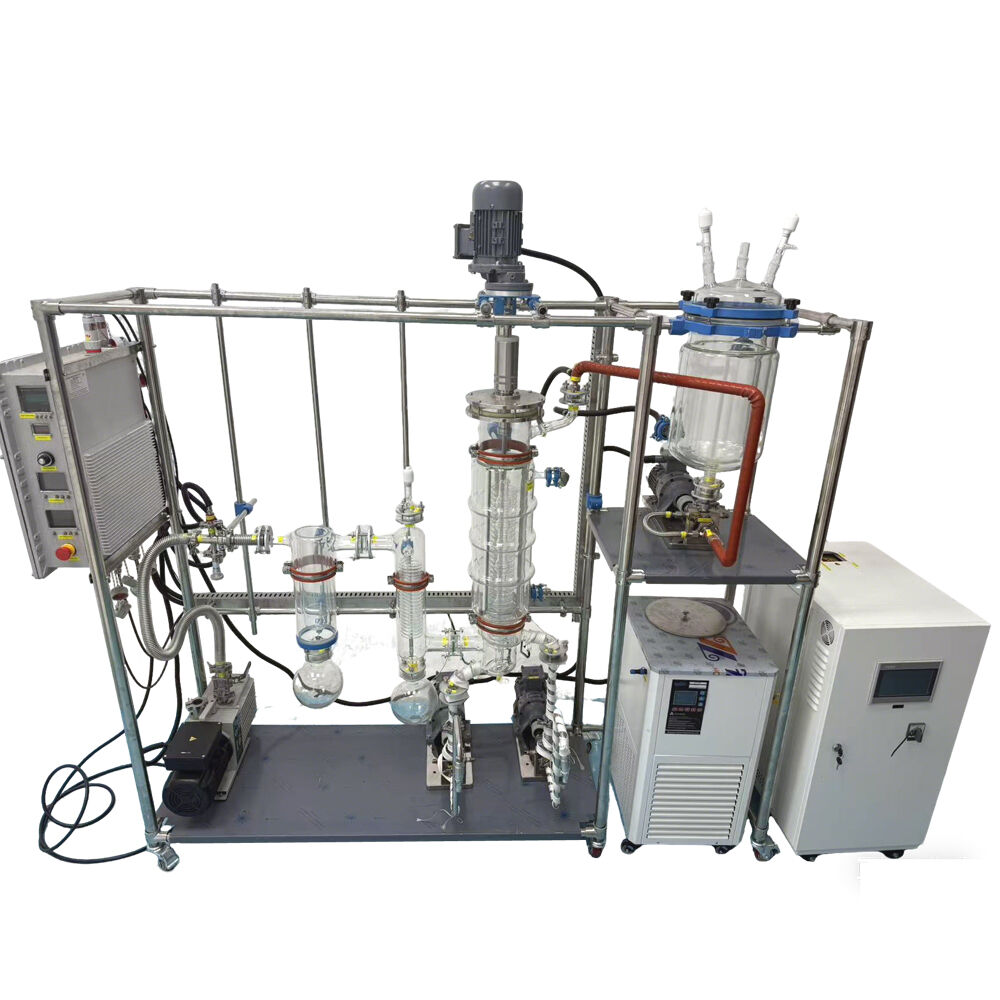
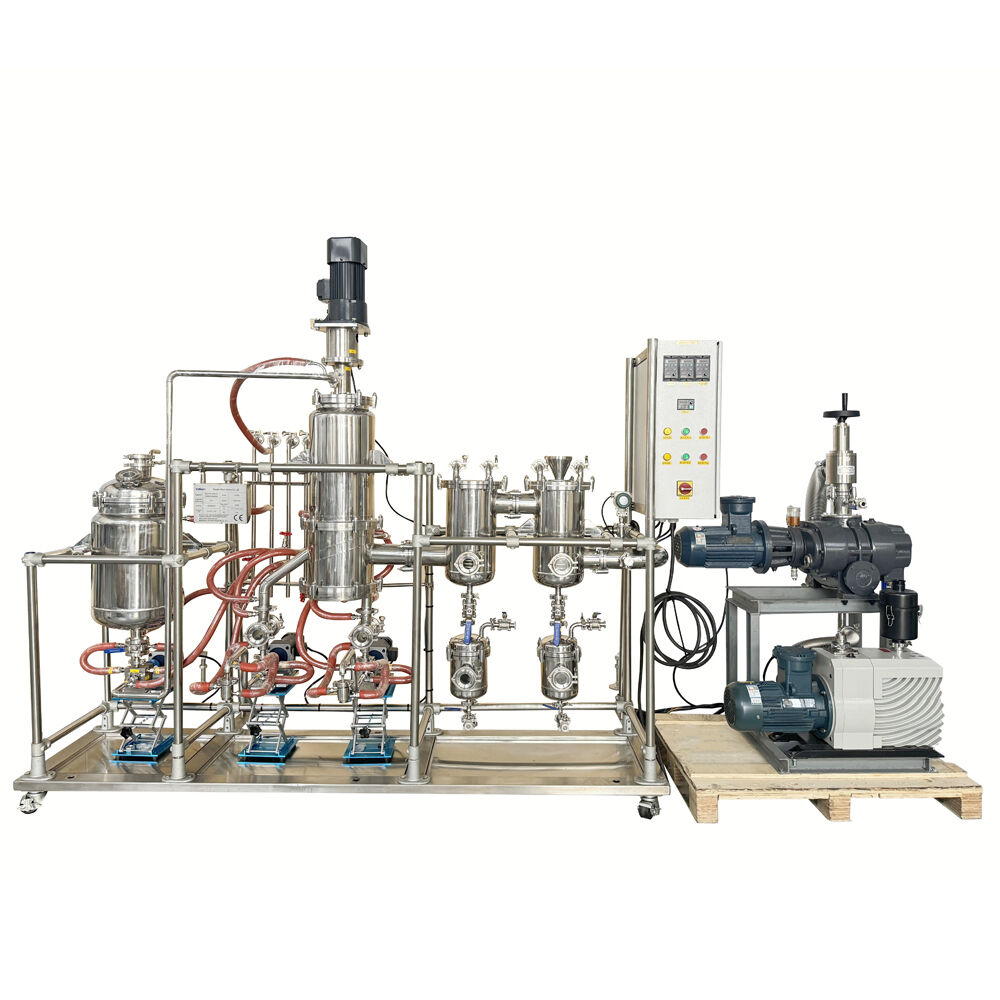
Short path molecular distillation represents a cutting-edge separation technology that operates under high vacuum conditions at extremely low temperatures. This advanced thermal separation method enables the purification and concentration of heat-sensitive materials by utilizing the difference in molecular mean free paths. The process works by creating a short distance between the evaporation and condensation surfaces, typically ranging from 1 to 50 millimeters, allowing molecules to travel directly without intermolecular collisions. The main functions of short path molecular distillation include the separation of complex mixtures, purification of pharmaceutical compounds, concentration of natural extracts, and recovery of valuable materials from industrial waste streams. The technological features encompass precise temperature control systems, high vacuum pumping capabilities, and specialized rotor designs that ensure uniform film formation. The equipment operates at pressures as low as 0.001 mbar, enabling distillation at temperatures significantly below normal boiling points. This technology finds extensive applications across pharmaceutical manufacturing, essential oil processing, food ingredient production, and chemical synthesis. The process excels in handling thermally labile compounds such as vitamins, steroids, fatty acid esters, and polymer additives. Industries benefit from its ability to process materials that would decompose under conventional distillation conditions. The system features continuous operation capabilities, making it suitable for large-scale production requirements. Advanced control systems monitor and adjust operating parameters in real-time, ensuring consistent product quality and optimal separation efficiency. The compact design of short path molecular distillation units allows for easy integration into existing production lines while maintaining stringent safety and environmental standards.

New Product Recommendations

Short path molecular distillation delivers exceptional separation efficiency that surpasses traditional distillation methods by operating at significantly lower temperatures. This temperature reduction protects sensitive compounds from thermal degradation, preserving their chemical integrity and biological activity. The technology achieves superior purity levels, often exceeding 95% in single-pass operations, which reduces the need for multiple processing steps and associated costs. The gentle processing conditions make it ideal for handling heat-sensitive materials such as pharmaceutical intermediates, natural extracts, and specialty chemicals that would otherwise lose their potency or undergo unwanted chemical changes. Energy consumption remains remarkably low compared to conventional distillation systems because the reduced operating temperatures require less heating energy. The high vacuum environment eliminates the need for carrier gases or solvents, resulting in cleaner final products and reduced environmental impact. Processing times are significantly shortened due to the direct molecular path and efficient heat transfer mechanisms, allowing for higher throughput and improved productivity. The system operates continuously, enabling steady-state production that meets consistent quality standards while reducing labor costs and operational complexity. Contamination risks are minimized through the sealed system design and absence of moving parts in the distillation zone, ensuring product purity and reducing cleaning requirements between batches. The technology handles viscous materials effectively, processing substances that would be difficult or impossible to distill using traditional methods. Scalability options range from laboratory units for research and development to industrial-scale systems capable of processing tons of material daily. The precise control over operating parameters allows for fine-tuning of separation selectivity, enabling the isolation of specific compounds from complex mixtures. Maintenance requirements are minimal due to the simple mechanical design and absence of packing materials or trays that could become fouled or damaged. The compact footprint reduces facility requirements and installation costs while providing flexibility in plant layout design. Recovery rates for valuable compounds typically exceed conventional methods, improving overall process economics and reducing waste generation.

Latest News

How to Select Wiped Film Distillation for Temperature-Sensitive Compounds?

11

Apr

How to Select Wiped Film Distillation for Temperature-Sensitive Compounds?

How to Select Wiped Film Distillation for Temperature-Sensitive Compounds Selecting the right Wiped Film Distillation system for temperature-sensitive compounds is a critical decision in industries like pharmaceuticals, cosmetics, and natural product...
View More
Why Is Wiped Film Molecular Distillation Trusted in Fine Chemicals?

13

Apr

Why Is Wiped Film Molecular Distillation Trusted in Fine Chemicals?

Why Is Wiped Film Molecular Distillation Trusted in Fine Chemicals? In the fine chemicals industry, where precision, purity, and consistency are critical, Wiped Film Molecular Distillation has emerged as a trusted separation technique. Fine chemicals...
View More
What Key Features Improve Wiped Film Molecular Distillation Performance?

11

Apr

What Key Features Improve Wiped Film Molecular Distillation Performance?

What Key Features Improve Wiped Film Molecular Distillation Performance? Wiped Film Molecular Distillation is a specialized separation technique used in industries like pharmaceuticals, food processing, and chemical manufacturing to purify heat-sensi...
View More
What to Consider Before Buying Wiped Film Molecular Distillation Equipment?

15

Apr

What to Consider Before Buying Wiped Film Molecular Distillation Equipment?

Understanding the Core Principles of Wiped Film Molecular Distillation Equipment How the Wiped Film Distillation Process Enables Efficient Separation The process of wiped film molecular distillation works by breaking down compounds at the molecular ...
View More

Get a Free Quote

Our representative will contact you soon.
Email
Name
Contact Number
Company Name
Message
0/1000

short path molecular distillation

Ultra-Low Temperature Processing Capability

Ultra-Low Temperature Processing Capability

The ultra-low temperature processing capability of short path molecular distillation stands as its most distinguishing feature, revolutionizing how industries handle thermally sensitive materials. Operating at temperatures 50-150°C below conventional boiling points, this technology preserves the molecular structure and bioactivity of delicate compounds that would otherwise degrade under standard distillation conditions. The system achieves these reduced temperatures through the creation of high vacuum environments, typically maintaining pressures between 0.001 to 1 mbar, which dramatically lowers the vapor pressure requirements for evaporation. This capability proves invaluable in pharmaceutical manufacturing where active ingredients must retain their therapeutic properties throughout processing. Natural product extraction benefits enormously from this feature, allowing the concentration of essential oils, vitamins, and botanical extracts without compromising their beneficial compounds. The temperature control system provides precise regulation within ±2°C, ensuring consistent processing conditions that maintain product quality batch after batch. Heat-sensitive polymers, specialty chemicals, and food ingredients can be purified without the risk of thermal decomposition, cross-linking, or unwanted side reactions that plague conventional distillation methods. The technology enables the processing of materials with boiling points exceeding 300°C at atmospheric pressure, bringing previously impossible separations within reach. This low-temperature advantage extends product shelf life by preventing the formation of degradation products that could affect stability and performance. Industries processing omega-3 fatty acids, carotenoids, and other nutritional compounds particularly benefit from this gentle treatment, maintaining their nutritional value and bioavailability. The reduced thermal stress also minimizes energy consumption while preventing the formation of unwanted by-products that could require additional purification steps, ultimately reducing overall processing costs and environmental impact.
Exceptional Separation Efficiency and Purity

Exceptional Separation Efficiency and Purity

Short path molecular distillation delivers exceptional separation efficiency that consistently achieves purity levels exceeding 95% in single-pass operations, setting new standards for industrial purification processes. The technology exploits the fundamental differences in molecular mean free paths under high vacuum conditions, creating distinct separation zones that enable precise fractionation of complex mixtures. The short distance between evaporation and condensation surfaces, typically 1-50 millimeters, ensures that molecules travel directly without intermolecular collisions, resulting in sharp separation cuts and minimal overlap between fractions. This efficiency translates directly into reduced processing costs as fewer distillation stages are required to achieve target purities compared to conventional methods. The wiped-film evaporator design ensures uniform heat distribution and residence time, eliminating hot spots and providing consistent separation performance across the entire processing surface. Continuous operation maintains steady-state conditions that optimize separation selectivity, allowing for the isolation of specific compounds from multi-component mixtures with remarkable precision. The system handles materials with similar boiling points more effectively than traditional distillation, achieving separations that would require dozens of theoretical plates in conventional columns. This superior performance stems from the molecular-level separation mechanism that operates independently of vapor-liquid equilibrium limitations. Quality control becomes more predictable and manageable as the consistent separation performance reduces batch-to-batch variations. The high purity achieved in single passes eliminates the need for multiple distillation steps, reducing overall processing time and associated costs while minimizing material losses. Industries processing high-value compounds particularly benefit from these exceptional yields and purities, as even small improvements in recovery rates can significantly impact profitability. The precise separation capability enables the recovery of valuable by-products that might otherwise be lost in less efficient separation processes, creating additional revenue streams and reducing waste disposal costs.
Continuous Operation and Scalability Advantages

Continuous Operation and Scalability Advantages

The continuous operation capability and scalability advantages of short path molecular distillation provide unmatched flexibility for industries ranging from laboratory research to large-scale commercial production. Unlike batch distillation systems that require downtime between processing cycles, short path molecular distillation operates continuously for extended periods, maximizing equipment utilization and production efficiency. The wiped-film design ensures constant material flow and heat transfer, maintaining steady-state conditions that deliver consistent product quality around the clock. This operational continuity reduces labor costs associated with batch monitoring and changeovers while providing predictable production scheduling that meets supply chain demands. Scalability ranges from compact laboratory units processing grams per hour to industrial systems handling several tons daily, maintaining the same fundamental separation principles across all scales. The modular design philosophy allows for easy capacity expansion by adding parallel units or upgrading to larger equipment as production requirements grow. Process parameters established during laboratory development translate directly to production-scale equipment, reducing scale-up risks and development timeframes. The continuous operation eliminates the thermal cycling associated with batch processes, reducing equipment stress and extending operational life while maintaining consistent temperature profiles that ensure product quality. Feed preparation and product handling systems integrate seamlessly with the continuous process flow, enabling automated operation that reduces manual intervention and associated contamination risks. Multiple product fractions can be collected simultaneously during continuous operation, maximizing the value extracted from each feed stream and optimizing overall process economics. The system maintains consistent vacuum levels and temperature profiles during continuous operation, ensuring reproducible separation performance that meets stringent quality specifications. Energy efficiency improves with continuous operation as the system maintains optimal thermal conditions without the energy losses associated with heating and cooling cycles. Production planning becomes more accurate and reliable with continuous processing capabilities, enabling better inventory management and customer service levels while reducing storage requirements for intermediate products.

Get a Free Quote

Our representative will contact you soon.
Email
Name
Contact Number
Company Name
Message
0/1000